Benvinguts a Shandong Qilu Industrial Co., Ltd

 Catalan
 English
 Arabic
 Bulgarian
 Bengali
 Czech
Czech
 Danish
 German
 Greek
Greek
 Spanish
 Finnish
 French
 Hindi
Hindi
 Croatian
 Hungarian
 Indonesian
 Italian
 Japanese
 Korean
 Lithuanian
 Dutch
Dutch
 Norwegian
 Polish
 Portuguese
 Romanian
 Russian
 Slovak
 Slovenian
 Swedish
 Thai
Thai
 Turkish
 Ukrainian
 Vietnamese
 Tagalog
 Malay
Malay
 Estonian
 Latvian
 Urdu
Urdu
 Serbian
 Persian
 Swahili
 Albanian
 Armenian
 Icelandic
 Bosnian
 Luxembourgish
 Afrikaans
Catalan English
Arabic
Bulgarian
Bengali
Czech
Danish
German
Greek
Spanish
Finnish
French
Hindi
Croatian
Hungarian
Indonesian
Italian
Japanese
Korean
Lithuanian
Dutch
Norwegian
Polish
Portuguese
Romanian
Russian
Slovak
Slovenian
Swedish
Thai
Turkish
Ukrainian
Vietnamese
Tagalog
Malay
Estonian
Latvian
Urdu
Serbian
Persian
Swahili
Albanian
Armenian
Icelandic
Bosnian
Luxembourgish
Afrikaans
Afrikaans
Catalan English
Arabic
Bulgarian
Bengali
Czech
Danish
German
Greek
Spanish
Finnish
French
Hindi
Croatian
Hungarian
Indonesian
Italian
Japanese
Korean
Lithuanian
Dutch
Norwegian
Polish
Portuguese
Romanian
Russian
Slovak
Slovenian
Swedish
Thai
Turkish
Ukrainian
Vietnamese
Tagalog
Malay
Estonian
Latvian
Urdu
Serbian
Persian
Swahili
Albanian
Armenian
Icelandic
Bosnian
Luxembourgish
Afrikaans
Consells per utilitzar un tractor de manera segura i eficient
L'ús d'un tractor és essencial per a l'agricultura moderna, la construcció i diverses tasques industrials. No obstant això, garantir un funcionament segur i eficient és vital per maximitzar la productivitat i prevenir accidents. Aquesta guia explora consells pràctics per utilitzar un tractor, ajudant-vos a aconseguir els millors resultats mantenint seguretat i eficiència.
Benvinguts al meu blog!
Abans de submergir-nos en el contingut, m'encantaria que t'unís a mi a les meves plataformes de xarxes socials on comparteixo més informació, participo amb la comunitat i publiqui actualitzacions. Així és com pots connectar amb mi:
TikTok: www.tiktok.com/@tractormanufacturer, www.tiktok.com/@excavatormanufacturers
Ara, comencem el nostre viatge junts. Espero que trobeu el contingut aquí perspicaç, atractiu i valuós.
Taula de Continguts
Introducció
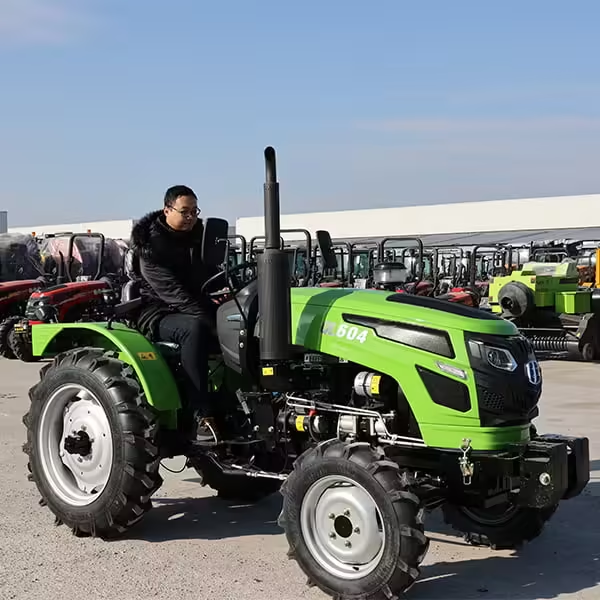
L'ús d'un tractor és essencial per a l'agricultura moderna, la construcció i diverses tasques industrials. No obstant això, garantir un funcionament segur i eficient és vital per maximitzar la productivitat i prevenir accidents. Aquesta guia explora consells pràctics per utilitzar un tractor, ajudant-vos a aconseguir els millors resultats mantenint seguretat i eficiència.
Understanding the Basics of Utilitzant un tractor
Why Proper Tractor Usage Matters
Tractors are versatile machines designed to perform heavy-duty tasks. Misuse or neglect of safety precautions can lead to inefficiency, accidents, or equipment damage.
Key Components of a Tractor
Before using a tractor, familiarize yourself with its main components, including:
- Motor i Transmissió: Powers the tractor and controls speed.
- Sistema Hidràulic: Operates attachments like loaders and plows.
- Característiques de seguretat: Includes rollover protection systems (ROPS) and seat belts.
Pre-Use Checklist for Using a Tractor
- Inspeccioneu els pneumàtics per al desgast i la inflació adequada.
- Check fluid levels, including oil, coolant, and hydraulic fluid.
- Ensure all safety features are functional.
- Verify that attachments are securely fastened.
Safety Tips for Using a Tractor
1. Familiarize Yourself with the Operator’s Manual
Always refer to the operator’s manual for guidelines specific to your tractor model.
2. Perform Regular Maintenance
Regular maintenance ensures that the tractor operates efficiently and reduces the risk of breakdowns.
3. Use Safety Equipment
- Wear a helmet and gloves when necessary.
- Utilize the seat belt and ROPS to protect against rollovers.
4. Operate at Safe Speeds
Avoid excessive speeds, especially on uneven terrain, to maintain control of the tractor.
5. Be Mindful of Surroundings
Stay alert for obstacles, people, or animals in the work area.
Efficient Techniques for Utilitzant un tractor

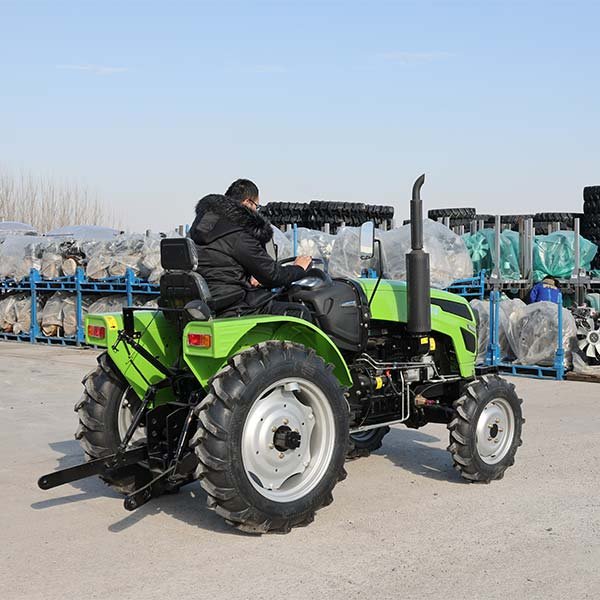
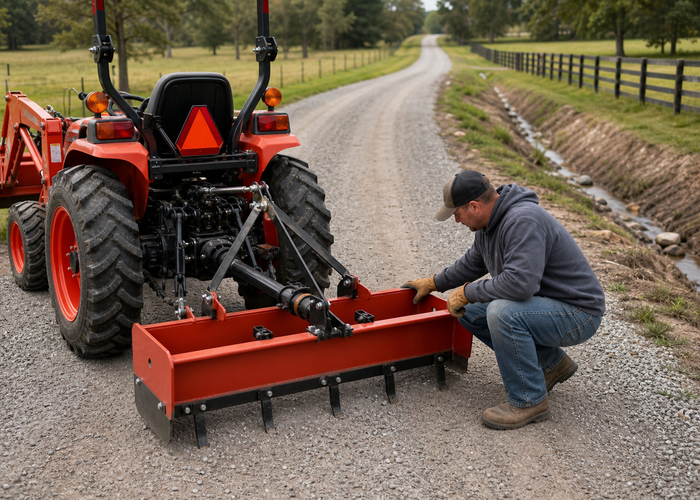
1. Choose the Right Attachments
Selecting the appropriate attachments for your tasks, such as plows or loaders, ensures maximum efficiency.
2. Optimize Tractor Settings
- Adjust tire pressure based on terrain.
- Select the correct gear for the task at hand.
3. Plan Your Work
Map out the task area to minimize unnecessary movements and fuel consumption.
4. Use Ballast Weights
Adding ballast weights improves traction and stability during heavy-duty operations.
Safety and Efficiency Features in Modern Tractors
| Característica | Finalitat | Benefici |
|---|---|---|
| Rollover Protection System | Prevents injuries during rollovers | Enhances operator safety |
| Seient ajustable | Improves comfort and visibility | Redueix la fatiga de l'operador |
| Sistema Hidràulic | Operates various attachments | Boosts versatility |
| Transmissió avançada | Offers multiple speed settings | Optimizes performance for specific tasks |
| GPS and Automation | Provides real-time tracking and control | Increases efficiency and precision |
Advanced Tips for Utilitzant un tractor
1. Incorporate Technology
Modern tractors often come with GPS and automated systems, which can significantly enhance efficiency.
2. Train Operators
Proper training ensures operators are skilled in using a tractor and its features.
3. Invest in Quality Equipment
High-quality tractors and attachments perform better and last longer, saving costs in the long run.
4. Monitor Fuel Consumption
Efficient fuel use not only saves costs but also reduces environmental impact.
5. Evaluate Performance Regularly
Periodic assessments of tractor performance help identify areas for improvement.
Conclusió
Using a tractor effectively combines skill, proper planning, and adherence to safety practices. Whether for farming, construction, or other industrial tasks, focusing on efficiency and safety ensures you get the most out of your equipment while protecting operators and the environment. By following these tips, you can maximize productivity and enjoy the full benefits of your tractor.
FAQ
1. What is the best way to start using a tractor?
Begin by reading the operator’s manual, inspecting the machine, and familiarizing yourself with its controls and features.
2. How often should a tractor be maintained?
Tractors should undergo regular maintenance based on usage hours, typically outlined in the operator’s manual.
3. What are the key safety tips for using a tractor?
Always use safety equipment, operate at safe speeds, and be mindful of your surroundings to prevent accidents.
4. Can using a tractor improve efficiency on a farm?
Yes, tractors significantly reduce manual labor and increase productivity by handling various tasks efficiently.
5. What are common mistakes to avoid when using a tractor?
Avoid overloading the tractor, neglecting maintenance, and operating without proper training or safety measures.
By prioritizing safety and efficiency, you can ensure that using a tractor remains a productive and secure experience for all operators.