Email: [email protected] Whatsapp: +8618266768780
Email: [email protected] Whatsapp: +8618266768780

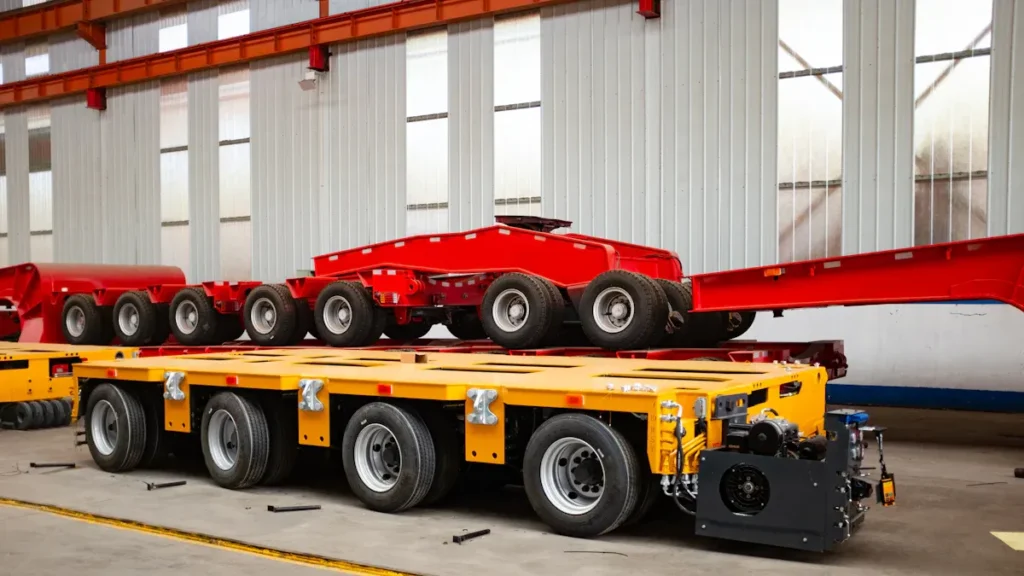
Man könnte sich überfordert fühlen, wenn man zum ersten Mal über den Import von Traktoren aus China nachdenkt Der Prozess kann komplex erscheinen, aber klare Schritte ermöglichen es jedem, erfolgreich zu sein China sticht als wichtiger Akteur auf dem Traktorenexportmarkt hervor:
Wenn Sie kluge Entscheidungen treffen möchten, schauen Sie sich zunächst die 10 besten Fragen an, die Sie stellen sollten, bevor Sie einen Traktor aus China importieren. Dieser Ansatz hilft Ihnen, Selbstvertrauen aufzubauen und häufige Fehler zu vermeiden.
Sie können erhebliche Einsparungen erzielen, wenn Sie Traktoren aus China importieren Chinesische Hersteller bieten wettbewerbsfähige Preise, die Ihnen helfen Senken Sie Ihre Anfangsinvestition. Im Laufe der Zeit profitieren Sie auch von reduzierten Wartungskosten Die folgende Tabelle vergleicht die durchschnittlichen Kosten zwischen chinesischen und US-amerikanischen/europäischen Traktoren:
| Artikel | Traktor chinesischer Marke | Traktor der US-amerikanischen/europäischen Marke |
|---|---|---|
| Erstanschaffungskosten | ¥168.000 | ¥268.000 |
| Durchschnittlicher jährlicher Kraftstoffverbrauch | ¥8.000 | ¥ 7.500 |
| Wartungskosten (Durchschnitt pro Jahr) | ¥2.000 | ¥6.500 |
| Gesamtkosten über drei Jahre | ¥198.000 | ¥299.500 |
| Wiederverkaufssalvement | ¥70.000 | ¥90.000 |
| Tatsächliche Abschreibung | ¥98.000 | ¥178.000 |
| Amortisationszyklus | 2~3 Jahre | 4~5 Jahre |
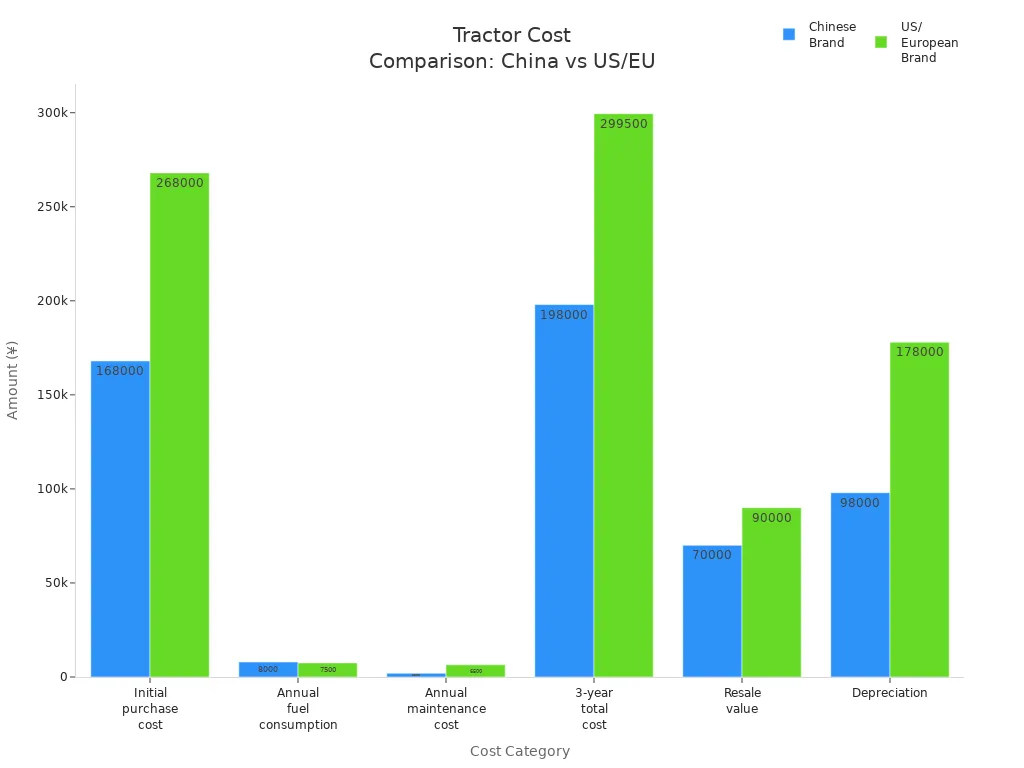
Sie bemerken, dass der Amortisationszyklus für einen chinesischen Traktor viel kürzer ist Niedrigere Abschreibungen und Wartungskosten helfen Ihnen, Ihre Investition schneller zurückzugewinnen Dieser Kostenvorteil macht chinesische Traktoren für viele Käufer zu einer praktischen Wahl.
Chinesische Hersteller bieten eine große Auswahl an Traktormodellen an. Sie können Optionen für kleine landwirtschaftliche Betriebe, große Gewerbebetriebe und alles dazwischen finden. Diese Vielfalt bedeutet, dass Sie einen Traktor auswählen können, der Ihren spezifischen Bedürfnissen entspricht, egal ob Sie sich auf Ackerbau, Viehzucht oder gemischte Landwirtschaft konzentrieren.
Sie haben auch die Flexibilität, benutzerdefinierte Funktionen anzufordern Viele Lieferanten erlauben Ihnen, Spezifikationen anzupassen, wie PS, Anbaugeräte und Kabinendesign Dieser Grad der Anpassung ist breiter als das, was Sie in anderen großen Exportländern finden Beispielsweise konzentrieren sich Hersteller in Indien oft auf einen engeren PS-Bereich, während chinesische Lieferanten ein breiteres Spektrum abdecken.
Das Wachsende Popularität chinesischer Traktoren In Regionen wie Afrika und Lateinamerika zeigt sich ihre Fähigkeit, vielfältigen Anforderungen gerecht zu werden Landwirte in diesen Gebieten wählen chinesische Modelle wegen ihrer Ausgewogenheit von Technologie, Erschwinglichkeit und Anpassungsfähigkeit.
Tipp: Wenn Sie Lieferanten kontaktieren, fragen Sie nach verfügbaren Optionen und Anpassungsdiensten. Dies hilft Ihnen, einen Traktor zu bekommen, der genau Ihren Anforderungen entspricht.
Sie profitieren von Fortschrittliche Technologie Wenn Sie sich für einen chinesischen Traktor entscheiden Hersteller verfügen jetzt über Funktionen, die moderne Landwirtschaft unterstützen und die Effizienz verbessern Zu den gängigen Technologien chinesischer Traktoren gehören:
Diese Funktionen helfen Ihnen, die Produktivität zu steigern und die Handarbeit zu reduzieren Chinesische Traktoren konkurrieren jetzt mit globalen Marken, indem sie Technologie anbieten, die Präzisionslandwirtschaft unterstützt Weitere Informationen über moderne Landwirtschaftstechnologien finden Sie auf Plattformen wie AgFunderNews oder Fortschritte auf dem Bauernhof.
Durch die Wahl eines chinesischen Traktors erhalten Sie Zugang zu erschwinglicher, anpassbarer und technologisch fortschrittlicher Ausrüstung, die Ihre landwirtschaftlichen Ziele unterstützt.
Wenn man überlegt Traktoren aus China zu importieren, profitiert man von der umfangreichen Exporterfahrung des Landes, chinesische Hersteller haben sich einen starken Ruf für die effiziente Abwicklung internationaler Bestellungen aufgebaut, man sieht diese Expertise im stetigen Wachstum der Exportmengen in den letzten Jahren, wie die Traktorenexporte aus China zugenommen haben, zeigt die folgende Tabelle:
| Monat/Jahr | Exportvolumen (Einheiten) |
|---|---|
| Januar 2020 | 10,260 |
| Okt. 2025 | 150,390 |
| November 2025 | 167,393 |
Sie bemerken einen dramatischen Anstieg der Exportzahlen Dieser Aufwärtstrend belegt, dass sich chinesische Zulieferer an die weltweite Nachfrage angepasst und ihre Logistik verbessert haben Das durchschnittliche Exportvolumen von Januar 2020 bis November 2025 erreichte 128.876 Einheiten Das höchste verzeichnete Volumen war 167.393 Einheiten Im November 2025. Diese Zahlen zeigen, dass chinesische Hersteller die Kapazität haben, große Bestellungen zu erfüllen und Lieferpläne einzuhalten.
Notiz: Hohe Exportmengen deuten oft auf zuverlässige Lieferketten und etablierte Versandverfahren hin, bei der Zusammenarbeit mit erfahrenen Exporteuren können Sie mit reibungsloseren Transaktionen rechnen.
Chinesische Lieferanten verstehen die Anforderungen verschiedener Märkte Sie erstellen Dokumentationen, halten internationale Standards ein und bieten Unterstützung während des gesamten Versandprozesses an Sie profitieren von ihrer Vertrautheit mit Zollbestimmungen und Einfuhrverfahren Diese Erfahrung verringert das Risiko von Verzögerungen und Fehlern während des Transports.
Außerdem erhalten Sie Zugang zu einem Netzwerk von Spediteuren und Logistikpartnern Viele Exporteure unterhalten Beziehungen zu Speditionen, die sich auf Landmaschinen spezialisiert haben Diese Verbindungen helfen Ihnen, wettbewerbsfähige Versandtarife und zuverlässige Lieferzeitpläne zu sichern.
Berücksichtigen Sie diese Vorteile bei der Bewertung von Lieferanten:
Chinesische Exporteure bieten oft mehrsprachigen Kundenservice an Sie können Ihre Bedürfnisse klar kommunizieren und Probleme schnell lösen Dieses Maß an Unterstützung macht den Importprozess weniger stressig und vorhersehbarer.
Wenn Sie mehr über den globalen Landmaschinenhandel erfahren möchten, können Sie Ressourcen wie besuchen UN-Comtrade oder Statista.
Sie wollen mit einem Lieferanten zusammenarbeiten, der Versprechen einhält und hohe Standards einhält Bevor Sie sich verpflichten, bewerten Sie die Zuverlässigkeit anhand klarer Kriterien Zuverlässige Lieferanten reagieren schnell, versenden pünktlich, haben eine nachgewiesene Erfolgsbilanz Nutzen Sie die folgende Tabelle als Orientierung für Ihre Einschätzung:
| Kriterien | Beschreibung |
|---|---|
| Betriebliche Zuverlässigkeit | Überprüfen Sie, ob der Lieferant innerhalb von 2 Stunden antwortet und eine Lieferrate über 97% beibehält. |
| Fertigungskapazität | Suchen Sie nach Fabriken mit mindestens fünf Jahren Erfahrung, qualifizierten Arbeitskräften und hoher Produktion. |
| Qualitätssicherung | Fordern Sie eine ISO 9001-Zertifizierung und Dokumentation ihrer Qualitätskontrollverfahren an. |
Sie können Referenzen von früheren Käufern anfordern oder auf Plattformen wie nach Lieferantenbewertungen suchen Alibaba oder Made-in-China. Sie können auch Branchengruppen beitreten LinkedIn Rückmeldungen anderer Importeure einzusehen Fragen Sie immer nach Nachweisen über vergangene Sendungen und Qualitätszertifizierungen.
Tipp: Zuverlässige Lieferanten geben oft ausführliche Antworten und transparente Dokumentation, sollten Sie Verzögerungen oder vage Antworten bemerken, sollten Sie andere Möglichkeiten in Betracht ziehen.
Sie müssen sicherstellen, dass Ihr Traktor alle US-Einfuhranforderungen erfüllt Das Fehlen eines einzigen Dokuments kann Ihre Sendung verzögern oder zu Geldstrafen führen Die wichtigsten Vorschriften umfassen:
Sie müssen auch bestätigen, dass Ihr Traktor den Standards entspricht, die von Organisationen wie ASTM International, ANSI und UL festgelegt wurden. Zur Einhaltung von Umwelt- und Sicherheitsvorschriften bereiten Sie Formulare wie EPA-Formular 3520-1, EPA-Formular 3520-21 und HS-7 vor. Weitere Einzelheiten finden Sie auf der US-Zoll- und Grenzschutz Website oder nehmen Sie an Diskussionen teil Reddits r/legaladvice Für praktische Tipps.
Hinweis: Überprüfen Sie die Anforderungen immer noch einmal mit einem lizenzierten Zollmakler. Die Vorschriften ändern sich und eine fachkundige Beratung hilft Ihnen, kostspielige Fehler zu vermeiden.
Sie müssen jedes technische Detail bestätigen, bevor Sie Ihre Bestellung aufgeben Die richtigen Spezifikationen stellen sicher, dass Ihr Traktor zu den Bedürfnissen Ihres Bauernhofs und den örtlichen Gegebenheiten passt Verwenden Sie diese Tabelle, um die wichtigsten Funktionen zu überprüfen:
| Spezifikation | Einzelheiten |
|---|---|
| Motortyp und Hubraum | Wassergekühlte Dieselmotoren halten länger und leisten eine bessere Leistung. |
| Pferdestärken (PS) | Überprüfen Sie die Netto-Schwungradleistung; Vermeiden Sie überhöhte Zahlen. |
| Übertragung | Wählen Sie je nach Wartungsbedarf manuell oder hydrostatisch. |
| Drei-Punkte-Hitch-Kategorie | Stellen Sie sicher, dass die Hebearme verstellbar und mit Ihren Geräten kompatibel sind. |
| Zapfwelle (PTO) | Suchen Sie nach Live-PTO mit einem Standardgeschwindigkeit von 540 RPM Sicherheit dienen. |
| Hydrauliksystem | Überprüfen Sie die Durchflussrate und die Reservoirkapazität; Dual-Fernbedienungen sorgen für mehr Flexibilität. |
| Reifentyp | Wählen Sie je nach Gelände Ag-, Rasen- oder Industriereifen aus. |
| Gewicht und Bodenfreiheit | Schwerere Traktoren bieten eine bessere Traktion; Streben Sie einen Abstand von mindestens 10 Zoll an. |
Spezifikationen können Sie mit Lieferanten besprechen AgTalk oder folgen Sie den Aktualisierungen auf Twitter Verwendung von Hashtags wie #TractorSpecs Fordern Sie immer technische Datenblätter und Fotos an, bevor Sie Ihre Bestellung abschließen.
Tipp: Die Anpassung der Spezifikationen an die Bedürfnisse Ihres Bauernhofs hilft Ihnen, kostspielige Änderungen nach der Lieferung zu vermeiden.
Wenn Sie die Top 10 Fragen befolgen, die Sie vor dem Import eines Traktors aus China stellen sollten, reduzieren Sie Risiken und treffen fundierte Entscheidungen Jede Frage führt Sie durch einen kritischen Schritt im Importprozess.
Sie müssen bei der Einfuhr von Traktoren aus China genau auf die Qualitätskontrolle achten Dieser Schritt hilft Ihnen, kostspielige Reparaturen zu vermeiden und stellt sicher, dass Ihr Traktor Ihren Erwartungen entspricht Sie sollten mehrere Maßnahmen anwenden, um die Qualität vor dem Versand zu überprüfen Die folgende Tabelle fasst die zusammen Wichtigste Qualitätskontrollschritte:
| Qualitätskontrollmaßnahme | Beschreibung |
|---|---|
| Fabrikinspektion | Bewerten Sie die Produktionskapazitäten und das Qualitätsmanagementsystem des Herstellers. |
| Inspektion vor dem Versand (PSI) | Beauftragen Sie einen unabhängigen Inspektionsdienst für gründliche Kontrollen vor dem Versand. |
| Visuelle Inspektion | Achten Sie auf Abblättern, Rost, Beschädigung und ordnungsgemäße Montage der Farbe. |
| Funktionstests | Testen Sie Motorstart, Getriebe, Hydraulik und elektrische Systeme. |
| Komponentenüberprüfung | Bestätigen Sie, dass die Hauptkomponenten den Spezifikationen entsprechen und aus seriösen Quellen stammen. |
| Dokumentationsprüfung | Stellen Sie sicher, dass Handbücher, Stücklisten und Zertifizierungen enthalten sind. |
| Laufende Produktionsüberwachung | Bei Großaufträgen stichprobenartige Inspektionen während der Produktion veranlassen. |
| Zertifizierungsprüfung | Aktuelle Zertifizierungsunterlagen des Herstellers anfordern und verifizieren. |
Tipp: Fragen Sie immer nach Inspektionsberichten und Zertifizierungsdokumenten, bevor Sie Ihre Bestellung abschließen. Sie können Inspektionsdienste von Drittanbietern für unvoreingenommene Ergebnisse nutzen. Dieser Schritt ist in den Top 10 Fragen, die Sie vor dem Import eines Traktors aus China stellen sollten, von wesentlicher Bedeutung.
Sie müssen die richtige Versandart für Ihren Traktor wählen Die von Ihnen gewählte Methode wirkt sich auf Kosten, Lieferzeit und Sicherheit aus Die folgende Tabelle zeigt die häufigsten Versandoptionen für Traktoren, die aus China in die Vereinigten Staaten importiert werden:
| Versandart | Beschreibung | Kostenbereich |
|---|---|---|
| Containerversand | Bietet Wetterschutz und passt zu den meisten globalen Häfen. | Variiert je nach Größe |
| RoRo-Versand | Kostengünstig für fahrfähige Traktoren; auf und vom Schiff gefahren. | 1 TP4T800 1 TP4T2.000 pro Einheit |
| Flacher Rackversand | Wird für übergroße Fracht verwendet; offene Plattformen mit zusammenklappbaren Enden. | 50-150% mehr als Behälter |
Der Containerversand funktioniert bei den meisten Traktoren gut und schützt sie vor Witterung, der RoRo-Versand eignet sich am besten für Traktoren, die auf das Schiff gefahren werden können Der Flat-Rack-Versand ist für überdimensionierte Traktoren geeignet, kostet aber mehr, Sie sollten diese Optionen vergleichen und Ihren Lieferanten nach Empfehlungen nach Größe und Ziel Ihres Traktors fragen.
Hinweis: Bestätigen Sie immer die Versandzeitpläne und den Versicherungsschutz bei Ihrem Logistikanbieter Ein zuverlässiger Versand sorgt dafür, dass Ihr Traktor sicher und termingerecht ankommt.
Sie müssen alle erforderlichen Dokumente vorbereiten, bevor Ihre Traktorenschiffe Fehlende Unterlagen können die Zollabfertigung verzögern und die Kosten erhöhen Die wichtigsten Dokumente umfassen:
Sie sollten sich bei Ihrem Zollmakler nach Aktualisierungen der Dokumentenanforderungen erkundigen. Jedes Land kann unterschiedliche Regeln haben. Wenn Sie also informiert bleiben, können Sie Probleme vermeiden. Weitere Details finden Sie auf offiziellen Websites wie der Website des US-Zoll- und Grenzschutzes.
Tipp: Bewahren Sie Kopien aller Dokumente auf und ordnen Sie sie in einem sicheren Ordner an, die richtige Dokumentation beschleunigt die Zollabfertigung und schützt Sie vor unerwarteten Problemen.
Sie müssen jede Komponente Ihrer Importkosten verstehen, bevor Sie eine Entscheidung treffen Eine klare Kostenaufstellung hilft Ihnen, Überraschungen zu vermeiden und Ihr Budget zu planen Die folgende Tabelle fasst die zusammen Hauptkomponenten, die Sie berücksichtigen sollten Beim Import von Traktoren aus China:
| Komponente | Beschreibung |
|---|---|
| Kaufpreis | Vergleichen Sie Angebote mehrerer Lieferanten Vermeiden Sie es, ausschließlich auf der Grundlage des niedrigsten Preises zu wählen. |
| Versand und Versicherung | Die Kosten für Seefracht variieren je nach Containertyp, Route und Treibstoffzuschlägen. Um vor Schäden oder Verlusten zu schützen, ist eine Seeversicherung enthalten. |
| Steuern und Einfuhrgebühren | Berücksichtigen Sie Zölle, Bearbeitungsgebühren, Hafengebühren und alle geltenden Umweltabgaben. |
| Wartung und Ersatzteile | Verfügbarkeit und Kosten von Ersatzteilen bestätigen Einige Marken verfügen über bessere globale Support-Netzwerke als andere. |
| Garantie und Kundendienst | Erkundigen Sie sich nach Garantiedauer, Serviceunterstützung und technischer Schulung für Bediener. |
Sie sollten ein detailliertes Angebot von Ihrem Lieferanten anfordern Fragen Sie nach einer Aufschlüsselung der einzelnen Kostenpositionen Dieser Schritt stellt sicher, dass Sie genau wissen, wofür Sie bezahlen Sie können sich auch mit einem Zollmakler beraten, um Steuern und Einfuhrgebühren zu schätzen Planen für Wartung und Ersatzteile sorgt dafür, dass Ihr Traktor nach der Ankunft reibungslos läuft.
Tipp: Schließen Sie immer eine Versicherung in Ihren Versandplan ein Die Versicherung schützt Ihre Investition, wenn Ihr Traktor während des Transports beschädigt wird.
Mit effektiven Verhandlungsstrategien können Sie sich bessere Angebote sichern. Chinesische Geschäftskultur verstehen Hilft Vertrauen aufzubauen und günstige Konditionen zu erzielen Hier einige praktische Tipps für Verhandlungen mit Lieferanten:
Sie sollten Fragen im Vorfeld vorbereiten und über alle Vereinbarungen Buch führen Gute Verhandlungsgeschicklichkeit hilft Ihnen, Geld zu sparen und Missverständnisse zu vermeiden.
Hinweis: Verhandlungen sind ein wichtiger Teil der Top 10 Fragen, die Sie vor dem Import eines Traktors aus China stellen sollten Ausgeprägte Verhandlungsfähigkeiten können Ihr Gesamtimporterlebnis verbessern.
Zuverlässiger Kundendienst sorgt dafür, dass Ihr Traktor nach der Lieferung eine gute Leistung erbringt Sie sollten Ihren Lieferanten nach den Arten des Supports fragen, die er anbietet Die folgende Tabelle beschreibt die gängigen Kundendienstleistungen chinesischer Hersteller:
| Servicetyp | Beschreibung |
|---|---|
| Online-Support | Zuverlässiger Kundendienst sorgt für optimale Traktorleistung. |
| Garantiezeit | Die Garantiedeckung liegt in der Regel zwischen 12 und 24 Monaten. |
| Ersatzteilverfügbarkeit | Ausreichende Ersatzteilreserven mit Kostenloses Zubehör während der Garantie. |
| 24/7 Online-Service | Einige Lieferanten bieten rund um die Uhr Online-Support für Kundenthemen. |
| Reaktionszeit | Lösungen werden häufig innerhalb von 1-3 Tagen nach Erhalt der Beschwerden bereitgestellt. |
Sie sollten die Garantiezeit bestätigen und nach der Ersatzteilverfügbarkeit fragen Zuverlässige Lieferanten reagieren schnell auf Serviceanfragen und bieten technischen Support online an Einige Unternehmen stellen während der Garantiezeit kostenloses Zubehör zur Verfügung Schnelle Reaktionszeiten helfen Ihnen, Probleme zu lösen und Ihren Traktor am Laufen zu halten.
Tipp: After-Sales-Support ist für die langfristige Zufriedenheit unerlässlich Überprüfen Sie immer die Details, bevor Sie Ihren Kauf abschließen.
Sie müssen aktuelle Markttrends verstehen, bevor Sie einen Traktor aus China importieren Bleiben Sie informiert hilft Ihnen, kluge Entscheidungen zu treffen und Veränderungen in der Branche zu antizipieren Der globale Traktorenmarkt entwickelt sich schnell, und die chinesischen Exporte spielen eine große Rolle bei der Gestaltung dieser Trends.
Viele Landwirte suchen mittlerweile nach Traktoren mit fortschrittlicher Technologie. Autonome Traktoren Beliebt werden, weil sie den Arbeitskräftebedarf senken und die Effizienz verbessern Sie können sehen, dass mehr landwirtschaftliche Betriebe selbstfahrende Modelle zur Bewältigung von Routineaufgaben verwenden Datenanalyse und Präzisionslandwirtschaft beeinflussen auch Kaufentscheidungen Durch die Datenerfassung in Echtzeit können Sie die Traktornutzung optimieren und die Ernte effektiver verwalten.
Umweltbelange treiben die Nachfrage nach Elektro - und Hybridtraktoren an Diese Modelle bieten sauberere Alternativen und qualifizieren sich oft für staatliche Anreize, wer seinen Carbon Footprint senken möchte, sollte diese Möglichkeiten in Betracht ziehenDie Sharing Economy ist ein weiterer Trend Tractor-Sharing-Plattformen ermöglichen Kleinbauern den Zugang zu Geräten ohne große Investitionen Dieses Modell hilft Ihnen, Geld zu sparen und Ressourcen effizienter zu nutzen.
Smart-Farming-Technologien wachsen weiterSie können Traktoren mit integrierten Sensoren, GPS-Führung und automatisierten Steuerungen finden Diese Funktionen steigern die Produktivität und unterstützen die Präzisionslandwirtschaft Staatliche Unterstützung prägt auch den Markt Subventionen und Technologieanreize fördern Innovationen und machen fortschrittliche Traktoren zugänglicher.
Chinesische Hersteller reagieren auf diese Trends, indem sie eine breite Palette von Modellen anbieten Exportmöglichkeiten für chinesische Traktoren erweitern sich immer weiter Viele internationale Käufer erkennen den Wert und die Zuverlässigkeit dieser MaschinenSie profitieren von wettbewerbsfähigen Preisen und dem Zugang zu den neuesten Funktionen.
Die folgende Tabelle fasst die wichtigsten Trends auf dem globalen Traktorenimportmarkt zusammen:
| Trend | Beschreibung |
|---|---|
| Autonome Traktoren | Selbstfahrende Traktoren gewinnen an Zugkraft, reduzieren den Arbeitsbedarf und steigern die Effizienz. |
| Datenanalyse und Präzisionslandwirtschaft | Die Datenerfassung und -analyse in Echtzeit ermöglicht es Landwirten, die Traktornutzung zu optimieren und das Pflanzenmanagement zu verbessern. |
| Elektro- und Hybridtraktoren | Umweltbewusste Alternativen erfreuen sich als Reaktion auf staatliche Anreize und Verbraucherpräferenzen zunehmender Beliebtheit. |
| Sharing Economy für Traktoren | Modelle für gemeinschaftliches Eigentum, einschließlich Traktor-Sharing-Plattformen, bieten kostengünstige Lösungen für Kleinbauern. |
| Intelligente Landwirtschaftstechnologien | Die Integration intelligenter Landwirtschaftstechnologien steigert Produktivität und Präzision. |
| Staatliche Unterstützung | Staatliche Initiativen wie Subventionen und Technologieanreize prägen Marktwachstum und Innovation. |
| Wachsende Exportmöglichkeiten | Chinesische Ackerschlepper gewinnen auf internationalen Märkten an Anerkennung und Nachfrage und bieten ein erhebliches Wachstumspotenzial für die Hersteller. |
Tipp: Sie sollten Markttrends regelmäßig beobachten Das Verfolgen von Branchennachrichten und der Beitritt zu Online-Landwirtschaftsgemeinschaften hilft Ihnen, die Nase vorn zu haben Ressourcen wie Fortschritte auf dem Bauernhof und AgFunderNews Aktualisierungen zu Technologie und Welthandel bereitstellen.
Wenn Sie die Top 10 Fragen, die Sie vor dem Import eines Traktors aus China stellen sollten, überprüfen, beziehen Sie Markttrends in Ihre Forschung ein Das Verständnis dieser Änderungen hilft Ihnen, den richtigen Traktor auszuwählen und für zukünftige Anforderungen zu planen.
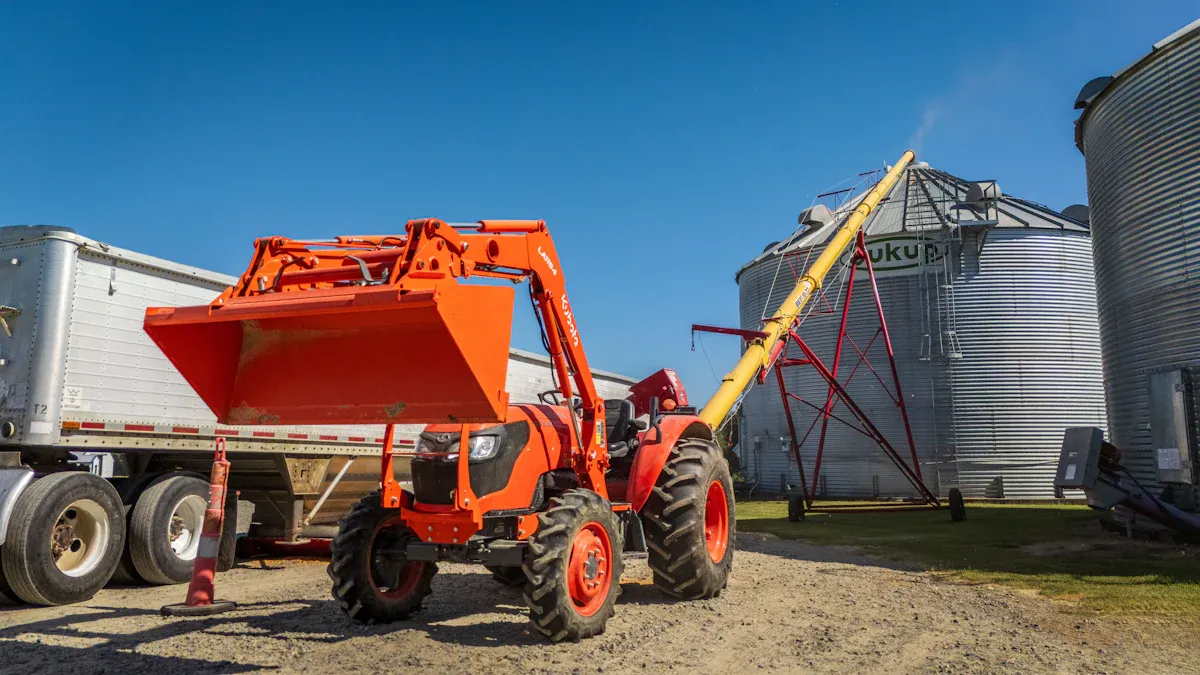
Sie beginnen Ihre Importreise mit der Definition Ihrer Anforderungen Klare Ziele helfen Ihnen, den richtigen Traktor auszuwählen und kostspielige Fehler zu vermeiden Beginnen Sie mit der Auflistung der Aufgaben, die Ihr Traktor ausführen soll Zum Beispiel benötigen Sie möglicherweise einen Traktor zum Pflügen, Ziehen oder Pflanzen Berücksichtigen Sie die Größe Ihres Betriebs und die Art der Kulturpflanzen, die Sie anbauen Schreiben Sie die PS, den Getriebetyp und die Anbaugeräte auf, die Sie benötigen.
Tipp: Nutzen Sie Online-Foren für Landwirtschaft wie AgTalk Um zu sehen, was andere Landwirte für ähnliche Betriebe empfehlen.
Legen Sie ein realistisches Budget fest, bevor Sie sich an Lieferanten wenden Ihr Budget sollte den Kaufpreis, die Versandgebühren, Steuern, Versicherungen und Inspektionskosten enthalten Sie können eine einfache Tabelle verwenden, um Ihre Ausgaben zu verfolgen Planen Sie Ihr Budget hilft Ihnen, Mehrausgaben zu vermeiden und bereitet Sie auf unerwartete Gebühren vor.
Hinweis: Muster-Budgetvorlagen finden Sie auf Google-blätter oder Bauerngruppen auf Reddit.
Identifizieren Sie, wie Sie Ihren Traktor verwenden werden Werden Sie ihn täglich oder saisonal verwenden? benötigen Sie ihn für schwere Arbeiten oder leichte Aufgaben? Ihre Verwendung wirkt sich auf die Spezifikationen aus, die Sie wählen Wenn Sie planen, den Traktor für mehrere Arbeiten zu verwenden, suchen Sie nach Modellen mit flexiblen Aufsätzen und langlebigen Motoren.
Callout: Die Anpassung Ihres Traktors an Ihre Nutzung gewährleistet langfristige Zufriedenheit und senkt die Wartungskosten.
Wesentliche Schritte zur Erforschung des Bedarfs an Traktorimporten:
Lieferanten finden Sie über Online-Plattformen Websites wie Alibaba und Made-in-China Liste tausende Traktorenhersteller Verwenden Sie Filter, um Ihre Suche nach Standort, Zertifizierung und Produkttyp einzugrenzen Lesen Sie Lieferantenprofile und überprüfen Sie deren Transaktionsverlauf.
Tipp: Treten Sie Social Media Gruppen bei wie LinkedIn Branchenforen, um Empfehlungen von anderen Importeuren einzuholen.
Besuchen Sie Messen, um Lieferanten persönlich zu treffen Auf Landwirtschaftsmessen in China und internationalen Veranstaltungen sind häufig Traktorenhersteller vertreten. Messen bieten Ihnen die Möglichkeit, Produkte zu inspizieren, Modelle zu vergleichen und Begriffe direkt mit Unternehmensvertretern zu besprechen.
Hinweis: Sie können kommende Messen auf Websites wie finden 10-mal oder Eventbrite.
Prüfen Sie die Lieferanten-Anmeldeinformationen, bevor Sie eine Entscheidung treffen Zuverlässige Lieferanten verfügen über Zertifizierungen wie ISO 9001 und CE-Kennzeichnung Sie sollten ihre Produktionskapazität und technische Expertise überprüfen Fragen Sie nach Werksauditberichten und Inspektionsergebnissen Dritter.
Checkliste für Lieferantenüberprüfung:
Callout: Lieferanten, die schnell reagieren und eine klare Dokumentation vorlegen, liefern eher Qualitätsprodukte.
Lesen Sie Bewertungen von anderen Käufern, um die Leistung der Lieferanten zu bewerten Bewertungen offenbaren Stärken und Schwächen in der Produktqualität, Liefergeschwindigkeit und Kundenservice Nutzen Sie Plattformen wie Trustpilot oder Reddit ehrliches Feedback zu finden.
Fragen Sie Lieferanten nach Referenzen früherer Kunden Kontaktieren Sie diese Referenzen, um ihre Erfahrung mit dem Lieferanten zu bestätigen Zuverlässige Lieferanten stellen Kontaktinformationen für zufriedene Käufer bereit Sie können nach Produktqualität, Lieferzeiten und Supportleistungen fragen.
| Kriterien | Traktorenlieferant aus China | Kundenspezifischer Händler |
|---|---|---|
| Kostenfaktoren | Wettbewerbsfähige Tarife, Massenrabatte | Höherer Vorabpreis, inklusive Dienstleistungen |
| Anpassungsoptionen | Eingeschränkte Anpassung | Umfangreiche Anpassung verfügbar |
| Support und Servicequalität | Verfügbar, kann zusätzliche Kosten verursachen | Oft enthalten |
| Wartung und Zuverlässigkeit | Geringere Wartungskosten | Maßgeschneiderte Servicepakete |
| Wiederverkaufswert | Stabiler Wiederverkaufswert | Potenziell höherer Wiederverkaufswert |
| Betriebseffizienz | Hohe Manövrierfähigkeit | Hohe Hubkapazität |
| Teileverfügbarkeit | Globales Vertriebsnetz | Lokale Unterstützung |
Tipp: Nutzen Sie diese Tabelle, um Lieferanten zu vergleichen und wählen Sie diejenige aus, die Ihren Bedürfnissen am besten entspricht.
Sie können auch Online-Communities beitreten, um Lieferantenerfahrungen zu besprechen Plattformen wie Facebook-Gruppen und Twitter Echtzeitberatung durch andere Importeure anbieten.
Sie müssen jedes bestätigen Spezifikation Bevor Sie Ihre Traktorbestellung abschließen Dieser Schritt stellt sicher, dass Ihr Traktor Ihren betrieblichen Anforderungen entspricht und den lokalen Standards entspricht Beginnen Sie mit der Überprüfung der technischen Details mit Ihrem Lieferanten Fragen Sie nach einem vollständigen Spezifikationsblatt und vergleichen Sie es mit Ihren Anforderungen.
| Spezifikation | Beschreibung |
|---|---|
| Pferdestärken (PS) | Bestimmt die Arbeitskapazität; Berücksichtigen Sie sowohl Motor-HP als auch Zapfwellen-HP. |
| Übertragungsart | Zu den Optionen gehören manuelle, hydrostatische und CVT; beeinflusst die Geschwindigkeitskontrolle und die einfache Bedienung. |
| Antriebsstrang | 4 WD verbessert die Traktion; Berücksichtigen Sie die Geländebedingungen. |
| Kapazität des Hydrauliksystems | Gemessen in GPM; Eine höhere Kapazität ermöglicht einen schnelleren Betrieb mehrerer Geräte. |
| Drei-Punkte-Hitch-Kategorie | Kategorie 1 für kleinere Zugmaschinen; Gewährleistung der Kompatibilität mit Geräten. |
| Zapfwellengeschwindigkeit | Üblicherweise 540 oder 1000 RPM; anhand der Implementierungsanforderungen überprüfen. |
| Kraftstoffeffizienz | Dieselmotoren bieten ein besseres Drehmoment; Vergleichen Sie Gallonen pro Stunde unter Last. |
| Kabine & Komfort | Geschlossene Kabinen mit HVAC- und Federungssitzen erhöhen die Sicherheit und Produktivität. |
Sie können eine Anpassung an Ihre spezifischen Bedürfnisse anfordern Viele Lieferanten bieten Optionen wie einstellbare PS, verschiedene Getriebetypen und spezielle Anbaugeräte an Sie können auch Funktionen wie klimatisierte Fahrerhäuser, ergonomische Sitze oder fortschrittliche Bedienfelder auswählen. Die Anpassung hilft Ihnen, Ihren Traktor für die Größe, das Gelände und die Arbeitsbelastung Ihres Bauernhofs zu optimieren.
Tipp: Listen Sie Ihre Must-Have-Funktionen auf, bevor Sie mit Lieferanten verhandeln Klare Kommunikation über die Anpassung verhindert Missverständnisse und sorgt dafür, dass Sie die richtige Ausrüstung erhalten.
Sie müssen überprüfen, ob Ihr Traktor alle erforderlichen Zertifizierungen erfüllt Zertifizierungen beweisen, dass der Traktor Sicherheits, Umwelt - und Qualitätsstandards entspricht Zu den gängigen Zertifizierungen gehören ISO 9001 für Qualitätsmanagement und CE-Kennzeichnung für die Einhaltung der Sicherheitsvorschriften Fragen Sie Ihren Lieferanten nach Kopien dieser Zertifikate und überprüfen Sie deren Gültigkeit.
Hinweis: Zertifizierte Traktoren lassen sich leichter durch den Zoll räumen und haben Anspruch auf Versicherungsschutz.
Sie müssen gründliche Qualitätsinspektionen durchführen, um kostspielige Reparaturen zu vermeiden und die langfristige Zuverlässigkeit sicherzustellen Qualitätskontrollen helfen Ihnen, Probleme vor Ihren Traktorschiffen zu erkennen.
Fragen Sie Ihren Lieferanten nach Mustereinheiten oder detaillierten Fotos von fertigen Traktoren. Mit Mustern können Sie die Verarbeitungsqualität, Lackierung und Montagestandards überprüfen. Sie können auch Videos anfordern, die den Traktor im Betrieb zeigen. Durch die Überprüfung von Mustern können Sie Vertrauen in die Verarbeitung des Lieferanten gewinnen.
Vereinbaren Sie Inspektionen Dritter in verschiedenen Produktionsstufen Unabhängige Prüfer beurteilen die Qualität des Traktors und überprüfen, ob er Ihren Spezifikationen entspricht Sie sollten:
Callout: Inspektionen von Drittanbietern liefern unvoreingenommene Ergebnisse und schützen Ihre Investition Sie können Inspektionsdienste über Plattformen wie finden SGS oder Intertek.
Sie müssen alle Vorschriften verstehen, bevor Sie Ihren Traktor importieren Die Einhaltung von Regeln sorgt für eine reibungslose Zollabfertigung und verhindert rechtliche Probleme.
Bereiten Sie alle erforderlichen Importdokumente vor Diese umfassen in der Regel:
Bewahren Sie Kopien jedes Dokuments auf und organisieren Sie sie für einen einfachen Zugriff. Fehlender Papierkram kann Ihren Versand verzögern und die Kosten erhöhen.
Ihr Traktor muss die US-Standards für Sicherheit und Umweltschutz erfüllen Überprüfen Sie die Anforderungen von Behörden wie der Environmental Protection Agency (EPA) und dem Department of Transportation (DOT) Bestätigen Sie, dass Ihr Traktor die Emissionsgrenzwerte und Sicherheitsmerkmale einhält.
Tipp: Konsultieren Sie einen lizenzierten Zollmakler für Aktualisierungen der US-Standards. Vorschriften ändern sich häufig, und Expertenrat hilft Ihnen, die Vorschriften einzuhalten.
Machen Sie sich mit den Zollvorschriften für landwirtschaftliche Maschinen vertraut US-Zoll - und Grenzschutz (CBP) gibt Richtlinien für die Einfuhr von Traktoren vor Sie müssen den Wert, die Herkunft und die Spezifikationen des Traktors genau angeben Achten Sie auf Tarifcodes und Zollsätze.
Hinweis: Die Einhaltung der Zollvorschriften verringert das Risiko von Verspätungen und Bußgeldern Mehr Informationen finden Sie auf der CBP-Website.
Sie müssen genaue Angebote sichern und günstige Bedingungen aushandeln, bevor Sie sich an einen Lieferanten binden Dieser Schritt hilft Ihnen, die Kosten zu kontrollieren und Missverständnisse zu vermeiden Sie sollten Verhandlungen mit einer klaren Strategie und klar definierten Erwartungen angehen.
Beginnen Sie mit der Anforderung detaillierter Angebote von mehreren Lieferanten Bitten Sie um eine Aufschlüsselung aller Kosten, einschließlich des Basispreises, der Anpassungsgebühren, der Versandkosten und etwaiger zusätzlicher Ausgaben Vergleichen Sie diese Angebote mit den aktuellen Marktpreisen, um sicherzustellen, dass Sie faire Angebote erhalten Lieferanten gewähren häufig Rabatte für Großbestellungen, klären Sie also Ihre Bestellmenge und erkundigen Sie sich nach möglichen Preissenkungen.
Schritte zur Preisverhandlung mit chinesischen Traktorenlieferanten:
Tipp: Fordern Sie immer eine schriftliche Bestätigung des Endpreises und der inkludierten Leistungen an Diese Dokumentation schützt Sie vor unerwarteten Gebühren.
Sie müssen Zahlungsbedingungen aushandeln, die Ihre Interessen schützen Lieferanten können mehrere Optionen anbieten, wie Überweisungen, Akkreditive oder Treuhanddienste Treuhanddienste fügen eine zusätzliche Ebene der Sicherheit hinzu, indem sie Gelder halten, bis Sie Ihren Traktor erhalten Klären Sie den Zahlungsplan, einschließlich der Einzahlungsbeträge und Abschlusszahlungen Fragen Sie nach Rückerstattungsrichtlinien bei Verzögerungen oder Qualitätsproblemen.
Überlegungen zu gemeinsamen Zahlungsbedingungen:
Hinweis: Zuverlässige Lieferanten werden die Zahlungsbedingungen im Detail erläutern und transparente Richtlinien bereitstellen, sollten Sie vage Antworten bemerken, gehen Sie mit Vorsicht vor.
Sie benötigen einen formellen Vertrag, um Ihre Vereinbarung abzuschließen Der Vertrag sollte alle Bedingungen, einschließlich Preisgestaltung, Zahlungsplan, Lieferzeitpläne und Qualitätsstandards, genau überprüfen Sie den Vertrag vor der Unterzeichnung Stellen Sie sicher, dass er Klauseln zur Streitbeilegung und Garantiedeckung enthält Sie können sich mit einem Rechtsexperten oder Zollmakler beraten, um die Gültigkeit des Vertrags zu überprüfen.
| Vertragselement | Beschreibung |
|---|---|
| Preise | Gibt die Gesamtkosten und etwaige Rabatte an |
| Zahlungsbedingungen | Einzelheiten zur Anzahlung, Abschlusszahlung und Methode |
| Lieferzeitplan | Legt die voraussichtlichen Versand- und Ankunftsdaten fest |
| Qualitätsstandards | Listen erforderliche Spezifikationen und Inspektion |
| Garantie | Definiert den Versicherungszeitraum und die Bedingungen |
| Streitbeilegung | Beschreibt Schritte zur Behandlung von Meinungsverschiedenheiten |
Callout: Ein klarer Vertrag schützt Ihre Investition und setzt Erwartungen für beide Seiten.
Sie müssen Versand und Logistik planen, um sicherzustellen, dass Ihr Traktor sicher und pünktlich ankommt Dieser Schritt beinhaltet die Wahl der richtigen Versandart, die Bestätigung der Lieferzeitpläne und die Sicherung der Versicherung.
Wählen Sie eine Versandart basierend auf der Größe, dem Ziel und dem Budget Ihres Traktors. Zu den gängigen Optionen gehören Containerversand, RoRo (Roll-on/Roll-off) und Flat-Rack-Versand. Der Containerversand bietet Schutz vor Witterung und Beschädigung. Der RoRo-Versand funktioniert gut für fahrbare Traktoren. Flat-Rack-Versand passt zu übergroßen Geräten, kann aber mehr kosten.
| Versandart | Merkmale | Beste für |
|---|---|---|
| Container | Geschlossen, wettergeschützt | Die meisten Traktormodelle |
| RoRo | Ein-/Ausfahrtschiff | Fahrtraktoren |
| Flaches Gestell | Offene Plattform, übergroße Fracht | Große oder schwere Traktoren |
Tipp: Fragen Sie Ihren Lieferanten nach Empfehlungen, die auf den Spezifikationen und dem Zielhafen Ihres Traktors basieren.
Bestätigen Sie die Versandzeitpläne, bevor Sie Ihre Bestellung abschließen Fragen Sie nach geschätzten Abflug - und Ankunftsdaten Faktor in der Produktion Vorlaufzeit, Zollabfertigung und Transitdauer Zuverlässige Lieferanten stellen regelmäßige Aktualisierungen zum Versandstatus zur Verfügung.
Hinweis: Die Planung realistischer Zeitpläne hilft Ihnen, die Lieferung zu koordinieren und Störungen Ihres Betriebs zu vermeiden.
Sie benötigen eine Versicherung, um Ihren Traktor während des Transports zu schützen Die Seeversicherung deckt Verluste oder Schäden ab, die durch Unfälle, Diebstahl oder Naturkatastrophen verursacht werden Fragen Sie Ihren Lieferanten oder Spediteur nach verfügbaren Versicherungsoptionen Überprüfen Sie die Deckungsdetails und Schadenverfahren.
| Versicherungstyp | Abdeckungsbereich | Empfohlen für |
|---|---|---|
| Marinefracht | Schäden, Verlust, Diebstahl, Unfälle | Alle Sendungen |
| Allrisiko | Umfassender Schutz | Hochwertige Ausrüstung |
| Begrenzte Abdeckung | Nur spezifische Risiken | Sendungen mit geringem Risiko |
Callout: Die Versicherung sichert Ihre Investition und sorgt für Sicherheit während des Versands.
Sie müssen alle erforderlichen Dokumente vorbereiten, um eine reibungslose Zollabfertigung und Lieferung zu gewährleisten Eine ordnungsgemäße Dokumentation beschleunigt den Importprozess und verringert das Risiko von Verzögerungen.
In der Handelsrechnung sind die Transaktionsdetails aufgeführt, einschließlich Beschreibung, Menge, Stückpreis und Gesamtwert des Traktors. Sie sollten überprüfen, ob die Rechnung mit Ihrem Vertrag übereinstimmt und alle erforderlichen Informationen enthält.
Tipp: Bewahren Sie Kopien aller Rechnungen für Ihre Unterlagen und zukünftige Referenzen auf.
Die Packliste enthält Einzelheiten zum Inhalt jeder Sendung Sie enthält Artikelbeschreibungen, Mengen, Gewichte und Verpackungsarten Die Zollbeamten verwenden die Packliste, um Ihre Sendung zu überprüfen.
| Element der Verpackungsliste | Beschreibung |
|---|---|
| Artikelbeschreibung | Name und Art jedes Produkts |
| Menge | Anzahl der Einheiten pro Artikel |
| Gewicht | Brutto - und Nettogewicht |
| Verpackungstyp | Box, Kiste oder Palette |
Hinweis: Genaue Packlisten helfen, Verzögerungen beim Zoll zu vermeiden und eine ordnungsgemäße Handhabung sicherzustellen.
Sie müssen Zertifikate beifügen, die die Einhaltung von Sicherheits, Umwelt, und Qualitätsstandards belegen Zu den gängigen Zertifikaten gehören ISO 9001, CE-Kennzeichnung, und EPA-Konformitätsdokumente Fragen Sie Ihren Lieferanten nach Kopien aller erforderlichen Zertifikate und überprüfen Sie deren Echtheit.
Aufruf: Vollständige Dokumentation rationalisiert den Importprozess und unterstützt die Einhaltung gesetzlicher Vorschriften.
Sie müssen die Zollabfertigung abschließen, bevor Ihr Traktor in die Vereinigten Staaten einreist Dieser Vorgang umfasst mehrere wichtige Schritte Jeder Schritt stellt sicher, dass Ihre Sendung alle gesetzlichen und behördlichen Anforderungen erfüllt.
Tipp: Beginnen Sie frühzeitig mit der Vorbereitung Ihrer Unterlagen Eine frühzeitige Vorbereitung hilft Ihnen, Verzögerungen in letzter Minute am Hafen zu vermeiden.
Sie können eine reibungslose Lieferung gewährleisten, indem Sie diese praktischen Tipps befolgen:
Notiz: Schnelles Handeln nach der Zollabfertigung senkt die Lagergebühren und verhindert unnötige Verzögerungen.
Sie sollten die Garantiebedingungen bestätigen, bevor Sie Ihren Kauf abschließen Die meisten Lieferanten bieten Garantien, die Hauptkomponenten für einen bestimmten Zeitraum abdecken Überprüfen Sie die Garantiebestimmungen, um zu verstehen, was enthalten ist und wie Sie einen Anspruch geltend machen.
| Aspekt | Einzelheiten |
|---|---|
| Garantiezeit | Die Abdeckung liegt in der Regel zwischen 12 und 24 Monaten. |
| Abdeckungsbereich | Beinhaltet Motor, Getriebe und Hauptstrukturteile. |
| Anspruchsprozess | Erfordert einen Nachweis über Kauf- und Serviceunterlagen. |
Callout: Eine klare Garantie gibt Ihnen Sicherheit und schützt Ihre Investition.
Sie benötigen einen zuverlässigen Zugang zu Ersatzteilen für die laufende Wartung Fragen Sie Ihren Lieferanten nach seinem Ersatzteilbestand und den Lieferzeiten Bestätigen Sie, dass Teile für das spezifische Modell, das Sie importieren, verfügbar sind.
Tipp: Der schnelle Zugang zu Ersatzteilen hält Ihren Traktor am Laufen und reduziert Ausfallzeiten.
Sie sollten den Kundendienst des Lieferanten bewertenGuter Service umfasst technischen Support, Fehlerbehebung, und Reparatur-AssistenzViele Lieferanten bieten Online-Support an und haben erfahrenes Personal, um Ihre Fragen zu beantworten.
| Servicetyp | Einzelheiten |
|---|---|
| Technische Unterstützung | Verfügbar per E-Mail, Telefon oder Online-Chat. |
| Reaktionszeit | Die meisten Probleme wurden innerhalb von 1-3 Werktagen gelöst. |
| Servicenetzwerk | Einige Lieferanten haben lokale Partner für Reparaturen. |
Notiz: Zuverlässiger Kundendienst stellt sicher, dass Ihr Traktor jahrelang effizient arbeitet.
Wenn Sie einen Traktor aus China importieren, müssen Sie mit mehreren Arten von Kosten rechnen. Wenn Sie diese Kosten verstehen, können Sie Ihr Budget planen und Überraschungen vermeiden. Sie sollten sich sowohl die Hauptkosten als auch die versteckten Gebühren ansehen, um ein vollständiges Bild zu erhalten.
Sie zahlen den Grundpreis für den Traktor selbst Dieser Preis hängt vom Modell, den Merkmalen und dem Grad der individuellen Anpassung ab, für die Sie sich entscheiden Lieferanten bieten oft Angebote in US-Dollar oder chinesischen Yuan Immer fragen Sie nach einer detaillierten Aufschlüsselung dessen, was der Preis beinhaltet.
Der Versand Ihres Traktors aus China verursacht erhebliche Kosten. Die Frachtkosten hängen von der Versandart, der Entfernung und der Größe des Traktors ab. Containerversand, RoRo (Roll-on/Roll-off) und Flat-Rack-Versand haben jeweils unterschiedliche Preise. Sie können die Versandoptionen auf Plattformen wie vergleichen Frachtschiffe.
Sie müssen Zölle und Einfuhrsteuern zahlen, wenn Ihr Traktor in den Vereinigten Staaten ankommt Zollbeamte berechnen diese Gebühren auf der Grundlage des Werts und der Klassifizierung des Traktors Sie können die aktuellen Zollsätze auf der US-amerikanische Kommission für internationalen Handel Website.
Die Versicherung schützt Ihren Traktor während des Transports Die Seefrachtversicherung deckt Schäden, Verluste oder Diebstahl ab. Sie sollten immer eine Versicherung in Ihren Versandplan aufnehmen, um Ihre Investition zu sichern.
Qualitätsinspektionen fügen weitere Kosten hinzu Sie können Drittinspektoren beauftragen, die Zugmaschine vor dem Versand zu überprüfen Die Inspektionsgebühren variieren je nach Detaillierungsgrad und Anzahl der kontrollierten Einheiten.
| Hauptkosten | Beschreibung |
|---|---|
| Traktorpreis | Grundkosten des Traktors |
| Frachtkosten | Versandgebühren von China zu Ihrem Standort |
| Tarife und Steuern | Einfuhrzölle und staatliche Steuern |
| Versicherung | Deckung für Schäden oder Verluste während des Versands |
| Inspektionsgebühren | Gebühren für Qualitätsprüfungen und Zertifizierungen |
Tipp: Fordern Sie eine vollständige Kostenaufstellung von Ihrem Lieferanten an, bevor Sie dem Kauf zustimmen.
Häfen erheben Gebühren für die Handhabung, Entladung und Bearbeitung Ihrer Sendung. Diese Gebühren können sich schnell summieren, insbesondere wenn Ihr Traktor mehrere Tage im Hafen bleibt.
Wenn Sie Ihren Traktor nicht sofort abholen, können Sie Lagergebühren zahlen Häfen und Lagerhäuser berechnen für die Lagerung Ihrer Ausrüstung tägliche Sätze, bis Sie die Lieferung arrangieren.
Für die Erfüllung regulatorischer Anforderungen können Ihnen zusätzliche Kosten entstehen. Dazu können Gebühren für spezielle Zertifizierungen, Emissionstests oder die Einhaltung lokaler Standards gehören.
| Versteckte Gebühr | Beschreibung |
|---|---|
| Hafengebühren | Bearbeitungs - und Entladegebühren im Hafen |
| Lagerung | Tägliche Gebühren für die Lagerung Ihres Traktors |
| Regulierungskosten | Ausgaben für Compliance und Zertifizierungen |
Näheres zu Einfuhrkosten und Vorschriften finden Sie auf der US-Zoll- und Grenzschutz Website.
Notiz: Legen Sie immer versteckte Gebühren in Ihr Budget ein Eine sorgfältige Planung hilft Ihnen, unerwartete Ausgaben zu vermeiden und hält Ihren Importprozess auf Kurs.
Sie riskieren Ihre Investition, wenn Sie Lieferanten ohne ordnungsgemäße Überprüfung auswählen Viele Anfänger tappen in diese Falle, indem sie Online-Profilen oder attraktiven Angeboten vertrauen Sie könnten Traktoren von schlechter Qualität erhalten, Lieferungen verzögern oder sogar Ihre Zahlung verlieren Um diesen Fehler zu vermeiden, überprüfen Sie immer die Lieferanten-Anmeldeinformationen Zertifizierungen wie ISO 9001 anfordern und um Werksauditberichte bitten Zuverlässige Lieferanten geben Referenzen von früheren Käufern an und reagieren schnell auf Ihre Fragen.
Fallbeispiel:
Ein Käufer bestellte Traktoren von einem unbekannten Lieferanten, die auf einem Marktplatz gefunden wurden Die Sendung kam zu spät, und mehrere Einheiten erfüllten nicht die versprochenen Spezifikationen Der Käufer hatte Mühe, Unterstützung oder Entschädigung zu bekommen.
So verhindern Sie:
Tipp: Lieferanten mit transparenter Dokumentation und reaktionsschneller Kommunikation sind vertrauenswürdiger.
Sie müssen mit erheblichen Verzögerungen und zusätzlichen Kosten rechnen, wenn Sie die Einfuhrbestimmungen ignorieren Viele Anfänger übersehen die Notwendigkeit einer ordnungsgemäßen Dokumentation und Einhaltung der Sicherheitsstandards Zollbeamte können Ihre Sendung halten oder Geldstrafen verhängen, wenn der Papierkram unvollständig oder falsch ist Sie müssen alle erforderlichen Formulare, einschließlich Zollanmeldungen und Sicherheitsbescheinigungen, vor dem Versand vorbereiten.
Fallbeispiel:
Ein Landwirt importierte Traktoren, ohne die EPA-Konformität zu überprüfen. Der Zoll hielt die Lieferung wochenlang und der Käufer zahlte zusätzliche Gebühren, um das Problem zu lösen.
So verhindern Sie:
Notiz: Vorschriften ändern sich oft Konsultieren Sie einen lizenzierten Zollmakler für die neuesten Updates.
Sie unterschätzen vielleicht die Gesamtkosten für den Import von Traktoren Viele Käufer konzentrieren sich nur auf den Kaufpreis und vergessen Versand, Versicherung, Tarife und versteckte Gebühren Dieser Fehler kann zu Budgetüberschreitungen und finanziellem Stress führen Sie sollten eine detaillierte Kostenaufstellung von Ihrem Lieferanten anfordern und alle möglichen Ausgaben in Ihr Budget aufnehmen.
Fallbeispiel:
Ein Käufer berechnete nur den Traktorpreis und die Versandgebühr. Nach der Ankunft erhöhten unerwartete Hafengebühren und Lagergebühren die Gesamtkosten um 151 TP3T.
So verhindern Sie:
| Häufige Fehler | Lösungen |
|---|---|
| Schlechte Qualitätskontrolle | Überwachung der Produktionsqualität; veranlassen Sie Inspektionen durch Dritte. |
| Unvollständige Dokumentation | Bereiten Sie alle Unterlagen frühzeitig vor, einschließlich Zollformulare und Zertifizierungen. |
| Unzureichende Versandvorbereitung | Behälter frühzeitig reservieren; sorgen Sie für eine ordnungsgemäße Verpackung, um Schäden und Verzögerungen zu vermeiden. |
| Missachtung von Sicherheitsstandards | Bestätigen Sie, dass die Maschinen den Sicherheitsvorschriften am Bestimmungsort entsprechen; Überprüfen Sie die Exporterfahrung des Lieferanten. |
| Maschinenprüfung überspringen | Testen Sie Maschinen vor dem Versand, um die korrekte Funktion und Konformität zu bestätigen. |
Weitere Tipps zu Budgetierung und Kostenmanagement finden Sie in Diskussionen über Reddits r/farming oder konsultieren Sie Ressourcen unter Fortschritte auf dem Bauernhof.
Sie brauchen einen klaren und detaillierten Vertrag, wenn Sie Traktoren aus China importieren Schlechte Verträge schaffen Verwirrung, erhöhen das Risiko, und machen es schwer, Streitigkeiten zu lösen Viele Anfänger übersehen Vertragsdetails und verlassen sich auf informelle Vereinbarungen Dieser Fehler kann zu unerwarteten Kosten, Versandverzögerungen führen, oder Traktoren erhalten, die nicht Ihren Anforderungen entsprechen.
Ein starker Vertrag schützt Ihre Interessen Sie sollten alle wichtigen Geschäftsbedingungen enthalten Stellen Sie sicher, dass Sie und Ihr Lieferant sich in jedem Punkt einig sind, bevor Sie unterschreiben Verwenden Sie die folgende Checkliste als Leitfaden für Ihre Vertragsprüfung:
Tipp: Fordern Sie immer einen zweisprachigen Vertrag an, wenn Sie und Ihr Lieferant unterschiedliche Sprachen sprechen Dieser Schritt hilft, Missverständnissen vorzubeugen.
Die nachstehende Tabelle fasst wesentliche Vertragselemente und ihre Bedeutung zusammen:
| Vertragselement | Warum es wichtig ist |
|---|---|
| Produktspezifikationen | Sorgt dafür, dass Sie den richtigen Traktor erhalten |
| Zahlungsbedingungen | Verhindert Streitigkeiten über Einlagen und Abschlusszahlungen |
| Lieferzeitplan | Legt klare Erwartungen an Versand und Ankunft fest |
| Qualitätsstandards | Schützt Sie davor, minderwertige Ausrüstung zu erhalten |
| Garantie & Support | Garantien helfen, wenn nach der Lieferung Probleme auftreten |
| Streitbeilegung | Bietet einen Prozess zur Lösung von Meinungsverschiedenheiten |
Unscharfe Formulierungen sollten Sie in Ihrem Vertrag vermeiden, durch Formulierungen wie “wie besprochen” oder “Änderungen vorbehalten” entstehen Schlupflöcher Bestehen Sie auf einer genauen Formulierung für jede Klausel, wenn Sie einen Begriff nicht verstehen, bitten Sie um Klarstellung oder konsultieren Sie einen Rechtsexperten.
Notiz: Muster internationaler Handelsverträge und Rechtsberatung finden Sie auf Websites wie Export.gov oder Trade.gov.
Sie sollten eine unterschriebene Kopie des Vertrags und aller zugehörigen Dokumente aufbewahren Digitale Backups an einem sicheren Ort speichern, sollte es zu einem Streit kommen, benötigen Sie diese Aufzeichnungen, um Ihren Fall zu untermauern.
Ein gut geschriebener Vertrag gibt Ihnen Vertrauen und Kontrolle während des gesamten Importprozesses Nehmen Sie sich Zeit, jedes Detail zu überprüfen, bevor Sie sich verpflichten Dieser Schritt reduziert das Risiko und hilft Ihnen, ein erfolgreiches Importerlebnis zu erzielen.
Sie haben jetzt einen klaren Fahrplan für den Import von Traktoren aus China Beginnen Sie mit der Definition Ihrer Bedürfnisse, dann recherchieren Sie Lieferanten und vergleichen Sie Optionen Bestätigen Sie Spezifikationen, veranlassen Sie Inspektionen, und bereiten Sie alle Dokumente vor Befolgen Sie jeden Schritt, um kostspielige Fehler zu vermeiden Wenn Sie informiert bleiben und diesen Leitfaden verwenden, können Sie mit Zuversicht importieren Wenn Sie Hilfe benötigen, kehren Sie zu dieser Ressource zurück, um Unterstützung und Updates zu erhalten Ihre erfolgreiche Importreise beginnt hier.
Sie benötigen eine Handelsrechnung, einen Frachtbrief, eine Einfuhrlizenz, eine Zollanmeldung und Konformitätsbescheinigungen Überprüfen Sie die US-Zoll- und Grenzschutz Seite für Updates.
Fordern Sie Zertifizierungen, Werksauditberichte und Referenzen von früheren Käufern an Verwenden Sie Plattformen wie Alibaba und LinkedIn Bewertungen und Transaktionsverlauf zu überprüfen.
| Kostenart | Beschreibung |
|---|---|
| Traktorpreis | Grundkosten |
| Frachtkosten | Versandgebühren |
| Tarife und Steuern | Einfuhrzölle |
| Versicherung | Transitschutz |
| Inspektionsgebühren | Qualitätsprüfungen |
EPA - und DOT-Konformität bestätigen Emissions - und Sicherheitsstandards überprüfen Konsultieren Sie einen lizenzierten Zollmakler für die neuesten Anforderungen Besuchen Sie EPA importiert Fahrzeuge Einzelheiten.
Kontaktieren Sie Ihren Zollmakler für Updates Überprüfen Sie Ihre Dokumentation auf Fehler Bezahlen Sie alle ausstehenden Zölle oder Gebühren Verfolgen Sie Ihre Sendung über das System Ihres Logistikdienstleisters.
Verwenden Sie sichere Zahlungsmethoden wie Akkreditive oder Treuhanddienste Fordern Sie schriftliche Verträge an und führen Sie Aufzeichnungen über alle Transaktionen Weitere Tipps finden Sie unter Export.gov.
Sie sollten Garantieschutz, Ersatzteilverfügbarkeit, und technischen Support erhalten Fragen Sie vor dem Kauf nach Reaktionszeiten und Servicekanälen Zuverlässige Lieferanten bieten Online-Support und klare Garantiebedingungen.
Folgen Sie Branchennachrichten auf Fortschritte auf dem Bauernhof und AgFunderNews. Schließen Sie sich Bauerngemeinschaften an Reddit Für Echtzeitgespräche.
-1.png)