Willkommen bei Shandong Qilu Industrial Co., Ltd

 German
 English
 Arabic
 Bulgarian
 Bengali
 Czech
Czech
 Danish
 Greek
Greek
 Spanish
 Finnish
 French
 Hindi
Hindi
 Croatian
 Hungarian
 Indonesian
 Italian
 Japanese
 Korean
 Lithuanian
 Dutch
Dutch
 Norwegian
 Polish
 Portuguese
 Romanian
 Russian
 Slovak
 Slovenian
 Swedish
 Thai
Thai
 Turkish
 Ukrainian
 Vietnamese
 Tagalog
 Malay
Malay
 Estonian
 Catalan
 Latvian
 Urdu
Urdu
 Serbian
 Persian
 Swahili
 Albanian
 Armenian
 Icelandic
 Bosnian
 Luxembourgish
 Afrikaans
German English
Arabic
Bulgarian
Bengali
Czech
Danish
Greek
Spanish
Finnish
French
Hindi
Croatian
Hungarian
Indonesian
Italian
Japanese
Korean
Lithuanian
Dutch
Norwegian
Polish
Portuguese
Romanian
Russian
Slovak
Slovenian
Swedish
Thai
Turkish
Ukrainian
Vietnamese
Tagalog
Malay
Estonian
Catalan
Latvian
Urdu
Serbian
Persian
Swahili
Albanian
Armenian
Icelandic
Bosnian
Luxembourgish
Afrikaans
Afrikaans
German English
Arabic
Bulgarian
Bengali
Czech
Danish
Greek
Spanish
Finnish
French
Hindi
Croatian
Hungarian
Indonesian
Italian
Japanese
Korean
Lithuanian
Dutch
Norwegian
Polish
Portuguese
Romanian
Russian
Slovak
Slovenian
Swedish
Thai
Turkish
Ukrainian
Vietnamese
Tagalog
Malay
Estonian
Catalan
Latvian
Urdu
Serbian
Persian
Swahili
Albanian
Armenian
Icelandic
Bosnian
Luxembourgish
Afrikaans
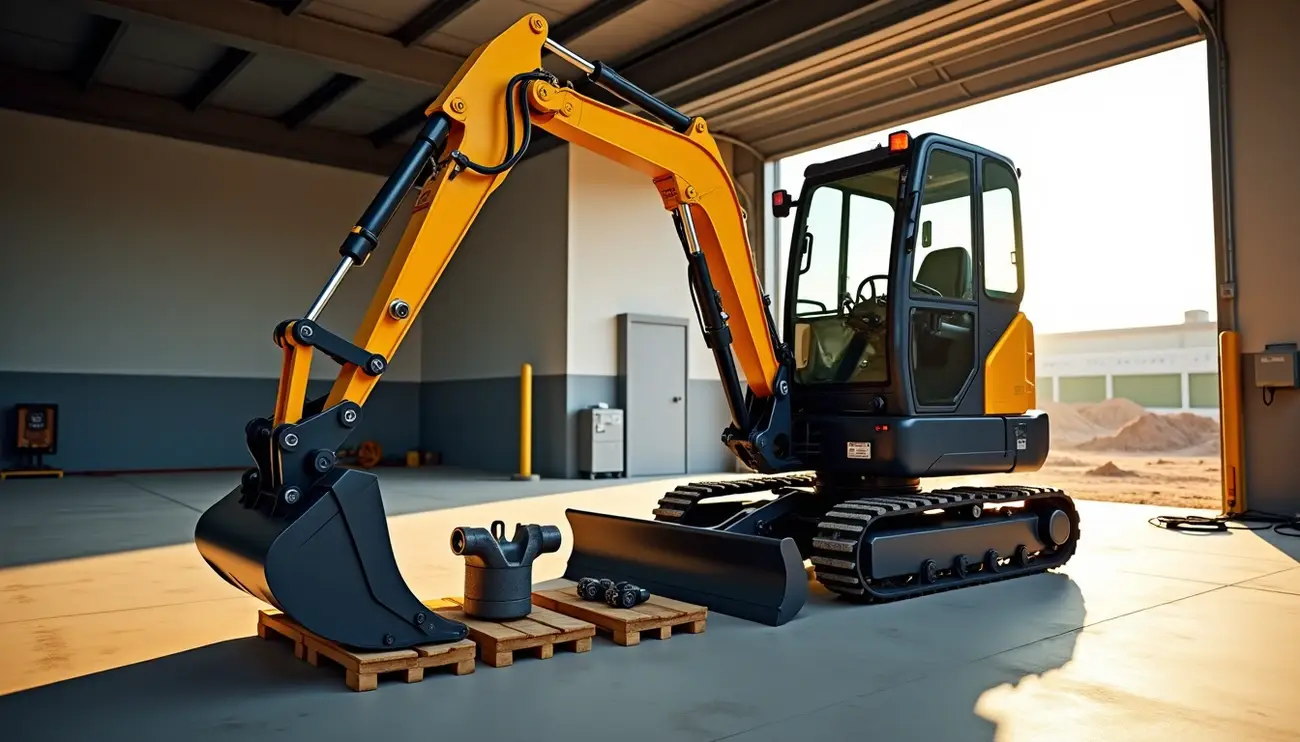
Der ultimative Leitfaden zur Verwendung von Mini-Baggeraufsätzen an leisen Elektromaschinen
Wichtige Erkenntnisse
Elektrische Minibagger bieten vollständige Befestigungskompatibilität mit Diesel-Pendants und bieten gleichzeitig einen leiseren Betrieb und geringere Wartungskosten für spezielle Anwendungen.
• Elektrobagger liefern sofortige Drehmomente und identische Leistungsspezifikationen an Dieselmodelle und machen alle Standard-Minibaggerbefestigungen vollständig kompatibel. • Das Befestigungsgewicht an die Maschinenkapazität anpassen und die hydraulischen Durchflussraten (gemessen in GPM) überprüfen, um Geräteschäden zu verhindern und eine optimale Leistung sicherzustellen. • Die Akkulaufzeit verlängert sich je nach Befestigungsbedarf um 4-8 Stunden; Laden Sie in den Pausen und verwenden Sie Öko-/Standardmodi für Effizienz. • Elektrische Maschinen sparen 351TP11 T bei Wartungskosten ohne Emissionen und machen sie ideal für Innen- und geräuschempfindliche Arbeitsumgebungen. • Schnelle Kupplungssysteme ermöglichen schnelle Befestigungsänderungen bei ordnungsgemäßer Installations- und Testverfahren sorgen für einen sicheren Betrieb
Priorisieren Sie bei der Auswahl von Anbaugeräten die hydraulische Strömungsverträglichkeit gegenüber der Befestigung herkömmlicher Bagger, die alles von hydraulischen Brechern bis hin zu speziellen Kipprotatoren mit der gleichen Wirksamkeit wie Dieselmaschinen, aber mit deutlich reduzierter Geräusch- und Umweltbelastung bewältigen.
Können Mini-Baggeraufsätze effektiv an batteriebetriebenen Maschinen arbeiten, ohne die Leistung zu beeinträchtigen? die Antwort ist ein klares Ja.
Elektrobagger wie Das Modell E25X Bieten jetzt volle Aufsatzkompatibilität mit beeindruckenden Spezifikationen Angetrieben von einem 102-Volt-Lithium-Ionen-Akku mit 32,2-Kilowatt-Kapazität laden sich diese 2,5-Tonnen-Maschinen in etwa neun Stunden vollständig auf, bezeichnenderweise liegt die Laufzeit je nach hydraulischem Bedarf und dem spezifischen Aufsatz im Einsatz zwischen vier und acht Stunden.
Egal, ob Sie nach Mini-Baggeraufsätzen zum Verkauf suchen, einzigartige Mini-Baggeraufsätze für spezielle Aufgaben erkunden oder die besten Mini-Baggeraufsätze einschließlich Klingenaufsätze für Ihre elektrische Maschine benötigen, das Verständnis der Kompatibilität ist entscheidend.
In diesem Leitfaden führen wir Sie durch alles, was Sie über die Auswahl, Installation und Bedienung von Anbaugeräten auf leisen Elektrobaggern wissen müssen, um maximale Effizienz zu erzielen.
Elektrische Mini-Bagger-Befestigungssysteme verstehen
Befestigungssysteme an Elektrobaggern spiegeln ihre Diesel-Gegenstücke in ihrer Funktion wider, unterscheiden sich jedoch darin, wie sich die Leistung über die Maschine ausstrahlt.
Leistungsanforderungen für Elektro- und Dieselanbauteile
Elektromotoren liefern in dem Moment, in dem Sie sie aktivieren, ein sofortiges Drehmoment. Wenn Sie einen Knopf am Joystick drücken, erfolgt die Reaktion sofort ohne die leichte Verzögerung, die bei Dieselmaschinen auftreten kann. Die Leistungsspezifikationen zwischen Elektro- und Dieselmodellen stimmen nahezu identisch überein, wobei die elektrischen Versionen manchmal die kontinuierliche Motorleistung überschreiten. Das bedeutet, dass die gleichen Mini-Baggeraufsätze, die Sie bei Dieselmaschinen verwenden würden, bei Elektromodellen gleichermaßen gut funktionieren, sofern die Hydraulik- und Gewichtsspezifikationen übereinstimmen.
Hydraulikflussspezifikationen
Hydraulische Durchflussraten bestimmen Wie Ihre Anbaugeräte funktionieren Mini-Bagger-Aufsätze arbeiten innerhalb bestimmter Durchflussbereiche gemessen in Gallonen pro Minute (GPM).Bspülmaschinen benötigen beispielsweise unterschiedliche Durchfluss-Pakete: Einige Modelle benötigen 15-25 GPM, während andere für größere Schnittbreiten 22-28 GPM oder sogar 35-38 GPM benötigen Der hydraulische Hilfsstrom treibt Ihre Befestigung durch den Ausleger - und Armkreislauf an, getrennt vom gesamten Pumpenstrom der Maschine, Laufaufsätze mit höheren als empfohlenen Durchflussraten schädigen Dichtungen, Motoren und Lagerspindeln.
Druckgrenzen sind gleich wichtig Jeder Aufsatz hat einen maximalen Betriebsdruck, und das Überschreiten dieses Schwellenwerts verursacht hydraulische Lecks oder durchgeblasene Schläuche Durchflussregelungseinstellungen können Sie anpassen, wie viel Hydraulikflüssigkeit den Aufsatz erreicht, Feinabstimmung der Leistung für bestimmte Aufgaben.
Elektrische Verbindungstypen
Elektrische Steckverbinder ermöglichen die Stromübertragung zwischen Ihrem Bagger und spezialisierten Anbaugeräten. Zu den Standardoptionen gehören Dichtungssteckverbinder, Stiftsteckverbinder und Gehäusebinder. Kabelschuhe und Netzkabel vervollständigen die elektrische Installation. Andererseits können für Bagger angepasste Aufsätze im Skid-Lenker-Stil 14-polige Konfigurationen verwenden, obwohl es bei allen Herstellern keinen universellen Standard gibt.
Überlegungen zum Batteriewechsel
Anbaugeräte mit hoher hydraulischer Nachfrage entleeren Batterien schneller als einfache Schaufelarbeiten Wenn die Maschine nicht mehr funktioniert, schalten Elektromotoren automatisch ab und sammeln im Vergleich zu Dieselmotoren im Leerlauf weniger Betriebsstunden an. Batterien und Elektromotoren erfordern keine Wartung, im Gegensatz zu Dieselmotoren, die regelmäßige Ölwechsel und Filteraustausch benötigen.
Wesentliche Mini-Bagger-Anbauten für elektrische Maschinen
Die Auswahl geeigneter Anbaugeräte maximiert die Fähigkeiten Ihres Elektrobaggers in verschiedenen Anwendungen.
Eimerbefestigungen und Klingenoptionen
Eimer bleiben die häufigste Befestigung überhaupt Baggertypen. Grabenkübel schneiden schmale, saubere Linien für Versorgungseinrichtungen ohne übermäßige Bodenentfernung, während Grabenreinigungskübel breitere Profile für Nivellierung und Wasserableitung bieten Skelettkübel trennen Steine von Zuschlagstoffen, ideal für Bodenwiederherstellungsarbeiten. Planierkübel verfügen über flache Kanten ohne Zähne, perfekt zum Verfüllen und Glätten von Oberflächen.
Planierschaufeln verwandeln Bagger in Planierwerkzeuge Winkelschaufeln schwenken hydraulisch bis zu 30 Grad in beide Richtungen, Gießmaterial seitlich für Notwasserung und Konturierung Aufsteckschneidkanten aus AR400 - oder AR500-Stahl schützen Schaufellippen vor abrasiven Materialien Wendelkanten doppelte Lebensdauer vor Austausch.
Hydraulikschalter und Hämmer
Hydraulikbrecher wandeln Hydraulikkraft in kontrollierte Aufprallenergie für Abbrucharbeiten um Energieklassen reichen von unter 677 J für kompakte Anwendungen bis über 6780 J für Schwerlastbrüche Die Aufprallraten variieren je nach Modell zwischen 500 und über 1500 Schlägen pro Minute. Gasunterstützte Modelle kombinieren Hydraulikflüssigkeit mit Stickstoff für eine erhöhte Hämmerkraft, während vollhydraulische Versionen zur Präzisionskontrolle ausschließlich mit Hydraulikflüssigkeit arbeiten.
Bohrmaschinen und Bohrvorrichtungen
Schneckenantriebe akzeptieren Bits von 100 mm bis 1500 mm Durchmesser für Bagger im Bereich von 0,7 bis 45 Tonnen Hochleistungs-Hochstrommodelle benötigen 25 bis 60 GPM hydraulischen Durchfluss, liefern Drehmomentleistungen von 3.624 ft-lbs bis 35.297 ft-lbs Standard-Bohrschnecken schaffen präzise Löcher für Zaunpfosten und Fundamente, während Ankerschnecken spiralförmige Pfähle mit höherem Drehmoment antreiben.
Greifer und Daumen
Nach Maschinengewicht dimensionierte hydraulische Daumen reichen von 18-Zoll-Längen für Maschinen unter 4.000 Pfund bis zu 36-Zoll-Längen für Maschinen bis zu 15.500 Pfund. Greifer verfügen über Doppelbacken zum Festklemmen unregelmäßiger Lasten wie Baumstämme, Rohre und Schmutz. Sortieren von Greifern mit breiten Backenöffnungen, die Abbruchmaterialien handhaben und gleichzeitig kleinere Schmutzstoffe durchfallen lassen.
Spezialanbauteile für die Innenarbeit
Geräuschreduzierte Hydraulikbrecher verfügen über gummiisolierte Leistungszellen und vollständig gegossene Gehäuse, um den Dezibelpegel zu minimieren. Plattenverdichter schützen Maschinen vor übermäßigen Vibrationen und reduzieren gleichzeitig den Betriebslärm. Elektrobagger mit Nullheckschwingen nehmen diese Aufsätze in geschlossenen Innenrenovierungsräumen auf.
Einzigartige Mini-Baggeranbauteile für spezielle Aufgaben
Tiltrotatoren bieten eine 360-Grad-Rotation und einen Neigungsbereich von 40 Grad zum Manövrieren um Hindernisse herum. Reißvorrichtungen kanalisieren die Ausbruchskraft durch einen einzelnen spitzen Zahn, um gefrorenen Boden und gepackte Wurzeln zu schneiden. Mulcher zerkleinerten Vegetation mithilfe von Spinntrommeln mit schweren Zähnen in Mulch.
So wählen Sie die besten Mini-Baggeranbauteile aus und installieren sie
Die richtige Auswahl der Befestigungen verhindert Schäden an der Ausrüstung und gewährleistet einen sicheren Betrieb an Elektrobaggern.
Passendes Befestigungsgewicht zur Maschinenkapazität
Die Befestigungsgewichte variieren erheblich zwischen den Kategorien. Eimer wiegen typischerweise 50-200 Pfund, hydraulische Brecher 500-1.500 Pfund, Schnecken 200-500 Pfund und greifen 100-400 Pfund. Die Gewichtsverteilung wirkt sich auf das Gleichgewicht aus und erfordert Anpassungen der Betriebsmethoden. Eine zu schwere Befestigung erzeugt übermäßigen Druck auf Arm und Hydraulik, was zu schlechter Leistung oder Ausfällen führt. Umgekehrt verschwenden unterdimensionierte Anbauteile das volle Potenzial der Maschine.
Überprüfung der Hydraulikflusskompatibilität
Die Hersteller stellen Datenblätter und Kompatibilitätsdiagramme zur Verfügung, um Vermutungen zu vermeiden Wenn der Durchfluss zu gering ist, schneidet der Anhang unterdurchschnittlich ab; wenn er zu hoch ist, riskieren Sie, sowohl Maschine als auch Werkzeug zu beschädigen Fordern Sie vom Anbaugerätelieferanten oder Gerätehändler Anleitung an, um Spezifikationen vor dem Kauf zu überprüfen.
Installationsschritte für Schnellkupplungssysteme
Entfernen Sie den Standardaufsatz und ersetzen Sie ihn durch die Kupplung mit Hilfe von Schaufelstiften Montagelöcher genau ausrichten, Bolzen einsetzen, zuerst von Hand festziehen, dann mit einem Drehmomentschlüssel vorgegebene Einstellungen erfüllen, Hydraulikleitungen an entsprechende Anschlüsse anschließen, bei Bedarf Dichtmittel auftragen, und Armaturen festziehen, ohne zu festzuziehen Testen Sie das System, indem Sie die Kupplung mehrmals bedienen.
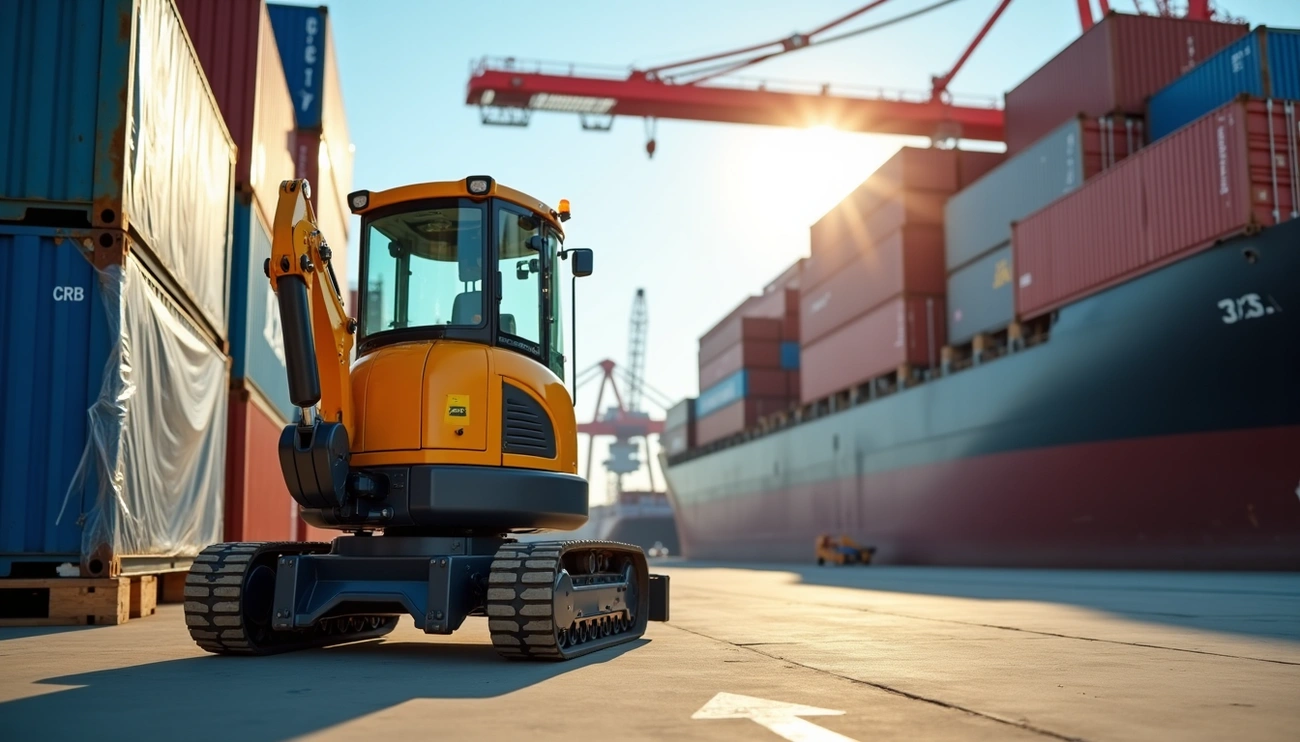
Testen der Befestigungsfunktion vor dem Betrieb
Senken Sie den Eimer auf einer ebenen, stabilen Fläche vollständig auf den Boden, betätigen Sie die Feststellbremse und schalten Sie den Motor ab. Zyklussteuerungen Hydraulikdruck zu entlasten, dann die Anschlüsse auf Undichtigkeiten zu prüfen Hebe den Aufsatz leicht an und schüttele ihn, um zu bestätigen, dass keine Bewegung zwischen Kupplung und Werkzeug existiert.
Wo finden Sie Mini-Baggeranbauteile zum Verkauf
Große Gerätehersteller bieten echte Anbaugeräte mit 12-Monats-Garantien und optionaler erweiterter Abdeckung an Händler bieten lokale Unterstützung, egal ob sie persönlich oder online einkaufen.
Betriebsanbauteile an elektrischen Baggern Effizient
Batteriebetriebene Bagger erfordern ein Betriebsbewusstsein, um die Produktivität während Ihres gesamten Arbeitstages aufrechtzuerhalten.
Verwaltung der Batterielebensdauer mit verschiedenen Anbauteilen
Laden Sie Batterien während jeder Pause der Bauarbeiten, einschließlich der Mittagspausen Lithium-Ionen-Batterien haben keinen Memory-Effekt, so dass Sie sie auffüllen und weiterarbeiten können Laden Sie von der mittleren Ebene (30-401TP11 T) zurück auf die volle (80-1001TP11 T) anstatt vollständig zu entleeren, was die gesamte Batterielebensdauer verlängert Elektromotoren schalten sich automatisch nach einem definierten Zeitraum ab, wenn die Maschine stoppt, wodurch die verbrauchende Leerlaufzeit entfällt.
Wechsel zwischen Öko-, Standard- und Leistungsmodus
Der Leistungsmodus liefert maximale Leistung für anspruchsvolle Aufgaben Der Standardmodus bietet 901TP11 T Nennleistung, die Produktivität mit Kraftstoffverbrauch in Einklang bringt Der Eco-Modus reduziert die Motordrehzahl auf 1500 rpm, wodurch der Verbrauch für leichte Sortierung und Präzisionsarbeit minimiert wird Bediener können Modi über das Monitorpanel auswählen.
Wartungsanforderungen für elektrische Maschinenanbauteile
Elektrische Maschinen bieten 351TP11 T Einsparungen bei Wartungskosten und - zeit im Vergleich zu Dieseläquivalenten Versiegelte elektrische Komponenten erfordern geschulte Techniker für die Hochspannungsunterbrechung vor dem Service Fett und Hydrauliköl sind die einzigen benötigten Vorräte.
Sicherheitsüberlegungen für Anwendungen in Innenräumen und geräuschempfindlich
Sicherheit bleibt beim Betrieb von Baggeraufsätzen von größter Bedeutung Elektrische Maschinen zeichnen sich in Innenräumen und lärmempfindlichen Umgebungen aus, in denen Dieselabgase und Schallpegel Anlass zur Sorge geben.
Fehlerbehebung bei häufigen Bindungsproblemen
Überprüfen Sie den Versorgungsdruck, wenn die Anbaugeräte eine Unterleistung aufweisen. Passen Sie die Druckeinstellungen für die Entlastung entsprechend den Herstellerangaben an Überprüfen Sie die Queranschluss-Entlastungsventile auf Verschleiß.
Schlussfolgerung
Sie haben nun alles, was Sie brauchen, um Anhänge auf Ihrem Elektrobagger souverän. Die Kompatibilitätsbedenken, die einst die Bediener zurückhielten, sind bei heutigen batteriebetriebenen Maschinen im Wesentlichen nicht vorhanden Konzentrieren Sie sich auf die Übereinstimmung der hydraulischen Spezifikationen, respektieren Sie Gewichtsgrenzen und verwalten Sie Ihre Batterie strategisch während des gesamten Arbeitstages Elektrische Bagger liefern die gleiche Aufsatzleistung wie Dieselmodelle und bieten gleichzeitig einen leiseren Betrieb und geringere Wartungskosten. Beginnen Sie noch heute mit der Erkundung von Anbaugeräten, die die Fähigkeiten Ihrer Maschine erweitern.
FAQs
F1. Kann ich die gleichen Aufsätze an elektrischen Minibaggern verwenden, die ich bei Dieselmodellen verwende?
Ja, die gleichen Mini-Baggeraufsätze funktionieren sowohl an Elektro - als auch an Dieselmaschinen, sofern die Spezifikationen für den hydraulischen Durchfluss und die Gewichtskapazitäten übereinstimmen Elektrobagger liefern ein sofortiges Drehmoment und entsprechen oder übertreffen oft die Dauerleistungsleistung von Dieselmodellen, wodurch sie vollständig mit Standardaufsätzen kompatibel sind.
F2. Wie lange hält der Akku bei Verwendung verschiedener Aufsätze an einem Elektrobagger?
Die Laufzeit der Batterie liegt in der Regel zwischen vier und acht Stunden, abhängig vom hydraulischen Bedarf des verwendeten Aufsatzes. Hochwertige Aufsätze wie Hydraulikschalter entladen Batterien schneller als einfache Eimerarbeiten. Um die Akkulaufzeit zu maximieren, laden Sie sie während der Arbeitspausen auf und vermeiden Sie, die Batterie vor dem Aufladen vollständig zu entladen.
F3. Was sind die wichtigsten Faktoren, die bei der Auswahl eines Aufsatzes für meinen Elektro-Mini-Bagger zu beachten sind?
Die beiden kritischen Faktoren sind das Gewicht der Befestigung und die hydraulische Strömungsverträglichkeit. Die Befestigung muss innerhalb des Gewichts Ihrer Maschine liegen, um das richtige Gleichgewicht zu halten und hydraulische Schäden zu verhindern. Darüber hinaus muss die hydraulische Durchflussrate (gemessen in GPM) mit den Anforderungen des Aufsatzes übereinstimmen. Die geringe Leistung führt zu schlechten Leistungen, während zu hohe Dichtungen und Motoren beschädigen können.
F4. Wie installiere ich einen neuen Aufsatz richtig mit einem Schnellkupplungssystem?
Zuerst entfernen Sie den vorhandenen Aufsatz und installieren Sie die Kupplung mit Hilfe von Schaufelstiften, um sicherzustellen, dass die Befestigungslöcher präzise ausgerichtet sind Drehmoment alle Bolzen nach Herstellerspezifikationen, dann verbinden Sie Hydraulikleitungen mit den entsprechenden Anschlüssen und ziehen Sie die Armaturen richtig fest. Testen Sie das System schließlich, indem Sie die Kupplung mehrmals zyklisch fahren und vor Beginn der Arbeit auf Undichtigkeiten prüfen.
F5. Welche Wartungsvorteile bieten Elektrobagger bei der Verwendung von Anbaugeräten?
Elektrobagger sorgen für ca. 35% Einsparungen In Wartungskosten und Zeit im Vergleich zu Dieselmaschinen Sie benötigen keine Ölwechsel oder Filterwechsel, wobei Fett und Hydrauliköl die einzigen regelmäßigen Vorräte sind, die benötigt werden Die Elektromotoren schalten sich auch automatisch im Leerlauf ab, wodurch der Verschleiß verringert und die Lebensdauer der Komponenten verlängert wird.