Email: [email protected] Whatsapp: +8618266768780

Email: [email protected] Whatsapp: +8618266768780


Wenn Sie fragen, was die beste Baggermarke ist, müssen Sie über das Etikett hinausblicken Der Erfolg Ihres Projekts hängt davon ab, die Maschine auf Ihre spezifischen Bedürfnisse abzustimmen Berücksichtigen Sie die folgenden Faktoren, bevor Sie sich entscheiden:
Bewerten Sie Bodenqualität, Neigung und Luftfeuchtigkeit Unterscheiden Sie Ihre Aufgaben, ob Erdarbeiten, Abbruch oder Verladung Denken Sie an langfristige Wartung, Händlerunterstützung und Umweltauswirkungen Die richtige Wahl spart Zeit und Geld.
Sie müssen damit beginnen, die zu identifizieren Art der Grabungsarbeit Ihr Projekt erfordert Wenn Sie beispielsweise vorhaben, Gräben für die Installation von Versorgungseinrichtungen auszuheben, sollten Sie einen Bagger mit präziser Steuerung und der richtigen Schaufelgröße auswählen, wenn Ihr Projekt einen Abriss beinhaltet, priorisieren Sie Maschinen mit robusten Hydrauliksystemen und verstärkten Rahmen, indem Sie das Baggermodell an Ihren Jobtyp anpassen, verhindert Ineffizienzen und senkt Kosten.
Tipp: Konsultieren Sie immer Ihre Projektpläne und sprechen Sie mit erfahrenen Bedienern, um die spezifischen Anforderungen Ihrer Arbeit zu klären. Dieser Schritt hilft Ihnen, kostspielige Fehler zu vermeiden und stellt sicher, dass Sie Geräte auswählen, die Ihren betrieblichen Anforderungen entsprechen.
Bewerten Sie das Gelände und die Standortbedingungen, bevor Sie eine Baggermarke auswählen. Weicher, schlammiger oder unebener Boden erfordert Kettenbagger, die eine überlegene Traktion und Stabilität bieten Städtische Umgebungen mit gepflasterten Oberflächen bevorzugen Radbagger aufgrund ihrer Geschwindigkeit und Manövrierfähigkeit.
Notiz: Wenn Ihr Projektstandort steile Hänge oder lockeren Boden aufweist, priorisieren Sie Stabilität und Bodendruck Verfolgte Modelle verteilen das Gewicht gleichmäßig, wodurch das Risiko des Absinkens oder Kippens verringert wird.
Bewerten Sie die Anforderungen an Reichweite, Grabtiefe und Höhe für Ihr Projekt. Sie müssen sicherstellen, dass der Bagger tief genug für Fundamente oder Versorgungsleitungen graben und hoch genug für die Beladung von Lastkraftwagen oder das Stapeln von Materialien reichen kann.
Ein auf einem mehrstöckigen Bauplatz arbeitendes Bauteam wählte einmal einen Bagger mit unzureichender Reichweite aus, Verzögerungen und zusätzliche Mietkosten für Ergänzungsausstattungen waren die Folge, ähnliche Rückschläge können Sie vermeiden, indem Sie diese Fähigkeiten im Vorfeld überprüfen.
Hubkraft Legt fest, wie viel Material Ihr Bagger in einem einzigen Zyklus verarbeiten kann, Sie sollten bei jedem Modell das maximale Hubgewicht und die Tragfähigkeit überprüfen.
Tipp: Berücksichtigen Sie bei der Berechnung des Hubbedarfs immer das Gewicht von Anbaugeräten und Materialien. Eine Überlastung eines Baggers kann zu mechanischem Ausfall und Sicherheitsrisiken führen.
Die Wahl zwischen Gleisen und Rädern wirkt sich auf die Leistung Ihres Baggers aus. Kettenbagger bieten hervorragende Traktion und Stabilität auf unebenem oder weichem Gelände. Sie eignen sich für schwere Aufgaben wie Graben und Abriss. Radbagger bieten Geschwindigkeit und Flexibilität und eignen sich daher ideal für den Stadtbau und die Straßenbauarbeiten.
| Besonderheit | Gleisbau (Spurbagger) | Bagger (rädrig oder allgemein) |
|---|---|---|
| Mobilität und Fahrwerk | Ausgestattet mit Stahl- oder Gummiketten, die eine hervorragende Traktion und Stabilität auf unebenem Gelände bieten. | Kann Räder oder Ketten haben; Radmodelle sorgen für eine schnellere Fahrt auf gepflasterten Flächen, aber weniger Traktion auf weichem Boden. |
| Bodendruck und Stabilität | Senken Sie den Bodendruck und eignen Sie sich daher ideal für weiche, schlammige oder unebene Oberflächen. | Höherer Bodendruck; Radmodelle erfordern möglicherweise eine zusätzliche Stabilisierung auf weichem Boden. |
| Typische Anwendungen | Geeignet für schwere Aufgaben wie Grabenbau, Abriss und groß angelegte Ausgrabungen auf anspruchsvollem Gelände. | Vielseitig für Stadtbau, Straßenbau und Projekte, die Mobilität zwischen Standorten erfordern. |
Mobilität und Stabilität spielen eine entscheidende Rolle für die Projekteffizienz Radbagger können bis zu 23 mph fahren, so dass Sie sich schnell zwischen den Arbeitsstellen bewegen können Verfolgte Modelle halten einen hervorragenden Bodenkontakt, insbesondere in unwegsamem Gelände.
Tipp: Wenn Ihr Projekt mit häufigen Verlegungen verbunden ist, sollten Sie Radbagger auf ihre Geschwindigkeit hin betrachten. Für Projekte auf empfindlichen Oberflächen oder instabilem Boden bieten Kettenbagger eine bessere Stabilität und Sicherheit.
Wenn Sie fragen, was die beste Baggermarke ist, müssen Sie diese Faktoren gegen die einzigartigen Anforderungen Ihres Projekts abwägen. Durch die Analyse von Arbeitstyp, Gelände, Fähigkeiten und Mobilität positionieren Sie sich in der Lage, eine fundierte Entscheidung zu treffen, die die Produktivität maximiert und das Risiko minimiert.
Wenn Sie fragen, was die beste Baggermarke ist, müssen Sie sich ansehen, wie die Branche jeden Hersteller sieht Branchenumfragen heben oft Marken hervor, die sich durch ihre Zuverlässigkeit, Innovation und Unterstützung auszeichnen Sie werden feststellen, dass einige Marken Anerkennung für ihre Vielseitigkeit und Effizienz, Insbesondere bei Minibaggern Andere loben leistungsstarke Hydrauliksysteme und fortschrittliche Technologie, die die Produktivität auf schwierigen Baustellen verbessern.
Sie sollten immer überprüfen, welchen Marken Branchenprofis bei anspruchsvollen Projekten vertrauen Dieser Schritt hilft Ihnen, kostspielige Ausfallzeiten zu vermeiden und stellt sicher, dass Ihre Ausrüstung den Job bewältigen kann.
Haltbarkeit und Verarbeitungsqualität legen den Grundstein für einen zuverlässigen Bagger Wenn Sie sich überlegen, was die beste Baggermarke ist, suchen Sie nach Maschinen mit starken Rahmen, fortschrittlichen hydraulischen Systemen und bewährter Langlebigkeit Marken, die in Komfort und Sicherheitsfunktionen des Bedieners investieren, tragen auch dazu bei, Ermüdung und Unfälle vor Ort zu reduzieren.
Hier ist ein Schneller Überblick über Kriterien Experten beurteilen Zuverlässigkeit:
| Kriterien | Beschreibung |
|---|---|
| Haltbarkeit und Verarbeitungsqualität | Starke Rahmen und Komponenten sorgen für eine lange Lebensdauer. |
| Fortschrittliche Technologie und Funktionen | Präzisionshydrauliksysteme und intelligente Steuerungen steigern die Leistung. |
| Komfort und Sicherheit für den Bediener | Ergonomische Kabinen und Sicherheitsfunktionen schützen die Bediener. |
| Leistung und Effizienz | Maschinen, die eine gleichbleibende Leistung und Kraftstoffeffizienz liefern. |
| Kosteneffizienz und Wartung | Einfacher Zugang zu Teilen und erschwingliche Wartung. |
| Markenruf und Kundensupport | Zuverlässige Servicenetzwerke und responsive Support-Teams. |
Kundenbewertungen sollten Sie immer vor der Entscheidung prüfen Betreiber loben oft Einfach zu bedienende Steuerungen und komfortable Kabinen Projektleiter legen Wert auf Bagger, die eine gleichbleibende Leistung und Effizienz liefern Hohe Zufriedenheitsraten deuten auf eine starke Markentreue und weniger unerwartete Reparaturen hin.
Das Lesen von Feedback aus der realen Welt hilft Ihnen, Muster in Bezug auf Zuverlässigkeit und Support zu erkennen Dieser Schritt gibt Ihnen ein klareres Bild davon, was Sie von jeder Marke erwarten können.
Ein starkes Händlernetz sorgt dafür, dass Sie schnellen Service und Teile bekommen, wenn Sie sie brauchen Sie sollten Marken mit breiter Händlerabdeckung wählen, vor allem, wenn Ihre Projekte Sie in verschiedene Regionen führen.
Zuverlässige Wartungsunterstützung sorgt für einen reibungslosen Betrieb Ihres Baggers Suchen Sie nach Marken, die umfassende Servicepläne, Bedienerschulungen und Hilfe bei der Fehlerbehebung anbieten.
Tipp: Fragen Sie Ihren Händler nach Reaktionszeiten und Teileverfügbarkeit, bevor Sie sich für eine Marke engagieren.
Wenn Sie wiegen, was die beste Marke von Bagger ist, immer Ansehen, Kundenfeedback, und Support Diese Faktoren helfen Ihnen, Ausrüstung zu wählen, die Ihnen über Jahre hinweg gute Dienste leisten wird.
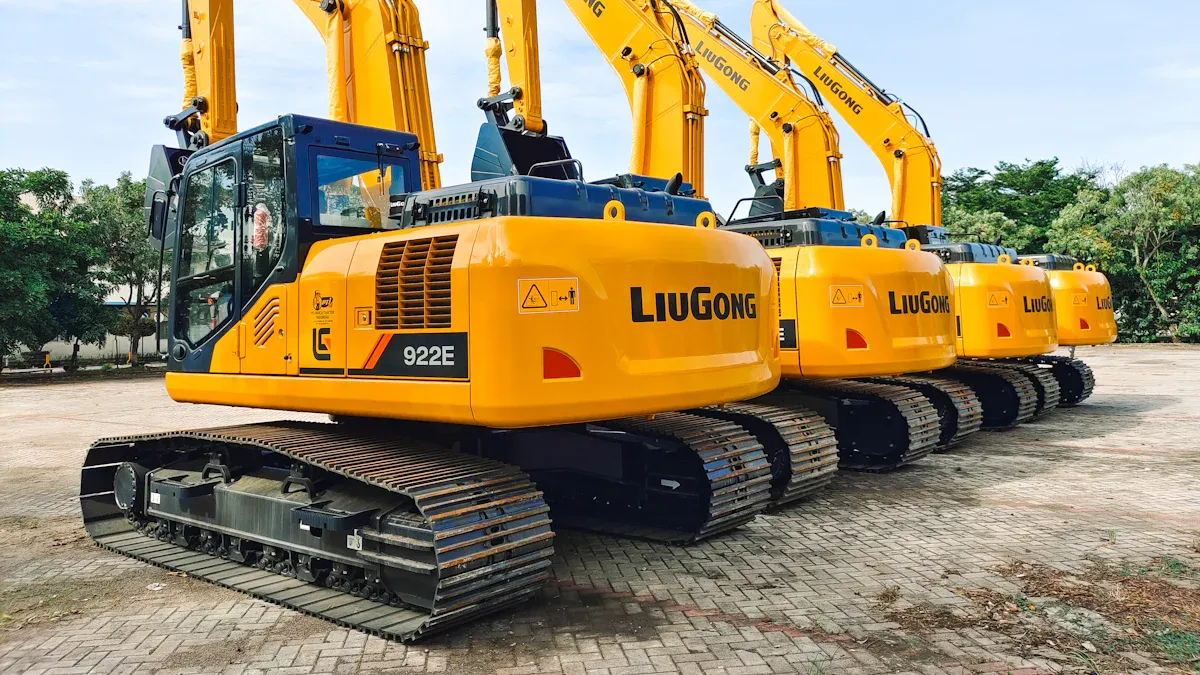
Minibagger, auch Kompaktbagger genannt, bieten Ihnen eine praktische Lösung für den Bau und Landschaftsbau im kleinen Maßstab. Sie können diese Maschinen auf engstem Raum manövrieren und eignen sich daher ideal für Wohnprojekte, Versorgungsgräben und Lichtabrisse. Ihr kompaktes Design ermöglicht es Ihnen, in städtischen Umgebungen zu arbeiten, ohne die Umgebung stark zu beeinträchtigen.
| Vorteile | Beschreibung |
|---|---|
| Kompaktes Design | Passt in beengte Räume und eignet sich gut in Hinterhöfen, Gärten und zwischen Gebäuden. |
| Einfacher Transport | Leicht genug für das Abschleppen mit einem Standardanhänger, wodurch die Transportkosten gesenkt werden. |
| Kosteneffizienz | Niedrigerer Anschaffungspreis und reduzierter Kraftstoffverbrauch helfen Ihnen, Ihr Projektbudget zu kontrollieren. |
| Benutzerfreundlich | Einfache Steuerungen machen die Schulung neuer Bediener schnell und einfach. |
| Reduzierte Umweltbelastung | Erfüllt Emissionsnormen und arbeitet ruhig, geeignet für lärmempfindliche Stadtteile. |
Allerdings sollte man ihre Grenzen beachten Minibagger haben im Vergleich zu größeren Modellen weniger Grabtiefe und Hubkapazität, sie können auf unebenem Gelände nicht gut abschneiden oder Schwerlastaufsätze handhaben, wenn man beispielsweise versucht, einen Minibagger für Tiefgründungsarbeiten zu verwenden, riskiert man Verzögerungen und erhöhten Verschleiß der Maschine.
Tipp: Verwenden Sie Minibagger für Aufgaben wie das Ausheben enger Gräben zur Bewässerung, die Vorbereitung von Wohnstandorten oder das Entfernen kleiner Baumstümpfe. Weitere Informationen zu Best Practices für kompakte Ausrüstung finden Sie unter Leitfaden für Baumaschinen.
Standardbagger, „Die manchmal auch Raupenbagger genannt werden, dienen als Rückgrat der meisten kommerziellen Bauprojekte. Sie können sich auf diese Maschinen verlassen, um Gräben auszuheben, Erdbewegungen durchzuführen und schwere Materialien zu heben. Ihre 360-Grad-Drehkabine und hydraulisch angetriebenen Arme bieten Ihnen Flexibilität und Effizienz auf unwegsamem Gelände.
| Baggertyp | Optimale Einsatzmöglichkeiten | Hauptmerkmale |
|---|---|---|
| Standardbagger | Graben, Heben, Erdbewegen, Abbruch | Drehkabine, Hydraulikarme, mehrere Werkzeuge |
| Mobilbagger | Straßenbau, Landschaftsbau, Stadtwerke | Schnelle Bewegung, weniger Bodenschaden |
Sie profitieren von der Vielseitigkeit der Standardbagger, Sie unterstützen eine breite Palette von Aufsätzen, darunter Eimer, Hämmer und Schnecken Sie können zwischen Aufgaben wie Planieren, Graben und Materialhandling wechseln, ohne die Maschine zu wechseln. Bei einem kommerziellen Bauprojekt verwenden Sie möglicherweise einen Standardbagger, um morgens Fundamente zu graben und nachmittags Trümmer zu laden.
Notiz: Standardbagger Wiegen Sie zwischen 7 und 45 Tonnen. Sie bieten Manövrierfähigkeit, können aber auf weichem Boden zu Bodenstörungen führen. Beurteilen Sie immer die Standortbedingungen, bevor Sie diesen Typ auswählen.
Großbagger spielen eine entscheidende Rolle im Hochleistungsbau und im Bergbau. Sie sollten diese Maschinen für Projekte auswählen, die maximale Leistung, Reichweite und Hubkapazität erfordern. Große Bagger zeichnen sich durch Bergbauarbeiten, große Erdarbeiten, Abriss und Pipelineinstallation aus.
Sie werden feststellen, dass große Bagger mit einem Gewicht von über 45 Tonnen eine unübertroffene Produktivität auf anspruchsvollen Standorten liefern. Sie erfordern jedoch spezielle Transporte und manövrieren möglicherweise nicht einfach in begrenzten oder unebenen Bereichen. Beispielsweise kann ein großer Bagger in einem Bergbaubetrieb kontinuierlich Mineralien gewinnen und Lastkraftwagen laden, wodurch die Projektzeitpläne verkürzt werden.
Tipp: Reservieren Sie große Bagger für Aufgaben, bei denen kleinere Maschinen die Hebe- oder Grabanforderungen nicht erfüllen können. Als Orientierungshilfe für die Auswahl schwerer Geräte können Sie Ressourcen aus dem Werk erkunden Verband der Gerätehersteller.
Indem Sie den richtigen Baggertyp auf den Umfang und die Komplexität Ihres Projekts abstimmen, gewährleisten Sie einen effizienten Betrieb und minimieren kostspielige Verzögerungen.
Spezialbagger helfen Ihnen, einzigartige Projektherausforderungen zu bewältigen, die Standardmaschinen nicht bewältigen können Sie stoßen oft auf Situationen, in denen ein herkömmlicher Bagger zu kurz kommt, insbesondere wenn Sie zusätzliche Reichweite, minimalen Schwung oder spezielle Bewegung benötigen. Wenn Sie diese Modelle verstehen, können Sie das richtige Werkzeug für anspruchsvolle Umgebungen auswählen.
Bagger mit großer Reichweite bieten Ihnen verlängerte Arm - und Auslegerlängen, was sie ideal für Arbeiten macht, die das Graben oder den Abriss in einiger Entfernung erfordern Sie profitieren von diesen Maschinen, wenn Sie an Flussufern arbeiten, Teiche reinigen oder hohe Strukturen abreißen Wenn Sie beispielsweise Trümmer aus einem Kanal entfernen müssen, ohne die Umgebung zu stören, können Sie mit einem Bagger mit großer Reichweite aus sicherer Entfernung arbeiten Diese Modelle zeichnen sich auch durch Umweltsanierung aus, bei der Sie den direkten Kontakt mit gefährlichen Materialien vermeiden müssen.
Tipp: Überprüfen Sie bei Vollstreckbetrieb immer die Stabilität Ihres Langstreckenbaggers Verwenden Sie zusätzliche Gegengewichte, wenn Ihr Projekt schweres Heben bei maximaler Reichweite beinhaltet.
Sie können sehen, wie Spezialmodelle den einzigartigen Anforderungen entsprechen Die Tabelle unten:
| Baggermodell | Einzigartige Projektanforderungen |
|---|---|
| Seilbagger | Großprojekte wie Tiefbau, Unterwasseraushub und Tagebau. |
| Bagger mit großer Reichweite | Industrieller Abriss, Unterwassergraben, großtechnische Bauarbeiten und Umweltsanierung. |
| Saugbagger | Freilegung von Versorgungseinrichtungen, Beseitigung von Schadstoffen und Instandhaltung von Eisenbahnen mit minimalen Störungen. |
| Wanderbagger | Infrastrukturwartung in Bergregionen, sensibler Bodenbau und Katastrophenhilfe. |
Mit Nullheck-Schaukelbaggern können Sie auf engstem Raum effizient arbeiten. Die obere Struktur dieser Maschinen dreht sich innerhalb der Breite der Gleise, sodass Sie nicht auf nahegelegene Hindernisse stoßen. Sie finden diese Modelle besonders nützlich im Stadtbau, bei Straßenarbeiten und bei der Installation von Versorgungseinrichtungen, wo der Platz begrenzt ist Wenn Sie beispielsweise einen Graben neben einem Gebäude ausheben oder in einer engen Gasse arbeiten müssen, helfen Nullheck-Schaukelbagger Ihnen, die Produktivität aufrechtzuerhalten, ohne Sachschäden zu riskieren.
Notiz: Modelle mit Nullheckschwingen haben im Vergleich zu Standardbaggern oft eine leicht reduzierte Hubkapazität. Überprüfen Sie immer die Hebekarte für Ihre spezielle Maschine, bevor Sie mit der Arbeit beginnen.
Spezialbagger, einschließlich Langstrecken - und Nullheckschwenkmodelle, geben Ihnen die Flexibilität, komplexe Projekte zu bewältigen Durch die Anpassung der richtigen Spezialmaschine an Ihre Standortbedingungen verbessern Sie die Sicherheit, Effizienz und Projektergebnisse Für weitere Einblicke in Spezialausrüstungsanwendungen besuchen Sie Für Bauprofis Oder Branchendiskussionen verfolgen LinkedIn.
Sie können Ihren Bagger in ein vielseitiges Werkzeug verwandeln, indem Sie die richtigen Anbaugeräte für Ihr Projekt auswählen Bau - und Abbruchstellen erfordern eine Reihe von Spezialwerkzeugen, um Produktivität und Sicherheit zu maximieren Hier sind einige der wichtigsten Anbaugeräte, die Sie beachten sollten:
Tipp: Passen Sie Ihre Anhangauswahl an die spezifischen Bedürfnisse Ihres Projekts an. Für weitere Anleitung erkunden Sie Ressourcen von Ausrüstungswelt oder beteiligen Sie sich an Diskussionen auf LinkedIn Baumaschinen.
Sie stehen bei der Ausstattung Ihres Baggers vor der Wahl zwischen markenspezifischen und universellen Anbaugeräten Markenspezifische Anbaugeräte garantieren oft eine nahtlose Integration, optimale Leistung, und volle Kompatibilität mit dem Hydrauliksystem Ihrer Maschine Sie profitieren von Herstellerunterstützung und Garantiedeckung, die Ausfallzeiten und Wartungskosten reduzieren kann.
Universalaufsätze bieten Flexibilität und Kosteneinsparungen, insbesondere wenn Sie eine gemischte Flotte betreiben. Viele Universalwerkzeuge passen auf eine Vielzahl von Maschinen, Sie müssen jedoch genau auf schnelle Aufbausysteme, hydraulischen Durchfluss, Druck und Gewichtskapazität achten. Richtig abgestimmte Anhänge Ihren Bagger in ein multifunktionales Kraftpaket verwandeln kann, mit dem Sie verschiedene Aufgaben präzise angehen können.
| Anhangstyp | Pro | Nachteile |
|---|---|---|
| Markenspezifisch | Nahtlose Passform, Garantieunterstützung, optimierte Leistung | Höhere Kosten, begrenzte markenübergreifende Kompatibilität |
| Universell | Flexibilität, kostengünstig, passt zu gemischten Flotten | Möglicherweise sind Anpassungen erforderlich, möglicherweise eine verringerte Effizienz |
Hinweis: Überprüfen Sie vor dem Kauf immer die Kompatibilität Konsultieren Sie Ihren Händler oder Hersteller für technische Spezifikationen und Support.
Schnellkupplungssysteme revolutionieren die Verwendung von Aufsätzen an Ihrem Bagger. Sie können Werkzeuge schnell von der Kabine aus wechseln, Minimierung von Ausfallzeiten und die Sicherheit auf belebten Baustellen zu erhöhen Hydraulische Schnellkupplungen sorgen für sichere Verbindungen und ermöglichen Ihnen den Wechsel zwischen Eimern, Hämmern oder Greifern ohne manuellen Eingriff.
Sie sollten bestätigen, dass das Hydrauliksystem Ihres Baggers den Anforderungen Ihrer gewählten Anbaugeräte entspricht, die richtige Kompatibilität verhindert Leckagen, sorgt für einen reibungslosen Betrieb und verlängert die Lebensdauer sowohl der Maschine als auch der Werkzeuge Schnellkupplungssysteme helfen Ihnen, auf sich ändernde Projektanforderungen zu reagieren und die Gesamteffizienz zu verbessern.
Tipp: Fordern Sie bei Ihrem Händler eine Vorführung an, um Schnellkupplungssysteme in Aktion zu sehen, weitere Informationen zur Hydraulikverträglichkeit und zur Auswahl der Anbauteile finden Sie unter Für Bauprofis oder folgen Sie den Aktualisierungen auf Twitter-Bauausrüstung.
Sie müssen die Anfangsinvestition bei der Auswahl eines Baggers berücksichtigen Der Kaufpreis variiert stark nach Größe, Ausstattung und Technik Kompakte Modelle kosten weniger, während große Maschinen ein höheres Vorabbudget benötigen Die folgende Tabelle fasst typische Preisklassen für neue Bagger zusammen:
| Baggergröße | Typische Preisspanne |
|---|---|
| Kompakt (unter 20 Tonnen) | $80.000 $200.000 1 |
| Mittelgroß (20 – 30 Tonnen) | $200.000 $600.000 1000 |
| Groß (30+ Tonnen) | $600.000 $1.500.000+ |
Sie sollten Marktnachfrage und Inflation berücksichtigen, die die Preisgestaltung beeinflussen können Technologische Fortschritte wie fortschrittliche Hydraulik oder umweltfreundliche Motoren können ebenfalls die Anschaffungskosten erhöhen, aber langfristige Einsparungen bringen.
Der Besitz eines Baggers ist mit mehr als dem Kaufpreis verbunden. Sie müssen eine jährliche Wartung einplanen, die Routineinspektionen, Teileaustausch und Flüssigkeitswechsel umfasst. Im Durchschnitt können Sie mit jährlichen Wartungskosten zwischen $4.000 und $10.000 rechnen, abhängig von der Größe und Nutzung der Maschine. Regelmäßige Wartung reduziert Ausfallzeiten und verlängert die Lebensdauer Ihrer Ausrüstung. Eine Vernachlässigung der Wartung führt häufig zu höheren Reparaturrechnungen und Produktivitätsverlusten.
Tipp: Planen Sie vorbeugende Wartungsarbeiten und führen Sie detaillierte Serviceaufzeichnungen Diese Praxis hilft Ihnen, die Kosten zu kontrollieren und unterstützt einen höheren Wiederverkaufswert.
Der Wiederverkaufswert spielt eine bedeutende Rolle bei den Gesamtbetriebskosten Gut gewartete Bagger seriöser Marken behalten im Laufe der Zeit ihren Wert besser Faktoren wie Zuverlässigkeit, Teileverfügbarkeit und Marktreputation beeinflussen, wie viel Sie sich beim Verkauf Ihrer Maschine nach fünf Jahren erholen können In der folgenden Tabelle werden Schlüsselfaktoren aufgeführt, die sich auf den Wiederverkaufswert führender Marken und Modelle auswirken:
| Markenstärken | Wertfaktoren für den Wiederverkauf | Typische Modelle |
|---|---|---|
| Starker Ruf | Zuverlässigkeit, globales Teilenetzwerk, konsistente Leistung | Mittelgroß bis groß |
| Kraftstoffeffizienz | Erweiterte Kontrollen, niedrige Eigentumskosten | Standardmodelle |
| Präzisionstechnik | Lange Lebensdauer, reaktionsfähige Hydraulik | Kompakt bis groß |
| Bedienerkomfort | Sicherheitsmerkmale, Kraftstoffverbrauch | Alle Klassen |
| Kostengünstiger Betrieb | Ausbau der Händlerbetreuung | Kompakt bis mittelgroß |
Sie können den Wiederverkaufswert maximieren, indem Sie ein Modell mit einem starken Support-Netzwerk auswählen und Ihre Maschine gemäß den Herstellerrichtlinien warten. Weitere Einblicke in die Gerätewerte finden Sie unter AusrüstungUhr oder folgen Sie den Aktualisierungen auf LinkedIn Baumaschinen.
Kraftstoffeffizienz - und Abgasnormen sind in der heutigen Bauindustrie kritisch geworden Moderne Bagger verfügen über fortschrittliche Motoren und Hydrauliksysteme, die den Kraftstoffverbrauch senken und die Umweltbelastung senken Die folgende Tabelle vergleicht mehrere kraftstoffeffiziente Modelle und ihre wichtigsten Merkmale:
| Modellklasse | Kraftstoffverbrauch (L/h) | Effizienzmerkmale |
|---|---|---|
| Kompakt | 12 – 16 | Economy-Modus, effiziente Hydraulik |
| Standard | 17 – 22 | Tier-4-Motoren, energiesparendes Design |
| Groß | 22 – 27 | Hubraumpumpen |
Einige Modelle erreichen bis zu 201 TP3 T geringeren Kraftstoffverbrauch im Vergleich zu älteren Maschinen Diese Verbesserungen können Ihre Betriebskosten senken und Ihnen helfen, die lokalen Emissionsvorschriften zu erfüllen, so können beispielsweise Hybridsysteme und umweltfreundliche Motoren die Kohlendioxid-Ausbeute senken, was die Nachhaltigkeitsziele Ihres Unternehmens unterstützt.
Notiz: Die Wahl eines kraftstoffeffizienten Baggers spart nicht nur Geld, sondern zeigt auch Ihr Engagement für Umweltverantwortung. Erkunden Sie die neuesten Abgasnormen und umweltfreundlichen Technologietrends mit Ressourcen aus der US-Umweltschutzbehörde oder beteiligen Sie sich an Diskussionen auf Twitter-Bauausrüstung.
Durch die Bewertung von Kaufpreis, Wartung, Wiederverkaufswert und Umweltauswirkungen treffen Sie eine fundierte Entscheidung, die sowohl Ihrem Geschäftsergebnis als auch dem Planeten zugute kommt.
Die Entscheidung, ob Sie einen Bagger mieten oder kaufen möchten, prägt das Budget, die Flexibilität und die langfristige Strategie Ihres Projekts. Sie müssen finanzielle und betriebliche Faktoren abwägen, um die beste Wahl für Ihr Unternehmen zu treffen.
Die Vermietung funktioniert gut für kurzfristige oder einmalige Projekte, wenn Sie nur einen Bagger für ein paar Wochen oder Monate benötigen, hilft Ihnen die Vermietung, eine große Vorabinvestition zu vermeiden Sie erhalten Zugang zu den neuesten Modellen mit fortschrittlicher Technologie und verbesserter Kraftstoffeffizienz, die Ihre Produktivität steigern und die Betriebskosten senken können.
Auch die Vermietung unterstützt Ihren Cashflow Sie zahlen Untere monatliche Kosten und vermeiden Sie die Bindung von Kapital in Ausrüstung Der Vermieter kümmert sich um Wartung und Reparaturen, so dass Sie nicht mit unerwarteten Ausgaben konfrontiert werden Dieser Ansatz hält Ihre Kosten vorhersehbar und setzt Mittel für andere Geschäftsanforderungen frei.
Tipp: Mit Renting können Sie verschiedene Modelle testen, bevor Sie sich auf einen Kauf festlegen. Diese Strategie hilft Ihnen, die beste Lösung für Ihre Team- und Projektanforderungen zu finden.
| Überlegung | Vermietung | Kaufen |
|---|---|---|
| Erstinvestition | Niedrigere Vorkosten | Hohe Vorabkosten ($100.000+) |
| Wartung und Instandhaltung | Wird von der Vermietungsgesellschaft bearbeitet | Laufende Kosten für Reparaturen |
| Kostenvorhersehbarkeit | Mietfixkosten | Variable Kosten durch Reparaturen |
| Kapitalerhaltung | Freigesetztes Bargeld für andere Zwecke | Bindet Kapital in der Ausrüstung |
| Abschreibung | N / A | Ausrüstung verliert mit der Zeit an Wert |
Der Kauf ist sinnvoll, wenn Sie laufende oder häufige Ausgrabungsprojekte haben, durch das Eigentum haben Sie die volle Kontrolle über die Verfügbarkeit und Nutzung der Maschine, Sie vermeiden wiederholte Mietgebühren, die sich mit der Zeit addieren können Sie müssen jedoch planen Höhere Vorkosten und laufende Wartungsaufgaben.
Der Besitz Ihres Baggers ermöglicht Ihnen, ihn mit speziellen Anbaugeräten und Technologie anzupassen. Sie können die Maschine an Ihren einzigartigen Arbeitsablauf anpassen, was die Effizienz und Sicherheit bei komplexen Arbeiten verbessert. Sie bauen auch Eigenkapital in Ihrer Ausrüstung auf, was das langfristige Wachstum Ihres Unternehmens unterstützen kann.
Notiz: Berücksichtigen Sie beim Kauf die Lager- und Transportanforderungen. Eigene Geräte erfordern eine sichere Lagerung und können logistische Herausforderungen mit sich bringen.
Eine gründliche Inspektion schützt Ihre Investition und sorgt für einen sicheren Betrieb Prüfen Sie immer folgende Punkte:
| Inspektionspunkt | Beschreibung |
|---|---|
| Eimer und Befestigungen | Achten Sie auf übermäßige Abnutzung, Rost und Zahnfalten. |
| Boom und Stick | Auf Risse in Schweißnähten und dichte Verbindungen prüfen. |
| Hydraulik | Prüfen Sie bei allen Komponenten auf Undichtigkeiten und Sauberkeit. |
| Schwenkring | Stellen Sie sicher, dass es unbeschädigt und gut geschmiert ist. |
| Motor | Hören Sie auf abnormale Geräusche und testen Sie mit verschiedenen Geschwindigkeiten. |
| Lenkung | Test auf Reaktionsfähigkeit und vollständige Rotation. |
| Gleise und Rollen | Auf Beschädigung und richtige Spannung prüfen. |
| Stundenzähler | Überprüfen Sie den Betrieb und prüfen Sie, ob die Bedienelemente übermäßig verschleißt sind. |
| Flüssigkeiten | Bestätigen Sie die Level und suchen Sie nach Lecks. |
| Dokumentation | Fordern Sie Serviceaufzeichnungen und Originalpapiere an. |
Bevor Sie Ihre Entscheidung finalisieren, fragen Sie den Händler:
Ausführlichere Inspektionschecklisten und Best Practices der Branche finden Sie unter Für Bauprofis oder folgen Sie den Aktualisierungen auf LinkedIn Baumaschinen.
Durch sorgfältiges Abwägen Ihrer Optionen und eine gründliche Inspektion bereiten Sie Ihr Projekt auf Erfolg vor und vermeiden kostspielige Überraschungen.
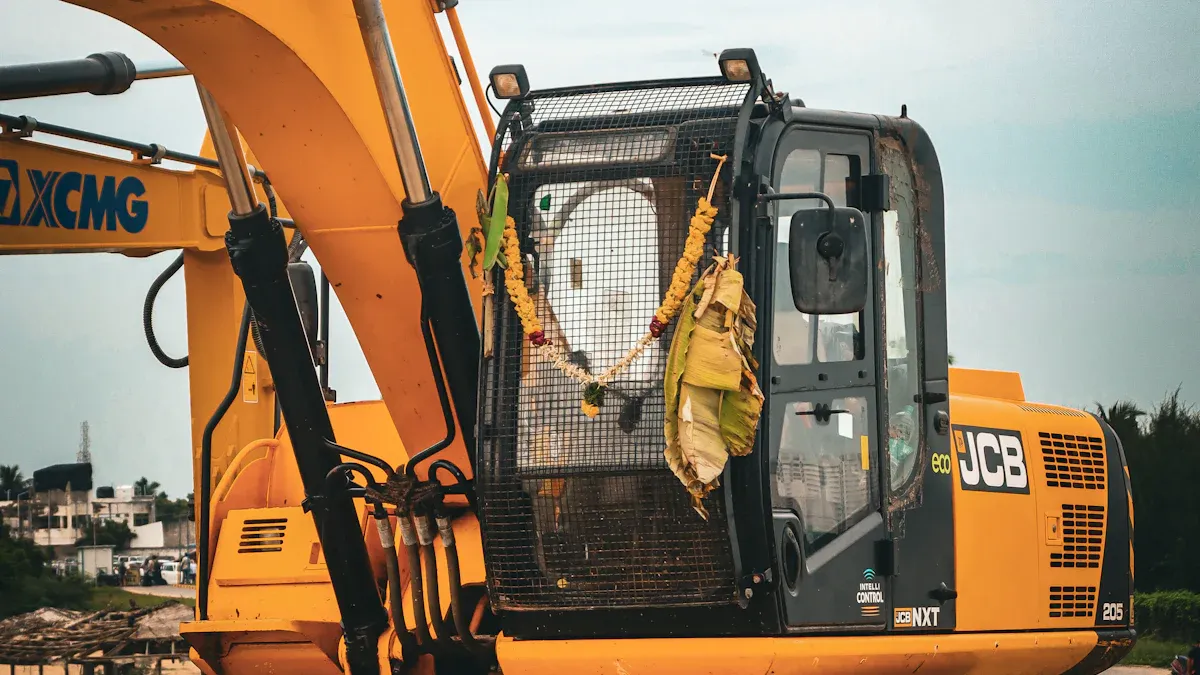
Die Wahl der richtigen Baggermarke geht über Maschinenspezifikationen hinausSie benötigen Zuverlässiger Händler-Support und umfassenden Kundendienst, um sicherzustellen, dass Ihre Investition liefert Wert für Jahre Starke Händlernetzwerke und reaktionsschnelle Service-Teams halten Ihre Ausrüstung am Laufen, minimieren Ausfallzeiten, und steigern Ihre Zufriedenheit als Eigentümer.
Sie sollten sowohl lokale als auch nationale Händleroptionen bewerten, bevor Sie eine Entscheidung treffen Lokale Händler bieten oft schnellere Reaktionszeiten und personalisierten Service Sie kennen die einzigartigen Herausforderungen Ihrer Region und können Techniker schnell entsenden, wenn Sie dringende Reparaturen benötigen Nationale Händler bieten eine breitere Abdeckung und Zugang zu spezialisierten Ressourcen, die wertvoll sein können, wenn Ihre Projekte mehrere Standorte umfassen.
Ein Hersteller von Bergbauausrüstung sah die Kundenzufriedenheit nach der Einführung von Uptime-Verträgen, die die Verfügbarkeit von 951 TP3 T-Geräten garantierten, in die Höhe schnellen Sofortige technische Supportprogramme reduzierten ungeplante Ausfallzeiten um 651TP3 T und senkten die Wartungskosten um 231TP3 T. Diese Ergebnisse zeigen, dass sich eine starke Händlerunterstützung direkt auf Ihre langfristige Eigentümererfahrung auswirkt.
Sie profitieren am meisten, wenn Sie einen Händler mit einem robusten Netzwerk und einer nachgewiesenen Erfolgsbilanz auswählen Für weitere Einblicke besuchen Sie Ausrüstungswelt oder folgen Sie den Aktualisierungen auf LinkedIn Baumaschinen.
Garantiedeckung schützt Ihre Investition und reduziert unerwartete Ausgaben Führende Baggermarken bieten eine Reihe von Garantieoptionen, von begrenzter Abdeckung bis hin zum lebenslangen strukturellen Schutz. Sie sollten immer die Details überprüfen, einschließlich der enthaltenen Teile und Arbeitsleistungen sowie der Dauer der Abdeckung.
| Marke | Garantieumfang | Dauer |
|---|---|---|
| FALL | Begrenzte Garantie für den Erstkäufer | 12 Monate/unbegrenzte Stunden |
| Volvo | Lebenslange Rahmen- und Strukturgarantie | Auf Lebenszeit der Maschine |
| Raupe | Begrenzte Garantie für Teile und Arbeit | 12 oder 24 Monate |
Servicepakete, die Inspektionen und vorbeugende Wartung umfassen, können Unplanmäßige Ausfallzeiten um 41% reduzieren. Kunden mit Dienstleistungsverträgen berichten von höheren Zufriedenheits - und Bindungsraten, was den Wert eines umfassenden After-Sales-Supports hervorhebt.
Eine ordnungsgemäße Schulung gewährleistet einen sicheren und effizienten Betrieb Große Hersteller bieten praktische und Präsenzschulungen sowie virtuelle Module an. Sie können auf Programme zugreifen, die von zertifizierten Ausbildern geleitet werden und alles von grundlegenden Steuerungen bis hin zu fortgeschrittenen Techniken abdecken.
| Hersteller | Trainingstyp | Beschreibung |
|---|---|---|
| CICB | Schulung für Erdbewegungsgeräte | Umfassende, von Lehrern geleitete Programme für verschiedene Gerätetypen |
| John Deere | Bedienerschulung | Praktische, mehrtägige Sitzungen mit Produktexperten für Erdbewegungsgeräte |
| Komatsu | Schulungsprogramme | Virtuelle, Präsenz- und On-the-Iron-Schulung für Bediener und Techniker |
Technische Support-Ressourcen helfen Ihnen, Probleme schnell zu lösen Viele Marken bieten Bibliotheken mit Anleitungsvideos, Online-Anleitungen zur Fehlerbehebung und direkten Zugriff auf erfahrene Techniker Sie können Ausfallzeiten und Wartungskosten reduzieren, indem Sie diese Ressourcen effektiv nutzen.
| Hersteller | Unterstützungstyp | Beschreibung |
|---|---|---|
| John Deere | Technische Unterstützung | Zugang zu einem Bibliothek mit Anleitungsvideos Für grundlegende und fortgeschrittene Aufgaben |
Kunden, die Serviceverträge und technischen Support nutzen, bewerten ihre Zufriedenheit mit 911TP3 T, im Vergleich zu 621TP3 T für diejenigen ohne Dies zeigt, wie wichtig kontinuierlicher Support für die Maximierung des Werts Ihrer Ausrüstung ist.
Wenn Sie Händlersupport, Garantie und Schulung priorisieren, richten Sie Ihr Projekt auf langfristigen Erfolg ein. Für weitere Best Practices erkunden Sie Für Bauprofis oder beteiligen Sie sich an Diskussionen auf Twitter-Bauausrüstung.
Wenn Sie fragen, was die beste Baggermarke ist, müssen Sie die führenden Hersteller nebeneinander vergleichen Jede Marke bringt einzigartige Stärken auf den Tisch, und das Verständnis dieser Unterschiede hilft Ihnen, eine sichere Entscheidung für Ihr Projekt zu treffen.
Sie finden mehrere Marken, die aufgrund von Haltbarkeit, Technologie und Kundenzufriedenheit durchweg an der Spitze des globalen Baggermarktes platziert sind Hier sind die bekanntesten Namen:
Sie können mehr über diese Marken und ihre Marktpositionen erfahren Leitfaden für Baumaschinen und Branchendiskussionen zu LinkedIn Baumaschinen.
Sie sollten die einzelnen Marken bewerten Stärken und Schwächen Bevor Sie entscheiden, was die beste Baggermarke für Ihre Bedürfnisse ist Die folgende Tabelle fasst die wichtigsten Punkte zusammen:
| Marke | Stärken | Schwächen |
|---|---|---|
| Raupe | Branchenführer, innovative Technologie, hervorragender Wiederverkaufswert | Hohe Anfangskosten, höhere Teile - und Wartungskosten |
| Komatsu | Globale Präsenz, Kraftstoffeffizienz, fortschrittliche Technologie | Begrenzte Produktpalette, weniger ausgedehntes Händlernetz |
| Volvo | Sicherheits- und Umweltfokus, komfortables Bedienererlebnis, starkes Händlernetz | Hohe Anfangskosten, begrenzte Teileverfügbarkeit für ältere Modelle |
| John Deere | Vertrauenswürdige Marke, vielfältiges Produktangebot, starker Kundensupport | Kein Spezialist für Baumaschinen, Fragen der Technologieintegration |
| Hitachi | Zuverlässige und effiziente, technologische Innovation, kollaborativer Ansatz | Enge Produktfokussierung, Teile- und Serviceverfügbarkeitsprobleme |
Tipp: Gleichen Sie die Anfangsinvestition immer mit dem langfristigen Wert aus. Ein höherer Vorabpreis kann im Laufe der Zeit zu einer besseren Zuverlässigkeit und einem besseren Wiederverkaufswert führen.
Sie müssen über Broschüren und Online-Bewertungen hinausgehen, um die beste Baggermarke zu beantworten. Praktische Erfahrung und gründliche Recherche helfen Ihnen, die richtige Maschine an Ihr Projekt anzupassen.
Viele Händler und Hersteller veranstalten Demotage, an denen Sie verschiedene Modelle unter realen Bedingungen betreiben können Sie erhalten die Chance, Kontrollen zu testen, den Komfort zu bewerten und die Leistung Seite an Seite zu vergleichen, so besuchte beispielsweise ein Auftragnehmer in Texas eine regionale Geräteausstellung und stellte fest, dass die hydraulische Reaktion einer Marke besser zu ihren Betreibern passte, was zu einer verbesserten Produktivität vor Ort führte.
Hinweis: Fragen Sie Ihren Händler vor Ort nach bevorstehenden Demo-Events Sie können auch Branchen-Expos wie CONEXPO-CON/AGG Für Mitmach-Möglichkeiten.
Sie können online auf eine Fülle von Informationen zugreifen, um zu entscheiden, was die beste Baggermarke ist. Verwenden Sie Vergleichstools, schauen Sie sich Videobewertungen an und lesen Sie Benutzerforen, um Erkenntnisse von echten Betreibern zu sammeln. Autoritäre Plattformen wie z Ausrüstungswelt und Für Bauprofis Bieten Sie detaillierte Modellvergleiche, Wartungstipps und Branchennachrichten.
Tipp: Treten Sie Social Media Gruppen bei wie LinkedIn Baumaschinen Mit anderen Fachleuten in Kontakt zu treten und Erfahrungen auszutauschen.
Durch die Kombination praktischer Tests mit gründlicher Online-Recherche gewinnen Sie ein klares Verständnis darüber, was die beste Baggermarke für Ihre einzigartigen Anforderungen ist. Dieser Ansatz stellt sicher, dass Sie in Geräte investieren, die Zuverlässigkeit, Effizienz und langfristigen Wert bieten.
Sie haben nun einen klaren Fahrplan für die Auswahl der besten Baggermarke für Ihr Projekt Konzentrieren Sie sich auf den Umfang, die Standortbedingungen, die Maschinenfähigkeiten und die langfristige Unterstützung Ihres Projekts Nutzen Sie diese Kriterien als Checkliste während des Entscheidungsprozesses:
Für fachkundige Beratung konsultieren Sie lokale Händler oder besuchen Sie Job-Sites Sie können auch erkunden Für Bauprofis Für Brancheneinblicke Handeln Sie noch heute, um den Erfolg Ihres Projekts zu sichern.
Sie sollten den Umfang, das Gelände und die erforderlichen Fähigkeiten Ihres Projekts bewerten Überprüfen Sie den Händlersupport, die Wartungskosten und den Wiederverkaufswert. Zuverlässige Marken bieten starke Servicenetzwerke und nachgewiesene Haltbarkeit. Weitere Informationen finden Sie unter Für Bauprofis.
Messen Sie die Abmessungen Ihrer Website und berechnen Sie die Grabtiefe, Reichweite und den Hebebedarf. Passen Sie diese Anforderungen an die Spezifikationen des Baggers an. Konsultieren Sie Bediener oder Ausrüstungsspezialisten, um maßgeschneiderte Empfehlungen zu erhalten.
Anzüge mieten Kurzzeit - oder Saisonarbeit Sie vermeiden hohe Vorkosten und Wartungsaufgaben Mietverträge beinhalten oft Service-Support Erkunden Sie Mietoptionen auf Ausrüstungswelt.
Eimer, hydraulische Hämmer, und Schnecken erweitern die Fähigkeiten Ihres Baggers Schnelle Kupplungssysteme erlauben schnelle Befestigungswechsel Wählen Sie Aufsätze basierend auf den spezifischen Aufgaben und Standortbedingungen Ihres Projekts.
Starke Händlerunterstützung sorgt für schnelle Reparaturen, einfachen Zugang zu Teilen und Bedienerschulung Lokale Händler reagieren schnell auf Serviceanfragen Nationale Netzwerke bieten eine breitere Abdeckung und erweiterte Diagnose.
Planen Sie regelmäßige Inspektionen, ersetzen Sie verschlissene Teile und führen Sie detaillierte Serviceaufzeichnungen Vorbeugende Wartung reduziert Ausfallzeiten und Reparaturkosten Befolgen Sie die Richtlinien des Herstellers für optimale Leistung.
Überprüfen Sie die Motorspezifikationen und vergleichen Sie die Kraftstoffverbrauchsraten. Wählen Sie Modelle mit umweltfreundlichen Motoren und energiesparenden Funktionen. Kraftstoffeffiziente Maschinen senken die Betriebskosten und unterstützen Sie Nachhaltigkeitsziele.
Lesen Sie das Feedback des Betreibers zu vertrauenswürdigen Plattformen wie LinkedIn Baumaschinen. Entdecken Sie Expertenartikel und Vergleichsleitfäden auf AusrüstungUhr.







-1.png)