Correo electrónico: [email protected] WhatsApp: +8618266768780
Correo electrónico: [email protected] WhatsApp: +8618266768780


To choose the right skid steer loader for landscaping, start by matching the machine’s size, features, and attachments to your specific needs. You must think about the type of projects, the terrain you work on, and any future tasks. Many landscapers face challenges such as:
Focus on what you need now and what you might need later. This approach helps you select equipment that supports your business growth.
Choosing the right size of skid steer loader can make your landscaping projects more efficient and less stressful. Loader size affects how easily you move around job sites, especially when you work in tight spaces or need to transport heavy materials.
You will find three main categories of skid steer loaders: compact, mid-size, and large. Each type fits different landscaping needs. The table below shows typical specifications for each loader size:
| Loader Type | Rated Operating Capacity (kg) | Peso operativo (kg) |
|---|---|---|
| Compacto | 700 – 900 | 2788 – 4660 |
| Mid-Size | 900 – 1600 | |
| Grande | 1600+ |
Compact loaders work best for small residential projects, such as backyard renovations or garden installations. You can easily maneuver them through gates and narrow pathways. Mid-size loaders suit medium-sized jobs, like commercial landscaping or park maintenance. Large loaders handle heavy-duty tasks, such as moving bulk materials or grading large areas.
Consejo: If you often work in areas with limited access, choose a loader with a wheelbase under 1,500 mm. This size allows you to enter tight spaces without damaging lawns or hardscapes.
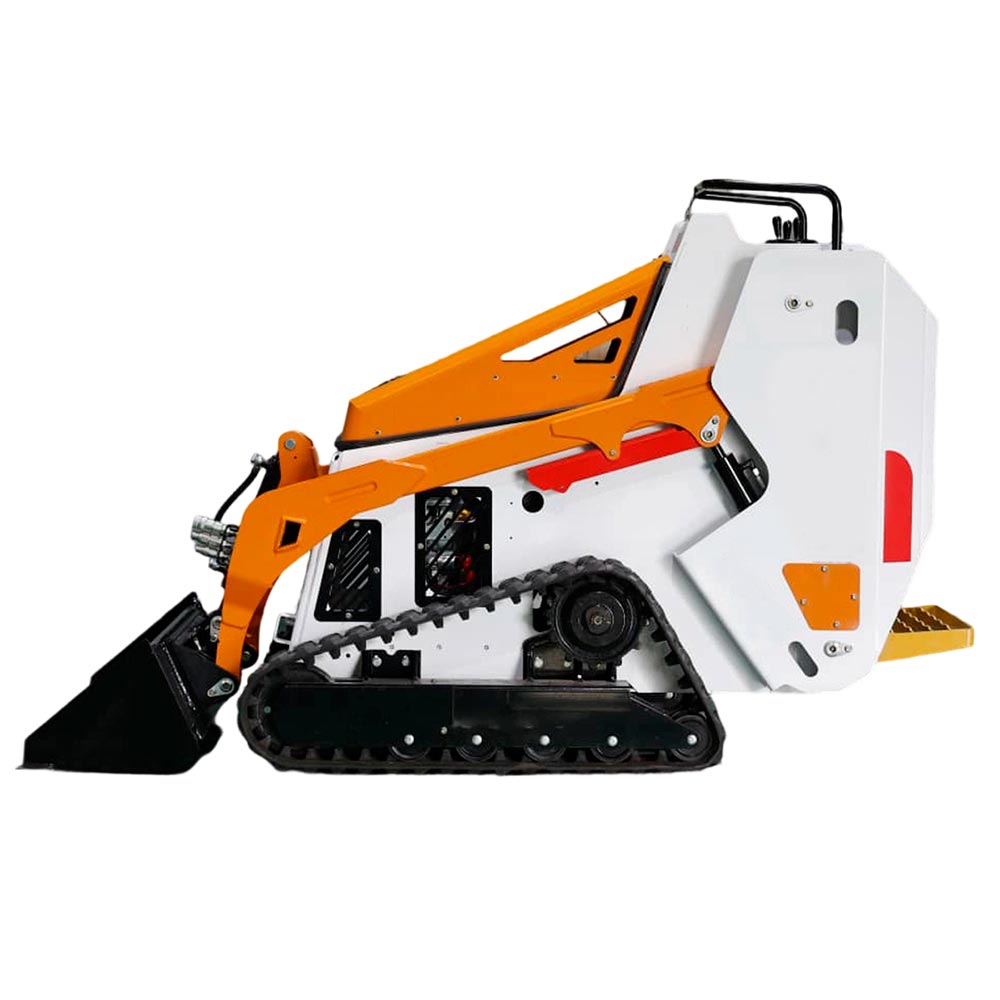
Loader size directly impacts how you navigate landscaping sites. Compact track loaders offer high maneuverability, making them ideal for residential construction and landscaping in confined areas. You can turn sharply and move through crowded spaces with ease. Compact wheel loaders also provide a tight turning radius, which helps you work efficiently in busy environments.
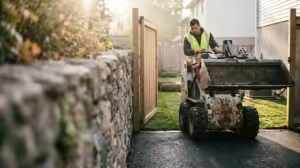
If you need to access backyards through narrow gates or work between existing structures, compact loaders give you the flexibility you need. Larger loaders require more space and may not fit through standard residential gates.
Different landscaping tasks call for different loader sizes. Compact loaders, such as mini skid steers, handle small projects and confined spaces. You can use them for tasks like mulching, planting, or moving soil in tight areas. Wheel loaders and backhoe loaders fit medium-sized projects, balancing power and versatility for excavation and material handling. Tracked skid steers or compact track loaders perform well on soft or uneven terrain, offering stability and traction. Wheeled loaders work best on hard, flat surfaces, providing speed and maneuverability.
Imagine you need to landscape a backyard with a narrow gate and soft soil. A compact skid steer loader with tracks lets you enter the space and work without tearing up the lawn. For a commercial site with wide access and heavy materials, a mid-size or large loader saves you time and effort.
Nota: Always match the loader size to your most common project needs. If you expect to take on larger jobs in the future, consider a mid-size loader for added versatility.
Rated Operating Capacity (ROC) tells you how much weight your skid steer loader can safely lift and carry. This number matters for every landscaping job, from moving soil to transporting pallets of sod. If you choose a loader with too low a ROC, you may struggle to move heavy materials or risk damaging the machine. If you pick a loader with too high a ROC for your needs, you might pay more for power you do not use.
Here is a table showing typical ROC ranges for landscaping:
| Categoría | ROC Range (pounds) |
|---|---|
| General Skid Steers | 700 to over 6,000 |
| Medium-frame Skid Steers | 1,300 to 1,900 |
For most landscaping tasks, a medium-frame loader with a ROC between 1,300 and 1,900 pounds works well. You can handle mulch, gravel, and small trees without overloading the machine. If you plan to move large boulders or heavy pallets, look for a loader with a higher ROC. Always check the ROC before buying or renting a loader for your project.
Consejo: Match the ROC to your heaviest regular task. This approach keeps your work safe and efficient.
Engine horsepower affects how much work your loader can do. More horsepower means you can lift heavier loads, dig faster, and use demanding attachments like trenchers or augers. However, you should not focus only on horsepower. Other factors, such as hydraulic flow and attachment compatibility, also impact performance.
Here is a quick look at horsepower ranges for modern loaders:
| Rango de potencia | Descripción |
|---|---|
| 23.5 – 105 hp | Modern skid loaders operate within this range, indicating varying performance capabilities. |
| 48.5 – 88 kW | Most common range for effective landscaping tasks. |
When you choose a loader, think about the attachments you plan to use. For example, a landscape rake or soil conditioner may require more horsepower than a simple bucket. If you work on large properties or need to finish jobs quickly, a loader with higher horsepower can save you time.
Fuel efficiency also matters. Electric mini loaders offer low operating costs, sometimes as little as $2.64 for an 8-hour workday. Diesel loaders cost more to run but may provide more power for heavy-duty tasks. Some modern loaders use advanced engines to burn less fuel per hour, which lowers your operating costs over time.
Nota: Calculate your expected fuel costs before choosing a loader. This step helps you manage your budget and pick the most cost-effective option.
Operator comfort plays a big role in productivity, especially during long workdays. You should look for a loader with a comfortable cabin that reduces fatigue. Features like adjustable seats, climate control, and low noise levels help you stay focused and safe.
Intuitive controls make the loader easier to operate. You can maneuver around obstacles and change directions quickly. Some loaders let you switch attachments without leaving the seat, which saves time and effort.
Visibility is another key factor. Large windows and well-placed mirrors help you see your surroundings and avoid accidents. Good visibility also makes it easier to work near buildings, trees, or other obstacles.
Comfortable cabins, easy-to-use controls, and quick attachment changes help you work longer and more efficiently. These features matter as much as power and capacity when you choose a skid steer loader for landscaping.
When you choose a skid steer loader for landscaping, you must decide between tires and tracks. Each option offers unique benefits and drawbacks. Your decision will affect how well your loader performs on different surfaces and in various weather conditions.
Llantas work best on hard, flat surfaces. You can move quickly across paved driveways, concrete pads, or compacted gravel. Tire-equipped loaders cost less upfront and often travel faster than tracked machines. You will find tires easier to replace, but they wear out faster, especially on rough terrain. If you use your loader mostly on solid ground, tires give you speed and efficiency.
Pistas excel in soft, muddy, or uneven environments. You gain better traction and stability when you work on wet grass, loose soil, or snowy ground. Tracks spread the weight of your loader over a larger area, which reduces ground pressure. This feature helps you avoid rutting and surface damage, making tracks ideal for landscaping jobs that require a gentle touch. You can work in gardens, lawns, or delicate hardscapes without leaving deep marks.
Consejo: If you often work in wet or muddy conditions, choose a compact track loader. Tracks help you keep moving when tires would slip or sink.
Consider the following points when you compare tires and tracks:
You should match your loader’s undercarriage to your most common job site conditions. If you work in residential yards with soft soil, tracks help you avoid damage and keep your projects looking professional. If you handle commercial jobs on paved lots, tires save you time and money.
Choosing between tires and tracks depends on your typical work environment. Think about the surfaces you encounter most often and select the option that keeps your projects efficient and your clients satisfied.
Elección de la right attachments for your Skid Steer Loader transforms it into a multi-purpose tool for landscaping. Attachments allow you to tackle a wide range of tasks without investing in separate machines. You can switch between tools quickly, which saves time and increases productivity on every project.
You need to select attachments that match your most common landscaping tasks. The following list highlights essential attachments and their primary uses:
The table below summarizes common landscaping attachments and their main functions:
| Adjunto | Main Function | Typical Use Case |
|---|---|---|
| Balde | Digging, loading, hauling | Soil, mulch, gravel |
| Caña del timón | Preparación del suelo | Garden beds, lawns |
| Zanjadora | Trench digging | Irrigation, utilities |
| Barrena | Hole drilling | Posts, trees, shrubs |
| Dozer Blade | Grading, spreading | Leveling soil, driveways |
| Power Rake | Soil conditioning, leveling | Seedbed prep, smoothing |
| Luchar | Debris handling | Clearing brush, rocks |
| Stump Grinder | Stump removal | Tree removal sites |
Tip: Always check attachment compatibility with your loader’s hydraulic flow and rated operating capacity before purchasing.
Attachments boost your efficiency by letting you complete multiple tasks with one machine. You can prepare soil, move materials, and clear debris without switching equipment. For example, a bucket handles material transport, while a power rake levels and conditions soil in minutes.
Multi-functional attachments let you switch tools without leaving the cab. This feature saves time and reduces physical effort. You can clear brush with a grapple, then switch to a tiller for soil preparation. Specialized attachments, such as stump grinders or trenchers, help you finish jobs faster and with less manual labor.
Selecting the right attachment for each task streamlines your workflow. You reduce project completion times and improve cost-effectiveness. For instance, using a trencher for irrigation lines is faster and more precise than manual digging. A brush cutter clears dense vegetation quickly, making land preparation easier.
Note: Attachments make your loader more versatile and productive. You can handle grading, digging, material handling, and site cleanup with one machine.
Attachments also help you adapt to new projects. If you expand your services, you can add new tools instead of buying another loader. This flexibility supports business growth and helps you meet client needs efficiently.
You need precise control and the right equipment for grading and leveling in landscaping. A Minicargador de dirección deslizante with a bucket attachment works well on mud, soft soil, and uneven surfaces. You can use it to spread topsoil, create gentle slopes, or prepare a lawn for sod. For larger or more complex sites, you might see motor graders or bulldozers, but for most landscaping projects, a skid steer offers the best mix of maneuverability and efficiency.
| tipo de equipo | Best Attachments | Condiciones del terreno |
|---|---|---|
| Minicargadoras | cubos | Mud, soft soil, uneven surfaces |
| Motor Graders | Hoja niveladora | Flat or slightly undulating terrain |
| topadoras | Straight/U-blade | Rough terrain, loose soil, rocks |
| Excavadoras | Grading buckets | Loose soil, gravel, clay |
When you need to level a backyard for a patio, a skid steer with a bucket can move soil and fine-tune the grade. For dozing or backfilling, choose a model with strong horsepower and a radial lift design. This setup gives you the pushing power and visibility you need for smooth, even surfaces.
Tip: Always check the ground conditions before you start. Wet or soft soil may require a lighter machine to avoid getting stuck.
Landscaping projects often involve moving heavy materials like mulch, gravel, or pavers. You want a loader that can lift, carry, and place these materials safely. Larger models with vertical lifts offer higher reach and greater lift capacity, making them ideal for loading trucks or stacking pallets.
| Característica | Descripción |
|---|---|
| Track System | Stability and broad weight distribution for wet or unstable ground |
| Tamaño compacto | Maneuverability in tight spaces and easy transport |
| Lift Capacity and Reach | Move heavy materials without losing traction |
| Archivos adjuntos | Versatile add-ons for different tasks |
| Comodidad | Features like suspended seats and climate control for long hours |
Imagine you need to move several pallets of stone across a muddy site. A tracked loader provides stability and prevents sinking. If you work in a small urban yard, a compact loader lets you maneuver around obstacles and deliver materials right where you need them.
Note: Always match the lift capacity to your heaviest load. Overloading can damage the machine and slow down your project.
Digging and excavation require power, precision, and the right attachments. Backhoes and skid steers both handle these tasks, but you should choose based on your site and project needs. Backhoes excel at digging, shaping, and drilling with augers. You can use hydraulic hammers to break up rock or concrete. Mini backhoes fit into tight spaces and offer similar capabilities to larger models.
For example, if you need to install a new irrigation system, a backhoe with a trencher attachment creates clean, straight trenches for pipes. When you need to dig out a foundation for a garden wall, a loader with a grading bucket shapes the soil quickly and accurately.
Tip: Choose a loader with higher hydraulic flow for demanding digging attachments. This ensures efficient operation and reduces wear on your equipment.

You face unique challenges when you take on hardscaping projects. These tasks often involve installing pavers, building retaining walls, or preparing solid surfaces. You need the right loader and attachments to complete these jobs efficiently and safely.
Start by assessing the site. Check the ground for stability and measure access points. You want to ensure your loader can enter the work area without causing damage. Next, select attachments that match your tasks. The right tools help you move materials, compact the base, and finish the job with precision.
Here is a table showing recommended loader attachments for common hardscaping tasks:
| Loader Attachment | Objetivo |
|---|---|
| Minicargadora | Carry pavers, break up old hardscaping, clean up debris. |
| Plate Compactor | Compact subgrade materials, ensure stability for pavers and walls. |
| miniexcavadora | Dig and grade for retaining walls and site preparation. |
| Paver Cart | Transport pavers efficiently to the installation site, save labor time. |
You can use a skid steer to move heavy pavers or clear debris from the site. A plate compactor helps you create a solid base, which prevents shifting and settling over time. For digging and grading, a mini excavator gives you control and accuracy. A paver cart reduces manual lifting and speeds up installation.
Tip: Always compact the subgrade before laying pavers or building walls. This step increases the durability of your hardscape and reduces future maintenance.
Plan your workflow. Move materials close to the work area with your loader. Use the right attachment for each stage. This approach saves time and reduces physical strain. You finish projects faster and deliver professional results.
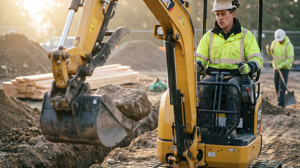
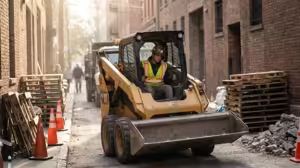
Landscaping often requires you to work in confined areas. You may need to navigate narrow gates, small backyards, or spaces between buildings. Compact loaders give you the maneuverability and versatility you need for these environments.
You should always measure access points before bringing equipment to the site. If your loader cannot fit through a gate or doorway, you cannot use it effectively. Compact loaders solve this problem. You can move them through narrow spaces and still complete grading, digging, or material handling tasks.
Note: Choose a loader based on the typical access width of your job sites. This step ensures you can use your equipment where you need it most.
Compact loaders help you work efficiently in urban yards, gardens, and other restricted areas. You avoid damage to existing structures and reduce the need for manual labor. You finish jobs faster and keep your clients satisfied.
Choosing the right Skid Steer Loader for your landscaping business means balancing your budget with your operational needs. You want to make a smart investment that supports your projects now and in the future. Consider the following options and strategies to help you make the best decision.
You face a choice between buying new or used equipment. New loaders offer the latest technology, better fuel efficiency, and full warranties. You get peace of mind and fewer repairs in the first years. Used loaders cost less upfront and may fit your budget if you are starting out or expanding quickly. However, you must inspect used machines carefully. Check maintenance records and look for signs of wear. Older models may need more repairs and could have lower resale value.
Here is a table comparing new and used loaders:
| Option | Costo inicial | Mantenimiento | Garantía | Valor de reventa | Fiabilidad |
|---|---|---|---|---|---|
| New | Alto | Bajo | Full | Más alto | Muy alto |
| Usado | Más bajo | Más alto | Limitado | Más bajo | Varía |
Tip: Ask the dealer about service history and warranty coverage for used loaders. Request a demonstration to check performance and comfort.
Leasing gives you flexibility, especially if your workload changes with the seasons. You avoid large upfront payments and often get maintenance included. Leasing works well for new businesses or those with short-term projects. You can upgrade equipment as your needs change. However, you do not build equity, and you may need to return the loader after the lease ends. Sometimes, you must adjust to unfamiliar controls or equipment.
Consider these pros and cons:
Note: Leasing works best if you want to avoid maintenance headaches or need equipment for a limited time.
When you compare prices, look beyond the sticker price. You should consider total cost of ownership, which includes fuel, maintenance, repairs, and resale value. Calculate how much you will spend over the life of the loader. Ask about operator comfort, controls, and attachment compatibility. Reliable loaders with good service support often cost more upfront but save money in the long run.
Here is a checklist to help you compare value:
Tip: Request quotes from multiple dealers. Compare features, warranties, and support. Ask questions about fuel efficiency and maintenance schedules.
You make a better decision when you consider both short-term costs and long-term value. A careful approach helps you avoid surprises and ensures your loader supports your business for years.
Routine maintenance keeps your skid steer loader running smoothly and extends its lifespan. You should create a checklist and stick to a regular schedule. This approach helps you catch small issues before they become expensive problems.
Key maintenance tasks include:
A simple maintenance schedule can help you stay organized:
| Tarea | Frecuencia |
|---|---|
| Inspect fluids | A diario |
| Check tires/undercarriage | Semanalmente |
| Replace air filter | Mensual |
| Inspeccionar el sistema eléctrico | Mensual |
| Service hydraulic system | Cada 250 horas |
Consejo: Keep a maintenance log. This record helps you track completed tasks and spot patterns that may indicate bigger issues.
Proper storage and care reduce wear and tear, minimize repair costs, and extend the operational life of your loader. You should always store your equipment in a dry, well-ventilated area. This prevents rust and protects sensitive components from moisture.
Best practices for storage and care:
For example, a landscaping company that stored its loaders outside noticed more frequent hydraulic leaks and electrical problems. After moving equipment to a covered shed and following a strict cleaning routine, repair costs dropped, and machines lasted longer.
Nota: Investing in high-quality equipment and following a maintenance schedule pays off over time.
Operator training plays a crucial role in safety and efficiency. Well-trained operators understand the hazards of skid steer operation and know how to use safety features correctly. Training teaches you how to handle loads, navigate different terrains, and recognize unsafe situations.
Benefits of operator training include:
You should train all operators on daily maintenance tasks, such as checking fluids and inspecting tires. This habit ensures that small issues get fixed before they lead to breakdowns.
Consejo: Regular training refreshers help operators stay up to date with best practices and safety guidelines.
Knowing when to upgrade your skid steer loader helps you avoid costly downtime and keeps your landscaping business running smoothly. You should watch for clear signs that your current machine no longer meets your needs. Upgrading at the right time can boost productivity, improve safety, and support business growth.
Key Signs You Should Consider an Upgrade:
Consejo: Track your loader’s maintenance costs and downtime. If these numbers rise each year, upgrading may save you money in the long run.
How to Decide When to Upgrade:
| Upgrade Trigger | What to Look For | Por qué es importante |
|---|---|---|
| Frequent Repairs | Rising repair bills, lost work time | Higher costs, missed deadlines |
| Poor Performance | Slow operation, weak lifting | Reduced productivity |
| Limited Attachments | Incompatible with new tools | Fewer job opportunities |
| Safety Concerns | Lacks modern safety features | Increased risk |
| Business Expansion | Larger or more complex projects | Need for more power/features |
Upgrading your skid steer loader is an investment in your business. You gain reliability, efficiency, and the ability to take on new challenges. Plan ahead and choose the right time to upgrade so you stay competitive and productive.
Elegir lo correcto cargadora compacta for landscaping involves several important steps. You can use this checklist to guide your decision and ensure you select equipment that fits your needs.
Start by listing your main landscaping tasks. Think about the types of projects you handle most often. Do you focus on residential yards, commercial sites, or both? Write down the materials you move, the space you work in, and the ground conditions you face. Measure access points like gates and pathways. Note the heaviest loads you need to lift and the highest points you must reach. This information helps you match loader size, lift capacity, and attachments to your daily work.
Tip: Review your upcoming projects. If you plan to expand your services, choose a loader that can grow with your business.
When you visit a dealer, prepare a list of questions. This step helps you gather the details you need to make a smart choice. Here are key questions to ask:
You should also ask about maintenance plans, warranty coverage, and attachment compatibility. Request information on service intervals and parts availability. Reliable answers to these questions help you avoid costly mistakes.
Note: Bring your project notes to the dealer. This makes it easier to discuss your needs and compare options.
A hands-on demo gives you the chance to test the loader before you buy. Schedule a demonstration with the dealer. Operate the machine on surfaces similar to your job sites. Try out the controls, check the visibility, and switch between attachments. Pay attention to comfort features like seat adjustments and noise levels. Test the loader’s maneuverability in tight spaces.
If possible, bring a team member who will use the loader regularly. Their feedback can highlight strengths or weaknesses you might miss. Take notes during the demo and ask follow-up questions.
Tip: Never skip the demo. Real-world testing helps you feel confident in your decision and ensures the loader meets your expectations.
By following this checklist, you can choose a skid steer loader that supports your landscaping business now and in the future.
You can choose the right Skid Steer Loader for landscaping by following a clear process. Start by listing your main tasks and measuring your work areas. Compare loader sizes, features, and attachments to match your needs. Review your budget and ask dealers questions before you decide. Make a checklist to guide your search. Contact local dealers for demos. Revisit this guide as you narrow your options. When you invest in the right equipment, you set your business up for long-term success.
You should measure your typical work areas. If you often work in tight spaces, select a compact loader. For larger projects, a mid-size or large loader offers more power and lift capacity.
Check the loader’s hydraulic flow and rated operating capacity. Match these numbers to the requirements of your attachments. Ask your dealer for a compatibility chart before you buy.
Tracks give you better traction on soft or muddy ground. Tires work well on hard, flat surfaces. If you want to protect lawns and avoid ruts, tracks are usually the best choice.
You should inspect fluids daily, check tires or tracks weekly, and replace air filters monthly. Keep a maintenance log to track repairs and spot issues early.
New loaders offer warranties and fewer repairs. Used loaders cost less upfront but may need more maintenance. Inspect used machines carefully and ask for service records.
Choose loaders with adjustable seats, clear visibility, and easy-to-use controls. Train operators regularly. Use safety features like seat belts and backup alarms every time.
Ask about lift capacity, attachment compatibility, maintenance plans, and warranty coverage. Request a demo to test comfort and performance. Compare answers from several dealers.
Upgrade when repairs become frequent, performance drops, or your loader cannot handle new attachments. Track downtime and maintenance costs to decide the best time.

-1.png)