Bienvenido a Shandong Qilu Industrial Co., Ltd

 Spanish
 English
 Arabic
 Bulgarian
 Bengali
 Czech
Czech
 Danish
 German
 Greek
Greek
 Finnish
 French
 Hindi
Hindi
 Croatian
 Hungarian
 Indonesian
 Italian
 Japanese
 Korean
 Lithuanian
 Dutch
Dutch
 Norwegian
 Polish
 Portuguese
 Romanian
 Russian
 Slovak
 Slovenian
 Swedish
 Thai
Thai
 Turkish
 Ukrainian
 Vietnamese
 Tagalog
 Malay
Malay
 Estonian
 Catalan
 Latvian
 Urdu
Urdu
 Serbian
 Persian
 Swahili
 Albanian
 Armenian
 Icelandic
 Bosnian
 Luxembourgish
 Afrikaans
Spanish English
Arabic
Bulgarian
Bengali
Czech
Danish
German
Greek
Finnish
French
Hindi
Croatian
Hungarian
Indonesian
Italian
Japanese
Korean
Lithuanian
Dutch
Norwegian
Polish
Portuguese
Romanian
Russian
Slovak
Slovenian
Swedish
Thai
Turkish
Ukrainian
Vietnamese
Tagalog
Malay
Estonian
Catalan
Latvian
Urdu
Serbian
Persian
Swahili
Albanian
Armenian
Icelandic
Bosnian
Luxembourgish
Afrikaans
Afrikaans
Spanish English
Arabic
Bulgarian
Bengali
Czech
Danish
German
Greek
Finnish
French
Hindi
Croatian
Hungarian
Indonesian
Italian
Japanese
Korean
Lithuanian
Dutch
Norwegian
Polish
Portuguese
Romanian
Russian
Slovak
Slovenian
Swedish
Thai
Turkish
Ukrainian
Vietnamese
Tagalog
Malay
Estonian
Catalan
Latvian
Urdu
Serbian
Persian
Swahili
Albanian
Armenian
Icelandic
Bosnian
Luxembourgish
Afrikaans
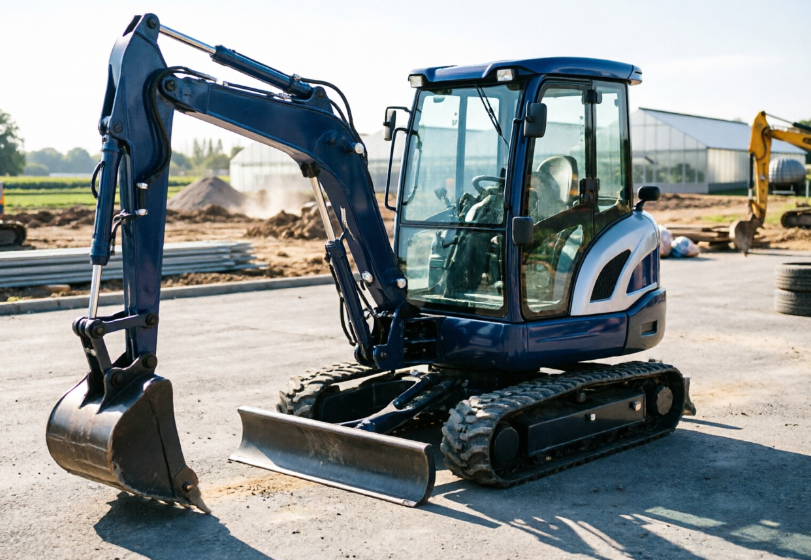
Redefiniendo la potencia compacta: la guía definitiva para 2026 para elegir miniexcavadoras que dominen los trabajos de paisajismo y construcción pequeña
Por qué las miniexcavadoras actuales son la inversión más inteligente en equipos compactos. El mercado global creció de 8.580 millones de dólares en 2025 a 8.980 millones de dólares en 2026 (CAGR 4.6%), impulsado por la urbanización y la demanda de máquinas versátiles y fáciles de operar. Para paisajismo y construcción ligera, una miniexcavadora moderna ya no es un lujo, sino el núcleo de la productividad diaria.
Según el análisis de mercado de miniexcavadoras de Grand View Research, las máquinas compactas son cada vez más preferidas para proyectos en los que el espacio es reducido pero el rendimiento no puede verse comprometido. Esta guía va más allá de las clasificaciones ordinarias para explorar las máquinas que realmente redefinen la eficiencia, sin depender de clichés de marca o especificaciones vacías. Si estás evaluando venta de miniexcavadoras, los siguientes conocimientos le ayudarán a adaptar la capacidad de la máquina a las demandas laborales reales.
La nueva lógica de la excavación compacta: más allá de la lista de verificación de los “10 mejores”
La selección de miniexcavadoras exige matices. El mercado actual está determinado por el crecimiento de las flotas de alquiler, la electrificación y la ingeniería de acceso estricto. Descripción general de Wikipedia sobre excavadoras destaca cómo han evolucionado las variantes compactas para sitios confinados. Los fabricantes de equipos originales ahora priorizan la durabilidad, los controles simplificados y las opciones de cero emisiones, especialmente en la gama de 2 a 6 toneladas, donde los modelos eléctricos demuestran su eficacia en proyectos interiores y urbanos.
Según lo informado por Construction Equipment Guide, la estrategia más eficaz asigna la capacidad de la máquina directamente al trabajo. Las siguientes categorías dividen el mercado en tres clases de peso prácticas.
Categoría 1 | Microexcavadoras de 1 a 2 toneladas: socios de precisión para espacios reducidos
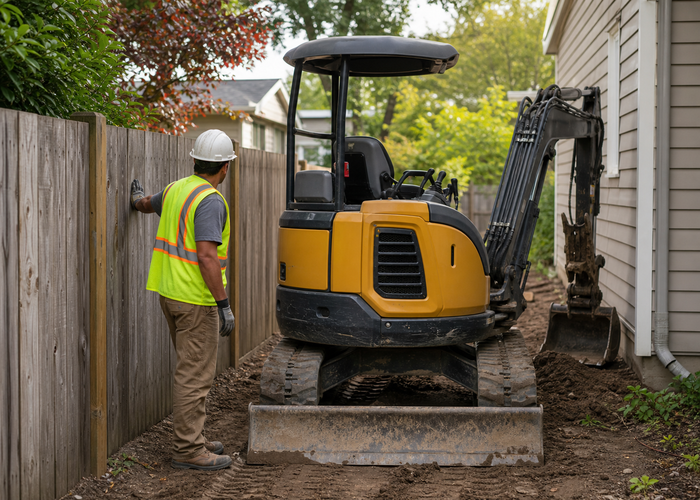
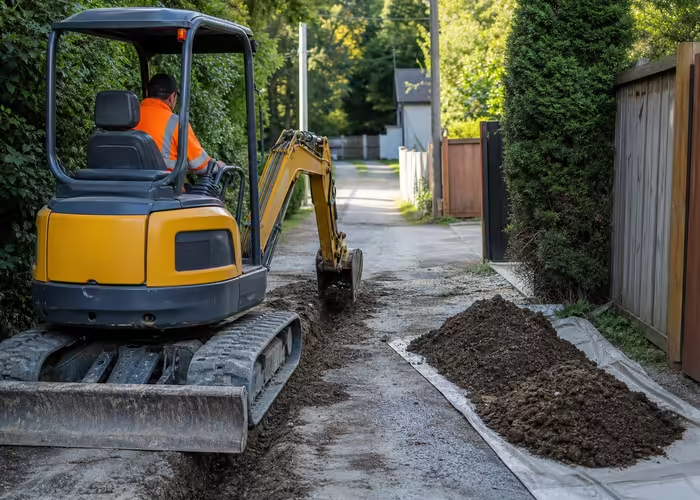
Cuando su lugar de trabajo es un patio trasero, un invernadero o un callejón estrecho, la clase de 1 a 2 toneladas es esencial. Estas máquinas (aproximadamente 2000 a 4000 libras) se pueden remolcar sin CDL y, a menudo, cuentan con giro de cola cero y trenes de aterrizaje retráctiles. Navegan a través de puertas estándar y se encargan de la eliminación de tocones, desagües franceses y excavación de agujeros posteriores con precisión quirúrgica. A proveedor integral de miniexcavadoras normalmente ofrece modelos ultracompactos que equilibran la confiabilidad del motor y la delicadeza hidráulica, exactamente lo que necesitan los paisajistas residenciales.
Las microexcavadoras líderes en esta clase a menudo incluyen configuraciones con un motor diésel de tres cilindros resistente y de bajo consumo de combustible, orugas expandibles e sistema hidráulico auxiliar listo para sinfines y martillos. Su ancho de carrocería inferior a un metro los convierte en los favoritos para riego y nivelación ligera sin daños en el césped.
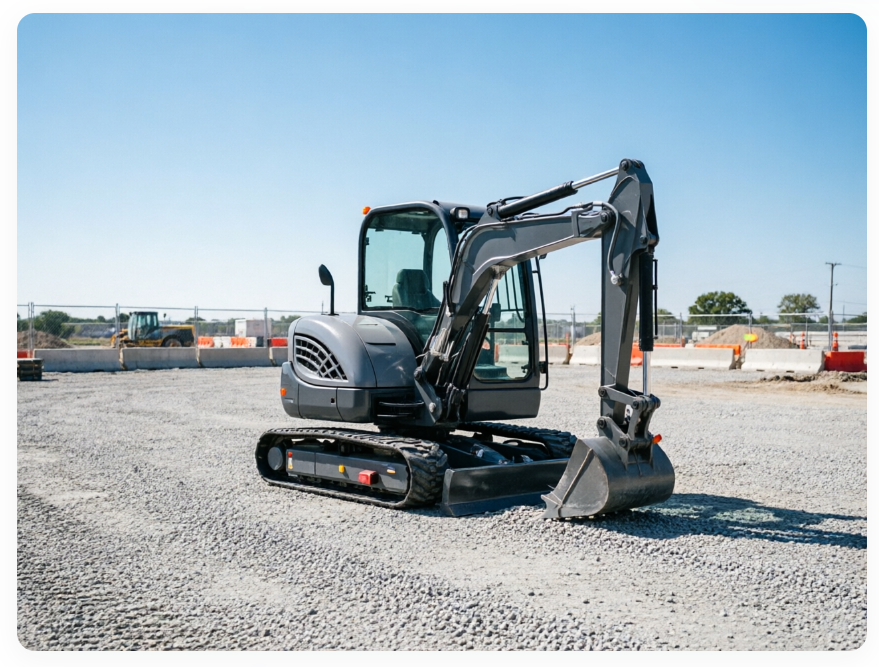
Categoría 2 | Excavadoras compactas de 2 a 4 toneladas: los versátiles caballos de batalla de peso mediano
La gama de 2 a 4 toneladas es el punto óptimo para la mayoría de las tripulaciones profesionales. Estas máquinas ofrecen profundidades de excavación superiores a dos metros, fuerzas de cangilones de hasta veinte kilonewtons y flujo hidráulico para accesorios como rotores basculantes. El Línea de miniexcavadoras QiLu Machinery ilustra esta versatilidad: los modelos se pueden configurar con sistemas hidráulicos avanzados que aumentan la eficiencia del trabajo hasta en un treinta por ciento, manteniendo al mismo tiempo el cumplimiento de los estándares Euro V y EPA Tier 4 Final.
Una excavadora representativa de 2,5 toneladas con una profundidad máxima de excavación de 2.320 mm y un cucharón de 0,07 m³ ofrece el alcance necesario para la reconstrucción urbana y los trabajos de tuberías, pero sigue siendo lo suficientemente compacta para caminos estrechos. Los operadores también se benefician de cabinas cerradas con control climático, lo que cambia las reglas del juego para la productividad durante todo el año.
Categoría 3 | Excavadoras midi de 5 a 6 toneladas: capacidad industrial en un paquete remolcable
Para pequeñas demoliciones, obras en carreteras y grandes paisajismo, la clase de puentes de 5 a 6 toneladas son máquinas compactas y de tamaño completo. Aportan fuerza de ruptura industrial y estabilidad para accesorios pesados, pero siguen siendo transportables sin permisos de carga amplia. Los sistemas de monitoreo inteligentes ahora vienen de serie y brindan a los administradores de flotas datos en tiempo real sobre combustible y mantenimiento. Como el Pautas de seguridad de OSHA enfatice que la capacitación adecuada del operador en estas potentes máquinas es fundamental para la seguridad del sitio.
Comparación de un vistazo: indicadores clave de rendimiento por clase de peso
| Clase de peso | Peso operativo (aprox.) | Profundidad máxima típica de excavación | Capacidad del cubo | Mejor adecuado para |
|---|---|---|---|---|
| 1-2 Ton (Micro) | 900-2.000 kg (2.000-4.400 lbs) | 1.500-2.400 mm | 0,015-0,045 m³ | Paisajismo en patios traseros, demolición de interiores, zanjas de riego, excavación de postes |
| 2-4 Ton (Compacto) | 2.000-4.000 kg (4.400-8.800 lbs) | 2.000-3.000 mm | 0,04-0,10 m³ | Instalación de servicios públicos, construcción residencial, demolición ligera, nivelación, preparación forestal |
| 5-6 Ton (Midi) | 5.000-6.000 kg (11.000-13.200 lbs) | 3.000-4.000 mm | 0,10-0,25 m³ | Excavación de carreteras, demolición de pequeños edificios, bordes forestales, grandes proyectos paisajísticos |
* Las especificaciones varían según el fabricante. Los rangos representan las ofertas actuales del mercado. Verifique con las hojas de especificaciones del modelo.
Cómo elegir la miniexcavadora adecuada: siete preguntas que impulsan decisiones inteligentes
- ¿Tareas principales y frecuencia? La propiedad ahorra dinero si se utiliza más de 20 días al año.
- ¿Restricciones de acceso al sitio? Medir puertas y caminos; Los trenes de aterrizaje retráctiles son invaluables.
- ¿qué archivos adjuntos se necesitan? Haga coincidir el flujo hidráulico auxiliar (L/min) con barrenas, disyuntores o pulgares.
- ¿No es necesario ningún movimiento de cola? Esencial cerca de muros y vallas; La cola convencional ofrece ganancias marginales de estabilidad.
- ¿Requisitos de nivel de emisiones? Asegúrese de que la EPA/Euro V cumpla con todas las normas vigentes Miniexcavadoras QiLu cumplir con estos estándares.
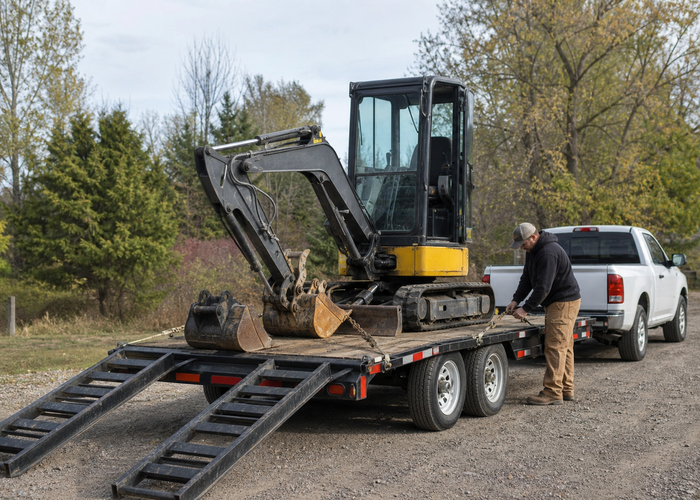
- ¿Configuración del transporte? Por encima de 3 toneladas normalmente se requiere un remolque de alta resistencia y amarres adecuados.
- ¿soporte posventa? Canales directos del fabricante con manuales en inglés y disponibilidad de repuestos se reduce el riesgo de tiempo de inactividad.
Más allá de la máquina: obtener el máximo valor
Las comprobaciones diarias, los cambios de aceite de 250 horas y las piezas originales mantienen su máquina en óptimas condiciones. Capacitación del operador alineada con Requisitos de OSHA no es negociable. Para el paisajismo, priorice una barrena hidráulica, un cucharón nivelador y un pulgar hidráulico. Estos tres accesorios transforman una miniexcavadora en una solución completa para el sitio.
Las previsiones del mercado sugieren que el sector de las miniexcavadoras llegará 11.080 millones de dólares para 2030 (Grand View Research), impulsado por proyectos de ciudades inteligentes y el cambio hacia plataformas de apego múltiple y de bajo impacto en el suelo. Hoy se construye una inversión para las regulaciones del mañana.
Preguntas frecuentes
¿cuál es la mejor miniexcavadora para paisajismo residencial?
Una microexcavadora de 1 a 2 toneladas es ideal. Lo suficientemente liviano para proteger el césped, lo suficientemente estrecho para las puertas, pero potente para zanjas y agujeros para postes. Busque orugas retráctiles y balanceo de cola cero.
¿Alquilar o comprar una miniexcavadora?
Si el uso supera los 20 días al año, la compra suele ser más rentable en cinco años. Para trabajos ocasionales, el alquiler evita costes de mantenimiento y almacenamiento.
¿son las miniexcavadoras eléctricas lo suficientemente fuertes para la construcción?
Sí. Los modelos eléctricos modernos en el rango de 2 a 6 toneladas igualan el rendimiento del diésel para muchas tareas, especialmente en interiores, nocturnos o en sitios de cero emisiones. Evaluar el tiempo de ejecución de la batería por proyecto.
¿qué accesorios añaden el mayor valor al paisajismo?
Barrena hidráulica (agujeros), cucharón nivelador (clasificación de acabado) y pulgar hidráulico (agarre de escombros/rocas). Un compactador de placas es una excelente adición para rellenos de zanjas.
¿cómo transporte una miniexcavadora?
A menudo, menos de 2 toneladas pueden ir en un remolque estándar detrás de una camioneta. Las máquinas más pesadas necesitan un remolque de alta resistencia, amarres adecuados y un vehículo remolcador adecuado. Consulte siempre las normativas locales.
¿qué significa “columpio de cola cero”?
La estructura superior permanece dentro del ancho de vía durante la rotación, lo que permite un funcionamiento seguro junto a paredes y vallas, algo fundamental en zonas urbanas y residenciales.
¿qué mantenimiento mantiene confiable una miniexcavadora?
Controles visuales diarios, cambios de aceite/filtro de 250 horas, engrase regular y piezas de repuesto originales. Almacene a cubierto cuando no esté en uso para prolongar la vida útil.
¿sigues buscando la excavadora compacta adecuada? Explora la corriente venta de miniexcavadoras y descubra máquinas construidas para entornos paisajísticos y constructivos exigentes, respaldadas por soporte directo y cumplimiento global.