E-mail: [email protected] WhatsApp: +8618266768780
E-mail: [email protected] WhatsApp: +8618266768780


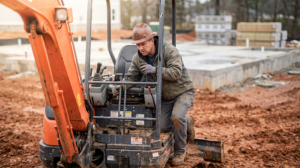
Traktor memainkan peran penting dalam konstruksi dan pengembangan lahan, menawarkan keserbagunaan dan keandalan yang tak tertandingi. Anda menggunakan traktor untuk memindahkan material dengan cepat, yang menjaga alur kerja Anda tetap sesuai rencana dan mengurangi waktu henti. Dengan kemampuan untuk menangani perataan, penyebaran, dan pemadatan, traktor beradaptasi dengan kebutuhan proyek Anda yang berubah. Anda mendapatkan manfaat dari peningkatan efisiensi, biaya tenaga kerja yang lebih rendah, dan peningkatan keselamatan di medan yang menantang. Aplikasi Traktor memberi Anda alat praktis untuk menangani pekerjaan yang menuntut dengan percaya diri.
Anda akan menjumpai beberapa jenis traktor di lokasi konstruksi, masing-masing dirancang untuk tugas spesifik. Traktor industri Mesin-mesin ini membantu Anda memindahkan material, meratakan permukaan, dan mempersiapkan lokasi. Mesin-mesin ini bekerja dengan baik dengan alat tambahan seperti loader dan bilah buldoser. Traktor penggerak tanah memainkan peran penting dalam penggalian dan penataan lanskap. Anda mengandalkan mereka untuk memindahkan tanah, meratakan permukaan, dan membentuk medan untuk proyek-proyek baru.
Dengan memilih traktor yang tepat, Anda meningkatkan efisiensi dan beradaptasi dengan perubahan tuntutan proyek. Aplikasi traktor memungkinkan Anda beralih antar tugas tanpa waktu henti.
Perlengkapan tambahan memperluas kemampuan traktor Anda, menjadikannya alat yang serbaguna untuk konstruksi. Anda dapat memilih dari berbagai macam alat yang sesuai dengan kebutuhan proyek Anda.
| Jenis Lampiran/Perangkat | Kasus Penggunaan |
|---|---|
| Mesin pemotong rumput yang dipasang di tengah | Merawat halaman rumput, kebun buah, taman, dan ruang hijau. |
| Alat penggali tanah | Gali jalur ladang, singkirkan tunggul pohon, dan buat parit drainase. |
| Peralatan salju | Singkirkan salju dari area kerja dengan cara membajak atau meniupnya. |
| penggali lubang tiang | Buat lubang yang seragam untuk menanam pohon atau membangun pagar. |
| pemotong sikat | Singkirkan vegetasi yang tidak diinginkan. |
| Penggaruk | Singkirkan puing-puing dan persiapkan tanah. |
Anda menggunakan loader untuk mengangkat, memindahkan, dan memuat material seperti tanah, kerikil, dan puing-puing. Loader dipasang di bagian depan traktor Anda, memberi Anda kekuatan untuk membersihkan lokasi dengan cepat dan efisien. Anda dapat mengganti bucket untuk tugas yang berbeda, yang meningkatkan produktivitas.
Derek dan alat pengangkat lainnya membantu Anda mengangkat benda berat dan memposisikan material dengan presisi. Anda mengandalkan alat-alat ini untuk tugas-tugas seperti menempatkan balok, memindahkan pipa, atau mengangkat palet. Sistem hidrolik memberi Anda kendali dan keamanan saat menangani beban besar.
Pisau dan ember sangat penting untuk meratakan, menghaluskan, dan menggali. Anda memasang pisau untuk menghaluskan permukaan atau membentuk lereng. Ember memungkinkan Anda untuk menyendok, mengangkut, dan membuang material. Alat-alat ini membuat Aplikasi Traktor fleksibel dan mudah beradaptasi untuk setiap tantangan konstruksi.
| Perlengkapan Traktor | Deskripsi Fungsi |
|---|---|
| Pemberat | Cegah agar tidak terbalik dengan menambahkan beban untuk stabilitas dan keamanan. |
| Alat Penilaian | Meratakan dan menghaluskan permukaan menggunakan box blade dan land plane. |
| Bergulat | Mengangkat dan memindahkan material berat, tersedia dalam tipe mekanis dan hidrolik. |
| Alat Perawatan Pemotongan Rumput | Potong rumput di ladang, parit, dan pinggir jalan dengan mesin pemotong rumput tipe flail mower dan brush hog. |
| Peralatan Pembersihan Salju | Bersihkan salju dari jalan raya dan jalan masuk menggunakan alat pendorong dan peniup salju. |
| Perlengkapan Pengolahan Tanah | Siapkan tanah di kebun dan ladang dengan menggunakan mesin pengolah tanah dan bajak. |
Anda akan menghadapi berbagai jenis medan di lokasi konstruksi, mulai dari tanah lunak hingga tanah berbatu. Traktor memiliki desain yang kokoh dan mesin yang bertenaga, yang membantu Anda mengangkut material dan meratakan medan bahkan dalam kondisi sulit. Anda dapat melengkapi traktor Anda dengan loader dan backhoe untuk meningkatkan fungsionalitasnya.
Keselamatan tetap menjadi prioritas utama. Fitur-fitur seperti struktur pelindung terguling (ROPS) menyerap energi benturan saat terguling, yang melindungi Anda di medan yang menantang. ROPS yang dapat dilipat (FROPS) membantu Anda beroperasi di area dengan ruang terbatas, seperti di bawah pohon atau di ruang sempit. Fitur keselamatan yang ditingkatkan mengurangi risiko dan memungkinkan Anda bekerja dengan percaya diri, bahkan dalam kondisi lokasi yang sulit.
Tips: Selalu nilai kondisi medan lokasi Anda sebelum memilih perlengkapan traktor. Ini memastikan Anda memilih alat yang tepat untuk stabilitas, keamanan, dan efisiensi.
Penggunaan traktor dalam konstruksi memberi Anda alat untuk beradaptasi dengan cepat, bekerja dengan aman, dan menyelesaikan proyek sesuai jadwal. Anda memaksimalkan produktivitas dengan mencocokkan traktor dan perlengkapan yang tepat untuk setiap tugas.
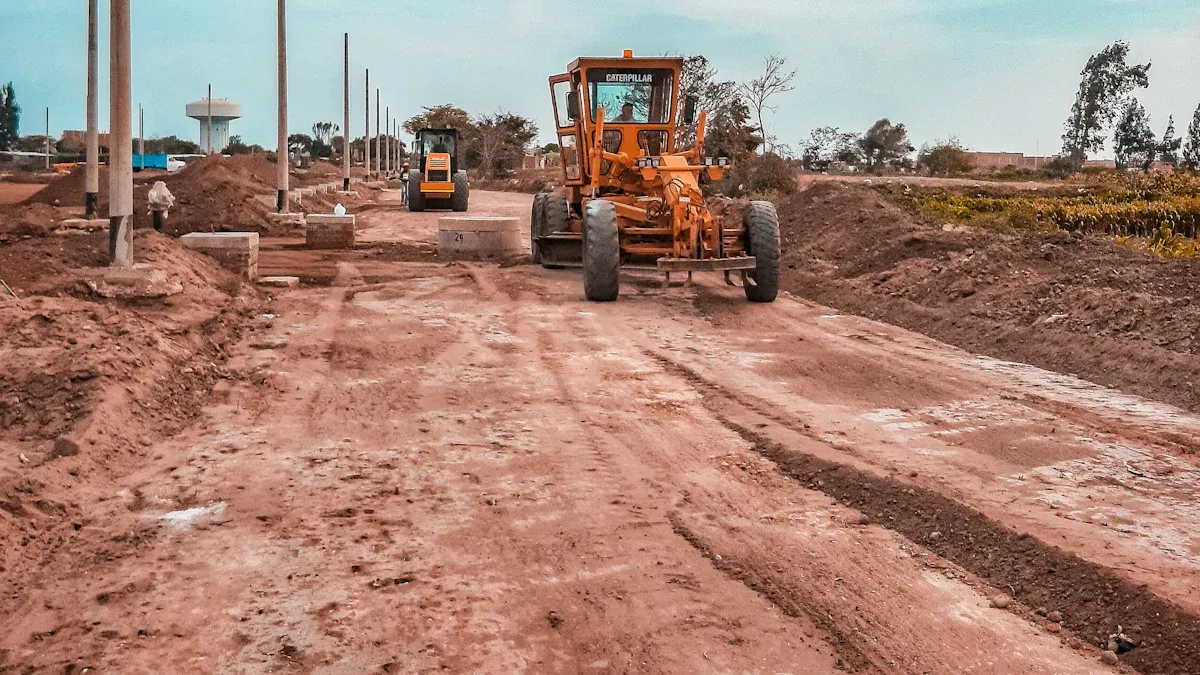
Aplikasi Traktor Memberikan Anda kekuatan untuk mengubah lahan kosong menjadi lokasi siap bangun. Anda mengandalkan traktor untuk membersihkan vegetasi, membuang puing-puing, meratakan permukaan, dan mempersiapkan tanah untuk pembangunan di masa mendatang. Setiap langkah dalam persiapan lahan membutuhkan ketelitian dan efisiensi, dan traktor memberikan keduanya.
Anda mulai dengan membersihkan vegetasi dan puing-puing yang tidak diinginkan. Traktor yang dilengkapi dengan loader depan mengangkat dan mengangkut batu-batu berat, ranting, dan semak belukar. Anda menggunakan backhoe untuk menggali parit, mencabut tunggul pohon, dan menangani tugas-tugas pembersihan lahan yang kompleks. Kombinasi loader dan backhoe memungkinkan Anda membuat jalur akses dan membersihkan rintangan dengan cepat.
Tips: Selalu periksa lokasi untuk mengetahui adanya bahaya tersembunyi sebelum memulai pembersihan lahan. Langkah ini melindungi peralatan dan memastikan keselamatan operator.
| Tugas | Perlengkapan Traktor | Efisiensi (Hektar/Jam) |
|---|---|---|
| Pembersihan Semak | Pemotong Putar | 1.5 |
| Pembersihan Puing | Loader/Grapple | 1.2 |
| Penghapusan Tunggul | Alat penggali tanah | 0.8 |
Setelah Anda menyelesaikan seluruh proses di lokasi tersebut, Anda akan melanjutkan ke langkah berikutnya. penilaian awal. Traktor berperan sebagai alat berat pengangkut material, memindahkan sejumlah besar tanah dan meratakan tanah yang tidak rata. Anda mengeruk lapisan tanah atas dan menyebarkan kerikil untuk mencapai lapisan tanah bawah, yang sangat penting untuk fondasi yang stabil. Untuk tugas perataan kecil, traktor dapat menangani pengerukan dan penyebaran secara efisien. Anda menggunakan alat manual untuk detail yang lebih halus.
Catatan: Perkirakan jumlah tanah sebelum memilih metode perataan. Traktor unggul dalam memindahkan material dalam jumlah besar, tetapi alat manual mungkin diperlukan untuk sentuhan akhir.
Setelah perataan, Anda mempersiapkan tanah untuk konstruksi atau lansekap. Anda mulai dengan memangkas semak belukar yang tumbuh berlebihan menggunakan pemotong putar. Selanjutnya, Anda menggunakan loader atau grapple untuk mengumpulkan ranting, tunggul, dan pagar tua. Anda meratakan permukaan dengan box blade atau rear blade untuk hasil akhir yang halus. Jika Anda berencana menanam rumput, Anda membajak tanah. Untuk pembangunan, Anda memadatkan dan membentuk permukaan.
Penggunaan cakram, pembajakan cakram, dan pembajakan jalur. Membantu Anda mengolah tanah dan menambahkan penutup vegetasi ringan ke lapisan tanah atas. Metode ini meningkatkan kualitas tanah dan mendukung pertumbuhan atau pembangunan di masa mendatang.
Poin penting: Persiapan tanah yang tepat mengurangi biaya perawatan di masa mendatang dan mendukung stabilitas lokasi dalam jangka panjang.
Anda memaksimalkan produktivitas dan keselamatan dengan mencocokkan traktor dan perlengkapan yang tepat untuk setiap tugas persiapan lahan. Pendekatan ini memastikan lahan Anda siap untuk fase pengembangan selanjutnya.
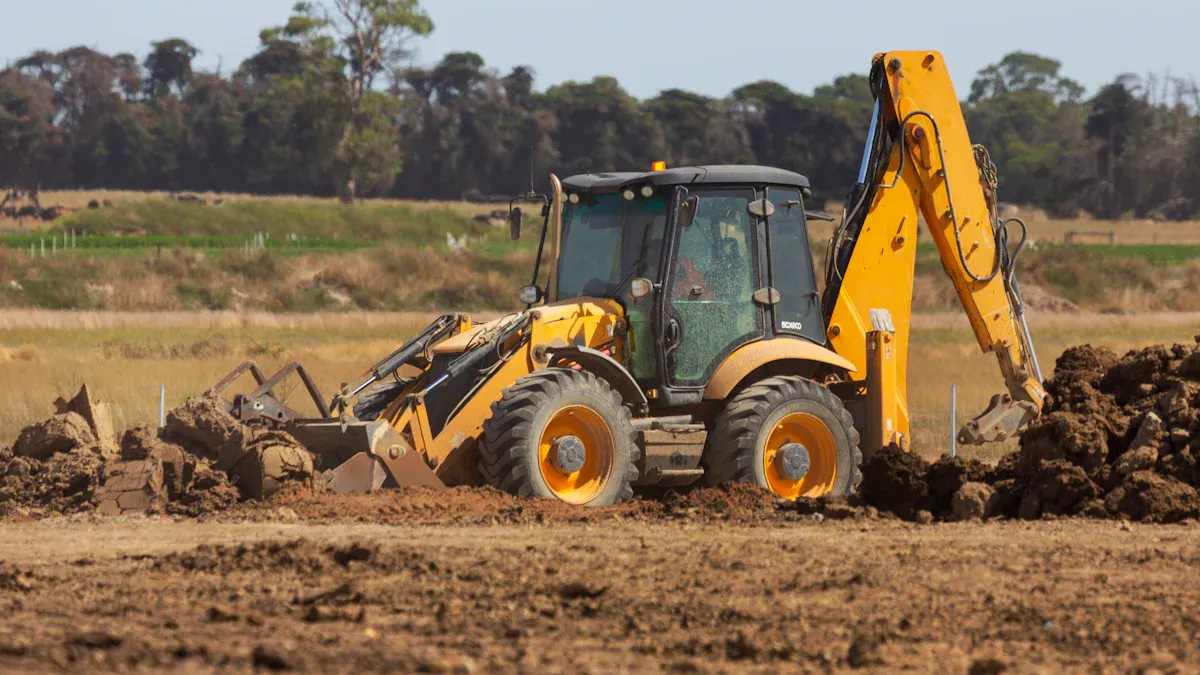
Anda menangani pemindahan tanah dalam jumlah besar dengan menggunakan traktor yang dilengkapi dengan mesin bertenaga dan perlengkapan yang dapat disesuaikan. Mesin-mesin ini memungkinkan Anda memindahkan volume tanah, pasir, atau kerikil yang besar secara efisien. Dengan memasang bilah kotak atau pengikis, Anda dapat meratakan, menghaluskan, dan menyebarkan material di seluruh lokasi. Fleksibilitas ini berarti Anda menyelesaikan tugas lebih cepat dan beradaptasi dengan kondisi tanah yang berubah tanpa perlu mengganti peralatan.
Tip: Gunakan alat tambahan multifungsi untuk mengurangi waktu henti dan memaksimalkan produktivitas selama pekerjaan pemindahan tanah dalam jumlah besar.
Anda sering melihat traktor bekerja di proyek konstruksi jalan, di mana para pekerja harus memindahkan ribuan meter kubik tanah untuk membuat tanggul atau memotong lereng bukit. Misalnya, pada proyek perluasan jalan raya baru-baru ini, operator menggunakan traktor dengan bilah kotak untuk memindahkan dan meratakan lebih dari 10.000 meter kubik tanah hanya dalam dua minggu. Pendekatan ini menjaga proyek tetap sesuai jadwal dan meminimalkan biaya tenaga kerja.
| Jenis Proyek | Volume yang Dipindahkan (yard kubik) | Timeline (days) |
|---|---|---|
| Konstruksi Jalan | 10,000 | 14 |
| Commercial Site Prep | 5,500 | 10 |
| Residential Grading | 2,000 | 7 |
You improve efficiency by matching the right attachment to the soil type and project needs. Tractors adapt to various conditions, so you maintain steady progress even when the terrain changes.
You rely on tractors with backhoe or trencher attachments for trenching and digging. These tools help you install utilities, drainage systems, or foundations with precision. Before you start, always mark the trench route and depth. Clear the area of rocks and debris to prevent equipment damage. Understanding your soil type helps you select the best attachment for the job.
On a utility installation project, you might use a tractor-mounted trencher to dig a 300-foot trench in a single day. This speed keeps your project moving and reduces manual labor.
Note: Always follow local safety guidelines and best practices to protect your crew and equipment.
After you complete excavation or pipe installation, you need to backfill and compact the soil. Tractors with loader buckets or rear blades allow you to return soil to the trench quickly. You spread the material evenly, then use a compactor attachment or the tractor’s weight to compress the soil. Proper compaction prevents future settling and supports stable foundations.
You often see this process on building sites, where crews backfill around foundations and compact the soil in layers. This method ensures long-term stability and reduces the risk of cracks or shifting.
Callout: Consistent backfilling and compaction techniques help you avoid costly repairs and maintain site safety.
Tractor Applications in earthmoving and excavation give you the flexibility to tackle diverse tasks, from large-scale grading to precise trenching. You complete projects efficiently and maintain high standards for safety and quality.
You rely on tractors to move soil, sand, gravel, and other aggregates across your construction site. These machines handle heavy loads and adapt to changing site conditions. When you use tractors for material movement, you gain several advantages:
Tip: Always match the tractor size and attachment to the volume and type of material you need to move. This approach maximizes efficiency and prevents equipment strain.
| Jenis Bahan | Typical Load per Trip (tons) | Lampiran yang Direkomendasikan |
|---|---|---|
| Topsoil | 2–4 | Loader Bucket |
| Gravel | 3–5 | Loader or Tip Trailer |
| Sand | 2–4 | Loader or Tip Trailer |
| Debris | 1–3 | Grapple or Loader |
On a recent subdivision project, you might use a loader-equipped tractor to move 200 tons of gravel in a single day. This method keeps your schedule on track and reduces the need for extra equipment.
You use tractors to transport construction materials such as pipes, pallets, and lumber. Tractors drive efficiently around warehouses, storage yards, and active worksites. You often attach trailers to your tractor, which allows you to haul large or heavy objects with ease. This process streamlines logistics and keeps your materials close to where you need them.
For example, during a commercial build, you might load a trailer with pallets of bricks and deliver them directly to the masonry crew. This reduces downtime and keeps your workflow organized.
Note: Always secure your load before moving. Proper tie-downs and balanced weight distribution prevent accidents and protect your materials.
You enhance your tractor’s hauling capabilities by choosing the right trailer or attachment for each task. Several trailer types support efficient material handling:
| Trailer Type | Kasus Penggunaan Terbaik | Fitur Utama |
|---|---|---|
| Tip Trailer | Bulk soil, sand, aggregates | Hydraulic lift for dumping |
| Non-Tipping Trailer | Pallets, pipes, lumber | Stable, cost-effective |
| Chaser Bin | Loose grain, light aggregates | High-speed unloading |
| Articulated Hauler | Heavy loads, rough terrain | All-terrain capability |
You can adapt your hauling strategy to the demands of each project. For instance, on a large infrastructure site, you might use articulated haulers to move fill material across uneven ground, while tip trailers handle aggregate delivery to specific work zones.
Callout: Regularly inspect your trailers and attachments for wear and damage. Preventative maintenance ensures safe and reliable hauling throughout your project.
By leveraging the right combination of tractors, trailers, and attachments, you streamline material handling, reduce costs, and keep your construction site running smoothly.
You achieve fine grading by using your tractor to create a smooth, even surface that meets precise elevation requirements. This process prepares the site for foundations, pavement, or landscaping. You start by removing debris, which ensures a clean work area. You then use grading attachments to level the land, adjusting the height and depth of cuts and fills as needed. This step improves the appearance of your project and sets the stage for successful construction.
You prevent issues like uneven foundation settling and stormwater accumulation by focusing on fine grading. For example, when preparing a parking lot, you use your tractor to achieve a consistent grade, which supports proper drainage and long-term durability. You can find examples of fine grading techniques and results on professional construction forums and social media platforms, where operators share before-and-after photos of their work.
Tip: Always check your grading accuracy with a laser level or GPS system. This ensures you meet project specifications and avoid costly rework.
You control slopes and drainage by shaping the land to direct water away from structures and work areas. Your tractor allows you to incorporate a slight crown in the center of roads or pads, which channels water runoff to the sides. This technique prevents pooling and erosion. You also create gentle inclines to guide water toward designated drainage points.
You improve site usability and reduce maintenance needs by managing slopes effectively. For instance, on a residential development, you use your tractor to grade driveways with a slight slope, ensuring rainwater flows away from homes and garages.
Note: Always plan your drainage strategy before starting grading. Proper slope design protects your investment and the environment.
You complete surface work by compacting the soil, which increases stability and load-bearing capacity. Tractors equipped with the right tires or tracks deliver effective compaction. Tire pressure plays a key role in the compaction effect. Lower tire pressure reduces compaction, while over-inflated tires increase it. Tracked tractors provide moderate compaction, which suits many construction applications.
| Jenis Peralatan | Tire Pressure (psi) | Compaction Effect |
|---|---|---|
| Tractor with duals (correctly inflated) | 6–7 | Least compaction |
| Tractor with over-inflated tires | 24 | Most compaction |
| Tractor with 24-inch tracks | Tidak tersedia | Moderate compaction |
| Tractor with 36-inch tracks | Tidak tersedia | Moderate compaction |
You achieve the best results by matching your equipment setup to the soil type and project requirements. For example, when preparing a building pad, you use moderate compaction to support the structure without damaging the soil. You can monitor compaction quality with simple field tests, such as the “heel test” or a soil penetrometer.
Callout: Consistent compaction prevents future settling and supports long-lasting construction results.
By mastering grading and surface work with your tractor, you deliver professional-quality results that stand the test of time.
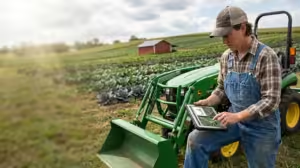
You transform your construction workflow by using tractors to automate repetitive and physically demanding tasks. Modern tractors handle heavy lifting, earthmoving, and material transport, which reduces the need for manual labor. When you automate these processes, you shift your crew’s focus to skilled activities that require expertise and attention. This change boosts productivity and lowers the risk of injuries caused by strenuous work.
The introduction of autonomous machinery on construction sites allows you to cut costs and decrease reliance on manual labor. Workers spend less time on tasks like hauling materials or digging trenches. Instead, they concentrate on operating equipment, managing logistics, and ensuring quality control. For example, on a recent roadwork project, crews used tractors to move aggregate and grade surfaces, completing the job in half the time compared to manual methods. You can find similar case studies on construction forums and professional social media platforms, where operators share their experiences and results.
Tip: Automating repetitive tasks with tractors not only improves efficiency but also creates safer working conditions for your team.
You accelerate project timelines by integrating tractors into your construction operations. Tractors equipped with advanced tracking and management systems help you monitor cost, performance, and fuel usage. This data-driven approach enables you to meet scheduled benchmarks and incentivize high performance among your crew.
| Keuntungan | Keterangan |
|---|---|
| Cost and Performance Tracking | Monitor progress and meet deadlines with real-time data. |
| Manajemen Bahan Bakar | Optimize fuel use to lower costs and reduce environmental impact. |
| Pemeliharaan Peralatan | Schedule regular servicing to minimize downtime and extend machinery lifespan. |
| Offsite Management | Use tracking technologies to enhance safety and asset security. |
| Condition Monitoring | Inform maintenance decisions with equipment data, improving reliability. |
You improve efficiency by maintaining your equipment and analyzing fuel economy. Supervisors spend less time on paperwork and more time overseeing operations. For instance, on a commercial site, regular tractor maintenance reduced downtime by 30%, allowing the project to finish ahead of schedule. You can explore more timeline improvement strategies on industry news sites and construction management blogs.
Note: Consistent equipment monitoring and maintenance keep your project moving and prevent costly delays.
You protect your crew by using tractors with integrated safety features. Rollover protective structures (RoPS) shield operators during overturns, especially when paired with seatbelts. Multi-view cameras give you better visibility, making it safer to operate in tight spaces. Power takeoff (PTO) shields prevent entanglements, reducing the risk of serious injuries. Real-time monitoring systems alert you to equipment malfunctions or hazards, while operator presence systems shut down machinery if the seat is vacated.
| Fitur Keamanan | Keterangan |
|---|---|
| Rollover Protective Structures (RoPS) | Prevent operator crushing during rollovers, especially with seatbelt use. |
| Multi-view Cameras | Enhance visibility around the tractor for safer operation. |
| Power Takeoff (PTO) Shield | Guard PTO shaft to prevent entanglements and injuries. |
| Real-time Monitoring Systems | Detect malfunctions and hazards, improving safety and productivity. |
| Operator Presence System | Shut down engine if operator leaves the seat, preventing accidental startup. |
You reinforce safety by following best practices every day:
Callout: Consistent safety practices and modern tractor features work together to protect your team and ensure a secure jobsite.
You can review safety statistics and best practices on government safety websites and construction safety social media channels for further guidance.
You face unique challenges when operating tractors on uneven ground. Slopes, rocky patches, and muddy areas can affect your tractor’s stability and your safety. Before you start work, assess the terrain to identify hazards and obstacles. Adjust your driving strategy and plan your route to minimize risk. You improve safety by reducing speed when turning or crossing slopes and by staying off areas that are too steep for safe operation. Always install an approved cab or rollover protective structure (ROPS) and keep all guards in place. Attach the seat belt firmly and start or stop the tractor slowly. Drive with caution and test the brakes each time you put the tractor into motion. Keep children away from tractors and machinery at all times.
Tip: Share your terrain management strategies on construction forums or social media platforms. You can learn from other operators’ experiences and improve your own safety practices.
You keep your tractor reliable by following a strict maintenance schedule. Routine checks and servicing prevent costly breakdowns and ensure consistent performance, especially on challenging terrain. Inspect tires for wear and maintain proper pressure to enhance stability. Change engine oil regularly and check coolant levels to keep your tractor efficient. Monitor hydraulic systems and inspect fluid levels to prevent failures. Lubricate moving parts to reduce friction and extend equipment life. Clean your tractor to prevent corrosion and buildup.
Here is a sample maintenance schedule you can follow:
| Tugas Pemeliharaan | Frekuensi | Keuntungan |
|---|---|---|
| Inspeksi Harian | Every day | Catch issues early |
| Penggantian Oli dan Filter | Setiap 100 jam | Protect engine performance |
| Pembersihan Filter Udara | Mingguan | Maintain engine efficiency |
| Perawatan Baterai | Bulanan | Ensure reliable starts |
| Pemeriksaan Cairan Hidrolik | Bulanan | Prevent system failures |
| Tire Pressure Check | Mingguan | Enhance stability |
| Pelumasan Bagian yang Bergerak | Mingguan | Reduce wear |
| Pembersihan | Mingguan | Prevent corrosion |
Note: Operators often share maintenance tips and troubleshooting advice on industry news sites and professional social media groups. You can find real-world solutions and keep your equipment running smoothly.
You improve safety and efficiency by investing in operator training. Well-trained operators follow safety protocols and reduce the risk of accidents or injuries. Training helps you identify and address minor equipment issues before they escalate, minimizing downtime. You learn proper equipment usage, which lowers operating costs and reduces wear and tear. Training programs often include hands-on practice, safety briefings, and equipment maintenance basics.
Callout: Many construction professionals share training outcomes and best practices on social media platforms and industry forums. You can connect with others, exchange ideas, and stay updated on the latest safety standards.
You overcome challenges in construction by understanding your terrain, maintaining your equipment, and investing in operator training. These strategies help you work safely, efficiently, and confidently on any jobsite.
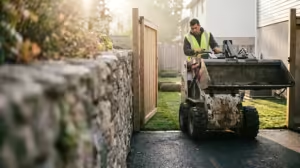
You gain unmatched versatility by using tractors for site preparation, excavation, material handling, and grading. Mini-track loaders help you work efficiently in tight spaces and deliver precision for landscaping tasks.
| Aspek | Contribution to Cost Savings and Safety Improvements |
|---|---|
| Robust Performance | Handles heavy-duty tasks efficiently, reducing labor costs. |
| Daya tahan | Minimizes downtime, keeping your project on schedule. |
| Fitur Keamanan | Rollover protection and ergonomic controls keep you secure. |
| Technology Enhancements | GPS and automation increase accuracy and reduce errors. |
You maximize tractor benefits by assigning equipment accountability, providing comprehensive operator training, and scheduling routine maintenance. Optimize equipment use across projects to boost your return on investment. Stay committed to best practices and ongoing learning to ensure safe, efficient, and cost-effective site development. For expert guidance, consult with industry professionals or join construction forums to expand your knowledge.
You select industrial and earthmoving tractors for most construction tasks. These models offer strong engines and compatibility with key attachments. You maximize efficiency by matching tractor size and power to your site’s needs.
You assess your project requirements first. For digging, you use backhoes. For grading, you attach blades. Loader buckets work well for moving materials. Always check compatibility with your tractor model.
You prioritize rollover protective structures (ROPS), seatbelts, and multi-view cameras. Operator presence systems and PTO shields also enhance safety. You inspect these features before each use to protect your crew.
You follow a daily inspection routine and schedule oil changes every 100 hours. You check tire pressure weekly and clean air filters regularly. Consistent maintenance prevents breakdowns and extends equipment life.
You use tractors with robust tires or tracks for stability on slopes and rough ground. You drive slowly, avoid sharp turns, and always wear your seatbelt. You assess terrain before starting work to minimize risks.
You provide hands-on training, safety briefings, and equipment orientation. Operators learn proper usage, maintenance basics, and emergency procedures. You reinforce safety protocols through regular refresher courses.
You automate heavy lifting, earthmoving, and material transport. This reduces manual labor and speeds up project timelines. You monitor equipment performance to optimize workflow and minimize downtime.
You inspect the site for hazards, mark work zones, and choose suitable attachments. You communicate with your team and review safety procedures. You clear debris and obstacles to ensure smooth operation.
-1.png)