E-mail: [email protected] WhatsApp: 8618266768780

Benvenuti nel mio blog!
Prima di addentrarci nei contenuti, mi piacerebbe che vi uniste a me sui miei social media, dove condivido ulteriori approfondimenti, interagisco con la community e pubblico aggiornamenti. Ecco come potete contattarmi:
Facebook: https://www.facebook.com/profile.php?id=100072217509763
LinkedIn: https://www.linkedin.com/company/74949059/admin/dashboard/
YouTube:www.youtube.com/@tractormanufacturer-lc5qz,www.youtube.com/@excavatormanufacturers-sn9hk
TikTok: www.tiktok.com/@tractormanufacturer, www.tiktok.com/@excavatormanufacturers
Ora, iniziamo il nostro viaggio insieme. Spero che troviate i contenuti qui presenti interessanti, coinvolgenti e preziosi.
Introduzione
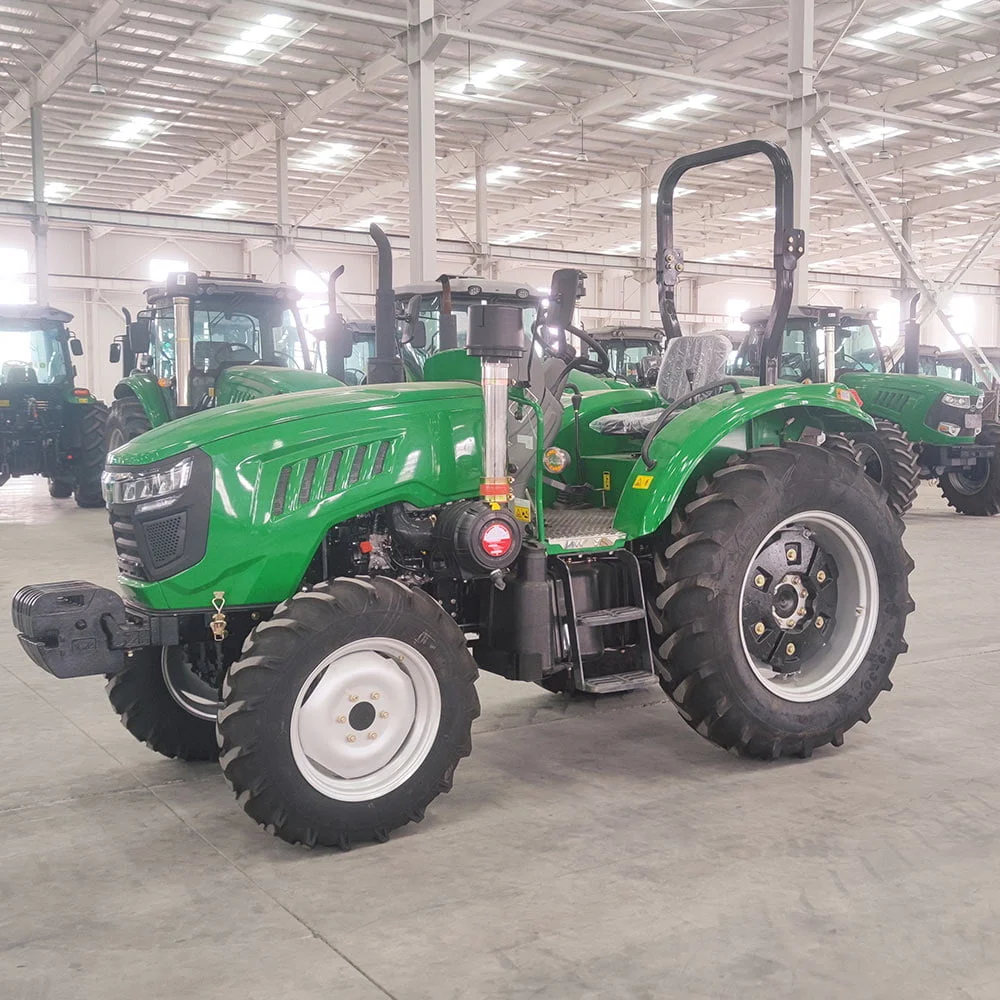
Agriculture has always been a cornerstone of human civilization, providing essential resources for food, fiber, and energy. In recent years, there has been a growing emphasis on the need to make agricultural practices more sustainable. Tractor agriculture plays a pivotal role in enhancing agricultural efficiency and sustainability, ensuring food security, and protecting the environment. In this blog post, we will delve into the significance of tractor agriculture, exploring its benefits, challenges, and its role in the future of farming.
What is Agricoltura con trattori?
Tractor agriculture refers to the use of tractors in modern farming practices. These versatile machines are utilized for a wide range of agricultural tasks, such as plowing, planting, harvesting, and irrigation. By replacing traditional, labor-intensive methods, tractors have revolutionized farming, increasing productivity and reducing the physical demands on farmers.
How Tractors Are Used in Agriculture
Tractors are employed in various agricultural tasks that make farming more efficient and less time-consuming. Some of the key uses of tractors in agriculture include:
- Plowing: Tractors are used to break up soil and prepare the land for planting crops.
- Planting: Tractors equipped with planters help to sow seeds evenly across the land.
- Harvesting: Tractors can be fitted with harvesting attachments to collect crops, saving time and labor.
- Irrigation: Modern tractors can also assist in the irrigation process, ensuring crops receive the right amount of water.
Benefits of Tractor Agriculture
-
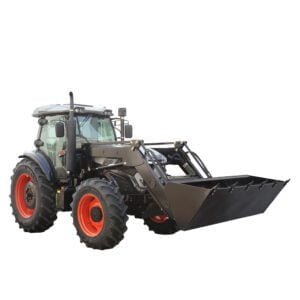
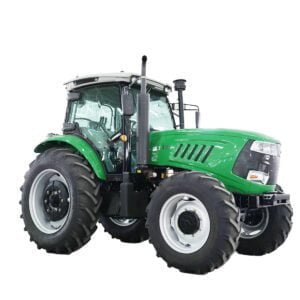
 Trattore a 4 ruote motrici da 140 CV 1604
 -
Trattore agricolo 140 CV 1404
-
Trattore Farmall 130 CV 1304
-
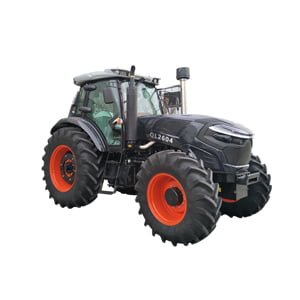
Il trattore da modernizzazione QILU da 260 CV più pesante
-
Potente trattore QILU da 240 CV con telaio pesante
-
Trattore agricolo QILU 220HP
-
Fornitore cinese di trattori da 100 CV
-
Fabbrica di trattori OEM da 80 CV
-
Trattore cinese da 70 CV

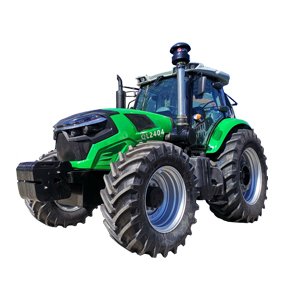


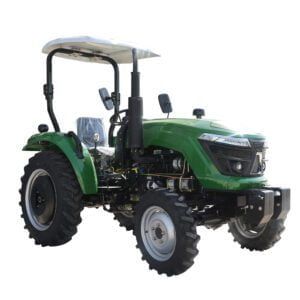
Tractor agriculture offers several advantages that contribute to both the economic and environmental sustainability of farming practices.
Increased Efficiency and Productivity
One of the most significant benefits of tractor agriculture is the increased efficiency in farming operations. Tractors allow farmers to cover large areas of land quickly, reducing the time required to perform essential tasks like plowing, planting, and harvesting. This results in higher productivity and the ability to cultivate more land.
Reduced Labor Costs
Tractors are highly effective in reducing the need for manual labor. Tasks that would normally require several workers can now be performed by one individual operating the tractor. This leads to significant savings on labor costs and allows farmers to allocate resources to other areas of the farm.
Environmental Sustainability
Tractor agriculture contributes to environmental sustainability by reducing the need for excessive tillage. Modern tractors are equipped with technologies that help minimize soil erosion and improve soil health. Moreover, tractors that are designed for minimal fuel consumption and lower emissions help decrease the carbon footprint of farming.
Versatility in Agricultural Operations
Tractors are incredibly versatile machines. They can be adapted for different tasks on the farm, including mowing, tilling, hauling, and spraying. This flexibility makes tractors an invaluable tool for farmers of all sizes, whether they are cultivating a small family farm or managing large-scale commercial operations.
Key Features of Modern trattori for Agriculture
The advancement of tractor technology has led to the development of modern tractors that come with various features designed to make farming more efficient and sustainable. Here are some key features to look for when selecting a tractor for agriculture:
| Caratteristica | Descrizione |
|---|---|
| Efficienza del carburante | Modern tractors are designed to consume less fuel, reducing operational costs and environmental impact. |
| Power and Capacity | Tractors are available in a range of horsepower options to handle different farming tasks. |
| Ergonomics | Comfortable seats, intuitive controls, and climate systems improve the operator’s experience. |
| Tecnologia avanzata | Features like GPS, automated guidance, and telematics allow for precision farming and better crop management. |
| Durata | High-quality materials and construction ensure long-lasting performance even in challenging farming conditions. |
Challenges in Trattore Agricoltura
While tractor agriculture provides numerous benefits, it also comes with some challenges that need to be addressed for optimal efficiency and sustainability.
High Initial Investment
One of the main challenges in tractor agriculture is the high initial cost of purchasing tractors. For small-scale farmers, the investment in modern tractors can be a significant barrier. However, many governments and financial institutions offer subsidies, loans, and leasing options to make tractors more accessible.
Maintenance Costs
Regular maintenance is essential to ensure the longevity and performance of tractors. While maintenance costs are relatively low, they can accumulate over time, especially if parts need to be replaced. Farmers should invest in regular maintenance routines and ensure that their tractors are well-maintained to avoid unexpected breakdowns.
Technological Adaptation
The rapid advancement of technology in agriculture means that farmers must continuously adapt to new features and systems. While modern tractors are equipped with GPS, sensors, and automated systems, not all farmers are familiar with these technologies. Training programs and educational resources can help bridge the gap between traditional farming practices and modern technology.
How Trattore Agriculture Contributes to Sustainability
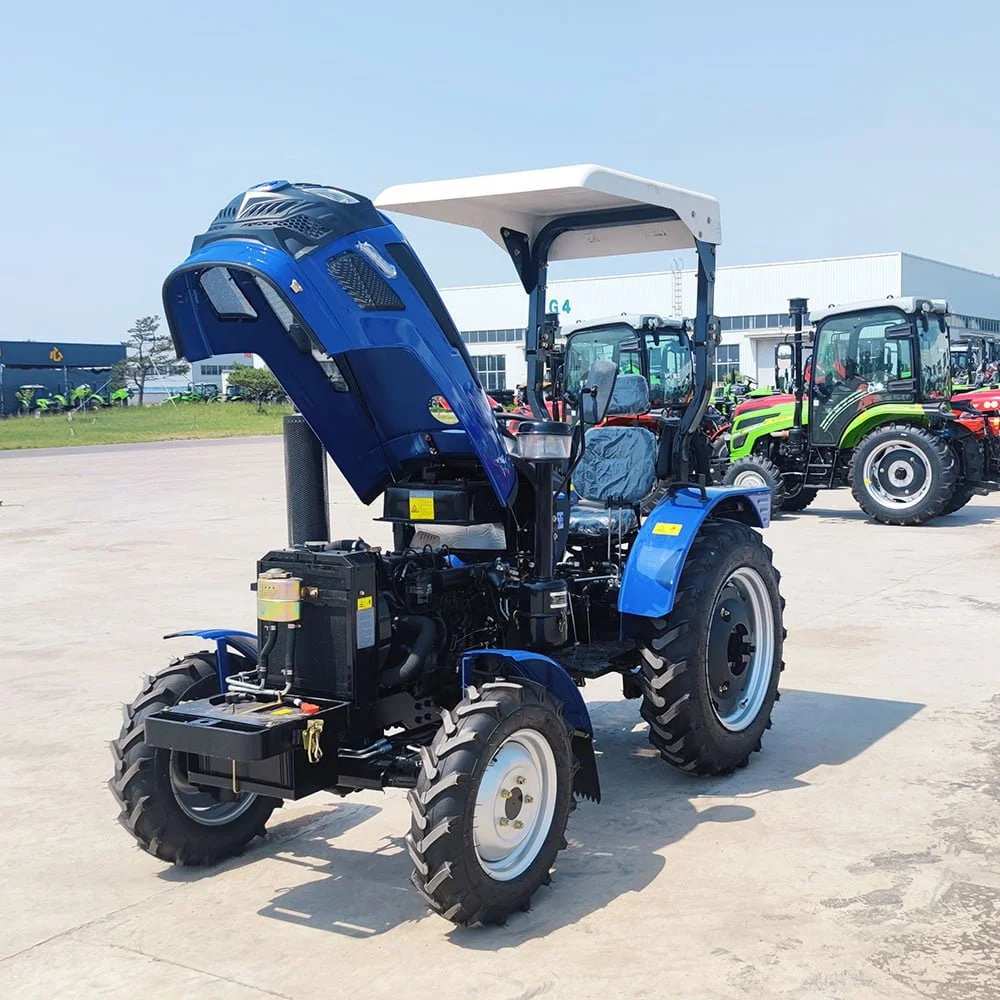
Tractor agriculture plays a vital role in the global effort to create sustainable farming practices. Here’s how:
Soil Health Preservation
Modern tractors are designed to minimize soil disturbance. Technologies such as no-till farming and precision farming allow for the preservation of soil structure, helping to maintain soil health and fertility. Tractors equipped with advanced tilling equipment ensure that soil erosion is minimized.
Water Conservation
Tractors equipped with irrigation systems are helping farmers optimize water usage. These systems ensure that water is applied only where it’s needed, reducing waste and conserving valuable water resources.
Riduzione dell'impronta di carbonio
Newer tractor models are more energy-efficient and emit fewer pollutants than older models. With the push toward more sustainable farming, many manufacturers are producing tractors that run on alternative fuels or electricity, further reducing the carbon footprint of agriculture.
Conclusione
Tractor agriculture is not just a tool for modern farming—it’s a sustainable solution that enhances productivity, reduces labor costs, and helps preserve the environment. With the right tractors, farmers can cultivate more efficiently and economically, all while protecting natural resources and reducing their impact on the planet. By investing in advanced, eco-friendly technologies, tractor agriculture is leading the way in sustainable farming practices, ensuring a brighter future for the agricultural industry.
Domande frequenti
What is the role of trattori in modern agriculture?
Tractors are used for a variety of tasks in agriculture, including plowing, planting, harvesting, and irrigation. They help farmers increase productivity, reduce labor costs, and make farming more efficient.
How do tractors contribute to sustainable farming?
Tractors contribute to sustainability by improving soil health, reducing water waste, and minimizing the carbon footprint of farming through advanced, fuel-efficient technologies.
What are the benefits of tractor agriculture over traditional farming methods?
Tractor agriculture offers increased efficiency, reduced labor costs, and higher productivity. It also allows farmers to perform tasks more quickly and with less physical strain.
Are there any challenges associated with tractor agriculture?
The main challenges of tractor agriculture include high initial costs, maintenance expenses, and the need for training in advanced technologies. However, these challenges can be mitigated through financial support and educational programs.
How do modern tractors help with precision farming?
Modern tractors equipped with GPS, sensors, and automated systems enable precision farming, allowing farmers to optimize planting, watering, and fertilization for maximum efficiency and sustainability.
-1.png)
 Italiano
  English
  Español
  Français
  Deutsch
  Русский
  Português do Brasil
  Bahasa Indonesia