E-mail: [email protected] Whatsapp: +8618266768780

E-mail: [email protected] Whatsapp: +8618266768780


Limpar o carburador é a maneira mais eficaz de melhorar o desempenho de um cortador de grama Muitos usuários notam partidas mais suaves e uma resposta mais forte do motor depois que eles limpam um carburador LawnMower A manutenção regular prolonga a vida útil da máquina e evita reparos dispendiosos Ferramentas simples e medidas de segurança adequadas tornam essa tarefa acessível a qualquer pessoa A limpeza consistente mantém o cortador funcionando eficientemente durante toda a temporada.
Muitos proprietários de cortadores de grama encontram dificuldade ao tentar ligar suas máquinas Esse problema geralmente aponta para um carburador entupido Quando sujeira ou detritos bloqueia as passagens de combustível e ar, o motor não pode receber a mistura correta necessária para a ignição Como resultado, o cortador pode exigir vários puxões para iniciar ou pode não ligar em tudo.
Dica: Se o cortador ficar sem uso por longos períodos, a gasolina velha pode deixar depósitos de verniz dentro do carburador, aumentando o risco de partida difícil.
Causas comuns de partida difícil devido a problemas no carburador:
Um exemplo prático envolve um proprietário que armazena o cortador durante o inverno Na primavera, o cortador se recusa a começar Depois de inspecionar o carburador, eles encontram uma espessa camada de sujeira dentro da tigela Limpar o carburador restaura a partida fácil.
| Sintoma | Possível causa do carburador | Passo Acionável |
|---|---|---|
| Múltiplas puxadas | Passagem de combustível entupida | Limpe um carburador LawnMower |
| Sem começo | Passagem de ar bloqueada | Remova e limpe os jatos |
| Começo pulverização catódica | Resíduo de combustível antigo | Substitua a gasolina velha |
Para obter mais dicas de solução de problemas, visite Guia de solução de problemas de motores pequenos ou participe de discussões sobre Comunidade de Cuidados com o Gramado do Reddit.
Um cortador que fica em marcha lenta de forma desigual ou trava durante a operação geralmente sinaliza problemas no carburador Quando o carburador não consegue fornecer uma mistura equilibrada de ar combustível, o motor pode derramar, disparar ou desligar inesperadamente Flutuadores danificados ou vazamentos a vácuo de eixos de aceleração desgastados também podem contribuir para uma marcha lenta áspera.
Observação: A fumaça preta do escapamento durante a operação a quente sugere que o carburador fornece muito combustível, causando estol e marcha lenta.
Exemplo de caso acionável:
Um usuário percebe suas barracas de cortador depois de correr por alguns minutos A inspeção revela uma junta desgastada e acúmulo de sujeira ao redor do eixo do acelerador Limpar o carburador e substituir a junta resolve o problema de estol.
UM o carburador sujo afeta o desempenho geral do cortador. O motor pode perder potência, funcionar de forma inconsistente ou consumir mais combustível do que o normal. Detritos e sedimentos no sistema de combustível podem obstruir o fluxo, fazendo com que o cortador atole sob carga.
Lista de verificação para identificar mau desempenho:
Manutenção regular do carburador ajuda a prevenir esses problemas A remoção de sujeira, verniz e depósitos de gasolina mantém o sistema de combustível limpo e o motor funcionando sem problemas.
| Problema de desempenho | Problema do carburador | Solução recomendada |
|---|---|---|
| Perda de poder | Passagens de combustível bloqueadas | Jatos de carburador limpos |
| Velocidade inconsistente | Tigela de carburador sujo | Remova e limpe a tigela |
| Alto uso de combustível | Equilíbrio ar-combustível interrompido | Inspecione e limpe o carburador |
Para obter mais informações sobre como diagnosticar problemas de desempenho do cortador, verifique Guias de serviço de extensão ou siga especialistas em Dicas de cuidados com o gramado do Twitter.
A fumaça preta proveniente do escapamento de um cortador de grama sinaliza um sério problema no carburador Esse sintoma muitas vezes aponta para um motor funcionando com uma mistura de combustível que contém muita gasolina e ar insuficiente O principal trabalho do carburador é misturar ar e combustível nas proporções certas Quando ele falha, o motor recebe combustível excessivo, o que leva a uma combustão incompleta e fumaça preta visível.
Dica: A fumaça preta não é apenas uma questão cosmética Pode danificar o motor ao longo do tempo e aumentar o consumo de combustível.
Vários fatores podem causar fumaça preta relacionada a problemas no carburador:
A tabela abaixo resume causas comuns e soluções para a fumaça preta em cortadores de grama:
| Causa | Efeito | Solução |
|---|---|---|
| Combustível antigo ou degradado | Combustão incompleta | Escorra e substitua o combustível |
| Flutuador ou agulha do carburador preso | Inundação motor | Limpe um carburador LawnMower |
| Filtro de ar entupido | Fluxo de ar restrito | Substitua ou limpe o filtro de ar |
| Choke deixou noivo | Excesso de combustível em mistura | Desengate o estrangulamento após iniciar |
| Umidade do etanol combustível | Entupimento do carburador | Use combustível fresco e sem etanol |
Um cortador que emite fumaça preta não deve ser ignorado Os operadores devem verificar o filtro de ar primeiro Se o filtro parecer limpo, o próximo passo envolve inspecionar o carburador em busca de flutuadores presos ou passagens entupidas Limpar o carburador geralmente resolve o problema e restaura a função adequada do motor.
Observação: A manutenção regular, incluindo a limpeza do carburador e a substituição do combustível antigo, ajuda a evitar a fumaça preta e mantém o cortador funcionando com eficiência.
Para obter mais informações sobre o diagnóstico de problemas de fumaça, os leitores podem consultar recursos de extensão universitária ou participe de discussões sobre fóruns de cuidados com gramados. Essas plataformas oferecem dicas adicionais de solução de problemas e conselhos de usuários experientes.
Limpar um carburador requer o conjunto certo de ferramentas e materiais O uso do equipamento correto ajuda a garantir um trabalho completo e reduz o risco de danificar as peças A maioria das diretrizes do fabricante recomenda algumas itens essenciais para qualquer pessoa planejando limpar um carburador LawnMower.
As chaves de fenda desempenham um papel fundamental na remoção da tampa do filtro de ar, parafusos de montagem do carburador e outros pequenos fixadores. Muitas vezes são necessárias chaves de fenda de cabeça chata e Phillips. Um conjunto de chaves de fenda padrão permite aos usuários lidar com diferentes tipos de parafusos encontrados na maioria dos cortadores.
As chaves ajudam a afrouxar e apertar parafusos que prendem o carburador ao motor Muitos cortadores usam parafusos hexagonais, de modo que uma chave ajustável ou um conjunto de chaves combinadas funciona bem Alguns usuários preferem um catraca ou condutor de nozes para uma remoção mais rápida, especialmente em espaços apertados.
Alicates auxiliam na desconexão das linhas de combustível e na remoção de clipes teimosos Alicates de nariz de agulha oferecem precisão ao manusear peças pequenas Alicates regulares fornecem aderência extra para mangueiras ou grampos que podem aderir devido à idade ou resíduos.
Dica: Manter uma área de trabalho limpa evita a perda de pequenos parafusos ou molas durante a desmontagem.
Lista de verificação de ferramentas essenciais:
O spray limpador de carburador dissolve depósitos de verniz, sujeira e combustível dentro do carburador Este spray atinge pequenas passagens e jatos, garantindo uma limpeza completa Escolha sempre um limpador projetado para motores pequenos.
Uma escova pequena ou uma escova de dentes velha ajuda a esfregar a sujeira teimosa As escovas alcançam os cantos e as juntas onde o spray sozinho pode não ser suficiente.
Os trapos limpam os detritos soltos e o excesso de limpador Trapos limpos e sem fiapos impedem que as fibras entrem no carburador durante a remontagem.
| Limpeza Suprimento | Propósito |
|---|---|
| Limpador carburador | Dissolve resíduos de combustível e verniz |
| Escovas/escova de dentes | Esfrega jatos e passagens |
| Trapos | Limpa detritos e limpador |
Luvas protegem as mãos de produtos químicos e bordas afiadas Luvas descartáveis de nitrilo ou látex funcionam bem para esta tarefa.
Óculos de segurança protegem os olhos de respingos de limpador ou combustível O uso de proteção ocular é especialmente importante ao usar sprays pressurizados.
Observação: O equipamento de segurança reduz o risco de lesões e exposição a substâncias nocivas.
Um proprietário se prepara para limpar um carburador LawnMower depois de perceber ocioso áspero Eles reúnem chaves de fenda, um conjunto de chaves, alicate, limpador de carburador, uma escova de dentes, trapos, luvas e óculos de segurança O processo corre sem problemas, e o cortador corre melhor após a remontagem.
Para mais recomendações de ferramentas, visite Guias de serviço de extensão. Para discutir escolhas de ferramentas ou obter conselhos de outros usuários, participe da conversa Comunidade de Cuidados com o Gramado do Reddit.
Às vezes, a limpeza de um carburador revela componentes desgastados ou danificados A substituição dessas peças durante a manutenção pode melhorar os resultados e prolongar a vida útil do cortador Duas peças opcionais comuns incluem juntas e kits de reconstrução.
As juntas criam uma vedação apertada entre o carburador e o motor Com o tempo, a exposição ao calor e ao combustível pode causar rachaduras nas juntas ou perder flexibilidade Uma junta danificada pode levar a vazamentos de ar, que interrompem a mistura ar-combustível e reduzem o desempenho do motor.
Dica: Inspecione todas as juntas ao remover o carburador Substitua qualquer junta que pareça quebradiça, rasgada ou achatada.
Uma nova junta garante uma vedação adequada após a remontagem Muitas lojas de ferragens vendem conjuntos de juntas para motores pequenos Alguns usuários cortam suas próprias juntas do material da junta, mas usar opções de pré-corte economiza tempo e reduz erros.
Sinais de que uma junta precisa de substituição:
Uma tabela abaixo resume a importância das juntas:
| Condição da junta | Efeito no motor | Ação Recomendada |
|---|---|---|
| Bom | Mistura adequada de ar combustível | Reutilizar |
| Rachado/Frágil | Vazamentos de ar, mau funcionamento | Substituir |
| Desaparecido | Vazamentos severos, sem começo | Instale nova junta |
Para mais informações sobre inspeção de juntas, visite Guias de serviço de extensão.
Um kit de reconstrução contém várias peças de reposição para um carburador Esses kits geralmente incluem juntas, anéis de vedação, agulhas flutuantes e, às vezes, jatos ou molas. Usar um kit de reconstrução pode restaurar um carburador a uma condição como nova, especialmente se o cortador não receber manutenção há vários anos.
Observação: Um kit de reconstrução nem sempre é necessário para a limpeza de rotina No entanto, se o carburador apresentar sinais de corrosão, verniz pesado ou componentes danificados, um kit de reconstrução fornece todas as peças necessárias para um reparo completo.
Quando usar um kit de reconstrução:
Um kit de reconstrução permite que os usuários substituam várias peças desgastadas de uma só vez Essa abordagem economiza tempo em comparação com a compra de peças individuais Muitos guias e vídeos on-line mostram como usar um kit de reconstrução durante o processo para limpar um carburador LawnMower.
Para instruções passo a passo, os leitores podem verificar recursos de extensão universitária ou assista tutoriais sobre Canais de cuidados com o gramado do YouTube.
Resumo das peças opcionais:
Incluir essas peças opcionais na manutenção regular ajuda a manter um cortador funcionando sem problemas e reduz o risco de futuras avarias.
Uma área de trabalho limpa e organizada reduz o risco de acidentes durante a limpeza do carburador Os indivíduos devem escolher um espaço plano e bem ventilado, como uma garagem com a porta aberta ou um local sombreado ao ar livre Uma boa iluminação ajuda a detectar pequenas peças e perigos potenciais Ferramentas e materiais de limpeza devem ser dispostos de fácil acesso Uma mesa resistente ou bancada de trabalho fornece uma superfície estável para desmontagem Colocar um grande pedaço de papelão ou uma folha velha sob o cortador pode pegar derramamentos e evitar manchas.
Dica: Mantenha as crianças e animais de estimação longe da área de trabalho para evitar distrações e acidentes.
Um exemplo de caso envolve um proprietário que configura seu espaço de trabalho na entrada de automóveis Eles colocam todas as ferramentas, usam luvas e mantêm um extintor de incêndio por perto Esta preparação evita que os derramamentos de combustível se espalhem e garante uma resposta rápida caso ocorra uma emergência.
Para obter mais dicas de configuração de segurança, os leitores podem visitar Diretrizes de segurança para motores pequenos da OSHA ou participe de discussões sobre R/louça do Reddit para aconselhamento comunitário.
A drenagem do tanque de gasolina é uma etapa crítica antes da limpeza de um carburador de cortador de grama A gasolina deixada no tanque pode vazar ou derramar, criando riscos de incêndio e riscos ambientais A remoção de combustível também evita a inalação acidental de fumos.
Várias razões importantes apoiam a drenagem do tanque:
Uma tabela abaixo resume os riscos de não drenar o tanque de gasolina:
| Fator de Risco | Resultado Possível |
|---|---|
| Goma e verniz | Jatos carburadores entupidos |
| Acumulação de umidade | Corrosão de componentes metálicos |
| Peças frágeis | Mangueiras ou vedações rachadas |
Um exemplo prático mostra um utilizador que drena o tanque para um contentor aprovado antes de iniciar Esta acção evita derrames e mantém a área de trabalho segura Para instruções passo a passo, consulte Serviço de Extensão Segurança de Combustível.
O manuseio da gasolina requer cautela Os indivíduos devem usar apenas recipientes de combustível aprovados e evitar chamas abertas ou faíscas nas proximidades O vazamento de combustível reduz lentamente a chance de respingos Quaisquer derramamentos devem ser limpos imediatamente com materiais absorventes.
Alerta: Nunca fume ou use dispositivos eletrônicos enquanto trabalha com combustível.
A ventilação adequada é essencial Os vapores da gasolina podem se acumular rapidamente e representar riscos à saúde Usar luvas protege a pele da irritação Óculos de segurança protegem os olhos de respingos acidentais.
Um estudo de caso destaca um usuário que usa luvas e segurança óculos, usa um funil para transferir combustível e armazena sobras de gasolina em um recipiente selado longe da área de trabalho Essas etapas evitam acidentes e protegem a saúde.
Para mais informações sobre segurança de combustível, os leitores podem consultar Banco de Dados Nacional de Segurança Agrícola ou siga as dicas de segurança compartilhadas Twitter Cuidados com o gramado Segurança.
Usar equipamento de proteção é uma etapa crítica ao limpar um carburador de cortador de grama. O equipamento de segurança protege o corpo de produtos químicos, arestas vivas e acidentes inesperados. Muitas lesões ocorrem porque os indivíduos ignoram essa precaução simples. O equipamento adequado ajuda a prevenir irritação da pele, lesões oculares e problemas respiratórios.
Engrenagem de proteção essencial para limpeza de carburadores:
| Item | Propósito | Como usar de forma eficaz |
|---|---|---|
| Luvas | Proteja as mãos de produtos químicos e peças afiadas | Escolha nitrilo ou látex; verifique se há lágrimas antes de usar |
| Óculos Segurança | Proteja os olhos de respingos e detritos | Use confortavelmente; limpe as lentes regularmente |
| Mangas compridas | Cubra os braços contra derramamentos e cortes | Selecione roupas não soltas |
| Máscara (Opcional) | Reduzir a inalação de fumos | Utilização em zonas mal ventiladas |
Dica: Sempre inspecione luvas e óculos quanto a danos antes de iniciar Substitua qualquer equipamento que mostre desgaste.
Luvas servem como a primeira linha de defesa Eles bloqueiam o contato direto com gasolina, limpador de carburador e sujeira Luvas de nitrilo ou látex resistem melhor aos produtos químicos do que pano ou couro Ele deve trocar as luvas se elas ficarem rasgadas ou encharcadas Este hábito mantém as mãos seguras e limpas.
Óculos de segurança protegem os olhos de respingos de limpador ou combustível Mesmo uma pequena gota pode causar dor ou ferimentos Ela deve selecionar óculos que se encaixam bem e não nevoeiro facilmente Alguns usuários preferem estilos envolventes para cobertura extra Limpar as lentes antes de usar garante visão clara durante a tarefa.
Mangas compridas e calças adicionam outra camada de proteção Eles protegem a pele de derramamentos acidentais e bordas afiadas no cortador Ele deve evitar roupas soltas que possam pegar em peças móveis Sapatos ou botas resistentes também ajudam a prevenir lesões nos pés.
Uma máscara ou respirador é opcional, mas útil em áreas com má ventilação O limpador de carburador e a gasolina liberam fumaça que pode irritar o nariz e a garganta Eles devem usar uma máscara se notarem odores fortes ou sentirem tontura Abrir janelas ou trabalhar ao ar livre reduz a necessidade de uma máscara.
Lista de verificação para preparação segura:
Alerta: Nunca substitua óculos de sol ou óculos de leitura por óculos de segurança Apenas óculos de segurança certificados fornecem proteção adequada.
Para mais informações sobre equipamentos de proteção individual, os leitores podem visitar Guia de EPI da OSHA ou participe de discussões sobre R/louça do Reddit para dicas de segurança da comunidade.
Usar o equipamento certo reduz o risco de ferimentos e torna o processo de limpeza mais seguro Ele ou ela deve sempre priorizar a segurança antes de iniciar qualquer tarefa de manutenção.
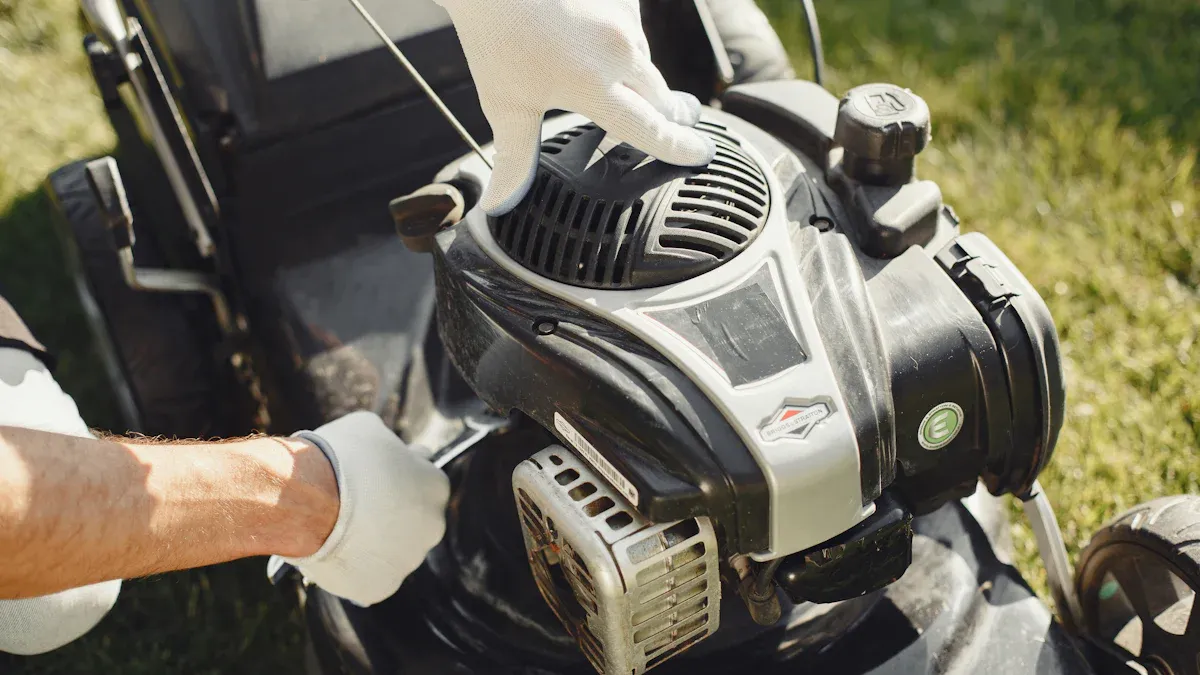
O primeiro passo no processo envolve a remoção do filtro de ar O filtro de ar fica em cima do carburador e filtra poeira e detritos antes que o ar entre no motor Ele deve localizar a tampa do filtro de ar, que geralmente é mantida no lugar por um parafuso ou clipe Usando uma chave de fenda, ele pode soltar o fixador e levantar suavemente a tampa O filtro de ar em si pode ser um elemento de espuma ou papel Ela deve colocar o filtro de lado em uma área limpa para evitar contaminação.
Dica: Tirar uma foto do conjunto antes da remoção ajuda na reinstalação mais tarde.
Um espaço de trabalho limpo ajuda a evitar que a sujeira entre no carburador durante esta etapa Eles devem inspecionar o filtro de ar para sujeira excessiva ou danos Se o filtro parecer entupido, substituí-lo melhora o desempenho do motor Para obter mais orientações sobre a remoção do filtro de ar, os leitores podem visitar Guias de serviço de extensão ou assista vídeos passo a passo Tutoriais de cuidados com o gramado do YouTube.
Lista de verificação para remoção de filtro de ar:
| Etapa | Ação | Notas |
|---|---|---|
| Localize a tampa do filtro de ar | Use chave de fenda ou clipe de liberação | Mantenha os parafusos em um local seguro |
| Remova o elemento do filtro de ar | Reserve em superfície limpa | Inspecione se há sujeira ou danos |
| Tirar foto de referência | Use telefone ou câmera | Auxilia na remontagem |
Após a remoção do filtro de ar, o carburador torna-se visível Ele deve identificar os parafusos ou parafusos que prendem o carburador ao motor Usando uma chave ou conjunto de soquete, ele pode soltar esses fixadores Antes de separar o carburador, eles devem desconectar a linha de combustível Colocar um pano sob a conexão pega quaisquer gotejamentos de gasolina e evita derramamentos.
Ela deve mexer suavemente o carburador livre dos pinos de montagem Alguns modelos têm ligações ou molas presas às alavancas do acelerador e do estrangulador Eles devem observar a posição de cada ligação, tirando fotos, se necessário O manuseio cuidadoso evita dobrar ou perder pequenas peças.
Alerta: A gasolina pode permanecer na tigela do carburador Inclinar a unidade lentamente evita derramamentos repentinos.
Um exemplo de caso envolve um usuário que rotula cada ligação com fita adesiva antes da remoção Esta etapa simples garante a remontagem correta e reduz a confusão Para obter mais dicas de remoção, os leitores podem consultar guias de manutenção da indústria ou participe de discussões sobre Comunidade de Cuidados com o Gramado do Reddit.
Tabela: Etapas de remoção do carburador
| Etapa | Ferramenta necessária | Precaução |
|---|---|---|
| Afrouxe os parafusos de montagem | Chave/tomada | Não aperte demais ou tire |
| Desconecte a linha de combustível | Alicate/rapo | Pegue gotas, evite chamas abertas |
| Remova ligações/molas | Alicate agulha-nariz | Posições de etiquetas ou fotografias |
| Levante o carburador do motor | Mãos | Mova-se devagar, evite derramamentos |
Desmontar o carburador requer paciência e atenção aos detalhes Ele deve se mover para um espaço de trabalho bem iluminado e colocar uma toalha limpa ou bandeja para peças pequenas Usando uma chave de fenda, ele pode remover os parafusos que seguram a tigela de flutuador no lugar A tigela de flutuador geralmente contém combustível residual, então ela deve tombá-la suavemente e descartar qualquer líquido com segurança.
Dentro do carburador, a válvula de flutuação e agulha controlam o fluxo de combustível Eles devem lidar com esses componentes delicados com cuidado para evitar dobrá-los ou danificá-los Manter todos os parafusos, pinos e molas organizados evita perda e confusão durante a remontagem.
Observação: Organizar as peças na ordem de remoção ajuda a agilizar o processo ao colocar o carburador novamente junto.
Ele deve inspecionar cada peça em busca de sinais de desgaste, corrosão ou acúmulo Uma boa iluminação facilita a detecção de rachaduras ou detritos presos O limpador de carburador especializado funciona melhor para dissolver verniz e sujeira sem danificar materiais sensíveis Para um guia completo sobre desmontagem, os leitores podem consultar recursos de extensão universitária ou assistir tutoriais passo a passo no YouTube.
Melhores Práticas para Desmontagem de um Carburador:
Um exemplo de caso apresenta um proprietário que coloca cada peça em um recipiente rotulado à medida que é removido Este método evita confusões e garante um processo suave quando eles Limpam um carburador LawnMower Seguindo essas etapas reduz o risco de danos e melhora as chances de restaurar o desempenho total do motor.
A limpeza adequada das peças do carburador garante que o motor receba a mistura correta de combustível e ar Ele deve usar um spray limpador de carburador projetado para motores pequenos Este spray dissolve verniz, sujeira e depósitos de combustível que bloqueiam passagens e jatos.
Jatos e passagens controlam o fluxo de combustível e ar dentro do carburador Se estes ficarem entupidos, o motor pode funcionar mal ou não ligar em tudo Ela deve prestar atenção especial a essas áreas durante a limpeza.
Principais etapas para limpeza de jatos e passagens:
Dica: Sempre use óculos de segurança ao usar ar comprimido Partículas pequenas podem ficar no ar e causar ferimentos.
A tabela a seguir destaca o principais áreas a serem alvo com spray mais limpo:
| Área a Limpar | Por que isso importa |
|---|---|
| Garganta carburador | Remove bloqueios de admissão |
| Placa e eixo do acelerador | Garante um movimento suave do acelerador |
| Válvula de estrangulamento e ligações | Evita aderências e inundações |
| Ventiladores e portas exteriores | Mantém o fluxo de ar adequado |
A tigela e o bico do carburador geralmente coletam sedimentos e vernizes. Limpar essas peças restaura o fornecimento adequado de combustível.
Observação: Ele deve evitar o uso de objetos de metal afiados que possam arranhar ou danificar os jatos.
Para obter mais orientação visual, os leitores podem assistir a vídeos de limpeza passo a passo Tutoriais de cuidados com o gramado do YouTube.
Após a pulverização e esfrega, todas as partes do carburador devem ser enxaguadas e secas para evitar contaminação.
Enxaguamento e secagem passo a passo:
Alerta: Ele nunca deve remontar peças molhadas Mesmo pequenas gotas de água podem causar problemas no motor.
Uma tabela abaixo resume o processo de secagem:
| Etapa | Propósito |
|---|---|
| Componentes secos ao ar | Evita a corrosão |
| Explodir passagens | Remove a umidade oculta |
| Inspecione quanto a resíduos | Garante limpeza completa |
Para mais dicas sobre secagem e inspeção, os leitores podem visitar Guias de serviço de extensão.
Uma vez que todas as peças estão limpas e secas, ele deve começar a remontagem Cuidadosa garante que o carburador funciona como pretendido.
Como remontar e recolocar o carburador:
Dica: Ele deve apertar todos os fixadores uniformemente e verificar o alinhamento adequado antes do aperto final.
Ela deve verificar novamente se todas as ligações e molas estão conectadas como antes Uma inspeção final ajuda a evitar vazamentos e garante uma operação segura Para instruções de remontagem mais detalhadas, os leitores podem consultar guias de manutenção da indústria ou participe de discussões sobre Comunidade de Cuidados com o Gramado do Reddit.
Seguindo estes passos, qualquer um pode Limpe um carburador LawnMower e restaurar o desempenho confiável do motor.
Depois de remontar o carburador, ele deve mover o cortador ao ar livre para uma área bem ventilada Ele deve verificar se todas as ferramentas e trapos estão livres do cortador Ela deve ligar a válvula de combustível e definir o estrangulador para a posição de partida Puxar o cabo de partida ou girar a chave de ignição irá ligar o motor Se o motor não ligar após três ou quatro tentativas, ele deve fazer uma pausa e verificar se há vazamentos de combustível ou conexões soltas.
Dica: Se o motor inundar, ele deve esperar alguns minutos antes de tentar novamente O excesso de combustível pode evaporar, facilitando a partida.
Uma partida bem-sucedida geralmente significa que a limpeza do carburador foi eficaz O motor deve funcionar sem problemas, sem fumaça excessiva ou pulverização catódica Se o cortador não der partida, ele deve verificar novamente a linha de combustível, o filtro de ar e os parafusos de montagem do carburador.
Exemplo de caso:
Um proprietário limpa o carburador e tenta ligar o cortador O motor começa na segunda tração e fica em marcha lenta de forma constante Este resultado mostra que o processo de limpeza restaurou o fluxo de combustível adequado.
Assim que o motor arrancar, ele deve deixá-lo aquecer por alguns minutos Ela pode então engatar o acelerador e observar como o cortador responde O cortador deve acelerar suavemente e manter uma velocidade constante Ele deve testar o cortador em um pequeno pedaço de grama para ver se ele corta uniformemente e lida com cargas normais.
Lista de verificação de desempenho:
Se o cortador lutar ou perder energia, ele deve inspecionar os jatos e passagens do carburador em busca de detritos restantes Às vezes, uma segunda limpeza pode ser necessária.
| Problema de desempenho comum | Possível causa | Solução |
|---|---|---|
| Surtos de motor | Jatos de combustível entupidos | Limpe os jatos novamente |
| Potência mergulha | Vazamento de ar na junta | Verifique e substitua a junta |
| Aceleração lenta | Passagens sujas do carburador | Limpe novamente as passagens |
Para obter mais dicas de solução de problemas, os leitores podem visitar Guias de solução de problemas do serviço de extensão ou participe de discussões sobre Comunidade de Cuidados com o Gramado do Reddit.
Ouvir o motor fornece pistas valiosas sobre a saúde do carburador Ele deve prestar atenção a quaisquer sons incomuns durante a operação. Ruídos crescentes muitas vezes indicam que o motor não está recebendo combustível suficiente, o que pode apontar para um problema no carburador O desempenho lento, como aceleração lenta ou quedas de potência, também pode sinalizar um carburador com defeito Se o motor lutar ou hesitar, jatos de combustível entupidos podem impedir que a mistura correta de ar-combustível atinja o motor.
Sons que indicam problemas no carburador:
Observação: Sons consistentes e suaves do motor geralmente significam que o carburador está funcionando bem.
Ele deve comparar os sons atuais do cortador com sua operação normal Quaisquer problemas persistentes podem exigir uma inspeção adicional ou uma segunda limpeza Para obter mais conselhos sobre o diagnóstico de sons do motor, os leitores podem consultar indústria solução de problemas recursos ou participar de conversas sobre fóruns de cuidados com gramados.
Tabela: Sons comuns e o que eles significam
| Tipo de som | Possível causa | Ação Recomendada |
|---|---|---|
| Surgindo | Fome de combustível | Inspecione os jatos do carburador |
| Resposta lenta | Carburador sujo | Limpe as passagens novamente |
| Cuspir | Jatos de combustível entupidos | Remova e limpe os jatos |
Seguindo essas etapas, qualquer pessoa pode testar e solucionar problemas de seu cortador após a limpeza do carburador Observação cuidadosa e ação imediata ajudam a garantir um desempenho confiável durante toda a temporada de corte.
Após a limpeza e remontagem do carburador, o ajuste do ocioso garante que o motor funcione sem problemas em baixas velocidades Muitos motores de cortador de grama exigem ajuste fino para alcançar o desempenho ideal Uma configuração correta de marcha lenta evita o estol e permite que o cortador faça a transição suave do ocioso para o acelerador completo.
Ele deve seguir estas etapas para ajustar a marcha lenta após a limpeza do carburador:
Dica: Sempre faça ajustes em pequenos passos Grandes mudanças podem fazer com que o motor funcione muito rico ou muito magro, levando a um mau desempenho.
Uma tabela abaixo resume os principais ajustes:
| Etapa de ajuste | Propósito | Resultado |
|---|---|---|
| Mistura parafuso em | Mistura de combustível mais enxuta | Motor desacelera ou morre |
| Mistura parafuso para fora | Mistura de combustível mais rica | Motor suaviza |
| Parafuso de velocidade de marcha lenta | Define RPM de marcha lenta do motor | Impede a paralisação |
Ele deve ouvir atentamente o motor durante cada ajuste Um ocioso suave e constante indica que o carburador fornece a mistura de ar-combustível certa Se o motor picar ou parar, pode ser necessário um ajuste mais preciso Para uma orientação mais detalhada, os leitores podem consultar recursos de extensão universitária ou assista a vídeos instrutivos Tutoriais de cuidados com o gramado do YouTube.
Mesmo após a limpeza e ajuste do carburador, alguns problemas podem persistir Identificar e corrigir esses problemas comuns ajuda a manter o desempenho confiável do cortador.
Questões e soluções comuns:
| Problema | Provável causa | Solução |
|---|---|---|
| Motor de surto | Jato entupido | Jatos de carburador limpos |
| Parando em marcha lenta | Baixa velocidade ociosa/mistura magra | Ajuste a velocidade de marcha lenta e a mistura |
| Fumaça negra | Mistura rica/estrangulado | Verifique o estrangulamento e o filtro de ar |
| Começo difícil | Problema antigo de combustível/pilha de ignição | Substitua o combustível e a vela de ignição |
Observação: Se os problemas persistirem após essas etapas, um kit de reconstrução do carburador pode ser necessário Problemas persistentes também podem indicar problemas com outros componentes do motor.
Para obter mais conselhos sobre solução de problemas, os leitores podem visitar guias de manutenção da indústria ou participe de discussões sobre Comunidade de Cuidados com o Gramado do Reddit. Esses recursos oferecem dicas adicionais e suporte de usuários experientes.
Limpeza do carburador melhora o desempenho do cortador de grama, prolonga a vida útil do motor e reduz reparos dispendiosos A manutenção regular mantém o cortador funcionando sem problemas durante toda a temporada.
Tem dúvidas ou precisa de mais dicas Os leitores podem deixar um comentário abaixo ou participar de discussões sobre fóruns de cuidados com gramados para aconselhamento especializado.
A maioria dos especialistas recomenda limpeza do carburador pelo menos uma vez por época de corte Se o cortador correr mal ou ficar sem uso durante meses, a limpeza ajuda mais frequentemente a manter o desempenho A limpeza regular evita a acumulação e reduz os custos de reparação.
Os sinais comuns incluem partida difícil, marcha lenta áspera, fumaça preta e baixo desempenho do motor Se o cortador parar ou subir, o carburador provavelmente contém sujeira ou resíduos A verificação desses sintomas ajuda a identificar quando a limpeza é necessária.
Ele ou ela pode usar spray limpador de carburador através da entrada de ar para uma limpeza rápida No entanto, a remoção do carburador permite uma limpeza mais profunda e inspeção de jatos e passagens A remoção completa garante melhores resultados.
Ele deve sempre drenar o tanque de gasolina, usar luvas e usar óculos de segurança Trabalhar em uma área bem ventilada reduz a exposição a vapores Manter um extintor de incêndio nas proximidades adiciona proteção extra.
Dica: Nunca fume ou use chamas abertas perto da gasolina.
Um kit de ferramentas básico inclui chaves de fenda, chaves, alicates, spray de limpador de carburador, escovas e trapos Engrenagem de segurança como luvas e óculos também é importante Os itens opcionais incluem juntas e um kit de reconstrução para manutenção completa.
| Ferramenta | Propósito |
|---|---|
| Chave de fenda | Remova parafusos |
| Chave inglesa | Soltar parafusos |
| Alicate | Desconecte as linhas de combustível |
| Spray Limpador | Dissolver resíduo |
Fumaça preta geralmente significa que o carburador fornece muito combustível Ele deve verificar o estrangulamento, filtro de ar e parafusos de mistura Ajustar essas peças ou limpar os jatos novamente muitas vezes resolve o problema Para mais solução de problemas, visite Guia do cortador de grama para o faz-tudo da família.
Ele deve inspecionar o carburador para juntas desgastadas ou jatos danificados O uso de um kit de reconstrução pode ajudar Verificar a vela de ignição e a qualidade do combustível também melhora o desempenho Para aconselhamento especializado, participe de discussões sobre Comunidade de Cuidados com o Gramado do Reddit.
A maioria dos iniciantes pode limpar um carburador com ferramentas básicas e equipamentos de segurança seguir guias passo a passo e assistir a vídeos tutoriais aumenta a confiança Se não tiver certeza, ele ou ela pode procurar ajuda de oficinas locais ou fóruns on-line.







-1.png)