E-mail: [email protected] Whatsapp: +8618266768780
E-mail: [email protected] Whatsapp: +8618266768780


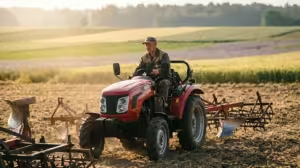
Whether you have a small family farm or a large commercial operation, the tractor is an essential piece of machinery for agriculture. From plowing fields and planting seeds to harvesting crops and moving equipment and supplies around your property, there is no other vehicle that can do as much work as a tractor. However, with so many tractor models and attachments available, selecting the right one for your needs and using it properly requires knowledge. In this blog post, we will provide essential tips for choosing and operating tractors for agriculture. We’ll discuss what to consider when purchasing a new or used tractor, safe operating practices, and answer some frequently asked questions.

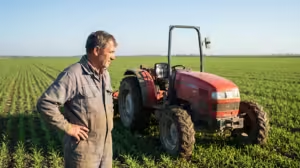
The first step is determining what type of work the trator will be used for on your farm. Will it primarily be for tilling, planting, fertilizing and other field tasks? Or will you also need to use it for heavy pulling and hauling jobs like moving equipment and trailers? Consider the size of your fields and the types of implements you need to attach as well. Take inventory of your tractor needs and match them to the appropriate horsepower, wheelbase and hydraulic capabilities. Some key factors to consider when selecting a tractor for agriculture include:
Once you determine the key specifications, take demo rides of different tractor models that fit your criteria. Pay attention to comfort, visibility, controls and overall operation to find the best match for your needs.

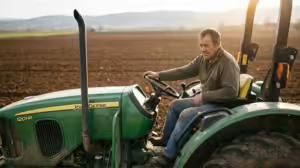
After selecting and purchasing your new tractor for agriculture, it’s critical to learn how to operate it safely. Tractor for agriculture can be dangerous if not used properly, so take the time to thoroughly read the owner’s manual and familiarize yourself with all controls before starting the engine. Some important safety practices when using a tractor in the fields include:
Following basic safety practices is essential to avoid accidents when operating tractors for agriculture. Taking the time to learn safe operating procedures will help ensure you can work productively and return home safely at the end of each day.
After discussing tractor selection and safety practices, it’s important to understand how to properly operate specific tractor attachments and implements. The table below provides guidelines on safely operating some common agricultural equipment attached to tractors:
| Implement | Safety Tips |
|---|---|
| Carregador frontal | Avoid overloading/overextending the loader arms. Drive slowly when carrying loads. Ensure load is secured before transporting. |
| Lâmina de caixa | Raise the blade when driving on roads or turning. Watch for obstacles when backing up. |
| Bush hog/rotary cutter | Always disengage the PTO and stop the blades before leaving the operator’s seat. Wear proper protective equipment. |
| Disc/field cultivator | Avoid sharp turns that could cause the implement to tip. Ensure all guards and shields are in place. |
| Grain drill/planter | Adjust the depth wheels properly for soil conditions. Watch for obstructions when operating in the field. |
| Hay bailer | Clear the area of bystanders and make sure no one is behind the baler before engaging the PTO. Use tailing chains when transporting. |
Following safe operating procedures specific to each implement is key to avoiding injuries and damage to equipment. Take the time to fully understand how to safely use any attachments on your tractor
Whether you have just purchased your first tractor or have been operating them for decades, I hope this blog post provided some useful tips and insights into selecting the right model and using it safely for agriculture. Choosing a tractor with appropriate horsepower, wheelbase and hydraulic capabilities matched to your farm’s terrain and intended uses is essential. Equally important is understanding safe operating practices and the specific safety requirements of any implements attached. With the proper tractor and by mastering safe operation, you’ll be well on your way to productively and efficiently tackling all your field tasks for many years to come. Please let me know if you have any other questions!
What is the average lifespan of a tractor?
How often should I change the oil in my tractor?
What type of tires should I use on my tractor?
How much PTO horsepower do I need to pull certain implements?
What safety features should I look for on newer tractors?



-1.png)