Bem-vindo ao Shandong Qilu Industrial Co., Ltd

 Portuguese
 English
 Arabic
 Bulgarian
 Bengali
 Czech
Czech
 Danish
 German
 Greek
Greek
 Spanish
 Finnish
 French
 Hindi
Hindi
 Croatian
 Hungarian
 Indonesian
 Italian
 Japanese
 Korean
 Lithuanian
 Dutch
Dutch
 Norwegian
 Polish
 Romanian
 Russian
 Slovak
 Slovenian
 Swedish
 Thai
Thai
 Turkish
 Ukrainian
 Vietnamese
 Tagalog
 Malay
Malay
 Estonian
 Catalan
 Latvian
 Urdu
Urdu
 Serbian
 Persian
 Swahili
 Albanian
 Armenian
 Icelandic
 Bosnian
 Luxembourgish
 Afrikaans
Portuguese English
Arabic
Bulgarian
Bengali
Czech
Danish
German
Greek
Spanish
Finnish
French
Hindi
Croatian
Hungarian
Indonesian
Italian
Japanese
Korean
Lithuanian
Dutch
Norwegian
Polish
Romanian
Russian
Slovak
Slovenian
Swedish
Thai
Turkish
Ukrainian
Vietnamese
Tagalog
Malay
Estonian
Catalan
Latvian
Urdu
Serbian
Persian
Swahili
Albanian
Armenian
Icelandic
Bosnian
Luxembourgish
Afrikaans
Afrikaans
Portuguese English
Arabic
Bulgarian
Bengali
Czech
Danish
German
Greek
Spanish
Finnish
French
Hindi
Croatian
Hungarian
Indonesian
Italian
Japanese
Korean
Lithuanian
Dutch
Norwegian
Polish
Romanian
Russian
Slovak
Slovenian
Swedish
Thai
Turkish
Ukrainian
Vietnamese
Tagalog
Malay
Estonian
Catalan
Latvian
Urdu
Serbian
Persian
Swahili
Albanian
Armenian
Icelandic
Bosnian
Luxembourgish
Afrikaans

Mini Skid Steer Loader QL-390T vs Skid Steers Tradicional Que É O Direito Para O Seu Trabalho
Escolher a máquina certa para o seu trabalho depende de vários fatores-chave, incluindo tamanho do trabalho, restrições de espaço e orçamento A correspondência de equipamentos para tarefas específicas garante que você maximize a produtividade e minimize os custos O Mini Skid Steer Loader QL-390 T se destaca por seu design compacto e versatilidade, enquanto os tradicionais skid steers oferecem desempenho robusto para projetos maiores Considere esses pontos importantes ao tomar sua decisão:
- Manobrabilidade em espaços apertados
- Adequação do terreno e capacidade de operação
- Investimento inicial e custos de manutenção a longo prazo
- Conforto do operador e versatilidade de aplicação
Você deve pesar esses fatores cuidadosamente para selecionar o melhor ajuste para suas necessidades.
Principais conclusões
- Considere o tamanho do trabalho e as restrições de espaço ao escolher um carregador O ajuste certo maximiza a produtividade.
- O Mini carregador de direção deslizante QL-390T destaca-se em espaços apertados, tornando-o ideal para projetos residenciais e urbanos.
- Os tradicionais skid steers oferecem maiores capacidades de elevação, adequadas para tarefas pesadas em grandes locais de trabalho.
- Avalie os anexos que você precisa Certifique-se de que o carregador suporte as ferramentas necessárias para suas tarefas específicas.
- Priorize o conforto do operador Uma cabine bem projetada reduz a fadiga e aumenta a produtividade durante longos turnos.
- Avalie o terreno onde irá trabalhar Escolha uma carregadeira que corresponda à estabilidade e tração necessárias para as condições do solo.
- Calcule os custos totais de propriedade, incluindo preço de compra, combustível e manutenção, para fazer um investimento inteligente.
- Teste o carregador antes de comprar A experiência prática ajuda você a entender suas capacidades e se adequar às suas necessidades.
Guia de decisão rápida
Fatores-chave
Quando você compara o Mini Skid Steer Loader QL-390 T aos tradicionais skid steers, você precisa se concentrar nos pontos de decisão que mais importam para o seu trabalho Os profissionais geralmente consideram esses cinco fatores:
- Capacidade Operacional Avaliada Ênecessário saber quanto peso é necessário levantar e mover.
- Tamanho e Peso 'Você deve verificar se a máquina pode passar por portões, portas ou locais de trabalho estreitos.
- Terreno Ção precisa de combinar a estabilidade e a tracção da máquina com as condições do solo.
- Anexos & you deve confirmar o carregador suporta as ferramentas e anexos necessários para suas tarefas.
- Tipo Elevador 1 Você deve decidir se precisa de elevação vertical ou radial para o manuseio do material.
Dica: Anote suas principais prioridades antes de escolher uma máquina Isso ajuda você a combinar suas necessidades com o equipamento certo.
QL-390T: Melhor ajuste
Você deveria escolher o Mini carregador de direção deslizante QL-390T se o seu trabalho envolver:
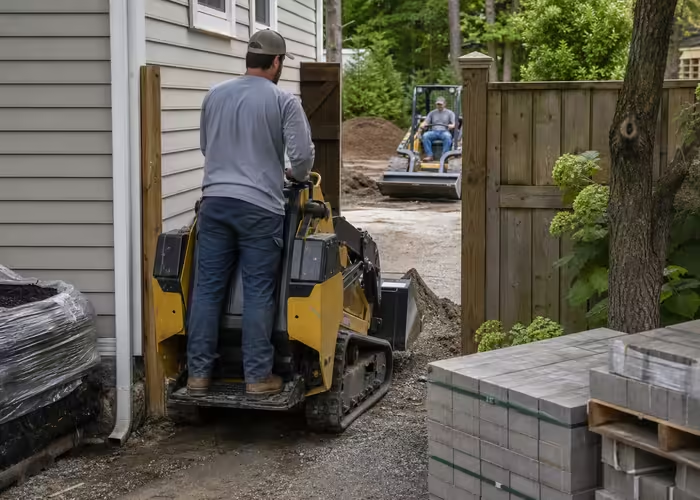
- Navegando em espaços apertados, como pátios residenciais, demolições interiores ou canteiros de obras urbanas.
- Manuseio de paisagismo, projetos municipais ou gerenciamento de resíduos onde a manobrabilidade é crítica.
- Trabalhar em trabalhos que exijam transporte frequente da máquina entre locais devido ao seu tamanho compacto e peso mais leve.
- Usando uma variedade de acessórios para tarefas como classificação, escavação ou remoção de detritos.
- Priorizando o conforto do operador e a redução da fadiga para turnos longos.
Por exemplo, um empreiteiro de paisagismo que trabalha em um bairro suburbano muitas vezes enfrenta portões estreitos e acesso limitado O Mini Skid Steer Loader QL-390 T se move facilmente através desses espaços e se adapta rapidamente a diferentes tarefas com seu avançado sistema hidráulico e vários modos de trabalho. Você pode terminar os trabalhos mais rápido e com menos esforço.
Direção de derrapagem tradicional: melhor ajuste
Você deve selecionar uma minicarregadeira tradicional se seus projetos exigirem:
- Capacidade máxima de elevação para materiais pesados ou paletes grandes.
- Operação em terrenos acidentados, irregulares ou lamacentos, onde estabilidade e energia extras são necessárias.
- Uso prolongado em grandes canteiros de obras ou campos agrícolas.
- Compatibilidade com acessórios especializados e de alto fluxo para aplicações exigentes.
- Um foco em tarefas pesadas que exigem desempenho robusto por longos períodos.
Considere um empreiteiro construindo um armazém comercial O local está aberto, e o trabalho envolve a movimentação de cargas pesadas e o uso de baldes grandes Um tradicional skid steer fornece a potência e a capacidade necessárias para essas tarefas, tornando-o a escolha certa para operações em larga escala.
Nota: Avalie sempre o seu ambiente de trabalho típico e as tarefas mais comuns antes de tomar uma decisão final.
Mini Skid Steer Loader QL-390T Visão geral
Características
Você obtém uma potência compacta com o Mini carregador de direção deslizante QL-390T. O chassi mede apenas 1000 mm de largura, para que você possa manobrar através de portões estreitos e locais de trabalho apertados O carregador oferece opções de motor de fabricantes confiáveis, entregando até 13,5 HP a 3600 rpm Você se beneficia de um sistema hidráulico avançado que opera a 20 MPa, dando-lhe controle preciso e desempenho eficiente O design ergonômico da cabine reduz a fadiga, deixando você trabalhar mais horas confortavelmente Um sistema de monitoramento inteligente rastreia o status do equipamento em tempo real, ajudando você a manter o desempenho ideal A estrutura durável do carregador suporta o uso pesado, garantindo uma longa vida útil.
Aplicações
Você pode usar o Mini Skid Steer Loader QL-390 T em uma ampla gama de configurações Os paisagistas dependem de seu tamanho compacto para mover solo, cobertura morta e plantas em pátios residenciais As equipes de construção o usam para demolição de interiores, manuseio de materiais e limpeza do local, especialmente onde o espaço é limitado Os trabalhadores municipais o consideram ideal para gerenciamento de resíduos e remoção de detritos em ambientes urbanos Na silvicultura, você pode limpar troncos de escova e transporte sem danificar o terreno O carregador se adapta a vários modos de trabalho, para que você possa alternar entre tarefas de classificação, escavação e transporte com facilidade.
Estudo de caso:
Uma empresa de paisagismo em um bairro suburbano precisava instalar novos canteiros de jardim atrás de várias casas O Mini Skid Steer Loader QL-390 T cabia através de portões laterais estreitos e navegava em espaços apertados no quintal Os trabalhadores concluíram o projeto rapidamente, movendo o solo e a cobertura sem danificar gramados ou cercas.
Prós e contras
Você deve considerar as vantagens e limitações antes de escolher o Mini Skid Steer Loader QL-390T para o seu trabalho.
Prós:
- Fácil de usar, mesmo para operadores com experiência limitada
- Excelente para trabalhos leves e espaços confinados
- Reduz a fadiga do operador com cabine ergonômica
- Versátil para paisagismo, construção e demolição
- Controles hidráulicos precisos para uma operação eficiente
Contras:
- Capacidade de elevação limitada em comparação com modelos de tamanho normal
- Tanque de combustível menor requer reabastecimento mais frequente
- Velocidades de deslocamento mais lentas do que carregadeiras maiores
- Não é adequado para cargas extremamente pesadas ou transporte de longa distância
- Pode lutar em encostas muito íngremes ou terrenos acidentados
Você obtém uma máquina que se destaca em versatilidade e manobrabilidade O Mini Skid Steer Loader QL-390 T ajuda você a lidar com trabalhos em locais onde os equipamentos tradicionais não podem alcançar Para mais detalhes sobre os padrões da indústria e as melhores práticas, você pode visitar o Guia de Equipamentos de Construção ou seguir atualizações sobre LinkedIn.
Visão geral tradicional do Skid Steer
Características
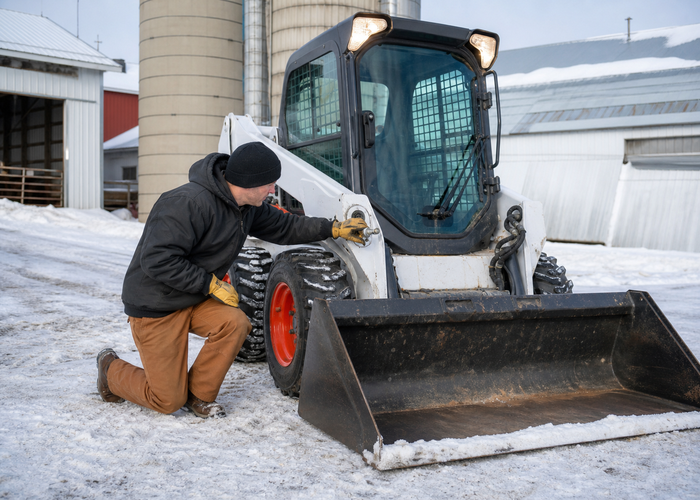
Você ganha acesso a uma máquina construída para poder e durabilidade quando você escolhe um tradicional skid steer Estes carregadores apresentam motores robustos que fornecem alta potência, tornando-os adequados para tarefas exigentes em grandes locais de trabalho Você pode selecionar entre modelos com rodas ou esteiras, cada um oferecendo vantagens únicas Os skid steers com rodas fornecem velocidade e manobrabilidade em superfícies duras como pavimento e concreto Os modelos rastreados se destacam em terrenos irregulares, lamacentos ou arenosos, proporcionando tração e estabilidade superiores.
Os tradicionais skid steers geralmente vêm com sistemas hidráulicos avançados, permitindo operar uma ampla gama de acessórios Você controla a máquina usando alavancas de mão e pé, embora alguns modelos mais recentes ofereçam controles de joystick para maior precisão O design da cabine se concentra na segurança e visibilidade do operador, com estruturas reforçadas e assentos ergonômicos Você se beneficia de uma máquina que lida com trabalhos pesados, mantendo o conforto do operador.
Dica: Sempre combine a configuração da minicarregadeira com as condições do seu local de trabalho para obter um desempenho ideal.
Aplicações
Você pode usar os tradicionais skid steers em muitas indústrias devido à sua versatilidade As aplicações comuns incluem
- Acessórios de leme rotativo para preparação de jardins e solos
- Pulverização de tocos de árvores para paisagismo e limpeza de terras
- Anexos Auger para plantar árvores e cavar buracos
- Movendo fardos de feno, paletes e madeira serrada em fazendas ou canteiros de obras
- Instalação de tanques e trincheiras para trabalhos utilitários
- Manuseio de estrume, fardos e tarefas de corte com acessórios especializados
Você vê essas máquinas em ação em canteiros de obras, fazendas, projetos de paisagismo e equipes de manutenção municipais Por exemplo, uma equipe de construção que prepara um lote comercial usa um tradicional skid steer para mover paletes pesadas de tijolos e limpar detritos de forma eficiente Em uma grande fazenda, você pode anexar um manipulador de fardos para transportar feno através de campos irregulares, economizando tempo e mão de obra.
Para mais exemplos do mundo real e atualizações do setor, você pode seguir o Guia de Equipamentos de Construção ou se conectar com profissionais LinkedIn.
Prós e contras
Você deve pesar os pontos fortes e as limitações dos minicarregadeiras tradicionais antes de tomar sua decisão.
| Prós/Cons | Descrição |
|---|---|
| Desempenho | Os minicarregadores se destacam em superfícies duras, mas podem enfrentar dificuldades em terrenos macios, lamacentos ou rochosos. |
| Controle | Os modelos tradicionais usam controles de mão e pé, enquanto os modelos mais recentes podem apresentar operação de joystick. |
Prós:
- Versatilidade: Você pode lidar com demolição, paisagismo e transporte de materiais com uma máquina.
- Custo-efetivo: menor consumo de combustível e custos de manutenção ajudam você a gerenciar seu orçamento.
- Adaptabilidade: Você pode alternar entre anexos rapidamente, aumentando a produtividade.
Contras:
- Os modelos rastreados requerem maior manutenção e vêm com custos maiores.
- Os modelos com rodas podem perder tração em terrenos soltos ou irregulares.
Nota: Você deve sempre considerar seu ambiente de trabalho típico e as tarefas específicas que você executa com mais frequência Essa abordagem garante que você selecione a configuração certa para suas necessidades.
Tamanho e manobrabilidade
Dimensões
Você precisa considerar as dimensões da máquina antes de iniciar qualquer projeto O QL-390 T mede apenas 1000 mm de largura Este perfil compacto permite que você se mova através de portões padrão, becos estreitos e corredores apertados Os tradicionais skid steers geralmente medem entre 1400 mm e 1800 mm de largura Essas dimensões maiores fornecem mais estabilidade, mas limitam o acesso a espaços confinados.
| Tipo Carregadeira | Largura (mm) | Raio de Giro (mm) |
|---|---|---|
| QL-390T | 1000 | 1660 |
| Direção de derrapagem tradicional | 1400-1800 | 2000+ |
Você deve medir as entradas e caminhos do seu local de trabalho antes de selecionar uma máquina Se você trabalha em bairros residenciais ou áreas urbanas mais antigas, muitas vezes você enfrentará pontos de acesso estreitos O QL-390 T se encaixa onde máquinas maiores não podem.
Dica: Verifique sempre a largura mínima dos portões e portas do seu site. Esta etapa evita atrasos dispendiosos.
Espaços apertados
Você encontrará espaços apertados em muitos locais de trabalho Projetos de paisagismo, demolição de interiores e manutenção municipal geralmente exigem que você manobre em torno de obstáculos como árvores, cercas ou estruturas existentes O chassi compacto do QL-390 T e o raio de giro curto lhe dão uma vantagem nesses ambientes Você pode girar rapidamente e reposicionar o carregador sem movimentos repetidos de vaivém.
Os tradicionais skid steers se destacam em locais abertos, mas lutam em áreas confinadas Seu tamanho maior e raio de giro mais amplo dificultam a operação eficiente perto de paredes ou em pátios lotados, Você pode precisar remover obstáculos ou usar trabalho manual se escolher uma máquina maior.
Por exemplo, se você precisar limpar detritos de um quintal com acesso limitado, o QL-390 T permite que você entre por um portão lateral e trabalhe perto de cercas Você economiza tempo e reduz o risco de danos materiais Para mais dicas sobre como trabalhar em espaços apertados, visite Guia de Equipamentos de Construção.
Transporte
Você deve considerar como você vai transportar seu equipamento entre os locais de trabalho O peso mais leve e a menor pegada do QL-390T tornam o carregamento em um trailer ou picape simples Você pode usar um trailer utilitário padrão, o que reduz os custos de transporte e simplifica a logística.
Os tradicionais skid steers exigem reboques maiores e veículos mais pesados para um transporte seguro, Você pode precisar de licenças especiais para cargas de grandes dimensões, especialmente se você operar em áreas urbanas com regulamentos rigorosos.
Nota: O transporte eficiente economiza tempo e dinheiro Sempre combine seu método de transporte com o tamanho e o peso da sua máquina.
Você ganha flexibilidade com o QL-390 T. Você pode se mover rapidamente entre os trabalhos, responder a solicitações urgentes e reduzir o tempo de inatividade Se você gerenciar vários pequenos projetos em um dia, essa vantagem se torna crítica.
Potência e Capacidade
Desempenho do motor
Você precisa de um desempenho confiável do motor para manter seus projetos dentro do cronograma O Mini carregador de direção deslizante QL-390T possui motores confiáveis que fornecem até 13,5 HP a 3600 rpm Esta saída de energia suporta operação consistente para paisagismo, demolição interior e trabalho municipal O sistema hidráulico avançado opera a 20 MPa, dando-lhe controle preciso e tempos de resposta rápidos.
Os tradicionais skid steers geralmente vêm com motores maiores, variando de 40 HP a mais de 70 HP Essas máquinas lidam com tarefas exigentes em grandes canteiros de obras ou fazendas Você obtém mais torque e velocidades mais altas, o que pode ser essencial para aplicações pesadas.
Dica: Para a maioria dos trabalhos residenciais e comerciais leves, você achará o desempenho do motor do QL-390 T mais do que suficiente Se você trabalhar em projetos de grande escala, poderá precisar da potência extra de um tradicional skid steer.
Capacidade Elevação
Você deve considerar a capacidade de elevação ao escolher seu carregador O QL-390 T oferece uma capacidade operacional nominal de 300 kg (cerca de 660 lbs).Esta capacidade se adapta a tarefas como mover o solo, cobertura morta ou detritos em espaços confinados Você pode carregar pequenos reboques, transportar materiais de paisagismo ou limpar os resíduos de forma eficiente.
Os tradicionais skid steers fornecem capacidades de elevação mais altas, muitas vezes entre 700 kg e 1.200 kg (1.500 lbs, 600 lbs).Essas máquinas se destacam em mover paletes pesadas, pedras grandes ou materiais de construção Se o seu trabalho envolve o levantamento frequente de cargas pesadas, um tradicional skid steer lhe dá a vantagem.
| Tipo Carregadeira | Capacidade Operacional Avaliada (kg) | Caso de uso típico |
|---|---|---|
| QL-390T | 300 | Paisagismo, remoção de detritos |
| Direção de derrapagem tradicional | 700–1,200 | Manuseio de materiais pesados |
De acordo com um recente pesquisa da indústria no LinkedIn, 681TP11 T dos empreiteiros escolhem seu carregador com base na capacidade de elevação e nos requisitos do trabalho.
Tarefas Pesadas
Você enfrenta tarefas pesadas em muitos locais de trabalho O QL-390 T lida com manuseio de materiais, classificação e limpeza do local em espaços apertados Sua estrutura durável e hidráulica avançada suportam longas horas de operação sem sacrificar o desempenho Você pode alternar entre anexos para enfrentar várias tarefas em um único dia.
Os tradicionais skid steers dominam a construção, demolição e trabalho agrícola em larga escala Sua maior potência e capacidade de elevação permitem mover detritos pesados, quebrar concreto ou transportar grandes cargas em terrenos acidentados Se você precisar concluir trabalhos exigentes rapidamente, você pode preferir o músculo extra de um modelo tradicional.
Estudo de caso:
Uma equipe de manutenção municipal usou o QL-390 T para remoção de resíduos em um parque urbano lotado O tamanho compacto e a energia confiável do carregador permitiram que os trabalhadores limpassem os detritos de forma eficiente, terminando o trabalho 301TP11 T mais rápido do que com o trabalho manual O feedback da equipe nas mídias sociais destacou a redução da fadiga e a melhoria da produtividade.
Você deve combinar o poder e a capacidade da sua máquina com as tarefas mais comuns Essa abordagem garante que você obtenha os melhores resultados e maximize seu investimento.
Versatilidade e anexos
Opções de Anexo
Você precisa de um carregador que se adapte a uma ampla gama de tarefas. O QL-390T oferece versatilidade impressionante através de sua compatibilidade com vários anexos Você pode equipar este mini skid steer com baldes para escavação e classificação, garfos de paletes para manuseio de materiais, brocas para perfuração e cortadores de escova para paisagismo Essa flexibilidade permite que você enfrente tudo, desde a preparação do solo até a remoção de detritos sem máquinas de comutação.
Os minicarregadeiras tradicionais também suportam uma ampla seleção de acessórios Você pode usá-los para aplicações pesadas, como quebra de concreto, abertura de valas ou remoção de neve No entanto, o tamanho maior dessas máquinas às vezes limita sua eficácia em espaços confinados O QL-390 T se destaca quando você precisa trabalhar em pátios residenciais, parques urbanos ou locais de demolição de interiores.
Dica: Verifique sempre a compatibilidade dos seus anexos antes de iniciar um novo trabalho Este passo garante que maximize a produtividade e evite o tempo de inatividade.
Você pode ver o QL-390 T em ação em projetos de paisagismo onde os operadores alternam entre um balde de classificação e um trado de solo em poucos minutos Para obter mais exemplos de versatilidade de fixação, você pode explorar o Guia de Equipamentos de Construção ou seguir as atualizações LinkedIn.
Facilidade de comutação
Você economiza tempo valioso quando pode alterar anexos rapidamente O QL-390 T possui um sistema de montagem amigável que permite trocar ferramentas em apenas alguns passos Você não precisa de ferramentas especializadas ou treinamento avançado Este design reduz o tempo de inatividade e mantém seu projeto avançando.
- As minicarregadeiras de direção deslizante permitem mudanças rápidas de fixação, o que é um benefício significativo em relação às carregadeiras tradicionais.
- Esta rápida adaptabilidade permite executar várias tarefas sem precisar de várias máquinas, economizando assim tempo e dinheiro.
Os minicarregadores tradicionais geralmente exigem mais etapas ou levantamento mais pesado para alternar os acessórios, especialmente em modelos mais antigos. Você pode precisar alinhar mangueiras hidráulicas ou usar pinos de travamento adicionais, o que pode retardar seu fluxo de trabalho.
| Tipo Carregadeira | Horário de Mudança de Anexo | Ferramentas necessárias | Treinamento Operador |
|---|---|---|---|
| QL-390T | Rápido | Nenhum | Básico |
| Direção de derrapagem tradicional | Moderado para lento | Às vezes | Moderado |
Você ganha uma vantagem competitiva quando pode responder rapidamente às mudanças nos requisitos do trabalho Por exemplo, uma equipe municipal pode limpar os detritos pela manhã e mudar para os caminhos de classificação à tarde, todos com o mesmo QL-390 T. Essa eficiência aumenta sua produtividade e ajuda você a entregar melhores resultados para seus clientes.
Nota: Mudanças rápidas de anexo significam que você gasta menos tempo na configuração e mais tempo realizando o trabalho.
Para obter mais dicas sobre como maximizar a versatilidade do carregador, você pode se conectar com profissionais do setor LinkedIn ou revise as melhores práticas no Guia de Equipamentos de Construção.
Custos Operacionais
Preço Compra
Você precisa considerar o investimento inicial ao escolher entre o Mini carregador de direção deslizante QL-390T e um tradicional skid steer O QL-390 T normalmente vem com um preço de compra mais baixo devido ao seu tamanho compacto e design eficiente Isso o torna uma opção atraente se você gerenciar projetos menores ou operar com um orçamento apertado Os skid steers tradicionais, com seus quadros maiores e maior potência de saída, geralmente exigem um investimento inicial mais alto.
| Tipo Carregadeira | Faixa de preço de compra típica (USD) |
|---|---|
| QL-390T | $10.000 $18.000 |
| Direção de derrapagem tradicional | $5.000 $5.000 |
Dica: Sempre leve em consideração sua carga de trabalho esperada e os requisitos do local de trabalho antes de fazer uma compra Um custo inicial mais baixo pode liberar capital para outros equipamentos ou anexos.
Combustível e Manutenção
Você notará diferenças na eficiência de combustível e nas necessidades de manutenção entre esses dois tipos de máquinas O QL-390 T usa um motor menor, o que significa que você gasta menos em combustível durante as operações diárias Seu sistema hidráulico compacto também reduz o risco de reparos dispendiosos A manutenção de rotina, como trocas de óleo e substituições de filtros, leva menos tempo e custa menos devido ao design acessível do carregador.
Os tradicionais skid steers consomem mais combustível por causa de seus motores maiores e quadros mais pesados As tarefas de manutenção podem exigir mais tempo e peças especializadas, o que pode aumentar suas despesas anuais De acordo com o Guia de Equipamentos de Construção, a manutenção regular é fundamental para prolongar a vida útil de qualquer carregador e minimizar o tempo de inatividade.
| Tipo Carregadeira | Consumo Médio de Combustível (L/h) | Custo Anual de Manutenção (USD) |
|---|---|---|
| QL-390T | 2 – 3 | 1TP500 12T0$ |
| Direção de derrapagem tradicional | 5 – 8 | 1TP11.200 $2.000 |
Estudo de caso:
Um negócio de paisagismo mudou para o QL-390 T para projetos residenciais O proprietário relatou uma redução de 401TP11 T nos custos de combustível e uma recuperação de manutenção mais rápida, permitindo que a equipe concluísse mais trabalhos a cada semana.
Custos de propriedade
Você deve olhar além do preço do adesivo e considerar os custos totais de propriedade Estes incluem seguro, depreciação, armazenamento e valor de revenda O peso mais leve e menor pegada do QL-390 T pode diminuir os prêmios de seguro e reduzir os requisitos de espaço de armazenamento Sua construção durável ajuda a manter o valor ao longo do tempo, o que beneficia se você planeja revender ou negociar no carregador.
Os skid steers tradicionais podem se depreciar mais rapidamente devido ao uso mais pesado e às horas de operação mais altas Você também pode enfrentar taxas de seguro mais altas e precisar de instalações de armazenamento maiores Ao calcular seu custo total de propriedade, você pode fazer um investimento mais inteligente para o seu negócio.
Nota: Para obter mais orientações sobre o cálculo dos custos de propriedade, visite a Calculadora de Custos da Equipment World.
Tabela Resumo: Comparação de Custos Operacionais
| Fator de custo | QL-390T | Direção de derrapagem tradicional |
|---|---|---|
| Preço Compra | Inferior | Superior |
| Eficiência Combustível | Superior | Inferior |
| Custo Manutenção | Inferior | Superior |
| Seguro/Armazenamento | Inferior | Superior |
| Depreciação | Mais lento | Mais rápido |
Você ganha uma clara vantagem ao entender essas diferenças de custo Esse conhecimento ajuda você a escolher o carregador certo para o seu negócio e maximizar o retorno do investimento.
Conforto e usabilidade
Design de cabine
Você passa longas horas operando sua carregadeira, então o design da cabine é importante. O Mini carregador de direção deslizante QL-390T possui uma cabine ergonômica que reduz a fadiga e suporta a produtividade Você obtém um interior espaçoso com posicionamento intuitivo de controles e visibilidade clara O assento amortece suas costas e pernas, ajudando você a se manter confortável durante turnos estendidos Você pode ajustar a posição do assento para se ajustar à sua altura, o que melhora a postura e reduz a tensão.
Os tradicionais skid steers geralmente fornecem cabines maiores com estruturas reforçadas Você se beneficia de espaço extra para a cabeça e pontos de entrada mais amplos Esses modelos geralmente incluem opções de controle climático, como aquecimento e ar condicionado, que ajudam você a trabalhar em condições climáticas extremas Você também encontra recursos de isolamento de ruído que minimizam as distrações e mantêm você focado.
Dica: Verifique sempre o layout da cabine antes de comprar Um ambiente confortável do operador leva a menos pausas e maior eficiência.
Controles
Você precisa de controles responsivos para operar com eficiência O QL-390 T usa uma interface amigável com alavancas e interruptores simples Você pode dominar os controles rapidamente, mesmo que tenha experiência limitada O sistema hidráulico avançado do carregador responde instantaneamente à sua entrada, permitindo movimentos precisos em espaços apertados.
Os tradicionais skid steers oferecem uma gama de opções de controle Os modelos mais antigos usam alavancas de mão e pé, enquanto as unidades mais recentes podem apresentar controles de joystick Os joysticks fornecem uma operação mais suave e reduzem a fadiga do pulso Você pode alternar entre os modos de controle para corresponder à sua preferência e nível de habilidade.
| Tipo Carregadeira | Tipo de controle | Facilidade de Uso | Treinamento Necessário |
|---|---|---|---|
| QL-390T | Alavancas/Comutadores | Alto | Básico |
| Direção de derrapagem tradicional | Alavancas/Joysticks | Moderado a Alto | Moderado |
Você deve praticar com os controles antes de iniciar um grande projeto A familiaridade aumenta sua confiança e ajuda a evitar erros.
Segurança
Você deve priorizar a segurança em todos os locais de trabalho O QL-390 T inclui um sistema de monitoramento inteligente que rastreia o status do equipamento em tempo real Você recebe alertas para necessidades de manutenção e possíveis problemas, o que ajuda a evitar avarias O design compacto do carregador melhora a visibilidade, reduzindo os pontos cegos e diminuindo o risco de acidentes.
Os tradicionais skid steers apresentam cabines reforçadas e estruturas de proteção contra capotamento Você obtém cintos de segurança, interruptores de desligamento de emergência e alarmes de backup Esses recursos protegem você durante tarefas pesadas e em ambientes ocupados.
Estudo de caso:
Uma equipe municipal usou o QL-390 T para remoção de resíduos em um parque lotado Os operadores relataram menos incidentes devido às linhas de visão claras e controles responsivos do carregador A equipe concluiu o projeto com segurança e eficiência.
Você deve sempre usar equipamentos de segurança adequados e seguir as diretrizes do fabricante. Para obter mais dicas sobre segurança do carregador, visite o Guia de Equipamentos de Construção ou conecte-se com profissionais LinkedIn.
Cenários de trabalho
Paisagismo
Muitas vezes você enfrenta desafios únicos no paisagismo Espaços apertados, superfícies delicadas e a necessidade de precisão definem seu trabalho diário O Mini carregador de direção deslizante QL-390T dá-lhe a flexibilidade para mover o solo, cobertura morta e plantas sem danificar gramados ou canteiros de jardim Você pode caber através de portões estreitos e trabalhar perto de cercas ou canteiros de flores O sistema hidráulico avançado permite que você alterne entre classificação, escavação e transporte de anexos em minutos.
Estudo de caso:
Um empreiteiro de paisagismo em um bairro suburbano precisava instalar uma série de canteiros elevados atrás de várias casas O QL-390 T cabia através de portões de 36 polegadas e manobrava em torno das árvores existentes Os trabalhadores usavam um acessório de balde para mover o solo e um garfo para colocar a borda de pedra O projeto terminou antes do previsto, com o mínimo de interrupção na propriedade.
Você pode ver mais aplicações e dicas de paisagismo visitando Guia de Equipamentos de Construção ou seguindo Qilu Machinery no LinkedIn.
Construção
Você precisa de equipamentos confiáveis para projetos de construção, quer trabalhe em locais residenciais ou comerciais O QL-390 T lida com transporte de materiais, limpeza de locais e demolição de interiores com facilidade Seu tamanho compacto permite operar dentro de edifícios ou em áreas com acesso limitado. Você pode usar o carregador para mover tijolos, areia ou detritos com eficiência.
- Mova materiais por portas e corredores estreitos.
- Limpe os resíduos da construção rapidamente.
- Carregar pequenos reboques para transporte fora do local.
Estudo de caso:
Um empreiteiro que renovava um prédio de escritórios usou o QL-390 T para remover pisos antigos e transportar detritos para lixeiras do lado de fora O pequeno raio de giro do carregador permitiu que ele trabalhasse em corredores e entre colunas de suporte A equipe completou a fase de demolição dois dias mais rápido do que o planejado.
Para obter mais informações sobre construção, confira o Guia de Equipamentos de Construção ou conecte-se com profissionais do setor LinkedIn.

Demolição
Você enfrenta condições exigentes no trabalho de demolição Você precisa de um carregador que possa lidar com detritos, espaços apertados e mudanças frequentes de fixação O QL-390 T se destaca na demolição interior, onde o espaço é limitado e a precisão é crítica Você pode usar uma garra ou balde para remover drywall, piso ou acessórios A construção durável do carregador suporta os rigores das tarefas de demolição.
| Tarefa | Vantagem QL-390T |
|---|---|
| Remoção de parede interior | Encaixa pelas portas |
| Transporte de detritos | Mudanças rápidas de anexo |
| Limpeza do local | Fadiga reduzida do operador |
Estudo de caso:
Uma equipe de demolição limpou um antigo espaço de varejo em um movimentado shopping center O QL-390 T entrou através de portas padrão e trabalhou em torno de vigas de suporte Os operadores mudaram de um balde para uma garra em minutos, removendo detritos de forma eficiente O projeto terminou com menos horas de trabalho e menos elevação manual.
Você pode encontrar mais práticas recomendadas de demolição no Guia de Equipamentos de Construção ou seguir atualizações em LinkedIn.
Agricultura
Você enfrenta desafios únicos na agricultura que exigem equipamentos confiáveis e adaptáveis O Mini Skid Steer Loader QL-390T oferece uma solução compacta para tarefas diárias da fazenda Você pode usar este carregador para alimentar o gado, limpar celeiros, mover fardos de feno e manter estradas agrícolas Seu pequeno tamanho permite que você opere dentro de celeiros e galpões onde máquinas maiores não cabem.
Você se beneficia do sistema hidráulico avançado da carregadeira ao anexar implementos como brocas, garfos ou baldes Você pode fazer furos para postes para cercas, transporte de ração ou limpeza de esterco de forma eficiente O design leve do QL-390 T reduz a compactação do solo, o que ajuda a proteger seus campos e pastagens.
Dica: Use o QL-390 T para tarefas rotineiras para economizar tempo e reduzir o trabalho manual Você pode trocar os anexos rapidamente, o que mantém seu fluxo de trabalho suave.
Estudo de caso: Uma fazenda leiteira de propriedade familiar no Centro-Oeste precisava de um carregador que pudesse operar dentro de corredores estreitos de celeiros e lidar com a limpeza diária O QL-390 T cabia através de portas de 40 polegadas e manobrava em torno de cochos de alimentação Os trabalhadores usavam um balde para remover esterco e um garfo para mover fardos de feno A fazenda relatou uma redução de 251TP11 T nas horas de trabalho e melhora na saúde animal devido a instalações mais limpas Para mais exemplos de carregadores compactos na agricultura, visite Successful Farming.
Você também pode usar o QL-390 T para trabalhos em pomares e vinhedos Os controles precisos do carregador ajudam você a transportar caixas de frutas sem danificar as culturas Você pode manter estradas de acesso e valas de irrigação com acessórios de classificação Essa versatilidade torna o QL-390 T um ativo valioso para pequenas e médias fazendas.
Urbano vs Rural
Você deve considerar seu ambiente de trabalho ao escolher equipamentos Os ambientes urbanos e rurais apresentam diferentes desafios e oportunidades Nas áreas urbanas, você geralmente trabalha em espaços confinados com rígidas regulamentações de ruído e emissão O tamanho compacto e a operação silenciosa do QL-390 T permitem que você conclua tarefas de paisagismo, manutenção municipal ou construção sem perturbar os moradores.
Em áreas rurais, você precisa de equipamentos que lidam com parcelas maiores e terrenos mais acidentados O QL-390 T se adapta a essas condições com sua construção durável e opções confiáveis de motor Você pode transportar o carregador facilmente entre campos ou locais de trabalho, o que aumenta sua produtividade.
| Cenário | Vantagem QL-390T |
|---|---|
| Urbano | Cabe em espaços apertados, baixo ruído |
| Rural | Transporte fácil, tarefas versáteis |
Estudo de caso: Um departamento de parques da cidade usou o QL-390 T para manutenção de playgrounds e plantio de árvores O carregador se movia por caminhos estreitos do parque e operava silenciosamente perto de áreas residenciais Em contraste, um gerente de propriedade rural usou o mesmo modelo para reparo de cercas e manutenção de trilhas em uma grande propriedade Ambos os usuários relataram aumento de eficiência e redução do tempo de inatividade Para obter mais insights sobre as necessidades de equipamentos urbanos e rurais, consulte Equipment World.
Nota: Sempre combine seu carregador com seu ambiente Você ganha mais valor quando seu equipamento se encaixa nas demandas exclusivas do seu local de trabalho.
Tabela Comparação
Quando você compara o Mini carregador de direção deslizante QL-390T para os tradicionais skid steers, você precisa de dados claros para tomar uma decisão informada As tabelas e insights a seguir ajudam a avaliar qual máquina se encaixa melhor nos requisitos do seu trabalho.
Especificações
Você deve começar revisando as especificações principais Esses números mostram as diferenças físicas e as capacidades de cada carregador.
| Especificação | QL-390T Mini Skid Steer | Direção de derrapagem tradicional |
|---|---|---|
| Peso Operacional | 1000kg | 22003500kg |
| Capacidade Operacional Avaliada | 300kg | 70001200kg |
| Potência do motor | 13,5 HP | 400+ HP |
| Largura do chassi | 1000mm | 14000m3 |
| Raio de Giro | 1660mm | Mais de 2.000 mm |
| Pressão Hidráulica | 20 MPa | 20 MPa |
De acordo com o Guia de Equipamentos de Construção, carregadeiras compactas como o QL-390 T se destacam em espaços confinados devido às suas dimensões menores.
Desempenho
Você precisa considerar como cada carregador se apresenta em cenários do mundo real O desempenho impacta sua produtividade e qualidade do trabalho.
- Manobrabilidade: O QL-390 T se move facilmente através de portões estreitos e locais de trabalho apertados Você pode girar rapidamente e trabalhar perto de obstáculos.
- Versatilidade do Anexo: Ambos os carregadores suportam uma ampla gama de acessórios O QL-390 T permite mudanças rápidas, o que economiza tempo.
- Conforto do Operador: O QL-390 T possui uma cabine ergonômica e sistema de monitoramento inteligente Você experimenta menos fadiga durante longos turnos.
- Capacidade para serviço pesado: Os tradicionais skid steers lidam com cargas maiores e terrenos mais difíceis Você ganha energia extra para tarefas exigentes.
| Fator Desempenho | QL-390T Mini Skid Steer | Direção de derrapagem tradicional |
|---|---|---|
| Manobrabilidade | Excelente | Bom |
| Comutação de Anexos | Rápido | Moderado |
| Conforto do Operador | Alto | Alto |
| Tarefas Pesadas | Moderado | Excelente |
Uma pesquisa recente sobre LinkedIn mostrou que 721TP11 T de empreiteiros preferem carregadeiras compactas para projetos urbanos e residenciais.
Custo
Você deve avaliar o impacto financeiro da escolha do seu equipamento O custo inclui preço de compra, eficiência de combustível e manutenção.
| Fator de custo | QL-390T Mini Skid Steer | Direção de derrapagem tradicional |
|---|---|---|
| Preço Compra | 1TP110.000 $18.000 | 1TP115.002T12T50.000 |
| Consumo de Combustível (L/h) | 2–3 | 5–8 |
| Manutenção Anual | $8000012TP12T80 | 1TP11,200 $2,000 |
| Seguro/Armazenamento | Inferior | Superior |
| Taxa de depreciação | Mais lento | Mais rápido |
Você pode encontrar mais ferramentas de análise de custos em Equipment World.
Principais conclusões:
Você ganha flexibilidade e economia com o QL-390 T para trabalhos de pequeno a médio porte Os tradicionais skid steers fornecem energia incomparável para tarefas pesadas Use essas tabelas para corresponder às suas necessidades ao carregador certo e maximizar seu investimento.
Escolhendo a máquina certa
Lista de verificação
Você precisa de um processo claro para selecionar o carregador certo para o seu negócio Use esta lista de verificação para corresponder às suas necessidades com o melhor equipamento:
- Anexos: Identifique os acessórios necessários para suas tarefas diárias Verifique se o carregador suporta essas ferramentas e oferece a energia hidráulica necessária.
- Tipo Elevador: Decida se você precisa de um elevador radial ou vertical Os elevadores radiais funcionam bem para tarefas no nível do solo, como classificação Os elevadores verticais se adequam ao manuseio e carregamento de materiais em alturas mais altas.
- Ambiente de Projeto: Examine seus locais de trabalho típicos Considere restrições de espaço, pontos de acesso e a natureza de seus projetos Os carregadores compactos se destacam em áreas confinadas, enquanto máquinas maiores se encaixam em locais abertos.
- Capacidade Operacional Avaliada: Calcule a carga máxima que você precisa mover Escolha um carregador que manuseie esse peso com segurança e eficiência.
- Tamanho e Peso: Meça portões, portas e veículos de transporte Selecione uma carregadeira que atenda às suas necessidades de mobilidade e possa ser transportada facilmente.
- Terreno: Avalie as condições do solo Os carregadores compactos têm um bom desempenho em superfícies firmes e niveladas Para terrenos acidentados ou irregulares, certifique-se de que seu carregador ofereça a estabilidade e a tração necessárias.
Dica: Imprima esta lista de verificação e revise-a antes de cada compra de equipamento Este hábito ajuda você a evitar erros caros e garante que seu carregador corresponda ao seu fluxo de trabalho.
Erros a Evitar
Muitos profissionais cometem erros comuns ao escolher uma minicarregadeira Você pode evitar essas armadilhas mantendo-se informado:
- Ignorando as restrições do local de trabalho: Não negligencie as limitações de acesso Um carregador que não pode caber através de portões ou portas irá retardar o seu projeto.
- Superestimando as Necessidades de Capacidade: Maior nem sempre é melhor Máquinas superdimensionadas aumentam os custos e podem danificar superfícies delicadas.
- Negligenciando a compatibilidade do anexo: Sempre confirme que seu carregador suporta os anexos que você planeja usar Ferramentas incompatíveis levam a tempo de inatividade e frustração.
- Subestimando os desafios do terreno: Não combinar sua carregadeira com o terreno pode causar problemas de tração e reduzir a produtividade.
- Treinamento de Operador de Salto: Mesmo o melhor carregador requer operação qualificada Invista em treinamento para maximizar a segurança e a eficiência.
- Esquecendo o Planejamento de Manutenção: A manutenção regular mantém seu carregador funcionando sem problemas Negligenciar os horários de serviço leva a falhas inesperadas.
Nota: Uma empresa de paisagismo uma vez comprou uma grande carregadeira para trabalhos residenciais A máquina não podia acessar quintais, resultando em perda de tempo e mão de obra extra Um planejamento cuidadoso teria evitado esse erro caro.
Dicas Especialistas
Você pode tomar uma decisão confiante seguindo os conselhos de profissionais do setor:
- Teste antes de comprar: Solicite uma demonstração do seu revendedor Opere o carregador no local de trabalho para avaliar a manobrabilidade, o conforto e as alterações de fixação.
- Consulte os Pares: Fale com outros empreiteiros que usam equipamentos semelhantes Sua experiência no mundo real fornece informações valiosas.
- Priorize a versatilidade: Escolha um carregador que se adapte a várias tarefas Máquinas versáteis reduzem sua necessidade de equipamentos adicionais e reduzem os custos gerais.
- Revise o suporte do fabricante: Selecione um carregador apoiado por forte suporte técnico e fácil acesso às peças O serviço confiável minimiza o tempo de inatividade.
- Plano para o Crescimento: Antecipe projetos futuros Invista em um carregador que possa ser dimensionado de acordo com as necessidades do seu negócio.
- Mantenha-se informado: Siga as notícias e as melhores práticas do setor Recursos como Guia de equipamentos de construção e Qilu Machinery no LinkedIn ofereça atualizações e opiniões de especialistas.
️ Dica profissional: Uma equipe municipal melhorou a eficiência mudando para um carregador compacto para manutenção do parque A equipe concluiu as tarefas com mais rapidez e reduziu o trabalho manual, tudo porque combinava a máquina com seu ambiente.
Você ganha uma vantagem competitiva quando combina um planejamento cuidadoso com aconselhamento especializado Use essas estratégias para selecionar o carregador certo e maximizar seu investimento.
Você viu como o carregador certo pode transformar seu fluxo de trabalho. O QL-390T se destaca em espaços apertados e tarefas versáteis, enquanto os tradicionais skid steers oferecem potência incomparável para trabalhos pesados Sempre combine sua máquina com os requisitos do seu trabalho para obter os melhores resultados.
Para aconselhamento especializado, consulte um revendedor ou solicite uma demonstração Avalie suas necessidades, compare recursos e faça um investimento informado no sucesso do seu negócio.
Perguntas frequentes
Quais trabalhos se adequam melhor ao Mini Skid Steer Loader QL-390T?
Você pode usar o QL-390 T para paisagismo, demolição de interiores, manutenção municipal e construção em pequena escala Seu tamanho compacto permite trabalhar em espaços apertados e áreas residenciais Para mais detalhes, consulte Guia de equipamentos de construção.
Como escolho os acessórios certos para o meu carregador?
Você deve listar suas tarefas diárias e combiná-las com acessórios compatíveis Sempre verifique a capacidade hidráulica e o sistema de montagem do carregador Consulte o revendedor ou revise as diretrizes do fabricante para compatibilidade de acessórios.
O QL-390 T é fácil de transportar entre locais de trabalho?
Você pode transportar o QL-390 T usando um reboque utilitário padrão ou picape Seu design leve simplifica a logística e reduz os custos de transporte Sempre proteja o carregador corretamente antes de se mover.
Que manutenção exige o QL-390T?
Você deve realizar trocas regulares de óleo, substituições de filtros e verificações do sistema hidráulico Monitore o status do equipamento usando o sistema inteligente Siga o cronograma de manutenção no manual do operador para obter melhores resultados.
Posso operar o QL-390 T com treinamento mínimo?
Você pode aprender a operar o QL-390 T rapidamente devido aos seus controles amigáveis O treinamento básico abrange segurança, alterações de fixação e verificações de rotina Para certificação do operador, visite Equipment World.
Como o QL-390 T melhora o conforto do operador?
Você se beneficia de uma cabine ergonômica, assento ajustável e controles intuitivos O design do carregador reduz a fadiga durante longos turnos O sistema de monitoramento ajuda a manter o desempenho ideal.
Quais recursos de segurança o QL-390T oferece?
Você obtém monitoramento de equipamentos em tempo real, linhas de visão claras e controles responsivos Sempre use equipamentos de segurança e siga as diretrizes do fabricante Para obter mais dicas de segurança, consulte Guia de equipamentos de construção.
Como calculo os custos totais de propriedade para o QL-390T?
Você deve incluir preço de compra, combustível, manutenção, seguro e armazenamento Use calculadoras de custos da Equipment World para estimar despesas e maximizar seu investimento.