Bem-vindo ao Shandong Qilu Industrial Co., Ltd

 Portuguese
 English
 Arabic
 Bulgarian
 Bengali
 Czech
Czech
 Danish
 German
 Greek
Greek
 Spanish
 Finnish
 French
 Hindi
Hindi
 Croatian
 Hungarian
 Indonesian
 Italian
 Japanese
 Korean
 Lithuanian
 Dutch
Dutch
 Norwegian
 Polish
 Romanian
 Russian
 Slovak
 Slovenian
 Swedish
 Thai
Thai
 Turkish
 Ukrainian
 Vietnamese
 Tagalog
 Malay
Malay
 Estonian
 Catalan
 Latvian
 Urdu
Urdu
 Serbian
 Persian
 Swahili
 Albanian
 Armenian
 Icelandic
 Bosnian
 Luxembourgish
 Afrikaans
Portuguese English
Arabic
Bulgarian
Bengali
Czech
Danish
German
Greek
Spanish
Finnish
French
Hindi
Croatian
Hungarian
Indonesian
Italian
Japanese
Korean
Lithuanian
Dutch
Norwegian
Polish
Romanian
Russian
Slovak
Slovenian
Swedish
Thai
Turkish
Ukrainian
Vietnamese
Tagalog
Malay
Estonian
Catalan
Latvian
Urdu
Serbian
Persian
Swahili
Albanian
Armenian
Icelandic
Bosnian
Luxembourgish
Afrikaans
Afrikaans
Portuguese English
Arabic
Bulgarian
Bengali
Czech
Danish
German
Greek
Spanish
Finnish
French
Hindi
Croatian
Hungarian
Indonesian
Italian
Japanese
Korean
Lithuanian
Dutch
Norwegian
Polish
Romanian
Russian
Slovak
Slovenian
Swedish
Thai
Turkish
Ukrainian
Vietnamese
Tagalog
Malay
Estonian
Catalan
Latvian
Urdu
Serbian
Persian
Swahili
Albanian
Armenian
Icelandic
Bosnian
Luxembourgish
Afrikaans
O papel dos tratores nas operações modernas de agricultura orgânica
Os tratores desempenham um papel crucial na agricultura orgânica moderna O papel dos tratores é evidente, pois auxiliam na preparação do solo, plantio de sementes, aplicação de fertilizantes e colheita de culturas muito mais rapidamente do que os métodos manuais Com um trator, você pode arar campos aproximadamente seis vezes mais rápido do que usar animais Esta velocidade aumentada permite conservar tempo e energia em tarefas de mão-de-obra intensiva, permitindo-lhe gerir a sua exploração de forma mais eficaz Além disso, os tratores contribuem para práticas agrícolas ecológicas Quando utilizados de forma responsável, o papel dos tratores pode ajudar a manter a saúde do solo e simplificar o trabalho, garantindo que a sua exploração funciona de forma eficiente, sendo ambientalmente sustentável.
Principais conclusões
- Tratores ajudam os agricultores a trabalhar mais rápido Eles permitem que você prepare o solo, plante sementes e escolha culturas muito mais rápido do que fazê-lo à mão Usar tratores com as ferramentas certas mantém o solo saudável Também impede que muito solo seja lavado Isso ajuda os agricultores a cuidar da terra Os tratores podem colocar fertilizantes orgânicos nas culturas na quantidade certa Isso garante que as plantas obtenham o que precisam e nada seja desperdiçado. Tratores elétricos e inteligentes são novas máquinas Eles fazem menos poluição e ajudar os agricultores a trabalhar melhor na agricultura orgânica Escolher o melhor tamanho e tipo de trator ajuda os agricultores a fazer mais trabalho Também mantém o solo de ficar muito duro e protege a natureza.
Papel dos Tratores na Agricultura Orgânica
Preparação e lavoura do Solo
Você precisa de um bom solo para cultivar culturas orgânicas saudáveis Os tratores são muito importantes para preparar o solo Eles quebram a sujeira dura, ajudam a controlar as ervas daninhas e moldam a terra para o plantio Você pode usar diferentes maneiras de cultivar o solo Aqui está uma tabela que mostra alguns métodos comuns de preparo do solo e por que eles são usados:
| Técnica de lavoura | Finalidade |
|---|---|
| Lavoura Primária | Primeiro passo para combater ervas daninhas e melhorar o solo para as culturas. |
| Verão Aragem | Controla as ervas daninhas reduzindo as sementes de ervas daninhas e prepara um campo limpo. |
| Lavoura Conservação | Mantém os resíduos das culturas no topo para impedir a erosão e construir a saúde do solo. |
| Cultivo Mecânico | Remove ervas daninhas e restos de colheita usando máquinas. |
| Modelagem Terrestre | Faz camas ou cumes para legumes. |
| Ferramentas para Resíduos Superficiais | Usa crimpadores e cortadores de grama para lidar com culturas de cobertura e restos de plantas. |
Você pode usar grades motorizadas, cultivadores e construtores de cumes com seu trator Essas ferramentas ajudam você a preparar canteiros de sementes, controlar ervas daninhas e moldar a terra As ferramentas de preparo do solo para conservação permitem manter pedaços de plantas em cima do solo Isso ajuda a proteger o solo de ferramentas especiais de preparo do solo em tratores não perturbe tanto o solo. Isso mantém o solo forte, ajuda bons micróbios e permite que a água se mova melhor Você verá melhor solo e menos erosão quando usar essas maneiras.
Plantio e Colocação de Sementes
Os tratores também são úteis quando você planta sementes Você pode colocar plantadores, brocas de sementes ou semeadoras de transmissão em seu trator Essas ferramentas ajudam você a plantar sementes na profundidade e no espaço certos Aqui está uma tabela que explica algumas semeadoras comuns:
| Tipo de Semeador | Descrição |
|---|---|
| Semeadores broca | Puxado atrás de tratores, bom para culturas de jardim. |
| Semeadores ar | Use ar para plantar sementes pequenas e redondas; melhor para um tipo de semente de cada vez. |
| Plantadores | Coloque as sementes com muita precisão, corte o solo, plante e cubra as sementes. |
| Transmitir semeadores | Espalhe sementes em uma ampla área, melhor para gramíneas e culturas de cobertura. |
Você pode usar plantadores de culturas em linha para culturas de cobertura ou brocas de caixa após a colheita Brocas de caixa são fáceis de usar e trabalhar para muitos tamanhos de sementes Se você usar um trator com nova tecnologia, você pode plantar sementes ainda melhor.
Testes mostram que tratores com sensores de solo em tempo real ajude você a plantar sementes mais precisamente. isso faz com que suas colheitas cresçam uniformemente e lhe dá uma colheita melhor.
Fertilização e Aplicação de Recursos
Suas culturas precisam de nutrientes que sigam as regras orgânicas Os tratores ajudam a espalhar fertilizantes orgânicos como farinha de ossos, esterco verde e composto Você pode usar ferramentas de trator para colocar esses materiais para baixo rápido e uniformemente Aqui estão algumas ferramentas comuns:
- Pulverizadores de lança para fertilizantes líquidos, como chá de compostagem ou emulsão de peixe.
- Sistemas de injeção para colocar fertilizante diretamente na zona radicular.
- Espalhadores de gotas para aplicação precisa em camas elevadas.
Essas ferramentas ajudam você a usar fertilizantes com sabedoria e não desperdiçá-los Você pode tornar o solo melhor e manter suas culturas saudáveis, seguindo os padrões orgânicos.
Colheita e Transporte
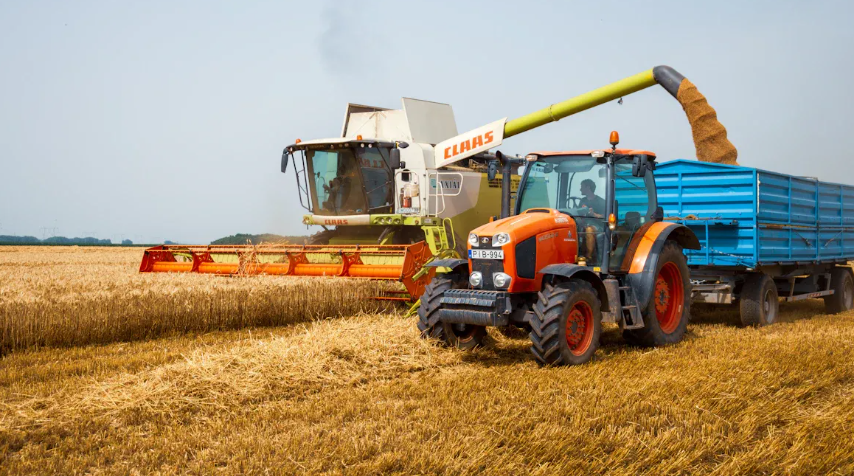
Os tratores são muito úteis quando é hora de colher Você pode usar tratores para puxar colheitadeiras, vagões ou reboques Isso ajuda você a colher as colheitas rapidamente e movê-las com segurança Os tratores podem transportar cargas pesadas e dirigir sobre campos ásperos Isso evita que suas colheitas se machuquem.
Você pode levar suas colheitas do campo para o armazenamento ou mercado com menos deterioração Isso mantém suas culturas orgânicas frescas e de alta qualidade Os tratores economizam tempo e trabalho, para que sua colheita seja mais fácil e rápida.
Tratores e Princípios Orgânicos
Minimizando a perturbação do solo
Os tratores podem ajudar a manter seu solo seguro Muitos agricultores orgânicos usam menos lavoura para proteger o solo Essas maneiras mantêm o solo forte e impedem que ele seja lavado Com novas ferramentas de trator, você pode plantar sementes sem virar toda a sujeira Os plantadores permitem que você coloque sementes no solo com pouco movimento do solo Algumas fazendas no Centro-Oeste mudaram de aragem profunda para lavoura de conservação Eles viram menos perda de solo e seus campos retinham a água melhor.
- Menos lavoura mantém o solo saudável e impede a erosão.
- Novos plantadores funcionam bem sem muito trabalho no solo.
- Você ainda pode obter boas colheitas e economizar dinheiro com menos lavoura.
Dica: Experimente um roller-crimper com seu trator para culturas de cobertura Esta ferramenta ajuda a manter o solo coberto e impede o crescimento de ervas daninhas.
Reduzindo entradas químicas
Você pode usar menos produtos químicos, escolhendo as ferramentas de trator certas Muitos agricultores orgânicos usam arados de cinzel ou cume-cultivo em vez de arados de aiveca Essas ferramentas deixam pedaços de plantas no topo, o que ajuda a parar as ervas daninhas e mantém o solo no lugar Tratores com peças especiais facilitam esse trabalho:
| Características do trator | Descrição |
|---|---|
| Brocas plantio direto | Necessário para agricultura de conservação |
| Sistemas hidráulicos | Ajudá-lo a plantar sementes exatamente onde você quer |
| Distribuição de peso | Impede que os tratores pressionem com muita força o solo |
Um agricultor de vegetais na Califórnia mudou para cume-tillage Eles tinham menos ervas daninhas e usaram menos combustível Você também pode usar tratores para espalhar composto ou cobertura morta Isso alimenta suas culturas sem usar produtos químicos.
Apoiando Sustentabilidade
Você ajuda a terra quando você usa tratores da maneira certa Os tratores permitem que você pule pesticidas sintéticos, o que é importante para a agricultura orgânica O uso de culturas de cobertura e métodos de plantio direto torna o solo melhor e economiza água Algumas fazendas querem parar de usar mais de 1.000 toneladas de pesticidas sintéticos até 2033 Os tratores também ajudam a usar menos energia porque você pode mover os produtos mais rápido e desperdiçar menos alimentos.
- Os tratores ajudam nas culturas de cobertura e nas lavouras.
- Você pode usar menos água e produzir menos carbono.
- Os tratores elétricos começam a aparecer nas fazendas, tornando o trabalho ainda mais verde.
Nota: A nova tecnologia de tratores ajuda você a vender mais e cuidar de sua terra ao mesmo tempo.
Benefícios do trator na agricultura orgânica
Eficiência e Economia de Trabalho
Tratores ajudam você economize tempo e energia na sua fazenda orgânica Eles permitem que você termine os trabalhos mais rápido e com menos trabalho duro Aqui estão algumas maneiras que os tratores facilitam o seu trabalho:
- Tratores pequenos são bons para o cultivo de vegetais Você pode usá-los para muitas tarefas, então você faz mais a cada dia.
- Tratores antigos são uma escolha inteligente Eles custam menos e são simples de consertar, então sua fazenda continua funcionando bem.
- Tratores que usam menos combustível economizam dinheiro Eles também ajudam a terra, fazendo menos poluição.
- Escolher o trator do tamanho certo é importante Os tratores pequenos não machucam tanto o solo e se encaixam bem em pequenas fazendas.
Dica: Muitos agricultores usam tratores para trabalhos que levam muito tempo à mão, como espalhar composto ou preparar camas Isso lhe dá mais tempo para outros trabalhos importantes.
Melhoria de precisão e rendimento
Tratores com tecnologia especial ajudam você a cultivar mais culturas Essas ferramentas ajudam você a plantar sementes, adicionar fertilizantes e cuidar de seus campos com mais exatidão A tabela abaixo mostra como os agricultores usam dados e tecnologia para obter melhores resultados:
| Tipo de evidência | Achados |
|---|---|
| Uso do monitor de rendimento | Cerca de 751TP11 T de agricultores coletam dados de monitor de rendimento. |
| Coleta de Amostras de Solo | Cerca de 851TP11 T de agricultores recolhem dados de amostras de solo. |
| Coleta de dados de imagens | Quase 90% dos agricultores usam dados de imagens. |
| Impacto Positivo no Rendimento | 721TP11 T ver melhores rendimentos a partir de decisões de taxa de semeadura baseada em dados. |
| Decisões sobre fertilizantes | 81% ver melhores rendimentos a partir de decisões de fertilizantes. |
| Decisões de drenagem | 85% ver melhores rendimentos das decisões de drenagem. |
| Impacto na coleta de dados | A coleta de dados de muitas fontes aumenta a satisfação com os resultados. |
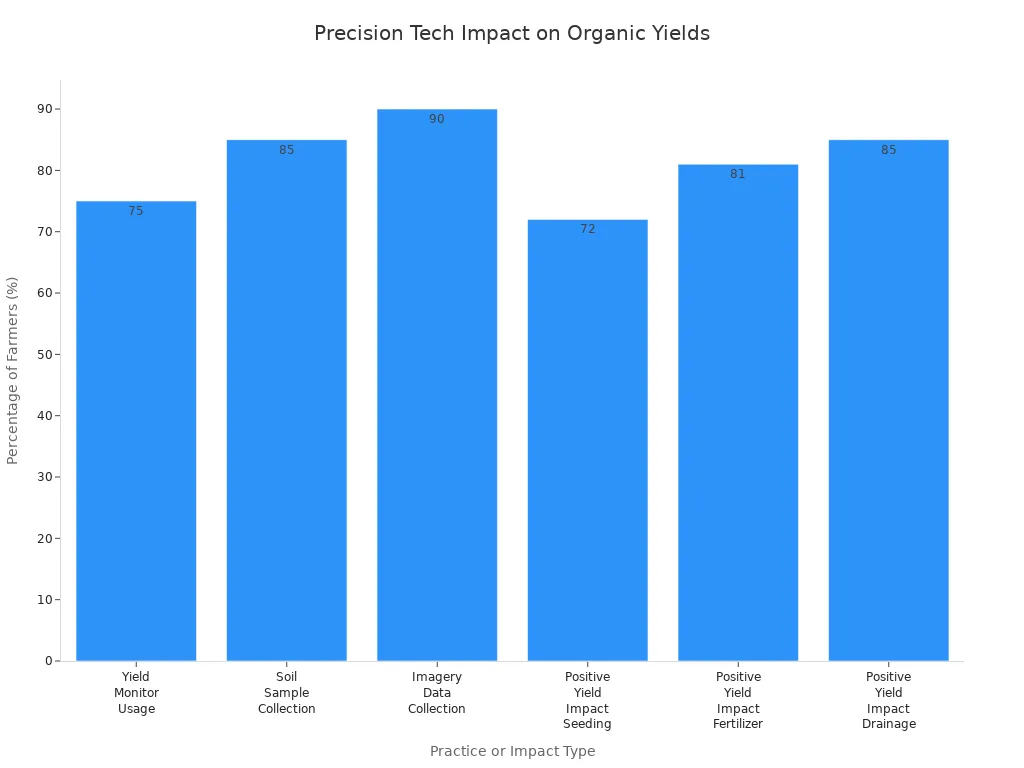
A agricultura de precisão permite verificar o solo e o clima. Você pode usar essas informações para fazer escolhas inteligentes sobre o plantio e adição de fertilizantes Isso ajuda a cultivar mais culturas e ganhar mais dinheiro.
Escalabilidade para Operações Orgânicas
Os tratores ajudam você a cultivar sua fazenda, não importa o tamanho Você pode usar tratores para trabalhar mais rápido e alcançar mais compradores A tabela abaixo explica como os tratores ajudam você a cultivar sua fazenda:
| Benefício | Descrição |
|---|---|
| Aumento da Produtividade | Os tratores permitem cultivar áreas maiores em menos tempo, para que você possa colher mais colheitas. |
| Melhoria da Rentabilidade | Trabalhar mais rápido significa colheitas maiores e mais dinheiro. |
| Práticas Conservação | Os tratores ajudam você a controlar pragas e a usar os recursos com sabedoria, o que protege o meio ambiente. |
Tratores também ajudam as pessoas da comunidade As mulheres que usam tratores podem ganhar mais e se tornar mais independentes Quando você ganha mais dinheiro, você pode comprar novas culturas ou ferramentas Isso ajuda mulheres e homens a terem chances mais iguais na agricultura.
Nota: Alguns tratores podem dirigir-se durante todo o dia e noite Uma pessoa pode assistir a muitas máquinas de uma só vez, para que sua fazenda recebe ainda mais trabalho feito.
Os tratores estão se tornando mais importantes na agricultura orgânica à medida que a tecnologia melhora Você pode usar tratores para economizar tempo, cultivar mais culturas e tornar sua fazenda maior enquanto cuida da terra.
Desafios do Trator na Agricultura Orgânica
Saúde e compactação do solo
Usar tratores em campos orgânicos pode ser resistente Quando os tratores dirigem sobre o solo, eles podem pressioná-lo para baixo e torná-lo duro Isso é chamado de compactação do solo O solo compactado torna difícil para as raízes crescerem A água não pode entrar no solo facilmente As culturas não obtêm todos os nutrientes de que precisam Aqui está o que acontece passo a passo:
- Cargas pesadas de tratores tornam o solo compactado e denso.
- As raízes não podem se espalhar bem porque há menos espaço.
- A água tem dificuldade para penetrar no solo.
- As culturas não recebem nutrientes suficientes, por isso não crescem bem.
Quanto um solo compacta depende da sua textura, quanta água ele detém, e quão pesada é a carga Os solos com pequenas partículas, muitos espaços, pouca matéria orgânica e estrutura fraca podem ser compactados mais facilmente.
Você pode ajudar a parar a compactação usando pneus maiores ou tratores com tração nas quatro rodas Essas mudanças espalham o peso e diminuem a pressão sobre o solo Muitos agricultores também usam sistemas de tráfego controlado Isso significa que os tratores sempre dirigem nos mesmos trilhos, então apenas uma pequena parte do campo fica compactada Você também pode quebrar o solo duro com preparo do solo ou adicionar matéria orgânica para manter o solo saudável.
Estratégias Comuns para Reduzir a Compactação:
- O cultivo pode quebrar o solo que está compactado.
- Usar menos preparo do solo ajuda a manter o solo forte.
- A adição de matéria orgânica torna o solo mais saudável e menos propenso a compactar.
- Os sistemas de tráfego controlado mantêm a compactação em apenas alguns pontos.
- Os pneus certos e a pressão dos pneus podem ajudar a parar a compactação.
Uso e Emissões de Combustível
Você precisa pensar em combustível e poluição quando você usa tratores A maioria dos tratores usa combustível diesel, o que faz com que os gases de efeito estufa Esses gases podem prejudicar o meio ambiente e não se encaixam nas metas de agricultura orgânica Se você usa muito tratores, você vai gastar mais em combustível e fazer mais poluição.
Alguns agricultores orgânicos tentam usar menos tratores ou escolher máquinas menores Outros procuram tratores elétricos ou híbridos Essas escolhas podem reduzir a poluição e economizar dinheiro ao longo do tempo Você também pode planejar seu trabalho para usar menos combustível Por exemplo, você pode fazer mais de um trabalho de cada vez ou ficar fora de campos úmidos, para que os tratores não tenham que trabalhar tanto.
Dica: verifique a Pesquisa e Educação em Agricultura Sustentável (SARE) do USDA para obter mais maneiras de usar menos combustível e produzir menos poluição.
Escolhas de equipamentos para padrões orgânicos
Precisas de escolha as ferramentas certas para seguir as regras orgânicas Nem toda ferramenta de trator funciona para a agricultura orgânica Por exemplo, você não pode usar pulverizadores para produtos químicos sintéticos Você precisa escolher ferramentas que ajudem a controlar ervas daninhas, culturas de cobertura vegetal e espalhar composto.
Aqui está uma tabela que mostra alguns equipamentos comuns e como eles se encaixam na agricultura orgânica:
| Tipo de equipamento | Exemplo de uso orgânico | Notas |
|---|---|---|
| Erva Mecânica | Controla ervas daninhas sem produtos químicos | Bom para culturas em linha |
| Roller-Crimper | Termina as culturas de cobertura | Ajuda no plantio direto |
| Espalhador Composto | Aplica fertilizantes orgânicos | Deve limpar após o uso para evitar resíduos |
| Plantador de plantio direto | Planta sementes com pouca perturbação do solo | Apoia a saúde do solo |
Você pode encontrar mais sobre ferramentas aprovadas nos Recursos Orgânicos do Instituto Rodale Ao escolher o equipamento certo, você mantém sua fazenda funcionando bem e segue os princípios orgânicos.
Inovações e Tendências Futuras
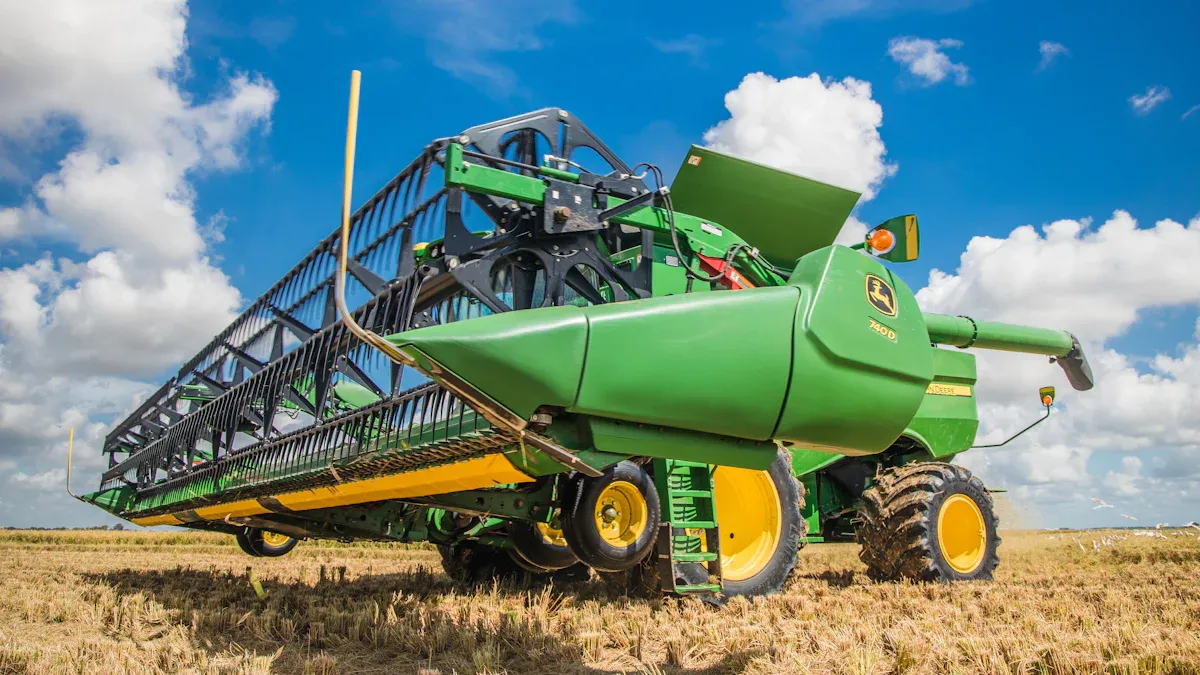
Tratores Elétricos e Ecológicos
Tratores elétricos agora são usados em fazendas orgânicas Eles podem trabalhar de 8 a 12 horas após uma carga Isso é suficiente para um dia inteiro de trabalho Os tratores elétricos têm torque forte, às vezes até mais do que os diesel Você usa motores de bateria e controles digitais para colocar composto ou fertilizante no local certo Os compostores elétricos transformam resíduos agrícolas em fertilizante orgânico Isso ajuda a reduzir a poluição e economiza dinheiro.
| Tipo de desenvolvimento | Descrição |
|---|---|
| Tratores Elétricos | Trabalho 81 horas por carga, bom para empregos agrícolas diários. |
| Comparação Torque | Dê o mesmo ou melhor torque do que os tratores a diesel. |
| Aplicação Precisão | Use motores de bateria e controles digitais para trabalhos exatos. |
| Compostadores Elétricos | Mude os resíduos agrícolas em fertilizantes orgânicos, reduza a poluição. |
| Sustentabilidade Benefícios | Corte a poluição em até 901TP11 T, trabalhe melhor e custe menos. |
Escolher tratores elétricos ajuda o meio ambiente Esses tratores não faça exaustão, então o ar fica limpo Isso é bom para as culturas e pessoas Os tratores a diesel fazem ar sujo, mas os elétricos ajudam o solo e trazem de volta mais plantas e animais.
Automação e Tecnologia Inteligente
Tratores inteligentes usam GPS e sensores para dirigir sozinhos Você pode usar esses tratores para cobrir campos grandes rapidamente e usar menos combustível A IA ajuda a plantar, semear e colher com menos resíduos Drones com sensores verificam as colheitas e encontram problemas rapidamente.
| Característica | Descrição | Impacto |
|---|---|---|
| Tratores Autônomos | Tratores autônomos guiados por GPS | Deixe você fazer lavoura de plantio direto, cobrir 100 acres por hora e economizar combustível |
| Integração AI | Automatiza o plantio e a colheita | Utiliza melhor os recursos, faz menos desperdício |
| Drones com Sensores | Verificação de culturas alimentada por IA | Digitalize 500 acres em 30 minutos e encontre problemas com precisão de 95% |
Você pode assistir seus campos a partir do seu telefone ou computador Isso ajuda a decidir quando plantar ou adicionar fertilizante.
Integrando Tratores com Práticas Orgânicas
Tratores inteligentes ajudam você a seguir as regras orgânicas A agricultura de tráfego controlado mantém o solo saudável, fazendo com que os tratores dirijam em caminhos definidos As formas de plantio direto e plantio reduzido protegem o solo e armazenam mais carbono Os tratores inteligentes usam menos combustível e colocam fertilizante apenas onde é necessário.
| Praticar | Benefício |
|---|---|
| Agricultura de Tráfego Controlado (CTF) | Reduz a compactação do solo, melhora o solo |
| Métodos de plantio direto e de plantio direto reduzido | Protege o solo, mantém mais carbono no solo |
| Menor uso e emissões de combustível | Faz menos poluição, cumpre regras |
| Aplicação Eficiente de Entradas | Desperdiça menos, interrompe o escoamento |
Especialistas acham que a IA e os robôs tornarão a agricultura orgânica melhor e mais verde Você verá mais tratores elétricos que podem dirigir sozinhos em breve Essas mudanças ajudam você a fazer menos poluição e manter sua fazenda funcionando bem Os agricultores compartilham histórias sobre essas novas ferramentas nas mídias sociais e nos fóruns da fazenda.
Você usa tratores porque eles ajudam sua fazenda orgânica a trabalhar melhor Os tratores permitem que você faça trabalhos rapidamente e economize recursos Eles também ajudam a manter seu solo saudável.
- Tratores modernos ajudam você a cultivar mais alimentos com menos trabalho duro.
- Você pode ajudar a terra usando menos combustível e fazendo escolhas inteligentes para o seu solo.
- Novas coisas, como energia elétrica e sensores inteligentes, facilitam o funcionamento da sua fazenda e reduzem a poluição.
Quando você escolhe boas ferramentas e cuida delas, você ajuda suas plantações e o planeta.
Perguntas frequentes
Como os tratores ajudam você a seguir as regras da agricultura orgânica?
Tratores permitem que você use ferramentas que espalham composto, culturas de cobertura vegetal, e controlar ervas daninhas sem produtos químicos Você pode escolher equipamentos que se encaixa em padrões orgânicos e ajuda você a cuidar de seu solo.
Qual o tamanho do trator que funciona melhor para uma pequena fazenda orgânica?
Você precisa de um trator compacto ou de tamanho médio para pequenas fazendas Esses tratores se encaixam em espaços apertados e não compactam tanto o solo Você economiza combustível e trabalha com mais eficiência.
Você pode usar tratores elétricos para agricultura orgânica?
Sim, você pode usar tratores elétricos Eles funcionam silenciosamente e não produzem escape Você ajuda o meio ambiente e reduz seus custos de combustível Os tratores elétricos funcionam bem para tarefas diárias em fazendas orgânicas.
Como você reduz a compactação do solo ao usar tratores?
Você pode usar pneus largos, pressão mais baixa dos pneus ou padrões de tráfego controlados Esses métodos espalham o peso do trator e protegem seu solo Adicionar matéria orgânica também ajuda a manter o solo solto.
Quais acessórios de trator ajudam no controle de ervas daninhas em campos orgânicos?
Você pode usar ervas daninhas mecânicas, cultivadores e roller-crimpers Essas ferramentas removem ervas daninhas sem produtos químicos Você mantém suas culturas saudáveis e segue os princípios da agricultura orgânica.