Добро пожаловать в Shandong Qilu Industrial Co., Ltd

 Russian
 English
 Arabic
 Bulgarian
 Bengali
 Czech
Czech
 Danish
 German
 Greek
Greek
 Spanish
 Finnish
 French
 Hindi
Hindi
 Croatian
 Hungarian
 Indonesian
 Italian
 Japanese
 Korean
 Lithuanian
 Dutch
Dutch
 Norwegian
 Polish
 Portuguese
 Romanian
 Slovak
 Slovenian
 Swedish
 Thai
Thai
 Turkish
 Ukrainian
 Vietnamese
 Tagalog
 Malay
Malay
 Estonian
 Catalan
 Latvian
 Urdu
Urdu
 Serbian
 Persian
 Swahili
 Albanian
 Armenian
 Icelandic
 Bosnian
 Luxembourgish
 Afrikaans
Russian English
Arabic
Bulgarian
Bengali
Czech
Danish
German
Greek
Spanish
Finnish
French
Hindi
Croatian
Hungarian
Indonesian
Italian
Japanese
Korean
Lithuanian
Dutch
Norwegian
Polish
Portuguese
Romanian
Slovak
Slovenian
Swedish
Thai
Turkish
Ukrainian
Vietnamese
Tagalog
Malay
Estonian
Catalan
Latvian
Urdu
Serbian
Persian
Swahili
Albanian
Armenian
Icelandic
Bosnian
Luxembourgish
Afrikaans
Afrikaans
Russian English
Arabic
Bulgarian
Bengali
Czech
Danish
German
Greek
Spanish
Finnish
French
Hindi
Croatian
Hungarian
Indonesian
Italian
Japanese
Korean
Lithuanian
Dutch
Norwegian
Polish
Portuguese
Romanian
Slovak
Slovenian
Swedish
Thai
Turkish
Ukrainian
Vietnamese
Tagalog
Malay
Estonian
Catalan
Latvian
Urdu
Serbian
Persian
Swahili
Albanian
Armenian
Icelandic
Bosnian
Luxembourgish
Afrikaans
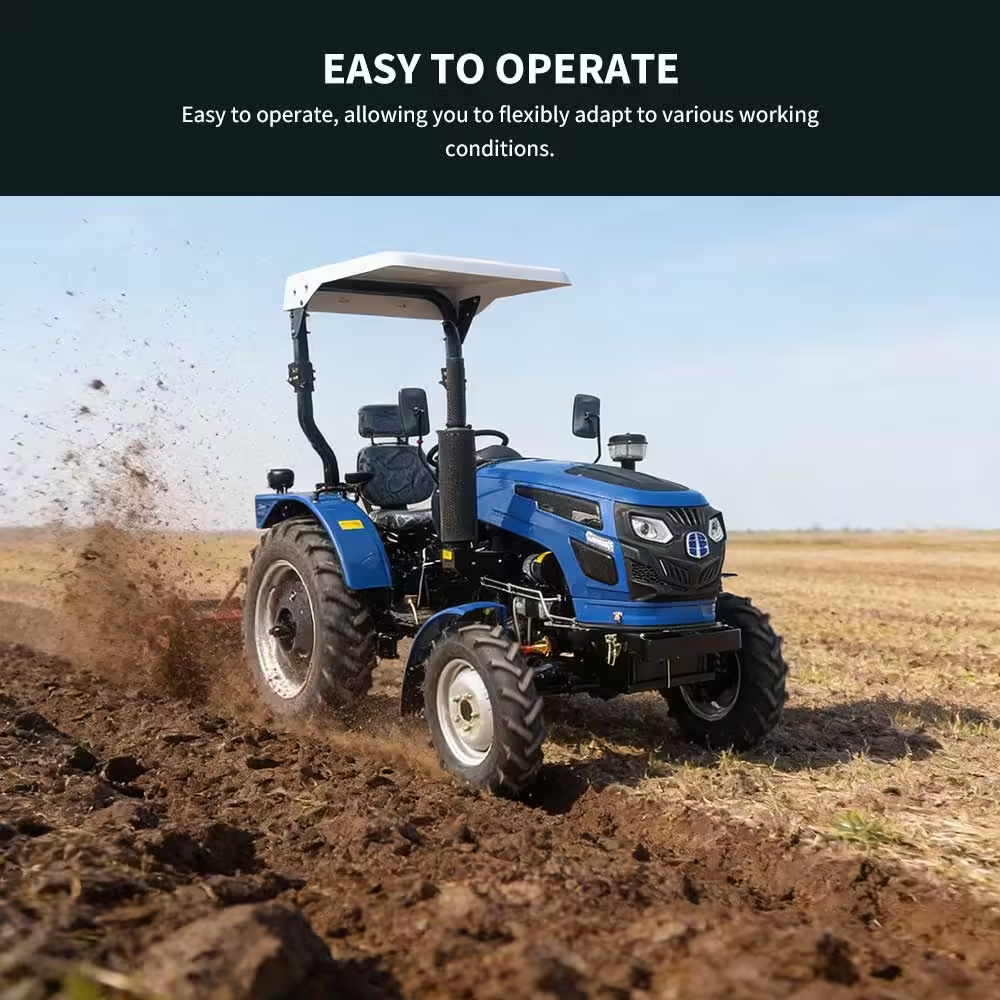
Эффективная расчистка и подготовка земли с помощью мощного трактора
Представьте, что вы приближаетесь к плотному, заросшему полю, которое расчистится вручную за несколько недель. вы выбираете мощный трактор с насадкой мульчера. вы расчищаете несколько акров всего за один или два дня, превращая запутанную кустарник и небольшие деревья в управляемую мульчу. этот метод обеспечивает эффективную расчистку земель, экономя значительное время и рабочую силу. сопоставление размера и орудий вашего трактора с типом земли увеличивает скорость и улучшает результаты. Вы получаете более быстрый, безопасный и продуктивный рабочий процесс.
Ключевые выводы
- Выберите правильный размер трактора и навесное оборудование по размеру и рельефу вашей земли для оптимальной эффективности.
- Компактные тракторы идеально подходят для небольших объектов, а коммунальные тракторы справляются с большими площадями и тяжелыми задачами.
- Проведите тщательную оценку территории, чтобы выявить опасности и спланировать рабочий процесс, прежде чем начинать какой-либо проект по расчистке земель.
- Используйте перекрывающиеся проходы с помощью камыша, чтобы обеспечить равномерное удаление растительности и избежать пропущенных мест.
- Внедрить меры по борьбе с эрозией, такие как мульчирование и иловое ограждение, для защиты почвы и местных экосистем после расчистки.
- Практикуйте выборочную вырубку, чтобы сохранить ценные деревья и сохранить биоразнообразие в своих усилиях по управлению земельными ресурсами.
- Регулярно обслуживайте свое оборудование для обеспечения безопасности и эффективности, предотвращения механических сбоев в процессе эксплуатации.
- Планируйте маршруты доступа для коммунальных предприятий и транспортных средств на ранних этапах проекта, чтобы оптимизировать рабочий процесс и избежать дорогостоящих корректировок.
Выбор тракторов и насадок
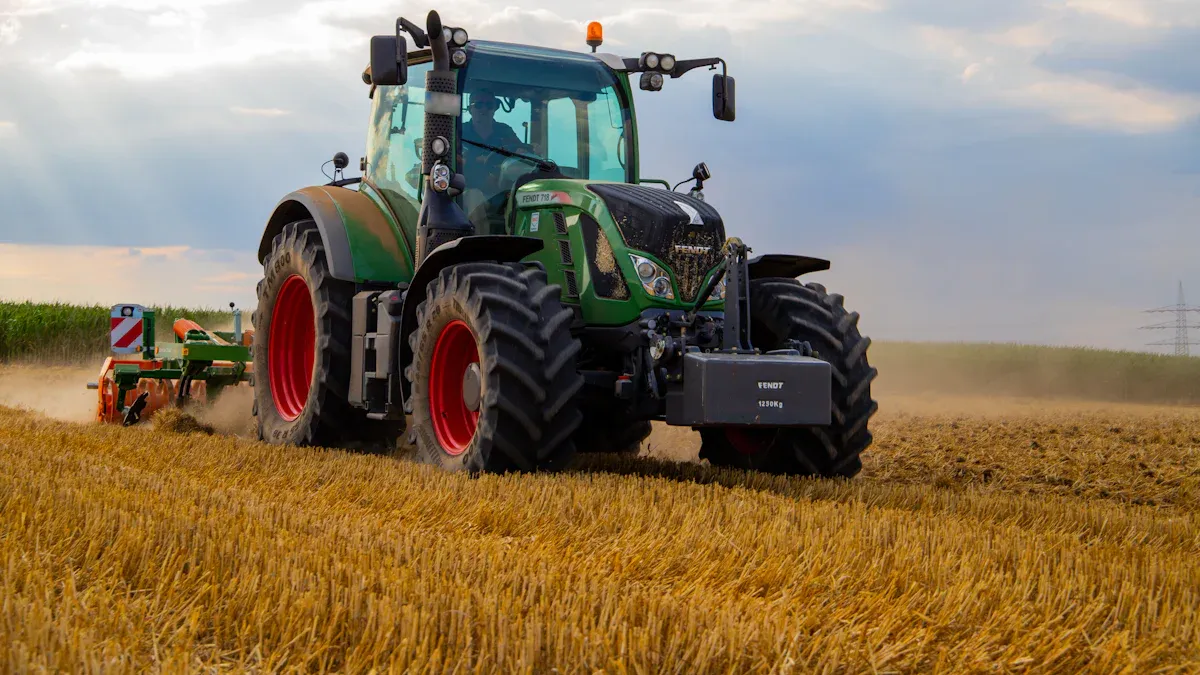
Выбор правый трактор и навесное оборудование является фундаментом эффективной расчистки земель. вы должны учитывать размер вашей собственности, местность, и конкретные задачи, которые вы планируете решать. правильное сочетание лошадиных сил, маневренности, и орудий будет максимизировать производительность и минимизировать время простоя.
Мощность и характеристики трактора
Компактные и высокопроизводительные модели
Вам нужно подобрать размер трактора и лошадиные силы к вашей земле и рабочей нагрузке Компактные тракторы, с лошадиной силой от 20 до 60, подходят для небольших и средних свойств и более легких задач. полезные тракторы, с лошадиной силой от 50 до 150, обрабатывают более крупные свойства и тяжелую работу. субкомпактные тракторы, обычно 1525 лошадиных сил, идеально подходят для свойств под пятью акрами и легкого обслуживания.
Совет: Всегда оценивайте размер вашей земли и плотность растительности, прежде чем выбирать трактор. использование трактора с недостаточной мощностью может привести к повреждению оборудования и рискам безопасности. переоценка лошадиных сил может увеличить затраты на топливо и техническое обслуживание.
Маневренность и тяга
Маневренность трактора имеет решающее значение для навигации по труднопроходимым пространствам, склонам и неровной местности. Компактные модели обеспечивают лучшую маневренность для небольших участков и сложного ландшафтного дизайна. Коммунальные тракторы обеспечивают превосходное сцепление и устойчивость на неровной или холмистой местности. Современные тракторы часто оснащены передовыми системами безопасности, такими как защита оператора и дистанционное управление, которые повышают эффективность работы и уменьшают прямое воздействие опасностей.
- Усовершенствованные функции безопасности позволяют управлять оборудованием из защищенного места.
- Системы с дистанционным управлением повышают точность и скорость рабочего процесса.
- Эти достижения могут снизить трудоемкость и расход топлива.
Основные имплементы
Выбор правые вложения является ключом к эффективной расчистке земель. каждое орудие служит определенной цели, и правильное их использование сэкономит вам время и силы.
Щетка для свиньи и вращающийся резак
Кустовые свиньи и ротационные фрезы превосходно справляются с очисткой травы, легкой щеткой и саженцами. Они легко прикрепляются к компактным тракторам и быстро покрывают открытые участки. Для густой растительности вам может потребоваться более надежное решение.
| Особенность | Щетка Резак | Мульчер |
|---|---|---|
| Режущая способность | Лучше всего подходит для травы, легкой щетки и саженцев | Обрабатывает густой подлесок и деревья |
| Качество отделки | От минимально до умеренного финиша, оставляет мусор | Чистая отделка мульчей для борьбы с эрозией |
| Скорость и эффективность | Быстро расчищает меньшие площади | Медленнее, но эффективно для плотного роста |
| Совместимость оборудования | Совместим с компактными тракторами | Требуется более тяжелое оборудование |
| Стоимость | Более низкая начальная стоимость | Более высокая стоимость для сверхпрочного и длительного использования |
Грейфер и погрузчик
Насадки и погрузчики помогают эффективно перемещать бревна, пни, камни и мусор. Различные типы грейферов предлагают специализированные функции:
- Корневые Грэпплы: Просеивайте грязь во время очистки, оставляя землю чище.
- Грабли Грейфер: Собирайте и поднимайте мусор, идеально подходящий для окончательной очистки.
- Твердые нижние ковши для захвата: Захват тонких материалов для полной очистки объекта.
- Пень Грэпплс: Удаляйте большие пни и встроенные корни с меньшими усилиями.
- Бревна Челюсти Грэпплс: Безопасно охранять и транспортировать большую древесину.
Лесозаготовительная Мульчер
Лесозаготовительные мульчеры разбивают густую растительность и небольшие деревья на мульчу, уменьшая потребность в вывозе мусора Мульчирование улучшает качество почвы и сохраняет органический материал, что приносит пользу будущему землепользованию. этот метод сводит к минимуму нарушение почвы и способствует здоровью экосистемы.
Примечание. Методы мульчирования снижают необходимость сжигания или перевозки мусора, сохраняя плодородие земель и поддерживая устойчивые методы расчистки.
Соответствие оборудования размеру земли
Вы должны сопоставить свой трактор и навесное оборудование с площадью и местностью вашего объекта.Рассмотрите эти рекомендации:
- Лучше всего работают субкомпактные тракторы (15 北5 HP) для 1 — 15 акров и легких задач.
- Компактный костюм (25 — 50 л.с.), 5 ₽ 15 акров и общий ландшафтный дизайн.
- Коммунальные тракторы (50 — 150 л.с.) рассчитаны на более чем 15 акров и сверхмощную расчистку.
Когда вы оцениваете свою землю, учитывайте как размер, так и тип местности. Плоская земля позволяет легче маневрировать, в то время как холмистая или пересеченная местность требует большей мощности и тяги. Соответствие лошадиных сил вашей рабочей нагрузке максимизирует топливную экономичность, эксплуатационную безопасность и долговечность оборудования.
Быстрая ссылка:
- Размер земли: определите площадь, чтобы выбрать правильный трактор.
- Тип местности: оцените плоские, холмистые или суровые условия для необходимой мощности и тяги.
Эффективная расчистка земель зависит от вашей способности выбрать правильный трактор и навесное оборудование для вашего уникального имущества. оценивая ваши потребности и понимая возможности каждого орудия, вы настраиваетесь на продуктивный и безопасный проект расчистки земель.
Эффективные шаги по расчистке земель
Оценка сайта
Геодезия и планирование
Вы начинаете каждый проект расчистки земель с тщательной оценки участка Этот процесс помогает вам понять местность, выявить препятствия и спланировать рабочий процесс для максимальной эффективности.Следуйте за этими шагами для всестороннего обследования:
- Прогуляйтесь по всему объекту, чтобы понаблюдать за местностью. ищите склоны, влажные участки и большие камни.
- Для крупных проектов рассмотрите возможность найма профессионального геодезиста. геодезисты используют точные инструменты для измерения высоты и границ.
- На небольших участках используйте уровень "сделай сам", чтобы проверить плоскостность и неровности.
- Осмотрите территорию на предмет наличия подземных коммуникаций, таких как водопроводы или электрические кабели. Отметьте эти места, чтобы предотвратить случайное повреждение.
Совет: Документируйте свои выводы с помощью фотографий или заметок. эта запись помогает вам отслеживать прогресс и общаться с вашей командой.
Хорошо проведенная оценка участка закладывает основу для эффективной расчистки земель. Вы избегаете сюрпризов и снижаете риск повреждения оборудования.
Выявление опасностей
Вы должны выявить и устранить опасности перед эксплуатацией тяжелого оборудования. к числу распространенных опасностей относятся
- Люди или домашние животные в рабочей зоне
- Опасности спотыкания, такие как камни, пни и неровности земли
- Дикая природа, особенно в лесных или сельских районах
- Воздушные линии электропередачи и нестабильная земля
- Склоны, которые могут потребовать стабилизации для предотвращения эрозии
Вы очищаете территорию от прохожих перед вырубкой деревьев. Вы остаетесь начеку о дикой природе и используете правильные методы применения гербицидов или пестицидов. Вы стабилизируете склоны с помощью иловых заборов или подпорных стен, чтобы предотвратить эрозию почвы.
Предупреждение о безопасности: Всегда планируйте направление падения деревьев. перед вырубкой убедитесь, что территория свободна от людей и оборудования.
Почистка растительности
Перекрывающиеся перевалы с помощью Brush Hog
Вы используете щетку свиньи или роторный резак, чтобы очистить траву, сорняки, и легкий щетка Для наилучших результатов перекрыть каждый проход на 6 до 12 дюймов. этот метод гарантирует, что вы срезаете всю растительность равномерно и избегаете пропущенных полос.
Пример случая:
Вы начинаете с одного края поля Вы задаете высоту резки и двигаетесь по прямым линиям, перекрывая каждый проход Вы заканчиваете область равномерным разрезом, готовым к следующему этапу.
| Шаг | Действие | Результат |
|---|---|---|
| 1. Начните с края | Установите высоту резки, начните первый проход | Чистая начальная полоса |
| 2. Перекрывающиеся проходы | Каждый раз перемещайтесь на 6 (12 дюймов) | Никакой пропущенной растительности |
| 3. Регулировка скорости | Замедлить в плотных местах | Последовательный порез, меньше деформации |
| 4. Осматривать прогресс | Проверьте пропущенные места | Полное покрытие |
Для получения дополнительной информации о технике использования свиньи посетите сайт это руководство по расширению университета.
Использование Лесозаготовительных Мульчеров
Лесозаготовительные мульчеры обрабатывают густой подлесок и небольшие деревья Вы медленно проезжаете через густую растительность, позволяя мульчеру расщеплять материал на мелкую мульчу Этот процесс улучшает качество почвы и уменьшает необходимость сжигания или вытаскивания мусора.
Пример случая:
Вы сталкиваетесь с участком саженцев и ежевики. вы зацепите мульчер и действуете в устойчивом темпе. машина измельчает материал, оставляя слой мульчи, который помогает контролировать эрозию.
Примечание: Мульчирование поддерживает устойчивое управление земельными ресурсами и готовит почву к будущему использованию.
Удаление деревьев и мусора
Техники захвата и погрузчика
Вы используете грейфер или фронтальный погрузчик, чтобы удалить бревна, ветки, и большой мусор, Начните с очистки более мелких предметов, как камни и щетка. Затем, с помощью бензопилы, чтобы повалить нежелательные деревья Прикрепите грейфер к вашему трактору и вытащите древесину.
- Сначала удалите мелкий мусор, чтобы создать безопасное рабочее пространство.
- Используйте погрузчик для транспортировки бревен и ветвей к назначенной свае.
- Для больших деревьев перетолкайте их трактором или потяните вниз якорными цепями.
Пример случая:
Вы очищаете лесистую местность, сначала удаляя упавшие конечности и камни. Вы спиливаете мертвое дерево, затем используете захват, чтобы поднять и переместить ствол. Вы складываете мусор для последующей утилизации или мульчирования.
Удаление камней и пней
Вы сталкиваетесь с камнями и пнями во время большинства проектов по расчистке земель. используйте подходящее оборудование для каждой задачи:
- Используйте экскаватор или сверхпрочную цепь для извлечения пней.
- Используйте пень-шлифовальную машину, чтобы срезать пни на уровне земли.
- Удалите большие камни с помощью погрузчика или грейфера.
- Всегда носите защитное снаряжение и избегайте небезопасных задач.
Таблица: Методы удаления пней
| Размер пня | Рекомендуемый инструмент | Предупреждение безопасности |
|---|---|---|
| Маленький (<12 дюймов) | Цепь сверхмощная | Проверьте точки крепления цепи |
| Средний (1224) | Экскаватор или погрузчик | Держите прохожих ясными |
| Большой (>24 дюйма) | Пень измельчитель | Носите СИЗ, следуйте инструкциям |
Дополнительные сведения о безопасном удалении пней см этот государственный ресурс.
Эффективная расчистка земель требует от вас методичного выполнения этих шагов. вы максимизируете производительность, минимизируете время простоя и готовите свою землю к будущему использованию.
Подготовка и сортировка земель
Выравнивание Terrain
Сглаживание с помощью Leveler
Вы достигаете гладкой, ровной поверхности, следуя систематический подход с вашим трактором и выравниватель земли Начните с осмотра сайта на неровные области и проверки вашего оборудования на правильное функционирование Прикрепите выравниватель земли и отрегулируйте лопасти, чтобы соответствовать желаемой степени. медленно эксплуатировать трактор, отслеживая прогресс, чтобы обеспечить полное покрытие. после окончания осмотрите поле, очистите свое оборудование, и документируйте любые необходимые корректировки.
Шаги для выравнивания местности:
- Осмотрите площадку на наличие неровностей и проверьте готовность оборудования.
- Прикрепите выравниватель земли и установите высоту лопасти.
- Управляйте трактором в устойчивом темпе, охватывая всю площадь.
- Просмотрите готовую поверхность, чистые инструменты и отметьте регулировку.
Совет: Постоянная скорость и перекрывающиеся проходы помогают избежать гребней и провалов, что приводит к профессиональному финишу.
Пример случая:
Вы готовите участок площадью два акра для будущей строительной площадки, Вы начинаете с того, что идете по территории и отмечаете низкие места После прикрепления выравнивателя, вы делаете медленные, перекрывающиеся проходы, Вы осматриваете поверхность и замечаете несколько оставшихся провалов, которые вы адресуете с дополнительными проходами, Результат - ровная, уплотненная база, готовая к следующей фазе.
Кондиционирование почвы
Правильное кондиционирование почвы гарантирует, что ваша земля готова к посадке или строительству. Тракторные орудия, такие как ротационные кустовочные машины, дисковые бороны и культипакеры, служат уникальной цели.
| Тип реализации | Функциональность | Преимущества кондиционирования почвы |
|---|---|---|
| Роторный Румпель | Использует вращающиеся лопасти для разрушения и аэрации почвы. | Создает тонкое рыхлое семенное ложе, улучшает структуру почвы, интегрирует органические вещества, улучшает дренаж. |
| Дисковая Борона | Занимает более широкую площадь и выкапывает сразу несколько рядов. | Готовит более глубокую почву, повышает качество и продуктивность земли. |
| Культипакер | Уровни и укрепляет грядку, разбивает комья грязи. | Сохраняет влагу, предотвращает эрозию, улучшает доступность питательных веществ. |
Вы используете роторные культиваторы для создания тонкого семенного ложа и улучшения структуры почвы Дисковые бороны готовят более глубокую почву и покрывают более эффективно землю Культиваторы укрепляют и выравнивают семенное ложе, что помогает удерживать влагу и предотвращать эрозию.
Для получения более подробной информации о кондиционировании почвы посетите сайт этот ресурс по расширению университета.
Подготовка к посадке или строительству
Маркировка границ
Точная маркировка границ имеет важное значение как для посадки, так и для строительства. Вы привлекаете лицензированного землемера для определения юридических границ, что помогает вам избежать споров и обеспечивает правильную планировку. Перед началом земляных работ установите и проверьте все пограничные знаки. Проведите топографическое обследование, чтобы понять особенности участка и дренаж, что помогает в оценке и планировании доступа.
- Нанять геодезиста для определения границ.
- Установите и проверьте маркеры перед земляными работами.
- Используйте топографические съемки для планирования участка.
Примечание: Надлежащая маркировка границ предотвращает дорогостоящие ошибки и юридические проблемы.
Маршруты доступа
Вы планируете подъездные пути для коммунальных услуг и дорог на ранних этапах проекта. Этот шаг позволяет избежать дорогостоящих корректировок позже и обеспечивает бесперебойный рабочий процесс. определите точки доступа для транспортных средств, оборудования и инженерных коммуникаций. скорректируйте свой план классификации, чтобы учесть эти маршруты и поддерживать надлежащий дренаж.
- Планируйте доступ для транспортных средств и оборудования.
- Проектируйте инженерные маршруты перед планировкой.
- Обеспечьте защиту дренажных систем путей доступа.
Пример случая:
Вы готовите участок под теплицу Вы отмечаете границы с кольями обследования и планируете гравийную дорогу для доступа техники Вы устанавливаете дренажные канавы вдоль маршрута, чтобы предотвратить накопление воды, В результате хорошо организован участок, готовый к посадке и будущему расширению.
Тщательное планирование границ и подъездных путей оптимизирует ваш проект и поддерживает долгосрочное землепользование.
Советы по безопасности и эффективности
Техники экономии времени
Стратегические модели клиринга
Вы можете максимизировать производительность, планируя свои схемы расчистки перед началом работы.Начните с одного края собственности и систематически перемещайтесь по сайту. такой подход предотвращает пропущенные области и уменьшает ненужное перекрытие. для больших полей разделите землю на управляемые участки и очистите каждый в логической последовательности. вы избегаете повторяться шаги и экономите топливо.
Совет: Отметьте свою отправную точку и используйте видимые флаги или ставки для направления ваших пропусков. Этот метод поддерживает организацию вашего рабочего процесса и сводит к минимуму напрасную трату времени.
Многозадачность с реализациями
Вы повышаете эффективность за счет использования орудий, выполняющих несколько функций, Например, грейферная насадка может за один проход расчищать мусор и транспортировать бревна Сочетание мульчирующей головки с погрузчиком позволяет мульчировать щетку и перемещать материал без переключения оборудования Вы сокращаете время простоя и быстрее выполняете задачи.
| Аспект | Описание |
|---|---|
| Рабочая ширина | Более широкая мульчирующая головка покрывает больше земли за проход, повышая ежедневную производительность. |
| Режущая способность | Высококачественные мульчирующие головки обрабатывают густую растительность и деревья диаметром до 20 дюймов. |
| Конфигурация ротора и инструмента | Индивидуальные типы роторов и формы инструментов повышают эффективность резки и распределение материала. |
| Тепловое управление | Эффективное рассеивание тепла поддерживает производительность при непрерывном использовании. |
| Контроль глубины | Тонкий контроль за глубиной обработки обеспечивает стабильные результаты мульчирования при подготовке земель. |
| Соответствие оборудования | Правильное соответствие мульчирующей головки мощности трактора и гидравлической мощности имеет решающее значение для эффективности. |
Следует выбирать приспособления, соответствующие возможностям трактора Эта стратегия гарантирует вам эффективную работу и позволяет избежать нагрузки на оборудование.
Меры предосторожности
Обучение операторов
Вы должны пройти надлежащее обучение перед эксплуатацией любого трактора или навесного оборудования. прочтите инструкцию по эксплуатации и поймите все элементы управления. Посетите семинары по безопасности или онлайн-курсы, если таковые имеются. Вы узнаете, как реагировать на чрезвычайные ситуации и безопасно управлять механизмами.
- Надежно пристегните ремень безопасности, если трактор имеет конструкцию защиты от опрокидывания (ROPS).
- Избегайте работы возле рвов, насыпей и ям.
- Снижать скорость при повороте, пересечении склонов, передвижении по пересеченной местности.
- Следите за своим окружением, особенно в конце ряда, на дорогах и возле деревьев.
Напоминание по безопасности: Всегда носите прочную обувь с закрытым носком, длинные брюки, рубашку с длинными рукавами, защитные очки и средства защиты органов слуха.
Техническое обслуживание оборудования
Регулярное обслуживание оборудования сохраняет вашу работу безопасным и эффективным. осмотрите ваш трактор и орудия перед каждым использованием. Надуть шины и установить протекторы колеса широко для стабильности. использовать опрокидывание и падение защитные конструкции, чтобы предотвратить травмы от опрокидывания или падения обломков. Заправлять только когда двигатель выключен.
- Регулярное техническое обслуживание предотвращает механические неисправности и аварии.
- Благоустроенное оборудование предсказуемо и им легче управлять.
- Надежное оборудование снижает стресс оператора и человеческие ошибки.
- Техническое обслуживание защищает окружающую среду, предотвращая утечки и сокращая выбросы.
- Регулярные проверки сводят к минимуму время простоя и поддерживают график реализации проекта.
Для получения дополнительных рекомендаций по безопасности посетите сайт Страница OSHA по безопасности сельского хозяйства.
Вы защищаете себя и свою команду, следуя этим советам по безопасности и эффективности. последовательное обучение, стратегическое планирование и регулярное техническое обслуживание гарантируют, что ваш проект расчистки земель будет работать бесперебойно и безопасно.
Преодоление проблем
Решения для жесткой местности
Склоны и влажная земля
Вы часто сталкиваетесь с крутыми склонами и сырой землей во время расчистки земли. эти условия требуют тщательного планирования и специализированных методов. тракторы с компактной рамой и низким центром тяжести обеспечивают превосходную устойчивость на склонах. вы можете добавить цепи шин, чтобы улучшить сцепление и уменьшить вращение колес при работе на влажных или неровных поверхностях. Всегда приближайтесь к крутой местности постепенно, начиная с менее сложных участков и продвигаясь вверх.
Совет: Избегайте использования ландшафтных граблей на каменистых склонах или слишком влажной земле. Грабли могут изгибаться или ломаться, а влажная почва может засорять оборудование, увеличивая износ.
Пример случая:
Нужно после сильного дождя расчистить склон холма с уклоном в 25 градусов Вы выбираете трактор с низким центром тяжести и устанавливаете цепи шин для дополнительного захвата Вы начинаете на базе, работая небольшими участками и контролируя состояние почвы. избегаете использования граблей до тех пор, пока земля не высохнет, предотвращая повреждение оборудования и обеспечивая более безопасный рабочий процесс.
Скалистые районы
Скалистый рельеф представляет уникальные препятствия, Вы должны удалить большие камни перед началом основных задач по расчистке, Используйте погрузчик или захват, чтобы поднять и транспортировать камни из рабочей зоны. избегайте проталкивания оборудования через плотные кластеры горных пород, которые могут вызвать механические сбои. Для областей с разбросанными камнями отрегулируйте угол лопастей, чтобы минимизировать удар и сделать несколько проходов для тщательной расчистки.
| Террейн Челлендж | Рекомендуемое решение | Ключевая предосторожность |
|---|---|---|
| Крутые склоны | Низкий центр тяжести, цепи шин | Работайте поэтапно, следите за почвой |
| Мокрая Земля | Ждите более сухих условий | Избегайте граблей, предотвращайте засорение |
| Скалистые районы | Погрузчик, захват, регулировка лезвия | Сначала удалите большие камни |
Для получения дополнительной информации о безопасном склоне и управлении каменистой местностью посетите сайт Расширение штата Пенсильвания: безопасность скашивания.
Предотвращение повреждения оборудования
Избегая перегрузки
Вы защищаете свой трактор и орудия, выбирая машины с мощными двигателями и прочными ходовыми частями Всегда подбирайте спецификации оборудования под требования вашей местности. работайте поэтапно, начиная с менее крутых или плотных участков. удаляйте большие камни и выравнивайте неровности земли перед тяжелой расчисткой. используйте меньшее оборудование, чтобы сначала расчистить подлесок, уменьшая нагрузку на более крупные машины.
- Оптимизируйте угол наклона лезвия, чтобы минимизировать износ.
- Сделайте несколько проходов для полного удаления растительности.
- Следите за прогнозами погоды, чтобы избежать работы в опасных условиях.
Пример случая:
Вы очищаете каменистое поле толстой щеткой, Вы начинаете с удаления больших камней с помощью погрузчика, Вы используете меньший резец для подщетки, затем переходите на сверхмощный мульчер для плотных областей Вы регулируете угол лопасти и работаете медленно, предотвращая перегрузку и продлевая срок службы оборудования.
Быстрые исправления
Вы сталкиваетесь с неожиданными проблемами оборудования во время сложных проектов. регулярное техническое обслуживание и быстрое устранение неполадок поддерживают вашу работу на правильном пути. перед каждым использованием осмотрите свой трактор и навесное оборудование. если вы заметили чрезмерную вибрацию или снижение производительности резки, проверьте наличие скопления мусора или погнутых лезвий. оперативно замените поврежденные детали и смажьте движущиеся компоненты, чтобы предотвратить дальнейший износ.
| Выпуск | Быстрое исправление | Превентивная мера |
|---|---|---|
| Засоренное оборудование | Чистый мусор, позволяйте высыхать | Избегайте влажной земли, регулярные проверки |
| Согнутые лезвия | Заменить или отремонтировать лезвия | Отрегулируйте угол наклона лезвия, избегайте камней |
| Уменьшенная тяга | Установить цепи шин | Следите за почвой, используйте правильные шины |
Регулярное обслуживание и тщательная эксплуатация помогут вам минимизировать время простоя и избежать дорогостоящего ремонта. дополнительные советы по техническому обслуживанию см ОША Сельскохозяйственная безопасность.
Вы преодолеваете сложные проблемы местности и оборудования, применяя эти стратегии. тщательное планирование, правильный выбор оборудования и текущее обслуживание обеспечивают безопасную и эффективную расчистку земель в любой среде.
Экологические соображения
Защита почвы и экосистем
Ответственное удаление мусора
Вы играете жизненно важную роль в защита почвы и местных экосистем во время расчистки земель. ответственная утилизация мусора начинается с сортировки материалов на месте. компостируйте органические вещества, такие как листья, ветки и сколы травы, чтобы создать богатые питательными веществами поправки для будущих посадок. щепа древесных остатков для производства мульчи или топлива из биомассы, которая помогает удерживать влагу и уменьшать эрозию. перерабатывайте бетон и другие неорганические материалы, когда это возможно. сводя к минимуму отходы и повторно используя ресурсы, вы поддерживаете более здоровую окружающую среду.
Совет: Компостирование и мульчирование не только сокращают количество отходов на свалках, но также улучшают структуру почвы и плодородие для будущего землепользования.
Контроль эрозии
Вы должны действовать быстро, чтобы предотвратить эрозию почвы после расчистки земли. Поддерживать как можно больше растительного покрова, чтобы стабилизировать почву. Используйте кедровую мульчу, чтобы сохранить верхний слой почвы и питательные вещества. Внедрить меры по борьбе с эрозией, такие как иловое ограждение, террасирование и мульчирование. Эти методы замедляют сток воды и предотвращают попадание наносов в близлежащие ручьи или водно-болотные угодья.
| Метод борьбы с эрозией | Цель | Лучший вариант использования |
|---|---|---|
| Иловое ограждение | Ловушка наносов, медленный сток | Периметр расчищенных территорий |
| Мульчирование | Сохранять влагу, защищать почву | Склоны и обнаженная почва |
| Террасный | Уменьшить эрозию склонов | Крутая местность |
Вы можете дополнительно защитить экосистему, сохранив существующую растительность и облегчив перемещение диких животных в процессе расчистки. усилия по восстановлению, такие как посадка местных видов, помогают восстановить среду обитания и сохранить биоразнообразие.
Для получения дополнительной информации о борьбе с эрозией посетите сайт Рекомендации Агентства по охране окружающей среды по борьбе с эрозией.

Устойчивая клиринговая практика
Сохранение ценных деревьев
Вы повышаете устойчивость, практикуя выборочную вырубку Начните с подробного плана, который определяет критически важные места обитания, источники воды и ценные деревья. Сохраняйте взрослые деревья и буферные зоны вокруг чувствительных зон, чтобы сохранить тень, предотвратить эрозию и поддержать дикую природу. Настройте время своей деятельности по расчистке, чтобы избежать пиковых сезонов дикой природы, что уменьшает нарушение гнездования и миграции.
- Проводить оценки биоразнообразия в целях защиты исчезающих видов.
- Используйте ручные методы в чувствительных зонах, чтобы свести к минимуму нарушение почвы.
- Переработка и повторное использование очищенных материалов для проектов реставрации.
Пример случая:
Вы расчищаете участок площадью пять акров для сельскохозяйственного использования. перед началом осматриваете землю и отмечаете зрелые дубы и клены для сохранения. вы устанавливаете иловое ограждение по периметру и мульчируете расчищенный кустарник для стабилизации открытой почвы. после расчистки вы сажаете местные травы и кустарники, чтобы восстановить среду обитания и предотвратить эрозию. дикая природа возвращается в этот район, а почва остается плодородной для будущих культур.
Устойчивые методы расчистки уравновешивают удобство использования земли со здоровьем экосистем. Вы защищаете ценные деревья, минимизируете воздействие на окружающую среду и создаете основу для долгосрочной продуктивности.
Вы достигаете эффективной расчистки земли, выбирая правильный трактор, сопоставляя орудия с вашей землей и следуя пошаговому процессу. Ключевое оборудование включает экскаваторы, бульдозеры и лесозаготовительные мульчеры. Такие методы, как резка, измельчение и ручная очистка, максимизируют результаты. Вы защищаете здоровье почвы и содействуете сохранению биоразнообразия, сводя к минимуму нарушения.
Доктор Аня Шарма отмечает, “Устойчивое землепользование - это не просто эффективность; это целостный подход к созданию более здоровой экосистемы.”
Рассмотрим следующие шаги:
- Изучите образовательные ресурсы, подобные Мини-сериал "Хозяин-фермер деревьев".
- Разработать комплексный план землепользования.
- Проконсультируйтесь с экспертами для получения рекомендаций по будущим проектам.
ЧАСТО ЗАДАВАЕМЫЕ ВОПРОСЫ
Какой размер трактора лучше всего подходит для небольших объектов недвижимости?
Ты должен выберите компактный трактор с 20 (раздел) 60 лошадиных сил для объектов под 15 акрами. компактные модели предлагают лучшую маневренность и эффективность для задач по очистке света. для получения дополнительных указаний посетите сайт Советы по выбору трактора.
Как безопасно удаляете пни и камни?
Вы можете использовать погрузчик или грейфер для камней и пень шлифовальный станок для больших пней Всегда носите защитное снаряжение и осмотрите территорию на наличие опасностей перед запуском. для советов безопасности проверьте Рекомендации OSHA.
Какая насадка очищает плотную щетку наиболее эффективно?
Лесозаготовительный мульчер с легкостью справляется с толстыми щетками и небольшими деревьями, Вы должны подобрать мульчер к лошадиным силам вашего трактора для достижения оптимальных результатов.Мульчирование также улучшает качество почвы и уменьшает количество мусора.
Как предотвратить эрозию почвы после расчистки земель?
Вы можете нанести мульчу, установить иловое ограждение и сохранить часть растительности для стабилизации почвы. Террасы помогают на склонах. Эти методы защищают вашу землю и местные водные пути.Подробнее узнайте на Контроль эрозии EPA.
Какие средства защиты следует носить во время расчистки территории?
Вам нужны прочные ботинки, перчатки, защитные очки, средства защиты органов слуха, а также длинные рукава Всегда пристегивайте ремень безопасности, если ваш трактор имеет защиту от опрокидывания. защитное снаряжение снижает риск травм и повышает комфорт.
Как вы поддерживаете свой трактор для достижения максимальной производительности?
Перед каждым использованием следует проверять шины, проверять уровень жидкости и чистить орудия. Смазывать движущиеся части и оперативно заменять поврежденные лопасти. Регулярное техническое обслуживание продлевает срок службы оборудования и повышает эффективность.
Можете ли вы расчистить землю во влажных или каменистых условиях?
Вы можете расчистить землю во влажных или каменистых местах, используя цепи шин для тяги и сначала удаляя большие камни. по возможности ждите более сухих условий. скорректируйте свою стратегию расчистки, чтобы защитить оборудование и обеспечить безопасность.
Как вы ответственно утилизируете мусор?
Следует компостировать органический материал, измельчать древесину для мульчи и перерабатывать неорганический мусор. ответственная утилизация поддерживает здоровье почвы и сокращает количество отходов на свалках. для получения советов по компостированию посетите сайт Основы компостирования EPA.