Эл. адрес: [email protected] Вотсап: +8618266768780

Эл. адрес: [email protected] Вотсап: +8618266768780


Вы хотите быстро освоить управление ISO и SAE. Вы получаете больше возможностей для работы и повышаете безопасность, когда знаете обе системы. здесь вы найдете пошаговое руководство, практические советы и советы по устранению неполадок. Переключение между шаблонами возможно при правильном подходе. Операторы могут изучить разницу в минутах с помощью целенаправленной практики.
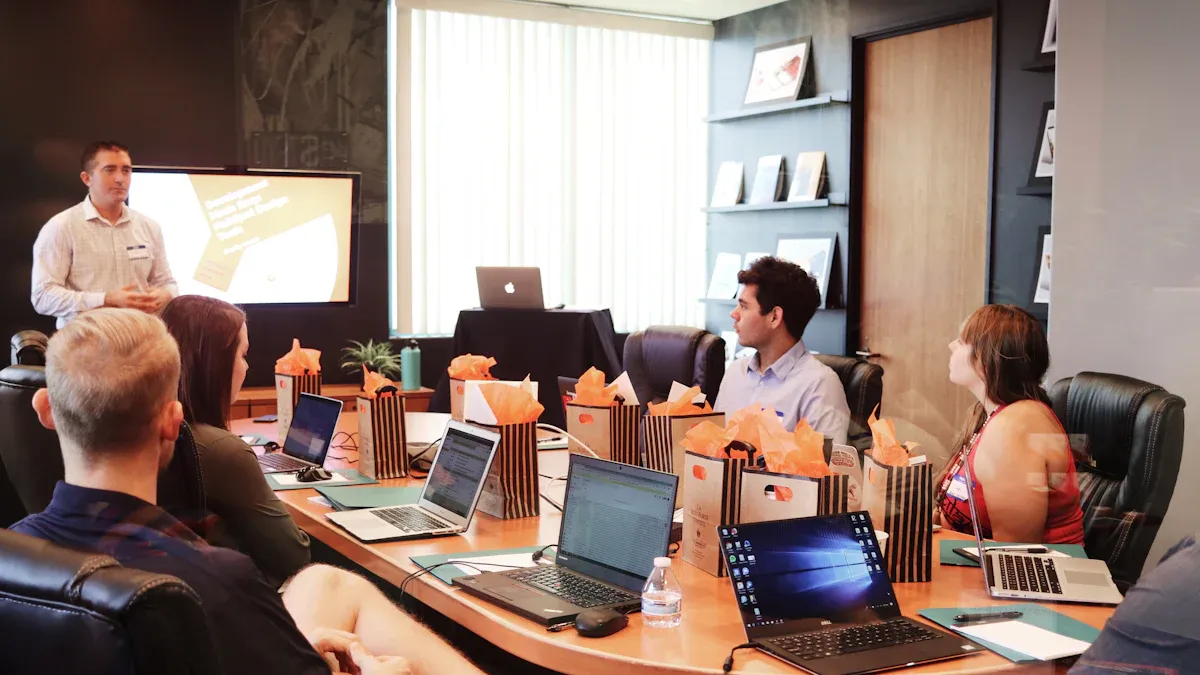
Вы можете ускорить обучение, используя современные методы обучения, предназначенные для операторов оборудования. Многие учебные центры теперь предлагают смешанные программы обучения. эти программы сочетают обучение в классе с интерактивными цифровыми модулями. вы можете смотреть видеодемонстрации, заполнять викторины и просматривать анимированные диаграммы, которые шаг за шагом разбивают шаблоны управления.
Кончик: Присоединяйтесь к онлайн-форумам и сообществам операторов. вы можете задавать вопросы, делиться опытом и получать отзывы от опытных профессионалов. например, такие платформы, как Сеть операторов оборудования и Тяжелое оборудование Социальное проводите обсуждения и учебные пособия по шаблонам управления.
Пример из практики:
Новый оператор по имени Алекс записался на гибридный курс обучения. Он проводил утро в теорией обучения в классе и во второй половине дня, используя симулятор сенсорного экрана. в течение двух недель Алекс мог идентифицировать шаблоны ISO и SAE и объяснить различия своим сверстникам.
Вы создаете реальные навыки, практикуясь на реальных машинах. Начните с основных движений, таких как раскачивание стрелы, перемещение палки и управление ковшом. Повторяйте каждое движение, пока не почувствуете себя комфортно. вам следует практиковать переключение между шаблонами ISO и SAE, если ваша машина позволяет это.
Пример из практики:
Мария, опытный оператор экскаватора, хотела научиться управлению SAE для новой работы. Она проводила один час каждый день, тренируясь на учебном экскаваторе. Она сосредоточилась на мышечной памяти и проверках безопасности. через месяц она могла переключаться между шаблонами без колебаний.
Вы можете использовать симуляторы и мобильные приложения, чтобы усилить обучение Многие приложения предлагают виртуальные панели управления, которые имитируют реальное оборудование. вы практикуете движения, устраняете ошибки и отслеживаете свой прогресс. симуляторы обеспечивают безрисковую среду для экспериментов с элементами управления ISO и SAE.
Примечание: Ищите приложения и симуляторы, которые предлагают регулируемые шаблоны управления. эта функция помогает вам практиковать переключение между ISO и SAE без необходимости физической машины. Изучайте ресурсы, как Центр обучения операторов для рекомендаций симулятора.
Практический пример:
Вы загружаете приложение-симулятор и устанавливаете его в режим ISO. после освоения элементов управления вы переключаетесь в режим SAE и повторяете те же упражнения. приложение отслеживает вашу точность и скорость, помогая вам определить области для улучшения.
Сочетая современные методы обучения, практическую практику и цифровые инструменты, вы приобретаете уверенность и навыки в управлении ISO и SAE. Вы готовитесь к реальным вызовам и открываете двери для большего количества возможностей трудоустройства.
Вы ускоряете свой прогресс, когда учитесь непосредственно у опытных операторов. наставничество предоставляет вам практические идеи, которые вы не можете найти в руководствах или онлайн-уроках. квалифицированные операторы делятся реальными методами, привычками безопасности и стратегиями устранения неполадок. вы наблюдаете за их движениями, задаете вопросы и получаете немедленную обратную связь.
Кончик: Ищите операторов с многолетним опытом работы как в ISO, так и в SAE управления. Вы получаете доступ к их знаниям и изучаете ярлыки, которые экономят ваше время.
Начните с слежки за экспертом во время ежедневных операций.Смотрите, как они позиционируют машину, обрабатывают элементы управления и реагируют на неожиданные ситуации. делайте заметки об их распорядке дня. попросите их объяснить процесс принятия решений. Вы укрепляете уверенность, когда видите, как профессионалы управляют сложными задачами.
Многие программы обучения побуждают вас участвовать в занятиях по взаимному обучению. на этих занятиях вы практикуете вместе с опытными операторами. вы получаете конструктивную критику и учитесь быстро исправлять ошибки. вы также обнаруживаете продвинутые маневры, которые повышают вашу эффективность.
Вы получаете выгоду от практических демонстраций. эксперты часто показывают вам правильное сцепление, осанку и контрольные движения. Они помогают вам развивать мышечную память, проводя руки через каждое движение. вы повторяете эти шаги, пока не выполните их плавно.
Подумайте о том, чтобы планировать регулярные регистрации с вашим наставником. во время этих встреч, просмотрите свой прогресс и установите новые цели. вы обсуждаете проблемы и получаете советы о том, как их преодолеть. эта постоянная поддержка сохраняет вашу мотивацию и сосредоточенность.
Преимущества обучения у экспертов выходят за рамки развития навыков. Вы повышаете безопасность, эффективность и долговечность оборудования. В следующей таблице представлены основные моменты ключевые преимущества:
| Выгода | Описание |
|---|---|
| Безопасность | Освоение элементов управления ISO повышает безопасность оператора во время работы экскаватора. |
| Эффективность | Грамотное использование средств управления ISO приводит к более эффективной работе оборудования. |
| Оборудование Долговечность | Правильное использование контроля способствует долговечности и производительности оборудования. |
Вы максимизируете эти преимущества, активно взаимодействуя с наставниками. запрашивайте обратную связь после каждой тренировки. запрашивайте демонстрацию передовых методов. предложите помочь с текущим обслуживанием, чтобы понять, как использование контроля влияет на здоровье оборудования.
Примечание: Всегда уважайте время и опыт ваших наставников. Проявите признательность за их руководство и последовательно применяйте их советы.
Вы строите прочный фундамент, учась у экспертов. вы получаете практические навыки, избегаете распространенных ошибок и готовитесь к реальным вызовам. этот подход гарантирует, что вы быстрее и с большей уверенностью освоите управление ISO и SAE.
Вы сталкиваетесь с двумя основными схемами управления при работе тяжелого оборудования: ISO (часто называемыми элементами управления Deere/backhoe) и SAE (широко известными как элементы управления CAT/экскаватором). Понимание Разница в минутах между этими системами вы можете быстро переключаться и работать безопасно.
Контролирует ISO выравнивать с естественные движения рук. Вы находите этот шаблон интуитивно понятным, особенно если вы новичок в эксплуатации тяжелой техники. левый джойстик управляет стрелой и качелями, а правый джойстик управляет палкой и ведром. Вот четыре основных движения:
Вы замечаете, что оттягивание левого джойстика назад перемещает палку к вам, что кажется естественным. этот дизайн уменьшает кривую обучения и помогает вам овладеть разницей в минутах между шаблонами.
SAE управляет отдельными движениями между руками. левый джойстик управляет качелями и палкой, а правый джойстик управляет стрелой и ковшом. Опытные операторы экскаватора часто предпочитают такое расположение. Четыре основных движения включают в себя:
Возможно, вам придется мысленно переводить движения, которые могут замедлить вас при переключении. Однако, если у вас есть опыт работы с экскаваторами-погрузчиками, вы можете найти элементы управления SAE знакомыми.
Кончик: Практика переключения между элементами управления ISO и SAE с помощью симулятора перед работой реального оборудования. Этот подход помогает минимизировать ошибки и понять разницу в минутах.
Вы можете сравнить элементы управления ISO и SAE рядом, чтобы увидеть, как каждый шаблон влияет на вашу эффективность и комфорт. В таблице ниже выделены ключевые аспекты:
| Аспект | ISO-контроль | SAE-контроль |
|---|---|---|
| Комфорт оператора | Соответствует естественным движениям рук, уменьшая усталость | Знаком для операторов экскаватора, но может потребоваться мысленный перевод |
| Мышечная память | Меньше умственного перевода, повышение производительности | Для управления входными данными требуется больше умственных усилий |
| Интуитивность | Более интуитивно понятен для комбинированных движений | Может показаться менее интуитивно понятным для многофункциональных задач |
| Эффективность обучения | Более короткая кривая обучения для новых операторов | Более длительная кривая обучения для новых операторов |
| Точная работа | Лучший точный контроль в ограниченном пространстве | Может не обеспечивать такой же уровень контроля штрафов |
Вы видите, что элементы управления ISO часто обеспечивают более быструю разницу в минутах для новых операторов. элементы управления SAE могут потребовать больше времени для освоения, если вы незнакомы с шаблоном.
Вам необходимо понять, почему разница в минутах между элементами управления ISO и SAE влияет на вашу работу. Выбор схемы управления влияет на вашу скорость, точность и безопасность. Вот основные причины:
| Стандарт управления | Организация управления | Направленная совместимость | Потенциал ошибки оператора |
|---|---|---|---|
| ISO | Управление стрелой и оляпкой заменено | Общесовместимый | Повышение погрешности при переключении между машинами |
| САЭ | Последовательные контрольные движения | Высокая совместимость | Снижение частоты ошибок при использовании знакомых элементов управления |
Вы начинаете как новый оператор и тренируетесь на элементах управления ISO. Вы тратите 30 минут на практику основных движений. в течение 10 минут вы чувствуете себя комфортно с раскладкой джойстика. Вы выполняете задачу копания за 15 минут, внося лишь незначительные исправления. Ваш руководитель отмечает, что вы быстро адаптировались, демонстрируя разницу в минутах для элементов управления ISO.
У вас есть опыт работы с экскаваторами-погрузчиками и переключиться на управление SAE. Вы тратите 45 минут на практику. Вы находите компоновку джойстика знакомой, но вам нужно 20 минут, чтобы приспособиться к разделению движений. Вы выполняете траншейное задание за 25 минут, с меньшим количеством ошибок из-за мышечной памяти. Ваш наставник отмечает, что ваше время перехода короче из-за вашего фона, подчеркивая разницу в минутах для элементов управления SAE.
Примечание: Более подробные руководства для операторов и учебные ресурсы вы можете найти по адресу Руководство по строительному оборудованию и присоединяйтесь к дискуссиям LinkedIn учиться у других профессионалов.
Вы можете измерить разницу в минутах, определив время, сколько времени требуется для выполнения стандартной задачи с помощью каждого шаблона управления Операторы сообщают, что переход с ISO на SAE может добавить 10-15 минут к выполнению задачи во время первоначального обучения. с практикой вы уменьшаете этот разрыв и эффективно эксплуатируете обе системы.
| Задача | элементы управления ISO (ср. время) | SAE Controls (ср. время) | Разница в минутах |
|---|---|---|---|
| Копание траншеи | 15 мин | 25 мин | 10 мин |
| Загрузочный материал | 12 мин | 20 мин | 8 мин |
| Точная сортировка | 18 мин. | 28 мин | 10 мин |
Вы улучшаете свою скорость, регулярно тренируясь и используя симуляторы для укрепления мышечной памяти. вы также уменьшаете количество ошибок, обучаясь у опытных операторов и пересматривая свою технику.
Вызов: Разница в минутах между элементами управления ISO и SAE зависит от вашего опыта, метода обучения и способности адаптироваться. Вы можете минимизировать этот разрыв, следуя структурированным практическим процедурам и стремясь к наставничеству.
Вы получаете конкурентное преимущество, осваивая оба шаблона управления Вы повышаете гибкость работы и уменьшаете риск ошибок Вы также повышаете свою безопасность и эффективность на рабочем месте.
Прежде чем эксплуатировать его, вы должны провести проверку безопасности оборудование с элементами управления ISO. .Эти проверки защищают вас, вашу команду и вашу машину. начните с проверки реестра рисков для вашего сайта. Определите и определите приоритетность любых опасностей. Проведите оценку рисков, чтобы обнаружить угрозы и уязвимости в вашей рабочей области. Напишите заявление о применимости, чтобы перечислить все элементы управления, которые вы планируете использовать, и подтвердить их реализацию.
Кончик: Всегда документируйте свои проверки безопасности в журнале. эта привычка помогает отслеживать проблемы и поддерживать соответствие отраслевым стандартам.
Вам необходимо освоить основные движения, чтобы эффективно управлять элементами управления ISO. Расположение джойстика делает эти действия интуитивно понятными. следующее в таблице суммированы основные действия джойстика и соответствующие им движения:
| Джойстик | Действие Описание | Тип движения |
|---|---|---|
| Левый | Оттяни назад | Приближает палку |
| Левый | Надвигать вперед | Вытягивает палку |
| Левый | Переместить влево/вправо | Качает верхнюю конструкцию |
| Правый | Оттяни назад | Поднимает бум |
| Правый | Надвигать вперед | Понижает стрелу |
| Правый | Двигай влево | Завитки ведро в |
| Правый | Двигайся вправо | Отвальное ведро |
Начните с комфортного сидения на сиденье оператора Положите руки на джойстики. потяните левый джойстик назад, чтобы приблизить палку. Нажмите его вперед, чтобы выдвинуть палку.Двигайте левый джойстик влево или вправо, чтобы качать верхнюю конструкцию. Используйте правый джойстик, чтобы поднять или опустить стрелу. Двигайте его влево, чтобы скрутить ведро, и вправо, чтобы сбросить ведро.
Вызов: Практикуйте каждое движение медленно. фокусируйтесь на плавных, контролируемых действиях. записывайте свои сеансы и просматривайте свою технику для улучшения.
Вы повышаете свою эффективность, осваивая продвинутые маневры. комбинируйте основные движения для выполнения таких задач, как траншеи, планировка или погрузка. например, вы можете раскачивать верхнюю конструкцию, поднимая стрелу и завивая ковш, чтобы быстро загружать материал. используйте скоординированные движения джойстика, чтобы рыть точные траншеи или формировать склоны.
Пример из практики:
Вы устанавливаете тренировочную площадку с конусами, обозначающими траншею, Вы начинаете с качания верхней конструкции, чтобы выровняться с траншеей, Вы тянете левый джойстик назад, поднимая стрелу правым джойстиком Вы скручиваете ведро в, как вы опускаете стрелу, чтобы зачерпнуть материал Вы повторяете эту последовательность, корректируя свои движения для точности, После нескольких сеансов вы завершаете траншею с минимальными исправлениями.
Примечание: Продвинутые маневры требуют терпения и повторения. ищите обратной связи от опытных операторов или присоединяйтесь к онлайн-сообществам, например Тяжелое оборудование Социальное для советов и руководств.
Вы укрепляете уверенность и мастерство, регулярно отрабатывая продвинутые маневры. Вы настраиваете себя на сложные задачи и улучшаете свои рабочие показатели.
Вы улучшаете свою производительность, распознавая и избегая распространенных ошибок при эксплуатации элементов управления ISO. Многие операторы повторяют ошибки, которые замедляют прогресс, увеличивают риск и ставят под угрозу соблюдение требований. Вы должны сохранять бдительность и учиться на этих подводных камнях, чтобы поддерживать безопасность и эффективность.
В таблице ниже приведены краткие сведения частые ошибки и их влияние:
| Тип ошибки | Описание |
|---|---|
| Неадекватное планирование | Вы можете взять на себя больше, чем можете, или поставить цели проекта слишком узко, что приведет к пропущенным целям. |
| Недостаточное обучение | Вы рискуете совершить операционные ошибки, если не получаете достаточно практических инструкций или обновлений системы. |
| Плохая практика документации | Вы создаете проблемы с соблюдением требований, не записывая проверки безопасности, техническое обслуживание или действия по эксплуатации. |
| Отсутствие приверженности высшего руководства | Вы изо всех сил пытаетесь обеспечить ресурсы и поддержку, если руководство не уделяет приоритетного внимания обучению операторов. |
| Пренебрежение постоянным улучшением | Вы теряете сертификацию или отстаете от отраслевых стандартов, если относитесь к развитию навыков как к разовой задаче. |
Вы часто упускаете из виду планирование перед началом работы. вы должны оценить рабочую область, поставить четкие цели и подтвердить, что у вас есть подходящее оборудование. Пропуск этого шага приводит к путанице и потере времени. вам также необходимо избегать спешки в обучении. Вы формируете навыки, регулярно практикуя базовые и продвинутые маневры. Вам следует запросить обратную связь и искать курсы повышения квалификации, чтобы оставаться в курсе.
Документация играет решающую роль в вашей повседневной жизни. вы должны регистрировать проверки безопасности, техническое обслуживание и любые инциденты. Вы рискуете получить штрафы или отказ оборудования, если игнорируете этот шаг. Вам следует использовать контрольный список и вести учет, организованный для удобства использования.
Вы зависите от поддержки руководства в отношении ресурсов и возможностей обучения. вам следует сообщить о своих потребностях и подчеркнуть преимущества непрерывного образования. вы получаете доступ к лучшему оборудованию и более безопасной рабочей среде, когда лидерство инвестирует в развитие оператора.
Постоянное совершенствование отличает вас от других операторов. вы должны относиться к каждой смене как к шансу усовершенствовать свою технику. вы можете присоединиться к сеансам взаимного обучения, оценить свою производительность и поставить новые цели. вы остаетесь конкурентоспособными и поддерживаете сертификацию, принимая обучение на протяжении всей жизни.
Кончик: Просматривайте свою работу в конце каждого дня. определите одну область для улучшения и создайте план для решения этой проблемы во время следующей сессии. небольшие изменения приводят к большим результатам с течением времени.
Вы избегаете дорогостоящих ошибок, планируя заранее, ища обучение, документируя свои действия, привлекая руководство и обязуясь улучшать Вы создаете репутацию надежного и безопасного, делая вас ценным активом на любом рабочем месте.
Вы должны начинать каждую смену с тщательной проверки безопасности. обходите машину и ищите протечки, незакрепленные болты или изношенные гидравлические шланги. осмотрите кабину на наличие мусора, который может помешать вашим движениям. проверьте звуковой сигнал, свет и резервную сигнализацию. сядьте на место оператора и отрегулируйте его для комфорта и видимости. пристегните ремень безопасности и проверьте, чтобы все зеркала были чистыми и правильно расположены.
Прежде чем коснуться органов управления, убедитесь, что область вокруг машины свободна. общайтесь с наземным персоналом и используйте ручные сигналы или радиоприемники для подтверждения местоположения каждого. проверьте каждый джойстик на низкой скорости, чтобы обеспечить плавность работы. если вы заметили какие-либо необычные звуки или сопротивление, остановитесь и сообщите о проблеме. Вы защищаете себя и свою команду, выполняя эти шаги каждый раз.
Кончик: Держите ежедневный контрольный список безопасности в вашем такси. эта привычка помогает вам ловить небольшие проблемы, прежде чем они станут серьезными проблемами.
Вам необходимо овладеть основополагающими движениями органов управления SAE, чтобы работать эффективно. компоновка джойстика отличается от ISO, поэтому вы должны создать новую мышечную память. В таблице ниже суммированы основные действия:
| Джойстик | Действие Описание |
|---|---|
| Левый | Отойдите назад: поднимает стрелу (поднимает руку вверх) |
| Левый | Нажмите вперед: опускает стрелу (спускает руку) |
| Левый | Переместить влево/вправо: Качает верхнюю конструкцию |
| Правый | Оттяните назад: приближает палку |
| Правый | Нажмите вперед: вытягивает палку |
| Правый | Переместить влево: Curls bucking in |
| Правый | Двигайтесь вправо: ведро сброса |
Начните с отработки каждого движения отдельно Например, потяните левый джойстик назад, чтобы поднять стрелу, затем толкните его вперед, чтобы опустить стрелу.Двигайте левый джойстик влево или вправо, чтобы качать верхнюю конструкцию. Используйте правый джойстик, чтобы приблизить палку или выдвинуть ее.Закрутите ведро, переместив правый джойстик влево, и сбросьте, переместив его вправо.
Практическое упражнение включает в себя установку конусов в безопасной области Попробуйте перемещать материал с одной стороны на другую, сосредоточившись на плавных, контролируемых действиях Запишите свой сеанс и просмотрите свою технику. вы заметите улучшение с последовательной практикой.
Вы повышаете свою производительность, осваивая передовые методы с помощью элементов управления SAE. Эти методы помогают работать быстрее и с большей точностью:
Рассмотрим этот пример: Вам нужно вырыть прямую траншею для инженерной линии Вы располагаете экскаватор параллельно траектории траншеи Вы используете оперение, чтобы плавно опустить стрелу и поддерживать устойчивый угол ковша Вы проверяете свой прогресс с лазерным уровнем, делая небольшие корректировки по мере необходимости. после нескольких проходов вы завершаете траншею с минимальной переработкой.
Примечание: Вы можете найти больше советов и видеодемонстраций на таких платформах, как Форумы по тяжелой технике и профессиональных групп на LinkedIn.
Вы укрепляете уверенность и эффективность, отрабатывая эти продвинутые маневры. вы также уменьшаете усталость и продлеваете срок службы вашего оборудования.
Вы улучшаете свои навыки и безопасность, распознавая распространенные ошибки при эксплуатации элементов управления SAE. Многие операторы повторяют ошибки, которые замедляют прогресс, увеличивают риск и сокращают срок службы оборудования. вы должны быть бдительны и учиться на этих подводных камнях, чтобы поддерживать высокие стандарты на каждой работе.
Частые ошибки и их влияние
| Ошибка | Описание | Влияние на эксплуатацию |
|---|---|---|
| Чрезмерная коррекция джойстиков | Вы перемещаете органы управления слишком быстро или слишком далеко. | Вязкие движения, потеря точности |
| Пропуск проверок безопасности | Вы начинаете работу, не осматривая машину или участок. | Повышенный риск несчастных случаев |
| Плохое общение | Вы не можете подать сигнал или подтвердить наземным экипажем. | Более высокая вероятность столкновений |
| Игнорирование мышечной памяти | Вы меняете шаблоны, не переучивая руки. | Путаница, ошибки управления |
| Спешка с расширенными задачами | Вы пытаетесь выполнить сложные маневры, прежде чем освоить основы. | Ошибки, повреждения оборудования |
| Пренебрежение документацией | Вы забываете регистрировать техническое обслуживание или инциденты. | Вопросы соблюдения, пропущенный ремонт |
Как избежать этих ошибок
Кончик: Просмотрите свою производительность в конце каждой смены. определите одну ошибку и создайте план, чтобы исправить ее в следующий раз. небольшие улучшения быстро складываются.
Примеры ошибок оператора
Вы можете чрезмерно скорректировать джойстик при копании, в результате чего ковш качнется слишком далеко Вы теряете материал и теряете время Вы можете пропустить проверку безопасности и пропустить гидравлическую утечку Машина выходит из строя во время работы, что приводит к простою Вы можете забыть подать сигнал наземной бригаде перед тем, как качать стрелу Кто-то входит в опасную зону, увеличивая риск аварии.
Вы также рискуете запутаться, если переключитесь с управления ISO на управление SAE без переподготовки. ваши руки двигаются по привычке, но машина реагирует по-другому. вы делаете ошибки и замедляете работу. вы можете броситься в траншею, прежде чем освоить основные движения. траншея становится неровной, и вам нужно переделать работу.
Действия Шаги по улучшению
Вызов: Вы создаете репутацию компании, которая обеспечивает надежность и безопасность, избегая распространенных ошибок. Оставайтесь сосредоточенными, регулярно тренируйтесь и ищите обратную связь, чтобы стать топ-оператором.
Вы должны определить шаблон управления, прежде чем управлять какой-либо машиной. этот шаг предотвращает путаницу и снижает риск ошибок. Используйте эти лучшие практики для определения сталкиваетесь ли вы с элементами управления ISO или SAE:
Кончик: Всегда подтверждайте схему управления перед началом работы, особенно если вы переключаться между машинами во время смены.
Современное оборудование дает несколько способов переключения между шаблонами управления ISO и SAE, Эти механизмы можно найти на станции оператора или через цифровой интерфейс машины.
Примечание: Всегда следуйте инструкциям производителя при переключении шаблонов управления. проверьте органы управления на низкой скорости после внесения каких-либо изменений, чтобы обеспечить правильную работу.
Вы наращиваете мышечную память, практикуя правильные техники Этот процесс помогает вам с уверенностью переключаться между элементами управления ISO и SAE. Следуйте этим шагам для эффективного обучения:
Вызов: Последовательная практика является ключом к освоению обоих шаблонов управления. каждую неделю выделяйте время для обучения как по ISO, так и по SAE-макету.
Вы улучшаете свою адаптируемость и уменьшаете ошибки, следуя этим советам по мышечной памяти. вы также повышаете свою ценность как оператор, который может работать с любой машиной на рабочем месте.
Переключение между шаблонами управления ISO и SAE требует вашего полного внимания. Вы должны относиться к каждому переходу как к критическому этапу безопасности, а не просто к рутинной настройке. даже опытные операторы могут совершать ошибки, если они спешат или пропускают проверки. Вы защищаете себя и свою команду, следуя структурированному процессу безопасности каждый раз, когда вы переключаете шаблоны.
Выполните эти важные действия для обеспечения безопасности при переключении:
Кончик: Всегда используйте контрольный список при переключении шаблонов управления. контрольные списки помогают избежать пропуска важных шагов, особенно во время напряженных смен.
Общие опасности при переключении шаблонов
| Опасность | Как предотвратить это |
|---|---|
| Случайное движение | Всегда тестируйте управление на низкой скорости после переключения. |
| Замешательство оператора | Перед использованием приостановите и просмотрите раскладку джойстика. |
| Сбой связи | Каждый раз объявляйте о своих действиях команде. |
| Неполный коммутатор | Подтвердите изменение шаблона на панели дисплея. |
Вы должны быть бдительны на предмет признаков путаницы или колебаний. если вы чувствуете неуверенность, остановитесь и еще раз просмотрите схему управления. Никогда не позволяйте давлению со стороны сроков подталкивать вас к пропуску мер безопасности. Ваше внимание к безопасности защищает всех на рабочем месте.
Вызов: Безопасность - это не просто чек-лист — мышление. относиться к каждому переключению между элементами управления ISO и SAE как к новому старту. не торопитесь, следите за процессом и устанавливайте стандарт безопасной эксплуатации.
Сделав безопасность своим главным приоритетом, вы уменьшаете риск несчастных случаев и укрепляете доверие со своей командой. вы также подаете профессиональный пример для других, чтобы следовать. каждый безопасный переключатель поддерживает ваш проект на правильном пути, а ваш экипаж защищен.
Вы можете испытывать путаницу в шаблонах при переключении между элементами управления ISO и SAE, особенно если вы работаете на разных машинах в одну смену. Эта путаница может привести к колебаниям, неправильным движениям или даже рискам безопасности. чтобы свести к минимуму эти проблемы, всегда делайте паузу перед запуском новой машины. Найдите время, чтобы просмотреть компоновку джойстика и выполнить быстрый функциональный тест на низкой скорости. Если вы чувствуете неуверенность, попросите коллегу понаблюдать за вашими первоначальными движениями и предоставить обратную связь.
Операторы часто сообщают, что путаница шаблонов наиболее заметна во время выполнения задач с высоким давлением или при приближении сроков. Вы можете уменьшить разницу в минутах, необходимую для адаптации, регулярно практикуя оба шаблона и используя симуляторы для укрепления мышечной памяти. Если вы заметили повторяющиеся ошибки, задокументируйте их в журнале. Анализ этих заметок поможет вам выявить закономерности и нацелить конкретные навыки на улучшение.
Кончик: Присоединяйтесь к онлайн-форумам операторов или группам социальных сетей. Вы можете поделиться своим опытом, задать вопросы и узнать, как другие справляются с путаницей в шаблонах. Эти сообщества часто предоставляют практические советы и советы по устранению неполадок.
Ошибки случаются, даже с опытными операторами, Когда вы сталкиваетесь с проблемой с элементами управления ISO или SAE, следуйте систематическому процессу устранения неполадок, чтобы решить ее быстро и безопасно:
Вы должны обращаться к каждому шагу методично Например, если вы заметили вялое движение ковша, начните с визуального осмотра Если вы не обнаружили видимых проблем, переходите к эксплуатационному тестированию и анализу сигналов. такой подход помогает вам точно определить первопричину и избежать ненужных простоев.
Рассмотрим такой сценарий: Вы переключаетесь с управления ISO на управление SAE и стрела реагирует непредсказуемо Вы останавливаете машину, осматриваете гидравлические линии, и испытываете органы управления на низкой скорости, После проверки сигналов управления и подачи воздуха, вы обнаруживаете незначительную утечку, Фиксируя его восстанавливает нормальную работу и предотвращает дальнейшие осложнения.
Вызов: Всегда документируйте шаги по устранению неполадок. ведение подробного учета помогает отслеживать повторяющиеся проблемы и со временем улучшает ваши навыки решения проблем.
Иногда устранение неполадок выявляет более глубокие проблемы, требующие переподготовки. вам следует рассмотреть возможность переподготовки, если вы столкнетесь с новым оборудованием, изменениями в процедурах на рабочем месте или заметите пробелы в своих знаниях. В таблице ниже показано общие условия, сигнализирующие о необходимости переподготовки:
| Условие переподготовки | Описание |
|---|---|
| Изменения на рабочем месте | Когда изменения делают предыдущее обучение устаревшим или неадекватным. |
| Изменения в оборудовании | Когда новые типы систем или оборудования защиты от падения делают предыдущее обучение недостаточным. |
| Недостаточные знания | Когда знание или использование систем сотрудником свидетельствует об отсутствии необходимого понимания или умения. |
Если вы изо всех сил пытаетесь адаптироваться к новой схеме управления или неоднократно совершаете одни и те же ошибки, переподготовка может помочь вам восстановить уверенность и эффективность.Многие операторы получают выгоду от курсов повышения квалификации, занятий по взаимному обучению или онлайн-уроков. вы также можете связаться с профессионалами отрасли через платформы социальных сетей для дополнительной поддержки и ресурсов.
Примечание: Переподготовка не только улучшает ваши технические навыки, но и повышает безопасность и удовлетворенность работой. Будьте активны в своем обучении, чтобы идти в ногу с отраслевыми стандартами.
Устраняя путаницу в шаблонах, выполняя структурированные шаги по устранению неполадок и зная, когда переобучаться, вы обеспечиваете постоянное улучшение работы элементов управления ISO и SAE.
Вам нужны надежные ресурсы для поддержания и улучшения ваших навыков с помощью элементов управления ISO и SAE. Текущая практика гарантирует, что вы будете оставаться острыми, адаптироваться к новым стандартам и минимизировать ошибки на работе. Вы можете получить доступ к различным инструментам и системам поддержки, предназначенным для операторов, которые хотят освоить оба шаблона управления.
Начните с изучения онлайн-платформ, которые предоставляют обновленную информацию о стандартах и практических руководствах. эти ресурсы помогают вам быть в курсе изменений в требованиях к контролю и передовом опыте. вы также можете найти обучение по переходу и поддержку новых стандартов, таких как ISO 9001:2026, которые повлияют на ваш подход к эксплуатации и безопасности оборудования.
В следующей таблице представлены некоторые ценные ресурсы для вашего постоянного развития:
| Ресурс | Описание |
|---|---|
| Ресурсы PRI | Обновления стандартов и рекомендаций по контролю ISO и SAE. |
| Руководство ISO 9001:2026 | Переходное обучение и поддержка ISO 9001:2026. |
| Ресурс ТАРА | Руководство по анализу угроз и оценке рисков в автомобильной кибербезопасности. |
Вы можете использовать эти ресурсы, чтобы быть в курсе изменений в отрасли и научиться применять новые стандарты в повседневной работе. регулярный обзор обновлений и участие в учебных занятиях помогут вам избежать распространенных ошибок и повысить эффективность.
Вы также должны воспользоваться практическими вариантами поддержки, которые сосредоточены на готовности и сертификации. Вот некоторые способы, которыми вы можете укрепить свои навыки:
Вы получаете выгоду от объединения этих ресурсов с практической практикой. выделяйте время каждую неделю для рассмотрения новых руководств, завершения онлайн-модулей и проверки своих навыков на симуляторах. вы можете присоединиться к группам взаимного обучения, чтобы поделиться опытом и получить обратную связь от других операторов. Этот подход помогает вам измерить свой прогресс и увидеть разницу в минутах, когда вы адаптируетесь к новым шаблонам управления.
Кончик: Ведите личный журнал своей учебной деятельности и использования ресурсов. отслеживание вашего развития помогает вам определить сильные стороны и целевые области для улучшения.
Вы максимизируете свой потенциал, используя сочетание цифровых ресурсов, профессионального руководства и практических упражнений. Пребывание в упреждении своего обучения гарантирует, что вы останетесь ценным активом на любом рабочем месте.
Вы осваиваете элементы управления ISO и SAE, следуя структурированному подходу: регулярно тренируйтесь, ищите отзывы экспертов и используйте цифровые инструменты. Владение обоими шаблонами делает вас универсальный и адаптируемый, повышение ваших возможностей трудоустройства на разных сайтах вакансий.
| Выгода | Описание |
|---|---|
| Снижение риска | Ты выявлять и снижать риски, повышение безопасности. |
| Культура безопасности | Вы повышаете осведомленность о безопасности в своей команде. |
| Конкурентный край | Вы демонстрируете приверженность безопасности и завоевываете доверие. |
Постоянное совершенствование зависит от регулярных аудитов, поддержки лидерства и постоянного обучения. Возьмите следующий шаг いcommit к обучению, будьте в курсе событий и создайте свою репутацию квалифицированного оператора.
Вам следует сочетать практику симулятора с практическим машинным временем. фокусируйтесь на одном шаблоне каждый день. используйте контрольные списки и записывайте свои сеансы. еженедельно просматривайте свой прогресс. обратитесь за отзывами к опытному оператору.
Проверьте руководство оператора или ищите схему внутри кабины. перед началом работы проверьте каждый джойстик на низкой скорости. если вы чувствуете неуверенность, обратитесь за подтверждением к своему руководителю или старшему оператору.
Не все машины позволяют переключаться Многие современные модели предлагают переключатель селектора или цифровое меню Всегда сверяйтесь с руководством, прежде чем пытаться изменить шаблоны. если вы не уверены, обратитесь к менеджеру оборудования.
Немедленно остановите машину. сделайте глубокий вдох и просмотрите раскладку джойстика. выполняйте медленные, основные движения, чтобы вернуть уверенность. если путаница продолжается, попросите коллегу наблюдать и направлять вас.
Переобучайтесь не реже одного раза в год или всякий раз, когда вы меняете типы оборудования. запланируйте дополнительную практику, если вы заметили ошибки или чувствуете себя менее уверенно. регулярная переподготовка сохраняет ваши навыки острыми и уменьшает количество ошибок.
Да, вы можете найти несколько приложений и настольных симуляторов, предназначенных для управления тяжелым оборудованием. выберите один, который позволяет переключаться между шаблонами ISO и SAE. Практикуйтесь регулярно, чтобы создать мышечную память.
Всегда останавливайте машину, информируйте свою команду и тестируйте каждую функцию на низкой скорости. Зарегистрируйте переключатель в своем контрольном списке безопасности. Никогда не торопитесь с процессом. Безопасность на первом месте.



-1.png)