Добро пожаловать в Shandong Qilu Industrial Co., Ltd

 Russian
 English
 Arabic
 Bulgarian
 Bengali
 Czech
Czech
 Danish
 German
 Greek
Greek
 Spanish
 Finnish
 French
 Hindi
Hindi
 Croatian
 Hungarian
 Indonesian
 Italian
 Japanese
 Korean
 Lithuanian
 Dutch
Dutch
 Norwegian
 Polish
 Portuguese
 Romanian
 Slovak
 Slovenian
 Swedish
 Thai
Thai
 Turkish
 Ukrainian
 Vietnamese
 Tagalog
 Malay
Malay
 Estonian
 Catalan
 Latvian
 Urdu
Urdu
 Serbian
 Persian
 Swahili
 Albanian
 Armenian
 Icelandic
 Bosnian
 Luxembourgish
 Afrikaans
Russian English
Arabic
Bulgarian
Bengali
Czech
Danish
German
Greek
Spanish
Finnish
French
Hindi
Croatian
Hungarian
Indonesian
Italian
Japanese
Korean
Lithuanian
Dutch
Norwegian
Polish
Portuguese
Romanian
Slovak
Slovenian
Swedish
Thai
Turkish
Ukrainian
Vietnamese
Tagalog
Malay
Estonian
Catalan
Latvian
Urdu
Serbian
Persian
Swahili
Albanian
Armenian
Icelandic
Bosnian
Luxembourgish
Afrikaans
Afrikaans
Russian English
Arabic
Bulgarian
Bengali
Czech
Danish
German
Greek
Spanish
Finnish
French
Hindi
Croatian
Hungarian
Indonesian
Italian
Japanese
Korean
Lithuanian
Dutch
Norwegian
Polish
Portuguese
Romanian
Slovak
Slovenian
Swedish
Thai
Turkish
Ukrainian
Vietnamese
Tagalog
Malay
Estonian
Catalan
Latvian
Urdu
Serbian
Persian
Swahili
Albanian
Armenian
Icelandic
Bosnian
Luxembourgish
Afrikaans
Почему правильный выбор трактора повышает эффективность фермы
Выбор Правильного Трактора для вашей фермы означает соответствие лошадиных сил и особенностей вашей площади и местности. Вы увеличиваете производительность и снижаете затраты, когда вы выбираете оборудование, которое соответствует вашим повседневным задачам. например, трактор мощностью 25-50 л.с. хорошо работает менее чем на 50 акров, в то время как более крупные фермы нуждаются в большей мощности.
| Размер фермы (акры) | Рекомендуемый Трактор HP | Типичные реализации |
|---|---|---|
| До 50 | 25-50 Л.С | Малые роторные культиваторы, сеялки |
| 50-500 | 50-150 Л.С | 3-точечные сцепные приспособления, сеялки для пропашных культур |
| 500+ | 150-300+ Л.С | Большие сеялки, комбайны, зерновозки |
Совет: Фермеры часто упускают из виду текущие расходы и совместимость. планирование будущих потребностей помогает вам избежать дорогостоящих ошибок и гарантирует, что ваши инвестиции окупятся.
Ключевые выводы
- Соответствуйте мощности трактора с размером вашей фермы. Меньшим фермам требуется 25-50 л.с., а более крупным фермам - 25-50 л.с больше власти для эффективности.
- Оцените свои повседневные задачи перед выбором трактора. Определите, нужен ли он вам для скашивания, обработки почвы или перевозки, чтобы выбрать правильную модель.
- Рассмотрим рельеф своей фермы Холмистая или каменистая земля требует тракторов с полным приводом и усиленными функциями для безопасности и эффективности.
- План будущего роста. выберите трактор с немного большей мощностью, чем вам сейчас нужно для обеспечения расширяющихся операций.
- Выберите правильные насадки для повышения универсальности. погрузчики, косилки и кувшины могут превратить ваш трактор в многофункциональный инструмент.
- Приоритет топливной эффективности. трактор, который потребляет меньше топлива, экономит ваши деньги и поддерживает устойчивые методы ведения сельского хозяйства.
- Поддерживайте трактор регулярно Хороший режим технического обслуживания предотвращает поломки и продлевает срок службы вашего оборудования.
- Инвестируйте в функции комфорта и безопасности. эргономичные конструкции и системы безопасности снижают усталость и повышают производительность на ферме.
Размер и потребности фермы
Оценка площадей
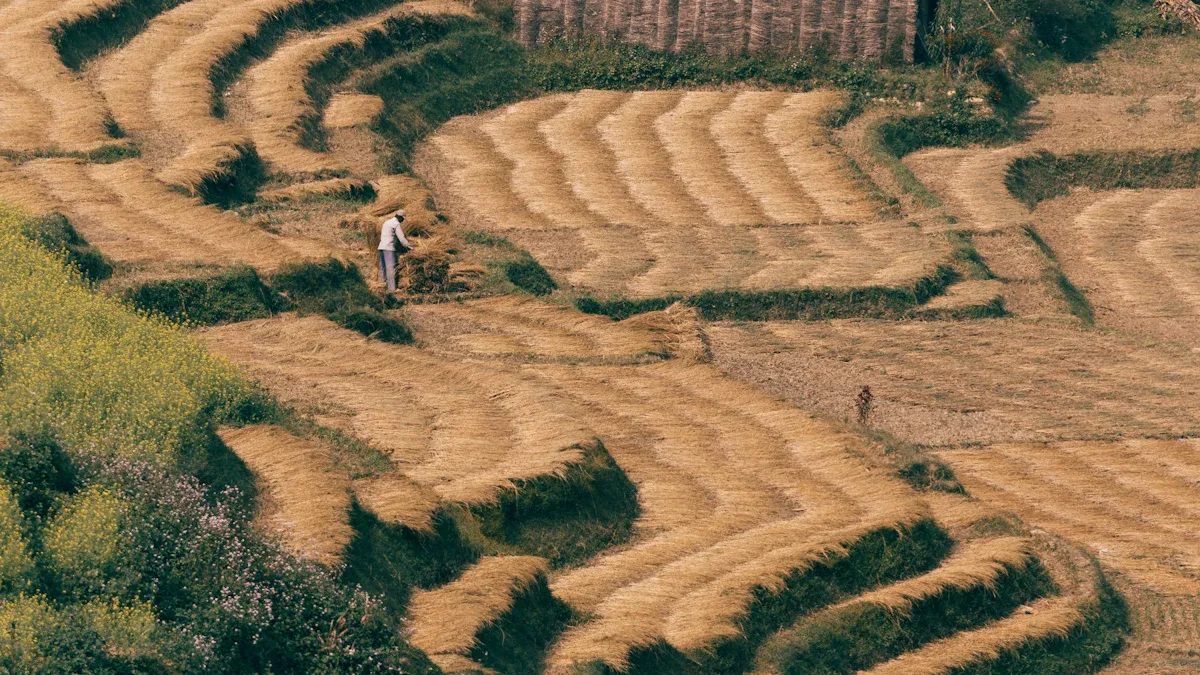
Когда вы оцениваете площадь вашей фермы, вы закладываете основу для выбора правильного трактора. Размер вашей собственности определяет лошадиные силы и тип трактора, который вам нужен. Небольшие фермы и сады требуют меньше энергии, в то время как более крупные объекты требуют более надежного оборудования.
| Размер недвижимости (Acres) | Тип трактора | Диапазон лошадиных сил |
|---|---|---|
| До 10 | Субкомпактные тракторы | 15-25 Л.С |
| 10-25 | Компактные полезные тягачи | 25-50 Л.С |
| от 25 до 100 | Коммунальные Тракторы | 50-100 Л.С |
| Свыше 100 | Высокомощные тракторы | 100+ Л.С |
Менее 5 гектаров (30-60 л.с.)
Если вы управляете менее чем 5 гектарами, вы получаете выгоду компактные или малолитражные тракторы. Эти модели предлагают от 25 до 60 лошадиных сил, что подходит для скашивания, легкой обработки почвы и ландшафтного дизайна. Вы экономите топливо и сокращаете затраты на техническое обслуживание с помощью тракторов меньшего размера. Вы также получаете маневренность в ограниченном пространстве.
Более 10 акров (рассмотрим модели большего размера)
Для недвижимости площадью более 10 акров вам нужно больше энергии. Коммунальные тракторы мощностью 50 лошадиных сил или больше обрабатывают более тяжелые орудия и большие поля. Вы быстрее выполняете задачи и повышаете эффективность. более крупные модели поддерживают насадки для обработки почвы, транспортировки и посадки.
Ежедневные операции
Ваши ежедневные задачи формируют ваш выбор трактора. вам следует перечислить наиболее частые операции, прежде чем принимать решение.
Кошение и ландшафтный дизайн
Вы часто косите траву, формируете землю и обслуживаете пастбища. Компактные тракторы со средней мощностью хорошо подходят для этих работ. Вы прикрепляете роторные косилки, коробчатые лопасти и сеялки для универсального использования.
Обработка почвы и транспортировка
Вы готовите почву, транспортируете материалы, перемещаете корма. коммунальные тракторы с ручкой обработки почвы и транспортировки большей мощности. для этих операций вы используете фронтальные погрузчики, вилки поддонов и тележки для зерна.
Примечание: Обработка материалов, заделка, специализированные задачи требуют различных орудий, Вы должны сопоставить возможности вашего трактора с вашей ежедневной рабочей нагрузкой для достижения наилучших результатов.
Территория и планировка
Рельеф вашей фермы влияет на выбор трактора. Вы должны учитывать холмы, равнины, и каменистые участки.
- На равнине для экономии средств вы используете тракторы меньшего размера с полным приводом.
- Требуется холмистая или пересеченная местность полный привод и дополнительная тяга. компактные или полезные модели обеспечивают лучшее сцепление и баланс.
- Скалистая земля требует усиленных рам и шин для тяжелых условий эксплуатации. Вы избегаете сжатия почвы, выбирая правильный вес и тип шины.
Вы повышаете безопасность и эффективность, когда подбираете свой трактор к компоновке своего хозяйства Вы также уменьшаете износ оборудования.
Совет: Всегда оценивайте особенности вашей земли, прежде чем инвестировать в трактор. Вы избегаете дорогостоящих ошибок и гарантируете, что ваша машина будет хорошо работать в каждый сезон.
Выбор Правильного Трактора
Выбор лучшего трактора для вашей фермы начинается с понимания различий между компактными, коммунальными и пропашными тракторами. Вам необходимо сопоставить свое оборудование с вашей площадью, повседневными задачами и планами на будущее. Выбор Правильного Трактора помогает максимизировать производительность и минимизировать затраты.
Компактные Тракторы
Маленькие пространства и легкие задачи
Компактные тракторы хорошо работать для небольших ферм, садов, и проектов ландшафтного дизайна, Вы получаете выгоду от их универсальности и маневренности. эти тракторы вписываются в ограниченное пространство и обрабатывают широкий спектр работ, таких как косить, обрабатывать, и тащить легкие грузы, Их удобные элементы управления делают их доступными как для начинающих, так и для опытных операторов.
| Тип трактора | Ключевые возможности | Приложения |
|---|---|---|
| Компактные полезные тягачи | Меньший размер, высокая универсальность, часто оснащается погрузчиками | Идеально подходит для небольших ферм и озеленения |
Вы можете использовать компактные тракторы для огородов, рыночных участков, хобби ферм Их эргономичные сиденья и плавное управление снижают усталость в течение долгих часов Вы также экономите на топливе и расходах на техническое обслуживание из-за их эффективного дизайна.
Преимущества компактных тракторов:
- Универсальность для нескольких задач
- Маневренность в труднодоступных местах
- Интуитивное управление и более низкая кривая обучения
- Эргономичные сиденья для комфорта
- Плавная обработка для точной работы
Совет: Если вы управляете менее чем 10 акрами, Выбор Правильного Трактора часто означает выбор компактной модели Вы получаете наибольшую ценность, когда вы фокусируетесь на простоте использования и адаптируемости.
Коммунальные Тракторы
Средняя и большая площадь
Коммунальные тракторы служат основой для средних ферм. Вы полагаетесь на них для вспашки, обработки почвы, транспортировки и других сложных задач. Эти тракторы предлагают больше лошадиных сил и поддерживают более широкий спектр орудий. Вы можете справиться с более тяжелыми нагрузками и эффективно покрыть большую землю.
| Тип трактора | Универсальность Описание | Описание экономической эффективности |
|---|---|---|
| Коммунальные Тракторы | Способен обрабатывать вспашку, обработку почвы, транспортировку; идеально подходит для средних ферм | Более высокая первоначальная стоимость, но большая универсальность делает их хорошей инвестицией |
Коммунальные тракторы обрабатывают операции с животноводством, смешанные фермы, и большие поля урожая, Вы извлекаете выгоду из их способности переключаться между задачами быстро. их надежная сборка и расширенные функции помогают вам управлять ежедневными операциями с меньшим количеством поломок.
Практический пример:
Вы управляете фермой площадью 30 акров с домашним скотом и сельскохозяйственными культурами. Выбор правильного трактора означает выбор полезной модели, которая может тянуть тяжелые орудия, перемещать корма и готовить поля для посадки. Вы экономите время и снижаете затраты на рабочую силу, используя одну машину для нескольких работ.
Примечание. Коммунальные тракторы предлагают баланс между мощностью и гибкостью. Вы инвестируете больше авансом, но получаете долгосрочную эффективность и надежность.
Рядные и специальные тракторы
Крупномасштабное и нишевое использование
Рядно-урожайные тракторы превосходно работают в крупномасштабном сельском хозяйстве и специализированных операциях, Вы используете их для посадки, возделывания, и уборки таких культур, как кукуруза и соевые бобы, Их высокий клиренс и узкое телосложение позволяют ориентироваться близко посаженные ряды, не повреждая растения.
| Тип трактора | Ключевые возможности | Приложения |
|---|---|---|
| Рядные трактора | Высокий клиренс, мощные двигатели, продвинутые насадки | Предназначен для выращивания сельскохозяйственных культур на крупных фермах |
Вы находите пропашные тракторы, оснащенные передовыми трансмиссиями и технологиями точного земледелия. эти функции повышают производительность и помогают вам управлять большими орудиями и тяжелыми грузами. Вы также наслаждаетесь улучшенным комфортом оператора с просторными кабинами и лучшей видимостью.
Уникальные особенности рядных и специальных тракторов:
- Мощность двигателя составляет от 145 Л.с. до 410 Л.с
- Усовершенствованные передачи для повышения эффективности
- До 20% больше места в кабине для комфорта
- Более высокий клиренс и узкая колесная база для рядов сельскохозяйственных культур
- Интеграция технологий точного земледелия
- Универсальность для таких задач, как тюковка сена и муниципальная работа
Специальные тракторы подходят для использования в нишах, например, для управления садами и виноградниками. Вы получаете выгоду от их компактных конструкций и технологий, адаптированных для конкретных культур или местности.
Практический пример:
Вы управляете пропашной фермой площадью 200 акров. Выбор правильного трактора предполагает выбор модели с высокой мощностью и точным управлением. Вы быстрее завершаете посадку и сбор урожая, уменьшаете ущерб урожаю и повышаете урожайность.
Совет: Для крупномасштабных или специализированных операций Выбор Правильного Трактора означает приоритетность передовых функций и технологий Вы повышаете эффективность и поддерживаете будущий рост.
Факторы выбора трактора
Потребности в лошадиных силах
Выбор правая лошадиная сила для вашего трактора является необходимым для эффективной работы фермы. вы должны учитывать размер вашей фермы, тип работы, которую вы выполняете, и местность, которой вы управляете. Эксперты рекомендуют оценить ваши повседневные задачи и оборудование, которое вы планируете использовать. более крупные фермы и более требовательные рабочие места требуют более высокой мощности, в то время как меньшие объекты недвижимости выигрывают от компактных моделей.
| Тип задачи | Рекомендуемый диапазон HP | Размер фермы | Учет местности |
|---|---|---|---|
| Кошение и легкая работа | 15-35 Л.С | До 10 соток | Плоская или нежно катящаяся |
| Обработка почвы и транспортировка | 35-50 Л.С | 10-50 соток | Смешанная местность |
| Тяжелая обработка почвы | 50+ Л.С | Более 50 акров | Крутая или пересеченная местность |
Сладкое пятно мощностью 35-50 л.с
Вы находите диапазон 35-50 л.с. идеальным для многих малых и средних ферм. это место лошадиных сил позволяет вам справиться с покосом, обработка почвы, перевозка, и легкие строительные задачи. вы получаете достаточно мощности для большинства орудий без ущерба топливной эффективности или маневренности. планирование будущего роста путем выбора трактора с немного большей лошадиной силой может помочь вам избежать модернизации позже.
Совет: оцените размер, местность и рабочую нагрузку вашей фермы, прежде чем остановиться на лошадиных силах. Вы гарантируете, что ваш трактор соответствует текущим и будущим потребностям.
- Эксперты предполагают:
- Требуемая мощность варьируется в зависимости от ваших конкретных задач и оборудования.
- Более крупные операции требуют более высокой мощности для выполнения возросшей рабочей нагрузки.
- Местность и погодные условия влияют на потребность в лошадиных силах.
- Планирование будущего расширения разумно при выборе лошадиных сил.
Вложения и дополнения
Насадки и орудия превращают ваш трактор в многофункциональный инструмент Вы повышаете эффективность и производительность, выбирая подходящие аксессуары для ваших нужд.Основные орудия включают погрузчики, косилки, культиваторы и сеялки. эти инструменты сокращают ручной труд, улучшают время работы и повышают урожайность сельскохозяйственных культур.
| Тип реализации | Первичная функция | Выгода от эффективности |
|---|---|---|
| Погрузчик | Обработка материалов | Уменьшает ручной подъем |
| Роторная Косилка | Борьба с травой и сорняками | Ускоряет скашивание |
| Тиллер | Подготовка почвы | Улучшает качество рассады |
| Сеялка | Посадка культур | Повышает точность посадки |
- Навесное оборудование сокращает ручной труд.
- Реализует улучшение времени работы.
- Вы повышаете урожайность с помощью правильных инструментов.
- Универсальные орудия позволяют решать несколько задач одним трактором.
Примечание. Выбор правильных навесных устройств для тракторов имеет решающее значение для повышения производительности и прибыльности. Многофункциональные инструменты подготовят вашу ферму к будущим вызовам.
Топливная эффективность
Эффективность использования топлива играет важную роль в долгосрочных затратах вашей фермы Вы экономите деньги и поддерживаете устойчивое сельское хозяйство, выбирая трактор с эффективным расходом топлива.Эффективные модели используют меньше топлива в час и на гектар, снижая ваши операционные расходы.Точные методы ведения сельского хозяйства, такие как вождение с GPS-наведением, могут еще больше оптимизировать использование топлива и сократить выбросы.
| Размер трактора | Типичное использование топлива (л/час) | Эффективность Особенности |
|---|---|---|
| Компактный (15-35 л.с.) | 2-4 | Легкий, эффективный |
| Коммунальная (35-100 л.с.) | 4-8 | Расширенное управление топливом |
| Большой (100+ л.с.) | 8-15 | Точная техника, турбо |
- Топливная экономичность приводит к снижению эксплуатационных расходов.
- Снижение расхода топлива снижает долгосрочные расходы.
- Факторы окружающей среды, такие как температура, могут повлиять на использование топлива.
- Топливоэффективные технологии различаются в зависимости от размера и бюджета трактора.
Совет: Рассчитайте расход топлива в час и на гектар Вы определяете возможности экономии и принимаете обоснованные решения при выборе правильного трактора.
Техническое обслуживание и поддержка
Вы повышаете эффективность фермы, когда вы отдаете приоритет регулярному обслуживанию трактора и надежной поддержке. Ухоженное оборудование работает бесперебойно и помогает избежать неожиданных поломок. Вы экономите время и деньги, ловя проблемы на ранней стадии и поддерживая свой трактор в отличном состоянии.
Ежедневные, еженедельные и сезонные задачи по техническому обслуживанию позволяют вашему трактору работать в лучшем виде. Вам следует следовать распорядку дня, чтобы проверить жизненно важные системы и решить проблемы, прежде чем они вырастут. Вот простая разбивка общих задач по техническому обслуживанию:
| Частота | Задачи по техническому обслуживанию |
|---|---|
| Ежедневно | Проверьте уровень моторного масла, проверьте уровень охлаждающей жидкости, проверьте уровень гидравлической жидкости, осмотрите шины, смажьте арматуру. |
| Еженедельно | Фильтр чистого воздуха, проверьте клеммы аккумулятора, осмотрите ремни, осмотрите гидравлические шланги, проверьте гидравлические функции. |
| Сезонный | Замените моторное масло, замените топливные фильтры, подготовьтесь к зимнему хранению, сервисная система охлаждения. |
Вы снижаете риск дорогостоящего ремонта и задержек производства, когда придерживаетесь этого графика. профилактическое обслуживание снижает вероятность поломки оборудования, что может привести к потере производительности и увеличению счетов за ремонт. Исследование показало, что фермеры, которые улучшили свои процедуры технического обслуживания, сокращают расходы на 25%. Вы избегаете дорогостоящего аварийного ремонта, устраняя небольшие проблемы, прежде чем они станут серьезными проблемами.
Плохое обслуживание может привести к значительным потерям. Вы можете столкнуться с потерей семян, порчей урожая и более длительным временем ожидания для работников. Эти неудачи не только вредят вашей урожайности, но и увеличивают ваши расходы. Регулярный уход помогает вам поддерживать надежность трактора и бесперебойную работу фермы.
Совет: создайте контрольный список обслуживания и установите напоминания для каждой задачи. Вы остаетесь организованным и гарантируете, что ничего не будет пропущено.
Вам также необходимо рассмотреть варианты поддержки Местные сервисные центры и знающие техники делают большое значение. вы получаете более быстрый ремонт и советы экспертов, когда у вас есть доступ к хорошей поддержке. надежная поставка запчастей помогает вам минимизировать время простоя и поддерживать работу вашего трактора в напряженные сезоны.
- Профилактическое обслуживание уменьшает количество поломок и экономит деньги.
- Досрочный ремонт обходится дешевле, чем устранение крупных неисправностей.
- Хорошая поддержка поддерживает работу вашего оборудования и продуктивность вашей фермы.
Вы инвестируете в техническое обслуживание и поддержку, потому что это защищает ваш трактор и вашу прибыль. Вы поддерживаете свою ферму эффективной, избегаете ненужных затрат и гарантируете, что ваше оборудование прослужит долгие годы.
Ошибки, которых следует избегать
Размеры/размеры
Выбор трактора, который слишком большой или слишком маленький для вашей фермы может создать серьезные проблемы, Вы можете думать, что более крупный трактор будет обрабатывать каждую работу, но чрезмерный размер приводит к растрате ресурсов и более высоких затрат. с другой стороны, трактор, который слишком мал, борется с тяжелыми задачами и замедляет вашу работу. Вам нужно размер трактора спички к вашей площади и ежедневным операциям, чтобы избежать этих ловушек.
Вот разбивка последствий:
| Последствие | Описание |
|---|---|
| Повышенный расход топлива | Вы тратите больше на топливо, когда трактор слишком велик для ваших нужд. |
| Более высокие затраты на техническое обслуживание | Негабаритные или недоразмерные тракторы испытывают больший износ, что приводит к дорогостоящему ремонту. |
| Ненужное уплотнение почвы | Тяжелые тракторы сжимают почву, что снижает урожайность и вредит здоровью почвы. |
| Неэффективная работа | Задачи занимают больше времени, когда трактор не подходит для этой работы, что снижает общую эффективность. |
Вы защищаете свои инвестиции и повышаете производительность при выборе трактора, соответствующего требованиям вашей фермы Всегда оценивайте свои площади, типичные задачи и реализуйте потребности, прежде чем принимать решение.
Совет: Измерьте свою рабочую нагрузку и размер поля перед покупкой. Вы избегаете дорогостоящих ошибок и поддерживаете бесперебойную работу своей фермы.
Игнорирование будущего роста
Многие фермеры при выборе трактора ориентируются только на текущие потребности Вы можете не заметить будущее расширение, которое может заставить вас модернизировать раньше, чем ожидалось. Тенденции отрасли показывают, что высокие цены на оборудование и более высокая рентабельность часто замедляют продажи нового оборудования. Вы можете отложить модернизацию, но это может ограничить вашу способность расти и адаптироваться.
- Высокие цены на оборудование и более высокая рентабельность могут замедлить продажи нового оборудования в 2025 году.
- Экономические факторы могут привести к тому, что вы отложите модернизацию, что повлияет на вашу способность обеспечить будущий рост.
- Мировой рынок сельскохозяйственных тракторов расширяется за счет механизации, государственной поддержки, роста спроса на продовольствие.
- Многие фермеры реже полагаются на бывшее в употреблении оборудование или модернизацию из-за рыночных условий.
Ты должен план роста выбирая трактор с достаточной мощностью и гибкостью, чтобы справиться с большими рабочими нагрузками в будущем. такой подход экономит деньги и время, уменьшая необходимость частых обновлений.
Примечание: Рассмотрим долгосрочные цели вашей фермы. вы делаете более разумные инвестиции, когда думаете наперед.
С видом на Террейн
Игнорирование местности вашей фермы может поставить вас и ваше оборудование под угрозу. вы можете недооценивать воздействие склонов, каменистой местности или неровных полей. Исследования сельскохозяйственной безопасности показывают, что игнорирование факторов местности увеличивает количество инцидентов опрокидывания, которые являются основной причиной гибели людей при работе тракторов.
- Возрастающие инциденты опрокидывания происходят, когда вы игнорируете местность.
- Операторы часто неправильно оценивают крутизну склона, создавая опасные условия движения.
- Инциденты с опрокидыванием являются серьезной причиной гибели людей при эксплуатации сельскохозяйственной техники.
Вы повышаете безопасность и эффективность, когда вы выбираете трактор с правильным типом привода, шины, и особенности устойчивости для вашей земли Всегда оценивайте вашу местность перед покупкой. вы защищаете себя, своих работников, и ваши культуры, делая осознанный выбор.
Совет: Проходите по полям и отмечайте любые склоны или неровные участки. вы снижаете риски и гарантируете, что ваш трактор будет хорошо работать в любое время года.
Пренебрежение комфортом и безопасностью
Вы можете сосредоточиться на лошадиных силах и навесном оборудовании при выборе трактора, но комфорт и безопасность заслуживают равного внимания. игнорирование этих факторов может привести к усталости, несчастным случаям и снижению производительности. Современные тракторы предлагают функции, которые защищают вас и делают долгие часы в поле более управляемыми. Когда вы упускаете из виду комфорт и безопасность, вы рискуете своим здоровьем и эффективностью своей фермы.
Комфорт оператора начинается с конструкции кабины управления Вам нужна четкая видимость и легкодоступные элементы управления Плохая компоновка кабины заставляет вас скручиваться и растягиваться, что увеличивает усталость и вероятность ошибок Эргономичные сиденья и климат-контроль помогают оставаться начеку и комфортно во время длительных смен. если вы выберете трактор с тесной или плохо спроектированной кабиной, вы можете испытать боль в спине, мышечное напряжение, снижение концентрации внимания.
Функции безопасности играют решающую роль в предотвращении аварий. защитные конструкции опрокидывания (ROPS) уменьшают количество погибших, защищая вас во время опрокидывания. Однако их эффективность падает в отдаленных районах, где реагирование на чрезвычайные ситуации происходит медленно. У старых тракторов часто нет этих средств защиты, что подвергает вас большему риску. вам следует проверить наличие ремней безопасности, ROPS и других систем безопасности, прежде чем совершать покупку.
Возраст оператора и возраст трактора также влияют на аварийность. старые тракторы могут не иметь современных функций безопасности. если вы или ваши работники старше, ситуационная осведомленность может снизиться, повышая вероятность несчастных случаев. усталость и отсутствие обучения еще больше увеличивают риски. вам следует инвестировать в регулярное обучение и выбирать тракторы с интуитивно понятным управлением, чтобы свести к минимуму ошибки.
| Фактор | Влияние на безопасность и производительность |
|---|---|
| Защитные конструкции опрокидывания (ROPS) | Снижает количество погибших, но эффективность снижается в отдаленных районах из-за задержки реагирования на чрезвычайные ситуации |
| Возраст операторов и тракторов | Повышенный риск несчастных случаев из-за снижения когнитивных функций и устаревших функций безопасности |
| Проектирование кабины управления | Неадекватный дизайн способствует авариям; видимость и расположение органов управления имеют решающее значение для безопасности |
| Обучение операторов | Недостаток знаний и усталость приводят к повышению аварийности |
Эти моменты следует учитывать при оценке вариантов трактора:
- Тракторы старшего возраста часто лишены современных функций безопасности, что увеличивает риск аварий.
- Возраст операторов коррелирует со снижением ситуационной осведомленности, повышая вероятность несчастных случаев.
- Задержка экстренного реагирования в отдаленных районах может усугубить последствия аварий.
Функции комфорта и безопасности делают больше, чем просто защищают вас Они помогают вам работать дольше без усталости, уменьшают ошибки и поддерживают бесперебойную работу вашей фермы Вы повышаете эффективность и снижаете затраты, когда вы отдаете приоритет этим факторам Всегда тестируйте компоновку кабины, проверяйте системы безопасности и инвестируйте в обучение. Вы создаете более безопасную и продуктивную среду для себя и своих работников.
Совет: Никогда не идите на компромисс в вопросах комфорта и безопасности. вы защищаете свое здоровье и повышаете эффективность своей фермы, делая эти функции приоритетом.
Тематические исследования эффективности
Пример маленькой фермы
Вы можете увидеть влияние выбора правильного трактора на небольших фермах через реальные истории Многие мелкие фермеры сообщают о значительном повышении эффективности и экономии средств после выбора трактора, который соответствует их площади и повседневным потребностям.
- Один фермер из Небраски заметил падение счетов за топливо на 25% после перехода на более мелкий и эффективный трактор. экономия быстро покрыла первоначальные инвестиции.
- В Калифорнии производитель подчеркнул универсальность компактного трактора, легко переключая насадки, этот фермер справился с широким спектром работ и улучшил общую эффективность примерно к 20%.
- Владелец фруктового сада в Орегоне обнаружил, что шустрый компактный трактор прекрасно работает на холмистой местности. Более крупные машины боролись, но меньшая модель обеспечивала как маневренность, так и надежность.
Эти примеры показывают, что вы можете повысить производительность и снизить затраты, сопоставляя размер и характеристики трактора с уникальной планировкой и рабочей нагрузкой вашей фермы. Для получения дополнительных советов и обмена опытом вы можете изучить фермерские форумы и группы в социальных сетях, где производители обсуждают свой выбор оборудования.
Среднее обновление фермы
Фермы среднего размера часто получают выгоду от модернизации до трактора, который лучше соответствует их расширяющимся операциям. Правильное обновление может сэкономить ваше время и увеличить производительность.
| Тип фермы | Модернизация трактора | Описание преимущества |
|---|---|---|
| Азиатская рисовая ферма | 240 Л.С. 4WD | Улучшена консистенция посева, уменьшено окно посадки на 3 дня. |
| Орегонский сад | от 35 до 45 л.с | Сокращение времени скашивания на 25%. |
| Зерновая ферма Среднего Запада | Модернизирован до 160 л.с | Повышена эффективность обработки почвы на 401ТП11Т. |
Вы можете управлять фруктовым садом и решить перейти от трактора мощностью 35 л.с. к трактору мощностью 45 л.с. Это изменение может сократить время скашивания на четверть, освобождая часы для других задач. на зерновой ферме модернизация до модели с более высокой мощностью может повысить эффективность обработки почвы к 40%. Эти улучшения помогают вам более эффективно управлять рабочей силой и ресурсами.
Модернизация трактора по мере роста вашей фермы гарантирует, что вы будете идти в ногу с новыми проблемами. Вы можете найти больше историй об обновлениях и советов на веб-сайтах по распространению сельскохозяйственных знаний и в проверенных фермерских сообществах.
Большая оптимизация фермы
Крупные фермы часто полагаются на парк тракторов Оптимизация этого парка с помощью правильных технологий и методов технического обслуживания приводит к измеримым выгодам.
| Выгода | Описание |
|---|---|
| Сокращение времени простоя | Проактивные оповещения сводят к минимуму неожиданные сбои. |
| Снижение затрат на ремонт | Раннее обнаружение проблем предотвращает эскалацию небольших проблем. |
| Расширенное управление автопарком | Телематика предоставляет обзор более разумного планирования и распределения ресурсов. |
- Прогнозная аналитика поможет спланировать посадку и сбор урожая в лучшее время.
- Ирригационные системы, управляемые искусственным интеллектом, гарантируют эффективное использование воды.
- Умный мониторинг урожая и почвы позволяет распределять ресурсы там, где они наиболее важны.
Вы можете использовать телематику и упреждающее обслуживание, чтобы сократить время простоя и затраты на ремонт. эти инструменты дают вам четкое представление о состоянии вашего оборудования и помогают более эффективно планировать работу.Многие крупные фермы делятся своими историями успеха на отраслевых платформах и на сельскохозяйственных конференциях, предлагая ценные идеи для вашей собственной деятельности.
Инвестируя в правильные технологии и стратегии управления тракторами, вы можете максимизировать производительность и поддерживать бесперебойную работу своей большой фермы.
Бюджет и финансирование
Когда вы выбираете трактор, ваш бюджет и стратегия финансирования играть ключевую роль в долгосрочной эффективности фермерских хозяйств Понимание финансовых последствий вашего решения помогает вам избежать сюрпризов и сохраняет вашу работу устойчивой.
Новое против использованного
Вы сталкиваетесь с важным решением: купить новый или б/у. Каждый вариант влияет на ваш бюджет и деятельность фермы по-разному.
- Цена покупки: Подержанные тракторы обычно стоят дешевле авансом, что помогает вам управлять денежным потоком.
- Амортизация: Новые тракторы быстро теряют в цене в первые годы. б/у тракторы уже испытали большую часть амортизации, поэтому их стоимость при перепродаже остается более стабильной.
- Расходы на техническое обслуживание: Новые тракторы часто поставляются с гарантиями и требуют меньшего ремонта в первое время. б/у тракторы могут потребовать более частого обслуживания, что может увеличить ваши расходы.
- Технология: Новые модели предлагают расширенные функции, которые могут повысить эффективность. Эти обновления могут оправдать более высокую цену, если они экономят ваше время и труд.
- Общая стоимость владения: Всегда учитывайте все расходы, включая финансирование, топливо, обслуживание и стоимость перепродажи, прежде чем делать свой выбор.
Совет: Взвесьте преимущества новой технологии и гарантий с более низкой первоначальной стоимостью использованного оборудования. Это поможет вам принять решение, соответствующее потребностям и бюджету вашей фермы.
Общая стоимость
Нужно смотреть за пределы цены наклейки, Общая стоимость владения трактором включает в себя несколько факторов, которые могут повлиять на вашу прибыль с течением времени.
- Амортизация
- Интерес
- Налоги
- Страхование
- Корпус (хранилище)
- Техническое обслуживание
- Топливо
- Затраты труда
Стоимость топлива зависит от того, сколько земли вы работаете и тип трактора, который вы используете. затраты на ремонт могут меняться в зависимости от вашего местоположения и того, как вы обслуживаете свое оборудование. вам следует оценить эти расходы, чтобы избежать дефицита бюджета.
Примечание: расчет общей стоимости владения дает вам более четкое представление о ваших инвестициях. такой подход помогает вам планировать как ожидаемые, так и непредвиденные расходы.
Варианты финансирования
У вас есть несколько вариантов финансирования при покупке трактора. каждый вариант поставляется с различными суммами кредита, процентными ставками и условиями погашения. выбор правильного финансирования может помочь вам управлять денежным потоком и инвестировать в необходимое вам оборудование.
| Кредитор/Программа | Диапазон суммы кредита | Диапазон процентных ставок | Срок погашения |
|---|---|---|---|
| Традиционные банки | $25,000 ♪ $5,000,000 | 6.75% – 8.25% | 3 — 7 лет |
| Финансирование производителя | $10,000 ♪ $2,000,000 | 0% – 7.5% | 2 — 7 лет |
| Онлайн-кредиторы | $5,000 北 $500,000 | 7% – 19% | 1 — 5 лет |
| Гарантированные кредиты FSA | До $2 036 000 | Рыночные ставки, до 95% гарантия | До 7 лет (оборудование) |
| Прямые операционные кредиты FSA | До $400 000 | Нижерыночные субсидируемые ставки | 1 — 7 лет (оборудование) |
| СБА 7 (а) Кредит | До $5 000 000 | 11.5% – 15% | До 10 лет |
| кредит SBA 504 | До $5 500 000 | Привязаны к казначейским ставкам (около 6,75%-8,25%) | До 10 лет (оборудование) |
Вам следует сравнить процентные ставки, условия кредита и требования к приемлемости. Некоторые программы предлагают более низкие ставки или более длительные периоды погашения, что может облегчить ваше финансовое бремя.
Совет: перед принятием обязательства просмотрите все варианты финансирования Правильная структура кредита может высвободить капитал для других улучшений фермы и помочь вам пережить тяжелые сезоны.
Тщательно рассматривая свой бюджет и финансирование, вы настраиваете свою ферму на долгосрочную эффективность и успех. разумное финансовое планирование гарантирует, что вы получите максимальную отдачу от инвестиций в трактор.
Долгосрочные цели
Устойчивое развитие
Когда вы готовите свою ферму к долгосрочному успеху выберите трактор с устойчивыми функциями. устойчивые тракторы помогают вам снизить затраты и защитить окружающую среду. Современные модели ориентированы на топливную экономичность, что означает, что вы тратите меньше на топливо и сокращаете выбросы парниковых газов. вы также получаете выгоду от прецизионной технологии, которая направляет ваш трактор, позволяя вам точно вносить семена, удобрения и пестициды. Это сокращает отходы и повышает урожайность.
- Топливоэффективные тракторы снижают эксплуатационные расходы и сокращают выбросы.
- Системы точного наведения помогают разумно использовать ресурсы и минимизировать отходы.
- Тракторы, предназначенные для здоровья почвы, поддерживают целостность почвы, что приводит к повышению продуктивности сельскохозяйственных культур и долгосрочной жизнеспособности.
Когда вы инвестируете в устойчивое развитие, вы повышаете прибыльность своего хозяйства и оставляете положительное влияние на землю для будущих поколений. вы также удовлетворяете растущий потребительский спрос на экологически ответственное сельское хозяйство.
Совет: Ищите тракторы с экологически чистыми двигателями и точным управлением. Вы экономите деньги и поддерживаете более здоровую окружающую среду.
Технология
Вы повышаете эффективность своей фермы и управление данными, когда принимаете новейшая технология трактора. Расширенные функции помогают работать умнее и принимать более правильные решения Автономные тракторы используют GPS и искусственный интеллект для точной посадки сельскохозяйственных культур и круглосуточной работы. интеллектуальные ирригационные системы используют данные для оптимизации использования воды, улучшения здоровья сельскохозяйственных культур и урожайности. технология точного земледелия дает вам точные карты полей и собирает ценные данные для планирования.
| Технология | Преимущества |
|---|---|
| Автономные Тракторы | Точная посадка, круглосуточная работа, сокращение человеческого труда, интеграция GPS и искусственного интеллекта для повышения эффективности |
| Умные ирригационные системы | Оптимизируйте использование воды, улучшите здоровье сельскохозяйственных культур и повысьте урожайность за счет решений, основанных на данных |
| Точные технологии земледелия | Высокая точность картографирования полей, сбора данных для принятия обоснованных решений |
Вы также получаете доступ к системам GPS для картографирования полей, автоматического управления для прямых рядов и системам управления фермой для анализа данных. Эти инструменты помогают вам экономить топливо, сокращать ручные усилия и повышать эффективность работы до 30%. Роботы на базе искусственного интеллекта могут перемещаться по полям, выполнять такие задачи, как посев и опрыскивание, а также обеспечивать экономию топлива 15-20%.
Примечание: Применение новых технологий помогает вам оставаться конкурентоспособными и адаптироваться к меняющимся условиям. вы делаете осознанный выбор, который стимулирует рост вашей фермы.
Стоимость перепродажи
Вы защищаете свои инвестиции, когда считаете стоимость перепродажи трактора частью своей долгосрочной стратегии Несколько факторов влияют на то, сколько будет стоить ваш трактор, когда вы решите продать или модернизировать.
| Фактор | Влияние на стоимость перепродажи |
|---|---|
| Часы использования | Более высокие часы работы могут привести к более быстрому снижению стоимости. |
| Состояние и обслуживание | Хорошо обслуживаемые машины лучше сохраняют ценность и продаются по более высоким ценам. |
| Рыночный спрос | Некоторые модели и бренды лучше сохраняют свою ценность благодаря спросу или репутации долговечности. |
Вы поддерживаете свой трактор регулярно, чтобы держать его в хорошем состоянии Это помогает вам обеспечить более высокую цену перепродажи и снижает общую стоимость владения Вы также обращаете внимание на тенденции рынка и выбираете модели, известные надежностью Когда вы планируете перепродажу, вы освобождаете капитал для будущих обновлений и держите свою ферму эффективной.
Совет: Отслеживайте историю использования и обслуживания трактора. вы максимизируете стоимость перепродажи и принимаете более разумные финансовые решения.
Выбор правильного трактора преобразует эффективность вашей фермы Вы быстрее выполняете задачи и снижаете затраты, когда вы сопоставляете размер и особенности трактора с вашей площадью и ежедневной рабочей нагрузкой. перед покупкой оцените размер вашей фермы, местность, планы на будущее.
- Просмотрите свои ежедневные операции.
- Рассмотрим лошадиные силы и насадки.
- План роста и изменения потребностей.
Проконсультируйтесь с местными экспертами или используйте надежные ресурсы для руководства. Вы принимаете более разумные решения и настраиваете свою ферму на долгосрочный успех.
ЧАСТО ЗАДАВАЕМЫЕ ВОПРОСЫ
Какой размер трактора вам нужен для небольшой фермы?
Вам следует выбрать a компактный трактор мощностью 2550 лошадиных сил для небольших ферм под 25 акров. этот размер обрабатывает скашивание, пахота, и буксировки эффективно. вы экономите топливо и снижаете расходы на обслуживание с меньшей моделью.
Как вы подбираете мощность трактора под свои задачи?
Сначала перечислите свои основные задачи Легкая работа, такая как кошение, требует 15 (35 л.с.) Обработка почвы и транспортировка требуют 35 (50 л.с.) Тяжелая обработка почвы или большие орудия требуют 50+ л.с. Всегда планируйте будущие потребности при выборе лошадиных сил.
Какие насадки повышают универсальность трактора?
Вы можете добавить погрузчики, ротационные косилки, культиваторы и сеялки. Эти насадки позволяют вам обрабатывать перемещение материала, скашивание, подготовку почвы и посадку. Выбирайте орудия, соответствующие вашим повседневным задачам, для достижения наилучших результатов.
Как рельеф местности влияет на выбор трактора?
Плоская земля позволяет использовать двухколесные тракторы Холмистая или пересеченная местность требует полного привода для лучшей тяги и безопасности Всегда проверяйте компоновку своего поля перед покупкой.
Какие меры по техническому обслуживанию обеспечивают надежность вашего трактора?
Проверяйте масло, охлаждающую жидкость, давление в шинах ежедневно Чистите фильтры еженедельно Меняйте масло и обслуживайте систему охлаждения сезонно Регулярное техническое обслуживание предотвращает поломки и продлевает срок службы вашего трактора.
Стоит ли покупать новые или бывшие в употреблении тракторы?
Новые тракторы предлагают гарантии и новейшие функции. б/у тракторы стоят меньше авансом, но могут потребовать большего ремонта. взвесьте свой бюджет, технологические потребности и ожидаемое техническое обслуживание, прежде чем принять решение.
Как вы планируете будущий рост ферм?
Выбирайте трактор с немного большей лошадиной силой и гибкостью, чем вам нужно сейчас Это помогает вам справиться с большими рабочими нагрузками по мере расширения вашей фермы Планирование заранее экономит вам деньги и время.
Какие функции безопасности следует искать?
Ищите защиту от опрокидывания, ремни безопасности и эргономичные элементы управления. эти функции обеспечивают вашу безопасность и снижают усталость. Всегда проверяйте компоновку кабины и проверяйте наличие современных систем безопасности перед покупкой.