Shandong Qilu Industrial Co., Ltd-এ স্বাগতম

 Bengali
 English
 Arabic
 Bulgarian
 Czech
Czech
 Danish
 German
 Greek
Greek
 Spanish
 Finnish
 French
 Hindi
Hindi
 Croatian
 Hungarian
 Indonesian
 Italian
 Japanese
 Korean
 Lithuanian
 Dutch
Dutch
 Norwegian
 Polish
 Portuguese
 Romanian
 Russian
 Slovak
 Slovenian
 Swedish
 Thai
Thai
 Turkish
 Ukrainian
 Vietnamese
 Tagalog
 Malay
Malay
 Estonian
 Catalan
 Latvian
 Urdu
Urdu
 Serbian
 Persian
 Swahili
 Albanian
 Armenian
 Icelandic
 Bosnian
 Luxembourgish
 Afrikaans
Bengali English
Arabic
Bulgarian
Czech
Danish
German
Greek
Spanish
Finnish
French
Hindi
Croatian
Hungarian
Indonesian
Italian
Japanese
Korean
Lithuanian
Dutch
Norwegian
Polish
Portuguese
Romanian
Russian
Slovak
Slovenian
Swedish
Thai
Turkish
Ukrainian
Vietnamese
Tagalog
Malay
Estonian
Catalan
Latvian
Urdu
Serbian
Persian
Swahili
Albanian
Armenian
Icelandic
Bosnian
Luxembourgish
Afrikaans
Afrikaans
Bengali English
Arabic
Bulgarian
Czech
Danish
German
Greek
Spanish
Finnish
French
Hindi
Croatian
Hungarian
Indonesian
Italian
Japanese
Korean
Lithuanian
Dutch
Norwegian
Polish
Portuguese
Romanian
Russian
Slovak
Slovenian
Swedish
Thai
Turkish
Ukrainian
Vietnamese
Tagalog
Malay
Estonian
Catalan
Latvian
Urdu
Serbian
Persian
Swahili
Albanian
Armenian
Icelandic
Bosnian
Luxembourgish
Afrikaans
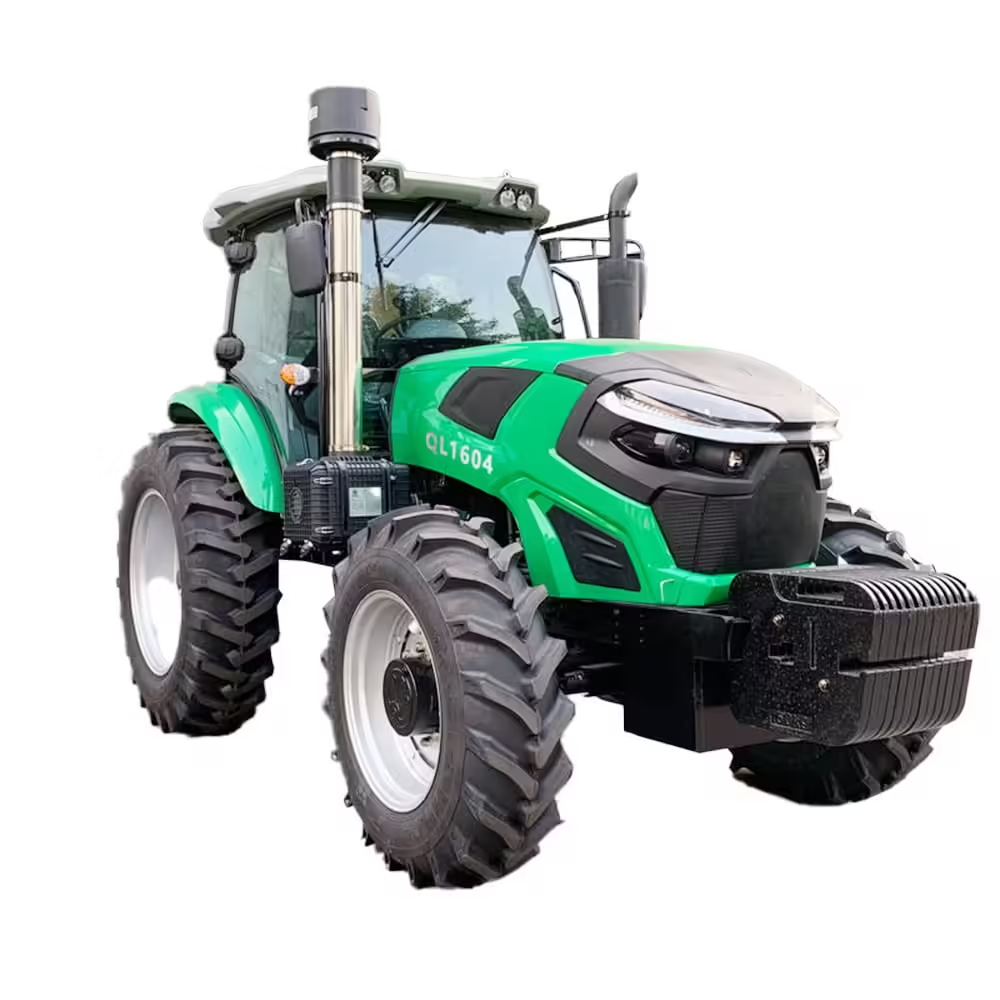
নিরাপত্তা নিশ্চিত করা: ট্র্যাক্টর চালানোর সময় গুরুত্বপূর্ণ সতর্কতা
নিরাপত্তা নিশ্চিত করা: ট্র্যাক্টর চালানোর সময় গুরুত্বপূর্ণ সতর্কতা
ভূমিকা
Operating a tractor is a pivotal yet potentially hazardous task in agricultural and construction settings. The sheer power and complexity of these machines necessitate a strict adherence to safety protocols. In this comprehensive article, we delve into the multifaceted world of tractor operation safety, exploring a myriad of precautions that operators must take to ensure their well-being and the safety of those around them.বিষয়বস্তুর সারণী
- Understanding the Risks of Tractor Operation
- Weight and Power Dynamics
- Unpredictable Terrain and Conditions
- Safety Gear and Personal Protection
- Proper Attire and Footwear
- Helmets and Eye Protection
- শ্রবণ সুরক্ষা
- Pre-Operational Checks and Equipment Inspection
- Brakes, Clutch, and Controls
- Lights and Signals
- Attachment Security
- Safe Tractor Operation Practices
- Seatbelt Usage
- Controlled Speed and Steering
- Avoiding Sudden Movements
- Working Near Slopes and Uneven Terrain
- Understanding the Center of Gravity
- ওভারলোডিং এড়ানো
- Implementing Safe Loading and Unloading Procedures
- Using Ramps and Loading Tools
- Balancing the Load
- Preventing Rollovers and Tip-Overs
- ROPS and Protective Structures
- Counterweight and Load Distribution
- Safety During Attachments and Implements Use
- Proper Mounting and Dismounting
- Avoiding Contact with Moving Parts
- Alcohol, Fatigue, and Operator Wellness
- The Impact of Impairment
- Prioritizing Rest and Health
- Emergency Preparedness and Communication
- Equipping First Aid Kits
- Establishing Communication Protocols
- FAQ About Safety Precautions When Operating a Tractor
Understanding the Risks of Tractor Operation
Weight and Power Dynamics
Tractors are heavy and powerful machines, capable of causing serious damage if not operated with caution. The risk of accidents is heightened due to their size and weight.Unpredictable Terrain and Conditions
Uneven terrain, obstacles, and weather conditions can significantly impact tractor stability and control, making it essential to anticipate and adapt to these challenges.Safety Gear and Personal Protection
Proper Attire and Footwear
Wearing appropriate clothing and sturdy footwear minimizes the risk of entanglement with moving parts and offers protection in the event of an accident.Helmets and Eye Protection
When working under low branches or in dusty conditions, wearing helmets and eye protection safeguards against head injuries and debris.শ্রবণ সুরক্ষা
Tractor engines produce significant noise levels that can damage hearing over time. Wearing hearing protection preserves long-term auditory health.Pre-Operational Checks and Equipment Inspection
Brakes, Clutch, and Controls
Ensuring brakes and clutch mechanisms are functional and controls are responsive prevents sudden accidents during operation.Lights and Signals
Functional lights and signals improve visibility, especially in low-light conditions or when working near roads.Attachment Security
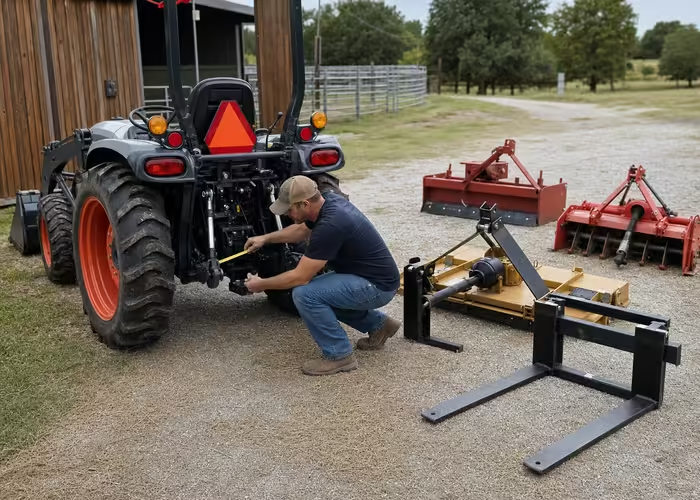
Properly securing attachments and implements reduces the risk of them becoming detached during operation.Safe Tractor Operation Practices
Seatbelt Usage
Always wear a seatbelt while operating a tractor equipped with a roll-over protective structure (ROPS) to prevent ejection during rollovers.Controlled Speed and Steering
Maintain a controlled speed and avoid sharp turns to prevent loss of control, especially on slopes or uneven terrain.Avoiding Sudden Movements
Gradual acceleration and deceleration, along with smooth steering, prevent jolts that could lead to tipping.Working Near Slopes and Uneven Terrain
Understanding the Center of Gravity
Operate the tractor considering its center of gravity and the terrain. Uneven surfaces and slopes can shift the center of gravity, affecting stability.ওভারলোডিং এড়ানো
Avoid overloading the tractor or attachments, as this can compromise stability and control, increasing the risk of accidents.Implementing Safe Loading and Unloading Procedures