Email: [email protected] Whatsapp: +8618266768780

Email: [email protected] Whatsapp: +8618266768780


Welcome to the world of Skid Steer Loader operation. You step into a role where safety, awareness, and routine checks matter every day. As you begin, focus on understanding the equipment and always use the right safety gear. Pay attention to your surroundings, check your loader before each use, and practice basic movements in a safe area. These habits help you avoid common mistakes and build confidence.
Tip: Start each day with a quick inspection to ensure everything runs smoothly.
Understanding the control layout is the first step to safe and efficient operation. Every Skid Steer Loader features a unique set of controls, but most fall into a few common patterns. Before you start the engine, take time to sit in the cab and identify each joystick, pedal, switch, and gauge.
| Control Pattern | Beschreibung |
|---|---|
| ISO Controls | Left joystick controls travel; right joystick manages lift arms and attachment tilt. |
| H-Pattern Controls | Two joysticks control mobility; left joystick raises/lowers the boom, right joystick tilts the bucket. |
| Standard Pattern | Hand levers for movement and foot pedals for lifting/lowering; requires more physical effort. |
You will use joysticks and pedals to move the loader and operate attachments. Joysticks often control direction and speed, while pedals or additional levers manage the loader arms and bucket. Familiarize yourself with the feel and response of each control before moving the machine.
Switches activate lights, auxiliary hydraulics, and other features. Gauges display vital information such as fuel level, oil pressure, and engine temperature. Always check these before and during operation to avoid unexpected issues.
Start by practicing gentle forward and reverse movements. Use the left joystick or hand lever, depending on your loader’s control pattern. Keep your speed low and focus on smooth starts and stops.
Next, practice raising and lowering the loader arms and tilting the bucket. Use the right joystick or foot pedals. Try to coordinate your movements for smooth, controlled operation. Practicing these basics in an open area helps you build confidence and control.
Tip: Always wear essential safety gear, such as hard hats, safety glasses, and steel-toed boots, when practicing.
Read the operator’s manual before your first session. The manual explains each control, safety feature, and recommended procedure. Familiarity with the manual helps you understand how to use seat belts, emergency shut-offs, and other built-in safety systems.
The manual also provides troubleshooting steps for common issues. If you notice warning lights or abnormal sounds, refer to the manual for guidance. This habit reduces downtime and keeps your Skid Steer Loader in top condition.
Case Study: Learning the Controls
Maria, a new operator, started by reading her Skid Steer Loader’s manual and watching official training videos. She spent her first day in an open lot, wearing full safety gear. She followed these steps:
After a week of daily practice, Maria could maneuver through tight spaces and handle basic tasks with confidence. Her supervisor noted her steady progress and safe habits.
Notiz: Hands-on practice with supervision and formal training courses can further improve your skills and safety awareness. For more operator safety tips, visit OSHA’s official guidelines.
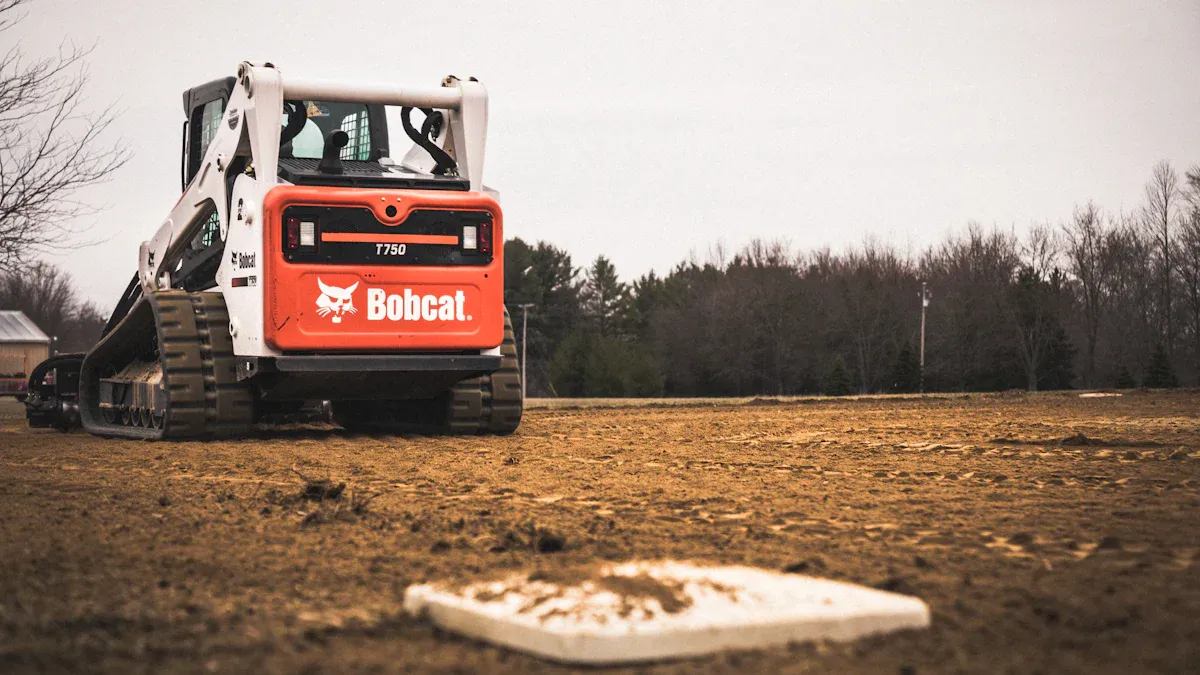
Operating a Skid Steer Loader requires your full attention to safety. You must protect yourself and those around you by following essential safety practices every time you step onto a job site.
You should always wear a hard hat and sturdy gloves before starting work. Helmets shield your head from falling objects and accidental bumps. Gloves protect your hands from sharp edges, pinch points, and rough surfaces. These items form the foundation of your personal protective equipment.
High-visibility clothing makes you stand out in busy environments. You reduce the risk of accidents by ensuring that other operators and crew members can see you clearly. Choose vests or jackets with reflective strips, especially when working in low-light conditions.
Before you operate a Skid Steer Loader, walk the site and look for hazards. Common risks include uneven terrain, overhead obstacles, and blind spots. The table below highlights frequently reported hazards on construction sites:
| Hazard Type | Beschreibung |
|---|---|
| Environmental Risks | Pinch-point actions, overhead moving objects, weather conditions |
| Human Performance Hazards | Misjudgment, inappropriate positioning, ignoring safety procedures |
| Common Incident Types | Maintenance errors, operator mistakes, riding in the bucket |
| Injury Causes | Bypassing safety systems, not wearing seat belts, entrapment incidents |
You also need to watch for struck-by and crushed-by hazards, rollover risks, and pinch points. Weather can increase the likelihood of incidents, so adjust your practices accordingly.
Clear communication with your crew prevents misunderstandings and accidents. Use hand signals, radios, or direct conversation to coordinate movements. Always inform others before moving the loader or changing direction. You create a safer environment by keeping everyone aware of your actions.
You must use the seat belt every time you operate the loader. Research shows that active seat belts protect you during sudden maneuvers and collisions. Greater pretensioning forces in seat belts help keep you in the correct position, reducing injury risk. Passive safety features like seat belts and airbags play a crucial role in minimizing injury severity.
Familiarize yourself with the emergency shut-off system. This feature allows you to stop the loader instantly if something goes wrong. Automatic Emergency Braking (AEB) systems can reduce crashes by up to 38%, making them vital for accident prevention. Always know where the shut-off controls are located and practice using them during training.
Tipp: Review OSHA’s Skid Steer Loader Safety Guidelines und beteiligen Sie sich an Diskussionen auf Reddit’s Construction Safety Community for practical advice from experienced operators.
Consider the case of Alex, a new operator on a busy construction site. On his first day, Alex wore all recommended safety gear and walked the site to identify hazards. He communicated with his crew before moving the loader and always used the seat belt. During a routine lift, he noticed a warning light and used the emergency shut-off to prevent a potential incident. Alex’s attention to safety and proactive communication helped him avoid injury and set a positive example for his team.
Notiz: You build a culture of safety by following these steps and encouraging others to do the same.
Building your skills as a Skid Steer Loader operator requires patience and consistent effort. You should start slow, practice in open areas, and gradually challenge yourself with more complex maneuvers. This approach helps you develop confidence and reduces the risk of accidents.
Begin your training in a spacious, obstacle-free environment. Open lots or designated practice zones allow you to focus on basic movements without distractions. You minimize the chance of collisions and can concentrate on mastering the controls.
Mark clear boundaries using cones or flags. These visual guides help you understand the loader’s turning radius and improve your spatial awareness. Setting boundaries also creates a safe space for practice, keeping bystanders and equipment out of harm’s way.
Tip: Consistent practice and “seat time” are essential for skill improvement. Basic grading can be learned within a few hours, but mastering the operation takes years of experience.
Practice driving in straight lines, making gentle turns, and stopping smoothly. Focus on controlling speed and direction with precision. Smooth driving reduces wear on the loader and keeps your worksite safe.
Work on raising and lowering the loader arms with steady movements. Avoid sudden jerks or rapid lifts. Controlled lifting protects both the machine and the materials you handle, and it helps you build muscle memory for future tasks.
Increase the difficulty of your maneuvers as you gain confidence. Start with simple tasks like moving dirt, then progress to stacking materials or navigating tighter spaces. Quality training programs begin with basic concepts and gradually introduce more complex challenges, which helps build operator confidence.
Handle different types of loads, such as soil, gravel, or pallets. Each material requires a unique approach. Hands-on training, especially with simulators, enhances retention and muscle memory, which is crucial for performance in high-pressure situations.
| Skill Level | Practice Time | Typische Aufgaben | Confidence Level | Safety Risk |
|---|---|---|---|---|
| Beginner | 1-3 hours | Basic grading, straight driving | Niedrig | Mäßig |
| Intermediate | 1-2 weeks | Controlled lifting, turning | Mittel | Niedrig |
| Fortschrittlich | Months to years | Tight maneuvering, complex loads | Hoch | Sehr niedrig |
Operators who received formal training had a 70% lower injury rate compared to those without training, showing a strong link between skill development and safety.
Let’s look at Sam’s journey as a new operator:
Sam’s steady progress and commitment to practice helped him build confidence and reduce safety risks. You can follow a similar path by dedicating time each week to skill development and seeking advice from experienced operators.
Note: Hands-on practice, formal training, and engagement with industry communities accelerate your learning and improve safety outcomes.
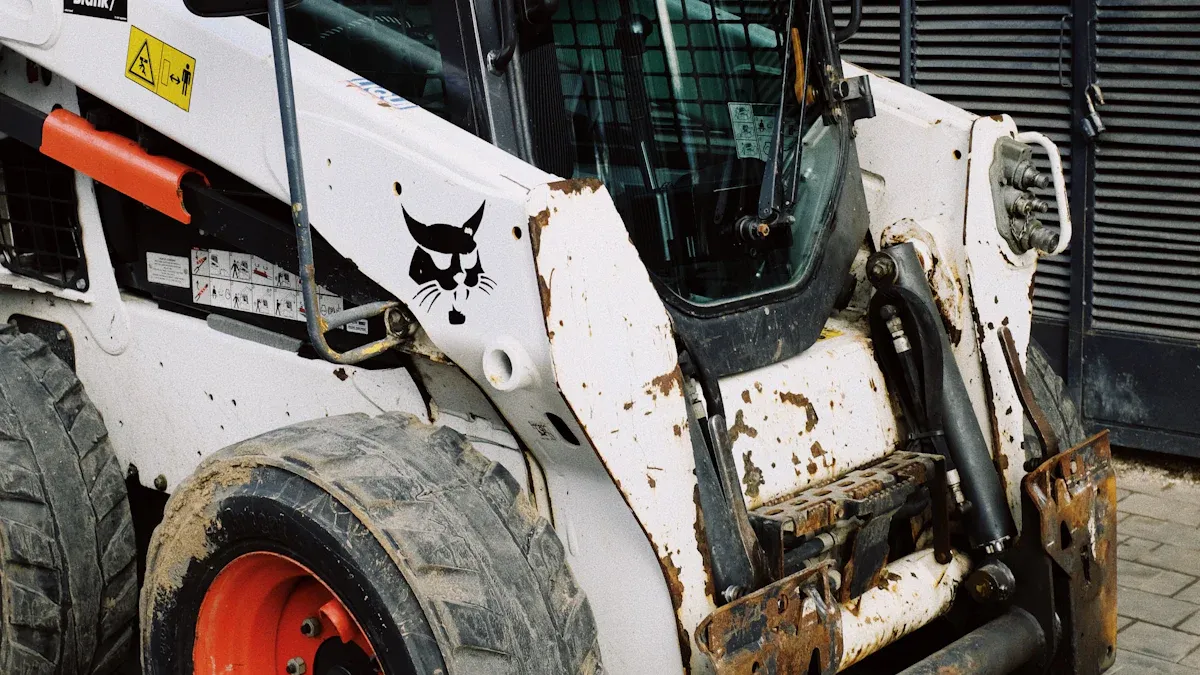
Regular maintenance checks keep your Skid Steer Loader running safely and efficiently. You should inspect your machine before and after each use, follow a routine maintenance schedule, and use monitoring systems to catch issues early.
Start every shift with a thorough visual inspection. Follow these steps to ensure your loader is ready for work:
Open the hydraulic fluid and engine compartments. Check hydraulic fluid, coolant, and engine oil levels. Inspect the engine bay for loose wires or damage. Examine air filters and belts for wear. Inspect radiator fins for damage.
Hydraulic hoses play a critical role in loader performance. Look for cracks, leaks, or signs of wear. Secure all connections and replace damaged hoses immediately. Proper hose maintenance prevents breakdowns and costly repairs.
Clean your loader regularly. Dirt and debris can cause corrosion and interfere with moving parts. Pay special attention to the undercarriage and attachment points. Lubricate final drive gears and grease all fittings.
Follow manufacturer guidelines for routine maintenance. The table below outlines recommended intervals:
| Maintenance Type | Frequency/Interval |
|---|---|
| Daily Procedures | Every day |
| Monthly Procedures | Every month |
| Ölwechsel | Alle 250 Stunden |
| Filterwechsel | 250, 500, 1,000 hours |
Inspect fluid levels, check filters, and look for leaks. Inspect the fuel and water separator bowl. Check hoses for damage or wear. Regular maintenance reduces the risk of final drive issues, faulty steering, and transmission problems.
Tip: Set reminders for service intervals using your phone or a maintenance app. For more best practices, visit Bobcat’s Maintenance Tips oder beteiligen Sie sich an Diskussionen auf Foren für schwere Baumaschinen.
Modern loaders feature intelligent monitoring systems. These systems provide real-time updates on oil temperature, fuel level, and error codes. Monitor fluid levels and machine status before and during operation. Address warning lights or error messages immediately.
Respond quickly to maintenance issues. Common problems include low transmission fluid, worn gears, improper tire inflation, and incorrect track tension. Check and maintain proper fluid levels. Inspect and replace worn gears or bearings. Adjust tire pressure or track tension as needed. Replace damaged tires or tracks promptly.
Imagine you arrive at the job site. You start with a walk-around inspection, checking windows, tires, and hydraulic hoses. You open the engine compartment, verify fluid levels, and inspect filters. You clean debris from the undercarriage and lubricate moving parts. Before starting, you check the monitoring system for alerts. During operation, you notice a warning light and stop to investigate. You find a loose hose, tighten the connection, and resume work safely.
Note: Consistent maintenance protects your investment and ensures safe operation. For more tips, follow #skidsteermaintenance on Instagram and review OSHA’s Equipment Maintenance Guidelines.
You will appreciate the ergonomic cab design of the Mini-Kompaktlader QL1100. The cab reduces operator fatigue and increases comfort during long shifts. The spacious layout allows you to move freely and access controls without strain. Large windows provide excellent visibility, which helps you monitor your surroundings and avoid hazards. The seat offers adjustable support, so you can customize your position for maximum comfort. You will find that a well-designed cab improves your focus and productivity.
The advanced hydraulic system in the QL1100 boosts your work efficiency by up to 30%. You can operate attachments with precision and speed. The system uses high-quality components that ensure smooth movement and reliable performance. Hydraulic pilot controls respond quickly to your input, making it easier to maneuver in tight spaces. You will notice less fuel consumption and faster cycle times, which means you complete tasks more efficiently.
The QL1100 features a robust Perkins 3-cylinder engine. You get a rated power of 18.4KW, which delivers consistent performance for demanding jobs. The engine starts reliably in various weather conditions. You can handle heavy loads and tough terrain without losing power. The Perkins engine is known for durability and low maintenance requirements, so you spend less time on repairs and more time working.
You operate the QL1100 with confidence, knowing it meets EPA emissions standards. The loader produces fewer emissions, which helps protect the environment and keeps your job site compliant with regulations. You contribute to cleaner air and a safer workplace. EPA compliance also means you avoid fines and penalties related to emissions violations.
The intelligent monitoring system gives you real-time updates on oil temperature, fuel level, and equipment status. You can check the dashboard before and during operation to catch issues early. The system alerts you to maintenance needs, so you prevent breakdowns and extend the life of your loader. You stay informed and make decisions that keep your equipment running smoothly.
Hydraulic pilot control enhances sensitivity and precision. You can make fine adjustments to loader arms and attachments with minimal effort. The controls respond instantly, which helps you work safely in confined areas. You build confidence as you master the loader’s movements. Pilot control technology makes the QL1100 accessible for beginners and efficient for experienced operators.
Tipp: For more information on safe loader operation and maintenance, visit OSHA’s Equipment Safety Guidelines.
| Besonderheit | Benefit to You |
|---|---|
| Ergonomic Cab | Reduces fatigue, boosts comfort |
| Hydrauliksystem | Increases efficiency, saves fuel |
| Perkins Engine | Reliable power, low maintenance |
| EPA Compliance | Meets regulations, eco-friendly |
| Monitoring System | Real-time alerts, easy upkeep |
| Pilot Control | Smooth, precise operation |
You can rely on the Mini-Kompaktlader QL1100 for landscaping, agriculture, and construction tasks. The combination of comfort, performance, and user-friendly features makes it an excellent choice for new operators.
You need a machine that adapts to your changing work environment. The Mini-Kompaktlader QL1100 offers multiple working modes, giving you flexibility for a wide range of tasks. You can switch between modes quickly, which helps you handle different materials and surfaces with ease. This loader performs well in tight urban spaces, open fields, and busy construction sites.
Tipp: Try each working mode in a safe area before using it on the job. You will learn how the loader responds and which settings work best for your needs.
The QL1100’s versatility means you can take on new projects without needing extra equipment. You save time and money by using one loader for many applications.
You want equipment that stands up to daily use and tough conditions. The Mini Skid Steer Loader QL1100 features durable structural components designed for long service life. The reinforced frame resists bending and twisting, even when you carry heavy loads or work on uneven ground. High-quality materials protect the hydraulic system and engine from wear and tear.
| Durability Feature | Benefit to You |
|---|---|
| Reinforced Frame | Handles heavy loads, resists damage |
| Quality Hydraulic Tubing | Reduces leaks, extends lifespan |
| Protected Engine Components | Lowers maintenance needs |
You can rely on the QL1100 to keep working, even in harsh environments. The loader’s design minimizes downtime and repair costs. You spend more time on the job and less time in the shop.
Notiz: Regular maintenance, such as checking fluid levels and inspecting hoses, helps you get the most from your loader’s durable build.
With its multiple working modes and rugged construction, the Mini Skid Steer Loader QL1100 gives you the confidence to tackle landscaping, construction, and agricultural projects. You gain a reliable partner that grows with your business and adapts to your needs.
You will notice the difference as soon as you step into the cab of the QL380. The controls are designed for comfort and efficiency. Each lever and switch sits within easy reach, so you can operate the loader without unnecessary stretching or strain. The seat offers adjustable support, helping you maintain good posture during long shifts. You will find that the intuitive layout reduces fatigue and allows you to focus on the task at hand. The dashboard features a stainless steel finish, which resists wear and makes cleaning simple. You can keep your workspace tidy and professional with minimal effort.
Staying informed about your machine’s condition is essential for safe operation. The QL380 provides real-time status updates through its intelligent monitoring system. You can check vital information such as oil temperature, fuel level, and engine hours directly from the dashboard. The hour meter tracks engine working time, making it easy to schedule maintenance and avoid unexpected breakdowns. When you receive alerts or warnings, you can respond quickly to prevent minor issues from becoming major problems. This feature helps you extend the life of your loader and maintain peak performance.
The QL380 uses a reliable Briggs & Stratton engine, delivering a rated power range of 15-18KW. This engine gives you the strength to handle demanding jobs in landscaping, construction, and agriculture. You benefit from consistent performance, even when working in tough conditions. The engine meets EPA emissions standards, so you can operate with confidence on regulated job sites. You will appreciate the low maintenance requirements and dependable starts, which keep your projects on schedule.
You need a loader that can handle a variety of materials and tasks. The QL380 offers impressive lifting power for its size. Here is a quick look at its maximum operating capacity:
| Maximum Operating Capacity (Kg) |
|---|
| 400 |
With a maximum operating capacity of 400 kg, you can move soil, gravel, pallets, and more with ease. This capacity makes the QL380 suitable for a wide range of applications, from clearing debris to loading trucks. You can take on new projects without worrying about overloading your equipment.
Hydraulic systems work hard during every shift. The QL380 features a dedicated hydraulic oil cooler, which keeps temperatures in check during long or intense jobs. You reduce the risk of overheating and extend the life of your hydraulic components. This cooling system ensures smooth operation, even when you push the loader to its limits.
Durability matters on every job site. The QL380 uses seamless steel pipe hydraulic tubing, which resists high pressure and prevents leaks. You gain peace of mind knowing your loader can withstand daily wear and tear. The robust construction means fewer repairs and less downtime, so you stay productive.
Tipp: Always check your loader’s monitoring system before starting work. Address any alerts immediately to keep your machine running safely and efficiently.
You can rely on the 18KW Skid Steer Loader QL380 for material handling in agriculture, landscaping, and construction. Its ergonomic design, strong engine, and advanced safety features make it an excellent choice for both new and experienced operators.
You need a loader that adapts to changing job requirements. The QL380 offers multiple working modes, allowing you to switch tasks quickly and efficiently. You can select the mode that matches your current project, whether you handle landscaping, construction, or agricultural work. Each mode optimizes the loader’s hydraulic response and engine output for specific tasks. You save time by adjusting settings instead of swapping equipment.
Consider these common working modes:
| Working Mode | Typical Use Case | Benefit to You |
|---|---|---|
| Standard | Allgemeine Materialhandhabung | Balanced power and speed |
| Präzision | Grading, fine movement | Enhanced control |
| Schwerlast | Lifting heavy loads | Maximum hydraulic force |
| Eco | Light tasks, fuel savings | Reduzierter Kraftstoffverbrauch |
You can switch between modes using the intuitive dashboard controls. You see immediate changes in loader performance, which helps you match the machine to the job. You reduce wear and tear by using the right mode for each task. You also improve safety because each mode limits the loader’s speed and force to safe levels for the application.
Tipp: Test each working mode in a safe area before starting a new project. You will learn how the loader responds and which settings work best for your needs.
Visibility matters on every job site. The QL380 features powerful headlights that illuminate your work area during early mornings, late evenings, or cloudy days. You operate safely in low-light conditions, reducing the risk of accidents. The headlights use energy-efficient bulbs, which last longer and require less maintenance.
You control the headlights from the dashboard. You turn them on when you need extra light for precise movements or when working near other equipment. You also use headlights to signal your presence to crew members, improving site communication.
Here are practical benefits of using headlights:
| Besonderheit | How It Helps You |
|---|---|
| Bright Illumination | Enhances safety and accuracy |
| Long Lifespan | Reduces maintenance downtime |
| Easy Controls | Simplifies operation |
Notiz: Always check your headlights before each shift. Clean the lenses regularly to maintain maximum brightness.
You gain flexibility and confidence with the QL380’s adaptable features. You handle a wide range of tasks and work safely in any lighting condition. These practical advantages make the QL380 a smart choice for beginners and experienced operators alike.
You build confidence and safety by mastering controls, wearing proper gear, practicing regularly, and performing routine maintenance. These habits help you avoid common mistakes like rollovers and operational hazards. Well-trained operators reduce errors by up to 70%, extending equipment life and lowering costs. Explore beginner-friendly models such as the QL1100 and QL380. For ongoing skill development, consider these training resources:
| Resource | Beschreibung | Kosten |
|---|---|---|
| Safety Training Course | Formal instruction and practical training | $1650 for up to 10 workers |
| Online Trainer Program | Advanced education for in-house trainers | $495 each |
Stay proactive, keep learning, and consult the FAQ for more details. Your commitment leads to safer, more efficient operation every day. 🚜
You should always read the operator’s manual. This step helps you understand the controls, safety features, and maintenance requirements. Familiarity with your Skid Steer Loader reduces mistakes and improves safety.
You need to inspect your machine before and after every use. Check fluid levels, tires, hydraulic hoses, and attachments. Regular inspections prevent breakdowns and extend equipment life. For more details, visit OSHA’s Equipment Maintenance Guidelines.
You must wear a hard hat, gloves, high-visibility clothing, and steel-toed boots. These items protect you from common job site hazards. Safety gear reduces injury risk and keeps you compliant with industry standards.
You should practice in open areas, start with basic movements, and gradually increase difficulty. Consider joining online forums like Foren für schwere Baumaschinen for tips and advice from experienced operators.
You need to stop the loader and check the monitoring system. Refer to the operator’s manual for troubleshooting steps. Address issues immediately to avoid equipment damage or safety risks.
Yes. You can switch attachments and working modes to handle landscaping, construction, and agricultural jobs. The loader’s versatility makes it valuable for many applications.
You can access formal training through local equipment dealers or online platforms. OSHA offers guidelines at OSHA Skid Steer Loader Safety. Social media groups and YouTube channels also provide practical tutorials.
Tip: Always ask questions and seek feedback from experienced operators. Continuous learning improves your safety and efficiency.







-1.png)