Email: [email protected] Whatsapp: +8618266768780
Email: [email protected] Whatsapp: +8618266768780


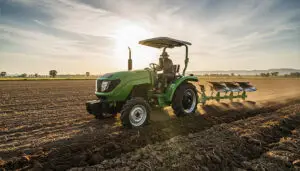
Die globale Agrarlandschaft im Jahr 2026 wird nicht mehr durch die Größe Ihres Landes definiert, sondern durch die Effizienz Ihres “Arbeitsfensters” Mit der Klimavolatilität, die die Pflanzsaison verkürzt und die Arbeitskosten Rekordhöhen erreichen, hat sich der Traktor von einer einfachen Zugmaschine zu einem hochfrequenten hydraulischen Werkzeugträger entwickelt.
Wenn Sie Maschinen noch auf der Grundlage der Standards von 2020 bewerten, übersehen Sie wahrscheinlich die beiden größten Gewinnbringer in der modernen Landwirtschaft: Unsichtbare Bodenverdichtung und Hydraulischer parasitärer Verlust. Dieser Leitfaden geht über die Broschürenspezifikationen hinaus und untersucht, wie intelligent Traktor Anwendungslösungen Operativen ROI neu definieren.
Die moderne Agronomie hat einen Konsens erreicht: Die Ära “schwerer ist besser” ist tot Laut der Ernährungs - und Landwirtschaftsorganisation (FAO), 68 Millionen Hektar weltweit wirkt sich die Bodenverdichtung mittlerweile auf über 68 Millionen Hektar aus, was zu dauerhaften Entwässerungsausfällen und Nährstoffaussperrung führt.
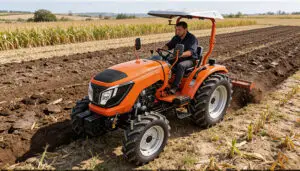
Im Jahr 2026 wendet sich die Branche auf kompakte Mittelklasse-Traktoren mit hohem Drehmoment ab. Warum? Denn eine 50-PS-Maschine mit optimiertem Radialreifendruck übt ungefähr aus 6-8 PSI, wohingegen ein serienmäßiger schwerer Traktor darüber hinausgehen kann 20 PSI.
Für Obstgarten- und Weinbergmanager geht es hier nicht nur um “Green-Sein”um die Gesundheit von Wurzeln. Kompakte Maschinen ermöglichen das Verteilen mehrerer Pässe, das Beschneiden und das Mulchen, ohne dass eine “harte Schicht entsteht, die hochwertige Nutzpflanzen erstickt”.
Feldbeobachtung | Die “Eco” - Logik:
Wir haben gesehen, dass Betreiber die Kombination erfolgreich durchgeführt haben1,2-Tonnen-Minibagger -12EcoFür periphere Entwässerungsarbeiten bei Verwendung von Kompakttraktoren zur Reihenwartung Dieser Ansatz der “Mikroflotte” sorgt dafür, dass schweres Gerät niemals die empfindliche “Tropfzone” der Pflanzen berührt.
Im Jahr 2026 ist der Traktor nur so gut wie sein Zapfwelle (Stromabnahme) Effizienz. Wenn die Pumpe bei niedrigen Drehzahlen keinen konstanten Durchfluss aufrechterhalten kann, wird Ihr Spezialgerät Ihre hydraulische Forsttechnik mit variabler Geschwindigkeit oder Ihre Mulchers-Sprühgeräte mit variabler Geschwindigkeit unterdurchschnittlich ausführen.
| Sektor | Kernherausforderung | Kritische technische Lösung | ROI-Treiber |
| Präzisionsruderanbau | Dünger Überanwendung | Variable Rate Technology (VRT) | 25% Reduzierung der Inputkosten |
| Innen-grünhaus | Belüftung und giftige Dämpfe | Elektrohydraulische Antriebsstränge | Einhaltung der Arbeitsgesetze in Innenräumen |
| Städtische Forstwirtschaft | Enge Drehradien | Nullschwanz-Schaukel/Gelenklenkung | 401TP3 T Reduzierung der Einrichtungszeit |
| Bio-weinbau | Mechanische Unkrautbekämpfung | Mittelmontierte Werkzeugstangen + Sensoren | Beseitigung chemischer Herbizide |
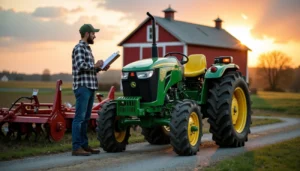
Die erfolgreichsten Auftragnehmer im Jahr 2026 besitzen keine 10 Maschinen; sie besitzen 3 Maschinen und 15 Hochleistungsaufsätze, aus dem Traktor ist das “OS” (Betriebssystem) geworden und die Aufsätze sind die “Apps”
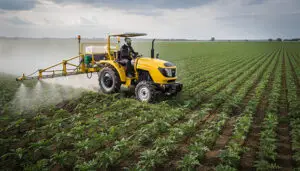
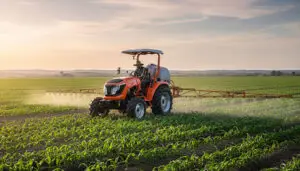
Moderne Sprühgeräte und Streugeräte sprechen jetzt direkt über das Steuergerät des Traktors ISOBUS Protokolle. Während sich der Traktor über ein Feld bewegt, sagen satellitengebundene Bodenkarten dem Spreizer genau, wie viel Stickstoff auf jedem Quadratmeter fallen soll Dies ist der Grundstein von Präzisionslandwirtschaft.
Bei der städtischen Forstwirtschaft geht es nicht mehr um Kettensägen. Es geht um hydraulische Mulcher mit hohem Durchfluss, die auf kompakten Traktoren montiert sind. Dieser Aufbau ermöglicht “One-Pass Clearing”wobei invasive Arten zu Mulch gemahlen und in einer einzigen Bewegung in den Boden zurückgeführt werden, wodurch der Kohlenstoff-Fußabdruck der Landrodung erheblich verringert wird.
Im Inneren eines Gewächshauses ist jeder Zentimeter Platz Tausende von Dollar wert Standardtraktoren sind zu breit Neu Spezialisierte Traktorkonstruktionen Einziehbare Fahrwerke oder “Ultra-Narrow” - Profile (oft unter 1 Meter breit) aufweisen und dabei noch genügend hydraulischen Stempel liefern, um eine Power-Tiller zu betreiben.
Die Kosten einer Maschine sind nicht der Kaufpreis; es ist die Ausfallzeit. Im Jahr 2026 ist die Branche von “Break-Fix” zu “Predictive.” übergegangen”
Wenn Sie gerade einen Flottenneuzugang evaluieren, ignorieren Sie die Lackfarbe und den Marketing-Fluff Konzentrieren Sie sich auf diese drei mechanischen Realitäten:
Um zu sehen, wie sich diese theoretischen Konzepte in tatsächliche Feldgeschwindigkeit und Manövrierfähigkeit umsetzen lassen, schauen Sie sich unten unser technisches Schaufenster 2026 an Beachten Sie die hydraulische Stabilität bei Hochgeschwindigkeitsdrehungen:
F: Mein Land ist extrem hügelig Soll ich bei Rädern bleiben oder auf Gleise wechseln?
A: Für Hügel, Zentrum der Schwerkraft (CoG) Wichtiger als der Antriebstyp sind allerdings Gummiketten bieten überlegene “Grip-to-Slip” - Verhältnisse an Hanglagen, die verhindern, dass der Traktor im nassen Gras “rautscht” Wenn Sie bei Rädern bleiben, achten Sie auf die Verwendung von Gewichtsschotter oder “Dualies” für Stabilität.
F: Kann ein 50-PS-Traktor wirklich einen Mulcher mit hohem Durchfluss betreiben?
A: Ja, aber nur, wenn es eine hat Unabhängige Hilfshydraulikpumpe. Viele “Budget” - Traktoren teilen sich eine Pumpe für Lenkung und Anbaugeräte, beim Drehen des Rades wird der Mulcher langsamer Professional Anwendungslösungen Verwenden Sie spezielle Pumpen, um sicherzustellen, dass der Aufsatz nie verliert RPM.
F: Was ist der größte Fehler, den Menschen mit kompakten Traktoren machen?
A: Unterdimensionierung des Laders. Oftmals kauft man sich einen Traktor, der das kann Zug ziehen Das Gewicht, kann aber nicht Lift it. Überprüfen Sie Ihre “Lift to Full Height” - Spezifikationen. Wenn Sie Heuballen oder schwere Paletten bewegen, ist die hydraulische Kapazität des Laders genauso wichtig wie die HP des Motors.
F: Wie berechne ich den ROI des Umzugs auf einen “Smart” - Traktor?
A: Schauen Sie sich Ihre Chemie - und Kraftstoffrechnungen an Die meisten Betriebe sehen eine 15-201TP3 T-Reduktion der Düngemittelabfälle und einen 101TP3 T-Abfall des Kraftstoffverbrauchs innerhalb des ersten Jahres nach Umstellung auf GPS-geführte Maschinen mit variablem TarifDie Maschine bezahlt sich in “eingesparten Eingängen” und nicht nur in “Extraarbeit”
Bereit, Ihre betriebliche Präsenz zu optimieren?
Lassen Sie nicht zu, dass Maschinen des 20. Jahrhunderts Ihre Erträge des 21. Jahrhunderts bremsen. Verbinden Sie sich mit unserem Engineering-Team Für ein maßgeschneidertes Machine-to-Attachment-Audit Wir verkaufen nicht nur Eisen; Wir entwickeln Lösungen, die Sie im Feld halten.
-1.png)