Willkommen bei Shandong Qilu Industrial Co., Ltd

 German
 English
 Arabic
 Bulgarian
 Bengali
 Czech
Czech
 Danish
 Greek
Greek
 Spanish
 Finnish
 French
 Hindi
Hindi
 Croatian
 Hungarian
 Indonesian
 Italian
 Japanese
 Korean
 Lithuanian
 Dutch
Dutch
 Norwegian
 Polish
 Portuguese
 Romanian
 Russian
 Slovak
 Slovenian
 Swedish
 Thai
Thai
 Turkish
 Ukrainian
 Vietnamese
 Tagalog
 Malay
Malay
 Estonian
 Catalan
 Latvian
 Urdu
Urdu
 Serbian
 Persian
 Swahili
 Albanian
 Armenian
 Icelandic
 Bosnian
 Luxembourgish
 Afrikaans
German English
Arabic
Bulgarian
Bengali
Czech
Danish
Greek
Spanish
Finnish
French
Hindi
Croatian
Hungarian
Indonesian
Italian
Japanese
Korean
Lithuanian
Dutch
Norwegian
Polish
Portuguese
Romanian
Russian
Slovak
Slovenian
Swedish
Thai
Turkish
Ukrainian
Vietnamese
Tagalog
Malay
Estonian
Catalan
Latvian
Urdu
Serbian
Persian
Swahili
Albanian
Armenian
Icelandic
Bosnian
Luxembourgish
Afrikaans
Afrikaans
German English
Arabic
Bulgarian
Bengali
Czech
Danish
Greek
Spanish
Finnish
French
Hindi
Croatian
Hungarian
Indonesian
Italian
Japanese
Korean
Lithuanian
Dutch
Norwegian
Polish
Portuguese
Romanian
Russian
Slovak
Slovenian
Swedish
Thai
Turkish
Ukrainian
Vietnamese
Tagalog
Malay
Estonian
Catalan
Latvian
Urdu
Serbian
Persian
Swahili
Albanian
Armenian
Icelandic
Bosnian
Luxembourgish
Afrikaans
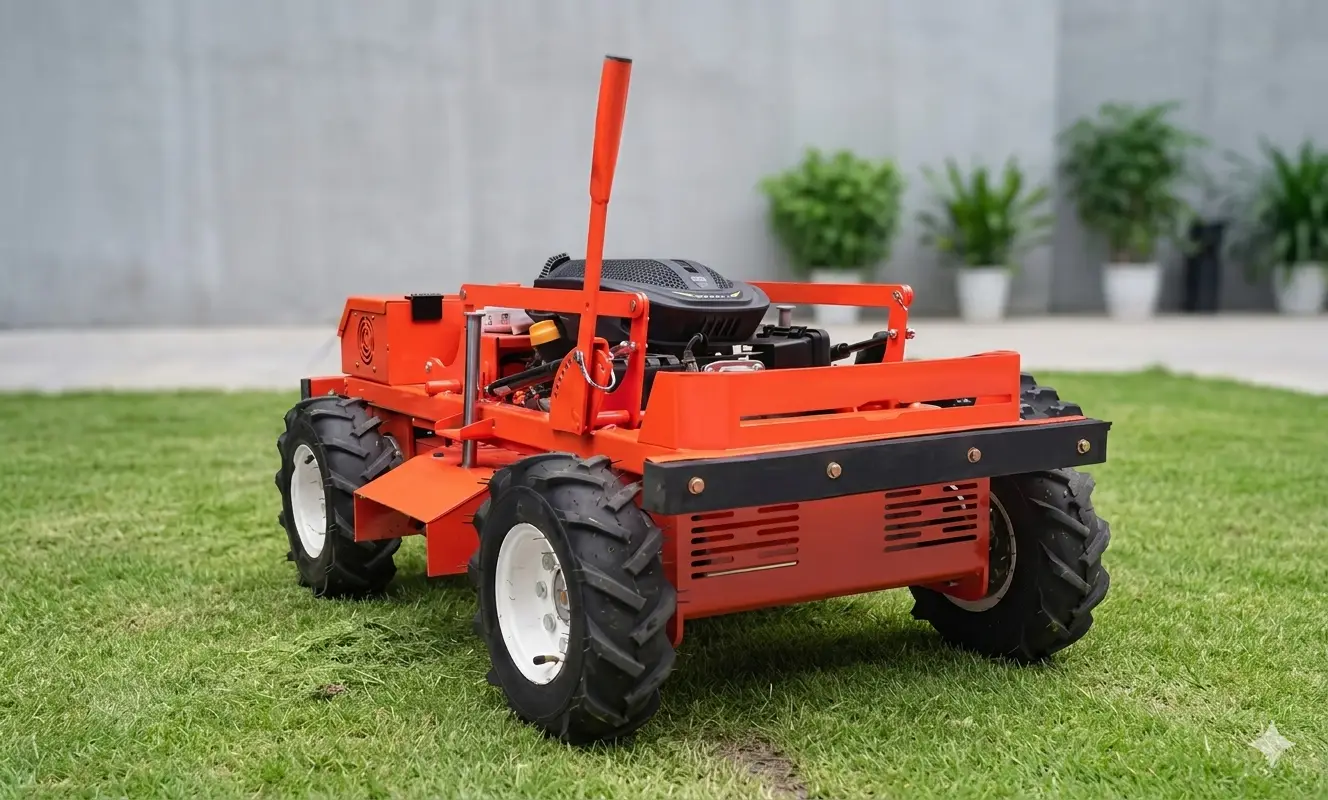
Warum erstklassige Mäher Big-Box-Store-Modelle schlagen | Expertenführer
Das professionelle Rasenmanagement hat in aller Stille die Möglichkeiten der meisten Hardwareketten übertroffen, und Grundstückseigentümer nehmen dies zur Kenntnis.
Die Rasenpflegebranche hat sich vom reinen Grasschneiden zur Verwaltung eines lebenden Systems entwickelt, “und die dafür verwendete Ausrüstung hat sich entsprechend geändert. Was einst von einem großen Einzelhändler als ”gut genug“durchging, bleibt für jeden, der mehr als einen bescheidenen Vorstadthof unterhält, immer weniger übrig. Der US-Rasenmähermarkt wird bis 2032 voraussichtlich 12,9,8 Milliarden TP erreichen, was größtenteils auf technologische Fortschritte zurückzuführen ist, für deren Transport oder Unterstützung Massenhändler einfach nicht gerüstet sind.
Die erhebliche Haltbarkeitslücke Zwischen großen Kastenmähern und Geräten in Großqualität wird schnell offensichtlich. Maschinen, die über große Einzelhandelsketten verkauft werden, werden in der Regel zu einem Preis entwickelt, nicht zu einem Standard. Für große Immobilien, gewerbliche Grundstücke oder die Nachfrage nach Deckkonstruktionen, Klingeneingriffssystemen und Antriebsstrangkomponenten übersteigt schnell das, wofür diese Maschinen ausgelegt waren. Besitzer berichten von vorzeitigem Bandverschleiß, inkonsistenter Schnittqualität auf unebenem Gelände und eingeschränktem Zugang zu Ersatzteilen, ein Anliegen, das in Diskussionen wie wiederholt zum Ausdruck kam Dieser Vergleich zwischen Händler- und Großkartonkäufen.
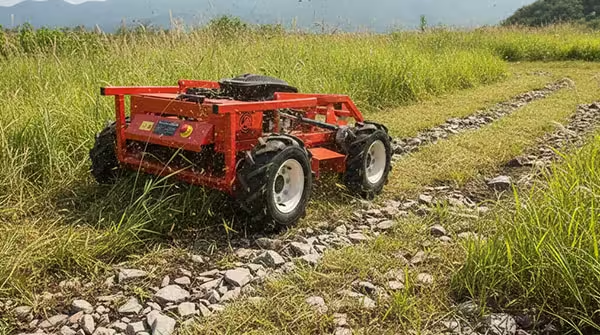
Auswahl eines Herstellers „Zurück. Wenn ein Einzelhändler einfach Inventar bewegt, ändert sich grundlegend, wer die Maschine konstruiert, schlägt auch fehl, wie sie gewartet wird und wie sie optimiert werden kann. Gelände oder Anwendungsfälle. Rasenmäher-QL500F-Modell Stellt genau das dar, was die Philosophie einer präzisionsgefertigten Einheit mit Blattgeschwindigkeit und Deckgeometrie entspricht, die auf die Ergebnisse der Rasendichte abgestimmt ist, nicht nur auf die wöchentliche Wartung. Die Unterscheidung ist besonders wichtig, wenn Sie bedenken, dass es beim Präzisionsmähen nicht nur um das Aussehen geht, sondern auch direkt darum, wie gesund und belastbar Ihr Rasen wird mit der Zeit, beginnend mit der Art und Weise, wie Gras horizontal wächst, und nicht nur nach oben.
Warum seitliches Wachstum das Geheimnis eines unkrautbeständigen Rasens ist
Präzisions-Mähgeräte schneiden nicht nur Gras ‘es prägt aktiv, wie Rasen wächst, bestimmt seine Dichte, und kontrolliert, ob Unkraut jemals Fuß fassen kann.
Klingenqualität und Schnittgeometrie treiben die horizontale Bodenbearbeitung an, (das ist der biologische Prozess, bei dem Graspflanzen seitliche Triebe aussenden, anstatt nach oben zu greifen Wenn ein Blatt einen sauberen, sogar in der richtigen Höhe geschnittenen Boden liefert, lenkt die Graspflanze ihre Energie nach außen. Mit der Zeit entsteht ein dichtes, ineinandergreifendes Blätterdach, das praktisch keinen nackten Boden für die Besiedlung durch Unkrautsamen hinterlässt. Im Gegensatz dazu reißt ein stumpfer oder unausgeglichener Blatt das Gewebe, anstatt es in Scheiben zu schneiden, die Pflanze zu belasten und ein vertikales Nachwachsen anstelle einer seitlichen Ausbreitung auszulösen.
Eine ebenso kritische Rolle spielt die Mähfrequenz. Nach Maßgeschneiderte Landschaftsgestaltung und Rasenpflege, (regelmäßiges wöchentliches Mähen fördert das seitliche Graswachstum für einen dichteren, unkrautbeständigen Rasen, indem es die Ansiedlung von Samen verhindert. Wenn sich die Mähintervalle zu lange dehnen, priorisiert das Mähen von Samen das biologische Äquivalent des Aufgebens. Durch gleichmäßiges, geplantes Schneiden bleibt die Pflanze in einem vegetativen Wachstumszustand, genau dort, wo die seitliche Bestockung am aggressivsten erfolgt.
Aus diesem Grund werden die technischen Entscheidungen von a getroffen Rasenmäher Hersteller Materie weit über rohe PS hinaus Der QL500 F ist mit speziell für dieses biologische Fenster optimierter Blattspitzengeschwindigkeit gebaut, schnell genug, um einen sauberen Scherschnitt zu liefern, ohne die Krone der Graspflanze zu zerdrücken, langsam genug, um übermäßige Turbulenzen zu vermeiden, die Schnittgut ungleichmäßig streuen. Dieses Gleichgewicht ist schwieriger zu erreichen, als es klingt, und es hat bei Standardgeräten selten Priorität. Wenn Sie bewerten Was Hochvertrauensmäher trennt Aus Standardalternativen geht hervor, dass diese Unterschiede im Blade Engineering sichtbar werden.
Zu den biologischen Vorteilen des Präzisionsmähens gehören:
- Erhöhte Deichseldichte Je Pflanze bedeuten dickere Seitentriebe ein dickeres Rasendach
- Reduzierte Exposition gegenüber nacktem Boden „Wir benötigen Samen, um zu keimen, Licht und Bodenkontakt
- Stärkere Wurzelsysteme Durch tiefere Wurzelschnitte wird Pflanzenstress reduziert und die Entwicklung unterstützt
- Natürliche Unkrautbekämpfung Ein dichter Rasen verdrängt opportunistische Arten physisch ohne chemische Eingriffe
Ein gut konstruierter Mäher pflegt nicht nur Ihren Rasen, sondern wertet ihn bei jedem Durchgang auf. Diese Unterscheidung wird noch schärfer, wenn man die Betriebskosten und den ökologischen Fußabdruck der Ausrüstung berücksichtigt, die diese Kürzungen noch schärfer machen. Im nächsten Abschnitt wird direkt untersucht.
Die versteckten Kosten von Benzin: Auf dem Weg zur Effizienz
Gasbetriebener Rasen stellt eine Umweltverschmutzung dar, die die meisten Grundstückseigentümer dramatisch unterschätzen, und die Betriebskosten erhöhen stillschweigend das Problem, das sich jede Saison verschärft.
Nach Forschung vom Williams College, „Ein gasbetriebener Mäher verursacht in einer einzigen Betriebsstunde so viel Luftverschmutzung wie ein Auto, das 100 Meilen fährt. Für kommerzielle Teams, die täglich Geräte über mehrere Immobilien hinweg betreiben, ist dies keine Belastung für die Neugierde, sondern für mehrere Personen.
Die Emissionsleistung Ab älteren Jahren gehen Vergasermotoren über die Umweltbelange hinaus. Viele Kommunen verschärfen die Beschränkungen für Emissionen kleiner Motoren und professionelle Landschaftsbaubetriebe, die es versäumen, Risiken sowohl regulatorischer Reibung als auch Reputationsschäden an umweltbewusste Kunden anzupassen. Der Druck, dies zu tun, ist nicht immer praktischer.
Betriebskosten Erzählen Sie eine ebenso nüchterne Geschichte. Kraftstoffpreise, Vergaserwartung, Luftfilteraustausch und saisonale Anpassungen stapeln sich auf eine Weise, die elektrische und hybridfähige Alternativen allmählich völlig umgehen. Wenn Immobilienverwalter sich hinsetzen, um auf Flottenebene Rasenmäher zu kaufen, verlagern sich die Gesamtbetriebskosten über drei bis fünf Jahre hinweg oft entscheidend in Richtung niedrigerer Emissionsentwürfe, wenn der Vorlaufpreis einer hocheffizienten Einheit sogar höher ist.
Die Herstellerantwort Dieser Druck hat sich beschleunigt. Entwickler investieren in bürstenlose Motortechnologie, Lithium-Ionen-Batterieplattformen und Kraftstoffeinspritzsysteme, die den Verbrauch reduzieren, ohne auf Schnittqualität zu verzichten. Dies sind keine Randversuche. Sie stellen die Richtung dar, in die seriöse Turf-Geräte gehen branchenweit voran.
Der QL500F Passt genau in diese Flugbahn Seine Motorkonfiguration und sein Deckdesign legen Wert auf Effizienz, was es zu einem natürlichen Anker für a macht Nachhaltigerer Wartungsansatz Ohne die Bediener zu Kompromissen bei professionellen Ergebnissen zu zwingen.
Diese Leistungsintegrität wirft eine separate, aber ebenso wichtige Frage auf: Wo genau wird diese Ausrüstung gebaut und welche Standards regeln ihre Produktion?
Herstellungsstandards: Sind Ihre Mäher wirklich für die Ewigkeit gebaut?
Wenn ein Mäher weniger wichtig ist als die Art und Weise, wie er rigoros gebaut wird, geht diese Unterscheidung in den meisten Gesprächen über Großeinkäufe verloren.
Die Komplexität globaler Lieferketten Ist, dass fast auf dem Markt Mäher komplett in einem Land gebaut Bauteile grenzüberschreitend keine more more more aus einer Region, Decks in einer anderen, Elektronik anderswo bezogen Verbraucher “Made in USA” Zusicherungen stoßen oft auf ein kompliziertes Bild, wenn sie genau auf Etikettensprache schauen Begriffe wie “Assembled in USA” und “Made in USA” tragen bedeutsame rechtliche Unterschiede, dennoch erscheinen beide ohne klare Erklärung in den Einzelhandelsregalen.
Die Ariens-Frage Oberflächen häufig in der Käuferforschung, und es lohnt sich, direkt anzusprechen Ariens stellt einige Produkte in seinem Werk in Wisconsin her, das ein echtes Unterscheidungsmerkmal ist, aber wie die meisten großen Ausrüstungsmarken bezieht es auch Komponenten global Die ehrliche Antwort für jeden informierten Käufer ist, konkret zu fragen, welche Komponenten im Inland sind, nicht nur, wo die Endmontage stattfindet.
Das Erbe der American Lawn Mower Co 189 Käufer emotional gegründet Unternehmen, wie Käufer immer noch Qualität rahmen. Diese Langlebigkeit signalisiert etwas Echtes: konsistente Herstellungsstandards und Produktverantwortung im Laufe der Zeit Wenn Marken jahrzehntelanges Ansehen genießen, werden Reparaturkosten und Ausfallraten für Rasenmäher Teil ihrer öffentlichen Aufzeichnungen, was einen natürlichen Anreiz schafft, dauerhaft aufzubauen.
Ansatz von Qilu Machinery An die QL50 F-Produktionslinie geht diese Bedenken durch dokumentierte Qualitätskontrollprotokolle auf der Fabrikebene 50 nicht als nachträglicher Einfall, sondern als struktureller Teil der Fertigung an Für Käufer, die verstehen möchten, wie sich die Disziplin der Produktionslinie in langfristige Leistung umsetzt, ist die Vollständige Aufschlüsselung der Traktorspezifikationen und Wartungsintervalle Nützlichen Kontext bietet.
Qualitätskontrolle läuft letztendlich auf die Rechenschaftspflicht hinaus und dass die Verantwortung nicht am Werkstor endet. Wie eine Maschine nach dem Kauf aufrechterhalten wird, ist ebenso wichtig, was genau das nächste Gespräch beginnt.
Der Wartungsauftrag: Schutz Ihrer Kapitalinvestition
Die Behandlung von kommerziellen Nulldrehmähern wie Einwegausrüstung ist einer der teuersten Fehler, die Eigentümer oder Landschaftsbauer machen können Diese Maschinen stellen Kapitalinvestitionen dar, die mit dem Kauf von Fahrzeugen konkurrieren, und sie verdienen die gleiche disziplinierte Wartung.
Ein Mäher, der konsequent gewartet wird, wird einen vernachlässigten Mäher um Jahre überdauern, nicht nur um Jahreszeiten.
“Eine Nullkurve kostet fast genauso viel wie ein Auto, also versuche ich, mich um alles zu kümmern” Mike McNutt, Detaillierter Rasenpflegedienst
McNutts Perspektive spiegelt einen Denkweisenwandel wider, der Profis von Bastlern trennt. Die mechanischen Grundlagen bestätigen dies:
- Klingenschärfung alle 25 Stunden. Stumpfe Rotorblätter reißen Gras, anstatt es zu schneiden, was den Motor belastet und die Gesundheit des Rasens beeinträchtigt. Bei typischen Nutzungsraten bedeutet das, dass man mehrmals pro Saison schärft.
- Ölwechsel alle 50 Stunden. Motoren handelsüblicher Qualität laufen heißer und härter als Verbrauchereinheiten. Durch die Verlängerung der Ölwechselintervalle wird der Verschleiß an Lagern und Kolbenringen beschleunigt.
- Luftfilterinspektionen alle 25 Stunden In staubigen oder schuttlastigen Umgebungen.
- Gürtel - und Spindelkontrollen Jede Saison vor dem ersten Einsatz und nach schweren Arbeitsbelastungen.
Häufige Fehlerpunkte bei Null-Wende-Plattformen sind Spindellager, Verschleiß des Deckgurts, hydrostatische Getriebedichtungen, verstopfte Kraftstofffilter und Probleme, die sich bei routinemäßigen Kontrollen schnell vermischen. Ähnlich wie die Präzisionsanforderungen, die in gesehen werden Spezialisierte landwirtschaftliche Geräte, Professionelle Mäher belohnen Bediener, die dem Verschleiß einen Schritt voraus sind, anstatt darauf zu reagieren.
Der QL500F adressiert eine anhaltende Frustration bei der kommerziellen Wartung: Zugang. Sein Deck und seine Motorkomponenten sind für eine einfache Reduzierung der Arbeitsinspektion positioniert, die Service- und Routinewartung kosten. Dieses Design ist für Bediener am wichtigsten, die sich mit hohen jährlichen Wartungszeiten befassen, bei denen Ausfallzeiten direkt zu Einnahmeausfällen führen.
Zu verstehen, welche Maschinen diese Wartungsgleichung vereinfachen, führt natürlich zu einer umfassenderen Frage: Welche Marken sind überhaupt eine wartungswürdige Gebäudeausrüstung?
Navigieren in der Landschaft professioneller Mähmarken
Rasentrends verändern den Fast-Box-Markt und die Marken, die professionelle Aufträge gewinnen, dominieren nicht immer die Regale großer Geschäfte.
Jahrelang definierten eine Handvoll etablierter Namen, was “Qualität” Mähen bedeutete. Ihre Maschinen sind breit leistungsfähig, breit aufgestellt und leicht zu finanzieren, kommerzielle Vorteile, die immer noch wichtig sind. Aber es gibt Kompromisse. Wenn eine Marke eine Produktlinie entwickelt, um Golfplatzleiter, Hausbesitzer und städtische Geländeteams gleichzeitig zufrieden zu stellen, ist das Ergebnis eine Maschine, die für keine einzelne Aufgabe optimiert ist, außergewöhnlich gut.
Nischenhersteller haben diese Lücke erkannt und ganze Produktphilosophien drumherum aufgebaut. Kleinere Marken, die Spezialsegmente betreiben, Steilhangmäher, Obstgarten-spezifische Schneidgeräte, kommerzielle Kehrtwendungen mit hoher Leistung, die keine Messbarkeit der Leistung auf Marketingbudgets, aber Metriken bieten. Die Markentreue im professionellen Einkauf wandelt sich stillschweigend von der Namenserkennung hin zu Datenblättern, Laufzeitdaten und Gesamtkosten pro Hektar. Als Ein Branchenbeobachter auf YouTube Beachten Sie, dass Geräte, die von Händlern bezogen werden, durchweg eine längere Lebensdauer aufweisen als vergleichbare Big-Box-Alternativen. Ein Ergebnis, das bei Fachleuten Anklang findet, untersucht jeden einzelnen Posten im Betriebsbudget.
Wo passt der QL500 F in diese Neuausrichtung? Betrachten Sie das spezifische Szenario des kommerziellen Mähens mit hoher Frequenz über unregelmäßiges Gelände: mehrere Hektar, abwechslungsreiche Höhe und enge Bearbeitungszeitpläne Generalistische Marken bedienen diese Umgebung angemessen Aber der QL500F wurde speziell dafür entwickelt und verfügt über ein Schneidsystem, eine Gewichtsverteilung und eine hydraulische Reaktionsfähigkeit, die auf eine nachhaltige kommerzielle Leistung und nicht auf gelegentliche Nutzung im Wohnbereich abgestimmt ist. Wenn Sie noch wiegen Welche Mäherkonfiguration zu Ihrem Gelände passt, 2 wird die Unterscheidung zwischen generalistischen und spezialisierten Maschinen sofort praktisch.
Diese Spezialisierung stellt die heutige Marktrealität dar und zeigt auch, was als nächstes kommt, wenn Präzisionstechnik und Neugestaltung beginnen, Mähvorgänge von Grund auf neu zu gestalten.
Die Zukunft des Mähens: Automatisierung und Präzisionstechnik
Die Rasenpflegebranche befindet sich in einem grundlegenden Wandel, und Unternehmen, die dies frühzeitig erkennen, werden in den kommenden Jahren einen erheblichen Wettbewerbsvorteil haben.
Der Schritt in Richtung Automatisierung ist kein ferner Trend; Es verändert bereits die Art und Weise, wie Gewerbeimmobilien erhalten bleiben. Laut Credence Research wird das Marktwachstum zunehmend durch eine steigende Vorliebe für Elektro- und Robotermodelle vorangetrieben, ein Signal dafür, dass sich die Branche entscheidend von rein bedienerabhängigen Geräten entfernt. Was treibt das an? Arbeitskosten. Im kommerziellen Umfeld stellt ein einzelner qualifizierter Bediener eine der größten wiederkehrenden Ausgaben dar, die ein Landschaftsbauunternehmen mit sich bringt. Präzisionsmaschinen, die darauf ausgelegt sind, Durchgänge zu minimieren, den Kraftstoffverbrauch zu reduzieren, die Zeit zu verkürzen und den Overhead direkt zu komprimieren.
Roboter- und ferngesteuerte Mählösungen gewinnen insbesondere auf großen, einheitlichen Grundstücken an Bedeutung: Firmencampusse, Sportplätze und Stadtparks, in denen sich wiederholende Mähmuster ideale Kandidaten für die Automatisierung sind. Bemerkenswert ist der Ansatz von Qilu Machinery zu dieser Realität. Die QL-R800 Roboterplattform Integriert die Rückwärtsdrehung-Schneidtechnologie mit einer leiseren Betriebskombination, die zwei anhaltende Schmerzpunkte beim kommerziellen Mähen angeht: Lärmbeschwerden und ungleichmäßige Schnittqualität.
Der QL55 steht innerhalb derselben technischen Philosophie. Er wurde für Bediener entwickelt, die nicht bereit sind, Ergebnisse in Präzisionsqualität vollständig zu automatisieren, aber dennoch Präzisionsqualität im kommerziellen Maßstab erfordern. Intelligente Integrationspunkte, konsistente Blade-Geschwindigkeit, optimierte Kraftstofflieferung und ein langlebiger Rahmen, der für schwere Arbeitslasten kalibriert ist, bedeuten, dass die Maschine zuverlässig funktioniert, wenn ein Geschäft wächst, anstatt zu einem Engpass zu werden.
Was den QL500F wirklich zukunftssicher macht, ist die Anpassungsfähigkeit. Da Automatisierungsschichten schließlich für mittelgroße Betriebe zugänglicher werden, positioniert ein mechanisch solides, professionell gestaltetes Fundament Unternehmen bereits in der Lage, schrittweise aufzurüsten, anstatt sie vollständig zu ersetzen. Das ist die Art von zukunftsorientiertem Investitionsrechnungskalkül, die es wert ist, genau untersucht zu werden. Es knüpft direkt an die umfassenderen Prinzipien an, die eine intelligente Kaufentscheidung definieren, die wir in den letzten kommenden Takeaways zusammenbringen werden.
Das Fazit: Was Sie wissen müssen
Die Wahl des richtigen professionellen Mähers führt zu vier Grundprinzipien. Es kann darauf hinauslaufen, dass Sie Zeit, Geld und Ergebnisse kosten, wenn Sie eines davon falsch machen.
Mähen ist eine Wissenschaft. Präzisionsschneiden fördert das seitliche Graswachstum und ist nicht nur eine gute Technik. Die Höhe des Rasens ist nicht nur der Unterschied zwischen einem Rasen, der gepflegt aussieht und einem wirklich gedeihenden Rasen. Klingen, Schnittwinkel und Überlappung beeinflussen alle die Rasendichte. Profis, die das Mähen als biologischen Prozess und nicht als mechanische Aufgabe betrachten, erzielen durchweg bessere Ergebnisse.
Wartung ist nicht verhandelbar. Ein Mäher in kommerzieller Qualität ist eine Kapitalinvestition und zahlt sich wie jedes andere Gerät im Verhältnis zur Pflege aus. Ölwechsel, Klingenschärfen, Bandinspektionen und Luftfilteraustausch sind nicht optional. Dies sind die Betriebsbedingungen, unter denen Ihr ROI berechnet wurde. Vernachlässigen Sie den Zeitplan und Sie sparen keine Zeit; Sie leihen Kredite für zukünftige Reparaturkosten.
Das Produktionserbe prägt die Leistung in der realen Welt. Der Aufkleberpreis erzählt selten die ganze Geschichte Konstruierte Komponenten, Bautoleranzen und After-Sale-Unterstützung definieren, wie eine Maschine unter anhaltender Last funktioniert Die QL500F von Qilu Machinery Es ist ein klares Beispiel für die Haltbarkeit von Unternehmen mit spezialisierter Präzisions-Explosions-Designphilosophie, die der technischen Tiefe Vorrang vor der Einzelhandelsetage einräumt.
Nachhaltigkeit und Effizienz bewegen sich zusammen. Niedrigere Emissionen sind nicht nur eine behördliche Checkbox, sie signalisieren in der Regel eine bessere Verbrennungseffizienz, einen geringeren Kraftstoffverbrauch und niedrigere Betriebskosten. In der Praxis laufen umweltfreundlichere Maschinen oft schlanker und halten länger, was bedeutet, dass der Umweltfall und der Finanzfall in die gleiche Richtung weisen.
Diese vier Prinzipien Präzision, Wartungsdisziplin, und Effizienztechnik bilden die Grundlage jeder Smart-Mower-Investition. Wenn sich bereits Fragen zu bestimmten Modellen, Wartungsplänen oder dem, was speziell gebaute Geräte auszeichnet, stellen, geht der nächste Abschnitt direkt auf die häufigsten ein.
Häufig gestellte Fragen zu professionellen Mähern
Die Wahl eines professionellen Mähers wirft echte Fragen auf - das Erhalten klarer Antworten vor dem Kauf spart Geld, Ausfallzeiten und Frustration.
Werden Ariens-Mäher in den USA hergestellt?
Ja. Ariens stellt seit 1933 Geräte in Brillion, Wisconsin, her und ist damit einer der wenigen verbliebenen inländischen Hersteller von kommerziellen Outdoor-Stromgeräten. Dieses amerikanische Produktionserbe führt direkt zu Teileverfügbarkeit, Händlernetzwerken und Baustandards, die große Marken im Ladengeschäft selten erfüllen.
Wie oft sollte ich meine Mähklingen schärfen?
Der professionelle Standard liegt bei allen 25 Betriebsstunden, lt Detaillierter Rasenpflegedienst. Stumpfe Klingen reißen Gras, anstatt es zu schneiden, die Rasen belastet, Krankheiten einlädt und ein zerlumptes Finish hinterlässt, das Kunden sofort bemerken Für kommerzielle Betreiber, die fünf oder mehr Stunden pro Tag laufen, bedeutet das, dass sie in der Hauptsaison etwa einmal pro Woche schärfen.
Was unterscheidet den QL500 F von Standard-Nullumdrehungen?
Wo herkömmliche Nulldrehungen Geschwindigkeit über Präzision stellen, ist der QL500 F um Schnittkonsistenz auf unebenem Gelände herum konstruiert Engere Blattüberlappung, verstärkte Deckkonstruktion und ein niedrigerer Schwerpunkt vereinen sich, um ein professionelles Finish auf Hängen und unregelmäßigem Boden zu liefern, wo Standardmaschinen kämpfen Sie können das Ganze erkunden Gewerbemähaufstellung Specs nebeneinander zu vergleichen.
Wo finde ich eine zuverlässige Rasenmäher Reparatur für Spezialgeräte?
Spezialisierte Ausrüstung erfordert spezialisierte Unterstützung welche ist genau warum der Kauf bei einem Händler zählt Händler proprietäre Teile, geschulte Techniker und Herstellerbeziehungen, die allgemeine Reparaturwerkstätten einfach nicht haben Wie Diskussionen auf TractorByNet bestätigen, ist der Servicezugang oft der entscheidende Faktor, der eine kluge langfristige Investition von einem kostspieligen Fehler trennt Wählen Sie Ihren Händler so sorgfältig aus, wie Sie Ihre Maschine wählen.