E-mail: [email protected] WhatsApp: +8618266768780

E-mail: [email protected] WhatsApp: +8618266768780

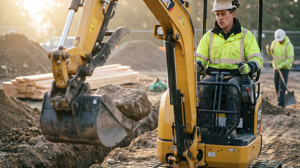
Une excavatrice de 5 tonnes, parfois appelée mini-excavatrice, est un équipement de construction populaire utilisé pour creuser, soulever et déplacer des matériaux. 5 tonnes fait référence au poids opérationnel de l'excavatrice, les unités typiques de cette catégorie pesant entre 4,5 et 6 tonnes. Ces excavatrices compactes offrent une excellente maniabilité et polyvalence sur les chantiers de construction.
However, 5 ton excavators also come with safety risks and hazards that operators should be aware of. In this blog post, we will highlight the 5 top risks associated with 5 ton excavators and steps that can be taken to minimize danger. Having a clear understanding of the major risks can help improve operator safety and reduce accidents on the jobsite.

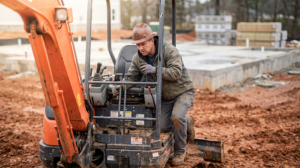
Rollovers represent one of the greatest and most serious risks when operating 5 ton excavators. Statistics show that excavator rollovers make up around 20-30% of all recorded excavator accidents.
Some key reasons why rollovers occur include:
To prevent rollovers, operators should:
5 ton excavators are commonly used for demolition work, which involves breaking structures and handling debris. A major risk is objects falling uncontrolled from the excavator bucket onto workers below.
Falling objects can cause injuries from impact or crushing, namely:
To help avoid falling objects:
Coming into contact with overhead power lines presents an electrocution hazard to excavator operators. This poses greater risks on urban construction sites where buildings and supply infrastructure encroach close to the work area.
Preventing power line accidents involves:
Table 1 summarizes recommendations for minimum safe working distances from different voltage power lines.
| Line Voltage | Minimum Safe Clearance Distance |
|---|---|
| 0 – 50 kV | 3 meters |
| 50 – 200 kV | 5 mètres |
| 200 – 350 kV | 6 meters |
| 350 – 500 kV | 8 meters |
| 500 – 750 kV | 11 meters |
| Above 750 kV | 13 meters |
5 ton excavators require repetitive motion and handling of heavy controls, which can lead to back strain, joint pain, tendonitis, carpal tunnel syndrome, and other musculoskeletal disorders over time.
Steps to minimize physical overexertion include:
MSD risks can be assessed using a simple 1-10 scale for different body parts:
| Body Area | Risk Rating | Action |
|---|---|---|
| Back | 7 | Seek ergonomic assessment |
| Shoulders | 3 | Monitor for further symptoms |
| Hands/wrists | 5 | Evaluate alternate control configurations |

Though excavators have reinforced cabs, operators still face slips and falls getting in and out of the equipment. Descending from several feet height means falls can cause serious bodily harm.
Hazards stem from:
Fall protection should focus on:
In summary, 5 ton excavators deliver versatility and performance important for construction sites, but also carry safety risks like rollovers, falling objects, power lines, MSDs, and falls that require dedicated prevention efforts. Companies must establish thorough training, protocols, and hazard awareness to keep operators of 5 ton excavators protected on the job. Managing these top 5 risks ultimately depends on coordination between workers, supervisors, and safety managers.
Q: What are the most common excavator-related injuries?
A: Statistics show the most common injuries are struck-bys when objects fall from buckets, and musculoskeletal disorders from repetitive motion and vibration. Overturns and electrocutions are rarer but lead to more serious harm.
Q: Should a spotter always be used near power lines?
A: Yes, designated spotters should be assigned to observe minimum clearance distances and warn operators whenever work encroaches near live power lines. Trying to do both tasks at once leads to excessive distraction and accidents.
Q: How can companies improve mini pelle safety?
A: Key elements include developing comprehensive safety plans, ensuring regular maintenance, establishing site hazard controls, mandating certified operator training, promoting strong safety culture, and investing in modern safe-design excavators equipped with features like rollover protection, fall restraints, and camera systems.
Q: What are some advanced safety technologies for excavators?
A: Modern innovations to improve excavator safety include proximity sensors and alerts to prevent collisions, load moment indicators to reduce overloading risks, anti-slip cab floors, finger guards for hand controls, fatigue/distraction monitoring cameras, and satellite links for remote equipment tracking and geofencing.




-1.png)