E-mail: [email protected] WhatsApp: +8618266768780

E-mail: [email protected] WhatsApp: +8618266768780


Lorsque vous demandez quelle est la meilleure marque de pelle, vous devez regarder au-delà de l'étiquette La réussite de votre projet dépend de l'adaptation de la machine à vos besoins spécifiques Considérez les facteurs suivants avant de décider :
Évaluez la qualité, la pente et l'humidité du sol Distinguez vos tâches, qu'il s'agisse de travaux de terrassement, de démolition ou de chargement Pensez à l'entretien à long terme, au soutien des concessionnaires et à l'impact environnemental Le bon choix permet d'économiser du temps et de l'argent.
Vous devez commencer par identifier le type de travail d'excavation votre projet nécessite Par exemple, si vous prévoyez creuser des tranchées pour l'installation de services publics, vous devriez sélectionner une excavatrice avec un contrôle précis et la bonne taille de godet Si votre projet implique la démolition, donnez la priorité aux machines dotées de systèmes hydrauliques robustes et de cadres renforcés L'appariement du modèle de l'excavatrice à votre type de travail évite les inefficacités et réduit les coûts.
Conseil: Consultez toujours vos plans de projet et parlez avec des opérateurs expérimentés pour clarifier les exigences spécifiques de votre travail Cette étape vous aide à éviter des erreurs coûteuses et vous assure de choisir un équipement qui répond à vos besoins opérationnels.
Évaluer le terrain et les conditions du site avant de sélectionner une marque de pelle Un sol mou, boueux ou inégal nécessite excavatrices sur chenilles, ´, qui offrent une traction et une stabilite superieures Les environnements urbains a surfaces pavées favorisent les pelles a roues en raison de leur vitesse et de leur maniabilite.
Note: Si le site de votre projet présente des pentes abruptes ou un sol meuble, privilégiez la stabilité et la pression au sol Les modèles à chenilles répartissent le poids uniformément, ce qui réduit le risque de naufrage ou de basculement.
Évaluez les exigences de portée, de profondeur de creusement et de hauteur pour votre projet Vous devez vous assurer que la pelle peut creuser suffisamment profondément pour les fondations ou les lignes de services publics et atteindre suffisamment haut pour le chargement des camions ou l'empilage des matériaux.
Une équipe de construction travaillant sur un chantier à plusieurs étages a une fois sélectionné une excavatrice dont la portée était insuffisante Il en a résulté des retards et des frais de location supplémentaires pour du matériel supplémentaire Vous pouvez éviter des revers similaires en vérifiant ces capacités à l'avance.
Capacité de levage détermine la quantité de matériaux que votre excavatrice peut manipuler en un seul cycle Vous devez vérifier le poids de levage et la capacité de charge maximum pour chaque modèle.
Conseil: Toujours tenir compte du poids des accessoires et des matériaux lors du calcul des exigences de portance La surcharge d'une excavatrice peut entraîner une défaillance mécanique et des risques pour la sécurité.
Choisir entre les voies et les roues a un impact sur les performances de votre excavatrice Les excavatrices sur chenilles offrent une excellente traction et stabilité sur un terrain accidenté ou meuble Elles conviennent aux tâches lourdes comme les tranchées et la démolition Les excavatrices sur roues offrent vitesse et flexibilité, ce qui les rend idéales pour la construction urbaine et les travaux routiers.
| Fonctionnalité | Trackhoe (pelle à chenilles) | Excavatrice (Rouée ou Générale) |
|---|---|---|
| Mobilité et train de roulement | Équipé de chenilles en acier ou en caoutchouc, offrant une traction et une stabilité supérieures sur terrain accidenté. | Peut avoir des roues ou des chenilles ; les modèles à roues offrent un déplacement plus rapide sur les surfaces pavées mais moins de traction sur les sols meubles. |
| Pression et stabilité du sol | Pression au sol plus faible, ce qui le rend idéal pour les surfaces molles, boueuses ou inégales. | Pression au sol plus élevée ; les modèles à roues peuvent nécessiter une stabilisation supplémentaire sur sol meuble. |
| Applications typiques | Convient aux tâches lourdes telles que les tranchées, la démolition et les fouilles à grande échelle sur des terrains difficiles. | Polyvalent pour la construction urbaine, les travaux routiers et les projets nécessitant une mobilité entre sites. |
La mobilité et la stabilité jouent un rôle crucial dans l'efficacité du projet Les pelles sur roues peuvent parcourir jusqu'à 23 mph, ce qui vous permet de vous déplacer rapidement entre les chantiers Les modèles sur chenilles maintiennent un excellent contact au sol, surtout sur les terrains accidentés.
Conseil: Si votre projet implique des déplacements fréquents, pensez aux pelles sur roues pour leur vitesse Pour les projets sur des surfaces sensibles ou des sols instables, les pelles sur chenilles offrent une meilleure stabilité et sécurité.
Lorsque vous demandez quelle est la meilleure marque de pelle, vous devez peser ces facteurs par rapport aux exigences uniques de votre projet En analysant le type de travail, le terrain, les capacités et la mobilité, vous vous positionnez pour prendre une décision éclairée qui maximise la productivité et minimise les risques.
Lorsque vous demandez quelle est la meilleure marque de pelle, vous devez regarder comment l'industrie perçoit chaque fabricant Les enquêtes de l'industrie mettent souvent en évidence les marques qui se distinguent par leur fiabilité, innovation et soutien Vous constaterez que certaines marques gagnent la reconnaissance pour leur polyvalence et efficacité, [TRADUCTION], surtout dans les mini-pelles D'autres obtiennent des éloges pour les systèmes hydrauliques puissants et la technologie de pointe qui améliorent la productivité sur les chantiers difficiles.
Vous devez toujours vérifier quelles marques les professionnels de l'industrie font confiance pour les projets exigeants Cette étape vous aide à éviter des temps d'arrêt coûteux et garantit que votre équipement peut gérer le travail.
La durabilité et la qualité de construction jettent les bases d'une excavatrice fiable Lorsque vous considérez quelle est la meilleure marque de pelle, recherchez des machines avec des cadres solides, des systèmes hydrauliques avancés et une longévité éprouvée. Les marques qui investissent dans les caractéristiques de confort et de sécurité de l'opérateur contribuent également à réduire la fatigue et les accidents sur place.
Voici un aperçu rapide des critères les experts utilisent pour juger de la fiabilité :
| Critères | La description |
|---|---|
| Durabilité et qualité de fabrication | Des cadres et des composants solides garantissent une longue durée de vie. |
| Technologie et fonctionnalités avancées | Les systèmes hydrauliques de précision et les commandes intelligentes améliorent les performances. |
| Confort et sécurité de l'opérateur | Des cabines ergonomiques et des dispositifs de sécurité protègent les opérateurs. |
| Performance et efficacité | Machines qui offrent une puissance et un rendement énergétique constants. |
| Rentabilité et maintenance | Accès facile aux pièces et entretien abordable. |
| Réputation de marque et support client | Des réseaux de services fiables et des équipes de support réactives. |
Vous devez toujours vérifier les avis des clients avant de prendre une décision Les opérateurs font souvent l'éloge contrôles faciles à utiliser et des cabines confortables Les chefs de projet apprécient les excavatrices qui offrent des performances et une efficacité constantes. Des taux de satisfaction élevés indiquent une forte fidélité à la marque et moins de réparations inattendues.
La lecture des commentaires du monde réel vous aide à repérer les modèles de fiabilité et de support Cette étape vous donne une image plus claire de ce à quoi vous attendre de chaque marque.
Un solide réseau de concessionnaires vous assure d'obtenir un service et des pièces rapides lorsque vous en avez besoin Vous devriez choisir des marques avec une couverture de concessionnaires étendue, surtout si vos projets vous emmènent dans différentes régions.
Un support de maintenance fiable permet à votre excavatrice de fonctionner correctement. Recherchez des marques offrant des plans de service complets, une formation des opérateurs et une aide au dépannage.
Conseil : demandez à votre concessionnaire quels sont les délais de réponse et la disponibilité des pièces avant de vous engager dans une marque.
Lorsque vous pesez quelle est la meilleure marque de pelle, tenez toujours compte de la réputation, des commentaires des clients et du soutien Ces facteurs vous aident à choisir un équipement qui vous servira bien pendant des années.
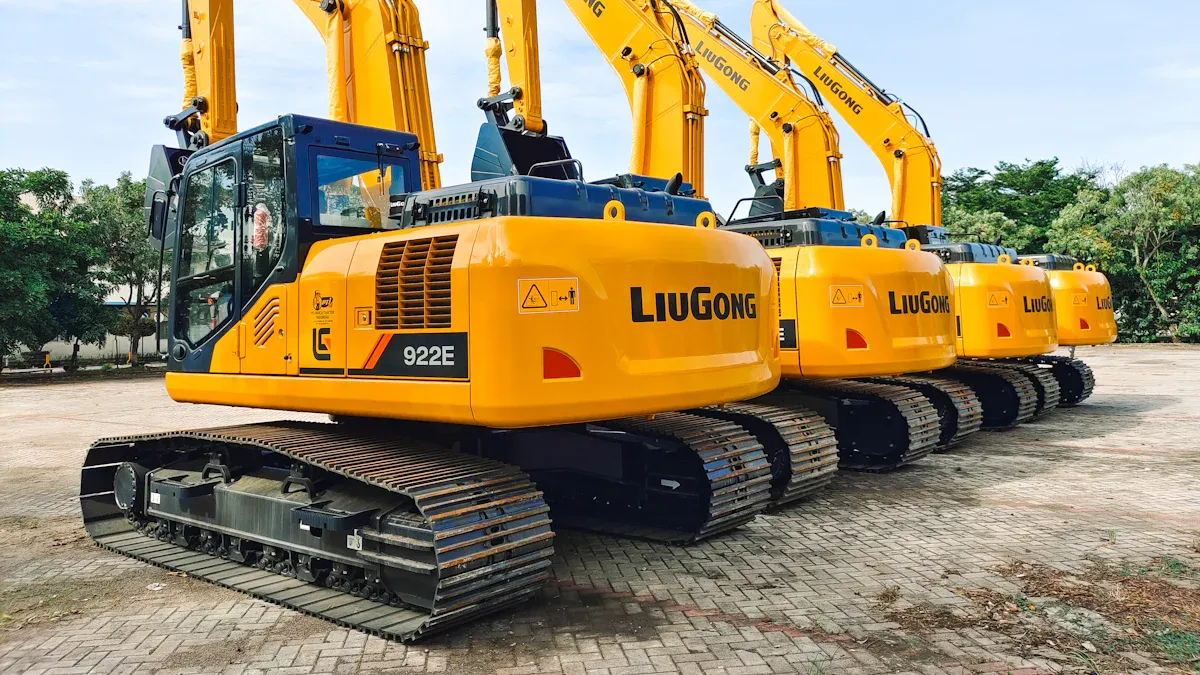
Les mini-pelles, également connues sous le nom de pelles compactes, vous offrent une solution pratique pour la construction et l'aménagement paysager à petite échelle Vous pouvez manœuvrer ces machines dans des espaces restreints, ce qui les rend idéales pour les projets résidentiels, les tranchées utilitaires et la démolition légère. Leur conception compacte vous permet de travailler en milieu urbain sans provoquer de perturbations majeures dans les zones environnantes.
| Avantages | La description |
|---|---|
| Conception compacte | S'intègre dans des espaces confinés et fonctionne bien dans les cours arrière, les jardins et entre les bâtiments. |
| Facilité de transport | Assez léger pour le remorquage avec une remorque standard, réduisant ainsi les coûts de transport. |
| Rentabilité | Un prix d'achat inférieur et une consommation de carburant réduite vous aident à contrôler le budget de votre projet. |
| Convivial | Des contrôles simples rendent la formation des nouveaux opérateurs rapide et facile. |
| Impact environnemental réduit | Conforme aux normes d'émissions et fonctionne tranquillement, adapté aux quartiers sensibles au bruit. |
Cependant, vous devriez tenir compte de leurs limites Les mini-pelles ont moins de profondeur de creusement et de capacité de levage par rapport aux modèles plus grands Elles peuvent ne pas bien fonctionner sur un terrain accidenté ou manipuler des accessoires robustes Par exemple, si vous essayez d'utiliser une mini-pelle pour des travaux de fondation en profondeur, vous risquez des retards et une usure accrue de la machine.
Conseil: Utilisez des mini-pelles pour des tâches comme creuser des tranchées étroites pour l'irrigation, préparer des sites résidentiels ou enlever de petites souches d'arbres Pour plus d'informations sur les meilleures pratiques en matière d'équipement compact, visitez Guide des équipements de construction.
Pelles standards, [TRADUCTION], parfois appelées pelles sur chenilles, servent d'épine dorsale à la plupart des projets de construction commerciaux Vous pouvez compter sur ces machines pour creuser des tranchées, terrasser et soulever des matériaux lourds Leur cabine rotative à 360 degrés et leurs bras à propulsion hydraulique vous offrent souplesse et efficacité sur un terrain accidenté.
| Type d'excavatrice | Meilleures utilisations | Principales caractéristiques |
|---|---|---|
| Excavateur standard | Creuser, soulever, terrasser, démolir | Cabine tournante, bras hydrauliques, outils multiples |
| Excavatrice sur pneus | Travaux routiers, aménagement paysager, travaux d'utilité urbaine | Mouvement rapide, moins de dégâts au sol |
Vous bénéficiez de la polyvalence des pelles standard Elles supportent une large gamme d'accessoires, notamment des godets, des marteaux et des tarières Vous pouvez basculer entre des tâches telles que le nivellement, le creusement de tranchées et la manutention des matériaux sans changer de machine Dans un projet de bâtiment commercial, vous pourriez utiliser une pelle standard pour creuser des fondations le matin et charger des débris l'après-midi.
Note: Pelles standards peser entre 7 et 45 tonnes métriques. Ils offrent une maniabilité mais peuvent causer des perturbations du sol sur un sol meuble Évaluez toujours les conditions de votre site avant de sélectionner ce type.
Les grandes excavatrices jouent un rôle essentiel dans la construction et l'exploitation minière de poids lourds Vous devriez choisir ces machines pour les projets qui exigent une puissance, une portée et une capacité de levage maximales Les grandes excavatrices excellent dans les opérations minières, les travaux de terrassement majeurs, la démolition et l'installation de pipelines.
Vous constaterez que les grandes excavatrices, pesant plus de 45 tonnes métriques, offrent une productivité inégalée sur des sites exigeants Cependant, elles nécessitent un transport spécialisé et peuvent ne pas manœuvrer facilement dans des zones confinées ou inégales Par exemple, dans une exploitation minière, une grande excavatrice peut extraire des minéraux et charger des camions en continu, ce qui réduit les délais du projet.
Conseil: Réserver de grandes excavatrices pour les tâches où les machines plus petites ne peuvent pas répondre aux exigences de levage ou de creusement Pour obtenir des conseils sur la sélection des équipements lourds, explorez les ressources du Association des fabricants d'équipements.
En faisant correspondre le bon type de pelle à l'échelle et à la complexité de votre projet, vous assurez des opérations efficaces et minimisez les retards coûteux.
Les excavatrices spécialisées vous aident à relever des défis de projet uniques que les machines standard ne peuvent pas relever Vous rencontrez souvent des situations où une excavatrice traditionnelle est insuffisante, en particulier lorsque vous avez besoin d'une portée supplémentaire, d'un swing minimal ou d'un mouvement spécialisé. Comprendre ces modèles vous permet de sélectionner le bon outil pour des environnements exigeants.
Les excavatrices à longue portée vous donnent des longueurs de bras et de flèche étendues, ce qui les rend idéales pour les travaux qui nécessitent de creuser ou de démolir à distance Vous bénéficiez de ces machines lorsque vous travaillez sur les berges des rivières, nettoyez les étangs ou démolissez les structures hautes Par exemple, si vous devez enlever les débris d'un canal sans perturber les environs, une excavatrice à longue portée vous permet d'opérer à distance de sécurité Ces modèles excellent également dans l'assainissement de l'environnement, où vous devez éviter tout contact direct avec des matières dangereuses.
Conseil: Vérifiez toujours la stabilité de votre excavatrice à longue portée lorsque vous fonctionnez en extension complète Utilisez des contrepoids supplémentaires si votre projet implique un levage lourd à portée maximale.
Vous pouvez voir comment les modèles spécialisés correspondent à des exigences uniques le tableau ci-dessous:
| Modèle d'excavatrice | Exigences uniques du projet |
|---|---|
| Excavatrices à câble | Projets à grande échelle comme le génie civil, les fouilles sous-marines et l'exploitation minière à ciel ouvert. |
| Excavateurs à longue portée | Démolition industrielle, creusement sous-marin, construction à grande échelle et assainissement environnemental. |
| Excavatrices d'aspiration | Exposer les services publics, éliminer les contaminants et entretenir les chemins de fer avec un minimum de perturbations. |
| Excavatrices Marcheuses | Entretien des infrastructures dans les régions montagneuses, construction de terrains sensibles et opérations de secours en cas de catastrophe. |
Les pelles à battement nul vous permettent de travailler efficacement dans des espaces confinés La structure supérieure de ces machines tourne dans la largeur des voies, de sorte que vous évitez de heurter les obstacles à proximité Vous trouvez ces modèles particulièrement utiles dans la construction urbaine, les travaux routiers et l'installation utilitaire où l'espace est limité Par exemple, lorsque vous devez creuser une tranchée à côté d'un bâtiment ou opérer dans une ruelle étroite, les pelles à battement nul vous aident à maintenir la productivité sans risquer de dommages matériels.
Note: Les modèles à balancement zéro de queue ont souvent une capacité de levage légèrement réduite par rapport aux excavatrices standard Consultez toujours le tableau de levage de votre machine spécifique avant de commencer les travaux.
Les excavatrices spécialisées, y compris les modèles à longue portée et à oscillation nulle de la queue, vous offrent la flexibilité nécessaire pour gérer des projets complexes En faisant correspondre la bonne machine spécialisée aux conditions de votre site, vous améliorez la sécurité, l'efficacité et les résultats du projet. Pour plus d'informations sur les applications d'équipement spécialisé, visitez Pour les professionnels de la construction ou suivez les discussions de l'industrie sur LinkedIn.
Vous pouvez transformer votre pelle en un outil polyvalent en sélectionnant les bons accessoires pour votre projet Les chantiers de construction et de démolition exigent une gamme d'outils spécialisés pour maximiser la productivité et la sécurité Voici quelques-uns des accessoires les plus essentiels que vous devriez considérer :
Conseil : Faites correspondre votre sélection de pièces jointes aux besoins spécifiques de votre projet Pour plus de conseils, explorez les ressources de Le monde de l'équipement ou participez aux discussions sur Équipement de construction LinkedIn.
Vous avez le choix entre des accessoires spécifiques à la marque et universels lors de l'équipement de votre pelle Les accessoires spécifiques à la marque garantissent souvent une intégration transparente, des performances optimales et une compatibilité totale avec le système hydraulique de votre machine Vous bénéficiez de l'assistance du fabricant et de la couverture de garantie, ce qui peut réduire les temps d'arrêt et les coûts de maintenance.
Les accessoires universels offrent flexibilité et économies de coûts, surtout si vous exploitez une flotte mixte De nombreux outils universels s'adaptent à une large gamme de machines, mais vous devez prêter une attention particulière aux systèmes de fixation rapide, au débit hydraulique, à la pression et à la capacité de poids. Pièces jointes correctement assorties peut transformer votre excavatrice en une centrale multifonctionnelle, vous permettant d'aborder diverses tâches avec précision.
| Type de pièce jointe | Avantages | Inconvénients |
|---|---|---|
| Spécifique à la marque | Ajustement sans couture, support de garantie, performances optimisées | Coût plus élevé, compatibilité intermarques limitée |
| Universel | Flexibilité, rentable, s'adapte aux flottes mixtes | Peut nécessiter des ajustements, une efficacité réduite possible |
Remarque : Vérifiez toujours la compatibilité avant d'acheter Consultez votre revendeur ou fabricant pour connaître les spécifications techniques et l'assistance.
Les systèmes d'attelage rapide révolutionnent la façon dont vous utilisez les accessoires sur votre excavatrice Vous pouvez changer rapidement d'outil depuis la cabine, minimisant les temps d'arrêt et le renforcement de la sécurité sur les chantiers occupés Les attelages rapides hydrauliques assurent des connexions sécurisées et vous permettent de changer entre les godets, les marteaux ou les grappins sans intervention manuelle.
Vous devez confirmer que le système hydraulique de votre pelle correspond aux exigences des accessoires que vous avez choisis Une compatibilité adéquate prévient les fuites, assure un fonctionnement sans heurts et prolonge la durée de vie de la machine et des outils Les systèmes à coupleur rapide vous aident à répondre aux demandes changeantes du projet et à améliorer l'efficacité globale.
Conseil : demandez une démonstration à votre concessionnaire pour voir les systèmes de coupleur rapide en action Pour plus d'informations sur la compatibilité hydraulique et la sélection des accessoires, visitez Pour les professionnels de la construction ou suivez les mises à jour sur Équipement de construction Twitter.
Vous devez tenir compte de l'investissement initial lors de la sélection d'une excavatrice Le prix d'achat varie considérablement en fonction de la taille, des caractéristiques et de la technologie Les modèles compacts coûtent moins cher, tandis que les grosses machines nécessitent un budget initial plus élevé Le tableau suivant résume les fourchettes de prix typiques pour les nouvelles excavatrices :
| Taille de l'excavatrice | Gamme de prix typique |
|---|---|
| Compact (moins de 20 tonnes) | $80 000 $200 000 |
| Taille moyenne (2030 tonnes) | $200 000 dans les $600 000 |
| Grand (plus de 30 tonnes) | $600 000000$1 500 000+ |
Vous devez prendre en compte la demande du marché et l'inflation, qui peuvent influencer les prix. Les progrès technologiques, tels que l’hydraulique avancée ou les moteurs respectueux de l’environnement, peuvent également augmenter le coût initial mais peuvent générer des économies à long terme.
Posséder une excavatrice implique plus que le prix d'achat Vous devez prévoir un budget pour l'entretien annuel, qui comprend des inspections de routine, le remplacement des pièces et les changements de fluides En moyenne, vous pouvez vous attendre à des coûts d'entretien annuels compris entre $4 000 et $10 000, selon la taille et l'utilisation de la machine Un entretien régulier réduit les temps d'arrêt et prolonge la durée de vie de votre équipement La négligence de l'entretien entraîne souvent des factures de réparation plus élevées et une perte de productivité.
Conseil: Planifiez la maintenance préventive et conservez des dossiers de service détaillés Cette pratique vous aide à contrôler les coûts et soutient une valeur de revente plus élevée.
La valeur de revente joue un rôle important dans le coût total de possession Les excavatrices bien entretenues de marques réputées conservent mieux leur valeur au fil du temps Des facteurs tels que la fiabilité, la disponibilité des pièces et la réputation du marché influencent le montant que vous pouvez récupérer lors de la vente de votre machine après cinq ans Le tableau ci-dessous présente les principaux facteurs qui ont une incidence sur la valeur de revente pour les marques et les modèles de premier plan :
| Forces de la marque | Facteurs de valeur de revente | Modèles Typiques |
|---|---|---|
| Fort réputation | Fiabilité, réseau de pièces global, performances cohérentes | De taille moyenne à grande |
| Efficacité énergétique | Contrôles avancés, faibles coûts de propriété | Modèles standards |
| Ingénierie de précision | Longue durée de vie, hydraulique réactive | Compact à grand |
| Confort de l'opérateur | Caractéristiques de sécurité, économie de carburant | Toutes les classes |
| Fonctionnement rentable | Accroître le support des concessionnaires | Compact à taille moyenne |
Vous pouvez maximiser la valeur de revente en choisissant un modèle avec un solide réseau de support et en maintenant votre machine selon les directives du fabricant Pour plus d'informations sur les valeurs de l'équipement, visitez ÉquipementWatch ou suivez les mises à jour sur Équipement de construction LinkedIn.
Les normes d'efficacité énergétique et d'émissions sont devenues essentielles dans l'industrie de la construction d'aujourd'hui Les excavatrices modernes sont dotées de moteurs et de systèmes hydrauliques avancés qui réduisent la consommation de carburant et réduisent l'impact environnemental Le tableau ci-dessous compare plusieurs modèles économes en carburant et leurs principales caractéristiques :
| Classe Modèle | Consommation de carburant (L/h) | Fonctionnalités d'efficacité |
|---|---|---|
| Compact | 12 – 16 | Mode économique, hydraulique efficace |
| Standard | 17 – 22 | Moteurs de niveau 4, conception économe en énergie |
| Grand | 22 – 27 | Pompes à cylindrée variable |
Certains modèles atteignent jusqu'à 201TP3 T une consommation de carburant inférieure par rapport aux machines plus anciennes Ces améliorations peuvent réduire vos coûts d'exploitation et vous aider à respecter les réglementations locales en matière d'émissions Par exemple, les systèmes hybrides et les moteurs écologiques peuvent réduire la production de dioxyde de carbone, soutenant ainsi les objectifs de durabilité de votre entreprise.
Note: Choisir une excavatrice économe en carburant permet non seulement d'économiser de l'argent, mais démontre également votre engagement envers la responsabilité environnementale. Pour les dernières normes d'émissions et les tendances en matière de technologies vertes, explorez les ressources du Agence américaine de protection de l'environnement ou participez aux discussions sur Équipement de construction Twitter.
En évaluant le prix d'achat, la maintenance, la valeur de revente et l'impact environnemental, vous prenez une décision éclairée qui profite à la fois à vos résultats financiers et à la planète.
Décider de louer ou d'acheter une excavatrice façonne le budget, la flexibilité et la stratégie à long terme de votre projet Vous devez peser les facteurs financiers et opérationnels pour faire le meilleur choix pour votre entreprise.
La location fonctionne bien pour des projets à court terme ou ponctuels Si vous n'avez besoin d'une excavatrice que pour quelques semaines ou quelques mois, la location vous aide à éviter un investissement initial important Vous accédez aux derniers modèles avec une technologie de pointe et un rendement énergétique amélioré, ce qui peut stimuler votre productivité et réduire vos coûts d'exploitation.
La location soutient également votre trésorerie Vous payez coûts mensuels inférieurs et évitez de immobiliser du capital dans l'équipement La société de location s'occupe de l'entretien et des réparations, de sorte que vous ne faites pas face à des dépenses imprévues Cette approche permet de garder vos coûts prévisibles et de libérer des fonds pour d'autres besoins commerciaux.
Conseil: La location vous permet de tester différents modèles avant de vous engager dans un achat Cette stratégie vous aide à trouver le meilleur ajustement pour les exigences de votre équipe et de votre projet.
| Considération | Location | Achat |
|---|---|---|
| Investissement initial | Réduire les coûts initiaux | Coûts initiaux élevés ($100 000+) |
| Maintenance et entretien | Manipulé par loueur | Frais courants pour les réparations |
| Prévisibilité des coûts | Frais de location fixes | Coûts variables dus aux réparations |
| Conservation du capital | Libère de l'argent pour d'autres utilisations | Lier le capital en équipement |
| Dépréciation | N / A | L'équipement perd de la valeur avec le temps |
Acheter a du sens si vous avez des projets d'excavation en cours ou fréquents La propriété vous donne un contrôle total sur la disponibilité et l'utilisation de la machine Vous évitez les frais de location répétés, qui peuvent s'additionner avec le temps Cependant, vous devez prévoir coûts initiaux plus élevés et responsabilités de maintenance continue.
Posséder votre excavatrice vous permet de la personnaliser avec des accessoires et une technologie spécialisés Vous pouvez adapter la machine à votre flux de travail unique, ce qui améliore l'efficacité et la sécurité sur des travaux complexes Vous construisez également des capitaux propres dans votre équipement, ce qui peut soutenir la croissance à long terme de votre entreprise.
Note: Tenez compte des besoins en matière de stockage et de transport lors de l'achat. L’équipement possédé nécessite un stockage sécurisé et peut ajouter des défis logistiques.
Une inspection approfondie protège votre investissement et assure un fonctionnement sûr Vérifiez toujours les points suivants :
| Point d'inspection | La description |
|---|---|
| Godets et accessoires | Recherchez une usure excessive, de la rouille et un festonnage entre les dents. |
| Boum et bâton | Inspectez les fissures dans les soudures et les connexions serrées. |
| Hydraulique | Vérifiez les fuites et la propreté de tous les composants. |
| Anneau de couchage | Assurez-vous qu'il est intact et bien lubrifié. |
| Moteur | Écoutez les bruits anormaux et testez à différentes vitesses. |
| Pilotage | Test de réactivité et de rotation complète. |
| Pistes et rouleaux | Inspectez les dommages et la tension appropriée. |
| Horaire | Vérifiez le fonctionnement et vérifiez l'usure excessive des commandes. |
| Fluides | Confirmez les niveaux et recherchez les fuites. |
| Documentation | Demandez des relevés de service et des documents originaux. |
Avant de finaliser votre décision, demandez au concessionnaire :
Pour des listes de contrôle d'inspection plus détaillées et les meilleures pratiques de l'industrie, visitez Pour les professionnels de la construction ou suivez les mises à jour sur Équipement de construction LinkedIn.
En pesant soigneusement vos options et en effectuant une inspection approfondie, vous préparez votre projet au succès et évitez les surprises coûteuses.
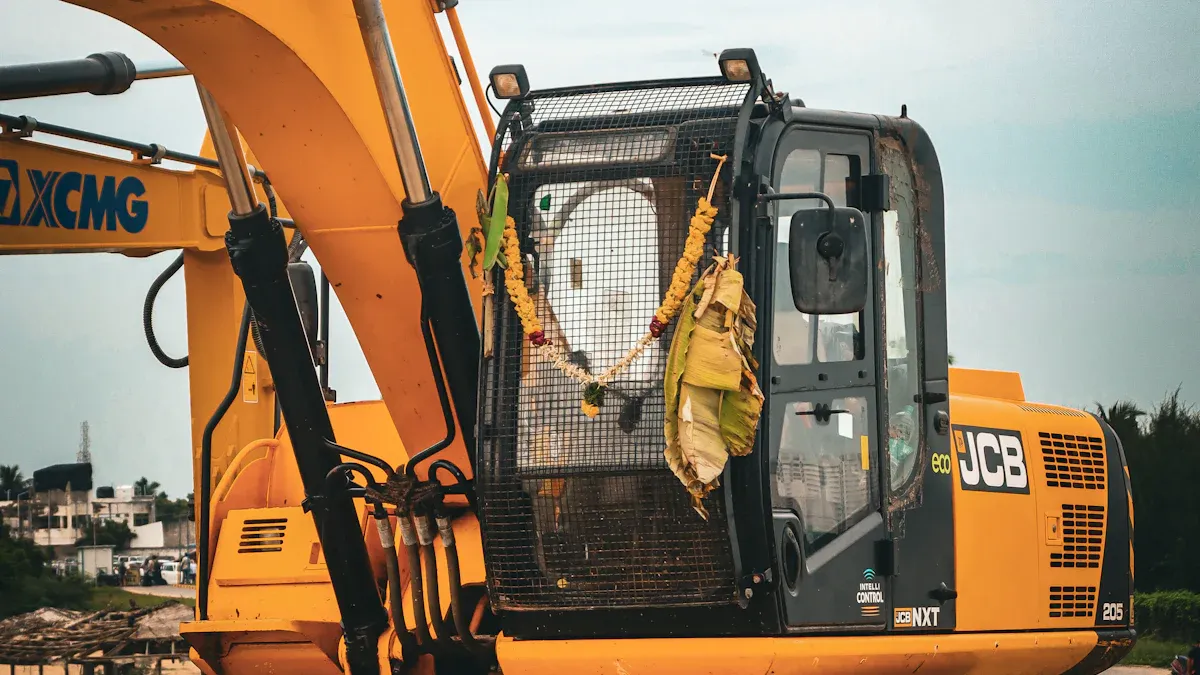
Choisir la bonne marque de pelle va au-delà des spécifications de la machine Vous avez besoin support fiable des concessionnaires et un service après-vente complet pour garantir que votre investissement apporte de la valeur pendant des années. Des réseaux de concessionnaires solides et des équipes de service réactives maintiennent votre équipement en fonctionnement, minimisent les temps d'arrêt et augmentent votre satisfaction en tant que propriétaire.
Vous devriez évaluer les options des concessionnaires locaux et nationaux avant de prendre une décision Les concessionnaires locaux offrent souvent des délais de réponse plus rapides et un service personnalisé Ils connaissent les défis uniques de votre région et peuvent envoyer rapidement des techniciens lorsque vous avez besoin de réparations urgentes Les concessionnaires nationaux offrent une couverture et un accès plus larges à des ressources spécialisées, ce qui peut être précieux si vos projets couvrent plusieurs sites.
Un fabricant d'équipement minier a vu la satisfaction de ses clients monter en flèche après avoir introduit des contrats de disponibilité garantissant la disponibilité de l'équipement 951TP3 T. Les programmes immédiats de soutien technique ont réduit les temps d'arrêt imprévus de 651TP3 T et réduit les coûts de maintenance de 231TP3 T. Ces résultats montrent qu'un solide soutien des concessionnaires a un impact direct sur votre expérience de propriété à long terme.
Vous bénéficiez le plus lorsque vous choisissez un concessionnaire doté d'un réseau robuste et d'un historique éprouvé. Pour plus d’informations, visitez Le monde de l'équipement ou suivez les mises à jour sur Équipement de construction LinkedIn.
La couverture de garantie protège votre investissement et réduit les dépenses imprévues Les principales marques de pelles offrent une gamme d'options de garantie, de la couverture limitée à la protection structurelle à vie Vous devez toujours examiner les détails, y compris les pièces et la main-d'œuvre incluses, et la durée de la couverture.
| Marque | Couverture de la garantie | Durée |
|---|---|---|
| CAS | Garantie limitée pour l'acheteur initial | 12 mois/heures illimitées |
| Volvo | Garantie de cadre et de structure à vie | Pour la vie de la machine |
| chenille | Garantie limitée couvrant les pièces et la main-d'œuvre | 12 ou 24 mois |
Les ensembles de services qui comprennent les inspections et la maintenance préventive peuvent réduisez les temps d'arrêt imprévus de 41%. Les clients ayant des contrats de service font état de taux de satisfaction et de rétention plus élevés, ce qui souligne la valeur d'un support après-vente complet.
Une formation adéquate assure un fonctionnement sûr et efficace Les principaux fabricants offrent une formation pratique et en classe, ainsi que des modules virtuels Vous pouvez accéder à des programmes dirigés par des instructeurs certifiés, couvrant tout, des contrôles de base aux techniques avancées.
| Fabricant | Type d'entraînement | La description |
|---|---|---|
| CICB | Formation aux équipements de terrassement | Programmes complets dirigés par un instructeur pour divers types d'équipement |
| John Deere | Formation des opérateurs | Séances pratiques de plusieurs jours avec des experts en produits pour engins de terrassement |
| Komatsu | Programmes de formation | Formation virtuelle, en classe et sur le terrain pour les opérateurs et les techniciens |
Les ressources de support technique vous aident à résoudre les problèmes rapidement De nombreuses marques proposent des bibliothèques de vidéos pratiques, des guides de dépannage en ligne et un accès direct à des techniciens experts Vous pouvez réduire les temps d'arrêt et les coûts de maintenance en utilisant ces ressources efficacement.
| Fabricant | Type de support | La description |
|---|---|---|
| John Deere | Soutien technique | Accès à un bibliothèque de vidéos pratiques pour les tâches de base et avancées |
Les clients qui utilisent des contrats de service et du support technique évaluent leur satisfaction à 911TP3 T, contre 621TP3 T pour ceux qui n'en ont pas Cela démontre l'importance d'un support continu pour maximiser la valeur de votre équipement.
Lorsque vous donnez la priorité à l'assistance, à la garantie et à la formation des concessionnaires, vous configurez votre projet pour un succès à long terme. Pour plus de bonnes pratiques, explorez Pour les professionnels de la construction ou participez aux discussions sur Équipement de construction Twitter.
Lorsque vous demandez quelle est la meilleure marque de pelle, vous devez comparer côte à côte les principaux fabricants Chaque marque apporte des atouts uniques à la table, et comprendre ces différences vous aide à prendre une décision confiante pour votre projet.
Vous trouverez plusieurs marques régulièrement classées au sommet du marché mondial des excavatrices en fonction de leur durabilité, de leur technologie et de la satisfaction de leurs clients Voici les noms les plus reconnus
Vous pouvez en découvrir davantage sur ces marques et leurs positions sur le marché Guide des équipements de construction et des discussions de l'industrie sur Équipement de construction LinkedIn.
Vous devriez évaluer celle de chaque marque forces et faiblesses avant de décider quelle est la meilleure marque de pelle pour vos besoins Le tableau ci-dessous résume les points clés :
| Marque | Points forts | Faiblesses |
|---|---|---|
| chenille | Leader de l'industrie, technologie innovante, excellente valeur de revente | Coût initial élevé, pièces plus élevées et coûts de maintenance |
| Komatsu | Présence mondiale, efficacité énergétique, technologie de pointe | Gamme de produits limitée, réseau de concessionnaires moins étendu |
| Volvo | Focus sécurité et environnement, expérience d'opérateur confortable, réseau de concessionnaires solide | Coût initial élevé, disponibilité limitée des pièces pour les anciens modèles |
| John Deere | Marque de confiance, offre de produits diversifiés, support client fort | Pas un spécialiste des machines de construction, des questions d'intégration technologique |
| Hitachi | Fiable et efficace, innovation technologique, approche collaborative | Focus étroit sur les produits, les pièces et les problèmes de disponibilité des services |
Conseil : toujours équilibrer l'investissement initial avec la valeur à long terme Un coût initial plus élevé peut offrir une meilleure fiabilité et une meilleure valeur de revente au fil du temps.
Vous devez aller au-delà des brochures et des avis en ligne pour répondre à ce qui est la meilleure marque de pelle. Une expérience pratique et des recherches approfondies vous aideront à faire correspondre la bonne machine à votre projet.
De nombreux concessionnaires et fabricants organisent des journées de démonstration où vous pouvez faire fonctionner différents modèles dans des conditions réelles Vous avez la chance de tester les commandes, d'évaluer le confort et de comparer les performances côte à côte Par exemple, un entrepreneur au Texas a assisté à une exposition régionale d'équipement et a découvert que la réponse hydraulique d'une marque convenait mieux à ses opérateurs, ce qui a conduit à une amélioration de la productivité sur place.
Remarque : demandez à votre revendeur local les événements de démonstration à venir. Vous pouvez également consulter des expositions industrielles telles que CONEXPO-CON/AGG pour des opportunités pratiques.
Vous pouvez accéder à une mine d'informations en ligne pour vous aider à décider quelle est la meilleure marque de pelle Utilisez des outils de comparaison, regardez des critiques vidéo et lisez les forums d'utilisateurs pour recueillir des informations auprès de véritables opérateurs de plateformes faisant autorité tels que Le monde de l'équipement et Pour les professionnels de la construction proposez des comparaisons détaillées de modèles, des conseils de maintenance et des actualités du secteur.
Conseil : Rejoignez des groupes de médias sociaux comme Équipement de construction LinkedIn pour entrer en contact avec d'autres professionnels et partager des expériences.
En combinant des tests pratiques avec une recherche approfondie en ligne, vous obtenez une compréhension claire de ce qui est la meilleure marque de pelle pour vos exigences uniques Cette approche vous assure d'investir dans un équipement qui offre fiabilité, efficacité et valeur à long terme.
Vous disposez maintenant d'une feuille de route claire pour sélectionner la meilleure marque de pelleteuse pour votre projet Concentrez-vous sur la portée de votre projet, les conditions du site, les capacités de la machine et le support à long terme Utilisez ces critères comme liste de contrôle pendant le processus de décision :
Pour obtenir des conseils d'experts, consultez des concessionnaires locaux ou visitez des sites d'emploi Vous pouvez également explorer Pour les professionnels de la construction pour des aperçus de l'industrie Agissez dès aujourd'hui pour assurer le succès de votre projet.
Vous devez évaluer la portée, le terrain et les capacités requises de votre projet Examinez le support des concessionnaires, les coûts de maintenance et la valeur de revente. Des marques fiables offrent des réseaux de services solides et une durabilité éprouvée. Pour plus de conseils, visitez Pour les professionnels de la construction.
Mesurez les dimensions de votre site et calculez la profondeur de creusement, la portée et les besoins de levage Faites correspondre ces exigences aux spécifications de la pelle Consultez les opérateurs ou les spécialistes de l'équipement pour obtenir des recommandations sur mesure.
La location convient aux travaux à court terme ou saisonniers Vous évitez les coûts initiaux importants et les responsabilités d'entretien Les accords de location incluent souvent le soutien du service Explorez les options de location sur Le monde de l'équipement.
Les godets, les marteaux hydrauliques et les tarières élargissent les capacités de votre pelle Les systèmes de coupleur rapide permettent des changements rapides de fixation Sélectionnez les fixations en fonction des tâches spécifiques de votre projet et des conditions du site.
Un soutien solide des concessionnaires garantit des réparations rapides, un accès facile aux pièces et une formation des opérateurs Les concessionnaires locaux répondent rapidement aux demandes de service Les réseaux nationaux offrent une couverture plus large et des diagnostics avancés.
Planifiez des inspections régulières, remplacez les pièces usées et conservez des registres de service détaillés. L'entretien préventif réduit les temps d'arrêt et les coûts de réparation. Suivez les directives du fabricant pour des performances optimales.
Examiner les spécifications des moteurs et comparer les taux de consommation de carburant Choisissez des modèles dotés de moteurs écologiques et de fonctionnalités d'économie d'énergie Les machines économes en carburant réduisent les coûts d'exploitation et soutiennent les objectifs de durabilité.
Lisez les commentaires des opérateurs sur les plateformes fiables telles que Équipement de construction LinkedIn. Explorer les articles d'experts et les guides de comparaison sur ÉquipementWatch.





-1.png)