Dobrodošli u Shandong Qilu Industrial Co., Ltd

 Croatian
 English
 Arabic
 Bulgarian
 Bengali
 Czech
Czech
 Danish
 German
 Greek
Greek
 Spanish
 Finnish
 French
 Hindi
Hindi
 Hungarian
 Indonesian
 Italian
 Japanese
 Korean
 Lithuanian
 Dutch
Dutch
 Norwegian
 Polish
 Portuguese
 Romanian
 Russian
 Slovak
 Slovenian
 Swedish
 Thai
Thai
 Turkish
 Ukrainian
 Vietnamese
 Tagalog
 Malay
Malay
 Estonian
 Catalan
 Latvian
 Urdu
Urdu
 Serbian
 Persian
 Swahili
 Albanian
 Armenian
 Icelandic
 Bosnian
 Luxembourgish
 Afrikaans
Croatian English
Arabic
Bulgarian
Bengali
Czech
Danish
German
Greek
Spanish
Finnish
French
Hindi
Hungarian
Indonesian
Italian
Japanese
Korean
Lithuanian
Dutch
Norwegian
Polish
Portuguese
Romanian
Russian
Slovak
Slovenian
Swedish
Thai
Turkish
Ukrainian
Vietnamese
Tagalog
Malay
Estonian
Catalan
Latvian
Urdu
Serbian
Persian
Swahili
Albanian
Armenian
Icelandic
Bosnian
Luxembourgish
Afrikaans
Afrikaans
Croatian English
Arabic
Bulgarian
Bengali
Czech
Danish
German
Greek
Spanish
Finnish
French
Hindi
Hungarian
Indonesian
Italian
Japanese
Korean
Lithuanian
Dutch
Norwegian
Polish
Portuguese
Romanian
Russian
Slovak
Slovenian
Swedish
Thai
Turkish
Ukrainian
Vietnamese
Tagalog
Malay
Estonian
Catalan
Latvian
Urdu
Serbian
Persian
Swahili
Albanian
Armenian
Icelandic
Bosnian
Luxembourgish
Afrikaans

Zašto je veličina mini bagera važna za vaš projekt
Odabir točne veličine Mini bagera izravno utječe na učinkovitost, sigurnost i proračun vašeg projekta. Na primjer, odabir kompaktnog modela za posao uređenja dvorišta omogućuje vam navigaciju uskim prostorima, minimiziranje rizika od prevrtanja i smanjenje mrtvih kutova. Donja tablica naglašava kako različiti čimbenici utječu na sigurnost i produktivnost gradilišta:
| Faktor | Utjecaj na učinkovitost i sigurnost |
|---|---|
| Uvjeti stranice | Poboljšava manevriranje i stabilnost |
| Vidljivost operatera | Smanjuje rizik od nezgoda |
| Stabilnost i kontrola | Smanjuje vjerojatnost davanja napojnice |
Procijenite zahtjeve svog projekta, uključujući ulazne točke, težinu materijala i potrebe za pričvršćivanjem, prije odabira stroja.
Ključni zaključci
- Odabir pravo mini bager veličine povećava učinkovitost i sigurnost projekta.
- Kompaktni modeli ističu se u uskim prostorima, smanjujući rizik od prevrtanja i oštećenja.
- Procijenite opseg projekta kako biste utvrdili je li potreban mali ili srednji bager.
- Izmjerite ulazne točke i pristup gradilištu kako biste osigurali da bager stane bez problema.
- Razmotrite dubinu kopanja i težinu materijala kako biste odabrali stroj s odgovarajućim kapacitetom.
- Plan za priključke koji odgovaraju hidrauličkim mogućnostima vašeg bagera za svestranost.
- Udobnost operatera je ključna; udoban operater radi učinkovitije i sigurnije.
- Pregledajte svoje zahtjeve projekta i uvjete lokacije kako biste izbjegli skupe pogreške.
Mini bager Veličina faktora
Opseg projekta
Stambeni naspram komercijalnog
Opseg projekta igra ključnu ulogu u određivanju pravo Mini Bager veličine. Stambeni projekti, kao što su uređenje dvorišta ili komunalne instalacije, često zahtijevaju kompaktne strojeve koji mogu manevrirati kroz uska vrata i oko postojećih struktura. Na primjer, ako planirate instalirati mali ribnjak u svom dvorištu, mini bager ispod 4000 lbs omogućuje vam učinkovito kopanje bez oštećenja obližnjih terasa ili ograda. Nasuprot tome, komercijalni projekti poput proširenja parkirališta ili izgradnje skladišta zahtijevaju veće bagere za rukovanje težim materijalima i ispunjavanje strogih rokova. Izvođač radova koji radi na novom maloprodajnom kompleksu može odabrati mini bager srednje veličine za brzo premještanje velikih količina zemlje i šljunka, osiguravajući da projekt ostane prema planu. Za više uvida u usklađivanje opreme s vrstom projekta, možete konzultirati resurse poput Vodiča za građevinsku opremu.
Složenost zadatka
Složenost vaših zadataka također utječe na idealnu veličinu Mini bagera. Jednostavni poslovi, poput kopanja plitkih rovova za navodnjavanje, zahtijevaju manje energije i dosega. Vlasnik kuće koji instalira sustav prskalica može koristiti manji bager kako bi izbjegao nepotrebne troškove goriva i smanjio rizik od oštećenja imovine. S druge strane, složeni zadaci poput uklanjanja panjeva ili ocjenjivanja neravnog terena zahtijevaju strojeve s većim kapacitetom dizanja i napredne hidrauličke sustave. Na primjer, tvrtka za uređenje okoliša zadužena za čišćenje velike parcele za novi razvoj imat će koristi od Mini bagera opremljenog višestrukim priključcima, što im omogućuje prebacivanje između kopanja, podizanja i ocjenjivanja prema potrebi.
Pristup stranici
Ulazne točke
Ograničenja pristupa lokaciji često diktiraju veličinu Mini bagera koji odaberete Prije iznajmljivanja ili kupnje izmjerite sve ulazne točke, uključujući vrata, prilaze i uličice, Ako vaše projektno mjesto ima uzak ulaz, kompaktni bager osigurava da možete doći do radnog područja bez demontaže ograda ili uređenja okoliša.Na primjer, upravitelj imovine koji renovira dvorište s ograničenim pristupom odabrat će stroj koji se uklapa kroz standardna vrata, štedeći vrijeme i izbjegavajući dodatne troškove rada.
Svemirska ograničenja
Prostorna ograničenja unutar gradilišta dodatno utječu na vašu odluku.Uski prostori, kao što su urbana dvorišta ili unutarnja mjesta za rušenje, zahtijevaju strojeve s malim radijusom ljuljanja i kompaktnim otiskom.Izvođač radova koji radi u gradskoj uličici odabrat će mini bager koji može sigurno raditi bez blokiranja pješačkog prometa ili oštećenja obližnjih zgrada. Prema ForConstructionPros, manji strojevi nude bolju upravljivost i smanjuju rizik od nesreća u ograničenim područjima.
Kopajte dubinu i doseg
Maksimalna dubina
Zahtjevi za kopanje razlikuju se ovisno o projektu.Maksimalna dubina iskopavanja određuje koliko duboko možete kopati sa svojim Mini bagerom.Na primjer, instaliranje septičkog sustava može zahtijevati kopanje rovova do 10 stopa dubine.Mini bageri mogu doseći dubine do 16 stopa, ovisno o modelu i konfiguraciji.Uvijek provjerite specifikacije kako biste bili sigurni da vaš odabrani stroj zadovoljava potrebnu dubinu za vaš projekt.
Horizontalni doseg
Horizontalni doseg je jednako važan. Ako trebate premjestiti materijal na široko područje, odaberite mini bager s produljenom granom. Na primjer, izvođač koji postavlja komunalne vodove duž kolnika imat će koristi od stroja s dosegom od najmanje 10 stopa, što omogućuje učinkovito kopanje rovova bez čestih premještanja. Razmotrite i težinsku kategoriju; teži modeli daju više snage, ali možda neće odgovarati malim mjestima.
Savjet: Uvijek uskladite mogućnosti dosega i dubine Mini bagera sa specifičnim potrebama vašeg projekta kako biste povećali učinkovitost i sigurnost.
| Faktor | Opis |
|---|---|
| Uvjeti na radnom mjestu | Teren i raspored diktiraju veličinu; kompaktna područja trebaju manje strojeve za manevriranje. |
| Kopanje i podizanje | Dubina i težina materijala određuju veličinu; za teške zadatke potrebni su veći bageri. |
| Veličina i opseg projekta | Veći projekti zahtijevaju veće bagere, dok manji poslovi mogu koristiti mini bagere za učinkovitost. |
| Priključci i hidraulika | Potreba za različitim priključcima utječe na veličinu; veći strojevi rukuju snažnijim priključcima. |
| Učinkovitost goriva | Ravnoteža između veličine i potrošnje goriva; manji strojevi su lakši za transport i rad. |
| Radija dosega i ljuljačke | Proširene grane pokrivaju veća područja; kompaktni modeli bolji su za uske prostore. |
Podizanje i priključci
Težina materijala
Kada odaberete Mini bager za svoj projekt, morate uzeti u obzir težinu materijala koje planirate podići i pomaknuti. Težina materijala izravno utječe na potreban kapacitet dizanja iz vašeg stroja. Na primjer, ako trebate premjestiti velike stijene tijekom obnove dvorišta, trebali biste provjeriti nazivni kapacitet dizanja bagera kako biste izbjegli preopterećenje. Vlasnik kuće u Denveru nedavno je upotrijebio kompaktni bager za premještanje gromada za uređenje okoliša težine do 1200 lbs. Usklađivanjem karte dizanja stroja s najtežim objektom, projekt je izbjegao naprezanje opreme i osigurao siguran rad.
Možete se pozvati na industrijske standarde za kapacitet dizala u Equipment Worldu i usporediti tipične težine materijala koristeći tablicu u nastavku:
| Vrsta materijala | Prosječna težina (lbs) | Preporučena veličina bagera (lbs) |
|---|---|---|
| Gornji sloj tla (po kubnom jardu) | 2,000 | 4,000+ |
| Šljunak (po kubnom jardu) | 3,000 | 6,000+ |
| Betonska ploča (4’x4’x6″) | 500 | 2,000+ |
| Boulder | 1,000–2,000 | 6,000+ |
Napomena: Always verify the lift capacity in your operator’s manual before attempting heavy lifts. Overloading can cause tipping and equipment damage.
Attachment Types
Attachments expand the versatility of your Mini Excavator, allowing you to tackle a wide range of tasks. You must choose attachments that match both your project needs and the machine’s hydraulic capabilities. For instance, a contractor in Atlanta used a hydraulic breaker to demolish a small concrete patio. By selecting an attachment compatible with the excavator’s hydraulic flow, the team completed the job efficiently and avoided costly downtime.
Common attachment types include buckets, augers, grapples, and compactors. Each serves a specific purpose, and the right choice depends on your project’s complexity. The table below compares popular attachments and their typical uses:
| Vrsta priloga | Tipičan slučaj upotrebe | Hidraulički zahtjev | Raspon težine (lbs) |
|---|---|---|---|
| Standardna kanta | Kopanje, kopanje rovova | Niska | 200–400 |
| Auger | Bušenje rupa | Srednje | 300–600 |
| Hvataljka | Moving debris, logs | Srednje visoko | 400–800 |
| Hidraulički prekidač | Rušenje | Visoko | 500–1,000 |
A landscaping crew in Phoenix recently switched between a bucket and a grapple to clear brush and load debris. By planning attachment changes in advance, the team reduced idle time and improved workflow. For more guidance on attachment selection, visit ForConstructionPros or explore discussions on LinkedIn.
Savjet: Always inspect attachment couplers and hydraulic lines before use. Proper maintenance prevents leaks and ensures safe operation.
By understanding material weight and attachment types, you can maximize your Mini Excavator’s performance and safety. Careful planning leads to smoother project execution and helps you avoid costly mistakes.

Mini Excavator Size Categories
Odabir right size category helps you match your equipment to your project’s demands. The table below summarizes the most common categories and their typical weight ranges:
| Kategorija | Raspon težine (lbs) | Tipične aplikacije |
|---|---|---|
| Micro/Ultra-Compact | Under 2,000 | Tight spaces, garden work, small jobs |
| Small Compact | 2,000–4,000 | Landscaping, trenching, light tasks |
| Medium Compact | 6,000–10,000 | Site prep, grading, heavier lifting |
Micro (Under 2,000 lbs)
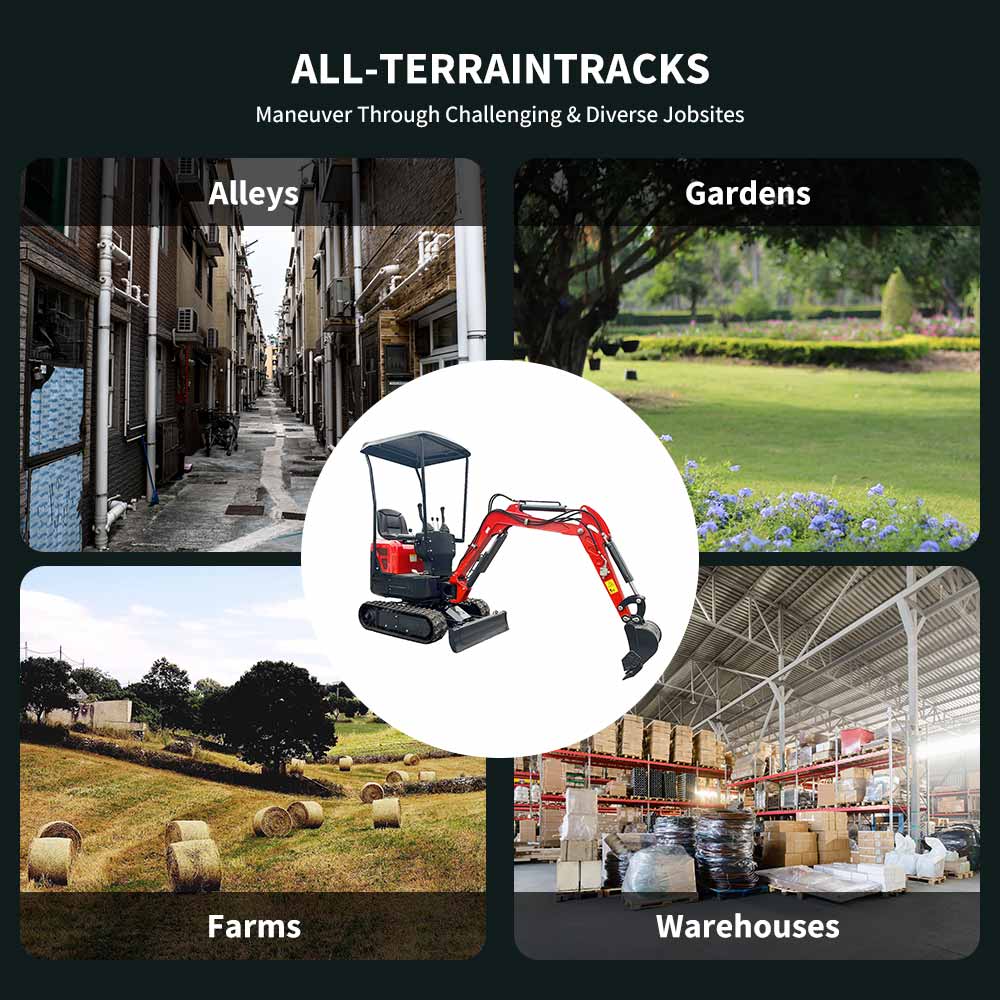
Micro excavators, also called ultra-compact models, weigh less than 2,000 pounds. You can easily maneuver these machines through narrow gates and confined spaces. They work best for projects where access is limited and ground disturbance must be minimal.
Najbolje upotrebe
- Garden renovation in urban homes
- Municipal pipeline maintenance in tight alleys
- Tree planting in residential yards
Studija slučaja:
You need to replace a leaking water line in a backyard with a narrow gate and mature landscaping. A micro excavator fits through the gate without removing fencing. You dig a precise trench, avoiding damage to flower beds and tree roots. The project finishes in one day, and you restore the yard with minimal disruption.
For more details on micro excavator applications, visit ForConstructionPros.
Small (2,000–4,000 lbs)
Small compact excavators weigh between 2,000 and 4,000 pounds. These machines offer more power and reach than micro models, while still maintaining a compact footprint. You can use them for a variety of light construction and landscaping tasks.
Najbolje upotrebe
- Small landscaping jobs, such as installing garden beds
- Infrastructure trenching for utility lines
- Light construction tasks, including drainage trenching
Studija slučaja:
You manage a landscaping crew tasked with installing a new irrigation system for a community park. The site has several tight corners and established trees. A small excavator allows you to dig trenches for water lines, maneuver around obstacles, and backfill quickly. The project stays on schedule, and you avoid unnecessary turf damage.
Možete da nađete more guidance on small excavator selection at Construction Equipment Guide.
Medium (6,000–10,000 lbs)
Medium compact excavators range from 6,000 to 10,000 pounds. These machines deliver greater digging depth, lifting capacity, and stability. You can tackle larger site preparation and grading projects with confidence.
Najbolje upotrebe
- Site preparation for new construction
- Grading and leveling for driveways or parking lots
- Stump extraction and heavy material handling
Studija slučaja:
You oversee a team preparing a commercial lot for a new building. The site requires removal of old tree stumps and leveling uneven ground. A medium excavator handles heavy lifting and deep digging, allowing you to complete the work efficiently. You switch between a bucket and a grapple attachment to clear debris and move soil, reducing downtime and increasing productivity.
For more information on medium excavator capabilities, refer to Equipment World.
Savjet:
Always review your project’s access points, soil conditions, and lifting needs before selecting a Mini Excavator. The right size ensures safety, efficiency, and cost control.
Performance and Cost Impact
Učinkovitost
Možeš ti boost your project’s productivity by selecting the right size Mini Excavator. These machines excel in tight spaces where larger equipment cannot operate. For example, when you need to dig trenches for a residential irrigation system in a backyard with limited access, a compact excavator allows you to complete the task quickly and safely. You can switch between digging and backfilling without repositioning the machine, which saves time and reduces labor costs.
Savjet: Use a Mini Excavator for tasks like grading, trenching, and material movement to maximize efficiency on small to medium job sites. For more insights, explore ForConstructionPros and join discussions on LinkedIn.
| Mini Excavator Model Size | Daily Digging Capacity | Svestranost | Troškovna učinkovitost |
|---|---|---|---|
| Mikro | Umjereno | Visoko | Vrlo visoko |
| Mali | Visoko | Odlično | Visoko |
| Srednje | Vrlo visoko | Superior | Umjereno |
A landscaping contractor recently completed a city park renovation using a small excavator. The team finished the project two days ahead of schedule by efficiently maneuvering around trees and playground equipment, demonstrating the impact of proper equipment selection on operativna učinkovitost.
Operativni troškovi
You control your budget more effectively when you understand the operating costs of different excavator sizes. On average, you can expect operating costs to range from $45 to $65 per hour, including the operator. Fuel expenses typically fall between $2,000 and $5,000 per year, depending on usage. For example, a property manager overseeing a multi-unit housing development used a small excavator for routine maintenance and landscaping. By tracking machine hours and fuel consumption, the manager kept annual operating costs near $10,000, well within budget.
- Average hourly operating cost: $45–$65 (includes operator)
- Typical annual fuel cost: $2,000–$5,000
- Example annual operating cost (small model): ~$10,000
Napomena: Regular maintenance and proper machine selection help you avoid unexpected expenses. For more cost management strategies, visit Equipment World.
Transport i skladištenje
You simplify logistics and reduce costs by matching excavator size to your transport and storage resources. Micro excavators, weighing under 4,000 lbs, offer the most flexibility. You can transport them with a standard trailer and store them in a small garage. Small excavators (2,100–5,400 lbs) may require a larger trailer and, in some regions, a commercial driver’s license. Medium models, over 5,400 lbs, often need special permits and dedicated storage space.
| Mini Bager Veličina | Težina (lbs) | Transport Considerations |
|---|---|---|
| Mikro | < 4,000 | Easy transport, fits on small trailers |
| Mali | 2,100–5,400 | May need larger trailer, possible CDL required |
| Srednje | > 5,400 | Special permits, more complex logistics |
A contractor working on multiple urban sites chose a micro excavator to move between locations using a pickup and trailer. This decision eliminated the need for expensive transport services and allowed for overnight storage in a standard garage, reducing both time and cost.
For more tips on transport and storage, check out ForConstructionPros.
Choosing the Right Mini Excavator Size
Vodič korak po korak
Odabir desne strane Mini Excavator size for your project requires a systematic approach. You can follow these steps to ensure the best match:
- Definirajte opseg svog projekta
Start by identifying the main tasks. For example, if you plan to landscape a backyard, list activities such as digging, grading, or removing debris. A homeowner once needed to clear a small garden, install a pond, and remove a tree stump. By outlining each task, the homeowner avoided renting an oversized machine that would have damaged the lawn. - Assess Site Access and Space Constraints
Measure all entry points, including gates and pathways. Check for overhead obstacles like tree branches or wires. A contractor working in a city courtyard measured the gate width and realized only a micro excavator would fit. This step prevented costly delays and property damage. - Determine Digging Depth and Reach
Review your project’s required trench or hole depth. For instance, if you need to dig a trench for a utility line, measure the depth and length. A property manager needed to install drainage pipes at a depth of 8 feet. By checking the machine’s specifications, the manager selected a model with enough reach and depth, ensuring efficient work. - Evaluate Material Weight and Attachments
Estimate the heaviest object you will lift or move. Consider attachments like buckets, augers, or breakers. A landscaping crew planned to move boulders and dig post holes. They chose a machine with a compatible hydraulic system and sufficient lifting capacity, which allowed them to switch attachments quickly and stay on schedule. - Review Machine Specifications
Compare the following specifications to your project needs:SpecificationDescriptionDigging DepthIndicates how deep you can dig; larger models offer greater depth.Overall DimensionsEnsure the machine fits in your workspace; check height, width, and length.Engine PowerHigher power improves performance for heavy tasks.Bucket Breakout ForceMaximum force for digging and lifting; crucial for tough soil or heavy materials.Arm ReachDetermines how far the arm extends; important for wide or confined areas.Swing SpaceLow or zero-swing models work best in tight spaces.Dumping HeightMaximum height for loading materials into trucks or containers. - Posavjetujte se sa stručnjacima
If you feel uncertain, reach out to equipment rental professionals or join discussions on LinkedIn. You can also find technical guides on ForConstructionPros.
Savjet: Always match the machine’s capabilities to your project’s most demanding task. This approach prevents underperformance and costly delays.
Common Residential Projects
You often encounter a range of tasks in residential settings. Each project type benefits from a specific Mini Excavator size. Here are some practical examples:
- Landscaping and Garden Renovation
You might need to clear land, remove small trees, or dig for new features. A homeowner used a compact excavator to remove overgrown shrubs and prepare the ground for a patio. The machine’s maneuverability allowed work close to fences without causing damage. - Walkway and Patio Installation
You may need to dig out soil and create a level base. One client created a large walkway by using a small excavator to move around obstacles and achieve a smooth surface. The precise control reduced manual labor and improved the final result. - Kopanje bazena i ribnjaka
You can use a Mini Excavator to dig precise holes for pools or ponds, even in tight backyards. A resident needed to install a small pond between a deck and a fence. The compact machine fit through a narrow gate and completed the excavation without disturbing nearby structures. - Uklanjanje stabala i panja
You may need to remove hazardous trees or stumps. A landscaping team used an excavator to uproot a large stump, saving hours compared to manual removal. The right size machine prevented lawn damage and ensured safety.
Napomena: For most residential projects, compact models under 4,000 lbs provide the best balance of power and maneuverability. You can find more project ideas and tips at ForConstructionPros.
Trenching and Grading
Trenching and grading require careful size selection to maximize efficiency and safety. You should match the excavator’s capabilities to the depth and scope of your project.
| Mini Bager Veličina | Trenching Depth | Aplikacije |
|---|---|---|
| 1-2 tonna | Do 10 stopa | Grading, small structure demolition |
| 3-5 tons | Do 12 stopa | Foundation digging, site clearing |
| 6-10 tonna | Do 15 stopa | Backfilling, material transport |
- Rovovi za komunalne usluge
A property manager needed to install water and gas lines at a depth of 9 feet. By selecting a 3-ton excavator, the manager achieved the required depth and completed the job quickly. The machine’s compact size allowed work near existing landscaping without disruption. - Grading for Driveways
A contractor prepared a sloped driveway for paving. The team used a 5-ton excavator to move soil and create a level surface. The machine’s reach and power reduced manual grading and improved accuracy. - Backfilling and Material Transport
On a larger site, a construction crew used a 7-ton excavator to backfill trenches and move gravel. The increased capacity allowed the team to finish ahead of schedule, demonstrating the value of matching machine size to project demands.
Savjet: Always check the trenching depth and reach before starting your project. Selecting the right size improves productivity and reduces the risk of equipment strain.
You can explore more trenching and grading strategies on Equipment World.
Zadaci rušenja
Demolition projects demand careful consideration of mini excavator size. You must select a machine that balances power, maneuverability, and safety. The right size allows you to break down structures efficiently, remove debris, and minimize risk in confined spaces.
When you tackle small-scale demolition, such as tearing out a concrete patio or removing an old shed, a 5-ton mini excavator often provides the best results. This size offers enough lifting power to handle heavy debris while maintaining the agility needed for tight job sites. For example, a contractor needed to demolish a garage in a residential neighborhood with limited access. The team chose a 5-ton excavator, which fit through the driveway and navigated around fences. The operator used a hydraulic breaker attachment to break up concrete, then switched to a grapple to load debris. The project finished ahead of schedule, and the property remained undamaged.
If you face more demanding demolition tasks, such as removing large retaining walls or clearing commercial interiors, you should consider an 8-ton mini excavator. This size delivers greater hydraulic force and reach, making it suitable for moving heavy rubble and digging deeper foundations. In one case, a crew worked on a warehouse renovation where space was restricted by support columns and overhead pipes. The team selected an 8-ton excavator for its superior lifting capacity and stability. The operator dismantled masonry walls and loaded debris into trucks without repositioning the machine. The increased power reduced manual labor and improved site safety.
You can use the following table to compare recommended mini excavator sizes for demolition tasks in confined spaces:
| Mini Bager Veličina | Idealno za | Ključne značajke |
|---|---|---|
| 5 tona | Medium to large construction projects, utility work, and small-scale demolition tasks. | Good balance between size, lifting power, and versatility. |
| 8-Ton | Heavy-duty tasks such as moving large debris, digging deeper trenches, and working with denser soil. | Designed for commercial construction projects requiring additional power. |
Savjet: Always assess the type and volume of material you need to remove before choosing your excavator. A machine that is too small may struggle with heavy debris, while an oversized model can damage surrounding structures and increase operating costs.
You should also consider the attachments required for demolition. Hydraulic breakers, grapples, and sorting buckets expand your capabilities. For instance, a demolition crew working in a city alley used a 5-ton excavator with a breaker to tear up old pavement, then switched to a sorting bucket to separate recyclable materials. Planning attachment changes in advance helped the team avoid downtime and maintain a safe workflow.
Safety remains a top priority during demolition. You must ensure the excavator fits within the workspace and provides clear visibility for the operator. In a recent project, a property manager needed to remove a damaged retaining wall next to a playground. The team measured the available space and selected a compact excavator with zero tail swing. This choice allowed precise movement near playground equipment and reduced the risk of accidental damage.
Napomena: Review local regulations and site conditions before starting demolition. Proper machine selection and planning prevent costly mistakes and keep your project on track.
By understanding why mini excavator size matters for demolition tasks, you can improve efficiency, control costs, and protect both workers and property. Careful planning and the right equipment ensure successful outcomes, even in the most challenging environments.
Greške koje treba izbjegavati
Over/Underestimating Needs
You often face challenges when estimating the right equipment size for your project. Overestimating your needs leads to selecting a bucket that is too large, which makes handling difficult and increases wear on your Mini Excavator. Underestimating results in a bucket that is too small, causing longer project times and higher labor costs. Mismatching the bucket and excavator can create safety hazards and reduce efficiency.
- Overestimating bucket size causes handling problems and accelerates equipment wear.
- Underestimating bucket size extends project duration and raises costs.
- Mismatching bucket and excavator increases risk and lowers productivity.
A contractor once chose a large bucket for a small trenching job in a residential area. The oversized bucket made precise digging impossible and damaged the lawn. The team had to switch to a smaller bucket, which delayed the project and increased expenses. You can avoid these issues by reviewing your project scope and matching the bucket size to the task. For more advice, visit ForConstructionPros or join discussions on LinkedIn.
Ignoring Site Limits
Site limitations play a critical role in equipment selection. Narrow entry points require machines that operate effectively in confined spaces. Overhead obstacles demand zero tail swing models to prevent collisions, especially when clearance is less than eight feet. Mini diggers excel in precision work where larger machines cannot fit.
- Narrow entry points restrict equipment access.
- Overhead obstacles increase collision risk.
- Tight areas require compact machines for safety and efficiency.
A property manager needed to install a drainage system in a courtyard with limited access. The team measured the gate and realized only a compact excavator would fit. Ignoring these site limits would have forced costly modifications to the property. You should always assess entry points and overhead clearance before selecting your equipment. For more tips, check out Construction Equipment Guide and industry forums on LinkedIn.
Attachment Oversights
Attachment compatibility affects both safety and performance. Using the wrong attachment can cause bucket detachment, reduce digging efficiency, and damage hydraulic systems. You must verify pin spacing and hydraulic flow before choosing attachments.
| Posljedica | Opis |
|---|---|
| Safety risks | Improper fit can cause bucket detachment during operation |
| Performance issues | Wrong pin spacing affects digging geometry and reduces efficiency |
| Oštećenje opreme | Forcing incompatible attachments can damage expensive hydraulic systems |
A landscaping crew once forced a grapple attachment onto a Mini Excavator without checking compatibility. The attachment detached during operation, creating a safety hazard and damaging the hydraulic lines. The team had to halt work and pay for repairs. You can prevent these problems by consulting the operator’s manual and confirming attachment specifications. For more guidance, explore ForConstructionPros and join equipment discussions on LinkedIn.
Savjet: Always match attachments to your machine’s hydraulic and mechanical specifications. This step protects your investment and ensures safe, efficient operation.
Udobnost operatera
You might overlook operator comfort when selecting a mini excavator, but this factor can make or break your project’s success. Comfortable operators stay focused, work longer hours, and make fewer mistakes. Discomfort leads to fatigue, slower progress, and even safety risks. You should always consider how cab size, seating, and controls affect your experience on the job.
Modern mini excavators offer a range of comfort features that vary by size and cab configuration. Larger models often include sealed cabs with climate control, while smaller units may only have a canopy. The right choice depends on your project’s duration, weather conditions, and the tasks you plan to complete. For example, if you expect to work in extreme temperatures or for extended periods, a sealed cab with heat and air conditioning keeps you comfortable and productive.
| Značajka | Opis |
|---|---|
| Udobnost kabine | Standard heat and air conditioning, suspension seats, and adjustable armrests reduce fatigue. |
| Advanced Displays | Easy-to-read machine data, control options, and diagnostics help you monitor performance. |
| Visibility Options | All-around view monitor (AVM) camera systems improve awareness and reduce blind spots. |
You should also pay attention to the seat and control layout. Suspension seats and adjustable armrests support your posture and minimize strain during long shifts. Advanced displays provide clear information, so you can monitor machine health and adjust settings without leaving your seat. Visibility features, such as camera systems, help you spot obstacles and prevent accidents, especially in tight spaces.
Consider a case where a contractor needed to complete a week-long grading project in hot weather. The operator chose a mini excavator with a sealed cab and air conditioning. This decision allowed the operator to work full days without overheating or losing focus. The project finished ahead of schedule, and the operator reported less fatigue and fewer breaks.
You can find different cab options even within the same model range. For instance:
- Some machines offer both canopy and sealed cab configurations, letting you choose based on climate and noise preferences.
- Standard arm setups suit everyday digging, while long-arm versions provide extra reach but may require more operator adjustment and awareness.
- Visibility upgrades, like camera systems, help you work safely in crowded or complex sites.
Another example involves a landscaping crew working in a residential neighborhood with limited space. The team selected a compact excavator with an all-around view monitor. The improved visibility allowed the operator to maneuver safely around fences and trees, reducing the risk of property damage and increasing confidence during operation.
Savjet: Always test the seat, controls, and visibility features before committing to a machine. A comfortable operator works more efficiently and safely, which leads to better project outcomes.
Ignoring operator comfort can result in slower progress, more errors, and higher risk of injury. You should prioritize comfort features when choosing your mini excavator. This approach ensures you stay productive, safe, and satisfied throughout your project.
Mini Excavator Size Checklist
Project Review
You need to start your checklist by reviewing your project goals and requirements. This step helps you avoid costly mistakes and ensures you odaberite pravu opremu for the job. For example, if you plan to landscape a backyard, list every task, such as digging, grading, and moving materials. A homeowner once outlined a garden renovation project, including pond installation and tree removal. By breaking down each activity, the homeowner realized a compact excavator would handle all tasks efficiently. You should ask yourself:
- What is the main purpose of your project?
- Which tasks require excavation, lifting, or grading?
- What is the expected timeline for completion?
A clear project review allows you to match equipment capabilities to your needs. You avoid renting a machine that is too large or too small, which saves time and money.
Site Check
You must assess your job site before choosing a Mini Excavator. Site conditions directly impact safety and efficiency. For instance, a contractor measured the width of a backyard gate and checked for overhead wires before starting a utility trenching job. The team discovered only a micro excavator would fit through the gate and operate safely under low-hanging branches. You should inspect:
- Entry points, including gates and driveways
- Space constraints, such as fences and landscaping
- Terrain features, like slopes or soft ground
- Overhead obstacles, including wires and tree limbs
A thorough site check prevents equipment damage and project delays. You ensure the excavator can access all work areas and operate without risk.
| Site Feature | Zašto je važno | Akcijski korak |
|---|---|---|
| Ulazne točke | Determines equipment access | Measure all openings |
| Teren | Affects stability and maneuverability | Inspect for slopes/soft soil |
| Overhead Obstacles | Prevents collisions and accidents | Check for wires/branches |
Attachment Plan
You need to plan your attachment requirements to maximize the Mini Excavator’s versatility. Attachments allow you to switch between digging, grading, and lifting tasks. For example, a landscaping crew prepared for a multi-phase project by listing all required attachments, such as buckets, augers, and grapples. The team checked each attachment’s compatibility with their excavator’s hydraulic system and weight class, which prevented operational issues.
Choosing the right attachment for a mini excavator is crucial. It is essential to ensure that the attachment matches the excavator’s specifications, including weight class and hydraulic flow requirements, to avoid operational issues and ensure safety.
You should create an attachment plan by:
- Listing all tasks that require specialized tools
- Checking the hydraulic flow and coupler type for each attachment
- Confirming the weight and size compatibility with your excavator
A contractor once selected a hydraulic breaker for a demolition job but failed to verify the hydraulic flow requirements. The attachment did not function properly, causing delays and additional costs. You avoid these problems by planning ahead and confirming all specifications.
Tip: Always consult your operator’s manual and review attachment charts before finalizing your equipment selection. This step protects your investment and keeps your project on track.
Final Decision
You reach the final step in selecting your mini excavator size after reviewing your project, site, and attachment needs. This decision shapes your project’s efficiency, safety, and cost control. You must weigh several criteria to ensure you choose the right machine for your job.
Key Criteria for Making Your Final Choice:
- Uvjeti na radnom mjestu
You need to consider the size and terrain of your work area. If your site includes narrow pathways or uneven ground, a compact excavator offers better maneuverability and stability. For example, a contractor faced a backyard renovation with a steep slope and tight corners. By choosing a smaller model, the team avoided tipping risks and completed the work safely. - Lifting and Digging Requirements
You must assess how deep you need to dig and how much material you plan to move. Mini excavators excel at shallow digging and light material handling. A property manager needed to install drainage pipes at a depth of six feet. Selecting a machine with the right digging depth ensured the trench was completed without delays or equipment strain. - Hydraulic Attachments Compatibility
You should confirm that your excavator supports the attachments required for your tasks. If you plan to switch between a bucket and an auger, check the hydraulic flow and coupler type. A landscaping crew prepared for a multi-phase project by verifying attachment compatibility, which allowed them to transition smoothly between digging and drilling. - Fuel Efficiency and Cost
You need to balance power with operating expenses. Fuel-efficient models help you manage costs over the project’s duration. A small business owner chose a compact excavator for routine maintenance, tracking fuel consumption to keep annual costs within budget. - Transportation and Accessibility
You must factor in how easily you can transport the excavator to your site. If your project spans multiple locations, a lightweight model simplifies logistics. A contractor working on several urban properties selected a micro excavator that fit on a standard trailer, reducing transport time and expenses.
Savjet: Always match the excavator’s capabilities to the most demanding aspect of your project. This approach prevents underperformance and costly delays.
Decision Table for Quick Reference
| Kriteriji | Zašto je važno | Akcijski korak |
|---|---|---|
| Tightest Space | Ensures machine fits all work areas | Measure narrowest entry point |
| Deepest Dig | Matches excavator to required depth | Check project’s maximum depth |
| Material Movement | Avoids overload and inefficiency | Estimate total material volume |
| Transport and Budget | Controls costs and logistics | Review trailer size and expenses |
You should review this table before making your final selection. Each criterion helps you avoid common mistakes and ensures your excavator matches your project’s unique demands.
Studija slučaja:
A landscaping company planned to renovate several residential yards with different layouts. The team measured each site’s tightest space and deepest dig. They estimated the total material to move and reviewed transport options. By choosing a compact excavator that met all criteria, the company completed each job efficiently and stayed within budget.
Making a careful final decision on mini excavator size protects your investment and keeps your project on track. You gain peace of mind knowing your equipment matches your needs, reduces risk, and maximizes productivity.
Choosing the right Mini Excavator size drives project success. You avoid delays and extra costs by matching machine capabilities to your job’s demands. Consider a contractor who selected a compact model for utility trenching in a crowded backyard. The project finished quickly, with no damage to surrounding structures. Before renting or buying, review the checklist below to ensure safety and efficiency:
| Značajka | Opis |
|---|---|
| Zaštita od prevrtanja | Prevents accidents on uneven terrain |
| Work Lights | Poboljšava vidljivost u uvjetima slabog osvjetljenja |
| Sustavi upozorenja | Alerts for hydraulic and engine issues |
If you feel uncertain, consult rental experts. They help you evaluate total costs and recommend the best fit for your site. Careful planning leads to better outcomes, lower expenses, and safer operations.
Remember: Good preparation prevents costly mistakes and keeps your project on track.
FAQ
What size mini excavator works best for tight residential spaces?
You should choose a micro excavator under 2,000 lbs for narrow gates and small yards. For example, a homeowner replaced a water line in a backyard with a 36-inch gate using a micro model, avoiding fence removal and minimizing landscape disruption.
How do I determine the right digging depth for my project?
Measure your trench or hole depth before selecting a machine. A property manager needed to install drainage pipes at 8 feet deep. By checking excavator specs, the manager chose a model with a 9-foot digging depth, ensuring efficient completion.
Can I use multiple attachments with one mini excavator?
You can switch attachments if your excavator supports the required hydraulic flow and coupler type. A landscaping crew used a bucket for digging and a grapple for debris removal, planning attachment changes in advance to avoid downtime and improve workflow.
What should I consider for transporting a mini excavator?
Check your trailer size and local transport regulations. A contractor moved a micro excavator between urban sites using a standard trailer, saving on transport costs and storing the machine in a garage overnight for security.
How do I avoid overloading my mini excavator?
Always verify the lift capacity in your operator’s manual. A homeowner moved boulders weighing 1,200 lbs with a compact excavator rated for 1,500 lbs, preventing equipment strain and ensuring safe operation throughout the project.
Is operator comfort important for short-term projects?
Operator comfort affects productivity, even on short jobs. A contractor chose a mini excavator with a suspension seat for a two-day grading task. The operator worked longer hours with less fatigue, finishing ahead of schedule.
What safety features should I look for in a mini excavator?
You should check for rollover protection, work lights, and warning systems. A landscaping team used a compact excavator with a rollover bar and bright lights for evening work, reducing accident risk and improving visibility in low-light conditions.
How do I match excavator size to material weight?
Estimate the heaviest material you will move. A property manager needed to relocate gravel weighing 3,000 lbs per cubic yard. By selecting a medium excavator rated for heavy lifting, the manager completed the job safely and efficiently.