E-mail: [email protected] WhatsApp: +8618266768780

E-mail: [email protected] WhatsApp: +8618266768780


You can operate a 1.3 Ton Mini Excavator by following a clear process. Start by putting on your safety gear. Check the machine for any visible issues. Learn the basic controls before you turn on the engine. Practice moving the machine in an open area. Focus on simple tasks like driving forward and backward. > Take your time and repeat each step until you feel comfortable.
Before you start operating a 1.3 Ton Mini Excavator, you need to prepare carefully. Good preparation helps you stay safe and avoid costly mistakes. Follow these steps to get ready for your first use.
You must wear the right safety gear every time you use the excavator. This gear protects you from injuries and keeps you visible on the worksite.
Tip: Always check your safety gear for damage before you put it on. Replace any worn or broken items.
Some areas require permits before you can operate heavy machinery. Check local regulations to make sure you have the right paperwork.
| Permit Type | Needed For | Where to Get It |
|---|---|---|
| Operator’s License | Public or commercial use | Local licensing office |
| Site Work Permit | Construction sites | City or county government |
| Utility Clearance | Digging near utilities | Call 811 or local authority |
For more information on safety and permits, visit the Occupational Safety and Health Administration (OSHA) website.
Before you start the engine, inspect the mini excavator. A careful inspection helps you find problems early and prevents accidents.
Check all fluid levels before you operate the machine. Low fluids can cause damage or unsafe conditions.
If you find any low levels, top them up before starting the engine.
Walk around the excavator and look for visible issues. Use this checklist to guide your inspection:
| Inspection Item | Apa yang Harus Diperhatikan |
|---|---|
| Trek dan undercarriage | Damage, debris, or loose parts |
| Hydraulic hoses | Leaks or cracks |
| Boom, arm, and bucket | Cracks, dents, or loose pins |
| Lights and alarms | Working properly |
| Controls and seat | Clean and undamaged |
Catatan: If you find any serious problems, report them and do not use the machine until repairs are complete.
Taking these preparation steps will help you operate the 1.3 Ton Mini Excavator safely and confidently.
Setting up your 1.3 Ton Mini Excavator correctly ensures safe and efficient operation. You need to focus on both the machine’s position and your own comfort before starting any task.
You should always place the 1.3 Ton Mini Excavator on stable, level ground before you begin work. Uneven or soft surfaces can cause the machine to shift or tip. Take a moment to walk around the area and check for hazards like loose soil, mud, or hidden holes. Remove large rocks or debris that could affect stability.
Tip: If you feel unsure about the ground, use a shovel to test the firmness. Solid ground supports the weight of the excavator and reduces the risk of accidents.
Improper positioning can lead to serious safety risks. Operators have reported feeling nervous when using machines without a Roll Over Protective Structure (ROPS). The absence of ROPS increases the danger of rollover accidents, especially if the excavator sits on unstable ground. Always prioritize a safe setup to protect yourself and others nearby.
Once you find stable ground, lower the dozer blade to the ground before operating the controls. The blade acts as an anchor and adds stability to the 1.3 Ton Mini Excavator. Use the blade control lever to gently lower it until it touches the surface. This step helps prevent unwanted movement while you work.
Climbing into the operator’s seat requires caution. Use the handholds and steps provided on the 1.3 Ton Mini Excavator. Face the machine as you climb up, keeping three points of contact at all times—two hands and one foot, or two feet and one hand. This method reduces your risk of slipping or falling.
Never jump into or out of the cab. Take your time and move carefully.
Once inside, adjust the seat to fit your height and reach. A comfortable position allows you to operate the controls with ease and reduces fatigue during long tasks. Slide the seat forward or backward until your feet rest flat on the pedals. Adjust the backrest so you sit upright and can see all controls clearly.
A proper setup helps you stay focused and react quickly to any situation. You are now ready to move on to learning the controls and starting the engine.
Learning the controls of a 1.3 Ton Mini Excavator helps you operate the machine safely and efficiently. You will find that most mini excavators use joystick controls and a simple ignition system. Take time to understand each function before you start digging.
The operator’s seat features two main joysticks. These joysticks control the movement of the boom, arm, and bucket. You will also find foot pedals and levers for driving and blade operation. Most machines include a diagram near the controls. Refer to this diagram if you feel unsure.
The left joystick usually manages the boom and the swing of the upper structure. The right joystick controls the arm and bucket. Here is a basic guide:
| Joystick | Direction | Tindakan |
|---|---|---|
| Left | Forward | Boom lowers |
| Left | Backward | Boom raises |
| Left | Left | Upper structure swings left |
| Left | Right | Upper structure swings right |
| Right | Forward | Arm extends outward |
| Right | Backward | Arm retracts inward |
Tip: Practice each movement slowly. You will gain better control and avoid sudden jerks.
The right joystick also operates the bucket. Move the joystick left to curl the bucket inward. Move it right to dump or open the bucket. You can combine movements for smooth digging.
Try these actions in an open area before starting real work. You will develop muscle memory with practice.
Starting the engine of a 1.3 Ton Mini Excavator involves a few simple steps. Always follow the manufacturer’s instructions and safety guidelines.
Catatan: If the engine does not start after a few seconds, turn the key off and wait before trying again. Avoid holding the key for too long to prevent starter damage.
Let the engine idle for a few minutes before you begin work. This step allows the oil and hydraulic fluid to circulate. You will protect the engine and hydraulic system from unnecessary wear.
A proper warm-up ensures smooth operation and extends the life of your mini excavator. For more tips on starting and maintaining heavy equipment, visit OSHA’s Heavy Equipment Safety page.
Example: On a cold morning, you may need to let the engine warm up longer. Cold fluids move slowly and can cause sluggish controls.
Understanding the controls and starting procedure gives you confidence. You will feel ready to move and operate your 1.3 Ton Mini Excavator safely.
Learning to operate a 1.3 Ton Mini Excavator involves mastering several core techniques. You will need to move the machine safely, dig with precision, and handle common tasks on residential job sites. This section guides you through each step with practical tips and real-world examples.
You control the movement of the mini excavator using the travel levers or foot pedals. Push both levers forward to move straight ahead. Pull them back to reverse. To turn, push one lever forward while pulling the other back. This action pivots the machine in place, which is useful in tight spaces.
When you drive the excavator on a job site, always follow these safety tips:
Tip: Before you unload at a new site, walk the area and check for hazards. Choose level, stable ground with enough space to maneuver.
You can adjust the speed of the mini excavator using the throttle and travel speed selector. Most 1.3 Ton Mini Excavators operate within a safe speed range. Use low speed for precise movements and high speed for moving across open ground.
| Travel Speed | 0 – 3.5 km/h |
Stay within this range to maintain control and avoid accidents. Slow down when working near people, obstacles, or on uneven terrain.
You can dig trenches, holes, or foundations with the mini excavator’s boom and bucket. Always check the maximum digging depth before starting a project. This helps you plan your work and avoid overextending the machine.
| Model | Kedalaman Penggalian Maksimum |
|---|---|
| AHM AX-16 | 70.6 in. |
| Shop Mini Excavator 1.3T | 63 in. |
| 1.3 Ton Small Excavator | 1710 mm |
To dig, position the bucket above the spot you want to excavate. Lower the boom and extend the arm. Curl the bucket to scoop soil. Lift the boom to remove the material and swing to the side to dump it. Repeat these steps to reach your desired depth.
Example: If you need to dig a trench for a garden bed, measure the depth first. Use the bucket to remove soil in layers, checking your progress often.
After digging, you may need to fill the hole or trench. Backfilling requires careful control to avoid damaging the site or the machine.
Catatan: Work in small layers for better compaction and stability.
Trenching is one of the most frequent jobs for a mini excavator. You can use the machine to dig narrow, straight trenches for pipes, cables, or drainage. Start by marking the trench line with spray paint or string. Align the tracks with the line. Dig slowly, keeping the trench walls straight and the bottom level.
Tip: Check for underground utilities before you start trenching. Contact your local utility locator service for safety.
You can use the mini excavator for leveling ground or grading slopes. Lower the dozer blade and drive forward to push soil into low spots. Use the bucket to spread and smooth the surface. For fine grading, make small adjustments with the blade and bucket until the area is even.
For more tips on safe operation and best practices, visit the Occupational Safety and Health Administration (OSHA) or join online forums where operators share advice and experiences.
By practicing these basic operation techniques, you will gain confidence and skill with your 1.3 Ton Mini Excavator. Always focus on safety, accuracy, and efficiency as you complete each task.
Staying safe while operating a 1.3 Ton Mini Excavator requires constant attention. You must understand your surroundings and avoid common mistakes. These best practices help you protect yourself and others on the job site.
You often work in areas with limited room. You need to check for obstacles before you start moving the excavator. Look for fences, trees, buildings, and other equipment. Use your mirrors and windows to see all angles. If you feel unsure, ask a coworker to guide you.
Tip: Many accidents happen when operators do not see people or objects behind them. Stay alert and communicate with your team.
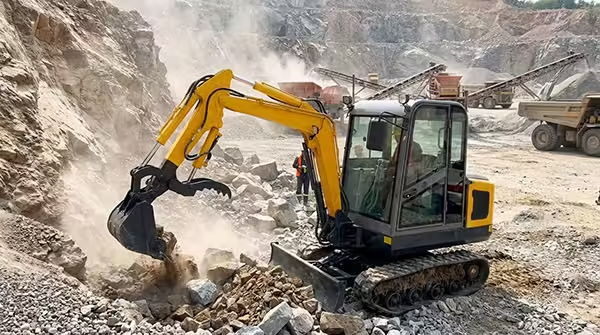
Hazards can appear at any time. You must watch for power lines, underground utilities, and uneven ground. Before you dig, call your local utility locator service. Mark all danger zones with cones or flags.
| Hazard Type | How to Avoid |
|---|---|
| Power lines | Keep boom low, stay clear |
| Underground pipes | Call 811 before digging |
| Loose soil | Test ground before moving |
| Other workers | Use signals, stay visible |
According to the U.S. Bureau of Labor Statistics, struck-by accidents and rollovers cause most injuries with small excavators.
You must know the limits of your mini excavator. Overloading the bucket or arm can damage the machine and cause accidents. Always check the weight of materials before lifting. If you feel the machine tipping, stop and lower the load.
Example: Operators who overload the bucket risk tipping the excavator. This mistake leads to injuries and costly repairs.
Unstable ground increases the risk of rollovers. You need to inspect the work area before driving or digging. Avoid working near slopes, trenches, or soft soil. If you must work on a slope, keep the tracks perpendicular to the incline.
| Surface Condition | Risk Level | Tindakan |
|---|---|---|
| Firm, level | Rendah | Safe to operate |
| Soft, uneven | Tinggi | Avoid or reinforce |
| Near trench edge | Sangat Tinggi | Stay back |
Catatan: Itu Occupational Safety and Health Administration (OSHA) recommends regular training and practice to reduce accidents.
You improve your skills with regular practice and proper training. Many local colleges and trade schools offer excavator safety courses. You can also join online forums or follow safety pages on social media for tips.
Ajakan Bertindak: Visit OSHA’s Excavator Safety page or follow #ExcavatorSafety on social media for updates and advice.
By following these safety and best practices, you build confidence and reduce risks every time you operate a 1.3 Ton Mini Excavator.
After you finish your work with the 1.3 Ton Mini Excavator, you need to shut down the machine and perform basic maintenance. These steps keep the excavator in good condition and help prevent future problems. You also protect yourself and others by following a safe shutdown process.
You should always park the mini excavator on level, stable ground. Choose a spot away from slopes, trenches, or soft soil. Lower the dozer blade and bucket to the ground. This action stabilizes the machine and prevents accidental movement.
Tip: If you park on a job site overnight, use cones or barriers to mark the machine’s location. This step helps others see the equipment and avoid accidents.
You need to follow a specific order to turn off the engine safely:
Never leave the key in the ignition. Always secure the cab if you leave the machine unattended.
You should clean the excavator after each use. Dirt, mud, and debris can build up and cause wear or block moving parts. Use a brush or hose to remove soil from the tracks, undercarriage, and bucket. Wipe down the controls and seat with a damp cloth.
🧹 Catatan: Regular cleaning makes inspections easier and extends the life of your equipment.
After cleaning, inspect the machine for any new damage or problems. Look for leaks, cracks, or loose parts. If you find anything unusual, write it down in a maintenance log or report it to your supervisor.
| Apa yang Perlu Diperiksa | What to Do if You Find a Problem |
|---|---|
| Fluid leaks | Report and schedule repairs |
| Damaged hoses | Tag for maintenance |
| Broken lights | Replace or report |
| Unusual noises | Describe in the log |
Always report issues right away. Quick action prevents small problems from becoming bigger and more expensive.
By following these shutdown and maintenance steps, you keep your 1.3 Ton Mini Excavator safe, reliable, and ready for the next job.
You can master a 1.3 ton mini excavator by following clear steps. Start with proper preparation and setup. Learn the controls and practice basic operations. Always focus on safety and complete shutdown procedures. Regular practice builds your confidence and skill. If you feel unsure, seek training or ask for help. With patience and attention to detail, you will operate the machine safely and efficiently.
Walk the area and look for soft spots, holes, or loose rocks. Use a shovel to test the firmness. Stable, level ground supports the machine and reduces the risk of tipping.
Check the fuel level and battery connections first. Make sure all controls are in neutral. If the engine still does not start, consult the operator’s manual or contact a qualified technician.
You need to check local laws. Some areas require permits or licenses for operating heavy equipment. Always confirm requirements before starting work to avoid fines or delays.
Inspect fluid levels before every use. This includes engine oil, hydraulic fluid, coolant, and fuel. Regular checks help prevent breakdowns and keep your excavator running smoothly.
Call your local utility locator service before digging. Mark all utility lines clearly. Use caution when working near marked areas to prevent accidents and costly repairs.
Remove mud and debris from tracks, undercarriage, and bucket using a brush or hose. Wipe down the cab and controls with a damp cloth. Clean windows for clear visibility.
Stop using the machine immediately. Report the issue to your supervisor or maintenance team. Document the problem in a log and schedule repairs before operating again.







-1.png)