E-mail: [email protected] WhatsApp: +8618266768780

E-mail: [email protected] WhatsApp: +8618266768780


Jika Anda ingin menghemat uang saat mengimpor mesin pertanian dari China, Anda harus merencanakan setiap langkah. Anda perlu memahami semua biaya sebelum memulai. Membangun hubungan yang kuat dengan pemasok membantu Anda menegosiasikan harga dan persyaratan yang lebih baik. Banyak importir yang sukses mengikuti saran yang ditemukan dalam Panduan Pemula untuk Mengimpor Mesin Pertanian dari China. Pilih pengiriman yang hemat biaya, gunakan broker bea cukai, dan hindari kesalahan umum. Langkah-langkah ini membantu Anda memotong pengeluaran dan menghindari kejutan selama proses.
Mengimpor mesin pertanian dari China dapat membantu Anda menghemat uang, tetapi Anda harus mengikuti langkah yang tepat. Panduan Pemula untuk Mengimpor Mesin Pertanian dari China memberi Anda jalan yang jelas untuk menghindari kesalahan yang mahal dan memastikan kepatuhan.
Anda memerlukan nomor impor sebelum Anda dapat membawa mesin ke negara Anda. Nomor ini mengidentifikasi Anda sebagai importir dan memungkinkan bea cukai untuk memproses pengiriman Anda. Anda dapat mengajukan permohonan nomor impor melalui kantor bea cukai setempat atau portal perdagangan pemerintah. Pastikan Anda memiliki semua dokumen yang diperlukan, seperti bukti pendaftaran bisnis dan identifikasi pajak.
Negara yang berbeda memiliki persyaratan kepatuhan yang unik untuk mesin pertanian. Anda harus memeriksa izin mana yang berlaku untuk wilayah Anda. Tabel di bawah ini menunjukkan standar kepatuhan umum:
| Wilayah | Persyaratan Kepatuhan |
|---|---|
| Uni Eropa | Tanda CE, kepatuhan terhadap peraturan kelistrikan dan mekanik, Pernyataan kesesuaian, dokumentasi teknis. |
| Amerika Serikat | Standar ASTM, ANSI, RIA, ISA, NFPA, UL untuk berbagai jenis mesin. |
| Australia/Selandia Baru | Kepatuhan AS/NZS, Sistem Sertifikasi Peralatan ERAC untuk mesin listrik. |
| India | Direktif tanda ISI atau Skema Sertifikasi Produk BIS untuk berbagai jenis mesin. |
| Nigeria | arahan SONCAP, persetujuan pra-pengiriman, kepatuhan terhadap NIS. |
Tip: Selalu periksa dengan otoritas bea cukai nasional Anda atau kunjungi situs web perdagangan resmi untuk persyaratan izin terbaru. Anda juga dapat mengikuti pakar industri di LinkedIn atau bergabung dengan grup perdagangan di Facebook untuk mendapatkan pembaruan dan saran.
Panduan Pemula untuk Mengimpor Mesin Pertanian dari China merekomendasikan untuk mengikuti langkah-langkah ini untuk memastikan pengalaman impor yang lancar:
Banyak importir pertama kali mengabaikan detail utama. Anda mungkin lupa memverifikasi dokumen kepatuhan atau melewatkan inspeksi pra-pengiriman. Kesalahan ini dapat menyebabkan penundaan, biaya tambahan, atau bahkan penyitaan barang Anda. Selalu periksa kembali dokumen Anda dan komunikasikan dengan jelas dengan pemasok Anda.
Catatan: Jika Anda memerlukan panduan lebih lanjut, jelajahi sumber daya dari Kamar Dagang setempat atau ikuti pakar kepatuhan perdagangan di media sosial. Platform ini sering berbagi pembaruan tentang peraturan dan praktik terbaik.
Panduan Pemula untuk Mengimpor Mesin Pertanian dari China membantu Anda menghindari perangkap ini dengan memberikan petunjuk langkah demi langkah dan tips praktis. Ketika Anda memahami prosesnya dan memenuhi semua persyaratan kepatuhan, Anda mengurangi risiko dan menghemat uang.
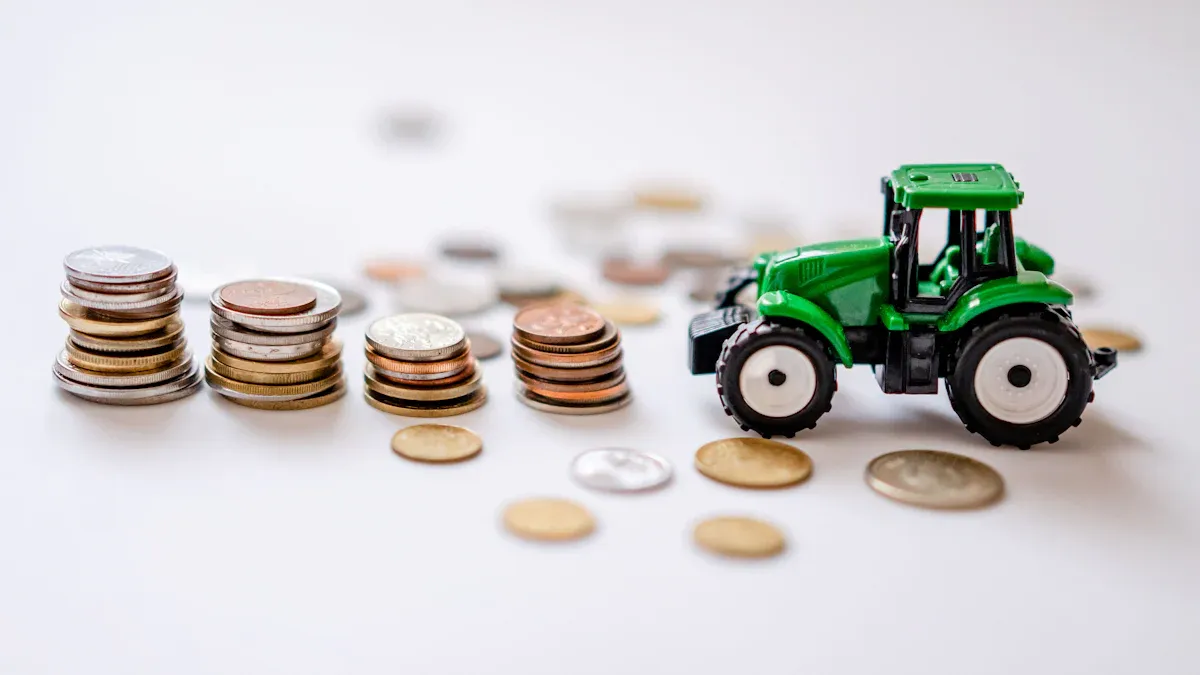
Mengimpor mesin pertanian dari Cina melibatkan lebih dari sekedar harga peralatan. Anda perlu menghitung setiap biaya untuk menghindari kejutan dan memaksimalkan tabungan Anda. Bagian ini memecah tugas, pajak, pengiriman, dan biaya tersembunyi. Anda akan belajar bagaimana memperkirakan setiap pengeluaran dan menemukan strategi untuk menjaga biaya Anda tetap rendah.
Anda harus membayar bea dan pajak ketika mesin Anda tiba di bea cukai. Biaya ini tergantung pada peraturan negara Anda dan jenis peralatan yang Anda impor. Mulailah dengan menemukan kode HS (Harmonized System) yang benar untuk mesin Anda. Petugas bea cukai menggunakan kode ini untuk menentukan tarif bea.
Misalnya, jika Anda mengimpor traktor dengan kode HS 8701, negara Anda dapat mengenakan tarif bea 5%. Jika nilai traktor yang dinyatakan adalah $20.000, Anda membayar bea masuk $1.000. Tambahkan PPN atau pajak penjualan yang berlaku. Beberapa negara juga mengenakan pajak lingkungan atau cukai untuk jenis mesin tertentu.
Tip: Gunakan kalkulator tugas online dari portal perdagangan pemerintah atau platform industri seperti Perdagangan.gov atau Pusat Sumber Daya Impor & Ekspor Alibaba untuk memperkirakan biaya Anda sebelum Anda membeli.
Banyak importir yang melakukan kesalahan saat menyatakan nilai atau memilih kode HS. Jika Anda menggunakan kode yang salah, Anda mungkin membayar bea lebih tinggi atau menghadapi penundaan. Selalu periksa kembali dokumentasi Anda dan konsultasikan dengan broker bea cukai jika Anda merasa tidak yakin.
Kesalahan tugas umum meliputi:
Seorang petani di Texas pernah mengimpor pemanen beras dan menggunakan kode HS yang salah. Bea Cukai menunda pengiriman selama dua minggu dan mengenakan biaya tambahan. Anda dapat menghindari masalah ini dengan memverifikasi kode dengan kantor bea cukai setempat atau menggunakan sumber daya online seperti Organisasi Kepabeanan Dunia.
Biaya pengiriman bervariasi tergantung pada metode yang Anda pilih. Pilihan yang paling umum adalah angkutan laut, angkutan udara, dan kereta api. Angkutan laut biasanya menawarkan harga terendah untuk mesin berat, tetapi membutuhkan waktu lebih lama. Angkutan udara memberikan lebih cepat tetapi biaya jauh lebih banyak.
| Metode Pengiriman | Waktu Transit Rata-rata | Kisaran Biaya (per ton) | Terbaik Untuk |
|---|---|---|---|
| Sea Freight | 20-40 hari | $80 φ $150 | Mesin berat yang besar |
| Air Freight | 3-7 hari | $800 φ $1,200 | Pengiriman mendesak dan kecil |
| Rail Freight | 10-20 hari | $200 φ $400 | Destinasi terkurung daratan |
Seorang pemilik pertanian di Kenya menghemat $2.000 dengan memilih angkutan laut untuk pemanen gabungan alih-alih angkutan udara. Anda harus membandingkan waktu dan biaya transit sebelum membuat keputusan.
Catatan: Beberapa perusahaan pengiriman menawarkan kalkulator online dan alat pelacakan. Anda dapat menemukan tolok ukur dan ulasan pada platform seperti Freightos atau bergabunglah dalam diskusi di grup Facebook seperti “Importir & Eksportir Global.”
Anda perlu membandingkan total biaya pengiriman, bukan hanya tarif dasar. Minta penawaran dari beberapa perusahaan ekspedisi. Sertakan biaya pelabuhan, asuransi, dan biaya penanganan dalam perhitungan Anda. Terkadang, tarif dasar yang sedikit lebih tinggi mencakup lebih banyak layanan, yang menghemat uang Anda dalam jangka panjang.
Banyak importir mengabaikan biaya tersembunyi yang dapat menambah ratusan atau ribuan dolar ke tagihan akhir. Biaya ini sering muncul di pelabuhan atau selama penanganan kargo.
| Jenis Biaya Tersembunyi | Keterangan |
|---|---|
| Biaya Dock | Biaya penggunaan fasilitas dermaga selama impor. |
| Biaya Drayage | Biaya yang terkait dengan pengangkutan barang dari pelabuhan. |
| Biaya Pelabuhan | Biaya umum jasa pelabuhan selama proses impor. |
| Biaya X-Ray | Biaya tak terduga untuk pemeriksaan keamanan kargo. |
| Biaya Demurrage | Biaya yang timbul atas keterlambatan izin kargo. |
| Biaya Pengiriman Barang | Biaya tambahan untuk layanan yang disediakan oleh perusahaan ekspedisi. |
Importir Kanada membayar $500 dalam biaya demurrage karena bea cukai menunda izin. Anda dapat menghindari biaya ini dengan menyiapkan dokumen Anda dan menjadwalkan pengambilan tepat waktu.
Asuransi melindungi mesin Anda terhadap kerusakan atau kehilangan selama transit. Biaya inspeksi mencakup biaya pemeriksaan peralatan Anda untuk kepatuhan dan kualitas. Beberapa negara memerlukan inspeksi wajib sebelum pelepasan bea cukai.
Tip: Minta penawaran untuk asuransi dan inspeksi dari beberapa penyedia. Bandingkan tingkat cakupan dan harga. Anda dapat menemukan rekomendasi pada grup LinkedIn seperti “Profesional Perdagangan Internasional.”
Anda dapat mengurangi biaya tersembunyi dan ekstra dengan mengikuti strategi berikut:
Callout: Selalu tinjau kontrak dan ketentuan pengiriman Anda sebelum menyelesaikan kesepakatan. Mintalah pemasok Anda untuk rincian semua biaya yang diharapkan. Gunakan alat perhitungan biaya dari situs web industri untuk memeriksa ulang nomor Anda.
Menghitung semua biaya impor membantu Anda menghindari kejutan dan membuat keputusan yang tepat. Ketika Anda memahami bea, pengiriman, dan biaya tersembunyi, Anda dapat memilih metode pengiriman terbaik dan menegosiasikan persyaratan yang lebih baik dengan pemasok. Pendekatan ini menghasilkan penghematan yang signifikan dan proses impor yang lebih lancar.
Memilih supplier yang handal untuk mesin pertanian di Cina dapat membuat atau menghancurkan pengalaman impor Anda. Anda perlu memverifikasi kredensial, membangun hubungan yang kuat, dan menguji kualitas produk sebelum melakukan pembelian dalam jumlah besar. Bagian ini memandu Anda melalui langkah-langkah praktis untuk memastikan Anda bekerja dengan mitra yang dapat dipercaya.
Anda harus selalu mengkonfirmasi bahwa pemasok Anda memegang lisensi bisnis dan izin ekspor yang valid. Mintalah salinan sertifikasi dan dokumentasi teknis mereka untuk mesin yang Anda rencanakan untuk dibeli. Pemasok yang andal akan memberikan dokumen-dokumen ini tanpa ragu-ragu.
Tip: Gunakan platform industri seperti Buatan Tiongkok atau Sumber Global untuk memeriksa kredensial pemasok dan riwayat ekspor.
Membaca ulasan pelanggan dan mencari referensi membantu Anda memahami reputasi pemasok. Anda dapat menemukan umpan balik pada grup media sosial seperti Profesional Perdagangan Internasional LinkedIn atau forum khusus. Cari studi kasus yang merinci transaksi sebelumnya dan kualitas layanan.
Langkah verifikasi pemasok yang efektif:
| Faktor Keandalan | Mengapa Hal Ini Penting | Cara Memeriksa |
|---|---|---|
| Lisensi Bisnis | Operasi hukum | Meminta dokumen resmi |
| Izin Ekspor | Kemampuan untuk mengirim secara internasional | Verifikasi dengan otoritas bea cukai |
| Ulasan Pelanggan | Layanan dan kualitas produk | Cari di platform perdagangan |
| Proses Kontrol Kualitas | Standar produk yang konsisten | Mintalah laporan pemeriksaan |
| Perintah Percobaan | Penilaian produk langsung | Tempatkan pesanan awal kecil |
Anda dapat menegosiasikan harga dan ketentuan pembayaran yang lebih baik dengan membangun kepercayaan dengan pemasok Anda. Komunikasikan kebutuhan Anda dengan jelas dan tanyakan tentang diskon untuk pesanan massal atau bisnis berulang. Pemasok sering menawarkan persyaratan yang fleksibel kepada pembeli yang dapat diandalkan.
Fokus pada nilai jangka panjang daripada hanya harga terendah. Pertimbangkan faktor-faktor ini ketika memilih pemasok:
Catatan: Pemasok dengan kehadiran global dan teknologi canggih sering memberikan dukungan dan keandalan yang lebih baik.
Sebelum melakukan pesanan besar, minta sampel mesin. Ini memungkinkan Anda untuk memeriksa kualitas pembuatan dan menguji kinerja. Sebagian besar pemasok terkemuka akan setuju untuk mengirim sampel atau mengizinkan Anda mengunjungi pabrik mereka.
Anda dapat menyewa lembaga inspeksi pihak ketiga untuk memverifikasi kualitas dan kepatuhan produk. Lembaga-lembaga ini memberikan laporan yang tidak bias dan membantu Anda menghindari kesalahan yang mahal. Gunakan platform seperti SGS atau Intertek untuk layanan inspeksi.
Callout: Selalu dokumentasikan langkah verifikasi Anda dan simpan catatan semua komunikasi. Ini melindungi Anda jika perselisihan muncul kemudian.
Studi Kasus:
Seorang pemilik pertanian di Afrika Selatan ingin mengimpor seeder dari China. Dia memeriksa lisensi bisnis pemasok, membaca ulasan di forum perdagangan, dan meminta pesanan sampel. Setelah pemeriksaan pihak ketiga mengkonfirmasi kualitasnya, dia menegosiasikan diskon untuk pembelian massal. Proses ini membantunya menghindari pemasok yang tidak dapat diandalkan dan mendapatkan penawaran yang bagus.
Dengan mengikuti langkah-langkah ini, Anda dapat menemukan pemasok yang dapat diandalkan, meminimalkan risiko, dan memastikan Anda menerima mesin pertanian berkualitas tinggi dengan harga terbaik.
Klasifikasi produk yang benar dan penilaian yang akurat memainkan peran utama dalam berapa banyak Anda membayar ketika mengimpor mesin pertanian dari Cina. Jika Anda mendapatkan langkah-langkah ini dengan benar, Anda dapat menghindari kesalahan mahal dan mengurangi pengeluaran Anda secara keseluruhan.
Anda perlu menetapkan kode HS (Sistem Harmonisasi) yang benar ke mesin Anda. Petugas bea cukai menggunakan kode ini untuk menentukan tarif bea dan memeriksa kepatuhan. Menggunakan kode yang salah dapat menyebabkan penundaan, penalti, atau biaya yang lebih tinggi. Selalu periksa daftar kode HS terbaru dari otoritas bea cukai negara Anda atau gunakan alat online seperti Database HS Organisasi Kepabeanan Dunia.
Berikut adalah tabel yang menunjukkan kode HS umum untuk berbagai jenis mesin pertanian:
| Jenis Mesin | Usulan Kode HS | Penjelasan |
|---|---|---|
| Mesin pengolahan tanah | 8432.1000 | Terdaftar khusus sebagai mesin budidaya tanah |
| Mesin pengolah tanah putar | 8432.2900 | Digunakan dengan traktor untuk operasi pertanian |
| Alat penyemai benih | 8432.31/8432.39 | Diklasifikasikan berdasarkan metode dan struktur pertanian |
| Gabungkan pemanen | 8433.5100 | Mesin panen multi-fungsional |
| Penyemprot pertanian | 8424.4100/8424.4900 | Diklasifikasikan dalam perangkat penyemprotan cair |
| Drone perlindungan tanaman | 8806.XXXX | Diklasifikasikan sebagai kendaraan udara tak berawak |
Tip: Periksa kembali kode HS Anda dengan broker bea cukai atau gunakan alat pencarian bea cukai resmi. Kesalahan bisa mahal.
Kode HS yang Anda pilih secara langsung memengaruhi jumlah bea yang Anda bayarkan. Berikut adalah bagaimana klasifikasi memengaruhi biaya Anda:
Catatan: Selalu tinjau tarif bea terbaru untuk kode HS Anda di situs web bea cukai negara Anda. Misalnya, Basis Data Tarif Komisi Perdagangan Internasional AS memberikan tarif up-to-date.
Anda harus menyatakan nilai sebenarnya dari mesin Anda pada semua dokumen impor. Bea Cukai menggunakan nilai ini untuk menghitung bea dan pajak. Sertakan harga pembelian, pengiriman, dan biaya asuransi. Simpan semua faktur, kontrak, dan catatan pembayaran terorganisir. Dokumen yang akurat membantu Anda menghindari penundaan dan biaya tambahan.
Beberapa importir mencoba menurunkan nilai yang dinyatakan untuk menghemat bea. Ini dapat menyebabkan denda, penyitaan pengiriman, atau bahkan daftar hitam. Melebih-lebihkan nilai juga dapat menyebabkan masalah, seperti pajak yang lebih tinggi atau kecurigaan dari bea cukai.
Studi Kasus:
Seorang petani di Brasil mengimpor mesin pemanen gabungan dan menggunakan kode HS yang benar (8433.5100) dengan dokumentasi yang akurat. Bea Cukai membersihkan pengiriman dengan cepat, dan dia membayar tarif bea yang diharapkan. Tetangganya menggunakan kode yang salah dan kurang menyatakan nilainya. Bea Cukai menunda pengiriman, menjatuhkan penalti, dan membebankan bea tambahan. Petani pertama menghemat waktu dan uang dengan mengikuti aturan.
Callout: Selalu nyatakan nilai yang benar dan gunakan kode HS yang tepat. Jika Anda merasa tidak yakin, konsultasikan dengan broker bea cukai berlisensi atau kunjungi situs web bea cukai nasional Anda untuk mendapatkan panduan.
Untuk informasi lebih lanjut, Anda dapat memeriksa sumber daya seperti Organisasi Kepabeanan Dunia atau bergabung dalam diskusi di grup LinkedIn seperti Profesional Perdagangan Internasional.
Dengan mengklasifikasikan produk Anda dengan benar dan menyatakan nilai yang akurat, Anda dapat menghindari kesalahan yang mahal dan menjaga proses impor Anda lancar dan terjangkau.
Perjanjian perdagangan dapat membantu Anda menghemat uang ketika mengimpor mesin pertanian dari China. Anda dapat mengurangi atau bahkan menghilangkan tarif jika Anda memenuhi persyaratan tertentu. Memahami cara memeriksa kelayakan dan mengajukan pengecualian akan membantu Anda memaksimalkan tabungan Anda.
Anda harus selalu memeriksa apakah negara Anda memiliki perjanjian perdagangan dengan Cina yang mencakup mesin pertanian. Perjanjian ini sering mencantumkan produk yang memenuhi syarat dengan kode HS. Anda dapat menemukan informasi ini di situs web bea cukai nasional Anda atau melalui portal perdagangan internasional seperti Organisasi Perdagangan Dunia. Beberapa perjanjian menawarkan pengurangan tarif untuk jenis mesin tertentu.
| Negara | Nama Perjanjian Perdagangan | Pengurangan Tarif Khas (%) | Di mana Memeriksa Kelayakan |
|---|---|---|---|
| Amerika Serikat | Kesepakatan Ekonomi & Perdagangan Fase Satu | Sehingga 25% | USTR |
| Australia | FTA Tiongkok-Australia (ChAFTA) | 100% (tarif nol) | Portal FTA Pemerintah Australia |
| Anggota ASEAN | Kawasan Perdagangan Bebas ASEAN-Tiongkok | 5-20% | ASEAN FTA Info |
Tip: Selalu konfirmasikan jadwal tarif terbaru dan produk yang memenuhi syarat sebelum Anda mengimpor. Perjanjian perdagangan dapat berubah, dan produk baru dapat ditambahkan atau dihapus.
Untuk mengklaim pengurangan tarif, Anda harus memberikan Surat Keterangan Asal. Dokumen ini membuktikan bahwa mesin Anda berasal dari Cina dan memenuhi syarat berdasarkan perjanjian. Anda dapat meminta sertifikat ini dari pemasok Anda. Bea Cukai akan memintanya selama izin. Pastikan sertifikat sesuai dengan detail pengiriman Anda dan kode HS.
Anda mungkin memenuhi syarat untuk pembebasan atau pengecualian tugas sementara. Misalnya:
Kantor Perwakilan Dagang Amerika Serikat mengumumkan proses permintaan pengecualian sementara dari tugas Bagian 301 untuk mesin tertentu, yang mungkin termasuk mesin pertanian.
Untuk mengajukan pengecualian, Anda biasanya perlu:
Anda dapat menemukan formulir permohonan dan instruksi di situs web bea cukai resmi atau portal perdagangan. Untuk AS, kunjungi Proses Pengecualian USTR Bagian 301.
Banyak importir kehilangan pengecualian karena kesalahan sederhana. Kesalahan umum meliputi:
Catatan: Periksa kembali semua dokumen sebelum diserahkan. Jika Anda merasa tidak yakin, konsultasikan dengan broker bea cukai atau bergabunglah dalam diskusi di grup LinkedIn seperti Profesional Perdagangan Internasional.
Studi Kasus:
Seorang pedagang peralatan pertanian di Australia mengimpor seeder dari China. Dia memeriksa perjanjian ChAFTA dan mengkonfirmasi kelayakan untuk tarif nol. Dia memperoleh Sertifikat Asal yang benar dan menyerahkan semua dokumen ke bea cukai. Kirimannya dibersihkan tanpa bea tambahan, menghemat ribuan dolar. Sebaliknya, importir lain melewatkan tenggat waktu untuk pengecualian Bagian 301 di AS dan membayar tarif penuh.
Dengan memanfaatkan perjanjian perdagangan dan mengajukan pengecualian, Anda dapat mengurangi biaya impor Anda secara signifikan. Selalu tetap terinformasi dan gunakan sumber daya resmi untuk memandu proses Anda.
Memperbaiki dokumentasi impor Anda sangat penting saat membawa mesin pertanian dari Cina. Anda perlu menyiapkan beberapa dokumen kunci untuk membersihkan bea cukai dan menghindari penundaan. Dokumen yang hilang atau salah dapat menyebabkan biaya tambahan atau bahkan penyitaan pengiriman.
Anda harus mengumpulkan semua dokumen yang diperlukan sebelum pengiriman Anda meninggalkan Cina. Petugas bea cukai akan meminta dokumen-dokumen ini selama izin. Berikut adalah a daftar periksa dokumen penting anda harus mempersiapkan:
Tip: Anda dapat menemukan panduan rinci tentang persiapan dokumen-dokumen ini di Ekspor.gov Dan Administrasi Perdagangan Internasional.
Faktur menunjukkan nilai mesin Anda dan menjadi dasar perhitungan tugas. Daftar pengepakan merinci isi, berat, dan kemasan kiriman Anda. Anda harus memastikan kedua dokumen sesuai dengan kiriman sebenarnya dan menyertakan deskripsi yang akurat.
Bill of lading bertindak sebagai bukti pengiriman dan kepemilikan. Anda memerlukan dokumen ini untuk mengklaim barang Anda di pelabuhan tujuan. Selalu periksa apakah bill of lading cocok dengan faktur dan daftar pengepakan Anda.
Kesalahan dalam dokumentasi impor dapat menghabiskan waktu dan uang Anda. Anda harus mengetahui kesalahan yang paling umum dan cara mencegahnya.
Berikut adalah tabel yang menunjukkan kesalahan dokumentasi dan solusi yang sering:
| Jenis Kesalahan | Keterangan | Solusi |
|---|---|---|
| Dokumentasi Tidak Lengkap | Barang dapat disimpan di bea cukai karena dokumen yang hilang. | Memastikan semua dokumen lengkap dan sesuai dengan peraturan. |
| Kode HS Salah | Menggunakan kode HS yang salah dapat menyebabkan biaya pajak yang meningkat. | Verifikasi kode HS dengan hati-hati dan gunakan alat pencarian untuk akurasi. |
| Perbedaan Peraturan | Negara yang berbeda memiliki peraturan ekspor-impor yang unik. | Mempelajari peraturan negara tujuan dan berkonsultasi dengan para ahli. |
Anda juga mungkin menemukan masalah seperti informasi yang tidak konsisten di seluruh formulir, sertifikat yang hilang, atau gagal memenuhi persyaratan khusus negara. Masalah-masalah ini sering mengakibatkan penundaan atau pemeriksaan ekstra.
Anda harus selalu memeriksa ulang dokumen Anda sebelum pengiriman. Gunakan daftar periksa sederhana ini:
Catatan: Anda bisa bergabung dengan grup media sosial seperti Profesional Perdagangan Internasional LinkedIn untuk saran dan pembaruan standar dokumentasi.
Studi Kasus:
Seorang importir peralatan pertanian di Kanada menyiapkan semua dokumen tetapi melewatkan sertifikat inspeksi. Bea Cukai menahan pengiriman selama lima hari, menyebabkan biaya penyimpanan dan penundaan. Setelah berkonsultasi dengan broker bea cukai, dia menambahkan sertifikat yang hilang dan membersihkan barang. Dia sekarang menggunakan daftar periksa dokumentasi untuk setiap pengiriman.
Mempersiapkan Anda impor dokumentasi hati-hati membantu Anda menghindari kesalahan mahal dan memastikan proses bea cukai yang lancar. Anda dapat menemukan lebih banyak praktik terbaik di Perdagangan.gov dan forum industri.
Menyewa broker bea cukai dapat menghemat uang Anda dan mencegah banyak kerepotan ketika mengimpor mesin pertanian dari Cina. Broker membantu Anda menavigasi peraturan yang rumit, menghindari kesalahan yang mahal, dan mempercepat bea cukai. Anda mendapatkan ketenangan pikiran dan sering mengurangi total biaya impor Anda.
Anda harus memilih broker yang memahami tantangan unik dalam mengimpor mesin pertanian. Cari pengalaman, aksesibilitas, dan fokus yang kuat pada layanan pelanggan. Broker yang tepat akan memandu Anda melalui setiap langkah dan membantu Anda menghindari penundaan atau biaya tambahan.
| Kriteria | Pertanyaan Kunci |
|---|---|
| Pengetahuan | Apakah mereka mempekerjakan staf yang berpengalaman dan bersertifikat? Bagaimana mereka melatih tim mereka? |
| Pengalaman | Industri apa yang mereka layani? Berapa lama mereka berbisnis? Apa masa jabatan klien mereka? |
| Aksesibilitas | Apakah mereka tersedia 24/7? Bisakah Anda menjangkau orang yang hidup dengan mudah? |
| Budaya Perusahaan | Apakah mereka fokus pada layanan pelanggan, detail, dan kepatuhan? |
| Kredibilitas | Kasus unik apa yang telah mereka tangani? Bisakah mereka memberikan referensi? Bagaimana orang lain menilai mereka? |
| Pendidikan Klien | Bagaimana mereka menjaga klien diperbarui? Apakah mereka menawarkan seminar atau webinar? |
Tip: Anda dapat menemukan direktori broker pada platform seperti Freightos atau bergabung dalam diskusi dalam kelompok seperti Profesional Perdagangan Internasional LinkedIn.
Ketika Anda mewawancarai calon broker, ajukan pertanyaan yang mengungkapkan keahlian dan keandalannya:
Anda sering dapat menegosiasikan biaya broker, terutama jika Anda berencana untuk mengimpor secara teratur atau dalam volume besar. Mintalah rincian yang jelas dari semua biaya. Beberapa broker menawarkan diskon untuk bisnis berulang atau rujukan.
Banyak broker menyediakan layanan yang dibundel, seperti bea cukai, pengiriman barang, dan asuransi. Bundling dapat menurunkan biaya keseluruhan Anda dan menyederhanakan logistik Anda.
| Bundel Layanan | Rentang Biaya Khas | Layanan Termasuk |
|---|---|---|
| Hanya Bea Cukai | $200 φ $400 | Pengajuan masuk, pemeriksaan kepatuhan |
| Bea Cukai + Pengangkutan | $350 φ $600 | Izin, pemesanan barang, pelacakan |
| Paket Logistik Penuh | $600 φ $1,000 | Izin, pengangkutan, asuransi, pengiriman |
Catatan: Bandingkan paket yang dibundel dari beberapa broker. Terkadang, biaya di muka yang lebih tinggi mencakup lebih banyak layanan dan menghemat uang Anda dalam jangka panjang.
Studi Kasus:
Seorang pemilik pertanian di Kanada menggunakan broker bea cukai yang menawarkan paket logistik yang dibundel. Broker mengelola bea cukai, mengatur asuransi, dan pengiriman terkoordinasi. Pendekatan ini menyelamatkan importir lebih dari $800 dalam biaya layanan terpisah dan mengurangi penundaan selama tiga hari.
Anda bisa menjelajah pilihan dan ulasan broker pada direktori seperti ImporGenius atau terhubung dengan importir lain di grup Facebook seperti “Importir & Eksportir Global.”
Menggunakan broker bea cukai memberi Anda dukungan ahli, membantu Anda menghindari kesalahan yang mahal, dan sering kali menghasilkan penghematan yang signifikan. Luangkan waktu untuk memilih mitra yang tepat dan negosiasikan kesepakatan terbaik untuk kebutuhan Anda.
Perencanaan logistik dan pengiriman untuk impor mesin pertanian dari Cina membutuhkan perhatian yang cermat terhadap detail. Anda perlu memilih metode transportasi yang tepat, memahami persyaratan pengiriman, dan melacak pengiriman Anda untuk menghindari penundaan yang mahal.
Incoterms menentukan siapa yang bertanggung jawab atas pengiriman, asuransi, dan bea cukai pada setiap tahap perjalanan. Anda harus mempelajari Incoterms yang paling umum, seperti FOB (Free On Board), CIF (Cost, Insurance, and Freight), dan DAP (Delivered at Place). Misalnya, dengan FOB, Anda bertanggung jawab begitu barang meninggalkan pelabuhan Cina. Dengan CIF, pemasok mencakup pengiriman dan asuransi ke pelabuhan Anda. Selalu klarifikasi Incoterms dalam kontrak Anda untuk menghindari kebingungan dan biaya tak terduga.
Tip: Review the Panduan Incoterms Kamar Dagang Internasional untuk memahami tanggung jawab Anda.
Anda harus merencanakan bagaimana untuk memindahkan mesin Anda dari pelabuhan ke peternakan Anda. Transportasi darat bekerja dengan baik untuk jarak pendek dan pengiriman domestik. Untuk pengiriman internasional, angkutan laut menawarkan nilai terbaik untuk peralatan besar, meskipun membutuhkan waktu lebih lama. Angkutan udara memberikan kecepatan untuk kebutuhan mendesak tetapi biaya jauh lebih banyak. Angkutan kereta api dapat terjangkau untuk wilayah tertentu, tetapi periksa ketersediaan rute.
Strategi logistik yang efektif meliputi:
| Opsi Logistik | Kasus Penggunaan Terbaik | Biaya | Kecepatan |
|---|---|---|---|
| Transportasi Darat | Domestik, jarak pendek | Rendah | Fast |
| Ocean Freight | Alat berat yang besar | Terendah | Paling lambat |
| Air Freight | Pengiriman mendesak dan kecil | Paling tinggi | Tercepat |
| Rail Freight | Perpindahan yang terkurung daratan atau regional | Sedang | Sedang |
Anda dapat membandingkan penyedia logistik dan mendapatkan penawaran pada platform seperti Freightos atau Flexport.
Anda harus selalu melacak kiriman Anda untuk tetap mendapat informasi tentang lokasi dan statusnya. Banyak perusahaan ekspedisi menawarkan portal pelacakan online. Anda juga dapat menggunakan alat independen seperti Lalu Lintas Laut untuk pengiriman laut atau ikuti pembaruan melalui grup media sosial seperti Importir & Eksportir Global Facebook.
Catatan: Pelacakan membantu Anda mempersiapkan pengiriman dan merespons dengan cepat jika timbul masalah.
Penundaan sering terjadi selama pemeriksaan pabean. Penyebab umum meliputi tarif, kenaikan biaya operasional, dan gangguan rantai pasokan. Tabel di bawah ini menunjukkan alasan sering untuk penundaan pengiriman:
| Penyebab Keterlambatan | Keterangan |
|---|---|
| Tarif | Peningkatan biaya dan waktu pemrosesan yang lebih lama karena bea masuk baru atau perubahan. |
| Meningkatnya Biaya Operasional | Pengeluaran yang lebih tinggi dari kekurangan energi atau peraturan baru yang memperlambat produksi dan pengiriman. |
| Gangguan Rantai Pasokan | Keterlambatan pengiriman, kemacetan pelabuhan, atau masalah geopolitik yang mempengaruhi logistik. |
Studi Kasus:
Seorang pemilik pertanian di Polandia mengimpor traktor melalui laut. Dia menggunakan freight forwarder, melacak pengirimannya secara online, dan menyiapkan semua dokumen bea cukai sebelumnya. Ketika kemacetan pelabuhan menunda pembongkaran, dia menerima pembaruan waktu nyata dan menyesuaikan jadwal pengirimannya. Dengan tetap mendapat informasi dan fleksibel, dia menghindari biaya penyimpanan ekstra dan menjaga proyeknya tetap pada jalurnya.
Selalu berkomunikasi dengan penyedia logistik Anda dan pantau pembaruan. Pendekatan ini membantu Anda mengelola risiko dan menjaga proses impor Anda lancar.
Kesalahan selama proses impor dapat menghabiskan waktu dan uang Anda. Anda dapat menghindari sebagian besar masalah dengan mengenali bendera merah pemasok, memastikan kualitas produk, dan mengetahui cara menyelesaikan perselisihan.
Anda harus memperhatikan tanda-tanda peringatan saat memilih pemasok. Pemasok yang andal berkomunikasi dengan jelas dan memahami persyaratan teknis. Jika Anda melihat salah satu masalah berikut, lanjutkan dengan hati-hati:
| Bendera Merah | Apa Artinya |
|---|---|
| Komunikasi samar | Pemasok mungkin kurang memiliki keahlian atau transparansi |
| Lead time yang panjang | Masalah produksi atau pengiriman |
| Tidak ada pengalaman yang relevan | Risiko kesesuaian produk yang buruk |
| Tidak ada pengetahuan sertifikasi ekspor | Kemungkinan masalah bea cukai |
| Harga yang sangat rendah | Bahan berkualitas buruk |
| Harga tinggi | Kemungkinan perusahaan dagang, bukan produsen |
Tip: Anda dapat memeriksa latar belakang pemasok di Cina Checkup atau bergabung dalam diskusi di Profesional Perdagangan Internasional LinkedIn.
Jika Anda melihat bendera merah, ambil tindakan dengan cepat. Minta lebih banyak dokumentasi, seperti lisensi bisnis dan izin ekspor. Minta referensi dari pembeli sebelumnya. Lakukan pesanan percobaan kecil sebelum melakukan pembelian besar. Jika keraguan tetap ada, pertimbangkan untuk beralih pemasok atau berkonsultasi dengan pengawas industri.
Studi Kasus:
Seorang petani di Inggris memperhatikan jawaban yang tidak jelas dan harga yang luar biasa rendah dari pemasok. Dia meminta dokumen teknis dan referensi tetapi tidak menerima apa pun. Dia beralih ke pemasok terverifikasi yang ditemukan melalui forum industri, menghindari penipuan yang mahal.
Anda harus selalu mengatur inspeksi pra-pengiriman. Agen independen dapat memverifikasi kualitas dan kepatuhan produk sebelum mesin Anda meninggalkan China. Langkah ini membantu Anda menghindari menerima peralatan yang rusak atau tidak sesuai.
Catatan: Layanan inspeksi seperti SGS Dan Intertek tawarkan laporan terperinci. Anda juga dapat menemukan rekomendasi di grup Facebook seperti Importir & Eksportir Global.
Spesifikasi produk yang jelas melindungi Anda dari kesalahpahaman. Bagikan persyaratan terperinci dengan pemasok Anda, termasuk dimensi, bahan, dan standar kinerja. Konfirmasikan bahwa pemasok memahami dan menyetujui spesifikasi ini. Minta konfirmasi tertulis dan sertakan spesifikasi dalam kontrak Anda.
| Melangkah | Mengapa Hal Ini Penting |
|---|---|
| Persyaratan saham | Memastikan pemasok mengerti |
| Konfirmasi perjanjian | Mencegah perselisihan |
| Spec dokumen | Memberikan perlindungan hukum |
Studi Kasus:
Seorang pemilik pertanian di India menerima mesin yang tidak sesuai dengan kebutuhannya. Dia belum menentukan persyaratan secara tertulis. Setelah kesalahan ini, dia mulai menggunakan kontrak terperinci dan inspeksi pihak ketiga, yang meningkatkan hasil.
Jika Anda menghadapi masalah dengan pemasok Anda, ikuti langkah-langkah berikut untuk menyelesaikan perselisihan:
| Opsi Resolusi | Keterangan |
|---|---|
| Tinjauan Kontrak | Periksa syarat dan klausul perselisihan |
| Negosiasi/Mediasi | Mencari kesepakatan bersama |
| Nasihat Hukum | Konsultasikan dengan pengacara untuk hak dan strategi |
| Arbitrase/Litigasi | Gunakan jalur hukum formal untuk penyelesaian |
Tip: Anda dapat menemukan sumber daya hukum di International Trade Centre dan bergabung dengan forum seperti Profesional Perdagangan Internasional LinkedIn untuk saran.
Anda dapat mengurangi biaya dengan bertindak cepat dan menyimpan catatan semua komunikasi. Gunakan mediasi sebelum tindakan hukum untuk menghemat uang. Dokumentasikan setiap langkah dan simpan salinan kontrak, email, dan laporan inspeksi.
Studi Kasus:
Seorang importir Kanada menghadapi perselisihan mengenai mesin yang rusak. Dia meninjau kontraknya dan menggunakan mediasi untuk mencapai penyelesaian, menghindari litigasi yang mahal. Dia sekarang menyimpan catatan rinci dan menggunakan agen inspeksi untuk setiap pesanan.
Dengan tetap waspada terhadap kesalahan umum, Anda melindungi investasi Anda dan memastikan proses impor yang lebih lancar.
Anda dapat menghemat uang saat mengimpor mesin pertanian dari China dengan berfokus pada tiga strategi utama:
Persiapan dan penelitian membantu Anda menghindari kesalahan yang mahal. Anda memahami bea masuk, menggunakan perjanjian perdagangan, dan mencegah kesalahan klasifikasi. Membangun hubungan pemasok yang kuat dan bertindak berdasarkan langkah-langkah ini memastikan pengalaman impor yang lancar dan hemat biaya.
Anda memerlukan faktur, daftar pengepakan, bill of lading, deklarasi bea cukai, dan polis asuransi. Beberapa pengiriman memerlukan lisensi impor atau sertifikat inspeksi. Selalu periksa situs web bea cukai negara Anda untuk persyaratan terbaru.
Periksa lisensi pemasok dan izin ekspor. Baca ulasan pelanggan di platform perdagangan. Minta referensi dan pesanan percobaan. Gunakan lembaga inspeksi pihak ketiga untuk pemeriksaan kualitas. Kunjungi Buatan Tiongkok atau Sumber Global untuk verifikasi pemasok.
Angkutan laut biasanya menawarkan biaya terendah untuk peralatan besar. Bandingkan kutipan dari beberapa freight forwarder. Gunakan kalkulator online seperti Freightos untuk memperkirakan biaya pengiriman dan waktu transit.
Tinjau semua kontrak dan ketentuan pengiriman. Minta rincian biaya pelabuhan, biaya penanganan, dan biaya asuransi. Siapkan dokumen lebih awal untuk menghindari biaya demurrage. Gunakan kalkulator biaya dari Perdagangan.gov.
Kode HS mengklasifikasikan mesin Anda untuk bea cukai. Ini menentukan tarif bea dan pemeriksaan kepatuhan. Menggunakan kode yang benar membantu Anda menghindari penundaan dan biaya tambahan. Temukan kode di Database HS Organisasi Kepabeanan Dunia.
Ya. Banyak negara memiliki perjanjian perdagangan dengan Tiongkok yang menurunkan tarif mesin pertanian. Periksa kelayakan dan minta Surat Keterangan Asal. Kunjungi situs web bea cukai nasional Anda atau Organisasi Perdagangan Dunia untuk detail.
Lacak kiriman Anda menggunakan alat online. Hubungi broker bea cukai Anda untuk pembaruan. Siapkan semua dokumen terlebih dahulu. Tanggapi dengan cepat permintaan dari petugas bea cukai. Bergabunglah dengan forum seperti Profesional Perdagangan Internasional LinkedIn untuk saran.
Tinjau kontrak Anda untuk klausul perselisihan. Coba negosiasi atau mediasi terlebih dahulu. Simpan catatan semua komunikasi. Jika diperlukan, cari nasihat hukum atau gunakan arbitrase. Dokumentasikan setiap langkah untuk melindungi kepentingan Anda.

-1.png)