Benvenuti in Shandong Qilu Industrial Co., Ltd

 Italian
 English
 Arabic
 Bulgarian
 Bengali
 Czech
Czech
 Danish
 German
 Greek
Greek
 Spanish
 Finnish
 French
 Hindi
Hindi
 Croatian
 Hungarian
 Indonesian
 Japanese
 Korean
 Lithuanian
 Dutch
Dutch
 Norwegian
 Polish
 Portuguese
 Romanian
 Russian
 Slovak
 Slovenian
 Swedish
 Thai
Thai
 Turkish
 Ukrainian
 Vietnamese
 Tagalog
 Malay
Malay
 Estonian
 Catalan
 Latvian
 Urdu
Urdu
 Serbian
 Persian
 Swahili
 Albanian
 Armenian
 Icelandic
 Bosnian
 Luxembourgish
 Afrikaans
Italian English
Arabic
Bulgarian
Bengali
Czech
Danish
German
Greek
Spanish
Finnish
French
Hindi
Croatian
Hungarian
Indonesian
Japanese
Korean
Lithuanian
Dutch
Norwegian
Polish
Portuguese
Romanian
Russian
Slovak
Slovenian
Swedish
Thai
Turkish
Ukrainian
Vietnamese
Tagalog
Malay
Estonian
Catalan
Latvian
Urdu
Serbian
Persian
Swahili
Albanian
Armenian
Icelandic
Bosnian
Luxembourgish
Afrikaans
Afrikaans
Italian English
Arabic
Bulgarian
Bengali
Czech
Danish
German
Greek
Spanish
Finnish
French
Hindi
Croatian
Hungarian
Indonesian
Japanese
Korean
Lithuanian
Dutch
Norwegian
Polish
Portuguese
Romanian
Russian
Slovak
Slovenian
Swedish
Thai
Turkish
Ukrainian
Vietnamese
Tagalog
Malay
Estonian
Catalan
Latvian
Urdu
Serbian
Persian
Swahili
Albanian
Armenian
Icelandic
Bosnian
Luxembourgish
Afrikaans
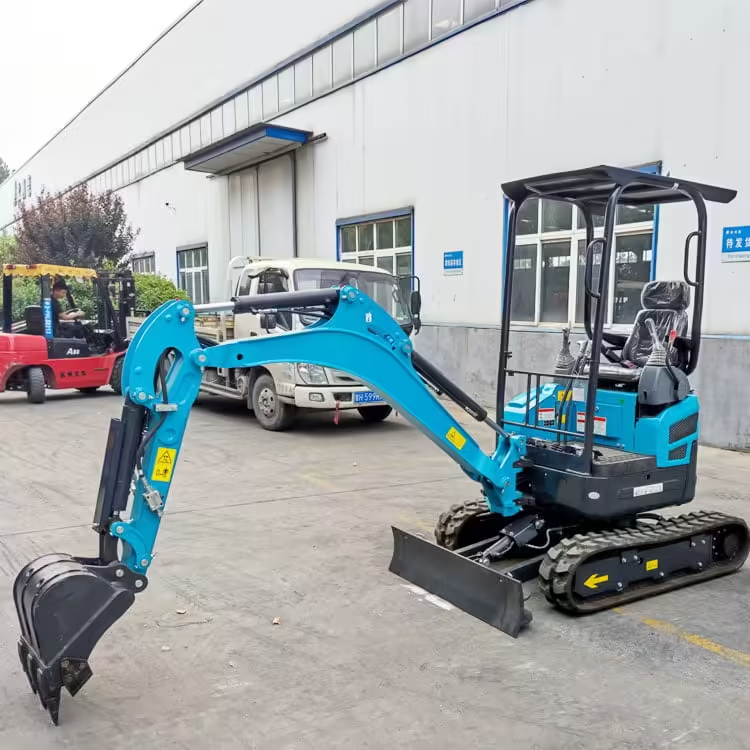
Una guida completa per l'acquisto di una macchina escavatore
Quando si tratta di macchinari pesanti, la macchina escavatore si distingue come uno degli strumenti più versatili e indispensabili nel settore edile e minerario, Che tu sia un appaltatore che cerca di espandere la tua flotta o un nuovo imprenditore che entra nel mondo delle attrezzature pesanti, comprendere le sfumature dell'acquisto di una macchina escavatore è fondamentale Questa guida completa ti guiderà attraverso tutto ciò che devi sapere sull'acquisto di una macchina escavatore, assicurandoti di prendere una decisione informata che soddisfi le tue esigenze e il tuo budget.
Introduzione
Quando si tratta di macchinari pesanti, la macchina escavatore si distingue come uno degli strumenti più versatili e indispensabili nei settori edile e minerario, che tu sia un appaltatore che cerca di espandere la tua flotta o un nuovo imprenditore che entra nel mondo delle attrezzature pesanti, comprendere le sfumature dell'acquisto di una macchina escavatore è fondamentale Questa guida completa ti guiderà attraverso tutto ciò che devi sapere sull'acquisto di una macchina escavatore, assicurandoti di prendere una decisione informata che soddisfi le tue esigenze e il tuo budget.
Comprendere i Tipi di Macchine Escavatori
Prima di immergersi nelle specifiche dell'acquisto, è essenziale comprendere i diversi tipi di macchine escavatrici disponibili sul mercato. Ogni tipo ha scopi unici e presenta caratteristiche distinte che possono avere un impatto significativo sulle tue operazioni.
Escavatori cingolati
Gli escavatori cingolati sono forse il tipo più comune di macchina escavatrice Funzionano su binari, che forniscono stabilità e trazione su terreni accidentati e irregolari Queste macchine sono ideali per compiti pesanti come scavo, scavo e sollevamento.
Escavatori gommati
A differenza degli escavatori cingolati, gli escavatori gommati funzionano su ruote Sono più veloci e più manovrabili su superfici dure, il che li rende perfetti per ambienti urbani e progetti di costruzione stradale.
Mini Escavatori
I miniescavatori, noti anche come escavatori compatti, sono più piccoli e leggeri degli escavatori standard, sono adatti per progetti di piccole e medie dimensioni, in particolare in spazi ristretti dove le macchine più grandi non possono funzionare.
Escavatori a lunga portata
Come suggerisce il nome, gli escavatori a lunga portata hanno bracci estesi, che consentono loro di raggiungere ulteriori distanze. Sono comunemente utilizzati nei progetti di demolizione e nelle operazioni di dragaggio.
Considerazioni chiave quando si acquista un Macchina escavatore
L'acquisto di una macchina escavatrice è un investimento significativo, e ci sono diversi fattori che devi considerare per assicurarti di fare la scelta giusta Ecco alcuni aspetti critici da tenere a mente:
Scopo e Applicazione
Identifica le attività principali per le quali utilizzerai la macchina escavatrice Che si tratti di scavo, demolizione, movimentazione dei materiali o paesaggistica, conoscere l'applicazione primaria ti aiuterà a scegliere il tipo e le dimensioni giuste della macchina.
Dimensioni e specifiche
Le macchine escavatrici sono disponibili in varie dimensioni, dai mini escavatori compatti agli escavatori cingolati massicci Considera le dimensioni dei tuoi progetti, i vincoli di spazio nei tuoi luoghi di lavoro e le specifiche della macchina, come peso operativo, capacità della benna e potenza del motore.
Sistema idraulico
Il sistema idraulico è il cuore di una macchina escavatrice Controllare la portata idraulica e la pressione della macchina, poiché queste determineranno la sua forza di scavo e la capacità di sollevamento.
Allegati e Versatilità
Le macchine escavatrici possono essere dotate di vari attacchi, come benne, martelli, pinze e coclee. Considera la versatilità della macchina e la disponibilità di attacchi compatibili che possono migliorarne la funzionalità.
Supporto per marchi e rivenditori
Scegliere un marchio rispettabile con un solido track record in termini di affidabilità e prestazioni è fondamentale Inoltre, considera la rete di assistenza e assistenza del rivenditore, inclusa la disponibilità di pezzi di ricambio, servizi di manutenzione e copertura della garanzia.
Nuovo vs. Usato Macchine Escavatori
Decidere tra una macchina escavatrice nuova e usata può essere impegnativo Entrambe le opzioni hanno i loro pro e contro, che esploreremo in questa sezione.
Vantaggi delle nuove macchine escavatrici
- Ultima tecnologia: Le nuove macchine sono dotate degli ultimi progressi tecnologici, che possono migliorare l'efficienza e la sicurezza.
- Garanzia: I nuovi escavatori sono generalmente dotati di garanzia del produttore, che garantisce tranquillità e protezione finanziaria.
- Personalizzazione: Quando acquisti nuovo, puoi spesso personalizzare la macchina per soddisfare le tue esigenze e preferenze specifiche.
Vantaggi delle macchine escavatrici usate
- Risparmio sui costi: Le macchine usate sono generalmente più convenienti di quelle nuove, il che le rende un'opzione conveniente per molti acquirenti.
- Ammortamento: Le macchine nuove si deprezzano rapidamente, mentre quelle usate hanno già subito un notevole deprezzamento, conservando potenzialmente meglio il loro valore nel tempo.
- Disponibilità: Le macchine usate possono essere più facilmente disponibili, riducendo i tempi di acquisizione delle apparecchiature.
Ispezione e valutazione degli usati Macchine Escavatori
Se decidi di acquistare una macchina escavatrice usata, condurre un'ispezione approfondita è essenziale per assicurarti di ottenere una macchina affidabile Ecco alcune aree chiave su cui concentrarti:
Ispezione visiva
- Condizione esterna: Controllare la presenza di segni di danni, ruggine o usura eccessiva sul corpo e sul carrello della macchina.
- Sistema idraulico: Ispezionare tubi idraulici, cilindri e raccordi per eventuali perdite o danni.
- Piste e pneumatici: Valutare lo stato delle piste o degli pneumatici, cercando segni di usura o disallineamento.
Ispezione Meccanica
- Motore: Avviare il motore e ascoltare rumori insoliti Controllare le emissioni di fumo e garantire il funzionamento regolare del motore.
- Prestazioni idrauliche: Testare il sistema idraulico azionando il braccio, il braccio e la benna Assicurare movimenti fluidi e reattivi.
- Controlli e cabina: Controllare le condizioni della cabina dell'operatore, inclusi sedili, comandi e visibilità Assicurarsi che tutti i comandi funzionino correttamente.
Registri di manutenzione
Esaminare i registri di manutenzione della macchina per verificare la manutenzione regolare e le riparazioni Una macchina ben tenuta ha maggiori probabilità di essere affidabile e di funzionare bene.
Opzioni di finanziamento per l'acquisto di una macchina escavatore
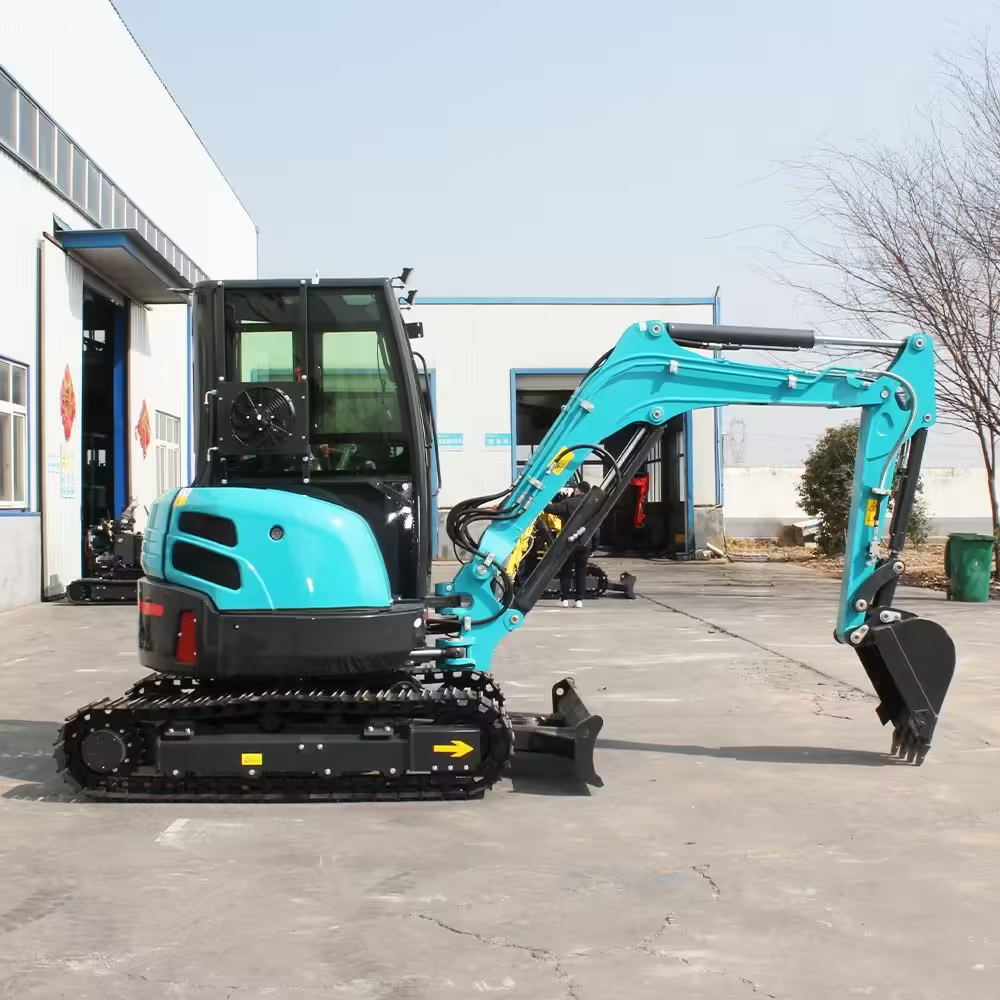
L'acquisto di una macchina escavatrice può essere un impegno finanziario significativo Ecco alcune opzioni di finanziamento comuni da considerare:
Prestiti Attrezzature
Molti istituti finanziari offrono prestiti per attrezzature specificamente progettati per l'acquisto di macchinari pesanti Questi prestiti in genere hanno tassi di interesse fissi e termini di rimborso, rendendo più semplice il budget.
Leasing
Il noleggio di una macchina escavatrice può essere un'opzione interessante se preferisci costi iniziali inferiori e la flessibilità necessaria per passare a modelli più recenti. I contratti di locazione possono variare in lunghezza e termini, quindi è essenziale comprendere le specifiche prima di impegnarsi.
Finanziamento Produttore
Alcuni produttori di escavatori offrono programmi di finanziamento con tariffe e condizioni competitive Questi programmi possono includere incentivi speciali, come pagamenti differiti o tassi di interesse bassi, per rendere l'acquisto più conveniente.
Finanziamento del rivenditore
I concessionari spesso hanno partnership con istituti finanziari per fornire opzioni di finanziamento ai propri clienti Il finanziamento del concessionario può essere conveniente, poiché semplifica il processo di acquisto e può offrire condizioni flessibili.
Analisi dei costi e pianificazione del budget
Prima di effettuare un acquisto, è essenziale condurre un'analisi completa dei costi e una pianificazione del budget Questa sezione fornirà una ripartizione dettagliata dei potenziali costi associati all'acquisto di una macchina escavatrice.
Tabella: Ripartizione dei costi di acquisto della macchina escavatrice
| Componente Costo | Descrizione |
|---|---|
| Prezzo d'acquisto | Costo della macchina escavatrice |
| Allegati | Attacchi aggiuntivi (secchi, martelli, ecc) |
| Trasporto | Spese di consegna e trasporto |
| Assicurazione | Copertura assicurativa per la macchina |
| Manutenzione e Riparazioni | Manutenzione regolare e riparazioni impreviste |
| Formazione Operatori | Costi di formazione per gli operatori delle macchine |
| Spese di finanziamento | Interessi e commissioni sull'importo finanziato |
Comprendendo queste componenti di costo e pianificando il budget di conseguenza, è possibile garantire un processo di acquisto regolare ed evitare sorprese finanziarie.
Conclusione
L'acquisto di una macchina escavatrice è un investimento significativo che richiede un'attenta considerazione e pianificazione Comprendendo i diversi tipi di macchine escavatrici, valutando le proprie esigenze e considerando sia le opzioni nuove che quelle usate, è possibile prendere una decisione informata che si allinea con i propri obiettivi aziendali Ricordati di condurre ispezioni approfondite, esplorare le opzioni di finanziamento e pianificare il budget per garantire un acquisto di successo Con la macchina escavatrice giusta, puoi migliorare la tua efficienza operativa e affrontare i progetti con sicurezza.
FAQ
Qual è la durata media della vita di un escavatore macchina?
La durata di vita di una macchina escavatrice può variare in base all'utilizzo, alla manutenzione e alle condizioni operative, in media, gli escavatori ben mantenuti possono durare tra le 7.000 e le 10.000 ore.
Come faccio a determinare la giusta dimensione di un escavatore macchina per il mio progetto?
Considera la portata e la portata dei tuoi progetti, lo spazio disponibile nei cantieri e il tipo di attività che la macchina eseguirà Consultare uno specialista delle attrezzature può anche aiutarti a determinare la dimensione appropriata.
Quali sono i requisiti di manutenzione per una macchina escavatrice?
La manutenzione regolare comprende il controllo e la sostituzione dei fluidi, l'ispezione e la sostituzione dei filtri, la lubrificazione delle parti mobili e l'esecuzione di ispezioni approfondite del sistema idraulico e del motore.
Posso usare un escavatore macchina per più tipi di progetti?
Sì, le macchine escavatrici sono versatili e possono essere dotate di vari accessori per eseguire diverse attività, come scavo, demolizione, movimentazione dei materiali e paesaggistica.
Quali sono le caratteristiche chiave di sicurezza da cercare in un escavatore macchina?
Le principali caratteristiche di sicurezza includono cabine ROPS (Roll Over Protective Structure) e FOPS (Falling Object Protective Structure), telecamere di backup, sistemi di allarme di sovraccarico e controlli di arresto di emergenza.