Benvenuti in Shandong Qilu Industrial Co., Ltd

 Italian
 English
 Arabic
 Bulgarian
 Bengali
 Czech
Czech
 Danish
 German
 Greek
Greek
 Spanish
 Finnish
 French
 Hindi
Hindi
 Croatian
 Hungarian
 Indonesian
 Japanese
 Korean
 Lithuanian
 Dutch
Dutch
 Norwegian
 Polish
 Portuguese
 Romanian
 Russian
 Slovak
 Slovenian
 Swedish
 Thai
Thai
 Turkish
 Ukrainian
 Vietnamese
 Tagalog
 Malay
Malay
 Estonian
 Catalan
 Latvian
 Urdu
Urdu
 Serbian
 Persian
 Swahili
 Albanian
 Armenian
 Icelandic
 Bosnian
 Luxembourgish
 Afrikaans
Italian English
Arabic
Bulgarian
Bengali
Czech
Danish
German
Greek
Spanish
Finnish
French
Hindi
Croatian
Hungarian
Indonesian
Japanese
Korean
Lithuanian
Dutch
Norwegian
Polish
Portuguese
Romanian
Russian
Slovak
Slovenian
Swedish
Thai
Turkish
Ukrainian
Vietnamese
Tagalog
Malay
Estonian
Catalan
Latvian
Urdu
Serbian
Persian
Swahili
Albanian
Armenian
Icelandic
Bosnian
Luxembourgish
Afrikaans
Afrikaans
Italian English
Arabic
Bulgarian
Bengali
Czech
Danish
German
Greek
Spanish
Finnish
French
Hindi
Croatian
Hungarian
Indonesian
Japanese
Korean
Lithuanian
Dutch
Norwegian
Polish
Portuguese
Romanian
Russian
Slovak
Slovenian
Swedish
Thai
Turkish
Ukrainian
Vietnamese
Tagalog
Malay
Estonian
Catalan
Latvian
Urdu
Serbian
Persian
Swahili
Albanian
Armenian
Icelandic
Bosnian
Luxembourgish
Afrikaans

Creazione del diamante perfetto del campo da baseball con tosaerba e trattore
Trasformare un campo da baseball inizia con il vostro impegno e la vostra attenzione ai dettagli Avete bisogno dell'attrezzatura giusta per risultati duraturi Gli attrezzi professionali, come i metalli resistenti alla corrosione e i telai saldati, superano gli strumenti di base e prolungano la durata del vostro campo La tabella seguente mostra come la scelta dell'attrezzatura influisce sulla qualità:
| Indicatore Qualità | Attrezzatura professionale | Strumenti Base |
|---|---|---|
| Tipo Materiale | Metalli resistenti alla corrosione | Metalli standard |
| Montaggio Frame | Saldato per la forza | Bullonato, qualità inferiore |
| Copertura Garanzia | 35 anni sulla struttura | Copertura limitata |
Un tosaerba, un trattore e strumenti speciali ti aiutano a ripristinare anche il campo più trascurato Crei modelli visivi impressionanti e mantieni un diamante professionale ad ogni passo.
Takeaway chiave
- Investire in attrezzature professionali per una migliore durata e risultati I materiali resistenti alla corrosione e i telai saldati migliorano la longevità del campo.
- Scegli il tosaerba giusto in base alle dimensioni del campo e al tipo di erba I tosaerba a bobina offrono tagli di qualità, mentre i tosaerba rotanti sono ottimi per la manutenzione regolare.
- Utilizza un trattore con gli attacchi giusti per un efficiente ripristino del campo Concentrati su caratteristiche come opzioni di pneumatici e potenza per prestazioni ottimali.
- Crea modelli professionali utilizzando un rullo fai-da-te Materiali semplici possono aiutarti a ottenere strisce e disegni a scacchiera impressionanti sul tuo campo.
- Crescita eccessiva e detriti regolarmente chiari per preparare il tuo campo Questo passo iniziale è fondamentale per creare una superficie sicura e giocabile.
- Seleziona il tipo di erba appropriato per la tua zona climatica In questo modo si garantisce una superficie di gioco sana in grado di resistere all'usura.
- Mantieni un programma di falciatura coerente per mantenere il tuo campo in forma affilata Falcia due o tre volte a settimana durante la stagione di crescita per ottenere i migliori risultati.
- Adatta la tua routine di manutenzione ai cambiamenti stagionali Ogni stagione richiede cure specifiche per mantenere il tuo campo sicuro e attraente tutto l'anno.
Attrezzature e strumenti
Selezione Tagliaerba
Scegliere il tosaerba giusto pone le basi per un campo da baseball professionale Vuoi una macchina che offra un taglio netto e ti aiuti a creare modelli accattivanti Gli esperti del settore consigliano due tipi principali per la manutenzione del campo:
- Falciatrici a bobina: Queste falciatrici forniscono un taglio di alta qualità e consentono di creare motivi di strisce I giardinieri spesso li usano per i campi della major league perché producono una superficie liscia e uniforme.
- Falciatrici Rotanti: Questi sono più facili da trovare e più convenienti Puoi usarli per una manutenzione regolare, soprattutto se stai ripristinando un campo troppo cresciuto.
| Tipo di attrezzatura | Caratteristiche | Idoneità per il campo da baseball |
|---|---|---|
| Falciatrice a rulli | Taglio di alta qualità, strisce | Il migliore per i modelli professionali |
| Falciatrice Rotativa | Conveniente, facile da usare | Buono per manutenzione generale |
| Harley Rake | Livelli e leviga il terreno | Essenziale per il restauro del campo |
| Fai da te Roller | Crea modelli | Utile per striping e controlli |
Suggerimento: Controlla sempre gli standard di sicurezza prima di utilizzare qualsiasi attrezzatura Gli strumenti che mantengono superfici di gioco sicure proteggono i giocatori e soddisfano i requisiti della lega.
Trattore Utilizzi
Un trattore ti offre la potenza e la versatilità necessarie per il ripristino del campo Puoi collegare diversi attrezzi per gestire la falciatura, la classificazione e la creazione di modelli Quando scegli un trattore, concentrati su queste caratteristiche:
- Opzioni Pneumatici: Selezionare i pneumatici che forniscono una buona trazione e non danneggiano il manto erboso.
- Orma: Un trattore compatto manovra facilmente attorno alle basi e alle linee di fallo.
- Cavallo di potenza: Una potenza maggiore ti consente di affrontare lavori difficili come livellare e trascinare.
- Allegati: Cerca la compatibilità con falciatrici, rastrelli, rulli e spruzzatori.
Caso di studio: una scuola superiore locale ha ripristinato il suo campo utilizzando un trattore compatto con pneumatici in erba e un attacco rastrello Harley Il team ha livellato il campo interno, rimosso le erbacce e creato una superficie di gioco liscia in meno di una settimana. Puoi vedere progetti simili su Instagram e YouTube.
| Norma di sicurezza | Descrizione |
|---|---|
| Sicurezza del giocatore | Utilizzare strumenti che mantengano superfici di gioco sicure secondo gli standard stabiliti. |
| Misurazione della durezza superficiale | Misurare e documentare la durezza superficiale, soprattutto nelle aree ad alto impatto. |
| Responsabilità dell'attrezzatura | La misurazione regolare aiuta a identificare quando l'apparecchiatura necessita di sostituzione. |
Vantaggi Harley Rake
Un rastrello Harley trasforma il terreno accidentato e irregolare in una superficie liscia e giocabile, lo attacchi al tuo trattore e lo usi per rompere i grumi, rimuovere i detriti e livellare il terreno Questo strumento è essenziale per ripristinare i campi trascurati e preparare il diamante per lo sfalcio.
Puoi regolare la profondità del rastrello in base alle esigenze del tuo campo Ad esempio, dopo forti piogge, potresti dover allentare il terreno compattato prima di falciare I giardinieri spesso usano i rastrelli Harley per preparare il campo interno e la pista di allarme, garantendo un appoggio sicuro per i giocatori.
Nota: Documentare la durezza superficiale in aree ad alto impatto come la scatola della pastella Strumenti semplici come martelli a clegg aiutano a monitorare la sicurezza sul campo e le prestazioni dell'attrezzatura.
Guida ai rulli fai da te
Puoi creare modelli dall'aspetto professionale sul tuo campo da baseball senza attrezzature costose Un rullo fai-da-te ti aiuta a ottenere quelle strisce nitide e i disegni a scacchiera che vedi sui campi della major league Costruire il tuo rullo è semplice ed economico Hai solo bisogno di pochi materiali di base e un po 'di tempo.
Materiali di cui hai bisogno:
- Tubo in PVC resistente (diametro 46 pollici, lungo 3 piedi)
- Tappi terminali per il tubo
- Sabbia o acqua (per peso)
- Robusta corda o manico in metallo
- Trapano e viti
Istruzioni passo passo:
- Preparare il Tubo:
Pulire accuratamente il tubo in PVC Collegare saldamente un cappuccio terminale su un lato. - Aggiungi peso:
Riempi il tubo con sabbia o acqua Questo dà al rullo un peso sufficiente per piegare i fili d'erba e creare motivi visibili. - Sigillare il tubo:
Fissare il secondo cappuccio terminale Assicurarsi che sia stretto per evitare perdite se si utilizza acqua. - Collegare una maniglia:
Forare i fori attraverso entrambi i cappucci terminali Infilare una corda resistente o attaccare una maniglia di metallo Questo ti consente di tirare il rullo dietro il tuo tosaerba o a mano. - Prova il rullo:
Prova il rullo su una piccola chiazza d'erba Regola il peso se il motivo è troppo leggero o troppo pesante.
Suggerimento: Usa il rullo subito dopo la falciatura L'erba risponderà meglio e i tuoi modelli appariranno più nitidi.
Come utilizzare il tuo rullo fai-da-te:
- Falciare il campo in linea retta prima.
- Tira il rullo dietro il tuo Tagliaerba o cammina con esso nella direzione in cui desideri le strisce.
- Per i modelli a scacchiera, falciare e rotolare in una direzione, quindi ripetere ad angolo retto.
Risoluzione dei problemi comuni:
| Problema | Soluzione |
|---|---|
| I modelli sembrano sbiaditi | Aggiungere più peso al rullo |
| Salti o rimbalzi dei rulli | Rallenta e controlla la presenza di terreno uniforme |
| Strisce irregolari | Sovrapponi leggermente ogni passaggio per coerenza |
Ricorda, l'uso regolare del tuo rullo mantiene i modelli nitidi e il campo sembra il suo meglio Pratica diverse tecniche per trovare ciò che funziona per il tuo tipo di erba e le dimensioni del campo Con pazienza e creatività, puoi ottenere un diamante che rivaleggia con i campi professionali.
Preparazione Campo
Eliminazione della crescita eccessiva
Spesso si affrontano erbacce spesse, erba alta e detriti quando si inizia a ripristinare un campo da baseball abbandonato Inizia camminando per l'intera area per identificare pericoli come rocce, rifiuti o buchi nascosti Rimuovi i detriti di grandi dimensioni a mano o con un rastrello Usa un decespugliatore o un tosaerba pesante per affrontare erba alta ed erbacce ostinate Per le zone dense, falcia gradualmente, abbassando l'altezza della lama gradualmente per evitare di sovraccaricare l'attrezzatura.
Una lega giovanile locale ha trascorso tre giorni a ripulire un campo di 1,5 acri che non era stato mantenuto per due anni. I volontari hanno lavorato a turni, rimuovendo oltre 200 libbre di detriti e riempiendo 15 buche. Dopo lo sgombero iniziale, la squadra ha utilizzato un tosaerba rotante per portare l'erba ad un'altezza gestibile. Questo processo ha richiesto circa 20 ore di lavoro ma ha trasformato il campo da un pugno nell'occhio in una superficie praticabile.
Suggerimento: Indossare sempre indumenti protettivi e verificare la presenza di animali selvatici prima di iniziare una falciatura pesante.
Per ulteriori suggerimenti sulla preparazione sul campo, visita la Sports Field Management Association o partecipa alle discussioni su Twitter.
Tipi di erba
Selezionare l'erba giusta garantisce una superficie di gioco sana e resistente La tua zona climatica determina quali varietà prospereranno Usa la tabella qui sotto per abbinare la tua regione alle migliori opzioni:
| Zona Climatica | Migliori tipi di erba |
|---|---|
| Zona climatica fredda | Festuca alta, bluegrass del Kentucky, loglio perenne |
| Transizione Zona Climatica | Festuca alta, bluegrass del Kentucky, loglio perenne |
| Zona climatica calda | Bermudagrass, zoysiagrass |
La festuca alta e il bluegrass del Kentucky funzionano bene nelle regioni più fresche, fornendo una copertura densa e una durata L'erba bermuda e la zoysiagrass eccellono nei climi più caldi, offrendo un'eccellente tolleranza all'usura e un rapido recupero Testare il terreno prima di seminare o inzuppare Condurre un test del terreno per controllare i livelli di nutrienti e il pH Regolare il pH con calce o zolfo secondo necessità Aggiungere compost per aumentare la materia organica e migliorare la struttura del terreno Topdress con sabbia per migliorare il drenaggio e creare una superficie più liscia.
Nota: Il topdressing con 50 tonnellate di sabbia all'anno, suddivise in due applicazioni, aiuta a mantenere l'uniformità e la salute del tappeto erboso.
Livellamento e Levigatura
Un campo livellato protegge i giocatori e supporta il gioco coerente Inizia scarificando la superficie per rompere il terreno compattato Usa rastrelli livellanti per distribuire uniformemente il tuo mix interno Termina con un tappetino antitraccia per appianare i piccoli dossi Presta particolare attenzione alle transizioni tra il campo interno e quello esterno Raschia a mano queste aree per precisione.
- Utilizza un mix interno adeguato su misura per il tuo clima.
- Scarificare, quindi rastrellare, quindi trascinare per ottenere i migliori risultati.
- Raschia a mano punti ad alto traffico come i percorsi di base e il tumulo del lanciatore ogni giorno.
- Eseguire livellamento settimanale per affrontare i punti bassi.
- Rinnova i bordi stagionalmente per prevenire le labbra.
La laminazione del campo può migliorare ulteriormente la scorrevolezza Utilizzare un rullo che applica una pressione simile a un tosaerba pesante Rotolare solo quando il terreno è moderatamente umido per evitare la compattazione Gli esperti gestori del tappeto erboso raccomandano di arrotolare il pollice superiore del terreno per creare una superficie solida e sicura.
Una manutenzione costante giornaliera e settimanale previene i problemi più importanti e mantiene il tuo gioco di diamanti pronto.
Per tecniche di livellamento avanzate, esplora le risorse dal Associazione nazionale delle attività ricreative e dei parchi oppure connettiti con i giardinieri Instagram.
Disposizione Diamante
Basi di marcatura
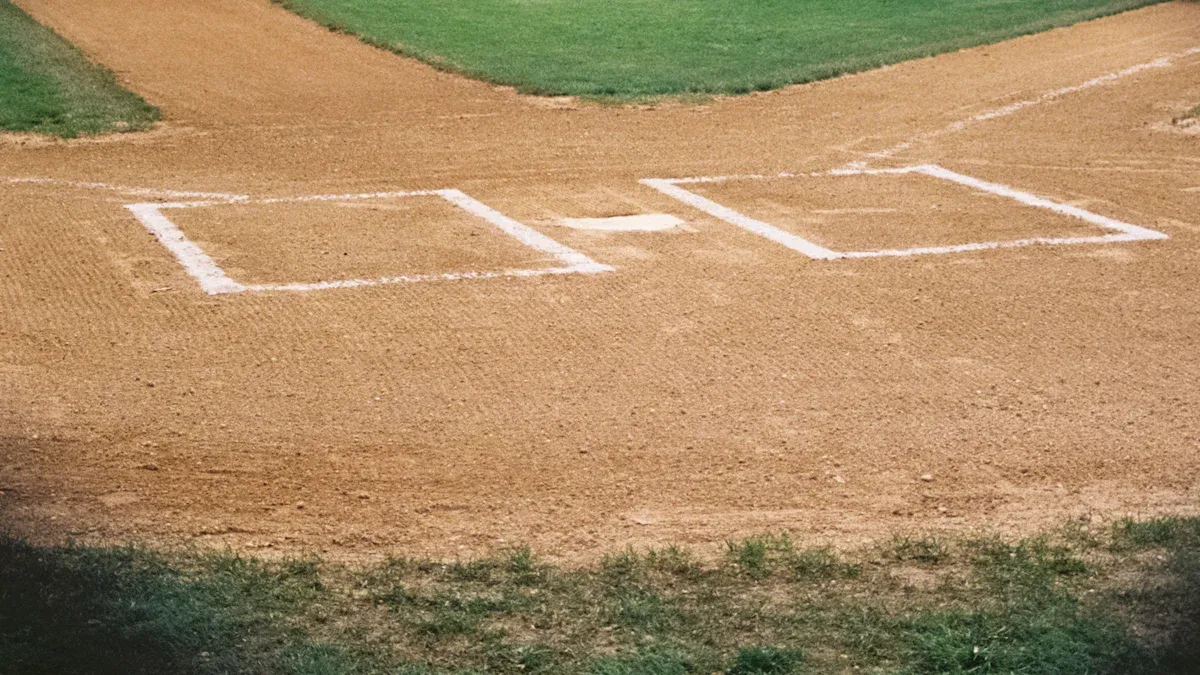
Si avvia il layout del diamante segnando le basi Il posizionamento accurato garantisce fair play e sicurezza Inizia dalla casa base, che è una lastra di gomma a cinque lati che misura 17 pollici di diametro Posizionala in modo che l'estremità appuntita sia rivolta verso il campo Usa un metro a nastro e una corda per segnare le linee rette per i percorsi della base La prima, la seconda e la terza base sono sacchetti di tela bianca, ciascuno di 15 pollici quadrati Fissali a terra in modo che non si spostino durante il gioco.
Per marcare le basi, seguire questi passaggi:
- Posiziona la casa base sulla punta del tuo diamante.
- Misura 90 piedi dal punto posteriore della base iniziale alla prima base.
- Misura 90 piedi da casa base alla terza base.
- Usa la stringa per collegare la prima e la terza base, formando un angolo retto.
- Contrassegna la seconda base misurando 127 piedi, 3 3/8 pollici da casa base, direttamente attraverso il centro del diamante.
Suggerimento: ricontrolla le misurazioni prima di fissare le basi Piccoli errori possono influenzare l'intero layout del campo.
Misurazione delle Distanze
Misure precise creano un aspetto professionale e assicurano che il gioco funzioni senza intoppi Usa un lungo metro a nastro e un gesso per segnare le linee Il piatto del lanciatore è una lastra rettangolare di gomma, 24 pollici per 6 pollici Impostalo a 60 piedi e 6 pollici dal punto posteriore della base di casa Segna il tumulo di lancio alla distanza e all'altezza corrette Questo passaggio previene errori comuni che possono influire sul gameplay.
Ecco le misure ufficiali che dovresti seguire:
- Base di casa: 17 pollici quadrati, cinque lati
- Prima, seconda e terza base: 15 pollici quadrati
- Piatto del lanciatore: 24 pollici per 6 pollici, 60 piedi, 6 pollici da casa base
Una squadra locale delle scuole superiori ha utilizzato una ruota di misurazione e un gesso per stendere il diamante. Hanno controllato ogni distanza due volte e hanno contrassegnato le linee con un tosaerba per ottenere maggiore visibilità. La loro attenzione ai dettagli ha prodotto un campo che soddisfaceva gli standard della lega e ha impressionato le squadre in visita.
Garantire la simmetria
La simmetria conferisce al tuo diamante da baseball un aspetto professionale Vuoi che ogni percorso di base formi un quadrato perfetto Usa la corda e i paletti per mantenere le linee dritte Controlla gli angoli di ogni base con un quadrato da falegname Percorri il perimetro e cerca eventuali punti irregolari.
Molti field manager commettono errori durante il layout La tabella seguente mostra errori comuni e come evitarli:
| Errore | Spiegazione |
|---|---|
| Posizionamento improprio della seconda base | Si tratta di un errore frequente che può portare a problemi di gioco. |
| Calcolare male l'altezza del tumulo del lanciatore | Questo errore può influire sulle prestazioni dei lanciatori e sull'esperienza di gioco complessiva. |
Nota: prenditi il tuo tempo durante questo passaggio La corsa può portare a basi disallineate e a un gioco irregolare.
Una lega giovanile del Texas utilizzava paletti, spago e un metro a nastro per controllare la simmetria. Hanno regolato il layout più volte prima di fissare le basi. Il loro approccio attento ha prodotto un diamante che sembrava bilanciato da ogni angolazione.
Seguendo questi passaggi, crei un campo che soddisfa gli standard ufficiali e offre un'esperienza sicura e piacevole per i giocatori.
Falciatura e bordatura
Tecniche di Striping Tagliaerba
Puoi creare un look professionale sul tuo campo da baseball padroneggiando le tecniche di striping con il tuo Tagliaerba Inizia regolando l'altezza di taglio Imposta le lame in modo da non rimuovere più di un terzo della lama dell'erba alla volta Questo mantiene il tappeto erboso sano e previene lo stress Falcia due o tre volte alla settimana per mantenere la giusta altezza e favorire una crescita densa.
Seguire questi passaggi per una strisciatura efficace:
- Regola il tosaerba all'altezza corretta per il tuo tipo di erba.
- Falciare in linea retta da un'estremità all'altra del campo.
- Alterna la direzione di falciatura ogni volta che falci Questo impedisce la compattazione del terreno e crea un modello nitido.
- Prova diversi design, come scacchiera o diamante, per un maggiore appeal visivo.
Un allenatore locale delle giovanili ha utilizzato questi passaggi per trasformare un campo esterno opaco in una superficie vibrante e a strisce. La squadra ha notato meno punti nudi e un campo di gioco più uniforme dopo poche settimane.
Suggerimento: falciare quando l'erba è asciutta L'erba bagnata si piega invece di tagliare in modo pulito, il che può offuscare le strisce.
Creazione di bordi puliti
Bordi puliti fanno risaltare il tuo diamante da baseball Usa un tagliacorde o uno strumento di bordatura per definire le linee attorno al campo interno, i percorsi di base e la traccia di avvertimento Cammina lentamente e mantieni una mano ferma per evitare tagli irregolari Taglia l'erba che cresce sui bordi dello sporco o delle linee di base Questo passaggio conferisce al tuo campo un aspetto nitido e finito.
Puoi effettuare il bordo una volta alla settimana o dopo ogni sessione di falciatura Il bordo costante impedisce all'erba di insinuarsi nel campo interno e mantiene visibili le linee Una lega giovanile in Ohio ha battuto il proprio campo ogni venerdì prima delle partite Giocatori e genitori hanno commentato l'aspetto professionale e la migliore giocabilità.
Nota: indossare sempre una protezione per gli occhi quando si utilizzano trimmer o molatrici.
Passaggi sovrapposti
La sovrapposizione delle passate di falciatura garantisce una copertura uniforme e un taglio uniforme Quando falci, sovrapponi ogni passaggio di circa un terzo della larghezza della falciatrice Questa tecnica previene le strisce mancanti e aiuta l'erba a recuperare in modo uniforme.
La tabella seguente spiega i vantaggi della sovrapposizione dei pass:
| Beneficio | Spiegazione |
|---|---|
| Anche il recupero dell'erba | Lo sfalcio sovrapposto garantisce che l'erba si riprenda in modo uniforme, il che è fondamentale per mantenere la salute del tappeto erboso. |
| Forza costante delle radici | Tecniche di falciatura adeguate aiutano a mantenere forti radici in tutto il campo, contribuendo alla resilienza complessiva del tappeto erboso. |
| Aspetto potenziato | L'alternanza delle direzioni di falciatura migliora l'attrattiva visiva del campo, rendendolo ben mantenuto e professionale. |
Un giardiniere del liceo ha condiviso che la sovrapposizione dei passaggi riduceva i punti irregolari e rendeva il campo più coerente. Puoi vedere risultati simili seguendo questo metodo ogni volta che falci.
Per ulteriori suggerimenti per l'assistenza sul campo, controlla le risorse della Sports Field Management Association o connettiti con i giardinieri Instagram.
Creazione di modelli
Strisce con Tagliaerba
Puoi creare strisce nitide sul tuo campo da baseball usando un Tagliaerba e un rullo Inizia falciando un canale attorno al bordo del campo Questo perimetro ti aiuta a iniziare ogni passaggio sul lato corretto e mantiene le tue linee dritte Successivamente, falcia in linee parallele attraverso il campo Fai due o tre corse nella stessa direzione prima di passare alla direzione opposta Questa tecnica piega le lame dell'erba, facendo riflettere la luce in modo diverso e formando strisce visibili.
Segui questi passaggi per le strisce chiare:
- Falcia un canale attorno al bordo del campo.
- Avvia ogni passaggio dallo stesso lato, utilizzando il canale come guida.
- Falciare in linee diritte e parallele attraverso il campo.
- Alternare le direzioni dopo ogni pochi passaggi per migliorare il modello.
Suggerimento: falciare quando l'erba è asciutta e sana L'erba bagnata o stressata non manterrà i modelli pure.
Schemi della scacchiera
I modelli a scacchiera aggiungono un aspetto da major league al tuo campo, ottieni questo effetto falciando e rotolando in due direzioni Inizia tagliando il perimetro esterno del campo Quindi, falcia o rotola in linee diagonali parallele da un angolo all'angolo opposto Dopo aver terminato la prima serie di linee, incrociale falciandole o rotolando in linee diagonali parallele ad angolo retto rispetto alla prima serie.
Ecco una guida passo passo:
- Tagliare il perimetro esterno del campo.
- Falciare o rotolare in linee diagonali da nord a sud.
- Falciare o rotolare in linee diagonali da est a ovest, attraversando il primo set.
- Usa un rullo per piegare i fili d'erba in entrambe le direzioni per un effetto a scacchiera più nitido.
Il motivo a scacchiera si distingue durante le partite e impressiona gli spettatori Puoi trovare più ispirazione e idee di modelli sul campo su Twitter.
Consigli per rulli fai da te
Un rullo fai da te può aiutarti a ottenere modelli professionali senza attrezzature costose Usa un tubo in PVC per carichi pesanti riempito con sabbia o acqua, come descritto in precedenza in questo blog Attacca una robusta maniglia o corda in modo da poter tirare il rullo dietro il tuo tosaerba o a mano.
Ecco alcuni consigli per utilizzare il tuo rullo fai da te:
- Rotolare immediatamente dopo la falciatura per massimizzare la visibilità del motivo.
- Regolare il peso del rullo se le strisce o le scacchiere sembrano sbiadite.
- Sovrapponi leggermente ogni passaggio per evitare spazi vuoti e garantire una copertura uniforme.
- Muoversi lentamente e costantemente per evitare che il rullo salti o rimbalzi.
Se noti strisce irregolari o motivi sbiaditi, controlla la presenza di detriti o terreno irregolare sul campo Elimina i rifiuti e ispeziona le lacrime superficiali prima di rotolare Cambia regolarmente la direzione di falciatura e rotolamento per prevenire l'usura del manto erboso e incoraggiare un sano recupero dell'erba.
Nota: la creazione coerente di modelli migliora la salute del tappeto erboso e mantiene il tuo campo professionale Pianifica sessioni mensili di toelettatura ed educa i giocatori sulle pratiche sicure sul campo.
Caso di studio: confronto tra tecniche di modello
Una lega giovanile locale di baseball ha testato tre tecniche di modello in una stagione. La tabella seguente mostra i loro risultati:
| Tecnica del modello | Tasso di usura del tappeto erboso | Tempo di recupero | Impatto visivo | Manutenzione Richiesta |
|---|---|---|---|---|
| Strisce dritte | Basso | Veloce | Alto | Falciatura/arrotolamento settimanale |
| Non componibile | Moderato | Moderato | Molto Alto | Falciatura/arrotolamento bisettimanale |
| Singola Direzione | Alto | Lento | Medio | Solo sfalcio settimanale |
La lega ha scoperto che l'alternanza di schemi di falciatura e l'utilizzo di un rullo riducevano l'usura del tappeto erboso e miglioravano i tassi di recupero. I modelli a scacchiera richiedevano più manutenzione ma fornivano il miglior impatto visivo. Puoi visualizzare la loro trasformazione sul campo YouTube.
Coerenza del modello
Mantenere modelli coerenti sul tuo campo da baseball richiede pratica e attenzione ai dettagli Vuoi che le tue strisce e scacchiere sembrino affilate ogni volta che falci La coerenza non solo migliora l'aspetto del campo ma aiuta anche il tappeto erboso a rimanere sano e resistente.
Inizia impostando un programma di sfalcio regolare Mow ogni settimana alla stessa ora del giorno La mattina presto o il tardo pomeriggio funziona meglio perché l'erba sta in piedi e il sole è meno intenso Usa le stesse impostazioni di Tagliaerba per ogni sessione Mantieni l'altezza della lama e il peso del rullo invariati a meno che non sia necessario regolare per la crescita del tempo o del tappeto erboso.
Dovresti seguire sempre la stessa direzione di falciatura per ogni motivo Per le strisce, alternare le direzioni ogni sessione per prevenire la compattazione del terreno e l'usura del manto erboso Per le scacchiere, ripeti ogni volta gli stessi passaggi diagonali Segna i punti di partenza con paletti o coni per aiutarti ad allineare ogni passaggio con precisione.
Suggerimento: Scatta foto del tuo campo dopo ogni sfalcio Confrontali nel tempo per individuare eventuali sbiadimenti o irregolarità nei tuoi schemi.
La risoluzione dei problemi fa parte del mantenere i tuoi schemi coerenti Se noti strisce sbiadite, controlla il peso del tuo rullo e la salute della tua erba L'erba secca o stressata non manterrà bene i motivi Acqua e fertilizza regolarmente per mantenere l'erba lussureggiante Se le tue linee iniziano a curvarsi o sovrapporsi, usa una linea di corda o un gesso per guidare i tuoi passaggi Cammina sul campo prima di ogni falciatura per eliminare i detriti che potrebbero interrompere il tuo modello.
Ecco una tabella di riferimento rapido per la risoluzione dei problemi di pattern comuni:
| Problema | Probabile Causa | Soluzione |
|---|---|---|
| Strisce sbiadite | Rullo troppo leggero, tappeto erboso asciutto | Aggiungere peso, acqua e concimare l'erba |
| Linee disomogenee | Velocità di sfalcio incoerente | Rallenta, usa le guide per i passaggi rettilinei |
| Deriva del modello | Punti di partenza mancati | Contrassegna l'inizio/fine con paletti o coni |
| Aspetto tozzo | Sovrapposizione mancata, lama opaca | Passaggi sovrapposti, affilare la lama del tosaerba |
Puoi imparare da altri manager sul campo che hanno padroneggiato la consistenza del modello Una lega giovanile di baseball in Georgia ha assegnato due volontari per falciare e rotolare il campo ogni giovedì Hanno usato i coni per segnare le loro linee di partenza e si sono alternati con il rullo Dopo un mese, il loro campo ha mostrato strisce nitide e uniformi che sono durate durante le partite del fine settimana Giocatori e allenatori hanno notato l'aspetto migliorato e il gioco più fluido.
Le routine di falciatura e rotolamento coerenti ti aiutano a ottenere risultati professionali Esercitati, osserva e regola la tua tecnica secondo necessità Nel tempo, svilupperai un sistema che mantiene il tuo diamante da baseball al meglio.

Manutenzione e manutenzione
Programma di falciatura
Mantenete il vostro campo da baseball sano e visivamente attraente seguendo un programma di falciatura coerente Campi bluegrass del Kentucky hanno bisogno di falciare almeno due volte a settimana durante la primavera e l'autunno In estate, se non irrighi, può bastare lo sfalcio una volta ogni dieci giorni Lo sfalcio regolare incoraggia il tappeto erboso denso e impedisce alle erbacce di prendere il sopravvento Dovresti anche delimitare periodicamente il campo Usare un taglierino meccanico per le linee principali, quindi seguire con un taglierino ad anello manuale per la precisione Questa routine mantiene il tuo campo affilato e pronto per il gioco.
Programma di manutenzione settimanale del campione
| Compito | Frequenza Primavera/Caduta | Frequenza Estiva |
|---|---|---|
| Falciare | 2x a settimana | 1x ogni 10 giorni |
| Bordatura | 1x a settimana | 1x a settimana |
| Irrigazione | 12x a settimana | 2x a settimana |
| Fertilizzante | 1x per stagione | Come necessario |
Suggerimento: falciare la mattina presto o nel tardo pomeriggio per evitare stress da calore sul tappeto erboso.
Irrigazione e fertilizzazione
Mantenete un forte tappeto erboso annaffiando e fertilizzando con un programma regolare Mira a fornire da 1 a 2 pollici di acqua ogni settimana durante la stagione di crescita Acqua in profondità e raramente, idealmente una o due volte a settimana I terreni sabbiosi possono richiedere annaffiature più frequenti La mattina presto è il momento migliore per annaffiare, permettendo all'erba di asciugarsi prima dell'uso e riducendo il rischio di malattie.
Fertilizzare in autunno per favorire la crescita profonda delle radici Utilizzare un fertilizzante a lento rilascio e monitorare il pH del terreno, mantenendolo tra 6,0 e 7,0 Questo intervallo supporta l'assorbimento dei nutrienti e il tappeto erboso sano Condurre test del terreno prima della concimazione per determinare il giusto prodotto e il tasso di applicazione.
- Acqua in profondità, 12 pollici a settimana.
- Fertilizzare in autunno con prodotti a lento rilascio.
- Monitorare il pH del terreno per una salute ottimale del tappeto erboso.
- Regolare l'irrigazione per i terreni sabbiosi.
Nota: routine di irrigazione e fertilizzazione coerenti aiutano il tuo campo a riprendersi da un uso intenso e dai cambiamenti meteorologici.
Riparazione del tappeto erboso
Le aree ad alto traffico sul tuo campo da baseball necessitano di un'attenzione speciale Puoi riparare l'erba usurata usando l'aerazione del nucleo profondo Questa tecnica rimuove i tappi del terreno, riduce la compattazione e migliora la crescita delle radici Dopo l'aerazione, sorvegliata con varietà di erba adatte al tuo clima L'eccesso di sangue si riempie di punti nudi e rafforza il tappeto erboso per la prossima stagione.
Il topdressing strategico aiuta a livellare la superficie e migliora la struttura del terreno Applicare un mix di sabbia e materiale organico per coltivare nuove piantine e creare un'area di gioco liscia Concentrarsi sui percorsi di base, sul tumulo del lanciatore e sugli archi esterni, dove l'usura è più comune.
- Utilizzare l'aerazione del nucleo profondo per alleviare la compattazione.
- Sorvolato dopo aerazione per tappeto erboso robusto.
- Topdress con sabbia e materiale organico per livellare e arricchire il terreno.
Caso di studio:
Una lega giovanile di baseball dell'Illinois ha seguito questo piano di manutenzione per il loro campo I volontari falciati due volte a settimana in primavera, annaffiavano la mattina presto e si concimavano in autunno Aeravano e supervisionavano le zone ad alto traffico dopo la stagione Il campo mostrava meno punti nudi e una migliore densità del tappeto erboso entro la primavera successiva.
Seasonal Care
È necessario regolare la routine di manutenzione del campo da baseball al variare delle stagioni Ogni stagione porta sfide e opportunità uniche per la salute del tappeto erboso Pianificando in anticipo, si mantiene il vostro diamante sicuro e attraente tutto l'anno.
Primavera
Si inizia la stagione ispezionando il campo per i danni invernali Percorrere l'intera area e cercare punti nudi, terreno compattato o detriti Aerare il tappeto erboso per alleviare la compattazione e favorire la crescita delle radici Aree sottili oltrepassate con erba adatta al clima Applicare un fertilizzante bilanciato per far ripartire la crescita Acqua in profondità per aiutare le nuove piantine a stabilire radici forti.
Estate
Ti concentri sullo sfalcio e sull'irrigazione Solleva la lama della falciatrice per proteggere l'erba dallo stress da calore Falcia la mattina presto o nel tardo pomeriggio per evitare di bruciare il tappeto erboso Innaffia il campo una o due volte a settimana, fornendo da uno a due pollici ogni volta Attenzione ai segni di siccità, come avvizzimento o doratura Erbacce Spot-treat prima che si diffondano Ispezionare il sistema di irrigazione per eventuali perdite o teste intasate.
Caduta
Si prepara il campo per il clima più freddo Abbassare leggermente l'altezza di sfalcio per ridurre il rischio di malattia Aerare nuovamente il terreno per migliorare il drenaggio Applicare un fertilizzante a lento rilascio per sostenere lo sviluppo delle radici Rimuovere regolarmente foglie e detriti Aree usurate oltrepassate per garantire un fitto stand la prossima primavera Topdress con sabbia o compost per livellare la superficie e arricchire il terreno.
Inverno
Proteggi il campo dalle condizioni difficili Limita il traffico pedonale per prevenire la compattazione e i danni al tappeto erboso Rimuovi la neve prontamente se possibile, soprattutto dalle zone ad alto traffico Conserva le attrezzature in un luogo asciutto e sicuro Ispeziona recinzioni, panchine e basi per eventuali danni Pianifica riparazioni e ordina forniture per la primavera.
Suggerimento: Conserva un calendario di manutenzione stagionale Registra le attività, le condizioni meteorologiche e la salute del tappeto erboso Questo ti aiuta a monitorare i progressi e individuare i modelli nel tempo.
Tavolo di Manutenzione Stagionale
| Stagione | Attività chiave | Focalizzazione Turf | Problemi comuni |
|---|---|---|---|
| Primavera | Aerate, sorvegliate, fecondate | Recupero, crescita | Compattazione, punti nudi |
| Estate | Falcia, acqua, controllo delle infestanti | Prevenzione dello stress | Siccità, erbacce |
| Caduta | Aerare, fecondare, sorvegliare, pulire | Forza radicale | Malattia, accumulo di foglie |
| Inverno | Limitare il traffico, ispezionare, pianificare | Protezione | Neve, usura dell'attrezzatura |
Caso di studio:
Una lega giovanile di baseball nel Michigan ha seguito un piano di assistenza stagionale per il loro campo In primavera, i volontari si sono aerati e hanno supervisionato Durante l'estate, hanno alzato l'altezza del tosaerba e hanno annaffiato profondamente In autunno, hanno applicato fertilizzanti e rimosso le foglie settimanalmente Durante l'inverno, hanno limitato l'accesso e riparato l'attrezzatura. Nella stagione successiva, il campo ha mostrato meno punti nudi e erba più forte, portando a un gioco più sicuro e meno cancellazioni.
Risoluzione dei problemi
Terra ineguagliabile
Spesso si nota un terreno irregolare dopo un uso intenso o una manutenzione insufficiente Superfici irregolari possono causare infortuni e interrompere il gioco È necessario affrontare questi problemi prima che diventino problemi importanti Inizia scegliendo il giusto mix interno Evita lo sporco casuale Usa una miscela con rapporti specifici di sabbia, limo e argilla che corrisponda al clima e all'utilizzo sul campo Scarifica le aree compattate, specialmente intorno alle basi e al tumulo del lanciatore Questo processo rompe il terreno duro e prepara la superficie per il livellamento.
Applicare nuovo materiale su punti bassi in strati sottili Applicazioni spesse possono creare nuove irregolarità Utilizzare rastrelli di livellamento per spostare il terreno da aree alte a aree basse Terminare con un tappetino di trascinamento, tirandolo lentamente in percorsi sovrapposti Prestare molta attenzione alle transizioni tra il campo interno e l'erba esterna Creare una pendenza liscia per prevenire i pericoli di inciampo Trascinare e rastrellare regolarmente le zone ad alto traffico per evitare che i problemi minori crescano Alla fine di ogni stagione, programmare una sessione di livellamento approfondita Per problemi gravi, considerare la classificazione laser per ripristinare una superficie perfettamente piana.
Suggerimento: una manutenzione settimanale coerente impedisce lo sviluppo di terreni irregolari Documentare i punti problematici e affrontarli prima delle partite.
Erbe infestanti e parassiti
Erbe infestanti e parassiti minacciano la salute e l'aspetto del tuo campo da baseball Hai bisogno di un approccio integrato per controllarli Il tappeto erboso sano resiste alle erbacce e ai parassiti meglio dell'erba trascurata Mantenere falciatura e concimazione adeguate per ridurre le infestazioni di trifoglio bianco e dente di leone Il sovrasemeggiamento aggressivo riempie i punti nudi e spiazza le erbacce, soprattutto se si evitano i pesticidi.
Puoi usare metodi biologici come la farina di glutine di mais come erbicida pre-emergente Applicalo correttamente per ridurre la germinazione della granseola Scout per insetti regolarmente Il monitoraggio frequente ti aiuta ad adattare le pratiche culturali e prevenire i danni Seleziona cultivar di erba erbosa potenziata dagli endofiti per scoraggiare gli insetti che si nutrono in superficie.
| Strategia | Descrizione | Efficacia |
|---|---|---|
| Falciatura e fecondazione adeguate | Mantenere sano tappeto erboso stand | Riduce le infestazioni da trifoglio bianco e dente di leone |
| Sovraseminamento aggressivo | Riempi i punti nudi, spiazza le erbacce | Metodo più efficace senza pesticidi |
| Pasto di glutine di mais | Erbicida biologico pre-emergente | Riduce la germinazione della granseola |
| Scouting per gli insetti | Monitorare la presenza di insetti | Adeguare le pratiche per mitigare i danni |
| Erba selvatica potenziata dagli endofiti | Selezionare cultivar migliorate | Deterge gli insetti che si nutrono in superficie |
Nota: registra le epidemie di erbe infestanti e parassiti nel registro di manutenzione Regola la tua strategia ogni stagione per ottenere i migliori risultati.
Problemi alle attrezzature
I problemi delle attrezzature possono fermare la routine di manutenzione sul campo È necessario prevenire guasti e rispondere rapidamente quando si verificano problemi Inizia con le attività di cura quotidiane Rimuovere i detriti dalle macchine e controllare i livelli di umidità nel terreno La manutenzione profonda settimanale ti aiuta a individuare i problemi di ispezione di cinghie, lame e punti di lubrificazione Pulisci le attrezzature dopo ogni utilizzo per prolungarne la durata.
Quando si affronta un guasto, valutare i costi di riparazione rispetto ai benefici di sostituzione Considerare parti, manodopera e tempi di inattività Controllare la vita residua della vostra attrezzatura prima di decidere La copertura della garanzia sulle nuove macchine può ridurre i costi a lungo termine Riparazioni semplici, come la sostituzione della cinghia o la lubrificazione, possono essere gestite dal personale Per problemi elettrici complessi, chiamare un professionista per garantire la sicurezza.
Classificare e livellare regolarmente il campo per evitare superfici irregolari che possono danneggiare le attrezzature Ricostruire le aree del tumulo e della casa base per mantenere l'integrità Testare i sistemi di irrigazione prima delle stagioni di punta per evitare danni al tappeto erboso.
Suggerimento: tenere una lista di controllo di manutenzione per ogni apparecchiatura Pianificare ispezioni stagionali e riparazioni dei documenti per evitare guasti imprevisti.
Adattamento Meteo
I cambiamenti meteorologici possono mettere alla prova la routine di manutenzione del campo da baseball È necessario regolare l'approccio per pioggia, siccità, caldo e freddo Ogni modello meteorologico influisce sulla salute del tappeto erboso, sulla struttura del terreno e sulla giocabilità Imparando ad adattarsi, mantieni il tuo campo sicuro e attraente per tutta la stagione.
1. Gestione della pioggia intensa
Dopo una forte pioggia, si vedono spesso pozzanghere e punti deboli sul campo Inizia ispezionando la superficie per l'acqua stagnante Usa una spatola o una scopa larga a spinta per spostare l'acqua fuori dal campo interno Per pozzanghere più grandi, stendi agenti essiccanti come l'argilla calcinata per assorbire l'umidità Evita di camminare o guidare l'attrezzatura su erba bagnata Questo previene la compattazione del terreno e danni al tappeto erboso.
Suggerimento: Aerare il campo all'inizio della primavera e dell'autunno L'aerazione migliora il drenaggio e aiuta il terreno a riprendersi dalle forti piogge.
2. Affrontare la siccità e il calore
Durante gli incantesimi caldi e secchi, l'erba può appassire e diventare marrone Acqua profondamente ma meno spesso Puntare per uno o due pollici di acqua a settimana Acqua al mattino presto per ridurre l'evaporazione Alzare la lama del tosaerba per lasciare l'erba più alta ombreggia il terreno e conserva l'umidità Evitare di falciare durante la parte più calda della giornata.
Un'estate una lega giovanile dell'Arizona ha dovuto affrontare una grave siccità. I volontari hanno adattato il loro programma di irrigazione alle prime mattine e hanno aumentato l'altezza di sfalcio. Hanno anche pacciamato i bordi per trattenere l'umidità del suolo. Il campo è rimasto verde e giocabile, anche se i parchi vicini sono diventati marroni.
3. Preparazione per freddo e gelo
Scatti freddi e gelo possono stressare il tappeto erboso Prima del primo gelo, falciare l'erba leggermente più in basso del solito Rimuovere foglie e detriti per prevenire la crescita di muffe Limitare l'uso del campo quando il terreno è ghiacciato Camminare o giocare su erba ghiacciata può rompere i fili d'erba e causare danni a lungo termine.
4. Rispondere agli eventi meteorologici improvvisi
Tempeste e forti venti possono disperdere detriti e danneggiare le recinzioni Dopo una tempesta, cammina sul campo e rimuovi rami, rifiuti o attrezzature sciolte Controlla l'erosione lungo i percorsi della base e ripara eventuali aree spazzate via Ispeziona recinzioni e panchine per sicurezza.
Lista di controllo per l'adattamento meteorologico
| Evento Meteo | Azioni chiave | Focus sul campo |
|---|---|---|
| Pioggia pesante | Rimuovere l'acqua, evitare la compattazione, aerare | Drenaggio, salute del suolo |
| Siccità/calore | Acqua in profondità, falciare in alto, pacciamare i bordi | Ritenzione dell'umidità |
| Freddo/Gelo | Altezza della falciatura inferiore, detriti trasparenti, limite di utilizzo | Protezione dell'erba |
| Tempeste/Vento | Rimuovere i detriti, ispezionare le strutture, riparare | Sicurezza, giocabilità |
Nota: Conserva un registro meteorologico per il tuo campo Registra le precipitazioni, la temperatura e le azioni di manutenzione Questo ti aiuta a individuare i modelli e pianificare meglio le stagioni future.
Hai imparato come trasformare un campo ricoperto di vegetazione in un diamante professionale La manutenzione regolare migliora la qualità del campo e la soddisfazione dei giocatori, come mostrato di seguito:
| Tipo Miglioramento | Descrizione |
|---|---|
| Qualità del campo | Le ispezioni e la manutenzione prevengono i problemi, mantenendo le condizioni sicure e giocabili. |
| Soddisfazione del giocatore | Campi ben curati creano esperienze positive per tutti. |
Un campo visivamente accattivante attira i fan e aumenta l'orgoglio della comunità Supporti i programmi sportivi locali e crei eventi memorabili Condividi i tuoi risultati con gli altri e continua a perfezionare le tue tecniche La tua dedizione rende il tuo campo da baseball un vero hub della comunità. s️
FAQ
Quanto spesso si dovrebbe falciare un campo da baseball per ottenere i migliori risultati?
Dovresti falciare due o tre volte a settimana durante la stagione di crescita Questo programma mantiene il tappeto erboso sano e ti aiuta a mantenere schemi nitidi Regola la frequenza di falciatura in base alla crescita dell'erba e alle condizioni meteorologiche.
Qual è il modo più semplice per contrassegnare i percorsi di base con precisione?
Usa un metro a nastro lungo e una corda per segnare le linee rette Posiziona i paletti su ogni base e allunga bene la corda Doppia verifica delle distanze prima di fissare le basi Questo metodo garantisce la simmetria e soddisfa gli standard della lega.
Come si fissano rapidamente i punti nudi sul campo?
Aerare l'area, sorvegliata con il giusto tipo di erba, e vestirsi con sabbia o compost Acqua profondamente dopo la semina Una lega giovanile in Illinois ha visto il recupero del tappeto erboso entro tre settimane utilizzando questo approccio.
Si possono creare modelli professionali senza un rullo commerciale?
Sì! costruire un rullo fai da te utilizzando tubo in PVC per carichi pesanti riempito con sabbia o acqua Attaccare una maniglia robusta Tirare il rullo dietro il tosaerba o a mano Molte leghe giovanili ottengono strisce nitide utilizzando rulli fatti in casa.
Qual è il modo migliore per prevenire erbacce e parassiti?
Mantenere il tappeto erboso denso falciando e fertilizzando regolarmente I punti nudi superati per spiazzare le erbacce Usa prodotti biologici pre-emergenti come la farina di glutine di mais Scout per insetti settimanalmente L'erba sana resiste ai parassiti più comuni.
Come gestisci la forte pioggia il giorno della partita?
Rimuovere l'acqua stagnante con una spatola o una scopa a spinta Spargere agenti essiccanti come argilla calcinata su punti umidi Evitare l'uso di attrezzature su erba morbida Aerare in primavera e in autunno per migliorare il drenaggio e prevenire future pozzanghere.
Perché il mio modello di campo svanisce dopo la falciatura?
I motivi sbiaditi spesso derivano da rulli leggeri o erba stressata Aggiungi peso al tuo rullo e innaffia regolarmente il tappeto erboso Mow quando l'erba è secca e sana Scatta foto per tenere traccia della consistenza del modello nel tempo.
Quali controlli di sicurezza dovresti eseguire prima dell'uso sul campo?
Cammina sul campo per ispezionare detriti, buchi o terreno irregolare Controlla il posizionamento della base e l'altezza del tumulo Prova l'attrezzatura per il corretto funzionamento Documenta eventuali problemi e risolvili prima delle partite per garantire la sicurezza dei giocatori.