E-mail: [email protected] WhatsApp: +8618266768780
E-mail: [email protected] WhatsApp: +8618266768780

Nel mondo in continua evoluzione dell'agricoltura, la sostenibilità è diventata una preoccupazione fondamentale, Man mano che la popolazione globale cresce e le sfide ambientali incombono, il ruolo dei trattori agricoli nelle pratiche agricole sostenibili è stato messo sotto esame Queste potenti macchine hanno il potenziale per esacerbare le questioni ambientali o servire come strumenti vitali per l'agricoltura eco-compatibile In questa vasta esplorazione, approfondiremo il ruolo multiforme dei trattori agricoli nell'agricoltura sostenibile, esaminando il loro impatto sulla salute del suolo, sulla conservazione delle risorse e sul benessere generale del nostro pianeta.

Prima di approfondire l'aspetto della sostenibilità, è importante comprendere l'evoluzione storica dei trattori agricoli.
La fine del XIX secolo vide l'avvento dei trattori a benzina, che sostituirono i tradizionali aratri a trazione animale e rivoluzionarono l'agricoltura, questi primi trattori furono determinanti per aumentare la produttività agricola.
Il XX secolo ha portato trattori alimentati a diesel, offrendo maggiore potenza ed efficienza Queste macchine hanno svolto un ruolo cruciale nell'espansione della scala delle operazioni agricole.
I trattori agricoli di oggi sono dotati di tecnologia all'avanguardia, tra cui sistemi di guida GPS, sterzo automatizzato e analisi dei dati. Ciò ha inaugurato l'era dell'agricoltura di precisione, dove ogni azione sul campo è ottimizzata per la massima efficienza.
La salute del suolo è il fondamento dell’agricoltura sostenibile e i trattori svolgono un ruolo fondamentale nel mantenerla e migliorarla.
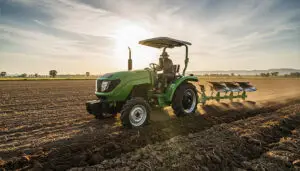
I moderni trattori sono progettati per ridurre al minimo l'erosione del suolo, macinando il terreno in modo più efficiente Le pratiche di lavorazione ridotte, rese possibili dalla tecnologia dei trattori, aiutano a preservare la struttura del suolo e a ridurre l'erosione.
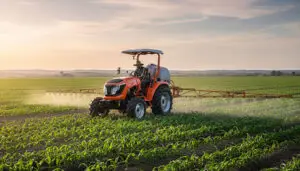
I trattori guidati da GPS consentono pratiche agricole di precisione, in cui semi, fertilizzanti e pesticidi vengono applicati con precisione millimetrica. Ciò riduce al minimo i disturbi del suolo e il deflusso chimico.
L'agricoltura sostenibile mira a sfruttare al massimo le risorse disponibili riducendo al minimo gli sprechi I trattori contribuiscono alla conservazione delle risorse in diversi modi.
I trattori dotati di sistemi di irrigazione di precisione possono ottimizzare l’utilizzo dell’acqua fornendo la giusta quantità di acqua alle colture, riducendo gli sprechi d’acqua.
I progressi nella progettazione dei motori dei trattori e nella tecnologia ibrida stanno aumentando l’efficienza del carburante, riducendo l’impronta energetica delle operazioni agricole.
Preservare la biodiversità e gli habitat naturali è parte integrante dell’agricoltura sostenibile e i trattori possono sostenere o ostacolare questo obiettivo.
Le pratiche di lavorazione conservativa, rese possibili dai trattori, comportano un minimo disturbo del suolo e l'uso di colture di copertura, questo aiuta a preservare gli habitat naturali e a promuovere la biodiversità.
La creazione di zone cuscinetto attorno ai campi può fornire habitat alla fauna selvatica e aiutare a proteggere gli ecosistemi dagli impatti dell’agricoltura.
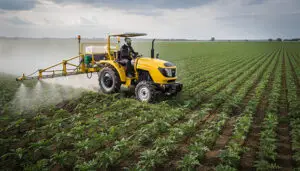
I trattori agricoli vengono spesso utilizzati per l’applicazione di pesticidi e fertilizzanti, che possono avere effetti ambientali dannosi.
I trattori guidati da GPS consentono un'applicazione precisa di pesticidi e fertilizzanti, riducendo il rischio di uso eccessivo e riducendo al minimo il deflusso chimico nei corpi idrici.
L’implementazione di pratiche IPM può ridurre la necessità di un uso eccessivo di pesticidi, facendo affidamento sui predatori naturali per controllare le popolazioni di parassiti.

Lo sviluppo dei trattori elettrici offre un'alternativa sostenibile alle tradizionali macchine alimentate a diesel I trattori elettrici producono zero emissioni dallo scarico e possono essere caricati utilizzando fonti di energia rinnovabile.
Le pratiche agricole senza lavorazione comportano un disturbo minimo del suolo, che aiuta a preservare la struttura del suolo, ridurre l’erosione e migliorare il sequestro del carbonio.
La rotazione delle colture e l’uso di colture di copertura sono pratiche sostenibili che migliorano la fertilità del suolo, riducono la pressione dei parassiti e promuovono la biodiversità.
I trattori elettrici sono in continuo miglioramento in termini di potenza ed efficienza, anche se potrebbero non eguagliare la potenza dei grandi trattori diesel, sono adatti a molte attività agricole e rappresentano un'alternativa sostenibile.
I piccoli agricoltori possono adottare pratiche sostenibili implementando tecniche di agricoltura di precisione, utilizzando colture di copertura ed esplorando carburanti alternativi per i loro trattori.
Sebbene alcune pratiche sostenibili possano richiedere manodopera aggiuntiva, spesso portano alla salute del suolo a lungo termine e alla riduzione dei costi di input, rendendole economicamente sostenibili.
Sì, i trattori possono contribuire alla mitigazione del cambiamento climatico attraverso pratiche come la riduzione della lavorazione del terreno e il sequestro del carbonio in terreni sani.
Il ruolo dei trattori agricoli nell’agricoltura sostenibile è fondamentale e il loro impatto può migliorare o sminuire gli obiettivi di un’agricoltura attenta all’ambiente Adottando tecnologie innovative e pratiche agricole, i trattori possono fungere da custodi della sostenibilità, aiutandoci a ottenere raccolti più elevati, preservare la salute del suolo, preservare le risorse e proteggere la biodiversità, riducendo al contempo l’impronta ambientale dell’agricoltura. Mentre affrontiamo le complesse sfide legate all’alimentazione di una popolazione globale in crescita salvaguardando al tempo stesso il nostro pianeta, i trattori continueranno a svolgere un ruolo cruciale nel plasmare il futuro dell’agricoltura sostenibile.
-1.png)