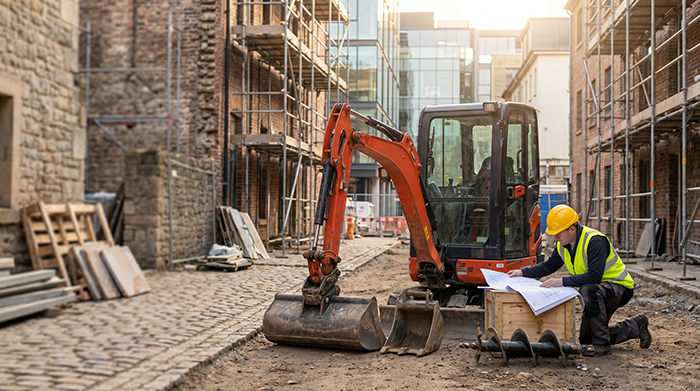
Benvenuti in Shandong Qilu Industrial Co., Ltd

 Italian
 English
 Arabic
 Bulgarian
 Bengali
 Czech
Czech
 Danish
 German
 Greek
Greek
 Spanish
 Finnish
 French
 Hindi
Hindi
 Croatian
 Hungarian
 Indonesian
 Japanese
 Korean
 Lithuanian
 Dutch
Dutch
 Norwegian
 Polish
 Portuguese
 Romanian
 Russian
 Slovak
 Slovenian
 Swedish
 Thai
Thai
 Turkish
 Ukrainian
 Vietnamese
 Tagalog
 Malay
Malay
 Estonian
 Catalan
 Latvian
 Urdu
Urdu
 Serbian
 Persian
 Swahili
 Albanian
 Armenian
 Icelandic
 Bosnian
 Luxembourgish
 Afrikaans
Italian English
Arabic
Bulgarian
Bengali
Czech
Danish
German
Greek
Spanish
Finnish
French
Hindi
Croatian
Hungarian
Indonesian
Japanese
Korean
Lithuanian
Dutch
Norwegian
Polish
Portuguese
Romanian
Russian
Slovak
Slovenian
Swedish
Thai
Turkish
Ukrainian
Vietnamese
Tagalog
Malay
Estonian
Catalan
Latvian
Urdu
Serbian
Persian
Swahili
Albanian
Armenian
Icelandic
Bosnian
Luxembourgish
Afrikaans
Afrikaans
Italian English
Arabic
Bulgarian
Bengali
Czech
Danish
German
Greek
Spanish
Finnish
French
Hindi
Croatian
Hungarian
Indonesian
Japanese
Korean
Lithuanian
Dutch
Norwegian
Polish
Portuguese
Romanian
Russian
Slovak
Slovenian
Swedish
Thai
Turkish
Ukrainian
Vietnamese
Tagalog
Malay
Estonian
Catalan
Latvian
Urdu
Serbian
Persian
Swahili
Albanian
Armenian
Icelandic
Bosnian
Luxembourgish
Afrikaans

Come garantire la sicurezza degli escavatori: migliori pratiche e linee guida
La sicurezza degli escavatori è fondamentale in qualsiasi cantiere Garantire che tutti i protocolli di sicurezza siano seguiti può prevenire incidenti, salvare vite umane e mantenere la produttività In questa guida completa, approfondiremo le migliori pratiche e linee guida per la sicurezza degli escavatori, offrendo suggerimenti e approfondimenti attuabili per aiutarti a mantenere un ambiente di lavoro sicuro.
Introduzione
La sicurezza degli escavatori è fondamentale in qualsiasi cantiere Garantire che tutti i protocolli di sicurezza siano seguiti può prevenire incidenti, salvare vite umane e mantenere la produttività In questa guida completa, approfondiremo le migliori pratiche e linee guida per la sicurezza degli escavatori, offrendo suggerimenti e approfondimenti attuabili per aiutarti a mantenere un ambiente di lavoro sicuro.
Comprensione Sicurezza dell'escavatore
La sicurezza degli escavatori abbraccia vari aspetti che sono cruciali per garantire un cantiere sicuro ed efficiente Ciò include non solo il benessere fisico degli operatori e degli altri lavoratori ma anche l'integrità operativa delle attrezzature e l'organizzazione dell'ambiente di lavoro Comprendere la natura multiforme della sicurezza degli escavatori è essenziale per prevenire gli incidenti, ridurre i tempi di fermo e mantenere la conformità agli standard normativi.
Componenti chiave della sicurezza degli escavatori
- Formazione Operatori: La pietra angolare della sicurezza degli escavatori è la formazione completa degli operatori Questa formazione deve coprire le basi del funzionamento della macchina, i protocolli di sicurezza, le procedure di emergenza e i controlli di manutenzione ordinaria Gli operatori dovrebbero avere familiarità con tutti i controlli e le loro funzioni, capire come valutare il sito per potenziali pericoli e saper rispondere in caso di emergenza Anche corsi di aggiornamento regolari sono fondamentali per mantenere gli operatori aggiornati sulle ultime pratiche di sicurezza e sui progressi tecnologici.
- Manutenzione Attrezzature: La manutenzione regolare e le ispezioni degli escavatori sono vitali per garantire che siano in buone condizioni di funzionamento Ciò comporta controlli giornalieri dei livelli di fluido, tubi flessibili, cinghie e binari, nonché una manutenzione programmata secondo le raccomandazioni del produttore Tenere registri dettagliati di tutte le attività di manutenzione aiuta a monitorare le condizioni della macchina e ad affrontare tempestivamente eventuali problemi. Una corretta manutenzione previene guasti e prolunga la durata di vita dell'attrezzatura, contribuendo alla sicurezza complessiva del sito.
- Gestione del sito: Una gestione efficace del sito svolge un ruolo significativo nel mantenimento della sicurezza degli escavatori Ciò include l'organizzazione del cantiere per ridurre al minimo i pericoli, la delineazione di zone di lavoro specifiche per le diverse attività e la garanzia di percorsi chiari e sicuri sia per i macchinari che per il personale. Una corretta gestione del sito implica anche regolari briefing sulla sicurezza e garantire che tutti i lavoratori siano a conoscenza dei protocolli di sicurezza in atto.
- Dispositivi di protezione individuale (DPI): L'uso di DPI appropriati è obbligatorio nei cantieri per proteggere i lavoratori da potenziali infortuni Per coloro che operano o lavorano vicino agli escavatori, i DPI essenziali includono caschi, guanti, occhiali di sicurezza e indumenti ad alta visibilità Garantire che tutti i lavoratori indossino costantemente i DPI necessari è un aspetto fondamentale della sicurezza degli escavatori.
- Comunicazione chiara: Una comunicazione efficace è fondamentale per mantenere la sicurezza in un cantiere Gli operatori e i lavoratori a terra dovrebbero utilizzare segnali manuali o radio consolidati per comunicare in modo chiaro e tempestivo Questo aiuta nel coordinare i movimenti, soprattutto nelle aree strette o affollate, e nell'avvisare gli altri di eventuali pericoli.
Formazione e certificazione degli operatori
Uno dei componenti più critici della sicurezza degli escavatori è garantire che gli operatori siano ben addestrati e certificati Programmi di formazione adeguati dovrebbero coprire sia le conoscenze teoriche che le abilità pratiche, assicurandosi che gli operatori siano competenti e sicuri della loro capacità di gestire le attrezzature in sicurezza Ecco uno sguardo approfondito agli aspetti essenziali della formazione e della certificazione degli operatori:
Programmi di formazione completi
Operazione Macchina
Il fondamento di qualsiasi programma di formazione è una conoscenza approfondita del funzionamento della macchina Ciò include la familiarizzazione degli operatori con i vari controlli, funzioni e caratteristiche dell'escavatore Dovrebbero sapere come avviare, manovrare e spegnere la macchina in modo sicuro Inoltre, gli operatori devono comprendere le capacità e i limiti dell'escavatore, compresi i limiti di carico e il corretto utilizzo degli attacchi Le sessioni di formazione pratica dovrebbero comportare la pratica pratica pratica sotto la supervisione di formatori esperti, consentendo agli operatori di acquisire sicurezza e competenza.
Protocolli di sicurezza
Gli operatori devono essere esperti nei protocolli di sicurezza associati al funzionamento dell'escavatore Ciò implica capire come condurre i controlli pre-operativi, riconoscere ed evitare potenziali pericoli e seguire pratiche di lavoro sicure La formazione dovrebbe coprire le procedure di emergenza, come ad esempio come spegnere in sicurezza la macchina in caso di malfunzionamento o incidente Gli operatori dovrebbero inoltre essere formati sull'importanza di indossare dispositivi di protezione individuale (DPI) e garantire che tutte le guardie e i dispositivi di sicurezza siano a posto e funzionali.
Valutazione del sito
Una parte cruciale della formazione degli operatori è imparare a valutare il sito di lavoro per potenziali pericoli Gli operatori dovrebbero essere addestrati a identificare condizioni instabili del terreno, ostacoli sopraelevati, servizi sotterranei e altri fattori ambientali che potrebbero influire sul funzionamento sicuro dell'escavatore Dovrebbero inoltre essere in grado di interpretare le planimetrie del sito e comprendere la disposizione e i confini della zona di lavoro Condurre una valutazione approfondita del sito prima di iniziare le operazioni aiuta nella pianificazione di processi di lavoro sicuri ed efficienti.
Conformità normativa
Gli operatori devono essere informati sugli standard normativi e sulle linee guida che regolano le operazioni degli escavatori Ciò include la comprensione delle normative dell'OSHA (Occupational Safety and Health Administration), delle leggi locali e statali e delle migliori pratiche del settore I programmi di formazione dovrebbero incorporare queste normative, garantendo che gli operatori siano consapevoli delle loro responsabilità legali e dell'importanza della conformità I programmi di certificazione spesso includono una prova scritta per valutare la comprensione di queste normative da parte dell'operatore.
Corsi di Aggiornamento
Per mantenere un elevato livello di sicurezza e competenza, gli operatori dovrebbero seguire regolari corsi di aggiornamento Questi corsi aiutano a rafforzare le conoscenze esistenti, introdurre nuove pratiche di sicurezza e mantenere gli operatori aggiornati su eventuali cambiamenti nelle normative o nella tecnologia La formazione di aggiornamento è particolarmente importante per gli operatori esperti per prevenire l'autocompiacimento e garantire che continuino a far funzionare gli escavatori in modo sicuro ed efficiente È anche un'opportunità per affrontare eventuali cattive abitudini che potrebbero essersi sviluppate nel tempo e correggerle.
Processo Certificazione
Il processo di certificazione comporta in genere una combinazione di istruzione in classe, formazione pratica e valutazione Al completamento con successo del programma di formazione, gli operatori ricevono la certificazione, che convalida la loro competenza e conoscenza Questa certificazione non è solo un requisito legale in molte regioni ma anche un segno di professionalità e impegno per la sicurezza Gli operatori certificati sono generalmente più rispettati nel settore e hanno migliori prospettive di lavoro.
Vantaggi di una corretta formazione e certificazione
- Sicurezza migliorata: Una formazione adeguata garantisce che gli operatori siano dotati delle conoscenze e delle competenze necessarie per far funzionare gli escavatori in sicurezza, riducendo significativamente il rischio di incidenti e infortuni.
- Aumento dell'efficienza: Gli operatori formati possono svolgere i propri compiti in modo più efficiente, con conseguente miglioramento della produttività e riduzione dei tempi di inattività.
- Conformità normativa: La certificazione garantisce che gli operatori soddisfino i requisiti legali, proteggendo l'azienda da potenziali multe e problemi legali.
- Sviluppo professionale: La formazione e la certificazione contribuiscono allo sviluppo professionale degli operatori, valorizzandone le prospettive di carriera e la soddisfazione lavorativa.
Manutenzione ordinaria e ispezioni
Il mantenimento della sicurezza dell'escavatore si basa fortemente sulla manutenzione regolare e sull'ispezione delle apparecchiature Una corretta manutenzione garantisce che l'escavatore funzioni in modo efficiente e riduca la probabilità di guasti o incidenti imprevisti Ecco uno sguardo approfondito agli aspetti chiave della manutenzione ordinaria e delle ispezioni:
Importanza della manutenzione regolare
La manutenzione ordinaria è fondamentale per mantenere gli escavatori in condizioni di lavoro ottimali Aiuta a identificare e affrontare potenziali problemi prima che si trasformino in problemi importanti, migliorando così la sicurezza e la longevità delle apparecchiature. La manutenzione regolare garantisce inoltre che l'escavatore funzioni in modo efficiente, riducendo il consumo di carburante e i costi operativi.
Ispezioni Giornaliere
Le ispezioni giornaliere sono la prima linea di difesa contro guasti alle apparecchiature e incidenti Gli operatori dovrebbero eseguire un controllo approfondito dell'escavatore prima di iniziare il loro turno Queste ispezioni dovrebbero coprire diverse aree critiche:
- Livelli di Fluido: Controllo dei livelli di olio motore, fluido idraulico, liquido di raffreddamento e carburante per assicurarsi che rientrino negli intervalli consigliati.
- Tubi e cinture: Ispezione di tubi flessibili e cinghie per segni di usura, crepe o perdite I tubi flessibili e le cinghie danneggiati devono essere sostituiti immediatamente per evitare guasti.
- Binari e Pneumatici: Esaminare i cingoli o i pneumatici per usura, tensione adeguata e qualsiasi oggetto estraneo che potrebbe causare danni.
- Allegati: Garantire che tutti gli attacchi siano fissati saldamente e in buone condizioni di funzionamento.
- Sistemi elettrici: Controllo delle luci, dei segnali e dei collegamenti della batteria per assicurarsi che funzionino correttamente.
- Dispositivi di Sicurezza: Verifica che i dispositivi di sicurezza come allarmi, trombe e telecamere di backup siano operativi.
Manutenzione Programmata
Oltre alle ispezioni giornaliere, gli escavatori richiedono una manutenzione più completa a intervalli regolari come specificato dal produttore La manutenzione programmata comprende un esame dettagliato dei componenti e dei sistemi della macchina:
- Motore: Regolarmente cambiando l'olio motore e filtri per mantenere il motore senza intoppi Ispezionando il filtro dell'aria e sostituendola se necessario.
- Sistema idraulico: Controllo di tubi idraulici, cilindri e collegamenti per perdite o danni Sostituzione del fluido idraulico e dei filtri come raccomandato.
- Sottocarro: Conduzione di un'ispezione approfondita del carrello, inclusi cingoli, rulli e tenditori Pulizia e lubrificazione delle parti mobili per prevenire l'usura.
- Sistema di raffreddamento: Sciacquare e riempire periodicamente il sistema del liquido di raffreddamento per evitare il surriscaldamento Controllare le linee del radiatore e del liquido di raffreddamento per eventuali perdite o blocchi.
- Impianto Elettrico: Ispezione dell'alternatore, dell'avviatore e del cablaggio per eventuali segni di usura o danni Garantire che tutti i collegamenti elettrici siano sicuri.
- Boom e braccio: Esaminare il braccio e il braccio per individuare eventuali crepe, ammaccature o altri danni Punti di articolazione lubrificanti e verifica del corretto movimento.
Conservazione del record
Mantenere registrazioni dettagliate di tutte le attività di manutenzione è essenziale per tracciare le condizioni dell'escavatore e pianificare la manutenzione futura Queste registrazioni dovrebbero includere
- Rapporti di ispezione: Documentare i risultati delle ispezioni giornaliere e programmate, annotando eventuali problemi identificati e le azioni intraprese per affrontarli.
- Registri Manutenzione: Tenere un registro di tutte le attività di manutenzione, inclusa la data, la descrizione del lavoro eseguito e il nome del tecnico che lo ha eseguito.
- Cronologia Riparazioni: Registrazione di tutte le riparazioni effettuate all'escavatore, comprese le parti sostituite e il costo delle riparazioni.
- Intervalli di servizio: Monitoraggio degli orari di funzionamento e pianificazione della manutenzione in base agli intervalli di assistenza consigliati dal produttore.
Riparazioni Immediate
Quando vengono identificati problemi durante le ispezioni o le operazioni regolari, è fondamentale affrontarli immediatamente Ritardare le riparazioni può portare a guasti alle apparecchiature, il che non solo aumenta i costi di riparazione ma comporta anche notevoli rischi per la sicurezza Gli operatori dovrebbero essere formati per riconoscere i segnali di allarme e segnalare tempestivamente eventuali problemi Avere un approccio proattivo alle riparazioni garantisce che l'escavatore rimanga sicuro e affidabile.
Vantaggi della manutenzione ordinaria e delle ispezioni
- Sicurezza migliorata: Manutenzione e ispezioni regolari aiutano a identificare e mitigare i potenziali pericoli, riducendo il rischio di incidenti e infortuni.
- Aumento della durata dell'attrezzatura: Mantenere l'escavatore in buone condizioni attraverso una manutenzione regolare prolunga la sua vita operativa e migliora il suo valore di rivendita.
- Miglioramento delle prestazioni: Le apparecchiature ben tenute funzionano in modo più efficiente, riducendo il consumo di carburante e i costi operativi.
- Riduzione dei tempi di inattività: L'identificazione e la risoluzione dei problemi prima che causino guasti alle apparecchiature riduce al minimo i tempi di inattività non pianificati, garantendo che i progetti rimangano nei tempi previsti.
- Conformità normativa: Manutenzione regolare e assistenza accurata nella tenuta dei registri nel rispetto dei requisiti normativi, evitando multe e problemi legali.
Tabella della lista di controllo della manutenzione
Per garantire che tutte le attività di manutenzione critiche siano eseguite in modo coerente, è necessario seguire una lista di controllo dettagliata della manutenzione Di seguito è riportato un esempio di una lista di controllo completa della manutenzione per gli escavatori:
| Compito di manutenzione | Frequenza | Descrizione |
|---|---|---|
| Controllare i livelli di liquidi | Quotidiano | Assicurarsi che olio motore, fluido idraulico, liquido di raffreddamento e carburante siano adeguati. |
| Ispezionare tubi e cinture | Quotidiano | Cerca segni di usura, crepe o perdite. |
| Esaminare tracce/pneumatici | Quotidiano | Controllare la corretta tensione e qualsiasi oggetto estraneo. |
| Testare i sistemi elettrici | Quotidiano | Verificare luci, segnali e connessioni della batteria. |
| Ispezionare i dispositivi di sicurezza | Quotidiano | Assicurarsi che allarmi, trombe e telecamere di backup siano operativi. |
| Cambiare olio motore e filtri | Come da programma | Sostituire regolarmente olio e filtri per mantenere le prestazioni del motore. |
| Controlla il sistema idraulico | Come da programma | Ispezionare tubi flessibili, cilindri e collegamenti; sostituire fluido e filtri. |
| Ispezionare il carrello | Come da programma | Pulire, lubrificare e verificare l'usura di cingoli, rulli e tenditori. |
| Mantenere il sistema di raffreddamento | Come da programma | Raffreddamento a filo e a riempimento; controllare le linee del radiatore e del liquido di raffreddamento. |
| Ispezionare il sistema elettrico | Come da programma | Controllare l'usura o il danneggiamento dell'alternatore, dell'avviamento e del cablaggio. |
| Esaminare braccio e braccio | Come da programma | Cercare crepe o ammaccature; lubrificare i punti di articolazione. |
Pratiche operative sicure
L'implementazione di pratiche operative sicure è vitale per ridurre al minimo i rischi in cantiere Le pratiche operative sicure implicano una combinazione di controlli pre-operativi, comunicazione chiara, tecniche di carico adeguate e rispetto dei limiti di velocità Seguendo queste linee guida, gli operatori possono garantire di gestire l'escavatore in sicurezza, proteggendo così se stessi, i loro colleghi e le attrezzature. Ecco uno sguardo dettagliato agli aspetti chiave delle pratiche operative sicure:
Controlli pre-operativi
Prima di avviare l'escavatore, gli operatori dovrebbero condurre controlli approfonditi pre-operativi Questi controlli sono essenziali per identificare eventuali problemi che potrebbero compromettere la sicurezza o l'efficienza durante il funzionamento.
Principali controlli preoperatori:
- Livelli di Fluido: Verificare che i livelli di olio motore, fluido idraulico, liquido di raffreddamento e carburante siano adeguati.
- Ispezione visiva: Condurre un'ispezione walk-around per verificare eventuali danni o perdite visibili.
- Allegati: Assicurarsi che tutti gli attacchi siano fissati saldamente e in buone condizioni di funzionamento.
- Pneumatici e cingoli: Ispezionare pneumatici o piste per usura e tensione adeguata.
- Dispositivi di Sicurezza: Testare i dispositivi di sicurezza come allarmi, trombe e telecamere di backup per assicurarsi che funzionino correttamente.
- Controlli: Controllare che tutti i controlli funzionino senza intoppi e che non vi siano rumori o vibrazioni insoliti.
Comunicazione chiara
Una comunicazione efficace è fondamentale per mantenere la sicurezza in un cantiere Gli operatori e i lavoratori a terra devono utilizzare segnali chiari e metodi di comunicazione per coordinare le loro attività ed evitare incidenti.
Migliori pratiche di comunicazione:
- Segnali manuali: Utilizzare segnali manuali standardizzati compresi da tutti i membri del team per dirigere le operazioni.
- Radio: Dotare gli operatori e il personale chiave di radio per la comunicazione in tempo reale, soprattutto in ambienti rumorosi.
- Spunti visivi: Utilizzare indumenti e bandiere ad alta visibilità per migliorare la visibilità e la comunicazione.
- Riunioni pre-operative: Condurre briefing prima dell'inizio di ogni turno per discutere i compiti della giornata, i potenziali pericoli e i protocolli di sicurezza.
- Segnali di Emergenza: Stabilire segnali o codici specifici per indicare le emergenze o la necessità di interrompere immediatamente le operazioni.
Tecniche di caricamento adeguate
Tecniche di carico adeguate sono essenziali per mantenere la stabilità e prevenire incidenti durante le operazioni dell'escavatore Il sovraccarico o carichi non adeguatamente bilanciati possono portare a ribaltamenti e altre situazioni pericolose.
Linee guida per la sicurezza del carico:
- Limiti di peso: Aderisca sempre ai limiti di peso raccomandati dal produttore per l'escavatore ed i suoi attacchi.
- Load Distribuzione: Assicurarsi che i carichi siano distribuiti uniformemente per mantenere l'equilibrio e la stabilità della macchina.
- Protezione dei carichi: Utilizzare restrizioni o metodi di fissaggio adeguati per evitare che i carichi si spostino durante il trasporto.
- Terra stabile: Azionare l'escavatore su un terreno stabile e livellato per evitare ribaltamenti.
- Evitare gli ostacoli sopra la testa: Tenere conto degli ostacoli sopraelevati come linee elettriche e strutture durante il sollevamento e lo spostamento di carichi.
Aderendo ai Limiti di Velocità
Azionare l'escavatore a velocità sicure è fondamentale per mantenere il controllo e prevenire gli incidenti. I limiti di velocità dovrebbero essere osservati non solo per il movimento della macchina ma anche per la velocità di oscillazione del braccio.
Suggerimenti per la gestione della velocità:
- Movimento Controllato: Spostare l'escavatore a un ritmo lento e controllato, soprattutto in aree strette o affollate.
- Velocità Oscillazione: Regolare la velocità di oscillazione del braccio per adattarla al compito e alle condizioni circostanti.
- Consapevolezza dei Dintorni: Mantenere una costante consapevolezza dell'ambiente, compresi altri lavoratori e macchinari.
- Movimenti Graduali: Evitare movimenti improvvisi o a scatti che possono causare instabilità o perdita di controllo.
- Distanza di Frenatura: Consentire una distanza adeguata per fermare l'escavatore in sicurezza, in particolare quando si trasportano carichi.
Altre pratiche operative sicure
Oltre agli aspetti primari sopra menzionati, diverse altre pratiche contribuiscono al funzionamento sicuro degli escavatori:
- Operatore Fatica: Monitorare i livelli di fatica dell'operatore e assicurarsi che gli operatori facciano pause regolari La fatica può compromettere notevolmente i tempi di giudizio e di reazione.
- Condizioni Meteo: Regolare le tecniche operative in base alle condizioni meteorologiche. Ad esempio, le condizioni di bagnato o ghiaccio richiedono particolare cautela e velocità ridotte.
- Procedure d'emergenza: Assicurarsi che tutti gli operatori abbiano familiarità con le procedure di emergenza e sappiano come spegnere in modo rapido e sicuro l'escavatore in caso di emergenza.
- Sistema Buddy: Implementare un sistema di amici in cui gli operatori lavorano in coppia o in piccoli team, migliorando la sicurezza attraverso la supervisione e l'assistenza reciproca.
- Formazione Continua: Fornire formazione continua agli operatori per rafforzare le pratiche operative sicure e mantenerle aggiornate sulle nuove linee guida di sicurezza e sulle caratteristiche delle apparecchiature.
Riepilogo delle pratiche operative sicure
| Pratica di sicurezza | Descrizione |
|---|---|
| Controlli pre-operativi | Condurre ispezioni approfondite dell'escavatore prima di ogni turno. |
| Comunicazione chiara | Utilizza segnali manuali, radio e segnali visivi per una comunicazione efficace. |
| Tecniche di caricamento adeguate | Assicurarsi che i carichi siano entro i limiti di peso e adeguatamente bilanciati. |
| Aderendo ai Limiti di Velocità | Operare a velocità sicure e adattarsi alle condizioni ambientali. |
| Gestione della fatica dell'operatore | Monitorare i livelli di fatica e garantire pause regolari per gli operatori. |
| Regolazioni delle condizioni meteorologiche | Modificare le tecniche operative in base alle condizioni meteorologiche. |
| Procedure d'emergenza | Familiarizzare gli operatori con le procedure di arresto di emergenza. |
| Sistema Buddy | Implementare un sistema di amici per una maggiore supervisione della sicurezza. |
| Formazione Continua | Fornire formazione continua per rafforzare le pratiche operative sicure. |
Gestione del sito e prevenzione dei rischi
-
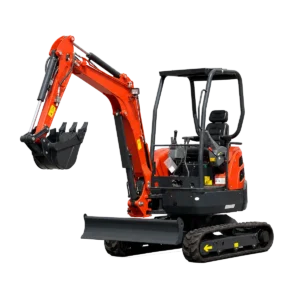 Mini escavatore da 3 tonnellate QL-30Pro
 -
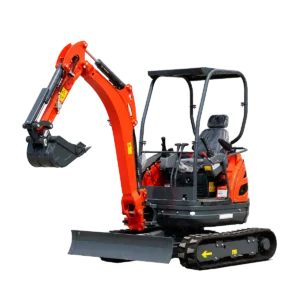 Mini escavatore QL-25Pro da 2,5 tonnellate
 -
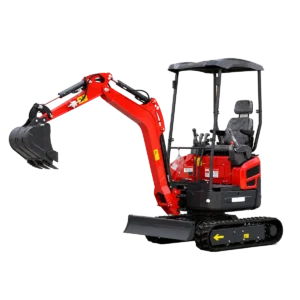 Mini escavatore QL-18Pro da 1,8 tonnellate
 -
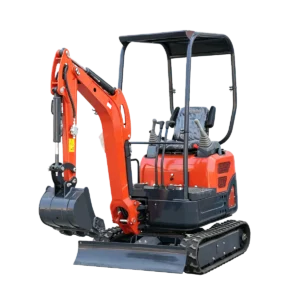 Mini escavatore QL-15Pro da 1,5 tonnellate
 -
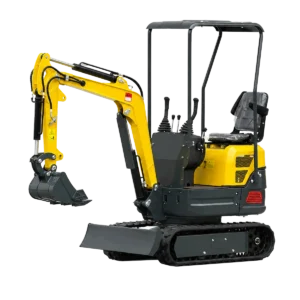 Mini escavatore QL-10Pro da 1 tonnellata
 -
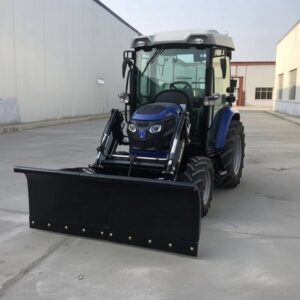 Trattore Con Lama Di Neve
 -
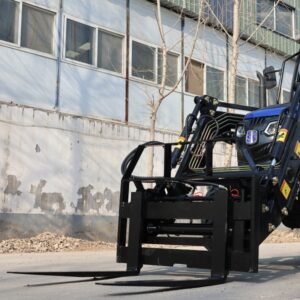 Trattore Con Forche Pallet
 -
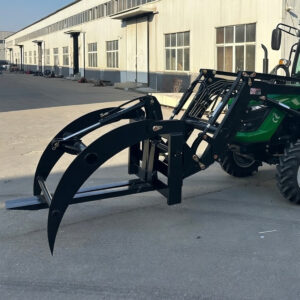 Trattore con pinza per tronchi
 -
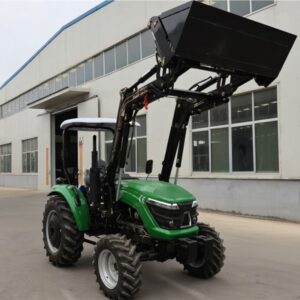 Trattore Con Caricatore Anteriore
Una gestione efficace del sito è fondamentale per garantire la sicurezza degli escavatori e prevenire i pericoli in cantiere Una corretta organizzazione, una chiara demarcazione delle zone di lavoro e un'identificazione proattiva dei pericoli possono ridurre significativamente il rischio di incidenti e migliorare l'efficienza complessiva Ecco uno sguardo completo agli aspetti chiave della gestione del sito e della prevenzione dei pericoli:
Layout del sito organizzato
Un layout del sito ben organizzato è il fondamento delle operazioni sicure degli escavatori Ciò comporta la pianificazione e la disposizione del sito in modo da ridurre al minimo i rischi e migliorare il flusso di lavoro.
Elementi chiave di un sito organizzato:
- Zonizzazione: delineare chiaramente le zone di lavoro, comprese le aree per le operazioni di escavatori, stoccaggio dei materiali e percorsi pedonali. Ciò aiuta a evitare sovrapposizioni tra macchinari pesanti e traffico pedonale.
- Percorsi di accesso: Designare vie di accesso specifiche per escavatori e altri veicoli per prevenire la congestione e garantire un movimento regolare Questi percorsi dovrebbero essere chiaramente segnalati e liberi da ostruzioni.
- Aree di sosta: allestire aree di sosta designate per attrezzature e materiali Ciò mantiene il sito organizzato e riduce il rischio di pericoli di inciampo e collisioni.
- Illuminazione: Garantire un'illuminazione adeguata, soprattutto in condizioni di scarsa illuminazione o durante i turni notturni Un'illuminazione adeguata aiuta gli operatori a vedere chiaramente ed evitare incidenti.
Identificazione e mitigazione dei rischi
Identificare e mitigare regolarmente i potenziali pericoli è essenziale per mantenere un ambiente di lavoro sicuro Ciò comporta la conduzione di valutazioni approfondite del sito e l'attuazione di misure per affrontare i rischi identificati.
Passi di identificazione del pericolo:
- Valutazioni del sito: Condurre valutazioni periodiche del sito per identificare potenziali pericoli come terreno instabile, ostacoli sopraelevati e servizi sotterranei.
- Analisi Rischi: Analizzare i pericoli identificati per determinarne il potenziale impatto e la probabilità che si verifichino Dare priorità ai pericoli in base alla loro gravità.
- Misure Preventive: Implementare misure preventive per affrontare i pericoli Ciò può includere il rinforzo del terreno instabile, la marcatura dei servizi sotterranei e la rimozione degli ostacoli sopraelevati.
- Monitoraggio: Monitorare continuamente il sito per individuare eventuali nuovi pericoli che potrebbero verificarsi con l'avanzare dei lavori Valutazioni regolari aiutano a mantenere il sito sicuro e ad adattarsi alle mutevoli condizioni.
Barricate e Segnaletica
L'uso efficace di barricate e segnaletica può impedire l'accesso non autorizzato ad aree pericolose e guidare i lavoratori in sicurezza intorno al sito.
Uso efficace di barricate e segnaletica:
- Barriere Fisiche: erigere barriere fisiche come recinzioni, coni e barricate attorno ad aree pericolose. Ciò impedisce l'ingresso non autorizzato e protegge i lavoratori da potenziali pericoli.
- Segnali di Avvertimento: Posizionare segnali di avvertimento chiari e visibili intorno alle aree pericolose per avvisare i lavoratori di potenziali rischi I segnali dovrebbero essere facilmente leggibili e posizionati in posizioni strategiche.
- Segnaletica Direzionale: Utilizzare segnali direzionali per guidare i lavoratori e i macchinari lungo percorsi sicuri Questo aiuta a mantenere un flusso organizzato di movimento sul sito.
- Avvisi di Sicurezza: Pubblicare avvisi di sicurezza in luoghi importanti, inclusi numeri di contatto di emergenza, percorsi di evacuazione e stazioni di primo soccorso.
Percorsi chiari e pulizia
Mantenere percorsi chiari e praticare una buona gestione della casa sono vitali per prevenire gli incidenti e garantire operazioni fluide.
Pratiche di pulizia:
- Pulizia regolare: Mantenere il sito pulito e libero da detriti, che possono causare pericoli di inciampo o ostacolare il movimento delle apparecchiature.
- Stoccaggio di utensili e attrezzature: Conservare gli strumenti e le attrezzature in aree designate quando non in uso Questo previene il disordine e riduce il rischio di incidenti.
- Gestione delle fuoriuscite: Affrontare immediatamente le fuoriuscite per prevenire incidenti dovuti a scivolamento e caduta Utilizzare procedure appropriate di contenimento e pulizia delle fuoriuscite.
- Smaltimento Rifiuti: Installare contenitori per lo smaltimento dei rifiuti e garantire la rimozione regolare dei detriti di costruzione e dei materiali di scarto.
Regolari ispezioni di sicurezza
Condurre ispezioni di sicurezza regolari è essenziale per identificare e affrontare i potenziali pericoli prima che causino incidenti.
Linee guida per l'ispezione di sicurezza:
- Programma di ispezione: Stabilire un programma per le ispezioni di sicurezza regolari, comprese le procedure quotidiane e le ispezioni settimanali o mensili più complete.
- Lista di controllo dell'ispezione: Utilizzare una lista di controllo dettagliata per garantire che tutte le aree e i potenziali pericoli siano coperti durante le ispezioni Ciò include attrezzature, zone di lavoro e pratiche di pulizia.
- Reporting e Documentazione: Documentare i risultati di ciascuna ispezione e segnalare eventuali problemi alle autorità competenti Conservare i registri per la responsabilità e il riferimento futuro.
- Azioni correttive: Implementare tempestivamente azioni correttive per affrontare eventuali pericoli identificati Seguire per garantire che le azioni siano efficaci e che i pericoli siano mitigati.
Briefing di formazione e sicurezza
Una formazione regolare e briefing sulla sicurezza sono essenziali per tenere informati tutti i lavoratori sui protocolli di sicurezza e sulle migliori pratiche.
Pratiche di formazione e briefing:
- Formazione sulla sicurezza: Fornire una formazione regolare sulla sicurezza a tutti i lavoratori, compresi i nuovi assunti e il personale esperto La formazione dovrebbe coprire i rischi specifici del sito, le pratiche operative sicure e le procedure di emergenza.
- Toolbox parla: Condurre colloqui giornalieri sulla cassetta degli attrezzi per discutere compiti specifici, potenziali pericoli e misure di sicurezza per il lavoro della giornata Questo mantiene la sicurezza in prima linea nella mente di tutti.
- Esercitazioni di emergenza: Eseguire esercitazioni di emergenza regolari per garantire che tutti i lavoratori sappiano come rispondere in caso di emergenza Le esercitazioni dovrebbero coprire le procedure di evacuazione, la risposta di primo soccorso e i protocolli di comunicazione.
- Feedback e miglioramento: Incoraggiare i lavoratori a fornire feedback sulle pratiche di sicurezza e a segnalare eventuali dubbi Utilizzare questo feedback per migliorare continuamente le misure di sicurezza e colmare eventuali lacune.
Riepilogo delle pratiche di gestione del sito e di prevenzione dei rischi
| Pratica | Descrizione |
|---|---|
| Layout del sito organizzato | Pianificare e organizzare il sito per ridurre al minimo i rischi e migliorare il flusso di lavoro. |
| Identificazione del pericolo | Condurre valutazioni periodiche del sito e attuare misure per mitigare i rischi. |
| Barricate e Segnaletica | Utilizzare barriere fisiche e segnali di pericolo per impedire accessi non autorizzati. |
| Percorsi chiari e pulizia | Mantenere percorsi chiari e praticare una buona pulizia per prevenire gli incidenti. |
| Regolari ispezioni di sicurezza | Condurre ispezioni di sicurezza programmate per identificare e affrontare potenziali pericoli. |
| Briefing di formazione e sicurezza | Fornire formazione e briefing regolari per tenere informati i lavoratori sulla sicurezza. |
Dispositivi di protezione individuale (DPI)

Garantire che tutti i lavoratori in loco siano dotati dei necessari dispositivi di protezione individuale (DPI) è un aspetto fondamentale della sicurezza degli escavatori I DPI fungono da ultima linea di difesa contro i pericoli sul posto di lavoro, fornendo protezione ai lavoratori da infortuni e incidenti che potrebbero verificarsi durante le operazioni degli escavatori Ecco uno sguardo approfondito ai vari tipi di DPI richiesti nei cantieri e alla loro importanza:
Importanza dei DPI
I DPI sono essenziali per ridurre al minimo il rischio di lesioni in ambienti di lavoro pericolosi Fornisce una barriera tra il lavoratore e potenziali pericoli, garantendo che anche in caso di incidente, l'impatto sul lavoratore sia ridotto al minimo L'uso corretto dei DPI non solo protegge l'individuo ma contribuisce anche alla cultura complessiva della sicurezza del sito.
Tipi di DPI per Escavatori
1. Caschi
I caschi sono fondamentali per proteggere i lavoratori dalle lesioni alla testa causate dalla caduta di oggetti o da urti accidentali. Sono progettati per assorbire l'impatto e prevenire gravi traumi cranici.
- Caratteristiche: I caschi dovrebbero avere un guscio esterno duro, un comodo rivestimento interno e una cinghia per il mento per mantenerli saldamente in posizione.
- Ispezione e Manutenzione: Ispezionare regolarmente i caschi per individuare eventuali crepe, ammaccature o altri segni di danni Sostituire qualsiasi casco che abbia subito un impatto significativo o che presenti usura.
2. Occhiali di sicurezza e protezioni per il viso
La protezione degli occhi è vitale per proteggere i lavoratori da detriti volanti, polvere e altre particelle che potrebbero causare lesioni agli occhi. Gli occhiali di sicurezza e le visiere forniscono una visione chiara proteggendo al tempo stesso gli occhi e il viso.
- Tipi: Gli occhiali di sicurezza dovrebbero avere lenti resistenti agli urti, mentre le visiere forniscono una copertura aggiuntiva per l'intero viso.
- Care: Pulire regolarmente le lenti per garantire una visione chiara Sostituire eventuali occhiali danneggiati o graffiati per mantenere la protezione.
3. Protezione dell'udito
Le operazioni con escavatore possono generare alti livelli di rumore che possono causare danni all'udito nel tempo I dispositivi di protezione dell'udito come tappi per le orecchie o cuffie antirumore sono essenziali per proteggere l'udito dei lavoratori.
- Selezione: Scegliere una protezione dell'udito che si adatti comodamente e fornisca un'adeguata riduzione del rumore.
- Utilizzo: Assicurarsi che i tappi per le orecchie siano inseriti correttamente e che le cuffie siano regolate per creare una tenuta adeguata.
4. Guanti
I guanti proteggono le mani dei lavoratori da tagli, abrasioni ed esposizione chimica Migliorano anche la presa, riducendo il rischio di incidenti causati dallo scivolamento.
- Tipi: Utilizzare guanti adeguati al compito, come guanti pesanti per la manipolazione di materiali o guanti resistenti agli agenti chimici quando si lavora con sostanze pericolose.
- Manutenzione: Ispezionare i guanti per strappi o fori e sostituirli secondo necessità Pulire i guanti secondo le istruzioni del produttore per mantenere le loro qualità protettive.
5. Abbigliamento ad alta visibilità
L'abbigliamento ad alta visibilità garantisce che i lavoratori siano facilmente visibili dagli operatori delle macchine e da altro personale, soprattutto in condizioni di scarsa illuminazione o in cantieri affollati.
- Caratteristiche: Gli indumenti ad alta visibilità dovrebbero essere luminosi e includere strisce riflettenti per la visibilità da tutte le angolazioni.
- Standard: Seguire gli standard di sicurezza per l'abbigliamento ad alta visibilità, assicurando che l'abbigliamento soddisfi le specifiche richieste per il proprio ambiente di lavoro.
6. Stivali di sicurezza
Gli stivali di sicurezza proteggono i piedi dei lavoratori da oggetti pesanti, detriti taglienti e scivolamenti Dovrebbero fornire sia resistenza agli urti che protezione contro gli scivolamenti.
- Tipi: Scegliere stivali con punta in acciaio per la protezione dagli urti e suole antiscivolo per la trazione su varie superfici.
- Adatto e comfort: Assicurarsi che gli stivali vadano bene e fornire un supporto adeguato per prevenire l'affaticamento del piede durante i lunghi turni.
Implementazione e applicazione dell'utilizzo dei DPI
Garantire che tutti i lavoratori indossino i DPI appropriati richiede un approccio sistematico Implica formazione, monitoraggio regolare e applicazione rigorosa per mantenere un elevato livello di conformità.
Formazione
Fornire una formazione completa sull'importanza dei DPI, su come indossarli correttamente e su come mantenerli La formazione dovrebbe coprire i tipi specifici di DPI richiesti per i diversi compiti e i potenziali pericoli da cui ciascun tipo protegge.
Monitoraggio
Monitorare regolarmente il sito per garantire che tutti i lavoratori indossino i DPI richiesti I supervisori dovrebbero condurre controlli a campione e rafforzare l'importanza della conformità ai DPI Utilizzare liste di controllo per documentare la conformità e identificare le aree di miglioramento.
Applicazione
Applicare l'utilizzo dei DPI attraverso politiche chiare e conseguenze per la non conformità Rendere chiaro che i DPI sono obbligatori e che il mancato utilizzo comporterà un'azione disciplinare Fornire DPI sostitutivi in loco per garantire che i lavoratori abbiano sempre accesso alle attrezzature necessarie.
Vantaggi di un corretto utilizzo dei DPI
- Prevenzione Infortuni: Riduce il rischio di lesioni dovute a rischi comuni di costruzione come caduta di oggetti, materiali taglienti e rumori forti.
- Conformità legale: Garantisce il rispetto delle norme sulla sicurezza sul lavoro, evitando multe e problemi legali.
- Produttività migliorata: I lavoratori che si sentono sicuri sono più produttivi e concentrati, riducendo i tempi di inattività dovuti agli infortuni.
- Cultura della sicurezza: Promuove una cultura della sicurezza in cui i lavoratori si assumono la responsabilità della propria protezione e si prendono cura dei propri colleghi.
Riepilogo dei requisiti DPI
| Tipo DPI | Scopo | Caratteristiche principali |
|---|---|---|
| Caschi | Protegge la testa dagli oggetti da impatto e caduta | Guscio esterno duro, fodera comoda, sottogola sicuro |
| Occhiali di sicurezza/Scudi per il viso | Protegge gli occhi e il viso da detriti e particelle | Lenti resistenti agli urti, copertura integrale (per visiere) |
| Protezione dell'udito | Protegge l'udito da alti livelli di rumore | Tappi auricolari o cuffie antirumore, adeguata riduzione del rumore |
| Guanti | Protegge le mani da tagli, abrasioni, prodotti chimici | Materiale adatto al compito, buona presa, resistente agli strappi |
| Abbigliamento ad alta visibilità | Assicura che i lavoratori siano facilmente visibili | Colori vivaci, strisce riflettenti |
| Stivali di sicurezza | Protegge i piedi da urti e scivolamenti | Dita in acciaio, suole antiscivolo, vestibilità comoda |
Tabella delle linee guida sulla sicurezza degli escavatori
| Misura di sicurezza | Descrizione | Frequenza |
|---|---|---|
| Formazione Operatori | Programma di formazione completo per tutti gli operatori. | Iniziale e annuale |
| Ispezioni Giornaliere | Controlli di routine dei livelli di liquidi, tubi flessibili, nastri e cingoli. | Quotidiano |
| Manutenzione Programmata | Ispezioni dettagliate secondo le raccomandazioni del produttore. | Mensile/trimestrale |
| Controlli pre-operativi | Controlli approfonditi prima di avviare la macchina. | Quotidiano |
| Comunicazione chiara | Utilizzo di segnali o radio per una comunicazione efficace. | Continuo |
| Tecniche di caricamento adeguate | Garantire un carico equilibrato e sicuro dei materiali. | Continuo |
| Zonizzazione del sito | Designazione di zone di lavoro specifiche per le operazioni di escavatore. | Continuo |
| Applicazione dei DPI | Garantire che tutti i lavoratori indossino adeguati dispositivi di sicurezza. | Continuo |
| Valutazioni regolari del sito | Ispezioni frequenti per identificare e mitigare i potenziali pericoli. | Settimanale/A seconda delle necessità |
Preparazione alle emergenze
Essere preparati per le emergenze è una componente fondamentale della sicurezza degli escavatori La preparazione alle emergenze implica avere un piano di risposta ben sviluppato, garantire che tutti i lavoratori lo conoscano e condurre esercitazioni regolari per mantenere la prontezza Una corretta preparazione può ridurre significativamente l'impatto delle emergenze e proteggere la vita e il benessere dei lavoratori in loco Ecco uno sguardo approfondito agli aspetti chiave della preparazione alle emergenze:
Sviluppo di un piano di risposta alle emergenze
Un efficace piano di risposta alle emergenze delinea le procedure da seguire nelle varie situazioni di emergenza Questo piano dovrebbe essere adattato ai rischi e alle condizioni specifici del cantiere e deve essere facilmente accessibile a tutti i lavoratori.
Elementi chiave di un piano di risposta alle emergenze:
- Identificazione delle potenziali emergenze: Identificare i tipi di emergenze che potrebbero verificarsi in cantiere, come incendi, malfunzionamenti delle attrezzature, emergenze mediche, fuoriuscite di sostanze chimiche e disastri naturali.
- Ruoli e Responsabilità: Definire chiaramente i ruoli e le responsabilità di ciascun lavoratore durante un'emergenza Ciò include identificare chi chiamerà i servizi di emergenza, chi guiderà le evacuazioni e chi amministrerà il primo soccorso.
- Contatti Emergenza: Mantenere un elenco di contatti di emergenza, inclusi i servizi di emergenza locali, gli addetti alla sicurezza aziendale e le strutture mediche vicine Questo elenco dovrebbe essere ben visibile e facilmente accessibile.
- Percorsi di evacuazione e punti di assemblaggio: Designare le vie di evacuazione primaria e secondaria e stabilire punti di raccolta sicuri in cui i lavoratori dovrebbero riunirsi dopo l'evacuazione Questi percorsi e punti dovrebbero essere chiaramente contrassegnati e comunicati a tutti i lavoratori.
- Piano Comunicazione: Stabilire un piano di comunicazione che includa metodi per allertare i lavoratori di un'emergenza, come allarmi, sirene o annunci radio. Garantire che siano presenti procedure per mantenere la comunicazione durante e dopo l'emergenza.
- Attrezzatura di emergenza: Identificare le posizioni delle attrezzature di emergenza come estintori, kit di pronto soccorso, stazioni di lavaggio degli occhi e kit di contenimento delle fuoriuscite Assicurarsi che questi siano regolarmente ispezionati e mantenuti.
Formazione e Familiarizzazione
La formazione degli operatori sul piano di risposta alle emergenze è essenziale per garantire che tutti sappiano cosa fare in caso di emergenza. Questa formazione dovrebbe essere condotta regolarmente e includere sia i nuovi assunti che i dipendenti esistenti.
Componenti di formazione:
- Panoramica del piano: Fornire una panoramica del piano di risposta alle emergenze, spiegando le potenziali emergenze, ruoli, responsabilità e procedure.
- Esercitazioni di evacuazione: Condurre regolari esercitazioni di evacuazione per praticare i percorsi e le procedure Queste esercitazioni dovrebbero simulare diversi scenari di emergenza per garantire che i lavoratori siano preparati per varie situazioni.
- Formazione di Primo Soccorso: Offrire formazione di primo soccorso a un gruppo designato di lavoratori Questa formazione dovrebbe coprire le tecniche di primo soccorso di base, la RCP e l'uso di defibrillatori esterni automatizzati (DAE).
- Utilizzo dell'attrezzatura: Formare i lavoratori sull'uso corretto delle attrezzature di emergenza come estintori e kit di contenimento delle fuoriuscite Assicurarsi che sappiano dove si trova questa attrezzatura e come accedervi rapidamente.
Trapani e aggiornamenti regolari
Per mantenere un elevato livello di preparazione sono necessari esercizi regolari e aggiornamenti al piano di risposta alle emergenze. Le esercitazioni aiutano a rafforzare le procedure e consentono l’identificazione di eventuali debolezze del piano.
Perforazioni e aggiornamenti:
- Frequenza: Condurre esercitazioni di emergenza almeno due volte l'anno, o più frequentemente se le condizioni del sito o i rischi cambiano Ogni esercitazione dovrebbe essere rivista e valutata per l'efficacia.
- Varietà Scenario: Utilizzare diversi scenari per ogni esercitazione per garantire che i lavoratori siano preparati per vari tipi di emergenze Questo può includere esercitazioni antincendio, simulazioni di emergenza medica e scenari di guasto delle apparecchiature.
- Feedback e miglioramento: Dopo ogni esercitazione, raccogliere feedback dai partecipanti per identificare eventuali aree di miglioramento Utilizzare questo feedback per aggiornare il piano di risposta alle emergenze e colmare eventuali lacune.
- Revisione del piano: Rivedere e aggiornare regolarmente il piano di risposta alle emergenze per riflettere i cambiamenti nelle condizioni del sito, nel personale o nei potenziali pericoli Garantire che eventuali aggiornamenti siano comunicati a tutti i lavoratori e incorporati nelle sessioni di formazione.
Attrezzature e risorse di emergenza
Avere le giuste attrezzature di emergenza e le risorse prontamente disponibili è fondamentale per una risposta efficace alle emergenze. Queste attrezzature devono essere mantenute in buone condizioni e facilmente accessibili ai lavoratori.
Attrezzature essenziali di emergenza:
- Estintori: Posizionare gli estintori in posizioni strategiche intorno al sito, in particolare vicino a materiali e attrezzature infiammabili Ispezionarli e mantenerli regolarmente per assicurarsi che siano operativi.
- Kit di Primo Soccorso: Stoccare kit di pronto soccorso con forniture essenziali come bende, antisettici, guanti e stecche Posizionare i kit in luoghi facilmente accessibili e controllarli regolarmente per rifornire le forniture.
- Stazioni di lavaggio degli occhi: Installare stazioni di lavaggio degli occhi nelle aree in cui i lavoratori sono esposti a sostanze chimiche o polvere Assicurarsi che siano sempre operative e accessibili.
- Kit di contenimento delle fuoriuscite: Fornire kit di contenimento delle fuoriuscite per la gestione delle fuoriuscite di sostanze chimiche Questi kit dovrebbero includere materiali assorbenti, neutralizzatori e dispositivi di protezione individuale (DPI).
- Illuminazione di emergenza: Assicurarsi che l'illuminazione di emergenza sia disponibile e funzionale in caso di interruzioni di corrente, Ciò include generatori di riserva e luci alimentate a batteria.
Riepilogo della preparazione alle emergenze
| Aspetto Preparazione | Descrizione |
|---|---|
| Piano di risposta alle emergenze | Sviluppare un piano completo che delinei le procedure per varie emergenze. |
| Formazione e Familiarizzazione | Formare i lavoratori sul piano di emergenza, compresi i ruoli, le vie di evacuazione e l'uso delle attrezzature. |
| Trapani e aggiornamenti regolari | Condurre esercitazioni regolari per praticare e valutare le procedure di emergenza. |
| Attrezzature e risorse di emergenza | Garantire che le attrezzature necessarie siano disponibili, accessibili e mantenute. |
| Feedback e miglioramento | Raccogliere feedback dopo le esercitazioni e aggiornare il piano per affrontare eventuali punti deboli. |
Conclusione
La sicurezza degli escavatori è un aspetto sfaccettato della gestione del cantiere che richiede diligenza, formazione adeguata, manutenzione regolare e solida preparazione alle emergenze, aderendo alle linee guida e alle migliori pratiche delineate in questa guida completa, le imprese di costruzione possono ridurre significativamente il rischio di incidenti, proteggere la propria forza lavoro e migliorare la produttività complessiva.
FAQ
Quali sono le cause più comuni di escavatore incidenti?
Le cause più comuni includono l'errore dell'operatore, il guasto dell'apparecchiatura e la cattiva gestione del sito.
Con quale frequenza devono essere ispezionati gli escavatori?
Gli escavatori dovrebbero essere ispezionati quotidianamente, con controlli più approfonditi condotti mensilmente o trimestralmente.
A cosa servono i DPI escavatore operatori?
I DPI essenziali includono caschi, guanti, occhiali di sicurezza e indumenti ad alta visibilità.
Come si può migliorare la comunicazione nei cantieri?
L'utilizzo di segnali chiari, radio e briefing regolari può migliorare significativamente la comunicazione.
Cosa dovrebbe essere incluso in un piano di risposta alle emergenze?
Un piano di risposta alle emergenze dovrebbe includere procedure per varie emergenze, informazioni di contatto per i servizi di emergenza e ubicazione delle attrezzature di emergenza.