E-mail: [email protected] WhatsApp: +8618266768780
E-mail: [email protected] WhatsApp: +8618266768780


When you start using a tractor, you need the right tools to get the most out of your machine. The Essential Implements for Your New Tractor: A Starter Kit include a front-end loader, mower, box blade, tiller, aerator, post hole digger, landscape rake, rear blade, pallet forks, and ballast weights. These implements help you handle jobs like moving soil, mowing tall grass, grading driveways, and preparing gardens. With a good starter kit, you can work more efficiently and tackle common property tasks with confidence.
When you start working with a tractor, you need the right tools to handle common property tasks. The Essential Implements for Your New Tractor: A Starter Kit includes:
Mancia: You can find more details about tractor implements and their uses on TractorByNet E University Extension Services.
The Essential Implements for Your New Tractor: A Starter Kit gives you the flexibility to tackle a wide range of tasks on your property. Each implement serves a specific purpose, making your work faster and safer. You can move materials, maintain your lawn, prepare gardens, and build fences without hiring outside help. These tools help you save money and time while increasing your productivity.
| Attrezzo | Uso principale | Vantaggio chiave | Real-World Example |
|---|---|---|---|
| Front-End Loader | Movimentazione dei materiali | Versatilità | Move gravel for a new walkway |
| Mower (Rotary Cutter) | Mowing Tall Grass | Land Maintenance | Clear weeds from a pasture |
| Box Blade | Grading/Leveling | Surface Smoothing | Fix potholes on a gravel driveway |
| Timone | Soil Preparation | Garden Productivity | Prepare soil for spring planting |
| Aerator | Lawn Aeration | Healthier Grass | Aerate compacted lawn after events |
| Post Hole Digger | Digging Holes | Efficient Installation | Set posts for a new fence |
| Landscape Rake | Debris Removal | Clean Workspace | Remove sticks after a storm |
| Rear Blade | Road/Snow Grading | Multi-Season Use | Push snow off driveway in winter |
| Forche per pallet | Lifting/Moving Loads | Heavy Item Handling | Move firewood stacked on pallets |
| Ballast Box/Weights | Tractor Stability | Sicurezza | Prevent tipping when lifting heavy loads |
You can see how each tool in the Essential Implements for Your New Tractor: A Starter Kit addresses a specific challenge. For example, a front-end loader helps you move heavy materials, while a box blade lets you maintain your driveway. If you want to learn more about safe operation and best practices, check out National Agricultural Safety Database e unisciti alle discussioni su Reddit’s Tractor Community.
Nota: Start with the implements that match your most frequent tasks. You can add more as your needs grow.
The Essential Implements for Your New Tractor: A Starter Kit makes tractor ownership practical and rewarding. You gain the ability to maintain your property, improve your land, and complete projects with confidence.
Tractor implements are attachments that connect to your tractor and transform it into a multi-purpose machine. You can think of these implements as specialized tools that help you complete a wide range of jobs on your property. When you attach a plow, mower, or tiller, you unlock new capabilities for your tractor. These implements make your tractor much more than a vehicle for pulling or hauling.
Most tractors rely on mounted implements for daily work. You will find that these attachments dominate the market because they offer flexibility and efficiency. With the right implements, you can adapt your tractor to fit your needs throughout the year. For example, you might use a rotary cutter in summer to clear overgrown fields, then switch to a rear blade in winter to move snow.
Mancia: Before you buy an implement, check your tractor’s hitch type and lifting capacity. This ensures safe operation and compatibility.
You can tackle many property tasks with tractor implements. These attachments save you time and effort, especially when you face large or repetitive jobs. Here are some common tasks that become easier with the right implements:
| Compito | Implement Used | How It Helps |
|---|---|---|
| Tilling Soil | Timone | Breaks up compacted ground for planting |
| Mowing Grass | Taglierina rotante | Cuts tall grass and weeds efficiently |
| Grading Driveways | Box Blade, Rear Blade | Levels gravel and repairs potholes |
| Digging Holes | Post Hole Digger | Makes fence and tree planting faster |
| Removing Debris | Landscape Rake | Collects sticks, rocks, and leaves |
| Aerating Lawns | Aerator | Improves soil health and grass growth |
| Moving Materials | Front-End Loader, Pallet Forks | Lifts and transports heavy items |
You can switch implements as your needs change. For example, you might use a tiller to prepare garden beds in spring, then attach a landscape rake to clean up after a storm. Tractor-mounted implements give you control over your property and help you complete projects with less manual labor.
You gain more value from your tractor when you invest in versatile implements. These tools expand your options and make property management easier.
If you want to maximize your tractor’s usefulness, start by learning which implements match your most frequent tasks. You will find that mounted implements offer the best combination of convenience and performance for most property owners.
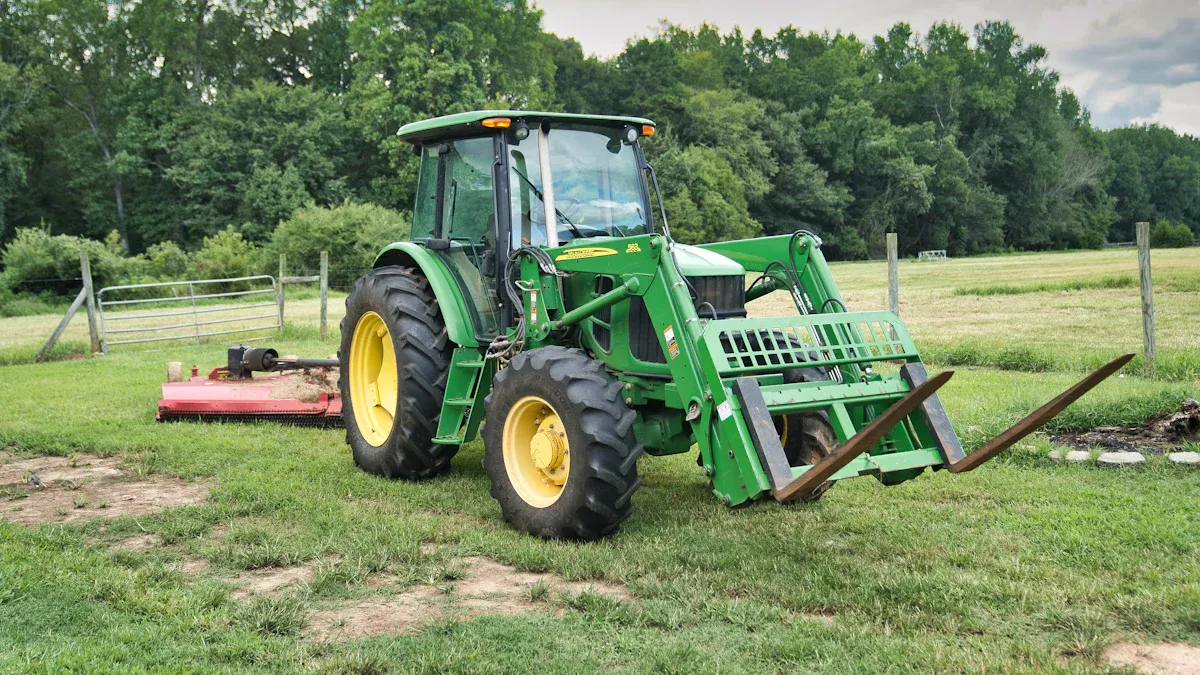
A front-end loader stands out as one of the most versatile tools in the Essential Implements for Your New Tractor: A Starter Kit. You can use it for a wide range of tasks that make property management easier and more efficient.
You will find that a front-end loader helps you move heavy materials quickly. You can transport soil, gravel, mulch, or sand across your property. If you need to dig trenches for irrigation or electrical lines, the loader makes the job much faster. You can clear debris after storms or construction projects, keeping your work areas safe and tidy. When you install a fence, the loader assists with setting posts and moving fencing materials. Preparing ground for building foundations also becomes manageable with this implement.
Here is a table that highlights common use cases and their descriptions:
| Caso d'uso | Descrizione |
|---|---|
| Scavare trincee | For irrigation or electrical lines. |
| Moving Soil or Gravel | Essential for landscaping and construction tasks. |
| Clearing Debris | Useful for maintaining clean and safe work areas. |
| Fence Installation | Assists in setting up posts and other fencing materials. |
| Foundation Work | Aids in preparing ground for building foundations. |
You can see how a front-end loader supports many essential property tasks. For example, you might use it to move gravel for a new driveway or clear fallen branches after a storm.
You can use a front-end loader to shape your land. Grading driveways, leveling soil, and spreading materials become simple tasks. You can create smooth surfaces for parking areas or garden beds. If you want to improve drainage or reshape your yard, the loader gives you control over the terrain. Many property owners use loaders to maintain gravel roads or prepare sites for new buildings.
Tip: You can find discussions about loader techniques and troubleshooting on forums like TractorByNet E Reddit’s Tractor Community.
Choosing the right front-end loader for your tractor requires careful consideration. You want a loader that matches your needs and works safely with your machine. Follow these steps to make a smart choice:
You should always match the loader’s size and capacity to your tractor’s specifications. A loader that is too large or heavy can cause safety issues. Consider bucket options, such as general-purpose or multipurpose buckets, to increase versatility. If you plan to use the loader for several tasks, choose a model with quick-attach features for easy switching.
Note: Start with a loader that covers your most frequent tasks. You can upgrade or add attachments as your needs change.
A front-end loader gives you flexibility and efficiency. You will find it essential for many property improvements and maintenance projects in the Essential Implements for Your New Tractor: A Starter Kit.
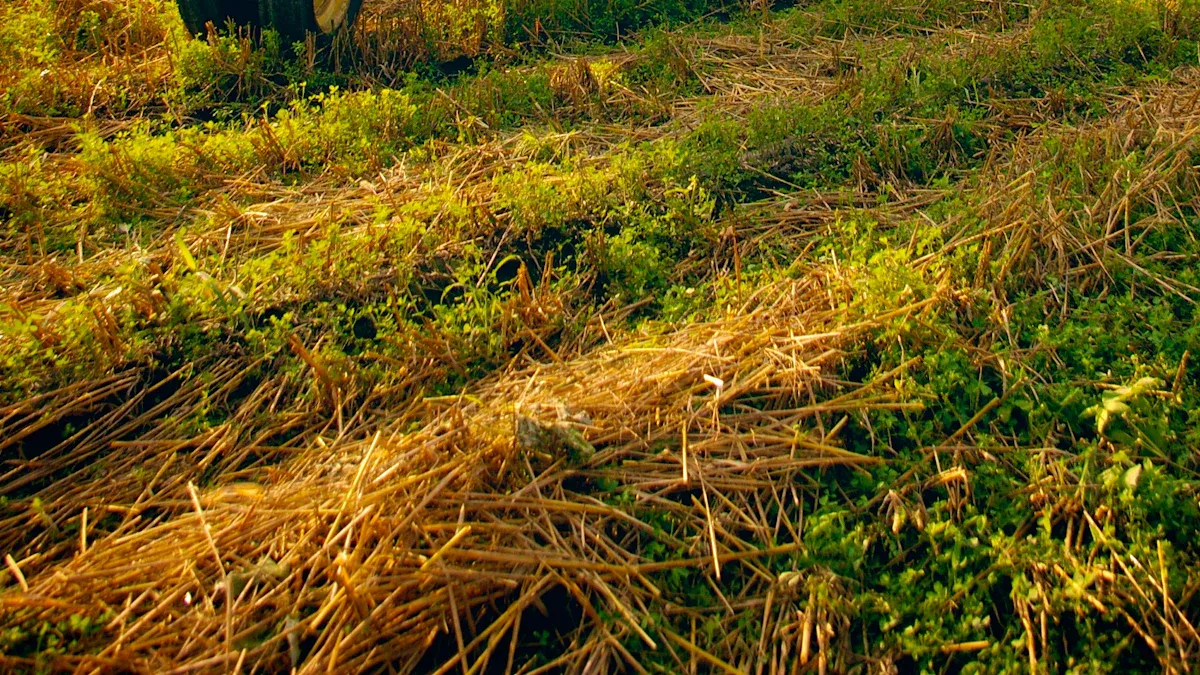
A mower, often called a rotary cutter, is one of the most practical tools you can add to your tractor setup. You use it to tackle tall grass, weeds, and brush that quickly take over open land. This implement helps you maintain pastures, clear fence lines, and keep trails accessible. If you have large areas of overgrown vegetation, a rotary cutter lets you reclaim your property with less effort.
You face tall grass and stubborn weeds every season. A rotary cutter slices through thick growth, making your land safer and more attractive. You can mow fields to prepare for livestock, clear weeds along fence rows, and maintain ditches. Regular mowing also keeps invasive plants in check, which supports long-term ecological health.
Overgrown areas can hide hazards and reduce property value. You use a rotary cutter to open up trails, create firebreaks, and improve visibility along driveways or roadways. Clearing brush reduces fuel loads, which slows the spread of wildfires. You also help maintain transportation safety by keeping vegetation from blocking sightlines near roads and railways.
Here is a table showing the primary benefits of using a rotary cutter for property maintenance:
| Benefit Type | Descrizione |
|---|---|
| Fire Safety | Creation of firebreaks to slow the spread of wildfires by reducing fuel loads in forests and grasslands. |
| Ecological Balance | Management of overgrown meadows and control of invasive plants to support long-term ecological health. |
| Transportation Safety | Maintenance of roadways and railways to prevent vegetation from obstructing visibility and causing hazards. |
| Lawn Maintenance | Regular mowing promotes lawn health, suppresses weeds, and enhances property value and aesthetics. |
Tip: You can find discussions about mowing techniques and rotary cutter maintenance on TractorByNet E Reddit’s Tractor Community.
Choosing the right rotary cutter for your tractor is important for safety and performance. You want a mower that matches your property size and the type of vegetation you need to manage. Here are some actionable tips to help you select the best rotary cutter:
Note: The Essential Implements for Your New Tractor: A Starter Kit includes a rotary cutter because it helps you maintain large areas with minimal manual labor. Start with a model that fits your most common mowing tasks, then upgrade as your needs change.
You gain more control over your property when you choose a rotary cutter that matches your tractor and terrain. With the right mower, you keep your land healthy, safe, and visually appealing.
A box blade stands out as one of the most practical implements for your tractor. You use it to shape, level, and maintain surfaces across your property. This tool attaches to the rear of your tractor and features a heavy-duty metal box with adjustable blades. You can tackle a variety of tasks with a box blade, making it a valuable addition to your starter kit.
You rely on a box blade for grading jobs. The implement helps you create smooth driveways, level pastures, and shape drainage ditches. You drag the box blade behind your tractor, and its blades cut into the ground, redistributing soil and gravel. You can repair potholes, remove high spots, and fill low areas. Many property owners use box blades to prepare sites for sheds or fencing. In winter, you push snow off driveways and paths, keeping access clear.
Tip: You achieve the best results by making several passes with the box blade, adjusting the angle and depth as needed.
You use a box blade to spread gravel, soil, sand, or mulch. The implement collects material in its box and distributes it evenly as you drive forward. You can cover large areas quickly, saving time compared to manual labor. For example, you spread fresh gravel on a driveway or distribute topsoil for a new lawn. The box blade’s design allows you to control the thickness and placement of the material, which leads to a professional finish.
| Compito | How a Box Blade Helps |
|---|---|
| Spreading Gravel | Evenly distributes material on roads |
| Leveling Soil | Creates smooth surfaces for planting |
| Mulch Application | Covers garden beds efficiently |
| Sand Spreading | Prepares play areas or foundations |
Note: You can use the scarifier teeth on some box blades to break up compacted ground before spreading material.
You want a box blade that matches your tractor and your property’s needs. Start by measuring the width of your tractor’s rear tires. Choose a box blade that is slightly wider than your tractor for maximum coverage. If you plan to work on tough ground, look for a model with adjustable scarifier teeth. These teeth dig into hard soil, making grading and leveling easier.
Consider these factors when selecting a box blade:
Tip: You should check your tractor’s three-point hitch compatibility before purchasing a box blade. This ensures safe and secure attachment.
A box blade gives you control over your land’s surface. You can maintain driveways, prepare building sites, and improve drainage with confidence. By choosing the right model and learning proper techniques, you maximize the value of your tractor and make property management easier.
A tiller transforms your tractor into a powerful tool for soil preparation and gardening. You use a tiller to break up compacted ground, making it easier to plant crops or flowers. This implement helps you create healthy garden beds and improves soil structure. You can prepare large areas quickly, saving time compared to manual digging.
You need loose, fertile soil for successful planting. A tiller mixes organic matter into the ground, which boosts nutrient levels. You can correct pH imbalances by blending amendments evenly. Deep-rooted weeds become easier to remove when you use a tiller. You also level uneven terrain, which helps water reach plant roots. If you plan to install irrigation systems, a tiller assists by loosening the soil for pipes and hoses.
Key benefits of using a tiller for soil preparation:
Tip: You achieve better results when you till soil in dry conditions. Wet soil can clump and reduce effectiveness.
You create garden beds with a tiller. This implement breaks up hard ground, making it easier to shape rows and plots. You can mix compost and fertilizer into the soil, which supports strong plant growth. A tiller helps you prepare vegetable gardens, flower beds, and even small orchards. You save energy and reduce strain compared to using hand tools.
| Compito | How a Tiller Helps |
|---|---|
| Vegetable Gardens | Loosens soil for planting seeds |
| Flower Beds | Mixes nutrients for healthy blooms |
| Orchard Prep | Breaks up ground for tree roots |
Note: You should remove large rocks and debris before tilling. This prevents damage to the implement and ensures a smooth finish.
You want a tiller that matches your tractor and property size. Measure the width of the area you plan to work. Choose a tiller that covers the ground efficiently without overloading your tractor. Check your tractor’s horsepower rating to ensure compatibility. Select a tiller with adjustable depth settings for different soil types. Look for sturdy tines made from high-quality steel. These tines last longer and handle tough ground.
Consider these factors when choosing a tiller:
Tip: You should test the tiller on a small area before starting a large project. This helps you adjust settings for optimal performance.
A tiller gives you control over soil health and garden productivity. You prepare land for planting, improve drainage, and support strong root growth. By selecting the right model and learning proper techniques, you maximize your tractor’s value and make gardening easier.
You want your lawn to look healthy and vibrant. A tractor-mounted aerator helps you achieve this goal by improving the way your grass grows. When you use an aerator, you punch small holes into the soil. These holes allow air, water, and nutrients to reach the roots more easily. You notice thicker, greener grass after aeration. The process also helps your lawn recover from heavy foot traffic or equipment use. If you host outdoor events or have pets, soil compaction becomes a problem. Aeration relieves this compaction, giving your grass room to breathe and grow.
Mancia: Aerate your lawn before overseeding. This helps new seeds settle into the soil and boosts germination rates.
You improve soil health when you use a tractor-mounted aerator. The holes made by the aerator create ventilation in the ground. This ventilation lets oxygen reach the roots, which is essential for strong growth. Water moves through the soil more efficiently, reducing puddles and runoff. Nutrients penetrate deeper, feeding the grass and other plants. Over time, you notice that your soil structure improves. Loose, well-aerated soil supports a wider variety of plants and encourages beneficial organisms like earthworms.
| Beneficio | How Aeration Helps | Esempio |
|---|---|---|
| Improved Drainage | Water moves through soil easily | Fewer puddles after rainfall |
| Enhanced Root Growth | Roots access air and nutrients | Thicker, deeper grass roots |
| Disease Resistance | Healthier grass fights off pests | Less brown patch or fungus |
Aeration supports a balanced ecosystem in your yard. You create conditions where grass and plants thrive naturally.
You need to choose the right aerator for your tractor and property. Start by considering the type of aerator. Spike aerators use solid tines to poke holes, while plug (core) aerators remove small plugs of soil. Plug aerators work best for heavy clay or compacted soils. Spike aerators suit sandy or lightly compacted areas.
| Aerator Type | Ideale per | Caratteristica chiave |
|---|---|---|
| Spike | Light compaction, sand | Simple design |
| Plug/Core | Heavy compaction, clay | Removes soil plugs |
You get the best results by aerating when the soil is moist but not soggy. Avoid aerating during drought or after heavy rain.
You make a smart investment when you select an aerator that matches your property’s needs. Regular aeration keeps your lawn healthy, improves soil structure, and supports strong plant growth. With the right implement, you maintain your land with less effort and see lasting results.
A post hole digger gives you the power to dig precise holes with your tractor. You use this implement to make fencing and planting projects much easier. You save time and reduce physical effort, especially when you face tough or rocky ground.
You need strong fence posts to protect your property, keep animals safe, or mark boundaries. A post hole digger helps you create uniform holes for each post. You set up fences faster and with less strain. You can dig deep enough to anchor posts securely, which prevents leaning or shifting over time. If you plan to build a perimeter fence or install gates, this tool streamlines the process. You avoid the backbreaking work of manual digging, especially when you have many posts to install.
You use a post hole digger to plant trees, shrubs, or vines. The implement creates holes of consistent depth and width, which supports healthy root growth. You can prepare land for orchards, vineyards, or reforestation projects. On small farms, you often need to dig many holes quickly and accurately. A tractor-mounted post hole digger automates this task, letting you focus on placing and caring for your plants. You also reduce soil disturbance, which helps young plants establish themselves.
Voi gain efficiency with a post hole digger. The tool lets you tackle large projects, such as vineyard development or tree planting, without exhausting yourself. You finish jobs faster and with better results.
| Compito | How a Post Hole Digger Helps | Example Use Case |
|---|---|---|
| Fencing | Digs uniform, deep holes for posts | Building a livestock enclosure |
| Piantagione | Creates consistent holes for trees | Starting an orchard |
| Paesaggistica | Prepares ground for shrubs or signs | Installing decorative borders |
You want a post hole digger that matches your tractor and your project needs. Start by considering auger size. Larger augers dig wider holes, which suit big fence posts or large trees. Smaller augers work well for narrow posts or small plants. You should measure the diameter of your posts or root balls before choosing an auger.
| Caratteristica | Perché è importante | What to Look For |
|---|---|---|
| Auger Size | Matches post or plant diameter | 6″, 9″, 12″ augers |
| Allegato | Simplifies setup | Three-point hitch, quick-connect |
| Depth Control | Adapts to different projects | Adjustable depth settings |
| Build Quality | Handles tough conditions | Heavy-duty steel, reinforced tips |
| Sicurezza | Reduces risk of injury | Guards, shields, clear instructions |
Tip: Test the post hole digger on a small area before starting a large project. This helps you adjust auger speed and depth for your soil type.
You make fencing and planting projects easier when you choose the right post hole digger. You save time, reduce effort, and achieve professional results on your property.
A landscape rake gives you a powerful tool for cleaning and shaping your property. You attach it to your tractor and use it to collect debris, smooth out soil, and prepare land for planting or construction. You find this implement especially useful after storms, during seasonal cleanups, or when you need to get a site ready for a new project.
You use a landscape rake to clear sticks, rocks, leaves, and other unwanted materials from your yard or field. The wide, sturdy tines grab debris and pull it into neat rows, making collection easy. You can clean up after a windstorm or remove leftover rubble from a construction site. Many parks departments rely on modular rakes with interchangeable heads to streamline maintenance and reduce downtime. You also help with sustainability efforts when you sort and move recyclable materials using specialized rakes.
Tip: You can save time by raking debris into piles before loading it into a trailer or compost bin.
You rely on a landscape rake to create smooth, even surfaces. When you finish grading a driveway or preparing a garden bed, the rake helps you remove high spots and fill low areas. You can spread topsoil, mulch, or gravel with precision. In construction, rakes play a key role in leveling soil and clearing rubble, which supports efficient site preparation. You notice that a well-leveled surface improves drainage and makes planting easier.
| Compito | How a Landscape Rake Helps | Example Use Case |
|---|---|---|
| Leveling Soil | Smooths out bumps and fills holes | Preparing a lawn for seeding |
| Spreading Mulch | Distributes material evenly | Covering garden beds |
| Grading Driveways | Refines gravel surfaces | Repairing a gravel driveway |
Note: You achieve the best results by making several passes with the rake, adjusting the angle as needed for different materials.
You want a landscape rake that matches your tractor and the size of your property. Start by measuring the width of the areas you plan to maintain. Choose a rake that covers the ground efficiently without straining your tractor. Wider rakes let you finish jobs faster, but you need to make sure your tractor can handle the extra weight.
| Caratteristica | Perché è importante | What to Look For |
|---|---|---|
| Larghezza | Covers more ground efficiently | Matches property size |
| Adjustability | Adapts to different tasks | Adjustable tine angles |
| Durata | Handles tough debris and soil | Replaceable, sturdy tines |
| Modular Design | Streamlines maintenance | Interchangeable heads |
| Hitch Compatibility | Ensures safe attachment | Fits tractor’s hitch system |
Tip: Test the rake on a small area before starting a large project. This helps you adjust settings for optimal performance.
A landscape rake helps you keep your property clean, level, and ready for any project. By choosing the right model and learning proper techniques, you maximize your tractor’s value and make maintenance easier.
When you want to expand your tractor’s capabilities, a few additional implements can make your work even easier. Rear blades, pallet forks, and ballast boxes or weights each offer unique advantages for property maintenance. These tools help you handle tasks that go beyond the basics, giving you more flexibility and efficiency.
A rear blade attaches to the back of your tractor. You use it for grading, scraping, and moving materials like gravel, soil, or snow. Many property owners rely on rear blades to maintain driveways, clear snow in winter, or spread topsoil for landscaping. You can adjust the blade angle to push or pull material, which helps you shape surfaces or direct runoff. Rear blades also work well for ditching and light leveling. If you need to repair a gravel road after heavy rain, a rear blade lets you smooth out ruts and fill low spots quickly.
Tip: Adjust the blade angle to match the slope of your driveway or road. This technique helps you control water drainage and prevent erosion.
Forche per pallet turn your tractor into a powerful lifting machine. You use them to move stacked materials, such as lumber, firewood, or bags of feed. Pallet forks attach to the front loader, allowing you to lift and transport heavy or bulky items with precision. This tool saves you time and reduces the risk of injury from manual lifting. For example, you can unload supplies from a delivery truck or organize materials in your barn. Pallet forks also help with landscaping projects, such as moving pavers or large stones.
| Tipo di allegato | Scopo |
|---|---|
| Forche per pallet | Moving stacked materials |
| Rear blade | Livellamento e livellamento del terreno |
| Ballast box | Tractor stability and safety |
You see how pallet forks and rear blades each serve a specific purpose. Pallet forks handle heavy lifting, while rear blades focus on surface maintenance.
A ballast box or weights add stability to your tractor, especially when you use front-mounted implements like loaders or pallet forks. You attach the ballast box to the rear of your tractor. This extra weight balances the machine, reducing the risk of tipping when you lift heavy loads. Proper ballast improves traction and steering, making your work safer and more efficient. You can fill a ballast box with materials like sand, gravel, or concrete blocks. Some property owners use removable suitcase weights for quick adjustments.
Note: Always check your tractor’s manual for recommended ballast weight. Using the right amount of ballast protects your equipment and ensures safe operation.
By adding these handy implements to your tractor setup, you gain more control over property maintenance. Rear blades, pallet forks, and ballast boxes each address different challenges, helping you work smarter and safer.
You need to start by evaluating your property and the tasks you plan to tackle. The right implements depend on several factors that affect performance and durability. Consider these steps when making your decision:
Example: If you have five acres with compacted clay soil and plan to grow vegetables, you should select a heavy-duty tiller and a box blade with scarifier teeth. These tools help you prepare the soil and maintain access roads efficiently.
You must balance your budget with the need for compatibility. Tractor implements work best when matched to your tractor’s horsepower and hitch type. Consider these points:
Tip: Always check your tractor’s manual for recommended implement sizes and connection types. Join social media groups like TractorByNet Forums O Reddit’s Tractor Community to ask experienced owners about compatibility.
You face a choice between buying new or used implements. Each option has advantages and drawbacks. Use the table below to compare:
| Caratteristica | New Implements | Used Implements |
|---|---|---|
| Costo | Higher upfront investment | Prezzo di acquisto più basso |
| Compatibilità | Designed for modern tractors | May fit older models |
| Condition | Excellent, warranty included | Varies, may need repairs |
| Tecnologia | Latest features and safety | May lack new safety upgrades |
| Availability | Readily available from dealers | May require searching locally |
| Esempio | New rotary cutter with adjustable height | Used box blade from local auction |
Note: If you own an older tractor, used implements may offer better compatibility and cost savings. For new tractors, investing in new implements ensures you get the latest features and safety standards.
You make the best choice by assessing your property, matching implements to your tractor, and weighing the pros and cons of new versus used equipment. Explore buying guides from university extension services or join online communities to learn from other tractor owners.
Regular maintenance keeps your tractor implements working smoothly and helps you avoid expensive repairs. You protect your investment and ensure safe operation when you follow a consistent routine. You also extend the lifespan of your equipment and reduce unexpected breakdowns.
You start by cleaning your implements after each use. Dirt, grass, and debris can build up and cause rust or block moving parts. Use a brush or compressed air to remove loose material. Wash with water if needed, but dry thoroughly to prevent corrosion.
Lubrication is essential for all moving parts. Apply high-quality grease to joints, bearings, and pivot points. You should follow the manufacturer’s service intervals and use recommended lubricants. Quality lubrication reduces wear and keeps your implements running smoothly.
Tip: Record each cleaning and lubrication session in a logbook. Tracking maintenance helps you spot patterns and plan future service.
You inspect your implements regularly for signs of wear. Look for cracks, bent parts, or loose bolts. Check blades, tines, and cutting edges for dullness or damage. Replace worn components with high-quality parts to maintain performance and reliability.
| Attività di manutenzione | Benefici |
|---|---|
| Regular inspections | Helps you identify potential issues before they escalate into costly repairs. |
| Quality lubrication | Ensures all moving parts function smoothly, reducing wear and tear. |
| Strategic procurement of high-quality parts | Reduces downtime and extends equipment life by ensuring reliability and performance. |
You also keep the air intake and cooling systems clean. Clogged filters or radiators can lead to overheating and engine damage.
Routine maintenance prevents unexpected breakdowns and reduces downtime. You increase productivity and avoid higher repair costs. Preventive maintenance can reduce unplanned downtime by up to 40% and extend equipment life by 30%.
You read the operator’s manual before using any implement. Manuals provide important safety instructions and operating procedures. Wear appropriate gear, such as gloves, safety glasses, and sturdy boots. Use hearing protection when working with loud equipment.
Training is vital. You should receive instruction on controls, battery systems, and digital features if your tractor includes advanced technology. Regular inspections help prevent accidents. Check battery condition, wiring, and control responsiveness before each use.
Note: Many online communities, such as tractor forums and social media groups, share safety tips and troubleshooting advice. Joining these groups helps you learn from experienced owners.
You store implements in a dry, secure area. Protect equipment from moisture and extreme temperatures to prevent rust and deterioration. Organize implements so you can access them safely and avoid tripping hazards.
Establish clear response plans for accidents. Know how to report incidents and where to find first aid supplies. You limit harm and respond quickly when you prepare in advance.
Safety and maintenance go hand in hand. You protect yourself and your equipment when you follow these routines.
You gain the most value from your tractor when you start with essential implements like loaders, mowers, and box blades. Begin with the basics and add new tools as your needs change. Regular maintenance keeps your equipment reliable and safe. Seek advice from experienced owners and invest in quality implements for long-term satisfaction.
Remember: The right tools and good habits make tractor ownership rewarding and productive.
You should start with a front-end loader. This tool helps you move soil, gravel, mulch, and debris. You can use it for landscaping, cleaning up after storms, or preparing garden beds. A loader adds the most versatility to your tractor.
Check your tractor’s horsepower, hitch type, and lifting capacity. Review your owner’s manual for specifications. Always match the implement’s weight and size to your tractor. Ask your dealer or join online forums for advice if you feel unsure.
Inspect and clean your implements after every use. Lubricate moving parts weekly or as recommended in the manual. Replace worn blades or tines before they break. Regular maintenance prevents breakdowns and extends the life of your equipment.
Yes, you can use used implements if you inspect them first. Check for cracks, rust, or missing parts. Test all moving components. Replace worn or damaged pieces. Always follow safety guidelines and read the manual before operating any used equipment.
Wear sturdy boots, gloves, and safety glasses. Use hearing protection with loud equipment. Avoid loose clothing that can get caught in moving parts. Read the operator’s manual for specific safety instructions. Always keep bystanders away from the work area.
Store implements indoors or under a weatherproof cover. Clean off dirt and moisture before storage. Apply a light coat of oil to metal surfaces. Keep implements off the ground using pallets or blocks. Good storage practices prevent rust and extend equipment life.
Turn off your tractor and remove the key. Wait for all moving parts to stop. Inspect the implement for debris or obstructions. Use tools to clear jams—never use your hands. If you cannot fix the problem, consult your manual or ask a professional for help.
Consider your main tasks. Use a box blade for grading and spreading material. Choose a rear blade for snow removal and ditching. Review your property’s needs and soil type. Ask experienced owners for recommendations based on your goals.




-1.png)