Benvenuti in Shandong Qilu Industrial Co., Ltd

 Italian
 English
 Arabic
 Bulgarian
 Bengali
 Czech
Czech
 Danish
 German
 Greek
Greek
 Spanish
 Finnish
 French
 Hindi
Hindi
 Croatian
 Hungarian
 Indonesian
 Japanese
 Korean
 Lithuanian
 Dutch
Dutch
 Norwegian
 Polish
 Portuguese
 Romanian
 Russian
 Slovak
 Slovenian
 Swedish
 Thai
Thai
 Turkish
 Ukrainian
 Vietnamese
 Tagalog
 Malay
Malay
 Estonian
 Catalan
 Latvian
 Urdu
Urdu
 Serbian
 Persian
 Swahili
 Albanian
 Armenian
 Icelandic
 Bosnian
 Luxembourgish
 Afrikaans
Italian English
Arabic
Bulgarian
Bengali
Czech
Danish
German
Greek
Spanish
Finnish
French
Hindi
Croatian
Hungarian
Indonesian
Japanese
Korean
Lithuanian
Dutch
Norwegian
Polish
Portuguese
Romanian
Russian
Slovak
Slovenian
Swedish
Thai
Turkish
Ukrainian
Vietnamese
Tagalog
Malay
Estonian
Catalan
Latvian
Urdu
Serbian
Persian
Swahili
Albanian
Armenian
Icelandic
Bosnian
Luxembourgish
Afrikaans
Afrikaans
Italian English
Arabic
Bulgarian
Bengali
Czech
Danish
German
Greek
Spanish
Finnish
French
Hindi
Croatian
Hungarian
Indonesian
Japanese
Korean
Lithuanian
Dutch
Norwegian
Polish
Portuguese
Romanian
Russian
Slovak
Slovenian
Swedish
Thai
Turkish
Ukrainian
Vietnamese
Tagalog
Malay
Estonian
Catalan
Latvian
Urdu
Serbian
Persian
Swahili
Albanian
Armenian
Icelandic
Bosnian
Luxembourgish
Afrikaans
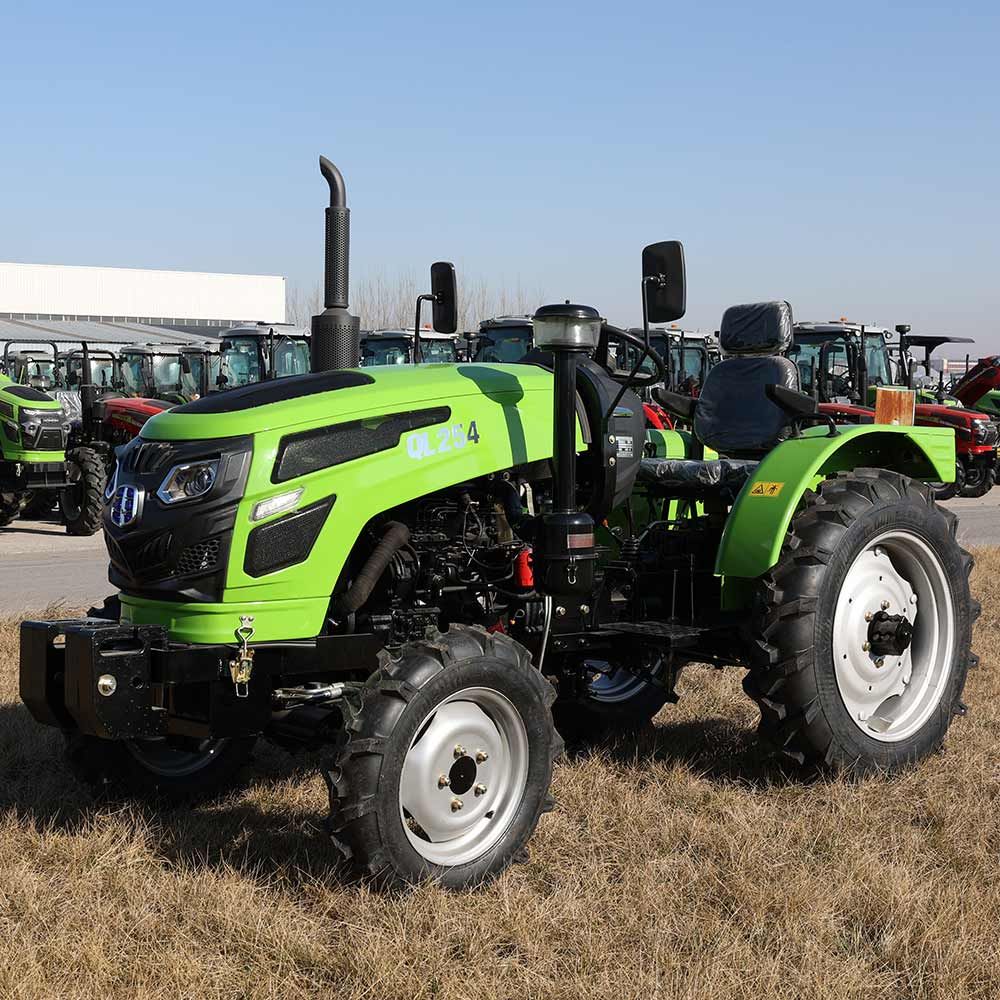
Rivoluzionare l’agricoltura: il ruolo dei trattori nelle moderne pratiche agricole
Il trattore moderno ha rivoluzionato l'agricoltura e consentito incredibili progressi nella produttività agricola nel secolo scorso Come attrezzature essenziali nelle fattorie e nei ranch di tutto il mondo, i trattori utilizzano motori potenti e trasmissioni robuste per trasportare carichi pesanti e attrezzi elettrici per la preparazione del terreno, la semina, la coltivazione, l'irrorazione, la raccolta e le attività di trasporto.
Introduzione
Il trattore moderno ha rivoluzionato l'agricoltura e consentito incredibili progressi nella produttività agricola nel secolo scorso Come attrezzature essenziali nelle fattorie e nei ranch di tutto il mondo, i trattori utilizzano motori potenti e trasmissioni robuste per trasportare carichi pesanti e attrezzi elettrici per la preparazione del terreno, la semina, la coltivazione, l'irrorazione, la raccolta e le attività di trasporto.
In questo post sul blog, esploreremo l'impatto trasformativo dei trattori sull'agricoltura attraverso:
- Breve storia dello sviluppo dei trattori
- Capacità e vantaggi chiave
- Tipi di Trattori Specializzati
- Innovazioni nella tecnologia dei trattori
- Selezione del trattore destro
- Il futuro dei trattori
- Domande frequenti
Apprezzare i trattori come indispensabili “cavalli di battaglia” fornendo il muscolo per nutrire una popolazione globale in crescita pone le basi per le sezioni successive che coprono queste macchine versatili in dettaglio.
Breve storia dello sviluppo dei trattori
L'agricoltura meccanizzata iniziò quando i motori ad aratura alimentati a vapore iniziarono a sostituire le squadre di cavalli negli anni 1850 Ma i cingoli e i cavi di queste ingombranti macchine spesso danneggiavano i terreni Con l'avvento della Fordson leggera e conveniente nel 1917, presero piede i trattori adatti alle piccole fattorie.
Seguirono rapidi progressi ingegneristici, con nuovi modelli che vantavano più potenza, gamma di attrezzi e comfort per l'operatore Traguardi chiave inclusi:
- 1932 Emergono trattori diesel per una coppia ancora maggiore
- 1960s 1960s I ganci idraulici a tre punti facilitano gli attacchi degli attrezzi
- 1970s 450 veicoli Quadtrack con trazione integrale e sterzo consentono una trazione superiore
- 1980s 1980 Cabine con controllo del clima e sospensioni sedili adottano stile auto
I trattori di oggi sarebbero quasi irriconoscibili per gli agricoltori dell'inizio del XX secolo Eppure continuano a costruire su quell'eredità di innovazione.
Capacità e vantaggi chiave
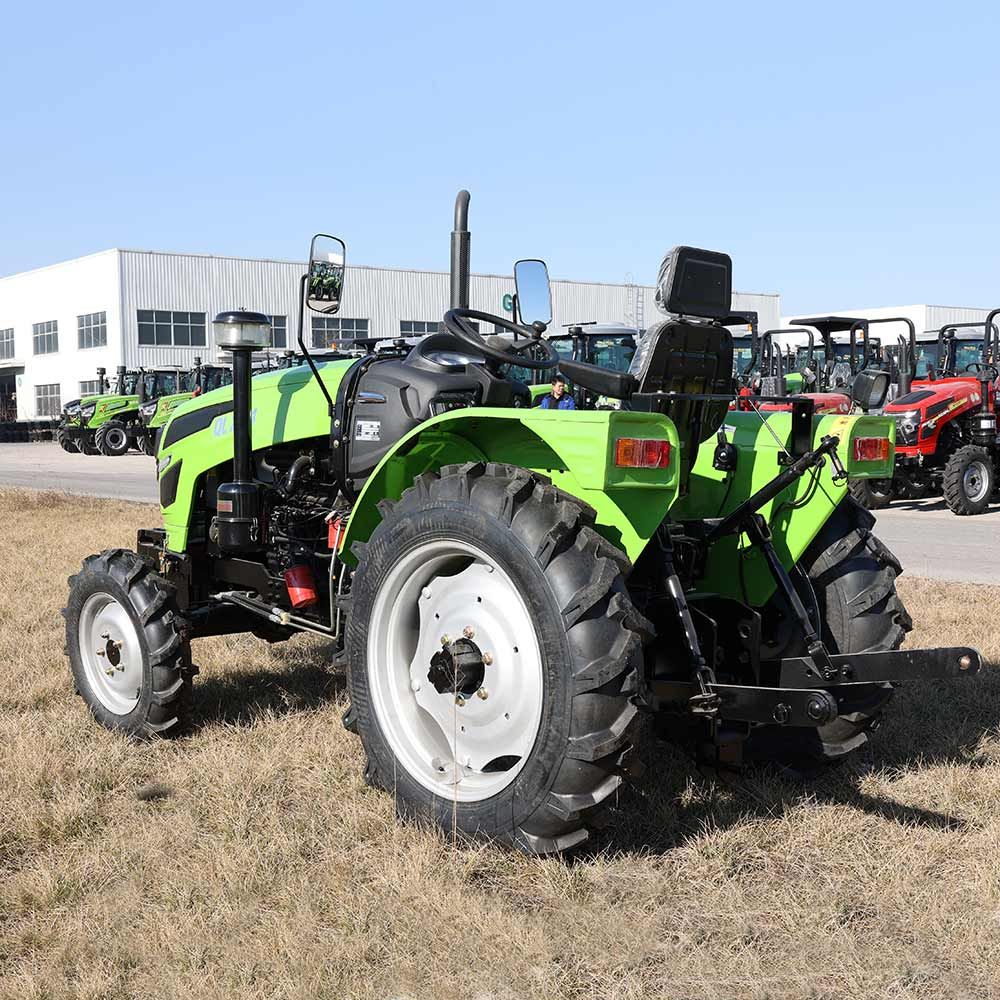
I trattori conferiscono molti vantaggi rispetto all'alimentazione animale come motori principali preferiti nelle aziende agricole:
Potente 6 motori diesel ad alta potenza che vanno da 20 a oltre 600 CV consentono agli attrezzi pesanti di tagliare il terreno duro e i residui vegetali.
Efficiente i compiti dei T. completano il lavoro manuale sul campo più velocemente, aumentando la produttività. I sistemi di guida automatica aumentano ulteriormente l’efficienza.
Adattabile 3 punti posteriori, alberi di presa di forza e caricatori anteriori, i trattori si attaccano facilmente a un'ampia varietà di attrezzi tutto l'anno.
Durevole Le trasmissioni 4W Ruguged, le trasmissioni 4WD, i telai protettivi e le finiture resistenti alla corrosione consentono decenni di servizio affidabile in tutte le condizioni.
Confortevole 4 sospensioni, cabine riscaldate con connettività Bluetooth e touchscreen mantengono gli operatori produttivi e sicuri.
In breve, i moderni trattori forniscono i telai versatili per tutti i tipi di operazioni agricole grazie a un’ingegneria specializzata su misura per le esigenze agricole.
Specializzato Trattore Tipi
I modelli di trattori servono diverse applicazioni primarie a seconda della loro configurazione:
Trattori per colture in fila (Con larghezza della ruota anteriore sottile e elevata altezza da terra, i trattori a schiera si muovono facilmente lungo file strette di piantagione su vasti campi.
Trattori Utilitari 25-10 HP, i trattori utilitari gestiscono lavori di falciatura e scavo con fertilizzanti e rimozione della neve.
Trattori ad alta potenza 2 grandi, potenti trattori che superano i 25 HP trainano enormi strumenti di semina e carri per il grano su migliaia di acri durante brevi finestre stagionali.
Trattori Speciali i progetti Un-lear come i modelli di frutteti ad alta c o i prototipi senza conducente corrispondono alle esigenze delle colture speciali.
L'abbinamento dei giusti compiti del trattore massimizza l'efficienza operativa e il valore a lungo termine.
Innovazioni nella tecnologia dei trattori
Continua l'evoluzione dei trattori, con alcune innovazioni chiave tra cui
Guida Autonoma 1,5, i rover dei trattori che seguono percorsi GPS preprogrammati senza operatore riducono i costi di manodopera consentendo al tempo stesso l'automazione per colture specializzate.
Combustibili alternativi i motori dei trattori o i pacchi batteria elettrici alimentati a metano contribuiranno ad allontanarsi dal diesel man mano che le priorità ambientali crescono.
Connettività e analisi dei dati (Sens) che trasporta le pratiche operative del cloud alimenta l'emergente agricoltura intelligente tramite analisi in tempo reale.
Comfort potenziato I Cabin continuano a rivaleggiare con i SUV high-end, i sedili riscaldati/raffreddati, l'audio premium e la qualità di guida ottimizzata per i lunghi turni giornalieri.
Elettrificazione 1 voltaggi del sistema elettrico più elevati consentiranno di azionare gli attacchi, riducendo ulteriormente la complessità meccanica.
La fusione della potenza di calcolo con i muscoli tecnici definirà la prossima generazione di trattori.
Selezione del trattore destro
Con una gamma così vasta di marche, modelli, dimensioni e opzioni di trattori, l'acquisto della partita ideale richiede di considerare
Tabella 1. Criteri chiave per la selezione dei trattori
| Trattore Caratteristica | Guida alla selezione |
|---|---|
| Cavallo di potenza | Abbina i CV del motore agli strumenti più pesanti previsti |
| Trasmissione | L'ingranaggio o l'idrostatico dipende dalla preferenza |
| 2WD contro 4WD | Carichi più pesanti hanno bisogno di 4WD, applicazioni più leggere si adattano 2WD |
| Opzioni PTO | Standard, economy o doppia presa di forza per alimentare gli allegati |
| Tipo Idraulica | Portate idrauliche a centro aperto o a centro chiuso |
| Categoria intoppo | Le categorie 1-4 supportano attrezzi di diverse dimensioni |
| Tecnologia Extra | Autosterzo? Compatibilità telematica? |
Definire le funzionalità must-have rispetto a quelle piacevoli in base agli attrezzi agricoli e al terreno aiuta a restringere le opzioni Le demo in loco determinano quindi la vestibilità migliore.
Il futuro dei trattori
Mentre le previsioni variano su come saranno i futuri trattori o sui carburanti che li alimentano, alcune opinioni consensuali si distinguono
Autonomia crescente 1030, che si guideranno tramite GPS consentendo a un operatore di monitorare più macchine, diventeranno più diffusi.
Integrazione AI 1 algoritmi di apprendimento approfondito che elaborano i dati dei sensori aiuteranno i trattori ad adattarsi alle mutevoli condizioni in tempo reale.
Priorità all'elettrificazione (La transizione dai motori diesel all’energia elettrica o ai carburanti alternativi accelererà a causa delle preoccupazioni legate al cambiamento climatico.
Miglioramenti della connettività L'integrazione dei dati senza nuvole tramite piattaforme cloud consentirà una gestione informata delle flotte di trattori, la diagnosi remota dei problemi e l'integrazione dei trattori in ecosistemi agricoli più ampi.
I prossimi decenni vedranno i trattori trasformarsi da cavalli da lavoro meccanici in nodi integrali all'interno di sistemi agricoli interconnessi digitalmente, ma persisteranno alcuni attributi familiari come la durabilità e il comfort del conducente.
Conclusione
La tecnologia dei trattori ha fatto enormi progressi sin dagli albori dell’agricoltura meccanizzata, ma queste macchine mantengono il loro scopo principale di fornire potenza, trazione e versatilità grezze in innumerevoli attività agricole.
Comprendere le moderne capacità e innovazioni dei trattori è fondamentale per i proprietari di aziende agricole che cercano di migliorare l'efficienza operativa e la produttività attraverso le attrezzature che forniscono le basi per il loro sostentamento, Abbinando il trattore in modo appropriato alla combinazione unica di attrezzi e terreni a portata di mano, queste macchine continueranno a servire l'agricoltura in modo affidabile per gli anni a venire adottando tecnologie più intelligenti.
Domande frequenti
Qual è la durata media di un moderno trattore agricolo?
La durata di servizio tipica di un trattore adeguatamente mantenuto è di 8.000-12.000 ore Per un utilizzo medio di 800 ore all'anno, ciò si traduce in 10-15 anni di servizio affidabile.
Tutti i trattori agricoli richiedono una formazione specializzata per gli operatori?
Il funzionamento di base del trattore è ragionevolmente semplice (in particolare i modelli sotto i 40 CV utilizzati per i veicoli leggeri) Ma la formazione sulla sicurezza si concentra su linee elettriche aeree, piste, trasporto autostradale e attrezzi per presa di forza è fortemente raccomandata per tutti i conducenti di trattori.
Quanto costa in genere un nuovissimo trattore agricolo?
Il prezzo del trattore varia notevolmente a seconda della potenza del motore, delle caratteristiche e dell'uso previsto I piccoli trattori da 20 CV possono costare meno di $15.000, mentre i trattori agricoli a file di grandi dimensioni funzionano con $250.000+ e i massicci modelli a trazione integrale da 400 CV si avvicinano a $500.000.
Dovrei comprare un trattore nuovo o usato?
I trattori usati possono fornire enormi risparmi sui costi rispetto ai modelli nuovi di zecca La scelta ottimale dipende dal budget, dalle caratteristiche desiderate, dalla tolleranza al rischio, dalle capacità di manutenzione e dall'applicazione. Pesare attentamente tutti i fattori al momento di decidere.