E-mail: [email protected] WhatsApp: +8618266768780
E-mail: [email protected] WhatsApp: +8618266768780


Desideri il miglior sistema idraulico per trattori per il 2026 I rapporti di settore e il consenso degli esperti puntano a sistemi avanzati a doppia pompa, in particolare quelli presenti nei modelli di punta, come i principali performer Questi sistemi offrono portate eccezionali e una gestione efficiente della potenza La tabella seguente evidenzia le caratteristiche distintive dei dati recenti:
| Modello di trattore | Caratteristiche principali |
|---|---|
| Fendt 800 Gen5 | Motore da 8,0 litri, 283-343 CV, VarioDrive CVT, impianto idraulico a doppia pompa (101 GPM), gonfiaggio pneumatici VarioGrip, postazione operatore ergonomica. |
| Fendt 1000 Gen4 | Motore da 12,4 litri, fino a 550 CV, VarioDrive CVT, cabina ergonomica con sedili riscaldati, caratteristiche di autonomia scalabili. |
La tecnologia idraulica si è evoluta rapidamente I fluidi sintetici con alto indice di viscosità ora prolungano la durata e riducono i tempi di inattività Quando si confrontano le opzioni, concentrarsi su prestazioni, affidabilità, efficienza, compatibilità, rapporto costo-efficacia e facilità d'uso Il sistema idraulico spiegato: Potenza e controllo nel trattore vi aiuterà a comprendere questi progressi.
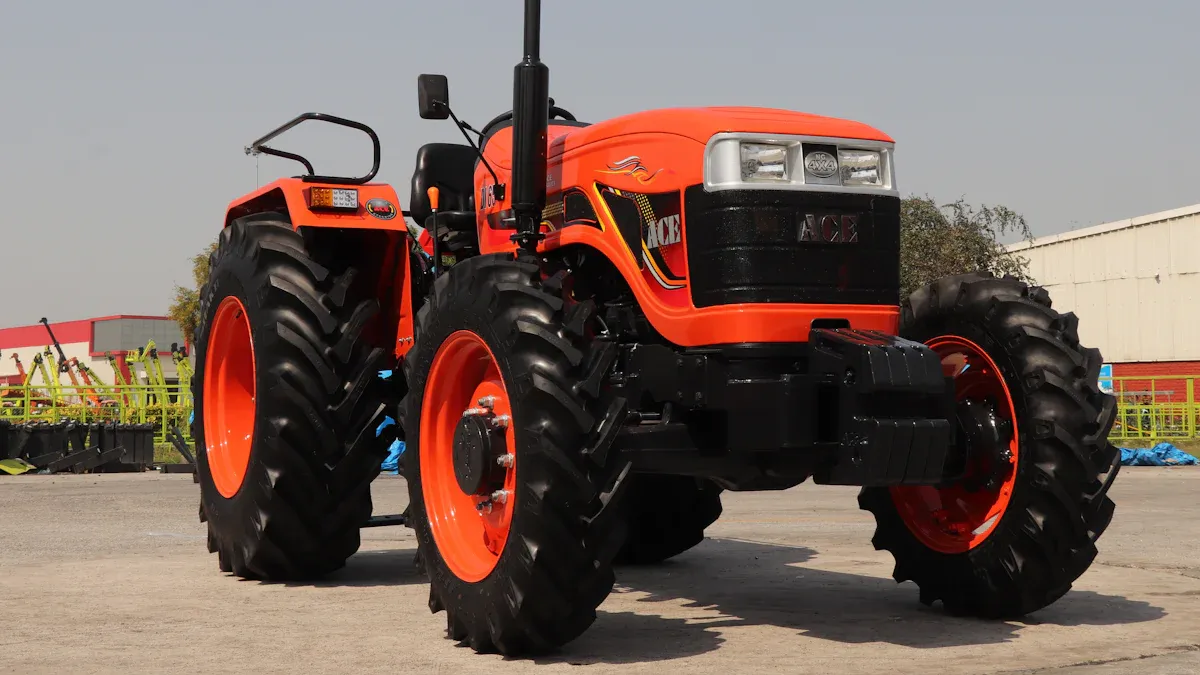
Desideri un sistema idraulico che offra potenza costante, funzionamento fluido e prestazioni affidabili Il sistema più apprezzato per il 2026 si distingue perché combina un'ingegneria avanzata con funzionalità pratiche che migliorano il tuo lavoro quotidiano Ottieni una configurazione a doppia pompa che separa le funzioni di attrezzo e sterzo Questo design ti garantisce di non perdere mai il controllo dello sterzo, anche quando utilizzi attrezzi impegnativi.
Ecco una rapida occhiata alle principali specifiche:
| Caratteristica | Specifica |
|---|---|
| Implementare Pompa | 6,7 gpm |
| Pompa sterzo | 5,0 gpm |
| Flusso Totale | 11,7 gpm |
| Capacità di sollevamento dell'attacco | 1.808 libbre |
| Valvole Remote | 1 paio |
Beneficiate anche di diversi aggiornamenti di comfort e usabilità:
Queste funzionalità ti aiutano a gestire più attività con meno sforzo Puoi passare da un attrezzo all'altro rapidamente e mantenere un controllo preciso, anche in condizioni difficili.
Vedi questo sistema che guida il mercato perché lo si concentra sull'innovazione e affidabilità Le aziende leader investono in nuove tecnologie e formano partnership per spingere ulteriormente le prestazioni idrauliche Lavorano con aziende petrolchimiche per creare fluidi avanzati che estendono gli intervalli di servizio e riducono l'usura Gli specialisti additivi sviluppano nuove formulazioni che proteggono dall'attrito e funzionano bene con materiali moderni.
Questa attenzione alla ricerca e alla collaborazione significa che ottieni un sistema che dura più a lungo e necessita di meno manutenzione. Trascorri più tempo lavorando e meno tempo a risolvere i problemi. La migliore compatibilità con nuovi fluidi e materiali significa anche che puoi aggiornare il tuo trattore senza preoccuparti di guasti o problemi di compatibilità.
Si nota la differenza nell'uso quotidiano Il sistema risponde rapidamente ai vostri comandi Solleva gli attrezzi pesanti senza intoppi e mantiene il vostro sterzo preciso Potete fidarvi di esso per eseguire in tutte le condizioni atmosferiche e con una varietà di allegati.
Suggerimento: quando scegli un sistema idraulico, cerca uno che offra sia portate elevate che circuiti separati per sterzo e attrezzi Questa combinazione ti offre il miglior mix di potenza, sicurezza e flessibilità.
Scegliendo il sistema idraulico di prim'ordine per 2006, ti configuri per operazioni efficienti, affidabili e confortevoli, senza importanza per ciò che la stagione porta.
Quando si opera un trattore moderno, ti affidi al sistema idraulico per fornire sia potenza che controllo Il sistema idraulico spiegato: Potenza e controllo nel tuo trattore inizia con il principio di base di utilizzare fluido pressurizzato per spostare carichi pesanti e azionare gli attrezzi Si attiva il sistema quando si sposta una leva o si preme un pulsante Il pompa idraulica quindi converte l'energia meccanica del trattore in pressione idraulica Questa pressione viaggia attraverso tubi e valvole, raggiungendo i cilindri che sollevano, spingono o regolano la tua attrezzatura.
Si beneficia di questo design perché fornisce movimenti fluidi e precisi Ad esempio, quando si solleva un caricatore o si regola un aratro, il sistema idraulico risponde istantaneamente Questa tecnologia consente di gestire compiti che sarebbero impossibili con i soli sistemi meccanici Si può caricatori di potenza, attacchi e strumenti esterni. Controlli anche le attrezzature per la raccolta e i sistemi di irrigazione con la stessa forza affidabile Nelle operazioni di allevamento, l'idraulica ti aiuta a nutrire e spostare gli animali in modo efficiente.
Nel corso degli anni, il sistema idraulico spiegato: potenza e controllo nel trattore si è evoluto. I fluidi avanzati ora migliorano l’efficienza operativa ed estendi gli intervalli di assistenza La chimica additiva protegge dall'usura e dal calore, così dedichi meno tempo alla manutenzione Il monitoraggio digitale ti fornisce feedback in tempo reale, aiutandoti a individuare i problemi prima che diventino problemi.
Nota: è necessario mantenere sempre pulito il fluido idraulico e verificare la presenza di perdite Il fluido pulito garantisce un funzionamento regolare e previene danni ai componenti chiave.
È necessario comprendere le parti principali del sistema idraulico spiegate: Potenza e controllo nel trattore per ottenere il massimo dalla macchina Ogni componente svolge un ruolo specifico nell'erogazione di potenza e controllo:
| Componente | Funzione |
|---|---|
| Pompa | Genera pressione per spostare il fluido idraulico e alimentare il meccanismo. |
| Fluido idraulico | Trasferisce energia e deve rimanere pulito per garantire prestazioni fluide. |
| Valvole | Controllare la direzione, la pressione e il flusso del fluido idraulico per operazioni precise. |
| Tubi flessibili | Fluido idraulico di guida tra i componenti, progettato per resistere ad alta pressione. |
| Connettori | Collegare tubi e componenti, garantendo un sistema sicuro e senza perdite. |
| Attuatori | Convertire l'energia idraulica in lavoro meccanico, come il sollevamento o la spinta. |
| Filtri | Rimuovere i contaminanti dal fluido per prevenire danni e garantire un funzionamento regolare nel tempo. |
Trovi la pompa idraulica nel cuore del sistema Crea la pressione necessaria per spostare il fluido Il serbatoio idraulico immagazzina l'olio, che a volte condivide lo spazio con la trasmissione Le valvole ti consentono di controllare dove e quanto fluido si muove, in modo da poter azionare con precisione diversi attrezzi Cilindri e attuatori mettono in movimento la pressione idraulica, sollevando i bracci o spingendo gli attacchi Tubi flessibili e connettori mantengono tutto sigillato e sicuro, mentre i filtri rimuovono sporco e detriti.
I recenti miglioramenti nei fluidi e nei componenti idraulici semplificano il lavoro Le formulazioni migliorate dei fluidi ti offrono una migliore efficienza e intervalli di manutenzione più lunghi I nuovi additivi proteggono il tuo sistema dall'usura e dal calore Gli strumenti di monitoraggio digitale ti aiutano a tenere traccia delle prestazioni e a catturare i problemi in anticipo.
Quando capisci come funziona il sistema idraulico spiegato: alimentazione e controllo nel trattore, puoi azionare il tuo trattore in modo più efficiente e mantenerlo in funzione più a lungo.
Quando si confronta sistemi idraulici trattori per il 2026, dovresti iniziare con le prestazioni Questo significa osservare quanto bene il sistema fornisce potenza ai tuoi attrezzi e accessori Vuoi un sistema che risponda rapidamente e gestisca carichi pesanti senza rallentare Le portate elevate e la pressione costante ti aiutano a terminare le attività più velocemente e con meno sforzo.
Gli esperti del settore utilizzano diversi criteri per misurare le prestazioni e altri fattori importanti. La tabella seguente mostra i punti principali considerano quando valutano i sistemi idraulici:
| Criteri | Descrizione |
|---|---|
| Prestazioni ed efficienza | Valuta l'efficacia con cui il sistema fornisce potenza, concentrandosi sulle valutazioni di efficienza e sulla durata sotto carico. |
| Gamma di prodotti e personalizzazione | Valuta la capacità del fornitore di fornire soluzioni su misura per applicazioni specifiche, indicando flessibilità. |
| Innovazione tecnologica | Cerca l'integrazione di funzionalità avanzate come controlli elettronici o connettività IoT. |
| Costo e costo totale di proprietà | Considera il prezzo iniziale insieme ai costi di manutenzione, riparazione e operativi nel tempo. |
| Presenza e supporto globali | Esamina la disponibilità di centri di assistenza, formazione e pezzi di ricambio su scala globale. |
| Traccia record e convalida | Recensioni implementazioni comprovate, testimonianze dei clienti e certificazioni di settore. |
| Conformità e sostenibilità | Verifica il rispetto degli standard ambientali e delle normative sull'efficienza energetica. |
| Stabilità finanziaria e visione strategica | Valuta la roadmap di redditività e innovazione a lungo termine del fornitore. |
Dovresti concentrarti su sistemi che mantengono elevate prestazioni anche in condizioni difficili. Ciò ti garantisce una potenza affidabile per l'aratura, il sollevamento o l'esecuzione di strumenti avanzati.
L'affidabilità conta perché i tempi di inattività ti costano tempo e denaro Hai bisogno di un sistema idraulico che funzioni ogni giorno, anche in ambienti difficili I sistemi affidabili ti aiutano a evitare guasti imprevisti e a mantenere il funzionamento senza intoppi.
Potresti affrontare sfide comuni con i sistemi idraulici, come perdite, fluido contaminato, guasti alla pompa e cilindri malfunzionanti Questi problemi possono fermare il lavoro e portare a riparazioni costose Molti agricoltori ora utilizzano strategie di manutenzione che migliorano l'efficienza e riducono gli sprechi Dovresti controllare spesso il tuo fluido idraulico e guardare per i primi segni di problemi.
Puoi aumentare l'affidabilità scegliendo sistemi con tenute robuste, componenti di qualità e facile accesso per la manutenzione Il sistema idraulico spiegato: Potenza e controllo nel tuo trattore ti offre una visione chiara di come ogni parte funziona insieme, in modo da poter individuare i problemi prima che crescano.
L'efficienza ti dice quanto lavoro fa il tuo sistema idraulico con l'energia che utilizza Un sistema più efficiente consente di risparmiare carburante e ridurre il calore, il che significa meno usura sulle parti Si desidera un sistema che utilizzi fluidi avanzati e controlli intelligenti per ottenere il massimo da ogni goccia di carburante.
I moderni sistemi idraulici utilizzano sensori e controlli elettronici per regolare flusso e pressione in base al compito Questo ti aiuta a evitare sprechi di energia e mantiene il tuo trattore al meglio Sistemi efficienti supportano anche la sostenibilità abbassando le emissioni e riducendo gli sprechi di liquidi.
Suggerimento: scegli un sistema idraulico con elevati livelli di efficienza e compatibilità avanzata dei fluidi Questo ti aiuterà a risparmiare denaro e a proteggere le tue apparecchiature per gli anni a venire.
Concentrandoti su prestazioni, affidabilità ed efficienza, ti prepari al successo sul campo Questi criteri ti aiutano a scegliere un sistema che soddisfi le tue esigenze oggi e si adatti alla tecnologia futura.
Hai bisogno di un sistema idraulico che funzioni senza problemi con il tuo trattore e tutti i tuoi attrezzi di dimensioni uniformi La compatibilità ti assicura di poter connettere, operare e passare da un attacco all'altro senza frustrazione o ritardo Quando scegli un nuovo sistema idraulico, devi verificare che corrisponda alle specifiche del tuo trattore e ai requisiti dei tuoi attrezzi.
Molti utenti segnalano problemi di compatibilità comuni durante l'aggiornamento o la manutenzione dei sistemi idraulici Questi problemi possono rallentare il lavoro o addirittura impedire l'utilizzo di determinati strumenti È possibile evitare la maggior parte dei mal di testa comprendendo le sfide tipiche e le relative soluzioni Il la tabella seguente elenca i problemi frequenti e passi pratici che puoi compiere:
| Problema | Soluzione |
|---|---|
| Implementa i pin a attacco rapido non allinearti con il tuo frame a attacco rapido | Controlla che l'attrezzo sia classificato per la tua categoria (Gatto 1, Gatto 2, ecc.) Se la categoria corretta ma la geometria della marca sbagliata, pratica nuovi fori nella piastra di montaggio dell'attrezzo per adattarli al tuo attacco rapido o fabbrica piastre adattatrici. |
| Gli accoppiatori idraulici non si collegano | Identifica il tipo di accoppiatore del tuo trattore (Pioneer 1/4″, 3/8″, ISO A, ecc.) e il tipo di raccordo dell'attrezzo Acquista adattatori appropriati Assicura corrispondenze di orientamento maschio/femmina. |
| L'attrezzo idraulico funziona lentamente o non funziona affatto | Controllare che l'uscita GPM del trattore soddisfi i requisiti minimi dell'attrezzo Verificare che la valvola remota sia configurata per il doppio effetto se l'attrezzo lo richiede Controllare la presenza di tubi piegati o danneggiati Verificare il livello del fluido nel serbatoio del trattore. |
| Il gancio a tre punti non solleverà l'attrezzo | Controlla che il peso dell'attrezzo non superi la capacità di sollevamento del trattore alla distanza di montaggio Assicurati che le estremità inferiori del collegamento non tocchino il fondo Verifica che l'attrezzo sia adatto alla categoria del tuo trattore. |
| Quick-hitch impegna solo 2 punti su 3 | Regolare la geometria dell'attrezzo o dell'attacco rapido Alcuni attrezzi necessitano di uno shimming o di una regolazione della lunghezza del collegamento per allineare tutti e tre i punti di montaggio con il telaio dell'attacco rapido. |
| Implementare si siede troppo basso o troppo alto | Regolare la lunghezza del collegamento superiore Assicurarsi che i collegamenti inferiori siano posizionati correttamente Alcuni attrezzi necessitano di distanziatori o diverse posizioni dei fori per ottenere un'altezza di lavoro adeguata. |
Dovresti sempre verificare la categoria e il tipo di connessione prima di acquistare nuovi attrezzi, ad esempio, se i tuoi accoppiatori idraulici non corrispondono, puoi utilizzare adattatori per colmare il divario Se il tuo attrezzo non si solleva o non funziona come previsto, controlla la portata e la capacità di sollevamento del tuo trattore Piccole regolazioni, come la modifica della lunghezza del collegamento superiore o l'aggiunta di distanziatori, possono risolvere molti problemi di altezza e allineamento.
Suggerimento: tieni un set di adattatori comuni e strumenti di base nella cassetta degli attrezzi del trattore Questo ti aiuta a risolvere la maggior parte dei problemi di compatibilità sul campo senza perdere tempo prezioso.
Concentrandoti sulla compatibilità, rendi il tuo lavoro più efficiente e riduci i tempi di inattività Proteggi inoltre le tue apparecchiature dai danni causati da collegamenti o sovraccarichi impropri Rivedi sempre il tuo trattore e implementa manuali per indicazioni specifiche su categorie, tipi di accoppiatori e requisiti idraulici Questa preparazione ti assicura di ottenere il massimo dal tuo sistema idraulico e da ogni attacco che utilizzi.
Troverete i sistemi di Closed-Center Load Sensing (CCLS) al centro di molti trattori ad alte prestazioni nel 2026 Questi sistemi si distinguono perché producono solo il flusso e la pressione necessari per ogni attività Questo approccio consente di risparmiare carburante e ridurre il calore, il che aiuta il trattore a funzionare più a lungo senza problemi Si ottiene un funzionamento più efficiente e costi operativi inferiori.
Ecco un rapido sguardo alle principali caratteristiche dei sistemi CCLS:
| Caratteristica | Descrizione |
|---|---|
| Produzione di flusso e pressione | Produce solo il flusso e la pressione necessari per il lavoro idraulico, migliorando l'efficienza e riducendo il consumo di carburante. |
| Valvola di rilevamento del carico | Utilizza una valvola di rilevamento del carico per regolare il flusso in base alla domanda, prevenendo inutili perdite di energia. |
| Vita del componente | Risparmia carburante, riduce l'accumulo di calore e prolunga la durata dei componenti rispetto ai sistemi più vecchi. |
È possibile utilizzare l'idraulica CCLS per attrezzature che necessitano molta potenza idraulica, come fioriere o caricatori Questi sistemi spesso forniscono fino a 29 galloni al minuto (GPM) di flusso Noterai che il tuo trattore risponde rapidamente, anche quando utilizzi attrezzi impegnativi I sistemi CCLS ti aiutano anche a prolungare la durata dei tuoi componenti idraulici riducendo le sollecitazioni inutili.
Suggerimento: se lavori con attrezzi che richiedono un flusso idraulico costante o variabile, CCLS ti offre la flessibilità e l'efficienza di cui hai bisogno.
I sistemi idraulici Open-Center rimangono popolari per i trattori più piccoli e le applicazioni meno impegnative Riconoscerete questi sistemi dal loro design semplice La pompa funziona continuamente, inviando olio attraverso linee aperte fino ad attivare una valvola di controllo Quando si sposta una leva, il sistema dirige l'olio al cilindro o al motore che si desidera utilizzare.
Beneficiate dei sistemi open-center perché sono facili da mantenere e riparare Il design utilizza meno parti, il che significa che potete risolvere i problemi rapidamente Questi sistemi funzionano bene per il sollevamento di base, lo sterzo o l'esecuzione di semplici attacchi Tuttavia, potreste notare che i sistemi open-center utilizzano più energia, soprattutto quando si utilizzano diverse funzioni contemporaneamente Questo può portare a un maggiore utilizzo di carburante e più calore.
Se si esegue un trattore di piccole o medie dimensioni e non sono necessarie funzionalità avanzate, i sistemi open-center offrono una soluzione conveniente È possibile mantenere l'attrezzatura in funzione con strumenti di base e parti standard.
I sistemi elettroidraulici rappresentano l'ultimo passo nella tecnologia dei trattori per il 2026 Con questi sistemi si ottiene un controllo preciso e una migliore efficienza L'introduzione di collegamento elettronico di rilevamento del carico (e-LS) consente al tuo trattore di comunicare elettronicamente la pressione dell'olio tramite ISOBUS Ciò significa che ottieni risposte più rapide e accurate dai tuoi attrezzi.
Vedrete anche l'intelligenza artificiale (AI) e l'Internet of Things (IoT) integrati in questi sistemi Queste tecnologie aiutano il vostro trattore a effettuare regolazioni in tempo reale, migliorando sia le prestazioni che la qualità delle colture I sistemi elettroidraulici eliminano la necessità di linee fisiche di rilevamento del carico, che rendono la vostra configurazione più affidabile e più facile da mantenere.
Ecco alcuni vantaggi chiave che sperimenterai:
Nota: se desideri rendere il tuo funzionamento a prova di futuro e massimizzare sia la produttività che il comfort, considera l'aggiornamento a un sistema elettroidraulico.
Vedete sistemi ibridi idraulico-elettrici cambiare il modo in cui i trattori operano nel 2026 Questi sistemi combinano l'idraulica tradizionale con i motori elettrici, creando un gruppo propulsore più intelligente ed efficiente Quando si utilizza un sistema ibrido, si nota che il trattore regola l'erogazione di potenza in base al compito Ciò significa che si ottiene la giusta quantità di forza per il sollevamento di carichi pesanti o un controllo preciso per operazioni delicate.
La ricerca mostra che i sistemi ibridi idraulico-elettrici possono migliorare notevolmente uso dell'energia nelle macchine agricole. Integrando un motore elettrico, il tuo trattore ottimizza le prestazioni del motore Beneficerai di un migliore risparmio di carburante e di minori emissioni, che supportano l'agricoltura sostenibile Riduci anche i costi operativi perché il sistema utilizza energia solo quando necessario.
Ecco una sintesi delle recenti scoperte sui sistemi ibridi ed elettroidraulici:
| Fonte | Ritrovamenti |
|---|---|
| Il passaggio ai sistemi elettroidraulici | I sistemi elettroidraulici migliorano l'efficienza energetica operando su richiesta, riducendo i costi del carburante e le esigenze di manutenzione. |
| La collaborazione NREL potrebbe realizzare un notevole risparmio energetico per i trattori agricoli | Controller innovativi possono aumentare l'efficienza idraulica di 50%, portando a notevoli risparmi di carburante e riduzione delle emissioni. |
| Indagare sull'efficienza delle architetture ibride per trattori agricoli | Le architetture ibride possono ottenere risparmi in termini di costi e CO2 rispettivamente di 7,2% e 9,5%, con un potenziale di maggiori benefici con l'aumento dell'uso di energia rinnovabile. |
Guadagni più della semplice efficienza I sistemi ibridi ti aiutano a soddisfare standard ambientali più severi, inoltre sperimenti meno rumore e un funzionamento più fluido, il che rende più confortevoli le lunghe giornate lavorative Se vuoi rendere le tue apparecchiature a prova di futuro e abbassare la tua impronta di carbonio, la tecnologia ibrida idraulico-elettrica offre un percorso pratico in avanti.
Suggerimento: Considera i sistemi ibridi se vuoi bilanciare alte prestazioni con sostenibilità e costi del carburante inferiori.
Ti affidi a fluidi idraulici avanzati per mantenere il tuo trattore senza intoppi in tutte le condizioni Questi fluidi utilizzano formule speciali che mantengono una viscosità stabile, quindi il tuo sistema funziona bene sia nelle mattine fredde che nei pomeriggi caldi, eviti movimenti a scatti e proteggi la tua attrezzatura da un'usura eccessiva.
Ecco i principali vantaggi che si ottengono dai fluidi idraulici avanzati:
Quando scegli il fluido idraulico giusto, allunghi la durata dei componenti del tuo trattore Riduci anche il rischio di guasti e costosi tempi di fermo Controlla sempre il manuale del tuo proprietario per i fluidi consigliati e cambiali agli intervalli suggeriti Questo semplice passaggio protegge il tuo investimento e mantiene il funzionamento al meglio.
Nota: l'utilizzo di fluidi idraulici avanzati è uno dei modi più semplici per aumentare sia le prestazioni che l'affidabilità nel sistema idraulico del tuo trattore.
Quando si confronta sistemi idraulici trattori, è necessario valutare sia i loro vantaggi che i loro limiti La tabella seguente riassume i principali punti di forza e di debolezza incontrerai con ogni sistema leader nel 2026:
| Tipologia Sistema | Punti di forza | Punti deboli |
|---|---|---|
| CCLS | Alta densità di potenza, controllo preciso, efficace per lavori pesanti, versatile, durevole, protezione da sovraccarico | Sospettibile alle perdite di fluidi, richiede manutenzione regolare, riparazioni complesse, componenti pesanti, preoccupazioni ambientali derivanti dai fluidi a base di olio |
| Centro aperto | Design semplice, facile manutenzione, conveniente, affidabile per le attività di base | Meno efficiente, maggiore utilizzo di carburante, limitato per attrezzi avanzati, controllo meno preciso |
| Elettroidraulico | Controllo elettronico preciso, regolazioni in tempo reale, perdite ridotte, comfort migliorato, supporta l'agricoltura intelligente | Il costo iniziale più elevato, richiede conoscenze tecniche, potrebbe richiedere un servizio specializzato |
| Ibrido Idraulico-Elettrico | L'uso ottimizzato di energia, le emissioni più basse, il funzionamento più silenzioso, a prova di futuro, sostiene la sostenibilità | Una tecnologia più recente, maggiori investimenti iniziali, potrebbero avere opzioni di servizio limitate |
Beneficiate dei sistemi CCLS quando avete bisogno di elevata potenza e controllo preciso Questi sistemi si adattano ai cambi di carico e proteggono i componenti dal sovraccarico, Potreste affrontare sfide con perdite di liquidi e riparazioni complesse Una manutenzione regolare è essenziale per mantenere tutto senza intoppi.
I sistemi open-center ti offrono semplicità e affidabilità per le attività di base Puoi risolvere la maggior parte dei problemi con gli strumenti standard Questi sistemi utilizzano più carburante e potrebbero non supportare gli strumenti avanzati Potresti notare un controllo meno preciso durante le operazioni impegnative.
I sistemi elettroidraulici vi offrono un controllo e un'efficienza avanzati Potete effettuare regolazioni in tempo reale e ridurre il rischio di perdite Questi sistemi richiedono un investimento iniziale e conoscenze tecniche più elevati Potrebbe essere necessario un servizio specializzato per la risoluzione dei problemi.
I sistemi ibridi idraulico-elettrici consentono di risparmiare energia e ridurre le emissioni Si verificano un funzionamento più silenzioso e funzionalità pronte per il futuro Questi sistemi sono nuovi sul mercato e potrebbero costare di più in anticipo Le opzioni di servizio potrebbero essere limitate man mano che la tecnologia si sviluppa.
Si vede il valore reale di ogni impianto idraulico quando lo si mette al lavoro sul campo, Ad esempio, trattori di grandi dimensioni dotati di sistemi avanzati offri potenza costante e funzionamento regolare durante i lunghi giorni di utilizzo intenso Molti operatori riferiscono che questi sistemi gestiscono attrezzi impegnativi senza perdere resistenza o precisione In condizioni difficili, si nota che i sistemi di fascia alta mantengono le prestazioni e riducono i tempi di inattività.
Trovi anche che i semplici sistemi open-center funzionano bene per le attività di routine Mantengono la tua attrezzatura in funzione con il minimo sforzo I sistemi elettroidraulici e ibridi si distinguono nelle operazioni che richiedono controlli intelligenti e risparmio energetico Puoi monitorare le prestazioni e apportare regolazioni in movimento, il che aumenta la produttività e il comfort.
Il sistema idraulico spiegato: Potenza e controllo nel trattore mostra che ogni tipo di sistema ha un posto a seconda delle esigenze Dovresti abbinare la tua scelta alle dimensioni dell'operazione, ai requisiti di implementazione e ai piani futuri Comprendendo questi punti di forza e di debolezza, puoi selezionare un sistema idraulico che offra risultati affidabili in condizioni reali.
Vuoi prendere una decisione informata quando scegli un impianto idraulico per il tuo trattore. La tabella seguente ti offre una chiara panoramica di come ogni sistema leader si comporta in base alle funzionalità essenziali Puoi utilizzare questo confronto per abbinare le tue esigenze con la giusta tecnologia.
| Caratteristica/metrica | CCLS (rilevamento del carico a centro chiuso) | Sistema Open-Center | Elettroidraulico | Ibrido Idraulico-Elettrico | Fluidi Idraulici Avanzati |
|---|---|---|---|---|---|
| Potenza Consegna | Alto, si adatta al carico | Moderare | Alto, preciso | Alto, ottimizzato | Migliora tutti i sistemi |
| Efficienza | Molto efficiente | Inferiore | Più alto | Più alto | Migliora l'efficienza |
| Controllo Precisione | Eccellente | Base | Superiore | Superiore | Supporta un controllo fluido |
| Esigenze di manutenzione | Controlli moderati e regolari | Basso | Moderato, tecnico | Moderato, tecnico | Riduce l'usura, estende gli intervalli |
| Compatibilità | Ampio, supporta strumenti avanzati | Limitato | Largo, ISOBUS pronto | Ampio, pronto per il futuro | Universale |
| Costo | Alta manutenzione iniziale e moderata | Basso | Iniziale alta | Iniziale più alta | Moderato, conveniente |
| Sostenibilità | Fluidi moderati a base di olio | Basso | Alta, meno perdita di liquidi | Emissioni più alte e più basse | Alto, ecologico |
| Livello di rumore | Moderare | Moderare | Basso | Più basso | Riduce il rumore del sistema |
| Comfort dell'operatore | Alto | Base | Più alto | Più alto | Migliora il comfort |
| Monitoraggio in tempo reale | Opzionale | Non disponibile | Standard | Standard | Supporta il monitoraggio |
Suggerimento: dovresti concentrarti sull'efficienza e sulla precisione del controllo se vuoi massimizzare la produttività e ridurre i costi del carburante I sistemi elettroidraulici e ibridi ti danno i migliori risultati in queste aree.
Dovresti esaminare le esigenze del tuo funzionamento prima di fare una scelta Se esegui apparecchiature di grandi dimensioni o hai bisogno di funzionalità avanzate, investi in sistemi con alta efficienza e controlli intelligenti Per le attività di routine, i sistemi open-center forniscono una soluzione pratica Utilizza sempre il miglior fluido idraulico disponibile per proteggere il tuo investimento.
Nota: tieni a portata di mano questa tabella quando confronti le opzioni Ti aiuta a far corrispondere le tue priorità con il sistema idraulico giusto per il tuo trattore.
Si affrontano sfide uniche quando si gestiscono operazioni agricole su larga scala È necessario un sistema idraulico che offra elevata potenza, affidabilità ed efficienza I sistemi avanzati, come il rilevamento del carico a centro chiuso e l'ibrido idraulico-elettrico, offrono i migliori risultati per questi ambienti esigenti Questi sistemi rispondono rapidamente a carichi pesanti e supportano più attrezzi contemporaneamente.
Continua a crescere il mercato degli impianti idraulici nella grande agricoltura, nel 2026, il valore di mercato raggiunge 194 milioni di dollari, con un tasso di crescita annuale composto previsto di 9,8% fino al 2036 Gli esteri sintetici saturi dominano il segmento della base fluida, detenendo una quota di 34%. Trattori e idraulica generale dell'azienda agricola rappresentano 30% di quota di tipo di attrezzatura Si vede anche una forte attenzione alla sostenibilità, con 46% di sistemi caratterizzati da fluidi facilmente biodegradabili e bassa tossicità acquatica.
| Metriche Chiave | Valore |
|---|---|
| Valore di mercato per il 2026 | 194,00 milioni di dollari |
| Valore di mercato per il 2036 | 494,11 milioni di dollari |
| Cagr previsionale (2026-2036) | 9.8% |
| Quota principale del segmento base fluida (2026) | 34% (Esteri sintetici saturi) |
| Quota di tipo di attrezzatura principale (2026) | 30% (Trattori & idraulica generale dell'azienda agricola) |
| Quota principale degli attributi delle prestazioni (2026) | 46.0% (Prontamente biodegradabile & bassa tossicità acquatica) |
Beneficiate della scelta di sistemi con compatibilità avanzata dei fluidi e controlli intelligenti Queste caratteristiche vi aiutano a ridurre i tempi di inattività e a ridurre i costi operativi, inoltre supportate gli obiettivi ambientali utilizzando fluidi biodegradabili Quando selezionate un sistema idraulico per l'agricoltura su larga scala, dare priorità alle portate elevate, ai circuiti separati per sterzo e attrezzi e alle capacità di monitoraggio digitale.
Suggerimento: monitora regolarmente il fluido idraulico e le prestazioni del sistema Questa pratica ti aiuta a cogliere i problemi in anticipo e a mantenere l'efficienza di picco.
Tu operi trattori di piccole o medie dimensioni per attività come falciatura, lavorazione del terreno e sollevamento leggero I sistemi idraulici a centro aperto si adattano bene a queste macchine Si ottiene un design semplice che è facile da mantenere e riparare Questi sistemi forniscono abbastanza energia per attrezzi di base e lavori di routine.
Dovresti controllare la portata e la capacità di sollevamento del tuo trattore prima di aggiungere nuovi accessori La compatibilità è importante, soprattutto quando passi da uno strumento all'altro Tieni un set di adattatori e strumenti di base nella cassetta degli attrezzi Questa preparazione ti aiuta a risolvere la maggior parte dei problemi di connessione sul campo.
Beneficiate anche dell'utilizzo di fluidi idraulici avanzati Questi fluidi proteggono il vostro sistema dall'usura e prolungano gli intervalli di manutenzione, dedica meno tempo alla manutenzione e più tempo al lavoro Se volete effettuare l'aggiornamento, considerate i sistemi elettroidraulici per un migliore controllo ed efficienza.
Nota: Rivedere sempre il trattore e implementare i manuali per i tipi di fluido idraulico consigliati e i programmi di manutenzione.

Potrebbe essere necessario un sistema idraulico per attività speciali come il lavoro nei frutteti, la gestione dei vigneti o la semina di precisione I sistemi elettroidraulici e ibridi offrono un controllo preciso e regolazioni in tempo reale È possibile automatizzare le attività e monitorare le prestazioni con strumenti digitali.
Dovresti selezionare un sistema che corrisponda ai tuoi requisiti specifici Ad esempio, i trattori da frutteto hanno bisogno di design compatti e di un funzionamento regolare Le fioriere di precisione richiedono un controllo accurato del flusso e la compatibilità con la tecnologia di smart farming I fluidi avanzati e i controlli elettronici ti aiutano a ottenere risultati migliori e a ridurre l'impatto ambientale.
Migliori la produttività e la qualità delle colture scegliendo il sistema idraulico giusto per la tua applicazione speciality Supporti anche la sostenibilità e la tua operatività a prova di futuro.
Suggerimento: consulta gli specialisti delle apparecchiature per abbinare il tuo sistema idraulico alle tue esigenze specifiche Questo passaggio ti garantisce le migliori prestazioni e affidabilità.
Vuoi ottenere il massimo valore dal tuo investimento quando acquisti un sistema idraulico per trattore Se ti concentri sul costo, devi bilanciare il prezzo con le prestazioni e l'affidabilità Non devi sacrificare la qualità per risparmiare Puoi fare scelte intelligenti comprendendo le tue esigenze e le opzioni disponibili.
Inizia guardando i sistemi idraulici a centro aperto Questi sistemi offrono un design semplice e un costo iniziale inferiore Puoi mantenerli e ripararli con strumenti di base Molti trattori di piccole e medie dimensioni utilizzano sistemi a centro aperto perché gestiscono bene le attività di routine Risparmi denaro sia sull'acquisto che sulla manutenzione.
Dovresti anche considerare il costo totale di proprietà Questo include il prezzo del sistema, la manutenzione, le riparazioni e le modifiche dei fluidi A volte, un sistema con un costo iniziale più elevato ti fa risparmiare denaro nel tempo I sistemi efficienti utilizzano meno carburante e richiedono meno riparazioni I fluidi avanzati possono estendere gli intervalli di servizio e ridurre l'usura, il che riduce le spese a lungo termine.
Ecco una tabella rapida per aiutarti a confrontare i fattori chiave:
| Fattore | Sistema Open-Center | Sistema CCLS | Elettroidraulico | Sistema ibrido |
|---|---|---|---|---|
| Costo iniziale | Basso | Moderato-Alto | Alto | Più alto |
| Costo di manutenzione | Basso | Moderare | Moderato-Alto | Moderato-Alto |
| Complessità di riparazione | Semplice | Moderare | Complesso | Complesso |
| Efficienza del carburante | Moderare | Alto | Più alto | Più alto |
| Potenziale di aggiornamento | Limitato | Bene | Eccellente | Eccellente |
Puoi allungare ulteriormente il tuo budget seguendo alcuni semplici suggerimenti:
Suggerimento: conserva un registro di manutenzione per il tuo sistema idraulico Registra le modifiche, le riparazioni e le ispezioni dei fluidi Questa abitudine ti aiuta a individuare i modelli e pianificare le spese future.
Dovresti sempre verificare la compatibilità prima di acquistare nuovi attrezzi o parti I componenti non corrispondenti possono causare danni e comportare costi aggiuntivi Leggi il manuale del tuo trattore e consultati con esperti locali se hai domande.
Puoi ottenere prestazioni affidabili senza spendere troppo Concentrati su progetti collaudati, manutenzione regolare e aggiornamenti intelligenti Facendo scelte informate, mantieni il funzionamento senza intoppi e proteggi i tuoi profitti.
Vedete esperti del settore che si concentrano sulla rapida trasformazione di sistemi idraulici trattori. Evidenziano come l'innovazione tecnologica guida la crescita nel mercato dell'idraulica I sistemi elettroidraulici stabiliscono ora lo standard per il controllo e l'efficienza energetica Gli esperti spiegano che questi sistemi sono in linea con gli obiettivi di sostenibilità, aiutandovi a ridurre l'uso di carburante e le emissioni nella vostra azienda agricola.
Gli esperti sottolineano inoltre che l'industria dei fluidi idraulici sta cambiando rapidamente. Nuove formulazioni fluide e monitoraggio digitale gli strumenti innalzano gli standard di prestazione Beneficiate di questi progressi perché vi aiutano a estendere gli intervalli di servizio e a individuare tempestivamente i problemi Le normative spingono per soluzioni bio-based, in modo da vedere fluidi più sostenibili entrare nel mercato Gli esperti ritengono che le tecnologie intelligenti e le chimiche avanzate dei fluidi ridefiniranno il modo in cui misurate le prestazioni Potete aspettarvi pratiche più efficienti e sostenibili negli anni a venire.
Nota: gli esperti ti consigliano di rimanere informato sulle nuove normative e sulle tendenze tecnologiche Questo ti aiuta a scegliere sistemi che soddisfano gli standard futuri e mantengono competitiva la tua operazione.
Impari di più su sistemi idraulici da utenti che lavorano con loro ogni giorno. Ispezione e manutenzione ordinaria svolgete un ruolo chiave nel mantenere il vostro trattore senza intoppi Molti utenti riferiscono che controlli regolari prevengono problemi comuni e migliorano le prestazioni complessive.
Spesso si incontrano questi problemi:
È possibile risolvere questi problemi ispezionando tubi flessibili, valvole di pulizia e sostituendo le parti usurate Gli utenti consigliano di tenere un registro di manutenzione e controllare spesso i livelli dei fluidi Migliori la sicurezza e l'affidabilità seguendo questi passaggi.
Un utente ha condiviso una storia sull'aggiornamento a un sistema elettroidraulico Hanno notato tempi di risposta più rapidi e un controllo più semplice degli strumenti Il monitoraggio digitale li ha aiutati a cogliere una piccola perdita prima che diventasse un problema importante Puoi imparare da queste esperienze e applicare strategie simili alla tua stessa operazione.
Suggerimento: è necessario programmare una manutenzione regolare e utilizzare fluidi avanzati per prolungare la durata del sistema idraulico Questa pratica consente di evitare tempi di inattività e riparazioni costose.
Se vuoi entrare in contatto con altri utenti o saperne di più, puoi unirti a forum di agricoltura online o gruppi di social media focalizzati sulla manutenzione dei trattori Queste piattaforme offrono consigli pratici e soluzioni reali per le sfide del sistema idraulico.
Desideri che il tuo sistema idraulico del trattore offra prestazioni affidabili e una lunga durata Per raggiungere questo obiettivo, dovresti seguire una serie di passaggi pratici che riguardano sia il funzionamento quotidiano che la manutenzione a lungo termine.
1. dare priorità alla manutenzione regolare
È necessario controllare il livello del fluido idraulico prima di ogni utilizzo Il fluido pulito garantisce un funzionamento regolare e previene i danni Sostituisci i filtri agli intervalli consigliati nel manuale del tuo trattore Ispeziona tubi flessibili e connettori per eventuali perdite o usura Se individui una perdita, sostituisci immediatamente la parte danneggiata Per ulteriori informazioni sui programmi di manutenzione, visita Estensione dell'Università del Missouri: manutenzione del trattore.
2. Abbinare attentamente gli obiettivi
È necessario confermare che i tuoi strumenti abbina la capacità idraulica del tuo trattore. Controllare i requisiti di portata e pressione per ciascun attacco Utilizzare solo accoppiatori e adattatori compatibili Se si notano movimenti lenti o a scatti, verificare che il sistema soddisfi i requisiti minimi dell'attrezzo Per indicazioni, vedere Estensione Purdue: selezione e funzionamento del trattore.
3. scegliere il fluido idraulico giusto
Dovresti sempre utilizzare il tipo di fluido idraulico specificato nel manuale del tuo proprietario I fluidi avanzati con alto indice di viscosità proteggono il tuo sistema a temperature estreme Questi fluidi riducono anche l'usura ed estendono gli intervalli di manutenzione Se operi in climi freddi, seleziona i fluidi progettati per prestazioni a bassa temperatura Per ulteriori informazioni, recensione Estensione Penn State: idraulica del trattore.
4. aggiornamento quando necessario
Potrebbe essere necessario aggiornare il sistema idraulico se si aggiunge nuova tecnologia o strumenti più grandi Considerare i sistemi con controlli elettronici o funzionalità ibride per migliorare l'efficienza e il controllo Valutare il costo totale di proprietà, non solo il prezzo iniziale Gli aggiornamenti possono ridurre l'uso di carburante e i tempi di inattività nel tempo.
5. Conservare un registro di manutenzione
Dovresti registrare ogni cambio di fluido, sostituzione del filtro e riparazione Un registro di manutenzione ti aiuta a individuare i modelli e pianificare le spese future Supporta anche le richieste di garanzia e il valore di rivendita.
Suggerimento: Pianifica un'ispezione completa del sistema idraulico almeno una volta all'anno Un tecnico professionista può identificare i problemi che potresti perdere.
6. Rimani informato
Dovresti tenere il passo con i nuovi sviluppi della tecnologia e delle normative idrauliche Iscriviti alle newsletter di estensione agricola o unisciti ai gruppi di agricoltori locali Rimanere informato ti aiuta a prendere decisioni migliori e ad adattarti ai cambiamenti futuri.
Seguendo queste raccomandazioni, proteggi il tuo investimento e garantisci che il tuo sistema idraulico del trattore funzioni al meglio, inoltre riduci i tempi di fermo e migliori la sicurezza per ogni lavoro.
Hai imparato che i sistemi avanzati a doppia pompa ed elettroidraulici sono leader nel 2026 in termini di potenza, efficienza e affidabilità Scegli un sistema adatto al tuo funzionamento e agli obiettivi futuri Esplora sia le tecnologie collaudate che quelle nuove per stare al passo.
Per maggiori dettagli, controlla le guide di estensione agricola o partecipa ai forum agricoli per suggerimenti sul mondo reale.
Dovresti rivedere la portata, i limiti di pressione e la compatibilità del tuo trattore con i tuoi attrezzi Conferma sempre che il sistema supporta i tuoi accessori più impegnativi Controlla la facilità di accesso alla manutenzione e una documentazione chiara.
Dovresti seguire il programma nel manuale del tuo trattore La maggior parte dei sistemi necessita di cambi di fluido ogni 500-1.000 ore Se lavori in condizioni difficili, controlla la qualità del fluido più spesso.
Non si devono mai miscelare fluidi idraulici a meno che il produttore non lo approvi La miscelazione può causare reazioni chimiche, ridurre le prestazioni e danneggiare le guarnizioni Utilizzare sempre il tipo di fluido consigliato.
Cercate movimenti lenti o a scatti, rumori insoliti, perdite o surriscaldamento Se notate uno di questi, fermatevi e ispezionate il sistema La diagnosi precoce impedisce costose riparazioni.
È possibile utilizzare fluidi avanzati, mantenere puliti i filtri e verificare regolarmente eventuali perdite, se possibile, passare a sistemi con controlli elettronici Una corretta manutenzione aumenta sempre l'efficienza.
È possibile sostituire i tubi se si dispone di una formazione e di strumenti adeguati Alleviare sempre la pressione del sistema prima Se non si sente sicuro, contattare un tecnico qualificato per la sicurezza.
La portata del tuo trattore potrebbe non soddisfare le esigenze dell'attrezzo. Verificare la presenza di filtri intasati, bassi livelli di fluido o impostazioni errate della valvola Regolare o aggiornare secondo necessità.
Ispezionare spesso tubi e connettori Sostituire subito le parti usurate Utilizzare solo raccordi compatibili e stringere i collegamenti in modo sicuro Pulire il fluido e controlli regolari aiutano a prevenire perdite.



-1.png)