E-mail: [email protected] Whatsapp: +8618266768780
E-mail: [email protected] Whatsapp: +8618266768780

No cenário em constante evolução da agricultura, a tecnologia de tratores agrícolas experimentou avanços notáveis Essas maravilhas modernas transformaram a maneira como abordamos a agricultura, do aumento da produtividade à redução dos impactos ambientais Neste guia abrangente, nos aprofundaremos no mundo da tecnologia de tratores agrícolas, explorando as mais recentes inovações e suas implicações de longo alcance para o setor agrícola.

Tratores agrícolas, uma vez sinônimo de energia mecânica bruta, passaram por uma profunda metamorfose Eles não são mais meros cavalos de batalha; eles são sofisticados, máquinas de alta tecnologia que alavancam tecnologia de ponta para atender às demandas da agricultura moderna Este artigo explora o reino multifacetado dos avanços da tecnologia de tratores agrícolas.
Os tratores agrícolas têm uma história rica que remonta ao final do século XIX, quando eram movidos por motores a vapor. Traçaremos sua evolução através das eras dos motores de combustão interna, da automação e da integração da inteligência artificial.
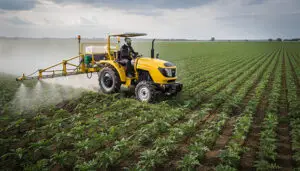
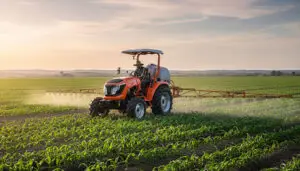
A agricultura de precisão está na vanguarda da moderna tecnologia de tratores Com sistemas de orientação GPS, sensores e análise de dados, os tratores agora podem executar tarefas precisas, otimizando tudo, desde o plantio até a colheita.
O advento dos tratores autônomos representa uma mudança de paradigma na agricultura Essas máquinas autônomas podem operar 24/7, aumentando significativamente a eficiência e reduzindo os custos trabalhistas.
A sustentabilidade é uma preocupação primordial na agricultura Os tratores modernos são cada vez mais alimentados por combustíveis alternativos e até eletricidade, minimizando sua pegada ambiental.
A IA e o aprendizado de máquina estão revolucionando a tecnologia de tratores agrícolas Essas tecnologias permitem que os tratores tomem decisões em tempo real, se adaptem às mudanças nas condições e otimizem as operações agrícolas.
Os tratores modernos podem integrar-se perfeitamente a uma ampla gama de implementos inteligentes, desde plantadores até colheitadeiras Essa integração agiliza os processos agrícolas, reduzindo o tempo de inatividade e aumentando a produtividade.
Os agricultores podem agora monitorizar e gerir remotamente os seus tratores utilizando sistemas telemáticos. Isto não só aumenta a eficiência operacional, mas também facilita a manutenção preditiva, reduzindo avarias dispendiosas.
Tratores equipados com tecnologia de taxa variável podem ajustar com precisão as taxas de aplicação de insumos com base em dados em tempo real, garantindo que recursos como fertilizantes e pesticidas sejam usados de maneira ideal.
A tecnologia avançada dos motores e os controlos das emissões reduziram significativamente as emissões de carbono dos tratores, contribuindo para um setor agrícola mais ecológico e sustentável.
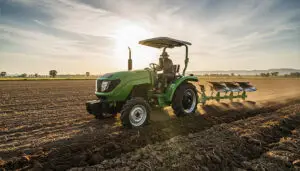
Tratores com capacidade de plantio direto e de plantio direto minimizam a perturbação do solo, previnem a erosão e promovem a saúde do solo Eles também apoiam práticas de conservação, como o cultivo de cobertura.
Os tratores agrícolas agora fazem parte da revolução do big data na agricultura Eles coletam e analisam grandes quantidades de dados sobre a qualidade do solo, condições climáticas e saúde das culturas, permitindo a tomada de decisões orientada por dados.

O futuro promete frotas de tratores autônomos interconectados trabalhando em harmonia, aumentando a eficiência e reduzindo a necessidade de intervenção humana.
À medida que as alterações climáticas desafiam a agricultura, os tratores desempenharão um papel vital na adoção de práticas sustentáveis que tornem as explorações agrícolas mais resilientes às mudanças ambientais.
Com o aumento da conectividade, os tratores são suscetíveis a ameaças cibernéticas A indústria precisará se concentrar em medidas robustas de segurança cibernética para proteger equipamentos e dados agrícolas.
A agricultura de precisão envolve o uso da tecnologia para otimizar as práticas agrícolas Os tratores contribuem usando GPS, sensores e análise de dados para executar tarefas com precisão, reduzindo o desperdício de recursos e aumentando a eficiência.
Tratores autônomos dependem de sensores, GPS e IA para realizar tarefas sem intervenção humana Eles oferecem benefícios como operação 24 horas por dia, 7 dias por semana, redução de custos trabalhistas e aumento da eficiência.
A inteligência artificial permite que os tratores tomem decisões baseadas em dados, se adaptem às mudanças nas condições e otimizem as operações agrícolas. Aumenta a eficiência e a produtividade.
Os tratores modernos reduzem as emissões através de tecnologia avançada de motores e apoiam a saúde e a conservação do solo com recursos como capacidade de plantio direto e de plantio direto Eles também promovem a eficiência dos recursos por meio da agricultura de precisão.
O futuro da tecnologia de tratores agrícolas inclui frotas autônomas, maiores esforços de sustentabilidade e medidas de segurança cibernética Os tratores desempenharão um papel crucial na abordagem dos desafios climáticos e na garantia de práticas agrícolas eficientes e conectadas.
Em conclusão, a tecnologia de tratores agrícolas percorreu um longo caminho desde suas origens humildes, e continua a moldar o futuro da agricultura Essas inovações não estão apenas aumentando a eficiência e a produtividade, mas também promovendo a sustentabilidade e a resiliência diante de um mundo em mudança À medida que a tecnologia continua avançando, o papel dos tratores agrícolas na agricultura moderna continuará sendo central para alimentar uma população global crescente, preservando nosso planeta.
-1.png)