E-mail: [email protected] Whatsapp: +8618266768780
E-mail: [email protected] Whatsapp: +8618266768780

Bem-vindo ao meu blog!
Antes de mergulharmos no conteúdo, adoraria que você se juntasse a mim nas minhas plataformas de mídia social, onde compartilho mais insights, interajo com a comunidade e posto atualizações. Veja como você pode se conectar comigo:
Facebook: https://www.facebook.com/profile.php?id=100072217509763
LinkedIn: https://www.linkedin.com/company/74949059/admin/dashboard/
YouTube:https://www.youtube.com/@tractormanufacturer-lc5qz
TikTok: https://www.tiktok.com/@tractormanufacturer
Agora, vamos começar nossa jornada juntos. Espero que você ache o conteúdo aqui perspicaz, envolvente e valioso.

No mundo da agricultura, o trator se destaca como um símbolo de eficiência e produtividade Um trator na fazenda é mais do que apenas uma máquina; é uma ferramenta versátil que simplifica as tarefas diárias, aumenta a produtividade e garante que as operações agrícolas funcionem sem problemas Se você é um agricultor de pequena escala ou uma grande empresa agrícola, entender como um trator pode transformar seu trabalho diário é essencial Este guia abrangente explorará as várias maneiras pelas quais um trator na fazenda simplifica as tarefas diárias, destacando suas principais características, aplicações práticas e os benefícios que traz para a agricultura moderna.
Um trator na fazenda é projetado para lidar com uma ampla gama de tarefas, desde arar e cultivar até o transporte de materiais e operar vários acessórios Sua versatilidade o torna uma ferramenta indispensável para os agricultores que procuram agilizar suas operações e melhorar a eficiência Ao entender as principais características e capacidades de um trator, você pode apreciar melhor como ele simplifica o trabalho diário na fazenda.
Ao considerar um trator para sua fazenda, vários recursos-chave devem ser avaliados para garantir que ele atenda às suas necessidades específicas Esses recursos incluem
Um trator na fazenda deve ter potência suficiente para lidar com tarefas pesadas, como arar, puxar reboques e operar acessórios Os motores de alto torque garantem que o trator possa funcionar com eficiência, mesmo em condições desafiadoras.
Uma das principais vantagens de um trator na fazenda é sua versatilidade. Com uma ampla gama de acessórios, como arados, cultivadores e cortadores, um trator pode realizar múltiplas tarefas, reduzindo a necessidade de equipamentos adicionais.
Os tratores modernos são projetados com controles amigáveis e assentos ergonômicos, tornando-os confortáveis e fáceis de operar Isso reduz a fadiga e aumenta a produtividade, especialmente durante longas horas de trabalho.
Um trator na fazenda deve ser construído para suportar os rigores do uso diário Procure modelos com construção robusta e componentes confiáveis que possam lidar com as demandas do trabalho agrícola.
A eficiência de combustível é uma consideração importante, especialmente para operações em larga escala Um trator na fazenda com alta eficiência de combustível pode reduzir significativamente os custos operacionais ao longo do tempo.
Um trator na fazenda é usado em uma variedade de aplicações em diferentes operações agrícolas Algumas das aplicações mais comuns incluem
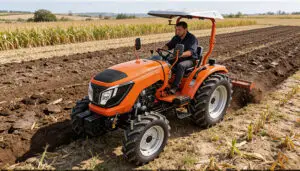
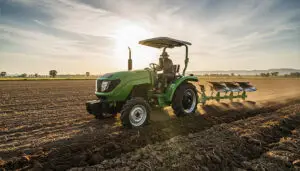
Um dos principais usos de um trator na fazenda é arar e cultivar o solo. Isso prepara a terra para o plantio, quebrando o solo compactado e criando sulcos para as sementes.
Com os anexos certos, um trator na fazenda pode ser usado para o plantio e semeadura de culturas Isso garante que as sementes sejam plantadas na profundidade e espaçamento corretos, melhorando as taxas de germinação e o rendimento das culturas.
Durante a época de colheita, um trator na exploração pode ser equipado com acessórios como colheitadeiras e reboques para recolher e transportar culturas, Isso agiliza o processo de colheita e reduz os custos de mão-de-obra.
Um trator na fazenda pode ser usado para transportar materiais pesados, como fardos de feno, fertilizantes e equipamentos Sua capacidade de reboque o torna uma ferramenta eficiente para mover grandes cargas ao redor da fazenda.
Um trator na fazenda também pode ser usado para tarefas de manutenção, como cortar, aparar e limpar áreas cobertas de vegetação Isso ajuda a manter a fazenda com aparência arrumada e reduz o risco de infestações de pragas.
Para proporcionar uma compreensão mais clara das especificações dos tratores e das suas capacidades, o quadro seguinte resume as informações fundamentais:
| Recurso | Especificação |
|---|---|
| Poder do motor | 50 200 HP |
| Peso operacional | 1.000 5.000 kg |
| Capacidade de reboque | 1.000 5.000 kg |
| Tipo de combustível | Diesel, Gasolina |
| Anexos | Arado, Cultivador, Cortador, Reboque |
| Design de cabine | Fechado, controlado pelo clima |
| Eficiência do combustível | Alto (varia de acordo com o modelo) |
Esta tabela destaca as principais características dos tratores na exploração agrícola, enfatizando a sua versatilidade e adequação para uma vasta gama de aplicações.


A utilização de um tractor na exploração agrícola oferece vários benefícios que o tornam uma ferramenta essencial para a agricultura moderna Estes benefícios incluem
Um trator na fazenda pode executar várias tarefas com a ajuda de vários anexos, reduzindo a necessidade de equipamentos e mão de obra adicionais Isso aumenta a eficiência geral e a produtividade na fazenda.
Ao automatizar muitas tarefas, um trator na fazenda reduz a quantidade de trabalho manual necessário Isso pode levar a economias de custos significativas, especialmente para operações em larga escala.
Com plantio preciso e colheita eficiente, um trator na fazenda pode contribuir para maiores rendimentos das culturas Isso garante melhores retornos sobre o investimento e maior lucratividade para os agricultores.
Os tratores modernos vêm equipados com recursos avançados de segurança, como sistemas de proteção contra capotamento (ROPS), cintos de segurança e interruptores de parada de emergência Esses recursos ajudam a proteger os operadores e reduzir o risco de acidentes.
Um trator na fazenda é construído para durar Com construção robusta e componentes confiáveis, ele pode suportar os rigores do uso diário, garantindo desempenho a longo prazo e tempo de inatividade mínimo.
Selecionar o trator certo para sua fazenda envolve entender suas necessidades específicas e escolher um modelo que atenda a esses requisitos Considere os seguintes fatores ao tomar sua decisão:
Determine o tamanho de sua fazenda e a escala de suas operações Fazendas maiores podem exigir tratores mais potentes e com maiores capacidades de reboque, enquanto fazendas menores podem se beneficiar de modelos mais compactos.
Considere as tarefas que você precisa executar e os anexos que você usará Certifique-se de que o trator que você escolher seja compatível com os acessórios que você planeja usar para tarefas como arar, plantar e colher.
Avalie seu orçamento e procure um trator que ofereça o melhor valor pelo seu dinheiro Considere tanto o preço de compra inicial quanto os custos operacionais de longo prazo, incluindo eficiência de combustível e manutenção.
Escolha uma marca respeitável com um forte histórico de qualidade e confiabilidade Certifique-se de que o fabricante ofereça um bom suporte pós-venda, incluindo garantias, redes de serviços e disponibilidade de peças de reposição.
Procure um trator com alta eficiência de combustível para reduzir os custos operacionais Os tratores modernos geralmente vêm com motores avançados que oferecem melhor economia de combustível sem comprometer a potência.

À medida que a tecnologia continua a avançar, os tratores na fazenda estão se tornando mais sofisticados e eficientes Inovações em tecnologia de motores, automação e agricultura inteligente estão aprimorando as capacidades dos tratores, tornando-os ainda mais valiosos para as operações agrícolas modernas Ao se manterem informados sobre esses avanços, os agricultores podem escolher tratores que atendam às suas necessidades atuais e, ao mesmo tempo, estarem preparados para desenvolvimentos futuros.
Um trator na fazenda é uma ferramenta versátil e essencial que simplifica o trabalho diário, aumenta a produtividade e garante operações eficientes. Sua potência, versatilidade e durabilidade o tornam um investimento valioso para agricultores de todas as escalas.
Se você está procurando investir em um trator de alta qualidade ou precisa de assistência com personalização, Contate-Nos hoje Nossa equipe de especialistas irá guiá-lo através das opções e ajudá-lo a escolher o trator perfeito para suas necessidades específicasAprimore suas operações agrícolas com nossas soluções de tratores superiores e experimente os benefícios da moderna tecnologia agrícola.
Um trator agrícola é usado para uma variedade de tarefas, incluindo arar, cultivar, plantar, semear, colher, transportar materiais e realizar manutenção. Sua versatilidade o torna uma ferramenta essencial para as operações agrícolas modernas.
Um trator na fazenda simplifica o trabalho diário ao automatizar muitas tarefas, reduzindo a necessidade de trabalho manual e aumentando a eficiência geral. Com a ajuda de diversos acessórios, um trator pode realizar múltiplas tarefas, reduzindo a necessidade de equipamentos adicionais.
As principais características de um trator agrícola incluem potência e desempenho, versatilidade, facilidade de operação, durabilidade e economia de combustível. Essas características garantem que o trator possa lidar com uma ampla gama de tarefas com eficiência e confiabilidade.
Considere fatores como tamanho da fazenda, tarefas e acessórios, orçamento, marca e suporte, e eficiência de combustível. Compreender esses fatores ajudará você a selecionar um trator que atenda às suas necessidades específicas e ofereça o melhor custo-benefício.
O uso de um trator na fazenda oferece diversos benefícios, incluindo maior eficiência, redução de custos com mão de obra, maior produtividade, maior segurança e durabilidade a longo prazo. Esses benefícios tornam o trator uma ferramenta essencial para as operações agrícolas modernas.
-1.png)