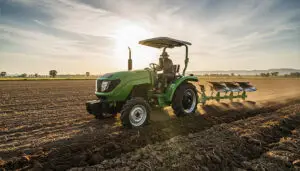
Atualizar um Trator em uma operação estabelecida não é apenas mais potência É sobre escolher um Trator Agrícola que se encaixa multi-implemento, carga de trabalho de todas as estações sem gargalos Farmmatching PTO power, fluxo hidráulico, categoria de engate, transmissão e emissões para os trabalhos que você executa todos os meses.
Se sua área cultivada cresceu, seus implementos ficaram mais pesados ou o tempo de inatividade da hidráulica pouco inspecionada queimou muitos fins de semana, um Farm Tractor cuidadosamente selecionado pode retornar horas à sua estação e reduzir o custo total de propriedade A chave é pensar em sistemas: o Farm Tractor, suas velocidades de PTO, hidráulica e SCVs, circuito de carregadeira, pneus e lastro, e os acessórios dos quais você depende.
Abaixo, detalhamos as decisões de especificações importantes para fazendas maduras, com exemplos reais, referências confiáveis e uma lista de verificação prática que você pode levar para uma demonstração.
Principais conclusões
Comece com tarefas, não modelos: liste seus implementos e confirme qual PTO HP, velocidade PTO (540/1000), GPM/SCVs hidráulicos e categoria de engate eles exigem.
Trate a PTO HP como o número correspondente: os requisitos de implementação são baseados na PTO HP, que é menor que a HP do motor.
Para fazendas multiimplementos, a faixa de 600 HP (com um forte argumento para um trator agrícola de 90 HP) cobre o corte de feno, enfardamento, trabalho de carregadeira e preparo leve de forma eficiente.
A tomada de força de velocidade dupla (540/1000) e a tomada de força econômica (540 E) ampliam a gama útil do seu Farm Tractor ao longo das estações.
A produtividade do carregador depende do fluxo hidráulico e da contagem de SCV; o plano para 2 G3 SCVs traseiros e 16 SCVs 42 PM fluxo combinado em unidades utilitárias.
Pneus mentais, lastro e inflação para minimizar a compactação e maximizar a tração.
Conheça seu sistema de emissões (Tier 4 Final/Stage V) e comportamento de regeneração; gerencie DEF e serviço para evitar tempo de inatividade.
Avalie suas cargas de trabalho antes de escolher um Trator Agrícola
As necessidades de uma fazenda madura mudam ao longo do ano: preparo do solo na primavera, cortador-condicionador no verão, enfardamento no final do verão/início do outono e trabalho de carregadeira/transporte após a colheita e durante o inverno O Trator Agrícola certo começa com um mapa claro de tarefas de acordo com as especificações.
Aqui está um instantâneo pragmático de tarefa → especificação que você pode usar para pré-combinar um Farm Tractor com seus implementos:
Tarefa primária
Implemento típico
Trator PTO HP (típico)
Velocidade da tomada de força
Hidráulica e SCVs (típicos)
Categoria engate
Preparo leve (disco de 10012 pés)
grade de discos
600 PTO HP
N/A (barra de tração)
1 SCV traseiro se o ângulo ajustar
Gato II
Corte de feno (913 pés MoCo)
Cortador-condicionador
85 100 PTO HP
1000 RPM
≥1 SCV traseiro para inclinação/altura; GPM por OEM
Para cortador-corretor, a documentação do revendedor para o Discbine 312/316 da New Holland indica 855 PTO 100 PTO HP e 1000 RPM PTO; consulte seu manual de implementos específicos para contagens e vazões remotas hidráulicas.
Dica: Se você está alternando rotineiramente entre cortar a 1000 RPM e enfardar a 540 RPM, considere um Trator Agrícola com tomada de força de dupla velocidade Se você também fizer dias longos e leves de corte ou pulverização, o 540 E (Economy PTO) pode cortar combustível e ruído, mantendo a velocidade do eixo.
Potência, tomada de força e motor: o que realmente impulsiona o trabalho em um trator agrícola
A potência do motor não é a mesma que a potência da tomada de força As perdas da linha de transmissão significam que o PTO HP é normalmente 100201TP3 T menor que o HP do motor e implementam requisitos de publicação dos fabricantes contra o PTO HP. Esse é o valor a corresponder.
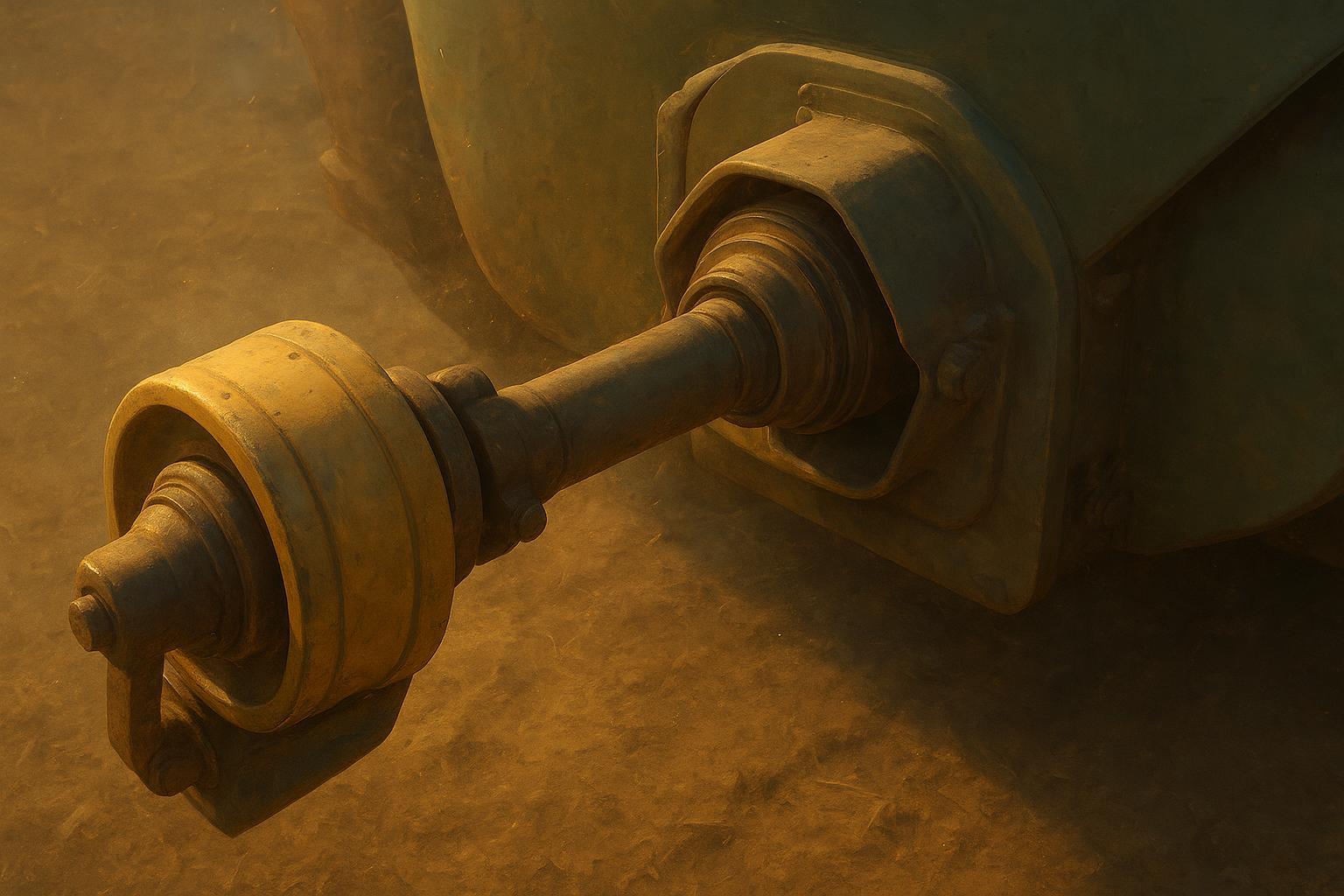
velocidades e opções de tomada de força em um trator agrícola:
540 RPM: comum para cortadores, enfardadeiras menores, brocas.
1000 RPM: típico para cortadores-condicionadores e implementos de maior rendimento.
540 E (Economy PTO): oferece velocidade de eixo 540 a RPM mais baixas do motor, útil para cargas leves e contínuas onde as reduções de combustível, ruído e vibração são importantes.
Primers oficiais explicando a velocidade da tomada de força, PTO HP vs motor HP e por que as questões de correspondência incluem o 2026 guia de alimentação PTO do trator e o 2024 Tabela de potência agrícola mundial FM. Tratores maiores podem oferecer várias velocidades de tomada de força (por exemplo, 540/540 E/1000/1000 E); escolha com base em sua mistura de implementos.
Experimento de pensamento de correspondência de amostra: Se o seu Farm Tractor tiver uma classificação de 90 HP do motor e tiver cerca de 75 PTO HP, emparelhá-lo com um 99 ft mower-condicionador de 1 ft que precisa de 85 PTO HP pode ser; uma unidade de 1213 ft provavelmente requer uma unidade de 1000 RPM PTO e mais próxima de 900100 PTO HP Verifique sempre no manual do implemento.
Hidráulica, SCVs e categorias de engate: a força vital de um trator agrícola
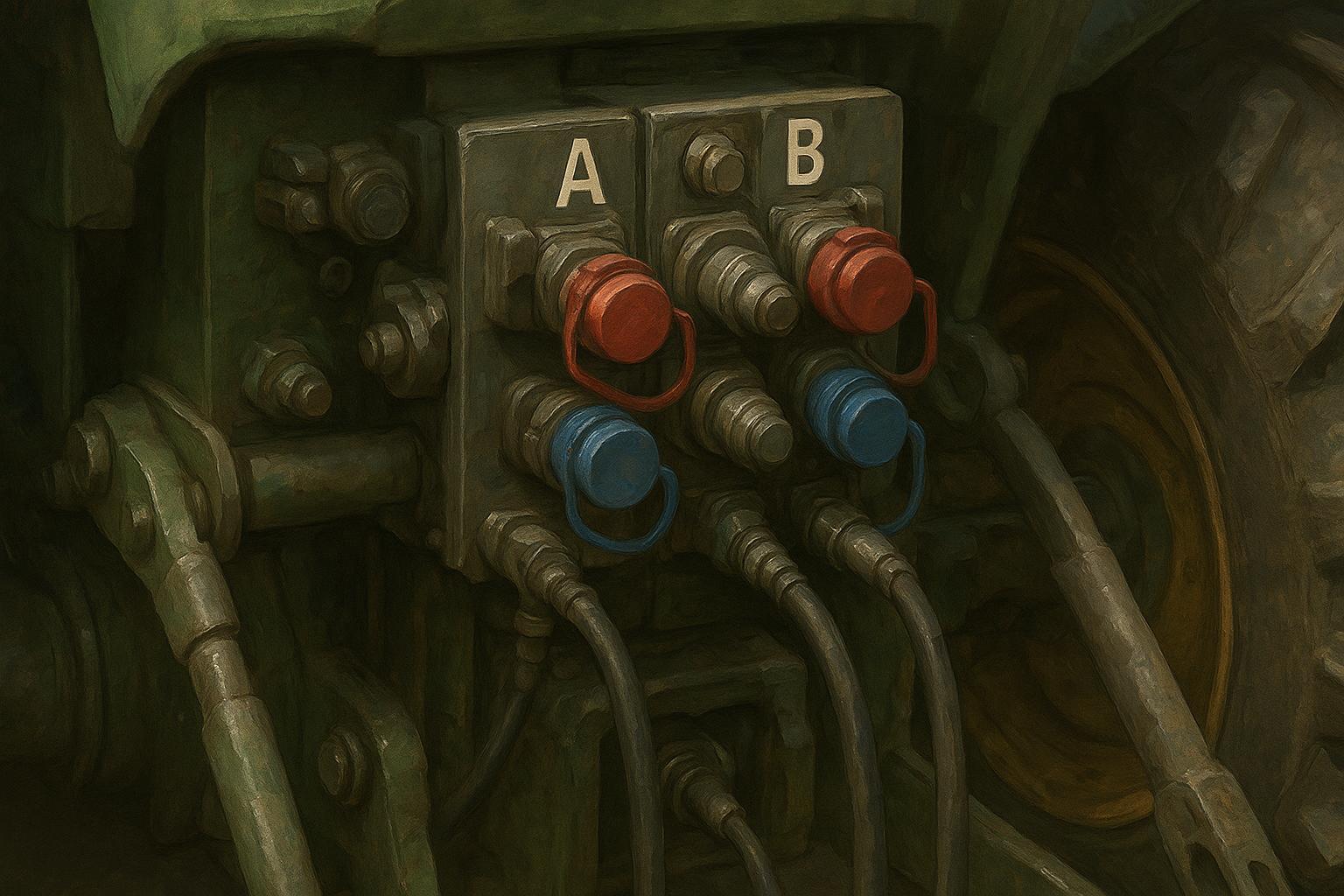
Produtividade do carregador e conveniência multi-implemento viver e morrer por fluxo hidráulico e o número de válvulas de carretel que você tem disponíveis.
Fluxo hidráulico Utility Farm O desempenho do carregador do trator geralmente se beneficia de ~16 e pressão de trabalho: fluxos combinados de 4 GPM (implemento mais direção) pressões em torno de ~2800 PSI. Folhetos do carregador, como a série Q da Quicke, oferecem expectativas de estádio para tempos de ciclo e demandas de fluxo.
Contagem SCV: Planeje para 2 SCVs traseiros 3 se você executar uma mistura de enfardadeiras, cortadores-condicionadores ajustados hidraulicamente, garras ou funções de topo/inclinação Muitos implementos operam bem em fluxos modestos (alguns agarram em torno de ~ 5 GPM), mas ter portas disponíveis evita a troca constante do acoplador.
Categorias de engate: A maioria dos tratores utilitários de fazenda madura fica na Categoria II; implementos mais pesados podem entrar no Cat III. Confirme tamanhos de pinos, espaçamento e capacidades de elevação ao lado da HP.
Para uma visão mais profunda do emparelhamento de carregadeiras com a hidráulica correta do Farm Tractor, este explicador neutro adiciona contexto: guia de emparelhamento de trator e carregador.
Transmissão e produtividade do operador em Trator Agrícola
A escolha da transmissão molda o conforto durante todo o dia e os padrões de uso de combustível.
Engrenagem ou power-shuttle: Eficiente para tarefas pesadas de barra de tração e velocidades de campo previsíveis, bom para preparo do solo e tração.
Powershift: Adiciona conveniência com alterações na proporção em movimento; útil quando as condições de campo variam.
CVT/IVT: O controle contínuo brilha para o trabalho do carregador, cortando obstáculos e gerenciamento preciso da velocidade Pode reduzir a fadiga do operador, mas pode custar mais e ter perdas parasitárias ligeiramente maiores.
Decida por suas tarefas dominantes Se os ciclos de carregadeira e as mudanças frequentes de velocidade são sua realidade, CVT/IVT ou um powershift robusto podem pagar Se você estiver principalmente puxando e lavando, uma engrenagem bem especificada ou trator agrícola de ônibus hidráulico continua difícil de vencer.
Pneus, lastro e pressão no solo: protegendo o solo enquanto seu Trator Agrícola funciona
A escolha do pneu e a estratégia de lastro determinam quanta potência você realmente coloca no chão e quanta compactação você deixa para trás A orientação de extensão ressalta a importância da inflação e do ajuste do lastro.
Nota de engenharia da Universidade de Kentucky sobre lastro adequado e inflação dos pneus (AEN-93) especifica alvos de deslizamento e cálculos de lastro para tração sem danos excessivos ao solo.
As páginas de tecnologia da indústria (Michelin, CEAT) enfatizam a redução das pressões de campo sobre pneus radiais e IF/VF para aumentar a pegada e, em seguida, aumentar as pressões para o transporte rodoviário. Veja as orientações da Michelin sobre gestão da pressão dos pneus do trator e a visão geral da CEAT Specialty sobre tração vs flotação.
Regra prática para deslizamento controlado das rodas (cerca de 10: Aim5% em MFWD/4) com lastro apropriado. Resíduos de lastro excessivo; o lastro inferior aumenta o deslizamento e o tempo.
Emissões e manutenção: o que significam Tier 4 Final e Estágio V para o seu Trator Agrícola
Os motores modernos Farm Tract na América do Norte (Tier 4 Final) e na Europa (Estágio V) usam o pós-tratamento SCROC/DPF e muitas vezes DEF. Conheça seu comportamento de regeneração e manuseio DEF para que seu trator continue funcionando quando você precisar.
Regen 101: Regens passivos, ativos e estacionados são comportamentos normais; siga o manual do operador e mantenha as cargas de trabalho apropriadas durante os regens ativos.
gerenciamento de DEF: Armazene o DEF corretamente, mantenha-o limpo e planeje o manuseio no inverno.
Nota regulatória: Em 2025, a EPA atualizou os cronogramas de indução relacionados a mau funcionamento do sistema DEF, ajustando os períodos de carência antes das desclassificações de energia Veja a visão geral em Resumo da atualização de 2025 da DieselNet.
Para o contexto do sistema do motor, os folhetos do motor OEM explicam as arquiteturas de pós-tratamento de forma ampla; consulte o manual do seu trator para procedimentos específicos do modelo.
Complementos de telemática e precisão: quando pagam em um Trator Agrícola
Telemática e tecnologia de precisão fornecem ROI através de sobreposições reduzidas, manutenção preventiva e melhor uso de insumos Fazendas maduras geralmente veem valor dentro de 3 anos quando acres e complexidade de tarefas justificam isso.
A orientação do GNSS reduz a sobreposição e o uso de combustível; RTK melhora a repetibilidade entre passes.
O serviço conectado ajuda a agendar a manutenção antes de falhas, reduzindo o tempo de inatividade.
A aplicação de taxas variáveis e o registro de dados aprimoram as decisões sobre sementes, fertilizantes e uso de produtos químicos.
Análises do mercado industrial e páginas de conectividade do fabricante descrevem caminhos e benefícios de modernização; trate as faixas de ROI como direcionais e valide em seus campos.
Estudos de caso de atualização do mundo real: como uma especificação do Farm Tractor compensa
Caso 1 Forragem mista 70HP 90HP e caixa leve (120 ha)
Situação: Uma operação madura executa um 4×5 (540 RPM), 12 ft um 12 ft mower-condicionador (1000 RPM), e um 10 ft disco 12 ft A unidade de 70 HP lutas em colinas e tempos de ciclo do carregador.
Decisão: Pise para um trator agrícola de 90 HP com tomada de força de dupla velocidade (540/1000), ~ 75 PTO HP, 3 SCVs traseiros, engate de categoria II e hidráulica combinada de ~ 20 GPM.
Resultado: O MoCo mais rápido passa a 1000 RPM, funções de porta traseira/envoltório da enfardadeira em SCVs separados e tempos de ciclo da carregadeira que mantêm a colheita em movimento Os pneus são ajustados para diminuir a pressão de campo no solo de feno e depois arejados para movimentos de estrada.
Caso 2 (60 ha) Exploração leiteira (60 ha)
Situação: Trabalho diário do carregador, 6 A compactação diária do carregador ft rotative corta ocasional enfardamento A compactação do solo em torno das almofadas de alimentação.
Decisão: Um trator agrícola de ~48 HP com 5 PTO HP, SCVs de 60 HP, joystick, pneus VF radiais e lastro cuidadosamente ajustado.
Resultado: Ciclos de carregadeira confiáveis, trabalho de cortador estável a 540 RPM e menor compactação graças à escolha do pneu e à disciplina de inflação Se você estiver navegando em um trator agrícola à venda com especificações semelhantes, verifique a contagem de PTO HP e SCV para evitar surpresas na entrega.
Caso 3 Microexemplo usando QiLU (divulgação abaixo)
Divulgação: QiLU é o nosso produto.
Situação: Uma fazenda madura consolida as tarefas de feno e carregadeira em uma unidade.
Configuração: Um trator agrícola diesel de 90 HP configurado com PTO de dupla velocidade (540/1000), três SCVs traseiros, engate de categoria II e hidráulica pronta para carregadeira.
Por que funciona: a tomada de força de velocidade dupla suporta cortador-condicionador a 1000 RPM e enfardadeira a 540 RPM; 3 SCVs evitam linhas de troca; Cat II cobre implementos utilitários típicos; a hidráulica mantém os ciclos do carregador nítidos. Explore as considerações de configuração neste recurso neutro trator agrícola diesel com seleção de tomada de força e carregadeira.
Lista de verificação de demonstração e compra no local para um trator agrícola
Traga esta pequena lista de verificação para sua próxima demonstração Isso transforma um test drive em uma decisão.
Implementos: Confirme os requisitos da PTO HP para cada (baler, MoCo, cortador) e a velocidade da PTO de que necessitam Se você estiver se movendo de um trator agrícola pequeno para uma máquina de uso médio, revisite a categoria de engate e a capacidade de elevação.
Hidráulica: Meça os tempos de ciclo do carregador e verifique o GPM combinado; conte SCV (objetivo a 2 GPM combinados).
Engate: verifique a categoria (II/III), a capacidade de elevação e a estabilidade com seu implemento mais pesado.
Transmissão: Teste o trabalho do carregador versus sensação de preparo do solo; compare CVT/IVT com engrenagem/power-shuttle em suas tarefas.
Pneus e lastro: verifique as práticas de inflação, pesos de lastro e metas de deslizamento das rodas.
Emissões: Pergunte sobre o comportamento regen, armazenamento/uso DEF e intervalos de serviço.
Telemática: revise as opções de conectividade, registro de dados e suporte a serviços.
60 H 90 H diesel Farm Tractor (trator agrícola) (instantâneo) de TCO
Item
Trator agrícola de 60 HP
Trator agrícola de 90 HP
Preço de compra (EUA, indicativo)
~11T15kTP4TP4T35k
~1T29kTP4TP4T45k
PTO HP (típico)
~4855 PTO HP
~7280 PTO HP
Uso de combustível (lightheavy)
~2 gal/h
~3.5 gal/h
Engate e tomada de força sugeridos
Gato I; 540/40E
Gato II; 540 e/ou 540/1000
SCVs e fluxo (utilitário)
112 SC; ~18 GPM combinados
2 3 SC; ~24 GPM combinados
Cargas de trabalho típicas
Carregadeira, cortadores de 7 pés AT6, enfardadeira pequena
9 3 pés MoCo, 45 ×6 enfardadeira, mais pesada
Os números são indicativos; verifique em relação às listagens de revendedores e manuais do operador Para obter informações básicas sobre hidráulica do carregador, consulte folhetos como a série Q da Quicke; para correspondência de tomada de força, confie nos manuais de implementação e no explicador de tomada de força mencionado acima.
Vídeo: Segurança de tomada de força e melhores práticas em um trator agrícola
Legenda: Uma visão geral educacional dos conceitos de segurança e proteção da tomada de força Sempre siga seus manuais de implemento e Trator Agrícola para procedimentos específicos.
Perguntas frequentes sobre a escolha de um Trator Agrícola
Qual é a diferença entre o motor HP e PTO HP em um Trator Agrícola? motor HP é a potência na manivela; PTO HP é a potência utilizável no eixo PTO após perdas na linha de transmissão Os implementos especificam PTO HP que para correspondência.
Preciso de uma tomada de força de velocidade dupla (540/1000) em um trator agrícola para feno? Se você executar um cortador-condicionador que requer 1000 RPM e uma enfardadeira a 540 RPM, a tomada de força de velocidade dupla economiza tempo e amplia a compatibilidade do implemento.
Quantos SCVs um Trator Agrícola de fazenda madura deve ter? Planeje 2 SCVs traseiros de 3 para acomodar enfardadeiras, cortadores de grama, garras e parte superior/inclinação ajustados hidraulicamente sem troca constante de mangueira.
Engrenagem vs CVT/IVT: qual transmissão é melhor em um Trator Agrícola? para trabalhos pesados de barra de tração, a engrenagem/power-shuttle brilha Para tarefas de carregador e precisão, CVT/IVT reduz a fadiga e melhora o controle de velocidade.
Qual é a melhor maneira de gerenciar a compactação com um Trator Farm? use pneus radiais IF/VF em pressões de campo mais baixas, ajuste o lastro e deslizamento da roda controlada pelo alvo (cerca de 100 151TP3 T MFWD/4 WD).
O que devo saber sobre as emissões em um Trator Agrícola moderno? entenda os ciclos de regeneração do DPF, armazene e manuseie o DEF corretamente e siga os cronogramas de manutenção; consulte a atualização de 2025 da DieselNet para mudanças no tempo de indução.
A telemática vale a pena em um Trator Agrícola para uma fazenda madura? quando os acres e a complexidade da tarefa são altos, a telemática pode reduzir a sobreposição, evitar falhas e melhorar as decisões de entrada; valide o ROI em seus campos.
Escrito por um engenheiro e consultor de máquinas agrícolas que aconselha os operadores sobre seleção de especificações, correspondência de implementação e planejamento de tempo de atividade na América do Norte e na Europa.
Shandong Qilu Industrial Co., Ltd. é um fabricante e exportador profissional que integra o desenvolvimento e produção de escavadeiras, carregadeiras e tratores. Nós fornecemos o melhor serviço, absolutamente.




-1.png)