E-mail: [email protected] Whatsapp: +8618266768780
E-mail: [email protected] Whatsapp: +8618266768780


Escolher o Trator Agrícola certo impacta diretamente sua produtividade e eficiência no campo Você precisa de equipamentos que ofereçam desempenho confiável e que resistam às demandas diárias Muitos agricultores enfrentam desafios como problemas mecânicos, erros do operador e atrasos na manutenção, o que pode levar a avarias dispendiosas e tempo de inatividade não programado.
Selecionar o Trator Agrícola certo começa com a compreensão de sua área cultivada O tamanho de sua terra determina a potência e os recursos necessários Para pequenas parcelas, você pode operar com eficiência com um modelo compacto Fazendas maiores exigem mais energia e recursos avançados A tabela abaixo descreve potência recomendada com base na área cultivada:
| Faixa de área cultivada | Potência recomendada |
|---|---|
| 0-5 acres | 25-35 cv |
| 5-10 acres | Pelo menos 35 cv |
| 10-20 acres | 40 cv ou mais |
| 20-40 acres | 50-75 cv |
Por exemplo, se você gerencia uma horta de 4 acres, um trator de 30 cavalos de potência lida com o cultivo e o corte com facilidade Se você operar um campo de feno de 25 acres, você precisa pelo menos 50 cavalos de potência para puxar implementos maiores e cobrir o solo de forma eficiente Sempre combine a potência do seu trator com as demandas da sua terra para evitar mau desempenho ou desperdício de recursos.
O terreno desempenha um papel crítico na seleção do trator Você deve avaliar a paisagem antes de tomar uma decisão Considere as seguintes características do terreno que afetam significativamente o desempenho:
Se o seu terreno inclui declives acentuados ou colinas, priorize modelos com tração nas quatro rodas e estabilidade aprimorada Esses recursos ajudam você a manter o controle e a segurança durante a operação Em campos planos, você pode se concentrar na eficiência e velocidade, pois os modelos padrão têm um bom desempenho sem sistemas de tração extras.
O tipo de solo influencia tanto a produtividade quanto a longevidade do equipamento Campos úmidos ou rochosos apresentam desafios únicos A tabela abaixo explica como diferentes condições do solo impactam a escolha do trator e produtividade:
| Condição do Solo | Impacto na escolha e produtividade do trator |
|---|---|
| Solo úmido e pegajoso | Causa fiação e deslizamento excessivos, levando à compactação profunda do solo e danos ao desenvolvimento das culturas. |
| Capacidade de carga | Afeta a capacidade do solo de suportar o peso do trator; a baixa capacidade leva à compactação e à ineficiência operacional. |
| Solo bem drenado | Essencial para evitar compactação excessiva e garantir a operação eficaz das máquinas. |
Se você trabalha em campos molhados, escolha um trator com pneus mais largos ou esteiras para distribuir o peso e reduzir a compactação Para solo rochoso, selecione modelos com material rodante reforçado e pneus duráveis para suportar o impacto e minimizar o tempo de inatividade.
Operar em declives exige atenção extra à segurança e estabilidade, Você deve procurar tratores com centros de gravidade baixos e sistemas de frenagem confiáveis A tração nas quatro rodas melhora a tração nas inclinações e evita deslizamentos Avalie sempre as áreas mais íngremes de sua propriedade e selecione um trator que possa lidar com essas condições sem comprometer a segurança do operador.
Dica: ande em sua terra antes de comprar Identifique pontos úmidos, manchas rochosas e graus íngremes Esta abordagem prática garante que você escolha um trator que corresponda às suas necessidades do mundo real.
Escolhendo o certo Trator Agrícola para a sua operação significa entender as tarefas que você executa com mais frequência e os anexos que aumentam sua eficiência A QL Machinery oferece uma ampla gama de modelos, desde tratores compactos para pequenas parcelas até máquinas de alta potência para agricultura em larga escala Cada modelo suporta uma variedade de implementos, permitindo que você adapte seu equipamento às suas necessidades específicas.
Você conta com o seu Trator Agrícola para a preparação do solo A aragem e o cultivo são essenciais para criar canteiros ideais e melhorar a estrutura do solo Os tratores utilitários lidam com essas tarefas de forma eficiente em fazendas de médio porte, enquanto os tratores compactos se destacam em jardins e parcelas menores Você pode selecionar um modelo com base em sua área cultivada e na intensidade de seu trabalho no solo.
Dica: Combine a potência do seu trator com o tamanho e tipo de implemento que você planeja usar Isso garante resultados consistentes e evita desgaste desnecessário.
O transporte de materiais e a manutenção dos campos são requisitos diários Você usa seu trator para transportar culturas, mover ração e cortar pastagens Os tratores utilitários fornecem a resistência para transportar cargas pesadas, enquanto os modelos compactos são ideais para cortar e transportar levemente.
| Tipo de trator | Tarefas comuns | Melhor para |
|---|---|---|
| Tratores utilitários | Arar, cultivar, transportar | Fazendas de médio porte |
| Tratores de cultivo em linha | Agricultura de precisão para culturas em linha | Agricultura em linha em grande escala |
| Tratores Compactos | Jardinagem, corte, agricultura leve | Agricultores e proprietários de casas |
| Tratores Industriais | Levantamento pesado, condições robustas | Empreiteiros e manuseio de materiais |
| Tratores Jardim | Cuidados com o gramado, manutenção de pequenos jardins | Proprietários de casas com gramados grandes |
| Tratores especiais | Tarefas agrícolas únicas (por exemplo, pomares) | Agricultores com necessidades específicas |
Os acessórios transformam seu Trator Agrícola em uma máquina multifuncional Carregadeiras e retroescavadeiras expandem suas capacidades, permitindo que você mova o solo, cave trincheiras e manuseie materiais com facilidade A compatibilidade com esses implementos significa que você pode lidar com a construção, paisagismo e trabalhos agrícolas pesados sem investir em equipamentos separados.
Um estudo da Iowa State University descobriu que o uso de anexos especializados pode aumente a eficiência em até 40%, dependendo da tarefa e do tamanho da fazenda.
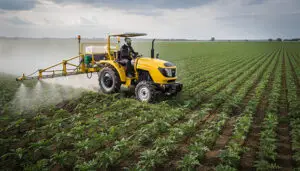
Semeadores e pulverizadores são vitais para o plantio e proteção de culturas Quando seu trator suporta esses anexos, você agiliza o plantio e garante a aplicação uniforme de fertilizantes e pesticidas Essa adaptabilidade é crucial para pequenas e médias fazendas, onde a maximização de recursos é essencial.
Nota: A compatibilidade com vários acessórios permite usar um trator para várias tarefas, minimizando a necessidade de máquinas adicionais Essa flexibilidade suporta o gerenciamento eficiente de recursos e reduz os custos operacionais.
| Tipo de anexo | Modelos de tratores compatíveis | Ganho de eficiência (%) |
|---|---|---|
| Carregador | Utilidade, Compacto | 30-40 |
| Retroescavadeira | Utilidade, Industrial | 35-40 |
| Semeador | Corte em linha, utilidade | 25-35 |
| Pulverizador | Corte em linha, utilidade | 30-40 |
Você pode trocar de anexo ao longo do ano para atender às necessidades sazonais. Por exemplo:
Os avanços tecnológicos, como os implementos guiados por GPS, aumentam ainda mais a eficiência, otimizando o uso de insumos e reduzindo o desperdício Para obter mais informações sobre acessórios de tratores e seus benefícios, visite Guia de acessórios de trator, extensão de estado Penn.
Chamada: Escolhendo os anexos e implementos certos é vital para aproveitar todas as capacidades do seu trator. Esta decisão impacta diretamente a produtividade e a eficiência em todas as tarefas agrícolas.
Ao entender suas necessidades operacionais e selecionar anexos compatíveis, você maximiza o valor do seu Trator Agrícola e garante que sua fazenda funcione sem problemas durante todo o ano.
Selecionando o potência certa para o seu Trator Agrícola é essencial para maximizar a produtividade e controlar os custos. Você deve considerar o tamanho da sua fazenda e a intensidade das suas tarefas diárias. A tabela a seguir fornece uma análise clara de faixas de potência recomendadas para diferentes tipos de tratores e tamanhos de fazendas:
| Tipo de trator | Faixa de potência |
|---|---|
| Tratores Subcompactos | 15 a 25 cv |
| Tratores utilitários compactos | 25 a 50 cv |
| Tratores utilitários | 50 a 100 cv |
| Tratores de alta potência | Mais de 100 cv |
Se você gerenciar uma pequena parcela de vegetais, um trator subcompacto com 20 cavalos de potência lida com corte e transporte leve de forma eficiente Para fazendas de médio porte, tratores utilitários compactos na faixa de 30 a 50 cavalos de potência suportam aração, cultivo e transporte moderado Operações em larga escala se beneficiam de tratores utilitários ou de alta potência, que fornecem a força necessária para tarefas pesadas, como preparo profundo e colheita em larga escala.
Muitas vezes você precisa de seu trator para realizar vários trabalhos ao longo do ano Multi-tarefa requer um equilíbrio entre potência e versatilidade Um trator com 50 a 100 cavalos de potência pode manusear uma grande variedade de implementos, desde carregadeiras a pulverizadores, sem sacrificar a eficiência Esta gama suporta tanto trabalho de campo como transporte, tornando-o ideal para explorações com necessidades diversas.
Dica: Escolha um trator com potência que corresponda à sua tarefa mais exigente Esta abordagem evita o desempenho insuficiente e reduz o consumo desnecessário de combustível.
A eficiência de combustível desempenha um papel importante nos seus custos operacionais. Os tratores a diesel oferecem maior eficiência de combustível e maior expectativa de vida, o que se traduz em economias significativas a longo prazo Você paga mais adiantado por um modelo a diesel, mas se beneficia de custos de manutenção mais baixos e melhor desempenho durante longas horas de trabalho de alta carga Os tratores a gás custam menos inicialmente e se adequam a tarefas mais leves, como manutenção de pomares ou operações de estufas, onde a flexibilidade e a fácil inicialização são importantes.
Entender como a potência afeta o consumo de combustível ajuda a gerenciar despesas Por exemplo, um trator a diesel de 180 cavalos de potência usa cerca de 7,92 galões de combustível por hora, custando aproximadamente $26.93 por hora a $3.40 por galão Quando você leva em consideração reparos, lubrificação e mão de obra, os custos operacionais totais chegam a $55.80 por hora A potência mais alta aumenta o uso de combustível e as despesas gerais, portanto, combinar a potência do seu trator com sua carga de trabalho é crucial.
Nota: Você pode encontrar mais informações sobre potência e eficiência do trator Extensão Penn State: Seleção e Operação de Tratores.
Escolher a potência e o tipo de combustível certos garante que seu trator ofereça desempenho confiável, mantendo os custos gerenciáveis Avalie o tamanho, a carga de trabalho e as metas de longo prazo de sua fazenda para tomar uma decisão informada que suporte sua produtividade.
Você precisa considerar o espaço de armazenamento antes de selecionar um trator Áreas de armazenamento limitadas exigem um planejamento cuidadoso. Tratores menores encaixe mais facilmente em galpões, garagens ou celeiros com acesso restrito Você evita o incômodo de reorganizar equipamentos ou construir novas instalações de armazenamento Aqui estão fatores importantes a avaliar:
A tabela abaixo compara os tamanhos dos tratores e os requisitos típicos de armazenamento:
| Tipo de trator | Comprimento (ft) | Largura (ft) | Altura (pés) | Espaço de armazenamento recomendado (pés quadrados) |
|---|---|---|---|---|
| Subcompacto | 8 | 4 | 6 | 40 |
| Utilitário compacto | 10 | 5 | 7 | 60 |
| Utilitário | 12 | 6 | 8 | 80 |
| Alta potência | 15 | 7 | 10 | 105 |
Dica: Meça sua área de armazenamento disponível antes de comprar Certifique-se de deixar espaço suficiente para manutenção e movimento seguro ao redor do Trator Agrícola.
Proteger seu trator do tempo estende sua vida útil Você deve armazenar seu equipamento dentro de casa ou sob um abrigo resistente A exposição à chuva, neve e sol pode danificar a pintura, pneus e sistemas elétricos Se o armazenamento interno não for possível, use tampas de alta qualidade e estacione em terreno elevado para evitar o acúmulo de umidade A proteção adequada contra o clima reduz os custos de manutenção e mantém seu trator pronto para o trabalho.
O tamanho do trator afeta diretamente a manobrabilidade Em áreas confinadas, como pomares ou vinhedos, um trator alto pode ter dificuldades para se mover com eficiência Os tratores mais curtos se destacam no trabalho de precisão em espaços apertados Você se beneficia de um raio de giro menor, que permite navegar em fileiras e obstáculos com facilidade A altura do trator também desempenha um papel; perfis mais baixos ajudam a evitar galhos e estruturas suspensas.
O conforto do operador e o controle influenciam a produtividade Os tratores modernos oferecem recursos que facilitam a operação e mais seguro:
Nota: Você aumenta a produtividade quando escolhe um trator com recursos fáceis de usar Essas melhorias ajudam você a trabalhar com eficiência e segurança.
Para mais dicas sobre como otimizar o armazenamento e a manobrabilidade do trator, visite Extensão da Universidade de Missouri (University of Missouri Extension) Seleção de trator.
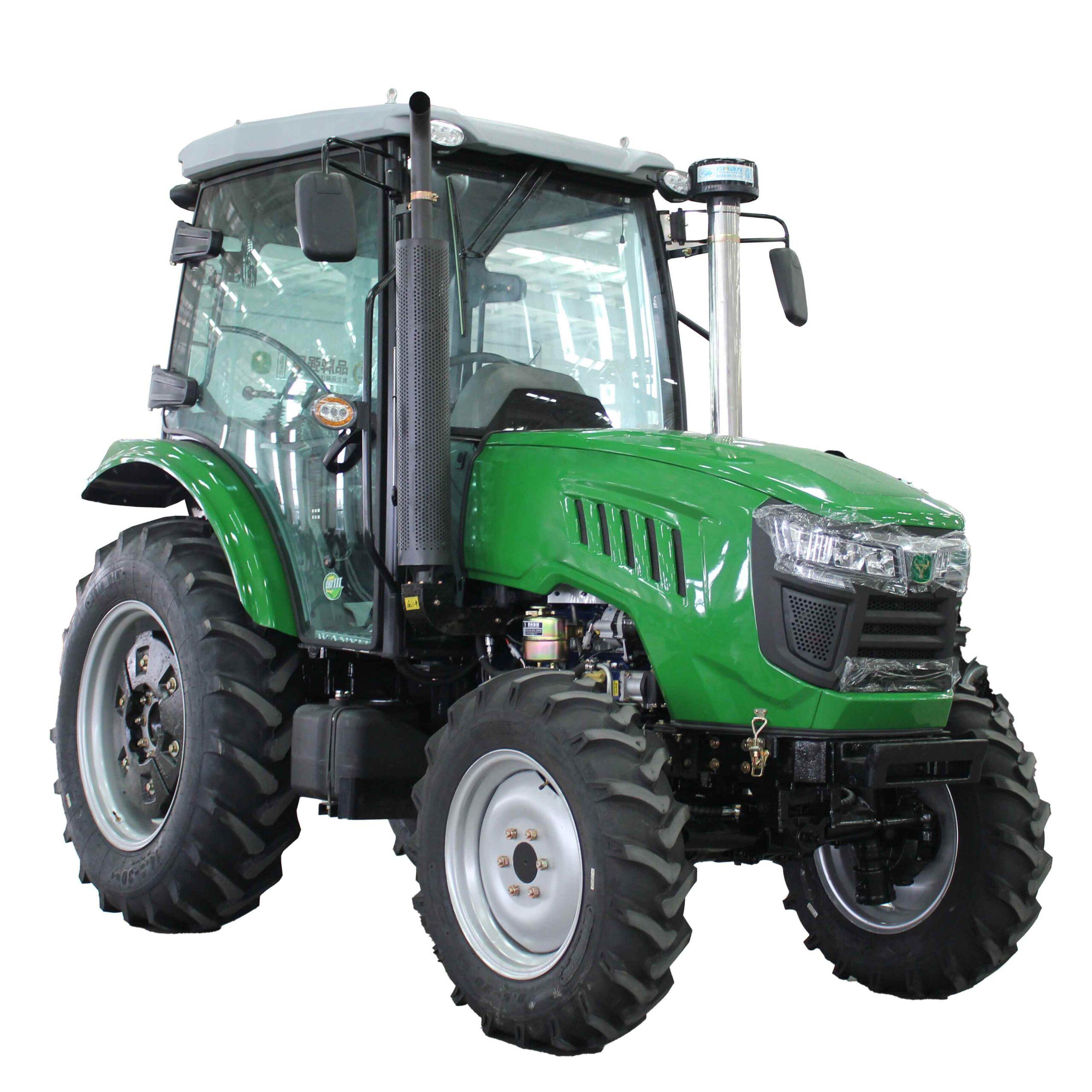
Quando você compara modelos de tratores agrícolas, você precisa avaliar as opções novas e usadas Cada escolha oferece vantagens e desafios distintos. Compreender essas diferenças ajuda você a tomar uma decisão que apoie a produtividade e as metas de longo prazo de sua fazenda.
A confiabilidade continua sendo uma das principais preocupações ao selecionar um trator. Tratores novos forneça tecnologia avançada, histórico de manutenção conhecido e suporte abrangente à garantia Os tratores usados geralmente vêm com custos iniciais mais baixos, mas você pode enfrentar problemas de manutenção desconhecidos e cobertura de garantia limitada. A tabela abaixo destaca os principais fatores de confiabilidade:
| Aspecto | Novos tratores | Tratores Usados |
|---|---|---|
| Custo inicial | Custo inicial mais alto | Custos iniciais mais baixos |
| Características tecnológicas | Tecnologia avançada e melhor eficiência energética | Características tecnológicas limitadas |
| Histórico de manutenção | Histórico de manutenção conhecido com suporte de garantia | Histórico de manutenção desconhecido, potenciais custos ocultos |
| Suporte Garantia | Garantia abrangente e suporte pós-venda | Suporte limitado ou sem garantia |
Você ganha tranquilidade com a garantia e o suporte de um novo trator Os tratores usados podem exigir reparos mais frequentes, especialmente se os registros de manutenção anteriores estiverem incompletos.
A análise de custos envolve mais do que apenas o preço de compra Você deve considerar as despesas de depreciação, manutenção e reparo ao longo do tempo.
Se você planeja manter seu trator por muitos anos, um novo modelo pode oferecer melhor confiabilidade e menores custos de manutenção nos primeiros anos Se você quiser minimizar o investimento inicial, um trator usado pode ser uma escolha prática, mas você deve fazer um orçamento para possíveis reparos.
Dica: Sempre solicite registros de manutenção e inspecione os tratores usados completamente antes da compra Esta etapa ajuda a evitar despesas inesperadas.
Os tratores modernos oferecem uma variedade de recursos que melhoram o desempenho, o conforto e a segurança. Ao comparar modelos, concentre-se nos recursos mais importantes para sua operação.
O tipo de transmissão afeta tanto o desempenho do trator quanto o conforto do operador. Você pode escolher entre transmissão por engrenagem e hidrostática.
Você deve selecionar um tipo de transmissão com base no seu nível de experiência e nas tarefas que executa com mais frequência.
As inovações de segurança e conforto nos modelos mais recentes de tratores ajudam você a trabalhar com mais tempo e eficiência A tabela abaixo descreve alguns dos recursos mais procurados:
| Recurso | Descrição |
|---|---|
| Transmissão | Transmissão continuamente variável CVT e transmissão semi-powershift 24×24 S-Control 8 |
| Níveis Potência | Níveis máximos de potência nominal de 170 cv, 180 cv e 200 cv |
| Condução Conforto | Eixo dianteiro com sistema de suspensão opcional para minimizar a transferência de choque |
| Níveis de ruído | Níveis de ruído da cabine reduzidos para apenas 68 dBA para uma operação mais silenciosa |
| Cabine Interior | Materiais atualizados e displays de próxima geração para melhor experiência do operador |
| Características de segurança | Luzes traseiras LED integradas e etapas de acesso aprimoradas para maior segurança |
Você se beneficia de controles ergonômicos, cabines climatizadas e sistemas avançados de segurança Esses recursos reduzem a fadiga e melhoram sua capacidade de operar o trator com segurança, mesmo durante longos dias de trabalho.
Nota: Quando investe num trator com características modernas de segurança e conforto, protege tanto a saúde como a produtividade.
Os tratores modernos também suportam uma ampla gama de acessórios e implementos, dando-lhe flexibilidade para várias tarefas agrícolas As opções de pneus permitem otimizar o desempenho em diferentes terrenos, enquanto a potência garante que você combine as capacidades do seu trator com o tamanho e a carga de trabalho da sua fazenda.
Ao escolher um trator, considere o suporte, a garantia e a disponibilidade de peças genuínas do fabricante. O serviço pós-venda confiável garante que seu equipamento permaneça em ótimas condições e minimize o tempo de inatividade.
Callout: Comparar modelos de tratores com base na confiabilidade, custo, transmissão, segurança e conforto ajuda você a selecionar o melhor equipamento para suas necessidades. Reserve um tempo para avaliar cada recurso e opção de suporte antes de tomar sua decisão final.
Quando você procura aconselhamento especializado de um revendedor profissional, você obtém acesso a recomendações personalizadas que correspondem às suas necessidades de terra, cultura e operacionais Os revendedores usam a experiência local para avaliar suas necessidades e sugerir as mais adequadas Trator Agrícola para a sua situação Esta abordagem personalizada ajuda-o a evitar erros dispendiosos e garante que o seu equipamento suporta uma maior eficiência e sustentabilidade.
Você deve sempre solicitar um test drive antes de tomar uma decisão final Os test drives permitem que você experimente o manuseio, o conforto e o desempenho do trator em primeira mão Você pode avaliar recursos como direção hidráulica, visibilidade e controles ergonômicos Os revendedores geralmente fornecem demonstrações em sua propriedade, permitindo que você veja como o trator funciona em condições do mundo real Esta etapa ajuda a confirmar que o modelo atende às suas expectativas e se encaixa no seu fluxo de trabalho.
O suporte de serviço confiável é essencial para a produtividade a longo prazo Os revendedores oferecem pacotes de manutenção, treinamento de operadores e acesso a peças genuínas Você se beneficia de ter técnicos qualificados disponíveis para resolver problemas mecânicos rapidamente, especialmente durante as estações de grande porte suporte pós-venda minimiza o tempo de inatividade e reduz os custos de reparo Os agricultores relataram economias significativas, com alguns programas com média de $14.828 em descontos anuais de produtos e serviços Um fazendeiro economizou mais de $21.000 ao resgatar opções de revendedores, o que causou um impacto substancial em suas operações.
Dica: Escolha um revendedor que forneça suporte contínuo, incluindo disponibilidade de peças de reposição e estratégias de manutenção proativas Esta decisão mantém seu equipamento funcionando sem problemas e protege seu investimento.
As avaliações dos usuários desempenham um papel crucial na sua decisão de compra Você pode aprender com as experiências de outros agricultores e identificar pontos fortes e desafios comuns associados a diferentes modelos de tratores.
Muitos agricultores baseiam as suas decisões nas relações com os comerciantes e nos índices de satisfação. Quase três quartos dos tratores são comprados devido à influência do revendedor A satisfação do usuário permanece alta, com 481TP3 T de tratores recebendo uma classificação superior para confiabilidade Um depoimento afirma, “Para mim, a relação do revendedor é 501TP3 T da compra,” destacando a importância do suporte especializado.
| Tipo de Evidência | Detalhes |
|---|---|
| Influência do revendedor | Quase três quartos dos tratores são adquiridos influenciados pela relação de revendedor. |
| Avaliações de satisfação do usuário | 481TP3 T dos tratores receberam uma classificação de 5 para satisfação geral, indicando alta confiabilidade. |
| Testemunho Usuário | “Para mim, a relação de revendedor é 501TP3 T da compra,” destacando sua importância. |
Você também deve revisar problemas comuns relatados pelos usuários. Esses insights ajudam você a antecipar possíveis desafios e a se preparar para as necessidades de manutenção.
| Tipo de problema | Comentário Usuário |
|---|---|
| Problemas de confiabilidade | ‘Nunca possuí nada que fosse tão pouco confiável e cheio de problemas e falhas’ |
| Custos de Alta Manutenção | ‘Custou-me 10.000 dólares em manutenção e reparo só no ano passado’ |
| Problemas de desempenho | ‘Meu 1531 tem problemas semelhantes sob carga, especialmente arbustos que monopolizam grama alta e grossa’ |
| Repartição dos Componentes | ‘Este trator bombardeou a tração nas quatro rodas 3 vezes, o pto, e quebrou o cilindro de direção’ |
| Insatisfação Geral | ‘Nunca mais comprarei outro trator compacto massey ferguson’ |
O suporte pós-venda dos fabricantes desempenha um papel vital na manutenção da produtividade Você depende de canais de suporte ao cliente, disponibilidade de peças de reposição e treinamento do operador para manter seu trator operacional O suporte eficaz reduz o tempo de inatividade e garante que seu equipamento tenha um desempenho confiável durante toda a sua vida útil.
Nota: Consulte equipes de vendas profissionais para recomendações personalizadas e priorize o suporte pós-venda Peças genuínas e serviço especializado protegem sua produtividade e investimento.
Você maximiza a produtividade quando alinha sua seleção de Tratores Agrícolas com o tamanho da sua terra, tarefas diárias, necessidades de potência e armazenamento disponível Os agricultores que escolhem tratores com base em seus requisitos específicos veem eficiência melhorada e custos de produção reduzidos. A tabela abaixo destaca como estas escolhas impactam o sucesso agrícola:
| Descrição | Principais conclusões |
|---|---|
| Preferências dos agricultores para tratores | Os agricultores em zonas de alta produção preferem comprar tratores para obter melhores resultados. |
| Impacto na produtividade | A adoção de tratores aumenta a produtividade e reduz custos. |
| Eficiência comparada ao poder animal | Os tratores encurtam o tempo de preparação da terra e apoiam a agricultura intensiva. |
Você se beneficia de equipamentos projetados para confiabilidade e conforto operacional Confie em aconselhamento especializado e suporte para tomar decisões confiantes que impulsionem o sucesso da sua fazenda.
Você deve combinar a potência com sua área cultivada e tarefas. Pequenos jardins precisam 25–35 cv. As explorações médias requerem 400 cv 5 cv. As grandes operações beneficiam de mais de 100 cv. Utilize uma tabela para comparar as necessidades.
| Acreagem | HP recomendado |
|---|---|
| 0 acres | 25–35 |
| 50 acres | 40–75 |
| Mais de 20 acres | 100+ |
Você pode aumentar a produtividade com carregadeiras, retroescavadeiras, semeadoras e pulverizadores Selecione os acessórios com base em suas tarefas principais Os acessórios ajudam você a arar, transportar, plantar e pulverizar com eficiência.
Dica: Escolha implementos que correspondam à potência do seu trator e às necessidades da sua fazenda.
Você deve considerar o orçamento, confiabilidade e garantia Os tratores novos oferecem recursos avançados e suporte Os tratores usados custam menos, mas podem precisar de mais reparos Sempre inspecione os registros de manutenção antes de comprar usados.
Você deve procurar ROPS, freios confiáveis, iluminação LED e controles ergonômicos Os recursos de segurança protegem você durante a operação e reduzem os riscos de acidentes.
Você deve avaliar as inclinações, pontos molhados e áreas rochosas de sua terra A tração nas quatro rodas e os pneus largos melhoram a tração em colinas e solo macio Pneus duráveis e quadros reforçados lidam com campos rochosos.
Você precisa medir seu espaço disponível Tratores compactos cabem em pequenos galpões Tratores grandes exigem mais espaço Proteja seu trator do clima com armazenamento interno ou tampas de qualidade.
Nota: Deixe espaço extra para manutenção e movimento seguro.
Você deve escolher motores a diesel para tarefas pesadas e longas horas Os motores a gás se adequam a trabalhos mais leves A manutenção regular e a inflação adequada dos pneus ajudam a economizar combustível.
Você se beneficia de aconselhamento especializado, test drives e acesso a peças genuínas O suporte do revendedor garante reparos rápidos e serviço confiável, mantendo seu trator produtivo.
-1.png)