E-mail: [email protected] Whatsapp: +8618266768780

E-mail: [email protected] Whatsapp: +8618266768780


Você dominará as etapas essenciais para iniciar e controlar uma Mini Escavadeira de 1,5 Ton, uma máquina valorizada por seu desempenho em projetos de valas, paisagismo, serviços públicos de segurança permanece críticaOs acidentes de capotamento geralmente ocorrem devido ao solo instável, operação inadequada ou treinamento inadequado Revise a tabela abaixo para entender os principais riscos:
| Causa de acidentes de capotamento | Descrição |
|---|---|
| Terreno Instável | Operar em solo que não suporta o peso pode causar afundamento ou tombamento. |
| Operação Imprópria | Erros de julgamento ou técnica por falta de treinamento podem resultar em manobras inseguras. |
| Treinamento Inadequado | Os operadores sem formação adequada podem cometer erros críticos, aumentando o risco de acidentes. |
| Carregar Instabilidade | Sobrecarga ou distribuição inadequada de carga pode levar à inclinação. |
| Ignorando os Limites de Trabalho Seguros | Usar acessórios inadequados ou sobrecarregar equipamentos pode aumentar significativamente o risco de falha. |
Ao focar na técnica adequada e na consciência desses perigos, você pode operar a máquina com confiança e segurança.
Antes de operar uma Mini Escavadeira de 1,5 Ton, você deve preencher uma lista de verificação de segurança completa Este processo protege você, sua equipe e seu equipamento contra acidentes evitáveis A derrubada continua sendo um risco importante, portanto, você deve prestar muita atenção a cada detalhe.
Você deve sempre usar o direito equipamento de proteção individual (PPE) antes de entrar na zona de trabalho De acordo com Diretrizes OSHA, 0, os seguintes artigos são essenciais para a operação da mini escavadora:
Dica: O EPI reduz a gravidade das lesões em caso de acidentes Por exemplo, botas com dedos de aço podem evitar lesões nos pés por queda de objetos, enquanto coletes de alta visibilidade tornam você mais perceptível para outras pessoas no local.
Uma inspeção walk-around é o seu próximo passo Você deve:
O quadro abaixo compara a eficácia dos EPI comuns na redução das taxas de prejuízo, com base em dados da indústria:
| Item EPI | Taxa de Redução de Lesões (%) |
|---|---|
| Chapéu duro | 39 |
| Botas de dedos de aço | 33 |
| Proteção Ocular | 65 |
| Colete de alta visibilidade | 22 |
| Proteção Orelha | 18 |
Fonte: Conselho Nacional Segurança, OSHA
Deve verificar todos os níveis de fluido antes de iniciar a Mini Escavadora de 1,5 Ton. Isto inclui
Fluidos baixos ou contaminados podem causar avarias ou operação insegura Sempre inspecione se há vazamentos sob a máquina e ao redor das mangueiras Se você encontrar algum problema, resolva-o antes de prosseguir.
Uma área de trabalho segura é fundamental para evitar capotamentos e outros incidentes. Você deve:
Observação: Uma pessoa qualificada deve avaliar o site diariamente Esta prática se alinha com melhores práticas da indústria e ajuda você a detectar novos perigos.
Imagine que você chega a um local de paisagismo residencial com sua Mini Escavadeira de 1,5 Ton. Você coloca seu EPI, depois anda ao redor da máquina Você percebe uma mangueira hidráulica solta e um pino de segurança ausente no balde Você corrige os dois problemas antes de verificar os níveis de óleo e combustível Em seguida, você escaneia a área e encontra uma pilha de cascalho solto perto de uma encosta Você limpa os detritos e monta cones para marcar a zona segura Seguindo esta lista de verificação, você reduz o risco de capotamento e garante um início seguro para o seu dia.
Você deve entrar na cabine do Miniescavadeira de 1,5 toneladas com cuidado para evitar deslizamentos e quedas Comece de frente para a máquina e usando o método de contato de três pontos Coloque as duas mãos nas alças de apoio e um pé no degrau Mova-se lentamente e mantenha contato em todos os momentos Evite carregar ferramentas ou objetos nas mãos enquanto sobe. Defina primeiro qualquer item e depois entre na cabine Verifique se o chão está livre de lama, óleo ou detritos antes de entrar. Esta prática reduz o risco de escorregar e mantém a área do operador limpa.
Dica: Sempre inspecione os degraus e pegas para danos ou parafusos soltos antes da entrada Uma pegada segura e um pé estável ajudam a evitar lesões.
O ajuste adequado do assento e dos controles garante conforto e segurança durante a operação Sente-se e ajuste o assento para que seus pés fiquem apoiados no chão e você alcance os pedais sem esticar Ajuste o encosto para apoiar a parte inferior das costas Defina a suspensão para combinar com seu peso, o que ajuda a absorver choques e vibrações de terrenos acidentados.
Utilize a seguinte tabela para orientar seus ajustes para operação ergonômica:
| Recurso | Descrição |
|---|---|
| Apoios de pulso ajustáveis | Apoie os braços e reduza a fadiga durante longos turnos. |
| Assento suspenso | Absorva choques e vibrações para maior conforto. |
| Projeto de controle intuitivo | Alterne entre sistemas de controle facilmente para melhor conforto e eficiência. |
| Sistema Stick Steer | Dirigir com menos esforço, melhorando o controle e reduzindo a tensão. |
Posicione os joysticks e alavancas de fácil alcance Ajuste os apoios de pulso para que seus antebraços permaneçam nivelados e relaxados Teste cada controle para confirmar o movimento suave Se você compartilhar a máquina com outras pessoas, reinicie o assento e os controles cada vez que você operar.
Caso Prático:
Imagine que você começa seu turno depois de um colega de trabalho Você percebe que o assento fica muito para trás e os apoios de pulso parecem muito baixos Você desliza o assento para a frente, levanta os apoios de pulso e ajusta a suspensão Após essas mudanças, você sente menos tensão nos braços e nas costas, o que permite que você se concentre na operação segura.
Você deve apertar o cinto de segurança toda vez que operar a mini escavadeira O cinto de segurança mantém você seguro em caso de paradas repentinas ou movimentos inesperados Puxe o cinto através do colo e clique no lugar Verifique se o cinto se encaixa perfeitamente e fica encostado nos quadris Nunca opere a máquina sem o cinto de segurança, mesmo para tarefas curtas.
Observação:
Usar o cinto de segurança pode evitar ferimentos graves se a escavadeira tombar ou solavancar Muitos acidentes acontecem perto do solo, onde os operadores se sentem mais seguros Faça com que o cinto de segurança use um hábito não negociável.
Iniciando o motor do seu Miniescavadeira de 1,5 toneladas requer atenção aos detalhes e uma abordagem metódica Ao seguir um processo estruturado, você reduz o risco de problemas mecânicos e garante um ambiente de trabalho seguro.
Antes de virar a chave, complete estas etapas essenciais:
Dica: Sempre realize sua inspeção pré-início no início de cada turno Esse hábito ajuda você a pegar pequenos problemas antes que eles se tornem grandes problemas Para mais informações sobre as melhores práticas pré-início, visite Diretrizes de inspeção de equipamentos da OSHA.
O quadro abaixo destaca os itens comuns da lista de verificação pré-início e a percentagem de operadores que referem faltar aos mesmos, com base em inquéritos à indústria:
| Item da lista de verificação | Perdido pelos Operadores (%) |
|---|---|
| Verificação do nível de fluido | 18 |
| Verificação de vazamento hidráulico | 22 |
| Tensão da esteira | 15 |
| Limpeza de área | 10 |
| Posição da lâmina | 8 |
Fonte: Instituto Nacional de Segurança e Saúde Ocupacional
Depois de concluir suas verificações pré-início, siga estas etapas ignição:
Observação: Nunca apresse o processo de escorva A espera pela luz indicadora garante que o sistema de combustível esteja pronto, o que ajuda a evitar partidas duras e desgaste do motor Para mais detalhes, consulte Recomendações de partida do motor da Caterpillar.
Após o arranque do motor, monitorize o painel de instrumentos:
Se notar quaisquer leituras anormais ou luzes de advertência, desligue o motor e investigue antes de prosseguir.
Você chega a um local de trabalho e prepara sua Mini Escavadeira de 1,5 Ton. Você verifica todos os fluidos, inspeciona se há vazamentos e limpa a área Depois de entrar na cabine e prender o cinto de segurança, você segue os passos de ignição A luz de escorva desliga e o motor começa sem problemas Você observa os medidores, vê todas as leituras na faixa normal e deixa o motor aquecer Esta abordagem cuidadosa ajuda a evitar o tempo de inatividade caro e mantém sua operação segura.
Dominar os controles da sua Mini Escavadeira de 1,5 Ton é essencial para uma operação segura e eficiente Você deve entender cada função para manobrar com confiança, especialmente em espaços apertados ou locais de trabalho complexos A familiaridade com os controles reduz o risco de erro do operador e melhora a produtividade.
Os joysticks servem como sua interface primária com o sistema hidráulico da escavadeira Você os usa para manipular a lança, o balanço, o braço e o balde Cada movimento do joystick corresponde a uma ação específica, permitindo que você execute tarefas precisas.
Você controla a lança e balançar com o joystick esquerdo Empurrar o joystick para a frente levanta a lança, enquanto puxá-lo para trás abaixa a lança Mover o joystick para a esquerda ou para a direita gira a estrutura superior, permitindo que você balance a escavadeira.
Dica: Verifique sempre o ambiente ao seu redor antes de balançar a estrutura superior O raio de balanço compacto ajuda a evitar perigos, mas você deve permanecer vigilante.
Você opera o braço e o balde usando o joystick direito Empurrar o joystick para a frente estende o braço, enquanto puxá-lo para trás retrai o braço Mover o joystick para a esquerda enrola o balde para dentro, e movê-lo para a direita despeja o balde para fora.
Observação: A familiaridade com funções de joystick leva a uma operação mais suave e reduz o desgaste dos componentes hidráulicos.
As alavancas de viagem controlam o movimento da escavadeira Você as usa para dirigir para frente, reverter e girar Entender sua função é crucial para navegar nos locais de trabalho com segurança.
| Componente | Função |
|---|---|
| Cadeia de trilhos | Suporta o peso da máquina e entra em contato com o solo. |
| Trilhar Sapatos | Fornecer aderência para o movimento. |
| Engrenagem de acionamento | Conectado ao motor de acionamento para acionamento por corrente. |
| Idiota | Mantém a tensão da pista para evitar o afrouxamento. |
| Rolo Inferior | Suporta o peso e orienta a direção da pista. |
| Motor Viagem | Converte energia hidráulica em energia mecânica para movimento. |
| Caixa de engrenagens planetária | Reduz a velocidade e aumenta o torque para as necessidades de caminhada. |
| Válvula Viagem | Controla a direção e a velocidade da caminhada. |
Para operar as alavancas de viagem:
Alerta de segurança: Sempre viaje lentamente perto de encostas ou obstáculos Movimentos repentinos podem desestabilizar a máquina.
Os erros do operador geralmente resultam da falta de familiaridade com os controles Revise a tabela abaixo para entender os erros comuns e sua frequência relatada:
| Tipo de erro | Taxa reportada pelo operador (%) |
|---|---|
| Movimento incorreto da alavanca | 27 |
| Balanço não intencional | 19 |
| Viaje demais pelas encostas | 14 |
| Falha no uso do contrapeso | 11 |
| Altura inadequada do balde | 9 |
Fonte: Instituto Nacional de Segurança e Saúde Ocupacional
Os controles auxiliares ampliam a versatilidade da sua Mini Escavadeira de 1,5 Ton Você usa esses controles para operar anexos especializados para diferentes tarefas.
Dica: Confirme sempre que o acessório é compatível com o sistema hidráulico da sua escavadeira antes da instalação.
Imagine que você precisa cavar uma trincheira ao longo de uma linha de propriedade residencial Você posiciona sua Mini Escavadeira de 1,5 Ton paralela à cerca O design de balanço de cauda zero permite que você trabalhe perto do limite sem risco de bater na cerca Você usa o joystick esquerdo para balançar a lança e alinhar o balde O joystick direito estende o braço e enrola o balde para cavar Você ajusta as alavancas de viagem para reposicionar a máquina à medida que a trincheira avança Você muda para um balde estreito usando os controles auxiliares para escavação precisa Ao dominar cada controle, você completa a trincheira com segurança e eficiência.
Recurso: Para mais detalhes sobre controles de escavadeira e operação segura, visite Página de Segurança em Escavações da OSHA e Guia da Equipment World para controles compactos de escavadeiras.
Resumo: A familiaridade do controle é a base da operação segura e produtiva da escavadeira Pratique cada função regularmente e consulte os manuais do fabricante para técnicas avançadas.
Você deve mover o Miniescavadeira de 1,5 toneladas com cautela para evitar acidentes e danos ao equipamento Sempre escaneie os arredores antes de viajar Para pessoas, obstáculos, e mudanças no terreno Mantenha o balde baixocerca de 12 polegadas (0 cm) acima do solo mantenha a estabilidade Quando você dirigir em linha reta para cima ou para baixo em vez de atravessar Esta técnica reduz o risco de tombar.
Use movimentos lentos e controlados com as alavancas de deslocamento Evite partidas ou paradas bruscas Se você precisar girar, reduza sua velocidade primeiro Em solo irregular, use a lâmina para suporte extra Abaixe ligeiramente a lâmina para estabilizar a máquina à medida que se move.
Dica: Sempre enfrente a direção da viagem Se você deve reverter, verifique seus espelhos e use um observador, se disponível Para mais práticas recomendadas, revise Guia do NIOSH para operação segura de equipamentos.
Você usará os joysticks para cavar trincheiras, levantar materiais ou carregar caminhões Comece posicionando a escavadeira em terreno plano Estenda a lâmina para estabilidade Alinhe a lança e o braço com sua área alvo Abaixe o balde até o chão e enrole-o para dentro enquanto puxa o braço em sua direção Esta ação coleta o material com eficiência.
Quando você levantar, mantenha a carga perto da máquina Evite balançar cargas pesadas sobre o lado Levante sempre devagar e firmemente Se você notar a escavadeira se tornando instável, abaixe a carga imediatamente.
Você deve conhecer os limites de elevação da sua Mini Escavadeira de 1,5 Ton. exceder esses limites pode causar tombamento ou falha do equipamento A tabela abaixo mostra as capacidades de elevação típicas em diferentes posições da lança:
| Posição de Lança (Distância do Centro) | Capacidade de Levantamento (kg) | Capacidade de elevação (lbs) |
|---|---|---|
| Fechar (1,5 m/5 pés) | 600 | 1,320 |
| Médio (2,0 m/6,5 pés) | 400 | 880 |
| Longe (2,5 m/8 pés) | 250 | 550 |
Os valores são aproximados Verifique sempre o manual do seu operador para obter números exatos.
Alerta de segurança: Nunca tente levantar mais do que a capacidade nominal Use um observador para elevadores pesados e sempre mantenha os espectadores longe da carga.
Exemplo de caso prático:
Você precisa levantar um tubo de concreto pesando 350 kg (770 lbs) em uma vala Você posiciona a escavadeira para que a lança esteja perto da máquina Você verifica o gráfico de elevação e confirma que a carga está dentro dos limites seguros Você prende o tubo com segurança, levanta lentamente e mantém a carga baixa Você balança a lança suavemente e coloca o tubo no lugar sem movimentos bruscos Este método mantém você e sua equipe seguros.
Para mais informações sobre técnicas de elevação, consulte Dicas de segurança de elevação da OSHA.
Você pode usar o balde e a lâmina para nivelar o solo ou alisar as superfícies Abaixe a lâmina e dirija para frente lentamente para empurrar o solo em pontos baixos Use a aresta de corte do balde para raspar pontos altos Para uma classificação fina, incline ligeiramente o balde e arraste-o para trás enquanto inverte.
Trabalhe em pequenas seções para um melhor controle Verifique seu progresso com frequência e ajuste sua técnica conforme necessário A prática ajudará você a obter um acabamento suave e uniforme.
Dica: Para obter melhores resultados, mantenha o balde plano e evite cavar muito fundo em cada passe. Revisar dicas de classificação da indústria para mais orientações.
Operar uma Mini Escavadeira de 1,5 Ton 15Eco requer atenção aos detalhes e uma mentalidade proativa Você pode evitar os erros mais comuns mantendo-se alerta e seguindo as melhores práticas Muitos erros acontecem quando os operadores correm, pulam etapas ou perdem o foco Você deve tratar cada tarefa como importante, não importa o quão rotineira ela se sinta.
Erros comuns e como evitá-los
| Erro | Como Evitá-lo |
|---|---|
| Ignorando verificações pré-operatórias | Sempre complete sua lista de verificação de segurança antes de iniciar a máquina. |
| Sobrecarregando o Balde | Verifique o gráfico de elevação e nunca exceda a capacidade nominal. |
| Ignorando as condições do solo | Avalie a estabilidade do solo e evite trabalhar em superfícies macias ou inclinadas. |
| Movimentos repentinos ou irregulares | Use ações suaves e controladas de joystick e alavanca de viagem. |
| Comunicação deficiente | Use sinais manuais ou rádios com sua equipe, especialmente perto de perigos. |
| Não usar a lâmina para suporte | Abaixe a lâmina ao cavar ou trabalhar em terreno irregular. |
| Esquecendo de Anexos Seguros | Verifique novamente todos os pinos e fechaduras antes da operação. |
Dica: Abrandar e verificar novamente a sua configuração antes de cada tarefa, A pressa muitas vezes leva a erros dispendiosos.
Caso Prático: Prevenindo um Incidente de Gorjeta
Imagine que você precisa cavar uma trincheira perto de uma encosta Você verifica o chão e percebe que ele se sente macio após a chuva Em vez de prosseguir, você reposiciona a escavadeira em um solo mais firme e usa a lâmina para estabilidade extra Você mantém o balde baixo e evita balançar sobre o lado Ao tomar essas etapas, você evita que a máquina tombe e mantém o trabalho no caminho certo.
Lista de verificação para operação sem erros
Observação: Se você cometer um erro, pare a máquina e corrija-a imediatamente Nunca tente corrigir erros enquanto a escavadeira estiver em movimento.
Você constrói habilidade e confiança praticando hábitos seguros todos os dias Erros podem acontecer, mas você reduz os riscos mantendo o foco e seguindo procedimentos comprovados Sua atenção aos detalhes protege você, seus colegas de trabalho e seu equipamento.
Você deve estacionar o seu Miniescavadeira de 1,5 toneladas em um local seguro e protegido no final de cada turno Escolha o terreno nivelado longe de encostas, trincheiras ou superfícies instáveis Abaixe o balde e a lâmina totalmente no chão Esta ação alivia a pressão hidráulica e evita movimentos acidentais Retire a lança e o braço para que não se estendam além da pegada da máquina Alinhe as trilhas em linha reta para tornar a próxima inicialização mais fácil e segura.
Dica: Sempre estacione em uma área de equipamento designada se o local de trabalho fornecer uma Esse hábito mantém a zona de trabalho organizada e reduz o risco de uso não autorizado.
Antes de sair da cabina, acione o travão de estacionamento Este passo é essencial para evitar o rolamento não intencional, especialmente em terrenos irregulares Verifique novamente se todos os comandos estão na posição neutra.
Após o estacionamento, é necessário desligar o motor corretamente Reduza o acelerador para marcha lenta e deixe o motor funcionar por alguns minutos Este período de resfriamento permite que o motor e os sistemas hidráulicos se estabilizem, o que ajuda a evitar o desgaste prematuro Desligue quaisquer acessórios elétricos, como luzes ou energia auxiliar, para evitar a drenagem da bateria.
Vire a chave de ignição para a posição desligada e retire-a do interruptor Aguarde que todas as luzes indicadoras se apaguem antes de sair da cabina Esta prática garante que o sistema elétrico desligou completamente.
Observação: Nunca deixe o motor ligado enquanto não estiver vigiado As máquinas desacompanhadas representam riscos de segurança e proteção.
Você deve sempre realizar uma verificação pós-operação para manter a confiabilidade e prolongar a vida útil da sua mini escavadeira Siga estas etapas no final de cada dia de trabalho:
Caso Prático:
Depois de um longo dia de abertura de valas em condições lamacentas, você estaciona sua escavadeira em terreno plano e abaixa os acessórios Você deixa o motor em marcha lenta, depois desliga-o e remove a chave Antes de sair, você pulveriza os trilhos limpos, verifica os pontos de graxa e observa que a trilha esquerda parece solta Você ajusta a tensão e registra a manutenção em seu diário de bordo Esta rotina mantém sua máquina pronta para o próximo trabalho e ajuda a evitar reparos dispendiosos.
Seguindo essas etapas de desligamento e segurança, você protege seu investimento e garante uma operação segura para cada turno.
Você deve proteger sua Mini Escavadeira 15Eco de 1,5 Ton no final de cada turno Os procedimentos adequados de bloqueio protegem seu equipamento contra roubo, vandalismo e uso não autorizado Você também ajuda a prevenir acidentes ao seguir essas etapas.
Processo de bloqueio passo a passo
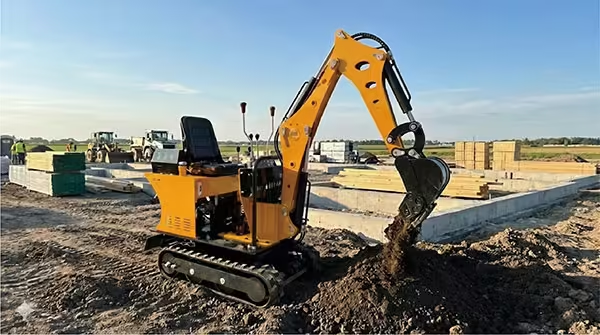
Caso Prático: Prevenir o Uso Não Autorizado
Você termina um longo dia de abertura de valas em um canteiro de obras movimentado Você remove a chave de ignição e tranca a cabine Você verifica o acoplador rápido e prende o balde com um pino Você ativa o sistema de segurança do teclado e estaciona a escavadeira atrás de um portão trancado Na manhã seguinte, você encontra sua máquina intocada e pronta para o trabalho Sua atenção aos procedimentos de bloqueio protegeu seu investimento e manteve o local seguro.
Lista de verificação de bloqueio
| Tarefa | Concluído (✔/✗) |
|---|---|
| Chave de ignição removida | |
| Portas e janelas da cabine trancadas | |
| Anexos garantidos | |
| Sistema de segurança ativado | |
| Estacionado em local seguro |
Alerta: Nunca pule as etapas de bloqueio, mesmo que você planeje retornar em breve Hábitos de segurança consistentes impedem o roubo e reduzem o tempo de inatividade.
Seguindo esses procedimentos de bloqueio, você garante que sua Mini Escavadeira 15Eco de 1,5 Ton permaneça segura e pronta para seu próximo projeto.
Você pode maximizar a segurança e a eficiência seguindo o recomendado pelo setor melhores práticas toda vez que você opera o seu Mini escavadeira de 1,5 tonelada 15Eco. Esses hábitos ajudam você a evitar acidentes e manter seus projetos dentro do cronograma.
Dica: O uso consistente dessas práticas reduz o tempo de inatividade e melhora a segurança no local de trabalho Para obter mais orientações, revise o NIOSH Escavação Recursos de segurança.
A manutenção de rotina prolonga a vida útil da sua mini escavadeira e evita avarias dispendiosas Você deve seguir um cronograma estruturado para inspeções e manutenção A tabela abaixo descreve tarefas essenciais de manutenção e seus intervalos recomendados:
| Tipo Manutenção | Tarefas |
|---|---|
| Manutenção diária | Inspecione os níveis de fluido, verifique se há vazamentos, inspecione os trilhos, lubrifique os pontos de graxa, limpe os filtros de ar. |
| Manutenção Semanal | Verifique a condição da bateria, inspecione o fluido hidráulico, teste os sistemas de segurança, inspecione os dentes da caçamba. |
| 250 horas (trimestral) | Substitua o óleo do motor, verifique o filtro de ar, inspecione a tensão da pista, limpe o respiro do tanque hidráulico. |
| 500 horas (semestralmente) | Substitua os filtros de combustível, inspecione o sistema de refrigeração, o rolamento de balanço da graxa, aperte parafusos críticos. |
| 1.000 horas (anualmente) | Substitua os filtros de fluido hidráulico, inspecione as correias do motor, drene e reabasteça o líquido refrigerante, inspeção detalhada do material rodante. |
| 2.000 horas (bianualmente) | Substitua o fluido hidráulico, inspecione a bomba hidráulica, teste o desempenho do motor, revise os principais sistemas. |
| 5.000 horas (serviço principal) | Inspeção abrangente e potencial substituição de componentes-chave, como cilindros e pinos. |
Observação: Você pode encontrar procedimentos de manutenção detalhados no Guia de manutenção de equipamentos OSHA.
Caso Prático:
Você termina uma semana de trabalho de paisagismo Antes de sair do local, você verifica a bateria, inspeciona o fluido hidráulico e testa os sistemas de segurança Você percebe um dente de balde desgastado e o substitui imediatamente Essa atenção aos detalhes evita falhas inesperadas e mantém sua escavadeira em condições superiores.
O treinamento adequado constrói sua confiança e habilidade como operador Você deve completar um programa de treinamento certificado antes de usar a mini escavadeira Muitas organizações oferecem cursos on-line e presenciais que cobrem segurança, controles e técnicas avançadas.
| Recurso Treinamento | Descrição |
|---|---|
| Treinamento de segurança em escavadeiras OSHA | Módulos abrangentes de segurança e operação |
| Treinamento de Equipamentos do Conselho Nacional de Segurança | Cursos de certificação e atualização de operadores |
| Segurança de escavação CDC/NIOSH | Melhores práticas e prevenção de perigos |
Dica: O treinamento contínuo reduz as taxas de erro do operador em até 301TP3 T. Agende cursos de atualização anualmente para se manter atualizado com os padrões de segurança.
Caso Prático:
Você se junta a uma nova equipe de construção O supervisor inscreve você em um curso de mini escavadeira aprovado pela OSHA Você aprende a identificar perigos, realizar verificações pré-operação e se comunicar com sua equipe Após o treinamento, você opera o 15 Eco com maior confiança e menos erros.
Seguindo essas dicas e usando recursos confiáveis, você garante uma operação segura, eficiente e profissional de sua Mini Escavadeira 15Eco de 1,5 Ton.
Você pode operar a Mini Escavadeira 15 Eco de 1,5 Ton seguindo um processo claro Comece com uma verificação de segurança completa, ajuste seu assento e controles e sempre use seu cinto de segurança Domine os joysticks e as alavancas de viagem para um movimento suave Fique alerta aos riscos de capotamento e use a lâmina para estabilidade Treinamento e manutenção regulares mantenham suas habilidades afiadas e sua máquina confiável Use isso cronograma manutenção para orientar sua rotina:
| Freqüência | Tarefas Manutenção |
|---|---|
| Diário | Inspeção visual, verificar se há vazamentos, inspecionar trilhos e pneus, examinar o sistema hidráulico, garantir os níveis de fluido, limpar detritos, lubrificação, inspeção geral. |
| Semanalmente | Filtro de ar limpo, inspecione o filtro de combustível, verifique os fixadores, troque o óleo hidráulico. |
| Mensal | Troque o óleo e os filtros do motor, limpe os terminais da bateria. |
| Trimestral | Inspeção, calibração e teste profissionais completos de controles e sensores. |
| Anual | Inspeção completa por um profissional. |
Mantenha-se comprometido com a segurança e o aprendizado Sua atenção aos detalhes protege você e seu equipamento todos os dias.
Primeiro, verifique as conexões da bateria e os níveis de fluido Inspecione o suprimento de combustível e garanta que os interruptores de segurança se acionem Se o motor ainda não ligar, consulte o manual do seu operador ou entre em contato com um técnico qualificado para obter mais problemas.
Você deve verificar o fluido hidráulico antes de cada turno Fluido baixo ou contaminado pode causar problemas de desempenho ou danos Sempre inspecione se há vazamentos e complete o reservatório conforme necessário Verificações regulares ajudam a evitar reparos dispendiosos e tempo de inatividade.
Você pode operar em declives suaves, mas sempre dirigir direto para cima ou para baixo Evite trabalhar em encostas íngremes para reduzir o risco de capotamento Abaixe a lâmina para estabilidade extra Se o solo parecer macio ou instável, reposicione a máquina para uma área mais segura.
Use um reboque avaliado para o peso da máquina Prenda a escavadeira com correntes e tensores em todos os quatro cantos Abaixe a lança e a lâmina, e trave todos os acessórios Verifique novamente se o reboque e as rampas estão em boas condições antes do transporte.
Estacione no solo nivelado e abaixe a lança Libere a pressão hidráulica antes de desconectar as mangueiras Use os pinos corretos ou o sistema de acoplador rápido Verifique novamente se o novo acessório trava com segurança Teste o acessório com movimentos suaves antes de iniciar o trabalho.
Pare a máquina imediatamente e abaixe todos os anexos ao solo Desligue o motor e inspecione a fonte do vazamento Não tente reparos enquanto o sistema estiver pressurizado Entre em contato com um técnico qualificado para reparos seguros.
Pratique regularmente em uma área segura e aberta Conclua cursos de treinamento certificados e revise o manual do operador Peça dicas a operadores experientes Concentre-se em movimentos suaves e controlados e siga sempre os procedimentos de segurança O aprendizado contínuo leva a um melhor desempenho e menos erros.
Permitir apenas que pessoal treinado e autorizado opere sua máquina Os usuários não treinados aumentam o risco de acidentes e danos ao equipamento Verifique sempre se o operador entende os controles e os procedimentos de segurança antes de conceder o acesso.







-1.png)