Bem-vindo ao Shandong Qilu Industrial Co., Ltd

 Portuguese
 English
 Arabic
 Bulgarian
 Bengali
 Czech
Czech
 Danish
 German
 Greek
Greek
 Spanish
 Finnish
 French
 Hindi
Hindi
 Croatian
 Hungarian
 Indonesian
 Italian
 Japanese
 Korean
 Lithuanian
 Dutch
Dutch
 Norwegian
 Polish
 Romanian
 Russian
 Slovak
 Slovenian
 Swedish
 Thai
Thai
 Turkish
 Ukrainian
 Vietnamese
 Tagalog
 Malay
Malay
 Estonian
 Catalan
 Latvian
 Urdu
Urdu
 Serbian
 Persian
 Swahili
 Albanian
 Armenian
 Icelandic
 Bosnian
 Luxembourgish
 Afrikaans
Portuguese English
Arabic
Bulgarian
Bengali
Czech
Danish
German
Greek
Spanish
Finnish
French
Hindi
Croatian
Hungarian
Indonesian
Italian
Japanese
Korean
Lithuanian
Dutch
Norwegian
Polish
Romanian
Russian
Slovak
Slovenian
Swedish
Thai
Turkish
Ukrainian
Vietnamese
Tagalog
Malay
Estonian
Catalan
Latvian
Urdu
Serbian
Persian
Swahili
Albanian
Armenian
Icelandic
Bosnian
Luxembourgish
Afrikaans
Afrikaans
Portuguese English
Arabic
Bulgarian
Bengali
Czech
Danish
German
Greek
Spanish
Finnish
French
Hindi
Croatian
Hungarian
Indonesian
Italian
Japanese
Korean
Lithuanian
Dutch
Norwegian
Polish
Romanian
Russian
Slovak
Slovenian
Swedish
Thai
Turkish
Ukrainian
Vietnamese
Tagalog
Malay
Estonian
Catalan
Latvian
Urdu
Serbian
Persian
Swahili
Albanian
Armenian
Icelandic
Bosnian
Luxembourgish
Afrikaans
A revolução das 3,5 toneladas: por que o ‘ponto ideal’ é importante
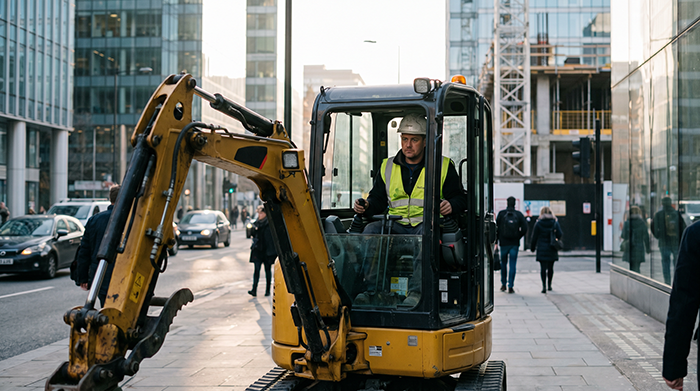
A mini escavadeira não é o que costumava ser O que começou como uma simples escavadeira de trincheiras evoluiu para uma das mais versáteis mini escavadeira plataformas em construção moderna (plataformas em construção moderna) capazes de nivelamento, demolição, elevação e terraplenagem de precisão em um único local de trabalho Essa evolução vem sendo construída há anos, mas o verdadeiro ponto de inflexão está acontecendo agora, com 3,5 toneladas.
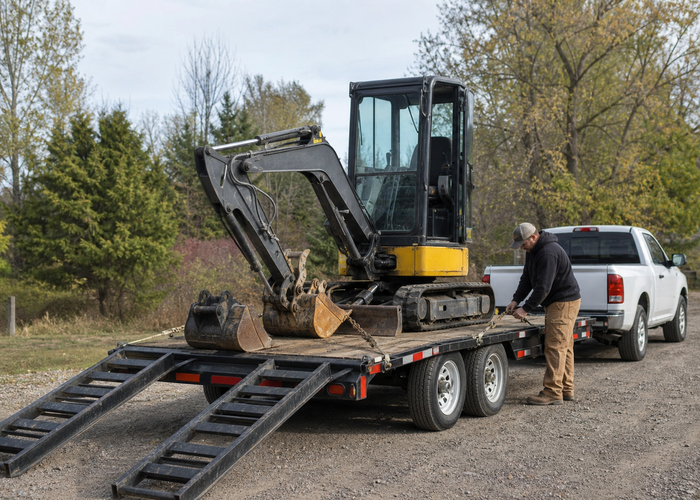
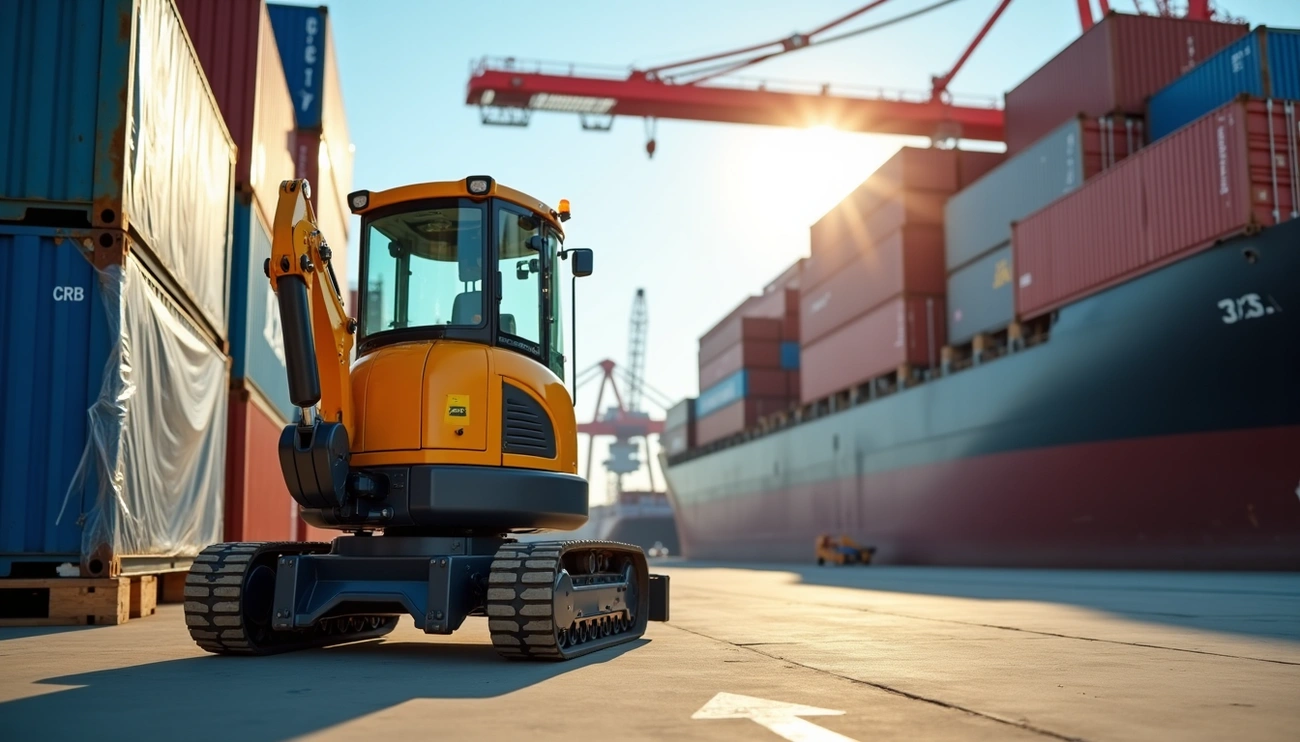
A classe de 3,5 toneladas representa o ‘ponto ideal’ reconhecido para a transportabilidade. Essas máquinas normalmente permanecem dentro da capacidade de reboque de 10.000 libras das picapes padrão de 3/4 toneladas, de acordo com Equipamento Mundo.
Esse único fato remodela a forma como os empreiteiros pensam sobre a propriedade do equipamento As máquinas nesta classe de peso oferecem desempenho quase em tamanho real, permanecendo legalmente rebocáveis sem a Carteira de Motorista Comercial 'encerramento baixo e agendamento flexível' É um limiar que separa a propriedade prática de dores de cabeça logísticas.
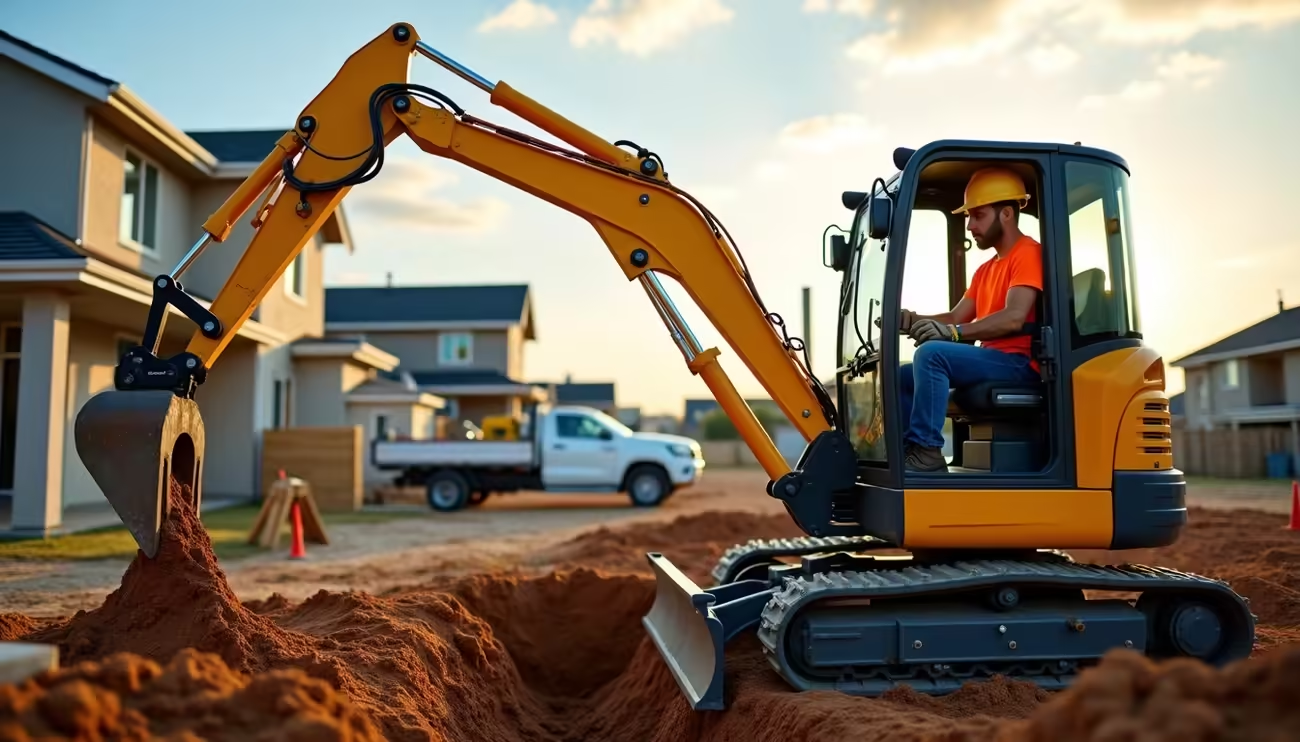
A escavadeira QL-35PRO é projetada especificamente para esse limite Não é um compacto ampliado ou um tamanho médio despojado 's ele construiu com precisão operadores que precisam de capacidade máxima sem cruzar o território CDL ou requisitos de transporte especializados.
O argumento econômico é direto: uma máquina que lida com escavação, demolição acionada por fixação e preparação do local elimina o custo de mobilização de várias unidades Para os empreiteiros que navegam locais urbanos apertados, essa eficiência se traduz diretamente em margem.
Antes de qualquer um dos realizados, porém, você precisa confirmar que seu transporte pode lidar com a configuração de carga que começa com a compreensão de sua capacidade de reboque.
Etapa 1: Avalie sua logística de transporte e capacidade de reboque
Antes de um único balde abrir caminho, sua máquina precisa chegar lá Entendendo por que tantos empreiteiros perguntam por que escolher uma escavadeira de 3,5 toneladas em vez de um modelo de 2 toneladas começa não no local de trabalho, mas na entrada de automóveis especificamente atrás do seu caminhão.
Verifique o GCWR do seu caminhão primeiro
Seu caminhão Classificação de peso combinado bruto (GCWR) é o peso máximo permitido do seu caminhão carregado mais um reboque carregado. Excedê-lo anula garantias, corre o risco de falha do equipamento e cria sérios riscos. Localize esse número no adesivo da porta ou no manual do proprietário antes de calcular qualquer outra coisa.
A vantagem prática de uma máquina 3.5 T e uma razão chave Equipment World chama-lhe a escolha ideal para independentes & inwards é que ele maximiza fora de energia sem exigir um semi-serviço pesado para o transporte Que mantém os custos enxutos e agendamento flexível.
A questão do CDL
As regulamentações federais exigem a Carteira de Motorista Comercial (CDL) para combinações de veículos superiores a 26.001 lbs Uma escavadeira de 3,5 T devidamente carregada em um reboque padrão permanece bem abaixo desse limite, o que significa que a maioria dos proprietários-operadores pode transportar legalmente com uma licença padrão Classe C ou D. Sempre verifique as regras específicas do seu estado, pois alguns estados estabelecem limites mais baixos.
Seleção e Distribuição de Peso de Reboques
Use esta tabela de referência rápida para confirmar que seu equipamento se qualifica:
| Componente | Peso Típico |
|---|---|
| Escavadeira 3.5 T (escavadeira QL-35PRO) | ~7.700 libras |
| Reboque padrão de 10 K Tilt-Bed | ~1.800 libras |
| Carga Combinada Total | ~9,50 09.700 libras |
Posicione a escavadeira assim 601TP11 T do peso da máquina fica à frente do eixo do reboque. Isso evita oscilações perigosas do reboque em velocidades de rodovia.
Ponto de verificação de verificação: Confirme as estadias totais do seu reboque + escavadora menos de 10.000 libras 0 limiar federal que desencadeia requisitos adicionais de inspecção e de licenciamento na maioria dos estados.
Uma vez que sua logística esteja trancada, o próximo desafio muda da estrada para o próprio local de trabalho (job site) em que é onde a pegada física da máquina se torna igualmente crítica Compreendendo como diferentes configurações de escavadeiras se comparam prepara você para a decisão de balanço de cauda zero que está chegando na Etapa 2.
Passo 2: Domine a vantagem de asa traseira zero em espaços confinados
Os locais de trabalho urbanos não perdoam o excesso de confiança Becos estreitos, faixas de tráfego ao vivo e a infraestrutura de serviços públicos existente exigem uma máquina que saiba exatamente onde estão suas bordas e onde fica dentro delas.
Como o ZTS realmente funciona
Balanço de cauda zero (ZTS) mantém o contrapeso posicionado inteiramente dentro da largura da trilha durante uma rotação completa de 360° Na prática, isso significa que a parte traseira da máquina nunca se estende além de sua própria pegada De acordo com o Associação dos Fabricantes de Equipamentos (AEM), os projetos ZTS e de raio compacto em escavadeiras de 3,5 toneladas reduzem significativamente o risco de danos estruturais e a fadiga do operador em locais de trabalho urbanos confinados. Para um respeitável fabricante mini escavadeira, construir a escavadeira ZTS ZL-35 não era opcional. A Pro não era negociável.
Operando ao lado de paredes e tráfego
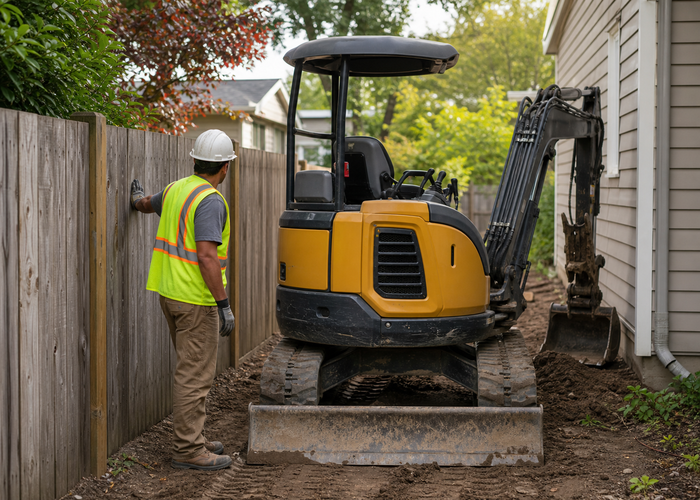
Sem ZTS, cada ciclo de balanço perto de uma parede de um veículo estacionado requer um observador dedicado Que adiciona custo de mão de obra e retarda o progresso Com a geometria ZTS da escavadeira QL-35 PRO, os operadores podem posicionar a máquina dentro de polegadas de uma barreira e girar livremente sem observador, sem adivinhar Compreender quais configurações ZTS atendem a condições específicas do local vale a pena revisar antes de se comprometer com um layout de site de trabalho.
Reduzindo a fadiga do operador
A confiança na pegada da máquina reduz diretamente a carga cognitiva Quando um operador sabe que a traseira não vai cortar um meio-fio ou pastar uma parede da vitrine, eles podem se concentrar inteiramente na precisão do balde Que o alívio mental aumenta ao longo de um turno de oito horas em mensuravelmente menos fadiga e menos erros.
Checkpoint de verificação: medindo a folga do balanço em um raio de 5 pés
Siga este processo de três etapas antes de iniciar o trabalho em espaço confinado:
- Marque o perímetro. Use giz ou cones para delinear um raio de 1,5 metro ao redor do pino central da máquina.
- Faça um balanço seco. Gire a estrutura superior totalmente em ambas as direções e confirme a sobreposição zero com o limite marcado.
- Apuramento de documentos. Registre o raio de oscilação real do local para o raio de oscilação particularmente importante perto dos corredores de serviços públicos ativos.
Com os fundamentos do ZTS discados, a próxima questão lógica se torna o desempenho: especificamente, o que o sistema hidráulico da escavadeira QL-35 PRO pode fazer quando estiver operando com confiança dentro dessa pegada compacta.
Etapa 3: Maximize a versatilidade hidráulica para desempenho em várias ferramentas
O balanço de cauda zero mantém sua máquina segura em corredores apertados, mas a capacidade hidráulica determina quanto trabalho produtivo você pode realmente realizar quando estiver lá. É aqui que a lacuna entre as escavadeiras de 2 e 3,5 toneladas se torna impossível de ignorar.
Por que a saída hidráulica é o verdadeiro diferencial
Como Notas da revista Compact Equipment, a mudança em direção a máquinas de 3,5 toneladas métricas é impulsionada pela necessidade de multifuncionalidade (os usuários agora esperam que essas unidades executem acessórios hidráulicos complexos, como sem-fim, polegares e disjuntores, com alta precisão de fluxo Uma máquina típica de 2 toneladas fornece fluxo hidráulico auxiliar na faixa de 812 GPM, que é adequado para baldes básicos, mas fica aquém ao alimentar ferramentas de alta demanda Escavadeira QL-35PRO opera a vazões auxiliares significativamente mais altas, tornando-o compatível com uma gama mais ampla de acessórios de nível profissional sem comprometimento de desempenho.
Visão geral da compatibilidade do anexo 2T vs. 3,5T:
| Tipo de anexo | Compatibilidade 2T | Compatibilidade de 3,5 T (escavadora de QL-35PRO) |
|---|---|---|
| Balde padrão | 20 Completo | 20 Completo |
| Polegar hidráulico | ️ Força de preensão limitada | ÂNGULO Controle completo da precisão |
| Auger (9″12″ de diâmetro) | Subfortificado | ÂNGULO Torque consistente |
| Disjuntor hidráulico | Fluxo insuficiente | ÂNGULO Circuito de alto fluxo avaliado |
| Tiltrotador | Não suportado | ÂNGULO Dual-circuito capaz |
Como trocar de anexo com eficiência
As transições de fixação adequadas protegem tanto o equipamento quanto a produtividade Siga esta sequência para trocas limpas e confiáveis:
- Aliviar a pressão hidráulica antes de desconectar, acione momentaneamente o circuito auxiliar com o motor desligado
- Inspecione pinos de acoplador rápido para desgaste ou detritos antes de conectar a próxima ferramenta
- Combine as configurações de fluxo à especificação do anexo; consulte o diretrizes de vazão do fabricante antes de operar
- Teste primeiro com aceleração baixa 0 anexo completo responde corretamente antes de aplicar o poder completo
- Verifique se não há vazamentos de pressão em pontos de conexão sob carga leve
Checkpoint de verificação: testando taxas de fluxo auxiliares
Antes de se comprometer com um ciclo de trabalho completo, execute um teste de fluxo de 60 segundos Engate o acessório no acelerador 501TP11 T e observe o atraso de resposta Qualquer hesitação, superaquecimento ou gagueira sinaliza uma incompatibilidade entre a saída da máquina e a demanda da ferramenta. A captura antecipada evita danos ao acessório e tempo de inatividade caro.
Um sistema hidráulico bem combinado não apenas alimenta acessórios (a ferramenta), mas transforma uma escavadeira compacta em uma plataforma multitramenta de precisão capaz de substituir várias máquinas especializadas em um único local de trabalho.
Saber que sua máquina pode lidar com ferramentas exigentes é apenas parte da equação Mantê-la operando com eficiência máxima dia após dia se resume a uma disciplina subestimada: uma rotina de manutenção consistente e no nível do solo.
Passo 4: Implementar uma Rotina de Manutenção ‘Ground-Level’
Com versatilidade hidráulica inserida, protegendo que o investimento se resume a disciplina de forma específica, uma rotina de manutenção consistente mantém a escavadeira QL-PRO atuando na capacidade máxima em todos os projetos urbanos, de acordo com o Guia de Equipamentos de Construção, os custos de manutenção para mini escavadeiras podem ser reduzidos em até 251TP11 T através da implementação de pontos de acesso diários de manutenção no nível do solo A escavadeira QL-35 PRO é projetada exatamente com esse princípio em mente.
1. utilize o capô de abertura lateral para verificações diárias de fluidos
O capô de abertura lateral da escavadeira QL-35PRO oscila totalmente sem ferramentas, expondo o compartimento do motor, o reservatório hidráulico e o tanque de refrigerante simultaneamente Na prática, isso significa que um único técnico pode completar todas as verificações de nível de fluido, óleo hidráulico, motor refrigerante e combustível sem subir na máquina ou remover painéis O que normalmente leva 15 minutos em projetos convencionais leva menos de cinco.
Dica profissional: O projeto do side-hood da escavadeira QL-35PRO é um diferenciador genuíno Como todo o compartimento de serviço abre do nível do solo, os operadores que trabalham em locais urbanos congestionados onde a folga do scaffold é muitas vezes limitada nunca precisam de acesso elevado para realizar verificações diárias críticas.
2. limpe o sistema de resfriamento sem desmontar a carcaça
Os locais de trabalho urbanos geram poeira significativa, partículas de concreto e detritos O sistema de resfriamento da escavadeira QL-35 PRO possui um ventilador reversível e um painel de resfriamento oscilante que permite uma descarga de ar comprimido sem remover nenhum componente da carcaça Isso mantém a máquina funcionando fria mesmo durante operações sustentadas de alto ciclo, como o tipo comum em cenários apertados de demolição e renovação.
Filtros de acesso 3. e pontos de graxa do solo
Todos os filtros primários, combustível e retorno hidráulico Todos os posicionados no lado esquerdo da máquina abaixo da altura do ombro Todo ponto de graxa programado, incluindo o pivô da lança, o pivô do braço e a ligação da caçamba, são alcançáveis sem reposicionar escadas ou suportes Para operadores que executam um escavadeira com balanço de cauda zero em vários sites em um único dia, essa consistência elimina atrasos.
Ponto de verificação de verificação: caminhada pré-início de 5 minutos
Siga esta sequência antes de cada turno:
- Níveis fluidos óleo do motor, refrigerante, óleo hidráulico e combustível laterais através do capô
- Sistema refrigeração 0 s/o para bloqueio de detritos na face mais fria do balanço
- Filtros – não inspecione indicadores de alerta; inspecione visualmente a caixa do filtro de ar
- Pontos de graxa 1000 lubrificação em todas as juntas pivot
- Trilhos e material rodante Ção de tensão e inspecionar para compactação de detritos
A consistência aqui compõe o tempo As máquinas que recebem atenção diária estruturada rotineiramente superam as alternativas negligenciadas por margens significativas no serviço total vida vale a pena pesar com cuidado ao avaliar o verdadeiro custo de propriedade Essa equação de valor de longo prazo, e o fabricante por trás dela, é o que a seção final aborda.
Principais conclusões
- Aliviar a pressão hidráulica antes de desconectar, acione momentaneamente o circuito auxiliar com o motor desligado
- Inspecione pinos de acoplador rápido para desgaste ou detritos antes de conectar a próxima ferramenta
- Teste primeiro com aceleração baixa 0 anexo completo responde corretamente antes de aplicar o poder completo
- Verifique se não há vazamentos de pressão em pontos de conexão sob carga leve
- Marque o perímetro. Use giz ou cones para delinear um raio de 1,5 metro ao redor do pino central da máquina.
Conclusão: Escolhendo um Fabricante que Entenda o Campo
A infraestrutura urbana não está em baixa Dos corredores de serviços públicos às expansões de trânsito, os equipamentos que fazem a ponte entre a capacidade logística bruta e a capacidade de logística do mundo real (T) e a janela de desempenho da escavadeira 3.5 oferecem exatamente isso É poderoso o suficiente para lidar com trabalhos de base sérios, compacto para navegar pelos quarteirões da cidade e leve o suficiente para evitar atrasos dispendiosos na permissão.
A escavadeira QL-35 PRO não é apenas uma máquina que se encaixa entre categorias É construída especificamente para as realidades do trabalho de infraestrutura moderna: folga zero de balanço de cauda, versatilidade hidráulica em vários acessórios e um perfil de manutenção projetado para minimizar o tempo de inatividade no trabalho Como observa o WSP, o investimento em infraestrutura urbana exige ferramentas que sejam tão adaptáveis quanto os próprios projetos.
Uma máquina capaz, combinada com um fabricante que entende as condições de campo, é a base do ROI de longo prazo. A filosofia de engenharia da 1TP2 é construída exatamente sobre essa premissa, resolvendo os pontos problemáticos do empreiteiro antes que ele chegue ao local de trabalho.
Se você está avaliando onde o o segmento de sub-4 toneladas está indo, a trajetória é clara Máquinas compactas e de alto desempenho são o padrão, não a exceção.
Explore a página do produto escavadeira QL-35PRO para revisar especificações completas, compatibilidade de anexos e opções de configuração.
Perguntas frequentes
O que torna a classe de 3,5 toneladas melhor do que uma de 2 toneladas para trabalho urbano?
A faixa de 3,5 toneladas oferece uma força de ruptura significativamente maior e uma profundidade de escavação mais profunda, sem exceder o transporte urbano típico ou as restrições de carga.
A escavadeira QL-35 PRO pode executar vários acessórios hidráulicos?
Sim, seu sistema hidráulico auxiliar suporta uma ampla linha de ferramentas, desde brocas até compactadores de placas.
Com que frequência a escavadeira QL-35 PRO requer manutenção programada?
Uma rotina ao nível do solo cobrindo os níveis de fluido, filtros e tensão da pista deve ser concluída a cada 500 horas de operação.
A escavadeira QL-35 PRO é adequada para projetos de construção de estradas?
Absolutamente. Sua combinação de poder de escavação e área compacta o torna adequado para valas utilitárias e trabalhos de pavimento em áreas congestionadas.