Email: [email protected] Whatsapp: +8618266768780

Email: [email protected] Whatsapp: +8618266768780


Seien wir mal eine Sekunde brutal ehrlich Du hast gerade deinen Automaten in Empfang genommen, glotzt du gerade auf den 1,5 Tonnen Minibagger, Speziell das Modell 15Eco Es sitzt in Ihrer Einfahrt oder auf Ihrer Baustelle Es riecht nach frischer Farbe, Diesel, und Schwerlastfett Sie haben einen massiven Graben zu graben, einen Hof zu ebenen, oder Stümpfe zu ziehen.
Man steigt in den Sitz, schaut sich die Dual-Joysticks, die Tracking-Hebel, und das Sicherheitsschloss an, und denkt plötzlich: “Warte, wie mache ich das, ohne es umzudrehen oder den Zaun meines Nachbarn zu entfernen?”
Schwitzen Sie nicht Jeder erfahrene Bediener hat genau dort angefangen, wo Sie gerade sitzen Betrieb einer Minibagger Es geht nicht um rohe Kraft; Es geht um Finesse, Muskelgedächtnis und das Verständnis der Physik des Schmutzes.
Vergessen Sie die trockenen, langweiligen Bedienungsanleitungen Diese Anleitung ist aus dem Dreck nach oben geschrieben Wir werden genau das durchgehen, was Sie wissen müssen, um Ihre 15 Eco anzuzünden, Ihren ersten Schnitt zu machen und die peinlichen (und teuren) Fehler zu vermeiden, die 90% an Neulingen auffangen.
Wenn Sie Zeit damit verbringen, in Foren zu stöbern wie Reddits Schwermaschinen-Community, “Sie werden endlose Debatten über Maschinengrößen sehen.”„Gehen Sie groß oder gehen Sie nach Hause”, sagen einige. „Aber für Wohnungsbauunternehmer, Landschaftsgärtner und ernsthafte Heimwerker ist die 1,5-Tonnen-Kategorie der unbestrittene König.
Warum? denn ein 1-Tonnen-Mikrobagger prallt oft von hartem Lehm ab, und eine 3-Tonnen-Maschine zerstört den gepflegten Rasen eines Kunden und passt nicht durch ein Standard-40-Zoll-Gartentor.
Der 15Eco trifft den perfekten Mittelweg, er gibt Ihnen genügend hydraulische Ausbruchskraft, um fiese Baumwurzeln zu brechen, aber er ist leicht genug, dass Sie ihn hinter einem Standard-Pickup schleppen können, ohne an den meisten Stellen einen gewerblichen Führerschein zu benötigen.
Wenn Sie immer noch auf der Hut sind, ob Sie diese Maschine tatsächlich anstelle von ein paar Leuten mit Schaufeln brauchten, schauen Sie sich die brutale Rechnung eines Standard-Entwässerungsgrabens mit 50 Fuß Höhe an:
| Methode | Zeitaufwand | Physische Maut | Präzision | Langzeitkosten / ROI |
| Schaufeln und Spitzhacken | 3 bis 4 anstrengende Tage | Brutal (Blasen, Rückenschmerzen) | Schlampig | Schrecklich (Vergeudete Zeit & Lohnkosten) |
| Vermietung Dingo/Stand-on | 2 Tage | Mäßig | Okay | Durchschnittlich (Hohe tägliche Mietgebühren) |
| 1,5-Tonnen-Minibagger (15 Eco) | 3 bis 5 Stunden | Null (Sitzend bequem) | Laserfokussiert | Ausgezeichnet (Maschine amortisiert sich schnell) |
Zahlen lügen nicht Was ein Wochenende quälender Arbeit braucht, braucht ein Nachmittag vom Sitz Ihres Taxis.
Ich weiß, dass du den Schlüssel drehen und anfangen willst, Dreck aufzureißen Nicht. Schwere Maschinen arbeiten unter immensem hydraulischen Druck. gemäss der Arbeitsschutzbehörde (OSHA), „Es kommt zu einem großen Teil der Standortunfälle, weil die Betreiber grundlegende Kontrollen ignorieren.
Nehmen Sie sich dafür 3 Minuten Zeit:
Für einen tiefen Einblick in die genaue Konstruktionstechnik, wie diese Waffen funktionieren, Wikipedia-Aufschlüsselung der Baggeranatomie Ist eigentlich eine fantastische Lektüre, aber alles, was Sie heute wissen müssen, ist: Halten Sie es gefettet.
Okay, klettern Sie sich den Dreipunktkontakt“ merken Sie sich, dass die Maschine ”Dreihandhände und ein Fuß, zwei Füße und eine Hand ständig einnimmt. Ergreifen Sie nicht die Freude, sich auf den Sitz zu ziehen!
Den Sicherheitshebel auf die linke Seite fallen lassen (damit wird die Hydraulik aktiviert) Drehen Sie den Schlüssel Lassen Sie den Dieselmotor einige Minuten im LeerlaufKalte Hydraulikflüssigkeit ist dick und träge; warm werden lassen.
Fast alle modernen Maschinen verwenden das Standard-ISO-Steuerungsmuster. Stellen Sie es sich wie einen riesigen PlayStation-Controller vor:
Vor dir zwei hohe Hebel Beide nach vorne schieben, du fährst nach vorne Ziehen Sie beide nach hinten, Sie machen rückwärts Schieben Sie den linken nach vorne und ziehen den rechten zurück, und die Maschine dreht sich an Ort und Stelle wie ein Panzer.
Profi-Tipp: Achte darauf, wo dein Planierblatt ist! die Klinge ist die “Vorderseite” der Schienen, wenn du die Kabine um 180 Grad drehst, um hinter dich zu schauen, sind deine Fahrpedale jetzt umgekehrt Drück nach vorne, und du gehst nach hinten Das fängt Jeder Anfänger unvorbereitet.
Hier geschieht der Zauber, beim Ausheben eines sauberen Grabens geht es nicht darum, den Eimer so fest wie möglich in den Boden zu klemmen Es geht darum, den Dreck abzuziehen.
Schauen Sie sich dieses von uns zusammengestellte schnelle Video-Tutorial an, das genau zeigt, wie diese “Blended Movement” im realen Leben aus Sicht des Betreibers aussieht:
All das habe ich schon Anfänger machen sehen Vermeide sie, und du siehst im Nu aus wie ein Profi.
1. Graben über die Seite der Gleise
Am stabilsten ist Ihr Mini-Bagger beim graben gerade über das vordere Planierblatt, wenn Sie die Kabine um 90 Grad drehen und versuchen, einen schweren Stumpf über die Seite der Gleise herauszureißen, kann die Maschine leicht nach vorne kippen Physik gewinnt jedes Mal Versuchen Sie immer, die Klinge zu umgraben.
2. Ruckeln der Steuerelemente
Anfänger neigen dazu, die Joysticks wie Ein-/Ausschalter zu behandeln Sie schlagen sie ganz nach vorne, und die Maschine schlingert heftig Hydraulikventile sind proportional Bewegen Sie sie leicht, und die Maschine bewegt sich langsam Stellen Sie sich vor, Sie balancieren eine volle Tasse heißen Kaffee auf Ihrem Schoß Glatt ist schnell.
3. Ignorieren der “Call Before You Dig” - Regel
Es spielt keine Rolle, ob Sie in Ihrem eigenen Hinterhof sind Ein vergrabenes Internet-Glasfaserkabel zu treffen kostet Sie Tausende von Dollar Das Auftreffen auf eine Gasleitung könnte Sie Ihr Leben kosten Lassen Sie sich immer die Versorgungseinrichtungen markieren, bevor Sie den ersten Spatenstich machen.
Einer der Gründe, warum Sie bei einem kaufen möchten Hersteller von Schwermaschinen vertrauenswürdig Anstatt eine zusammengeschlagene Gebrauchtmaschine aus einer Auktion zu kaufen, ist der Zugriff auf die richtigen Anbaugeräte Die 15Eco ist nicht nur eine Schaufel; es ist ein Multi-Tool.
Wenn Sie den Standardeimer beherrschen, sollten Sie sich Folgendes ansehen:
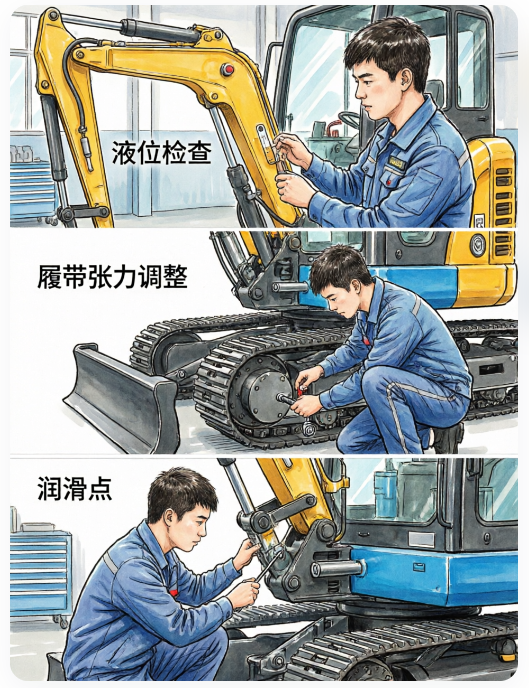
Schauen Sie, Baumaschinen werden zusammengeschlagen Es lebt in Schmutz, Steinen und Schlamm Wenn Sie möchten, dass Ihr 15Eco jedes Mal startet, wenn Sie den Schlüssel für die nächsten zehn Jahre drehen, müssen Sie den Motor und die Hydraulik baby machen.
Einen 1,5 Tonnen schweren Minibagger zu betreiben ist eines der befriedigendsten Dinge, die man auf einer Baustelle erledigen kann Nehmen Sie sich Zeit, respektieren Sie die Kraft der Maschine, gehen Sie glatt mit den Händen um, und lassen Sie die Hydraulik das schwere Heben.
F: Benötige ich eine spezielle Lizenz, um einen 1,5 Tonnen schweren Minibagger zu betreiben?
A: Wenn Sie es vollständig auf Ihrem eigenen Privatgrundstück für den persönlichen Gebrauch betreiben, im Allgemeinen nein (in den USA, Großbritannien, Kanada usw). Wenn Sie es jedoch auf öffentlichen Straßen fahren oder für ein kommerzielles Vertragsunternehmen nutzen, können örtliche kommunale Vorschriften, CDLs oder Schwermaschinenzertifizierungen gelten Überprüfen Sie immer Ihre örtlichen Gesetze!
F: Kann eine so kleine Maschine tatsächlich Baumstümpfe entfernen?
A: Ja, absolut, aber du musst dein Gehirn benutzen, nicht nur roh, du kannst den Eimer nicht einfach unter einem riesigen Eichenstumpf einhaken und eine riesige Kraft des Baggers zurückheben, sondern vom Boden abheben. Du musst einen Graben im Kreis um den Stumpf graben, wobei du zuerst alle Seitenwurzeln durchtrennst, und ihn dann hinüberschieben.
F: Was passiert, wenn während der Arbeit eine Gummikette abplatzt?
A: Es ist ärgerlich, aber es passiert Normalerweise liegt es daran, dass man sich an einem Hang mit lockerer Spurspannung zu stark gedreht hat. Mit dem Ausleger drückt man auf den Boden und hebt die Seite der Maschine mit der geplatzten Spur in die Luft. Dann löst man das Fett vom Spannventil, um das Leitrad zu lösen, benutzt eine schwere Brechstange, um die Spur wieder einzuhebeln, und pumpt sie wieder mit Fett voll, um sie festzuziehen.
F: Wird Offroad-Diesel dem 15Eco-Motor schaden?
A: Gar nicht Offroad Diesel (meist rot gefärbt) ist genau der gleiche Kraftstoff wie Onroad Diesel, es wurden einfach nicht die Autobahnkraftstoffsteuern drauf angewendet Es ist absolut sicher und für solche Geräte zu empfehlen, sofern es in Ihrer Nähe legal ist, es zu kaufen.
F: Wie tief kann die 15Eco graben?
A: Während es genau davon abhängt, wie Sie die Maschine positioniert haben und welche spezifische Auslegerkonfiguration es gibt, erreicht eine 1,5-Tonnen-Maschine im Allgemeinen etwa 5,5 bis 6,5 Fuß (ungefähr 1,6 bis 2 Meter) direkt nach unten. Das ist viel Tiefe für Standardwasserleitungen, elektrische Leitungen und Fundamente.







-1.png)