Willkommen bei Shandong Qilu Industrial Co., Ltd

 German
 English
 Arabic
 Bulgarian
 Bengali
 Czech
Czech
 Danish
 Greek
Greek
 Spanish
 Finnish
 French
 Hindi
Hindi
 Croatian
 Hungarian
 Indonesian
 Italian
 Japanese
 Korean
 Lithuanian
 Dutch
Dutch
 Norwegian
 Polish
 Portuguese
 Romanian
 Russian
 Slovak
 Slovenian
 Swedish
 Thai
Thai
 Turkish
 Ukrainian
 Vietnamese
 Tagalog
 Malay
Malay
 Estonian
 Catalan
 Latvian
 Urdu
Urdu
 Serbian
 Persian
 Swahili
 Albanian
 Armenian
 Icelandic
 Bosnian
 Luxembourgish
 Afrikaans
German English
Arabic
Bulgarian
Bengali
Czech
Danish
Greek
Spanish
Finnish
French
Hindi
Croatian
Hungarian
Indonesian
Italian
Japanese
Korean
Lithuanian
Dutch
Norwegian
Polish
Portuguese
Romanian
Russian
Slovak
Slovenian
Swedish
Thai
Turkish
Ukrainian
Vietnamese
Tagalog
Malay
Estonian
Catalan
Latvian
Urdu
Serbian
Persian
Swahili
Albanian
Armenian
Icelandic
Bosnian
Luxembourgish
Afrikaans
Afrikaans
German English
Arabic
Bulgarian
Bengali
Czech
Danish
Greek
Spanish
Finnish
French
Hindi
Croatian
Hungarian
Indonesian
Italian
Japanese
Korean
Lithuanian
Dutch
Norwegian
Polish
Portuguese
Romanian
Russian
Slovak
Slovenian
Swedish
Thai
Turkish
Ukrainian
Vietnamese
Tagalog
Malay
Estonian
Catalan
Latvian
Urdu
Serbian
Persian
Swahili
Albanian
Armenian
Icelandic
Bosnian
Luxembourgish
Afrikaans
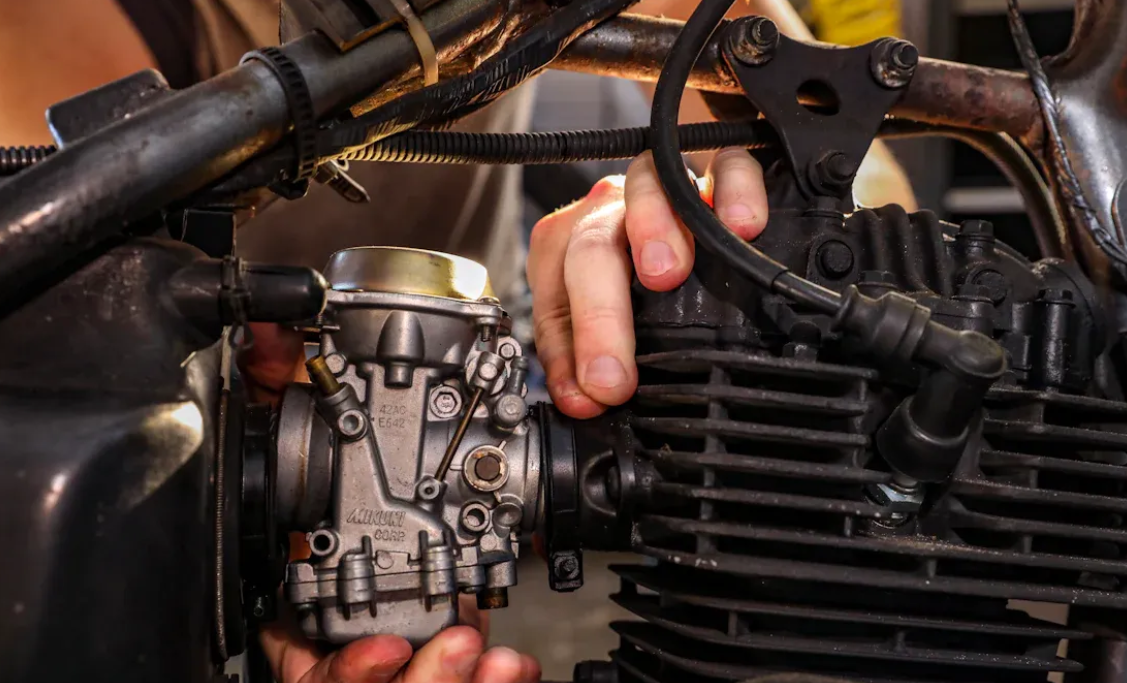
So reinigen Sie einen Rasenmäherkohlenhydrat auf einfache Weise
Sie können einen Rasenmäher-Karabiner leicht reinigen, indem Sie ein paar einfache Schritte befolgen Zuerst den Luftreiniger, um den Vergaser freizulegen Als nächstes verwenden Sie einen Kohlenhydratreiniger-Spray, um Schmutz und alten Kraftstoff aufzulösen Ein Schraubenzieher und eine kleine Bürste helfen Ihnen, enge Stellen zu erreichen Nach der Reinigung alles wieder zusammensetzen Sie brauchen keine besonderen Fähigkeiten oder teures WerkzeugJust Geduld und Liebe zum Detail Jeder kann mit diesen Schritten die glatte Motorleistung wiederherstellen.
Wichtige Erkenntnisse
- Sammeln Sie wichtige Werkzeuge wie einen Schraubenzieher, eine kleine Bürste und einen Kohlenhydratreiniger, bevor Sie beginnen. Diese Vorbereitung macht den Reinigungsprozess reibungsloser.
- Priorisieren Sie immer die Sicherheit durch das Tragen von Handschuhen und Schutzbrillen Arbeiten Sie in einem gut belüfteten Bereich, um schädliche Dämpfe zu vermeiden.
- Zündkerze abklemmen und den Motor vor der Reinigung abkühlen lassen, das verhindert Unfälle und sorgt für Ihre Sicherheit.
- Verwerten Sie das Kohlenhydratreiniger-Spray effektiv, indem Sie es auf alle Oberflächen des Vergasers auftragen Lassen Sie es sitzen, um zähen Schmutz und Ablagerungen aufzulösen.
- Schrubben Sie den Vergaser mit einer steifen Bürste, um hartnäckigen Schmutz zu entfernen Dieser Schritt verbessert den Reinigungsprozess und verbessert die Leistung.
- Überprüfen Sie alle Teile nach der Reinigung auf Schäden Ersetzen Sie alle abgenutzten Dichtungen oder O-Ringe, um Undichtigkeiten zu verhindern und die ordnungsgemäße Funktion sicherzustellen.
- Bauen Sie den Vergaser sorgfältig wieder zusammen und folgen Sie dabei Ihren Notizen oder Fotos. Dies hilft, Fehler zu vermeiden und sorgt dafür, dass alles richtig passt.
- Testen Sie den Mäher nach dem Wiederzusammenbau im Freien Prüfen Sie auf Undichtigkeiten und stellen Sie sicher, dass er reibungslos läuft, um eine erfolgreiche Reinigung zu bestätigen.
Werkzeuge und Zubehör
Bevor Sie mit der Reinigung Ihres Rasenmähervergasers beginnen, holen Sie alle Werkzeuge und Vorräte zusammen, die Sie benötigen. Wenn Sie alles bereithalten, können Sie effizient und sicher arbeiten. Jeder Artikel erfüllt einen bestimmten Zweck im Reinigungsprozess.
Wesentliche Werkzeuge
Sie benötigen ein paar grundlegende Werkzeuge, um auf den Vergaser zuzugreifen und ihn zu reinigen. Diese Werkzeuge helfen Ihnen, Teile zu entfernen, enge Räume zu erreichen und kleine Komponenten ohne Beschädigung zu handhaben.
- Schraubendreher: Verwenden Sie einen Flachkopf - oder Kreuzschlitzschraubendreher, um Schrauben aus dem Luftfilter und dem Vergasergehäuse zu entfernen Mit diesem Werkzeug können Sie den Motorraum des Mähers öffnen und den Vergaser erreichen.
- Kleine Bürste: Eine Bürste mit steifer Borste hilft Ihnen, Schmutz, Gras und Kohlenstoffablagerungen aus dem Vergaserkörper und den Düsen wegzuwaschen. Für diese Aufgabe können Sie eine alte Zahnbürste verwenden.
- Gartengabel: Manchmal bleibt Gras oder Schutt an schwer zugänglichen Stellen stecken Eine Gartengabel oder ein ähnliches Werkzeug hilft Ihnen, hartnäckige Klumpen zu lösen, ohne Metalloberflächen zu zerkratzen.
Tipp: Halten Sie Ihre Werkzeuge auf einem Tablett oder Handtuch organisiert Dies verhindert den Verlust kleiner Schrauben oder Federn während des Prozesses.
Reinigungsprodukte
Die Wahl des richtigen Reinigungsprodukts ist wichtig für eine effektive Wartung des Vergasers. Das Sprühen des Kohlenhydratreinigers ist die beste Option, um alten Kraftstoff, Lack und Schmutz im Vergaser aufzulösen.
Hier ein Vergleich der gängigen Reinigungsmittel:
| Produkttyp | Wirksamkeit für Vergaser | Zurückgebliebener Rückstand | Ölgehalt |
|---|---|---|---|
| Kohlenhydratreiniger | Hochwirksam | Ja | Ja |
| Bremsreiniger | Nicht geeignet | Nein | Nein |
Kohlenhydratreinigerspray baut zähe Ablagerungen ab und schmiert bewegliche Teile, es hinterlässt etwas Rückstände und Öl, was zum Schutz des Vergasers beiträgt Bremsreiniger hingegen funktioniert nicht gut für Vergaser und es fehlt der nötige Ölgehalt Wählen Sie immer ein Produkt, das für die Vergaserreinigung gekennzeichnet ist Für weitere Informationen zu Reinigungsmitteln können Sie Branchenforen besuchen oder vorbeischauen YouTube Tutorials.
Optionale Artikel
Einige Gegenstände sind nicht unbedingt erforderlich, können aber die Arbeit einfacher und sicherer machen.
- Sicherheitsbrille: Schützen Sie Ihre Augen vor Spritzern von Reiniger oder Kraftstoff.
- Handschuhe: Tragen Sie Handschuhe, um Ihre Hände sauber zu halten und Hautreizungen durch Chemikalien zu vermeiden.
- Kaufen Sie Handtücher oder Lumpen: Verwenden Sie diese, um überschüssigen Reiniger, Kraftstoff oder Schmutz wegzuwischen.
- Kleiner Behälter: Bewahren Sie Schrauben, Federn und Kleinteile in einem Behälter auf, um Verluste zu vermeiden.
Anmerkung: Arbeiten Sie immer in einem gut belüfteten Bereich Kohlenhydratreinigerspray erzeugt starke Dämpfe, die beim Einatmen schädlich sein können.
Werkzeug- und Zubehörtisch
Nachfolgend finden Sie eine Zusammenfassung der wichtigsten Punkte, die Sie benötigen:
| Artikelname | Zweck | Sicherheitshinweise |
|---|---|---|
| Schraubendreher | Entfernen Sie Luftreiniger und Vergaserschrauben | Vermeiden Sie ein Ausrutschen, um Verletzungen vorzubeugen |
| Kleine Bürste | Schmutz und Ablagerungen schrubben | Tragen Sie Handschuhe, um Ihre Hände zu schützen |
| Gartengabel | Gras und Schutt entfernen | Verwenden Sie es vorsichtig, um Schäden zu vermeiden |
| Kohlenhydratreiniger-Spray | Kraftstoffrückstände und Lack auflösen | Einsatz im belüfteten Bereich, Brille tragen |
| Sicherheitsbrille | Augen vor Spritzern schützen | Unverzichtbar beim Sprühen von Reiniger |
| Handschuhe | Hautkontakt mit Chemikalien verhindern | Wählen Sie chemikalienbeständige Handschuhe |
| Kaufen Sie Handtücher/Rags | Verschüttete Flüssigkeiten und Rückstände beseitigen | Nach Gebrauch ordnungsgemäß entsorgen |
| Kleiner Behälter | Halten Sie Schrauben und Kleinteile | Von Kindern und Haustieren fernhalten |
Weitere Sicherheitstipps und Tool-Empfehlungen finden Sie auf Offizielle Website der OSHA und durch Rasenpflegegemeinschaften auf Reddit.
Durch die Vorbereitung dieser Werkzeuge und Vorräte richten Sie sich nach einem reibungslosen und sicheren Vergaserreinigungsprozess. Jeder Artikel spielt eine Rolle bei der Erleichterung der Arbeit und dem Schutz sowohl Ihrer selbst als auch Ihrer Ausrüstung.
Sicherheitstipps
Die Reinigung eines Rasenmähervergasers beinhaltet die Arbeit mit Kraftstoff, Chemikalien und kleinen Motorteilen. Sie müssen Sicherheitsrichtlinien befolgen, um sich und Ihren Arbeitsplatz zu schützen. Diese Tipps helfen Ihnen, häufige Unfälle zu vermeiden und Ihren Reinigungsprozess reibungslos zu gestalten.
Kraftstoffsicherheit
Benzin ist brennbar und kann bei unvorsichtiger Handhabung schwere Unfälle verursachen Sie müssen Maßnahmen ergreifen, um Verschüttungen, Brände und die Einwirkung von Dämpfen zu verhindern. Viele Vorfälle passieren, wenn Menschen überstürzen oder grundlegende Vorsichtsmaßnahmen auslassen.
- Schalten Sie den Mäher aus und trennen Sie den Zündkerzendraht Dieser Schritt verhindert, dass der Motor während der Arbeit unerwartet startet.
- Lassen Sie den Motor vollständig abkühlen, bevor Sie beginnen Heiße Oberflächen können Kraftstoffdämpfe entzünden oder Verbrennungen verursachen.
- Entleeren Sie den Kraftstofftank in einen sicheren Behälter Diese Aktion verringert das Risiko von Verschüttungen und verhindert, dass Kraftstoff Ihren Arbeitsplatz verunreinigt.
Tipp: Benzin in einem zugelassenen Behälter fern von Wärmequellen lagern Niemals rauchen oder offene Flammen in der Nähe von Kraftstoff verwenden.
Ein Hausbesitzer versuchte einmal, seinen Vergaser gleich nach dem Mähen zu reinigenDer Motor war noch heiß, und er verschüttete Treibstoff auf dem DeckDie Dämpfe entzündeten sich, was einen kleinen Brand verursachte, er vermied Verletzungen, lernte aber, den Motor zuerst abkühlen zu lassen Mehr über Kraftstoffsicherheit lesen Sie auf Offizielle Seite der NFPA.
Persönlicher Schutz
Bei der Vergaserreinigung setzen Sie sich Chemikalien und scharfen Teilen aus. Schutzausrüstung schützt Sie vor Spritzern, Schnitten und Reizungen.
- Tragen Sie Schutzhandschuhe, um Ihre Hände vor Kohlenhydratreiniger und Kraftstoff zu schützen.
- Schützen Sie Ihre Augen mit einer Schutzbrille vor chemischen Spritzern.
- Arbeiten Sie in einem gut belüfteten Bereich Kohlenhydratreiniger erzeugt starke Dämpfe, die Ihre Lunge reizen können.
Anmerkung: Wenn Ihnen schwindelig wird oder Sie Hautreizungen verspüren, halten Sie sofort an und gehen Sie an die frische Luft.
Ein Jugendlicher hat einmal in einer geschlossenen Garage seinen Mähvergaser gereinigt, er trug weder Handschuhe noch Brillen, der Kohlenhydratreiniger spritzte in seine Augen, was Schmerzen und vorübergehenden Sehverlust verursachte, er erholte sich nach Augenspülung, benutzt nun aber immer Sicherheitsausrüstung, für weitere Tipps, besuchen Sie Sicherheitsrichtlinien der OSHA.
Arbeitsflächenvorbereitung
Ein sauberer, organisierter Arbeitsplatz hilft Ihnen, Unfälle zu vermeiden und erleichtert Ihnen die Arbeit. Sie müssen Ihren Bereich vorbereiten, bevor Sie beginnen.
- Unordnung und brennbare Materialien beseitigen.
- Legen Sie eine Plane oder ein altes Blech ab, um verschüttete Flüssigkeiten und Kleinteile aufzufangen.
- Halten Sie einen kleinen Behälter für Schrauben und Federn in der Nähe.
Callout: Eine gute Beleuchtung hilft Ihnen, kleine Bauteile zu sehen und Fehler zu vermeiden.
Ein Gärtner hat einmal eine winzige Feder verloren, als er seinen Vergaser im Freien reinigte, eine Stunde lang suchte er im Gras, die Verwendung eines Behälters und die Arbeit an einer Plane verhindert dieses Problem, weitere Tipps zur Arbeitsplatzorganisation finden Sie auf Die Rasenpflege-Community von Reddit.
Durch die Befolgung dieser Sicherheitstipps schützen Sie sich und Ihre Ausrüstung, eine sorgfältige Vorbereitung und das richtige Zahnrad machen die Vergaserreinigung sicherer und effektiver.
Zugriff auf den Vergaser
Bevor Sie Ihren Rasenmähervergaser reinigen können, müssen Sie ihn sicher erreichen Die meisten Vergaser sitzen in der Nähe des Luftfilters und des Motors Sie können ein paar einfache Schritte befolgen, um ohne Verwirrung auf dieses Teil zuzugreifen.
Entfernen Sie den Luftreiniger
Beginnen Sie damit, dass Ihr Mäher ausgeschaltet ist und der Zündkerzendraht getrennt wird Dieser Schritt verhindert ein versehentliches Starten während der Arbeit Sie finden den Luftreiniger normalerweise an der Seite oder Oberseite des Motors, er sitzt oft innerhalb einer Plastik - oder Metallabdeckung, die mit Schrauben oder Klammern gesichert ist.
- Lokalisieren Sie die Luftfilterabdeckung in der Nähe des Motors.
- Entfernen Sie mit einem Schraubenzieher die Schrauben oder lösen Sie die Abdeckung.
- Nehmen Sie den Luftfilter heraus und legen Sie ihn beiseite.
Tipp: Legen Sie die Schrauben und Kleinteile in einen Behälter Diese Gewohnheit spart Zeit und verhindert den Verlust wichtiger Teile.
Ein Hausbesitzer hat einmal beim Entfernen des Luftreinigers eine Schraube im Gras verloren, er hat extra Zeit damit verbracht, danach zu suchen, die Verwendung eines kleinen Tabletts oder Bechers kann Ihnen helfen, dieses Problem zu vermeiden.
Schraubendrehergehäuse
Nach dem Entfernen des Luftreinigers sehen Sie ein Gehäuse oder eine Ummantelung, die den Vergaser abdeckt, dieses Teil schützt die Motorkomponenten vor Schmutz und Schmutz Sie müssen dieses Gehäuse entfernen, um den Vergaser freizulegen.
- Finden Sie die Schrauben oder Bolzen, die das Gehäuse an Ort und Stelle halten.
- Verwenden Sie Ihren Schraubenzieher oder einen Mutternfahrer, um sie zu lösen und zu entfernen.
- Heben Sie das Gehäuse vorsichtig vom Motor weg.
Einige Mäher haben eine einfache Abdeckung, während andere eine komplexere Abdeckung verwenden Wenn Sie sich unsicher fühlen, überprüfen Sie die Bedienungsanleitung für Diagramme Handbücher zeigen oft die genaue Position jeder Schraube und jedes Teils.
Anmerkung: Halten Sie alle Schrauben und Bolzen organisiert Das Zusammenmischen kann den Zusammenbau erschweren.
Vergaser finden
Mit abgenommenem Gehäuse sieht man nun den Vergaser, meist sieht es aus wie ein kleiner Metallkasten oder Zylinder, der am Motor befestigt ist, der Vergaser verbindet sich mit der Kraftstoffleitung und dem Drosselgestänge.
So können Sie es identifizieren:
- In der Nähe des Luftfilterbereichs prüfen Der Vergaser sitzt in der Nähe.
- Kraftstoffleitung aus dem Gastank verfolgen Die Leitung führt direkt zum Vergaser.
- Suchen Sie nach einem Teil mit Schrauben, Bolzen und manchmal einer kleinen Schüssel unten.
Wenn Sie immer noch Probleme haben, lesen Sie in der Anleitung Ihres Mähers Die meisten Handbücher enthalten hilfreiche Diagramme Sie können auch visuelle Anleitungen auf finden YouTube Oder um Rat fragen in Foren für Rasenpflege.
Callout: Ein Foto zu machen, bevor Sie irgendwelche Teile entfernen, kann Ihnen helfen, sich daran zu erinnern, wie alles wieder zusammenpasst.
Durch die Befolgung dieser Schritte gelangen Sie bei den meisten Rasenmähermodellen zum Vergaser, eine sorgfältige Vorbereitung und Liebe zum Detail machen den Prozess reibungslos und sicher.
Entfernen und zerlegen Sie den Kohlenhydrat
Sobald Sie einen klaren Zugang zum Vergaser haben, können Sie mit dem Aus - und Demontageprozess beginnen Dieser Schritt erfordert Geduld und Liebe zum Detail Sie werden mit kleinen Teilen und Kraftstoffleitungen umgehen, also bleiben Sie organisiert und arbeiten Sie langsam.
Trennen Sie die Kraftstoffleitungen
Sie müssen die Kraftstoffleitungen trennen, bevor Sie den Vergaser entfernen Diese Leitungen transportieren Benzin vom Tank zum Vergaser Benzin kann verschütten, wenn Sie zu stark eilen oder ziehen.
- Suchen Sie die am Vergaser befestigte Gummikraftstoffleitung.
- Drücken Sie mit einer Zange vorsichtig die Klemme zusammen, die die Leine an Ort und Stelle hält.
- Schieben Sie die Klemme vom Vergaser weg.
- Ziehen Sie die Kraftstoffleitung vorsichtig vom Vergasernippel ab Möglicherweise müssen Sie sie leicht verdrehen.
Tipp: Stellen Sie einen kleinen Behälter oder Lappen unter die Kraftstoffleitung, um tropfendes Benzin aufzufangen. Dadurch bleibt Ihr Arbeitsplatz sauber und Flecken werden vermieden.
Ein Hausbesitzer hat diesen Schritt einmal ausgelassen und am Ende überall auf seinem Garagenboden Treibstoff gehabt, er hat extra Zeit damit verbracht, das Chaos zu beseitigen, das kann man vermeiden, indem man sich auf Verschüttungen vorbereitet und langsam arbeitet.
Wenn sich die Kraftstoffleitung fest anfühlt, können Sie sie mit einem Flachkopfschraubendreher lösen. Erzwingen Sie die Leitung nicht, da sie reißen oder brechen kann. Wenn Sie Risse oder Schäden sehen, sollten Sie vor dem Zusammenbau darüber nachdenken, die Leitung auszutauschen. Weitere Tipps zum Umgang mit Kraftstoffleitungen finden Sie in dieser Anleitung in einem kleinen Motorforum.
Vergaser abziehen
Nachdem Sie die Kraftstoffleitungen getrennt haben, können Sie den Vergaser vom Motor nehmen, der Vergaser wird in der Regel mit zwei oder drei Bolzen oder Schrauben befestigt.
- Entfernen Sie mit Ihrem Schraubenzieher oder Steckschlüssel die Befestigungsbolzen.
- Halten Sie den Vergaser mit einer Hand fest, damit er nicht herunterfällt.
- Ziehen Sie den Vergaser vorsichtig vom Motor weg Achten Sie auf eventuelle Gestänge oder Federn, die mit der Drossel oder Drossel verbunden sind.
Anmerkung: Machen Sie ein Foto von der Verbindungseinrichtung, bevor Sie etwas entfernen. Dies hilft Ihnen, sich beim Zusammenbau daran zu erinnern, wohin jedes Teil führt.
Ein Gärtner hat mal vergessen, wie das Drosselgestänge befestigt ist und hatte später Probleme mit dem Mähwerk starten Ein schnelles Foto kann Zeit und Frust sparen.
Wenn Sie Dichtungen zwischen Vergaser und Motor sehen, legen Sie sie vorsichtig beiseite, Sie müssen sie möglicherweise wiederverwenden, wenn sie in gutem Zustand sind Wenn sie abgenutzt oder zerrissen aussehen, sollten Sie sie austauschen Weitere Ratschläge zur Dichtungspflege finden Sie unter Die Rasenpflege-Community von Reddit.
Separate Hauptteile
Jetzt, wo Sie den Vergaser vom Motor haben, müssen Sie seine Hauptteile für die Reinigung trennen Die meisten Vergaser haben eine Schüssel am Boden, die Kraftstoff und Schmutz sammelt.
- Legen Sie den Vergaser auf ein sauberes Handtuch oder Tablett.
- Entfernen Sie mit einem Schraubenzieher die Schraube, die die Schüssel an Ort und Stelle hält.
- Drehen und ziehen Sie die Schüssel vorsichtig ab Achten Sie auf eine Gummidichtung oder einen O-Ring.
- Stellen Sie die Schüssel, die Dichtung und alle Kleinteile beiseite.
Callout: Organisieren Sie alle Schrauben, Federn und Dichtungen in einem kleinen Behälter. Dies verhindert Verluste und erleichtert den Zusammenbau.
Möglicherweise sehen Sie Schmutz, Lack oder alten Brennstoff im Inneren der Schüssel Beachten Sie jede Ansammlung, da dies zeigt, wo Sie Ihre Reinigung konzentrieren müssen Wenn Sie einen festsitzenden Schwimmer oder verstopften Strahl finden, werden Sie diese in den nächsten Reinigungsschritten ansprechen.
Ein Hausbesitzer hat bei diesem Schritt einmal eine winzige Feder verloren und musste einen Ersatz bestellen, Teile organisiert zu halten spart Zeit und Stress Für mehr visuelle Führer können Sie besuchen Tutorials zur Vergaserreinigung von YouTube.
Durch die Befolgung dieser Schritte können Sie Ihren Rasenmähervergaser sicher entfernen und zerlegen Sorgfältige Handhabung und Organisation machen den Reinigungsprozess viel reibungsloser.
Reinigen Sie einen Rasenmähervergaser
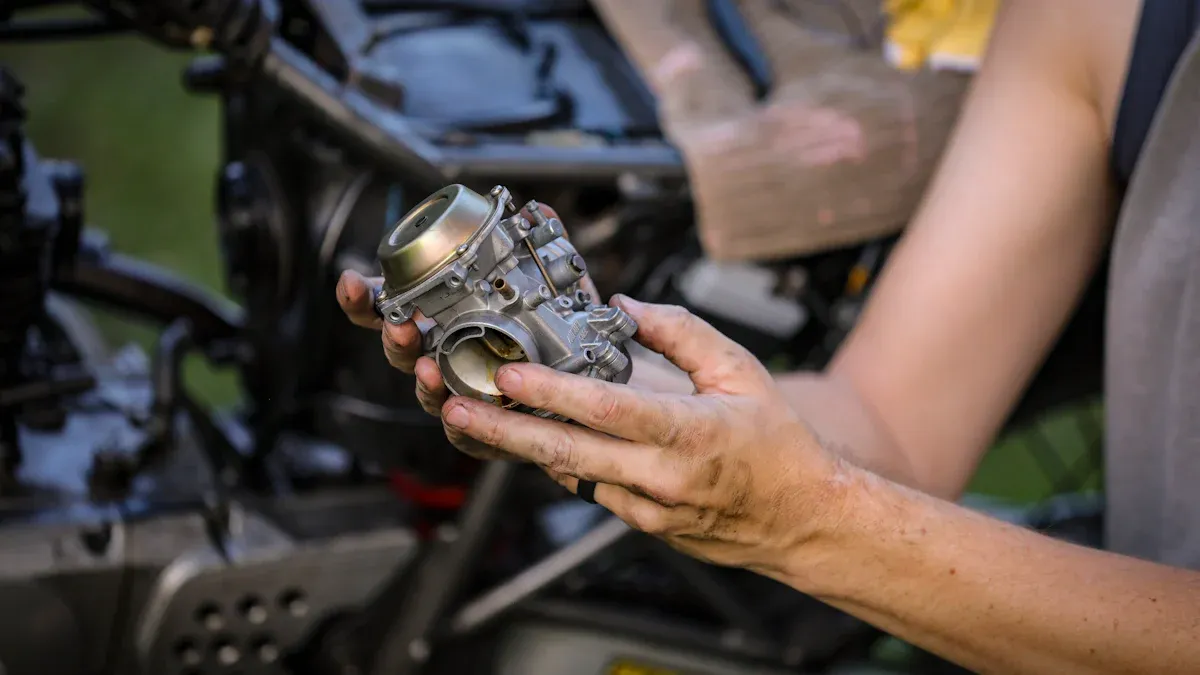
Die Reinigung eines Vergasers ist der wichtigste Schritt, um die Leistung Ihres Mähers wiederherzustellen. Sie können einen klaren Prozess befolgen, um einen Rasenmähervergaser zu reinigen und hartnäckigen Schmutz, alten Kraftstoff und Gras zu entfernen. Dieser Abschnitt führt Sie durch jeden Schritt, indem er bewährte Techniken und praktische Ratschläge verwendet.
Schritte zur Reinigung eines Rasenmäherkarbs
Sie müssen den Reinigungsprozess methodisch angehen Die folgenden Schritte helfen Ihnen, einen Rasenmähervergaser effizient und sicher zu reinigen.
Sprühkohlenstoffreiniger
- Legen Sie den Vergaser auf ein sauberes Handtuch oder Tablett.
- Schütteln Sie die Kohlenhydratreiniger-Spray-Dose gut.
- Halten Sie die Düse nahe an der Außenseite und am Hals des Vergasers.
- Sprühen Sie eine großzügige Menge Reiniger auf alle Oberflächen und konzentrieren Sie sich dabei auf die Düsen, die Schüssel und die Drosselplatte.
- Lassen Sie den Reiniger einige Minuten ruhen, um Schmutz und Lack aufzulösen.
Tipp: Verwenden Sie kurze Sprühstöße, um eine Übersättigung der Teile zu vermeiden. Der Kohlenhydratreiniger eignet sich am besten, wenn Sie ihn in hartnäckige Ablagerungen einweichen lassen.
Viele Anwender berichten, dass das Sprühen von Kohlenhydratreiniger direkt in die Vergaser-Hals Innenverstopfungen löst, weitere Reinigungstipps finden Sie auf der Wartungsseite von Briggs & Stratton und Reddits r/lawcare.
Mit Pinsel schrubben
- Verwenden Sie eine Bürste mit steifer Borste oder eine alte Zahnbürste, um den Vergaserkörper zu schrubben.
- Konzentrieren Sie sich auf die Düsen, die Schüssel und alle sichtbaren Ansammlungen.
- Arbeiten Sie die Bürste in enge Räume, um Schmutz und Kohlenstoffablagerungen zu entfernen.
- Löschen Sie gelöste Trümmer mit einem Ladentuch ab.
Callout: Schrubben hilft Rückstände zu entfernen, die das Spray allein nicht erreichen kann Sie verbessern die Reinigungswirkung durch Kombination beider Methoden.
Ein Fallbeispiel: Ein Hausbesitzer bemerkte, dass sein Mäher häufig ins Stocken geriet Nach dem Schrubben der Düsen und der Schüssel fand er eine Schicht Lack, die den Kraftstofffluss blockierte.Reinigung stellte den reibungslosen Betrieb wieder her.Sie können Ihre eigenen Reinigungsergebnisse teilen Twitter oder YouTube.
Verwenden Sie Gartengabel für Gras
- Überprüfen Sie den Vergaser auf Gras oder Schutt, der in Spalten steckt.
- Verwenden Sie eine Gartengabel oder ein ähnliches Werkzeug, um Klumpen vorsichtig zu lösen.
- Vermeiden Sie es, Metalloberflächen zu kratzen, indem Sie langsam arbeiten.
- Entfernen Sie alle sichtbaren Gräser und spülen Sie den Bereich mit Kohlenhydratreiniger ab.
Anmerkung: Gras und organischer Schutt verursachen bei älteren Mähern häufig Verstopfungen, deren Entfernung verbessert den Kraftstofffluss und die Motorleistung.
Eine aktuelle Umfrage auf Lawnsite ergab, dass 301TP11 T der Benutzer aufgrund von Grasansammlungen im Vergaser einen unruhigen Lauf erlebten.
Spülen und prüfen
Nachdem Sie einen Rasenmähervergaser gereinigt haben, müssen Sie alle Teile vor dem Zusammenbau spülen und prüfen.
- Spülen Sie den Vergaser mit einem letzten Sprühstoß Kohlenhydratreiniger ab.
- Verwenden Sie Druckluft, um verbleibende Trümmer aus Düsen und Durchgängen auszublasen.
- Trocknen Sie alle Teile mit einem sauberen Handtuch.
Überprüfen Sie nun den Vergaser auf Anzeichen von Beschädigung oder Verschleiß. Suchen Sie nach diesen häufigen Problemen:
- Strömungsabriss oder unruhiger Lauf: Wenn Sie starke Ansammlungen oder Korrosion sehen, liefert der Vergaser möglicherweise nicht den richtigen Kraftstoffmix.
- Instabile Gasleistung: Auf verstopfte Düsen oder beschädigte Gasplatten prüfen.
- Übermäßiger Kraftstoffverbrauch: Auf gestörte Luft-Kraftstoff-Bilanz oder Lecks prüfen.
- Sichtbare Ansammlung: Schmutz oder Lack an der Außenseite führen oft dazu, dass innere Verstopfungen bestehen bleiben.
Alarm: Ersetzen Sie alle rissigen Dichtungen, zerrissenen O-Ringe oder beschädigten Düsen, bevor Sie sie wieder zusammensetzen Sie verhindern zukünftige Probleme und verlängern Sie die Lebensdauer Ihres Mähers.
Sie können Ihre Reinigungszeit mit anderen vergleichen Die meisten Benutzer verbringen 20 –30 Minuten, um einen Rasenmähervergaser gründlich zu reinigen.
| Quelle | Zeitschätzung |
|---|---|
| AHM Corp | 30 Minuten |
| Rasenplatzbenutzer 1 | 20 Minuten |
| Rasenplatzbenutzer 2 | 30 Minuten |
Ein ausführliches Fallbeispiel: Ein Gärtner hat seinen Vergaser gereinigt, nachdem er übermäßigen Treibstoffverbrauch und rauen Lauf bemerkt hatte, er fand einen verstopften Strahl und eine rissige Dichtung, nach dem Reinigen und Ersetzen der Dichtung lief sein Mäher reibungslos und verbrauchte weniger Treibstoff, Sie können weitere Fallstudien auf DoItYourself.com lesen und Ihre Erfahrungen auf Facebook Groups teilen.
Die Reinigung eines Vergasers ist eine praktische Fähigkeit Sie können einen Rasenmähervergaser mit grundlegenden Werkzeugen und Geduld reinigen Regelmäßige Reinigung verhindert häufige Probleme und hält Ihren Mäher effizient laufen.
Zusammenbauen und testen
Nachdem Sie die Reinigung und Inspektion Ihres Vergasers beendet haben, müssen Sie alles wieder zusammensetzen Sorgfältige Wiedermontage sorgt für einen reibungslosen Ablauf Ihres Mähers und verhindert Lecks oder Leistungsprobleme Befolgen Sie diese Schritte, um den Prozess abzuschließen.
Vergaser hinten anbringen
Beginnen Sie mit dem Wiederzusammenbau der Hauptteile des Vergasers Legen Sie alle gereinigten Komponenten auf ein Handtuch, damit Sie jedes Stück sehen können Verwenden Sie die Fotos, die Sie zuvor gemacht haben, als Referenz.
- Installieren Sie neue Schweißstopfen aus Ihrem Reparaturset Verwenden Sie einen Stiftstempel, der etwas kleiner als der Durchmesser des Steckers ist Klopfen Sie vorsichtig mit einem Hammer, bis der Stopfen flach sitzt.
- Montieren Sie die Drossel, indem Sie die Rückstellfeder in die Schaumstoffdichtung einlegen. Schieben Sie diese Baugruppe auf die Drosselwelle.
- Stecken Sie die Drosselwelle in den Vergaserkörper. Greifen Sie in die Rückstellfeder ein, damit sie richtig funktioniert.
- Befestigen Sie die Drosselplatte an der Welle Stellen Sie sicher, dass die Vertiefungen zur Kraftstoffeinlassseite zeigen.
- Installieren Sie die Drosselwellendichtung mit der Dichtlippe nach unten.
- Platzieren Sie den Einlassnadelsitz mit nach unten gerichteter Nut, bei Bedarf mit einem Buchsentreiber.
- Scharnierstift und Mittelstift einsetzen, Gummidichtung einpassen und die Tankschüssel anbringen.
- Positionieren Sie den Vergaser auf dem Kraftstoffansaugrohr Befestigen Sie ihn mit Muttern oder Bolzen, lassen Sie sie aber vorerst leicht locker.
- Installieren Sie die Luftreinigerbaugruppe. Stellen Sie sicher, dass alle Laschen richtig eingreifen.
Tipp: Ziehen Sie alle Bolzen gleichmäßig an, sobald alles aufgereiht ist, das verhindert Luftlecks und sorgt für eine gute Abdichtung.
Ein Hausbesitzer vergaß einmal, die Dichtung vor dem Anbringen der Brennstoffschale zu installieren Sein Mäher ließ Kraftstoff auslaufen und wollte nicht starten Überprüfen Sie jeden Schritt noch einmal, um häufige Fehler zu vermeiden.
Kraftstoffleitungen wieder anschließen
Sie müssen die Kraftstoffleitungen wieder sicher verbinden, um Lecks zu verhindern und einen ordnungsgemäßen Kraftstofffluss sicherzustellen.
- Überprüfen Sie jede Kraftstoffleitung auf Knicke, Kurven oder Beschädigungen Ersetzen Sie jede Linie, die abgenutzt aussieht.
- Befestigen Sie die Kraftstoffleitung am Vergasernippel Schieben Sie die Klemme wieder ein.
- Stellen Sie einen kleinen Behälter unter der Leitung auf Kurbeln Sie den Motor ein paar Mal, um einen gleichmäßigen Kraftstofffluss zu prüfen, wenn Sie einen starken, gleichmäßigen Strom sehen, ist die Verbindung fest.
- Ziehen Sie alle Klemmen fest und prüfen Sie, ob sie undicht sind.
Alarm: Überspringen Sie niemals den Inspektionsschritt. Beschädigte Kraftstoffleitungen können zu gefährlichen Lecks führen.
Ein Gärtner hat einmal ungeprüft eine gesprungene Brennstoffleitung wieder angebracht, Benzin ist auf das Mähdeck ausgelaufen, wodurch eine Brandgefahr entsteht Eine sorgfältige Kontrolle verhindert Unfälle.
Prüfmäher
Durch die Prüfung Ihres Mähers wird sichergestellt, dass der Vergaser wie vorgesehen funktioniert Befolgen Sie diese Schritte, um ein zuverlässiges Ergebnis zu erzielen:
- Bestätigen Sie, dass das Kraftstoffventil geöffnet ist Überprüfen Sie, ob der Tank frisches Benzin hat und die Zündkerze in gutem Zustand ist.
- Sprühen Sie einen kleinen Schuss Vergaserreiniger in den Lufteinlass Ziehen Sie an der Starterschnur, wenn der Motor kurz läuft, wissen Sie, dass Kraftstoff den Vergaser erreicht.
- Klemmen Sie die Kraftstoffleitung ab und entfernen Sie die Schläuche aus dem Vergasernippel. Überprüfen Sie den Gasfluss. Wenn kein Gas auftritt, überprüfen Sie die Kraftstoffleitung oder den Filter auf Verstopfungen.
Callout: Testen Sie Ihren Mäher immer im Freien an einem gut belüfteten Ort.
Ein Benutzer hat einmal seinen Mäher in einer geschlossenen Garage getestet Dämpfe haben sich schnell aufgebaut und verursachen Schwindel Outdoor-Tests sorgen für Sicherheit.
Wenn Ihr Mäher reibungslos startet und läuft, haben Sie den Auftrag erfolgreich abgeschlossen Wenn Sie Sputtern oder Undichtigkeiten bemerken, überprüfen Sie jeden Schritt und prüfen Sie, ob Verbindungen verpasst wurden. Weitere Tipps zur Fehlerbehebung finden Sie im kleinen Motorenforum von DoItYourself.com oder Reddits r/lawcare.
Indem Sie diese Schritte befolgen, stellen Sie sicher, dass Ihr Rasenmähervergaser korrekt wieder zusammengebaut wird und Ihr Mäher einsatzbereit ist. Regelmäßige Wartung hält Ihre Ausrüstung zuverlässig und verlängert ihre Lebensdauer.
Fehlerbehebung
Mäher wird nicht starten
Wenn Ihr Mäher nach der Reinigung des Vergasers den Start verweigert, können Sie sich an eine einfache Checkliste halten, um das Problem zu lokalisieren Viele Startprobleme entstehen durch übersehene Grundlagen Sie sollten immer Folgendes überprüfen:
| Schritt | Beschreibung |
|---|---|
| Überprüfen Sie die Kraftstoffqualität | Achten Sie auf frisches Benzin Alter oder abgestandener Kraftstoff kann das Anfahren verhindern. |
| Spark Plug prüfen | Suchen Sie nach schmutzigen, getrennten oder verschmutzten Zündkerzen. Reinigen oder ersetzen Sie sie. |
| Stellen Sie sicher, dass der Luftfilter sauber ist | Ein verstopfter Luftfilter blockiert den Luftstrom und erschwert das Starten. |
Tipp: Wasser in der Gasleitung oder schlechter Kraftstoff können auch das Anlassen Ihres Mähers verhindern. Lassen Sie den Tank ab, wenn Sie den Verdacht haben, dass es sich um schlechtes Gas handelt.
Wenn Ihr Mäher immer noch nicht startet, versuchen Sie, eine kleine Menge Starterflüssigkeit im Lufteinlass zu verwenden. Dies kann bei der Diagnose helfen, ob das Problem auf die Kraftstoffzufuhr zurückzuführen ist. Für weitere Schritte zur Fehlerbehebung können Sie dieses kleine Motorforum besuchen oder sich der Diskussion anschließen Reddits r/lawcare.
Gemeinsame Probleme
Nach der Reinigung können Sie neue oder anhaltende Probleme bemerken Sie können die Tabelle unten verwenden, um häufige Probleme im Zusammenhang mit Vergasern und deren Lösungen zu identifizieren:
| Ausgabetyp | Beschreibung | Resolution |
|---|---|---|
| Probleme mit dem Kraftstoffsystem | Schmutzvergaser oder verstopfte Kraftstoffleitung | Entfernen und reinigen Sie den Vergaser; Überprüfen und räumen Sie die Kraftstoffleitung |
| Verstopfte Entlüftung des Kraftstofftanks | Überprüfen Sie den Kraftstofffluss; Ersetzen Sie den Kraftstoffdeckel, wenn die Entlüftung blockiert ist | |
| Probleme mit Luftfiltern | Schmutziger oder verstopfter Luftfilter | Reinigen oder ersetzen Sie den Luftfilter |
| Probleme mit dem Zündkerzen | Lose Drähte, gebrochener Stiefel oder abgenutzte Zündkerze | Sichere Verbindungen; beschädigte Teile ersetzen |
| Zeitprobleme | Geschorener Schwungradschlüssel, der zu schlechter Leistung führt | Überprüfen und ersetzen Sie den Schwungradschlüssel bei Bedarf |
Anmerkung: Wenn Sie einen gescherten Schwungradschlüssel finden, müssen Sie möglicherweise einen Fachmann konsultieren oder sich an eine detaillierte Anleitung wenden. Eine Schritt-für-Schritt-Anleitung finden Sie auf YouTube und in Rasenpflegegemeinschaften.
Ein Benutzer hat einmal seinen Vergaser gereinigt, aber vergessen, den Zündkerzendraht wieder anzuschließen Der Mäher würde erst starten, wenn er die Verbindung überprüft hat Überprüfen Sie immer jeden Schritt während der Wiedermontage.
Schnelle Korrekturen
Viele kleinere Vergaserprobleme können Sie mit schnellen Aktionen lösen:
- Wenn Sie nach der Reinigung eine leichte Verbesserung feststellen, führen Sie eine tiefere Reinigung durch. Manchmal benötigen hartnäckige Ablagerungen zusätzliche Aufmerksamkeit.
- Ersetzen Sie den Luftfilter, wenn er schmutzig oder abgenutzt aussieht.
- Ziehen Sie alle Schrauben und Klemmen fest, um Luftlecks zu verhindern.
- Starterflüssigkeit für einen Schnelltest verwenden, wenn der Motor zögert.
- Entleeren und füllen Sie den Gastank wieder auf, wenn Sie Wasser oder alten Kraftstoff vermuten.
Alarm: Einige Vergaser erfordern professionelle Aufmerksamkeit Suchen Sie Hilfe, wenn Sie ein altes oder seltenes Modell, elektronische Teile oder festsitzende Komponenten haben, die spezielle Werkzeuge benötigen.
Wenn Sie auf anhaltende Probleme stoßen, teilen Sie Ihre Erfahrungen in Facebook-Gruppen oder durchsuchen Sie Branchenforen, um Ratschläge von anderen Mähwerksbesitzern zu erhalten.
Durch die Befolgung dieser Schritte zur Fehlerbehebung können Sie die meisten Vergaserprobleme selbst lösen Regelmäßige Kontrollen und schnelle Lösungen sorgen dafür, dass Ihr Mäher die ganze Saison über stark läuft.
Sie können einen Rasenmähervergaser mit einfachen Werkzeugen und einem klaren Prozess reinigen. Durch regelmäßige Reinigung erhalten Sie einen reibungsloseren Start, eine bessere Kraftstoffeffizienz und einen langlebigeren Motor.
| Nutzen | Beschreibung |
|---|---|
| Verbesserte Kraftstoffeffizienz | Ein sauberer Vergaser vermischt Luft und Kraftstoff gut für eine bessere Gasnutzung. |
| Verbesserte Motorleistung | Sie erhalten eine sanftere Beschleunigung und mehr Leistung. |
| Verlängerte Motorlebensdauer | Saubere Teile verhindern Schäden und kostspielige Reparaturen. |
| Reduzierte Emissionen | Ihr Mäher läuft sauberer und erfüllt die Vorschriften. |
Die meisten Experten empfehlen, vor allem vor der Mähsaison zwei - bis dreimal im Jahr zu reinigen Lassen Sie sich von der Vergaserreinigung nicht einschüchtern. Die Pflege des Vergasers hält Ihren Mäher zuverlässig und spart Ihnen Geld.
Bleiben Sie mit der Wartung auf dem Laufenden und Ihr Mäher belohnt Sie mit jahrelangem zuverlässigem Service! ,
FAQ
Wie oft sollten Sie Ihren Rasenmähervergaser reinigen?
Pro Mähsaison solltest du deinen Vergaser zwei - bis dreimal reinigen, wenn du grobe Lauf - oder Startprobleme bemerkst, dann reinige ihn früher Regelmäßige Reinigung verhindert Kraftstoffverstopfungen Für weitere Tipps besuche das kleine Motorenforum von DoItYourself.com.
Was sind Anzeichen dafür, dass Ihr Vergaser gereinigt werden muss?
Möglicherweise bemerken Sie einen harten Start, einen rauen Leerlauf oder schwarzen Rauch aus dem Auspuff. Manchmal stockt der Motor oder springt an. Diese Anzeichen bedeuten, dass Ihr Vergaser Schmutz oder Kraftstoffrückstände aufweist. Weitere Symptome finden Sie auf Reddits r/lawcare.
Kann man einen Vergaser reinigen, ohne ihn zu entfernen?
Sie können Kohlenhydratreiniger in den Lufteinlass für eine schnelle Fixierung sprühen Diese Methode hilft bei geringfügiger Ansammlung Für die Tiefenreinigung müssen Sie den Vergaser entfernen und demontieren Siehe Schritt-für-Schritt-Anleitungen auf YouTube.
Welche Fangvorrichtung benötigen Sie für die Vergaserreinigung?
Sie sollten eine Schutzbrille und chemikalienbeständige Handschuhe tragen Arbeiten Sie an einem gut belüfteten Bereich, um das Einatmen von Dämpfen zu vermeiden. Ein Benutzer hat einmal Augenverletzungen vermieden, indem er während der Reinigung eine Brille trug. Weitere Sicherheitshinweise finden Sie unter Richtlinien der OSHA.
Was ist, wenn Ihr Mäher nach der Reinigung Kraftstoff austritt?
Überprüfen Sie alle Dichtungen, O-Ringe und Kraftstoffleitungsverbindungen Ersetzen Sie alle beschädigten Teile Schrauben gleichmäßig festziehen, um Lecks zu verhindern Viele Benutzer teilen ähnliche Erfahrungen auf Facebook-Gruppen.
Kann alter Kraftstoff Vergaserprobleme verursachen?
Ja, alter Kraftstoff hinterlässt Lack und Gummi im Inneren des Vergasers Dieser Aufbau blockiert Jets und Durchgänge Verwenden Sie immer frisches Benzin. Weitere Informationen finden Sie unter Kraftstoffsicherheitsseite der NFPA.
Wo bekommt man Hilfe, wenn man nicht weiterkommt?
Sie können in Branchenforen um Hilfe bitten, Reddit, oder schauen Sie sich Tutorials an YouTube. Viele Benutzer teilen Fotos und Lösungen für häufige Probleme.
Ist es sicher, Kohlenhydratreinigerspray im Innenbereich zu verwenden?
Nein, Kohlenhydratreiniger sollte man immer im Freien oder in einem gut belüfteten Raum verwenden, die Dämpfe können Kopfschmerzen oder Schwindel verursachen Einem Gärtner wurde einmal schlecht, nachdem er in Innenräumen gesprüht hatte Weitere Sicherheitstipps finden Sie unter Offizielle Website der OSHA.