Email: [email protected] Whatsapp: +8618266768780

Email: [email protected] Whatsapp: +8618266768780


Start every troubleshooting session by checking the hydraulic fluid level and making sure the tractor is safe. Many tractor breakdowns come from hydraulic system issues—these account for nearly one out of five failures in the field. You should inspect fluid levels every 50 hours of operation to avoid costly repairs. Quick action helps you prevent small problems from becoming major setbacks. Use the checklist and tips in this Hydraulic System Explained: Power and Control in Your Tractor guide for ongoing tractor care.
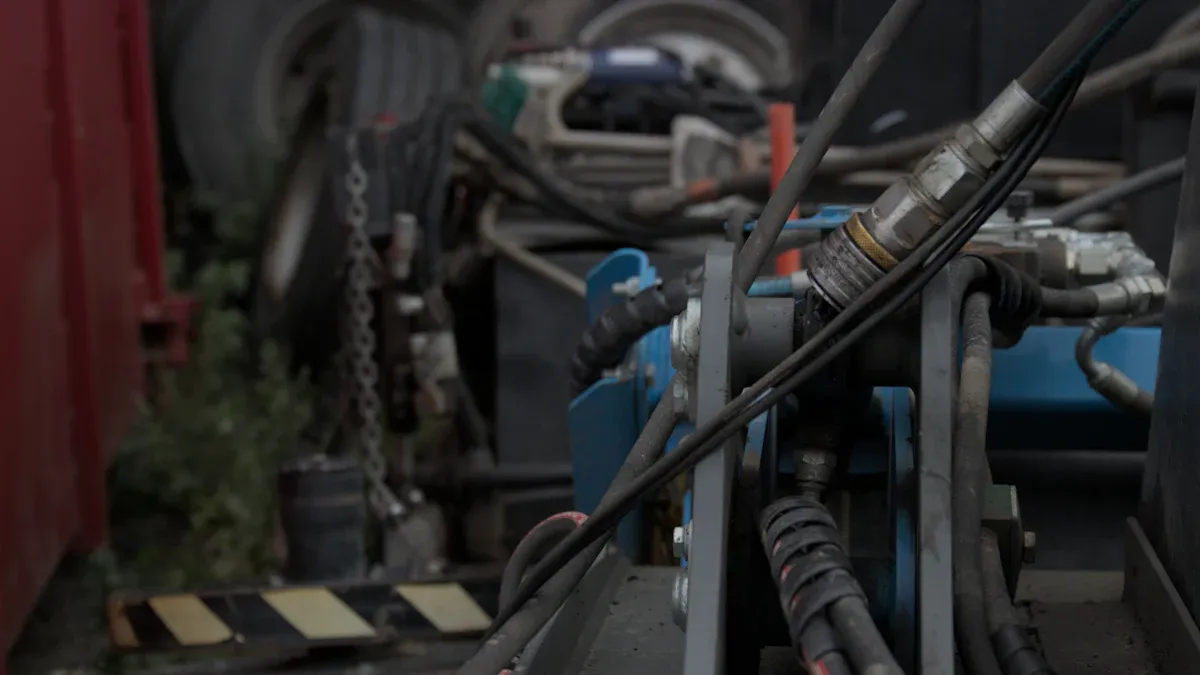
Understanding how your tractor’s hydraulic system works gives you the confidence to troubleshoot problems quickly. You rely on this system for lifting, steering, and powering implements. When you know the main parts and their roles, you can spot issues before they become serious.
Your tractor’s hydraulic system includes several essential parts. Each one plays a specific role in delivering power and control. Here is a summary of the main components and their functions:
| Komponente | Funktion |
|---|---|
| Hydraulische Pumpe | Pressurizes hydraulic fluid, converting engine power into hydraulic energy |
| Hydraulic Fluid (Oil) | Transfers energy, lubricates, and cools the system |
| Hydraulische Zylinder | Turns hydraulic pressure into linear movement |
| Regelventile | Directs, regulates, and controls fluid flow |
| Hydraulic Reservoir | Stores fluid and helps dissipate heat |
| Hydraulic Filters | Removes contaminants from the fluid |
| Hydraulic Hoses and Lines | Carries pressurized fluid between components |
| Hydraulic Couplers | Allows quick connection/disconnection of implements |
| Pressure Relief Valve | Prevents system damage from excess pressure |
Tipp: Regularly inspect hoses and fittings for leaks or wear. Early detection prevents bigger problems.
The Hydraulic System Explained: Power and Control in Your Tractor starts with the engine. The hydraulic pump uses engine power to pressurize fluid. This pressurized fluid travels through hoses and control valves. You use levers or switches to direct the fluid to hydraulic cylinders or motors. These actuators convert hydraulic energy back into mechanical force, allowing you to lift heavy loads or operate attachments. The system’s flexibility lets you handle a wide range of tasks with precision.
If you want to learn more about how hydraulic systems work, check out this detailed guide from the University of Nebraska-Lincoln oder this overview from the Fluid Power Society.
Hydraulic System Explained: Power and Control in Your Tractor highlights the importance of regular maintenance. Common problems include low pressure, slow response, overheating, pump failure, and leaks. These issues often result from dirty fluid, worn seals, or damaged hoses. You can prevent most failures by checking fluid levels, cleaning filters, and inspecting components.
Fallstudie:
A farmer noticed his loader was moving slowly and making unusual noises. He checked the Hydraulic System Explained: Power and Control in Your Tractor checklist and found a clogged filter and low fluid level. After replacing the filter and topping off the fluid, the loader returned to normal operation. This simple troubleshooting saved time and prevented costly repairs.
Notiz: Always follow the manufacturer’s maintenance schedule. Consistent care keeps your hydraulic system reliable and safe.
Before you start working on your tractor’s hydraulic system, you must put safety first. You protect yourself and others by following these steps:
Tipp: Training on hydraulic systems helps you recognize dangers and respond quickly. You can find safety standards at OSHA’s agricultural safety page and join discussions on tractor safety in forums like Reddit’s r/tractors.
Fallstudie:
A technician prepared to inspect a loader’s hydraulics. He wore gloves and goggles, checked for leaks, and locked out the ignition. During inspection, he found a damaged hose. He replaced it before starting the tractor, preventing a high-pressure fluid accident.
Checking hydraulic fluid is a simple but crucial step. You ensure the system runs smoothly and avoid damage by following these actions:
Notiz: Dirty or low fluid can cause slow response, overheating, and pump failure. The Hydraulic System Explained: Power and Control in Your Tractor stresses regular fluid checks to prevent these problems.
Fallstudie:
A farmer noticed sluggish steering. He checked the hydraulic fluid and found it dark and below the minimum mark. After replacing the fluid, the steering returned to normal, and the tractor ran smoothly.
You can spot many hydraulic problems with a careful look. Use this checklist to guide your inspection:
| Schritt | What to Look For |
|---|---|
| Hose Connections | Fluid leaks, bulging, blistering |
| Under Tractor | Pooled fluid, wet spots |
| Hydraulic Operations | Sluggish movement, reduced performance |
| Hoses | Cracks, swelling, loose fittings |
| System Noise | Hissing, knocking, or unusual sounds |
Fallstudie:
A tractor operator saw fluid under the rear axle and noticed a hissing sound during lifting. He found a loose fitting and a blistered hose. After tightening the fitting and replacing the hose, the hydraulic system worked without leaks or noise.
Tipp: Regular visual checks help you catch problems early. You can share inspection tips and learn from others in online tractor maintenance groups.
You can detect many hydraulic problems by using your senses. Listening and feeling for changes helps you catch issues that visual checks might miss. When you operate your tractor, pay close attention to sounds and vibrations. These clues often point to trouble before it becomes serious.
Start your inspection by running the hydraulic system through its normal functions. Listen for unusual noises. Healthy hydraulics produce a steady hum or gentle whir. If you hear knocking, whining, or hissing, you should investigate further. Knocking sounds may signal air in the system or worn pump components. Whining often means low fluid or a clogged filter. Hissing can indicate a leak or high-pressure escape.
Tipp: Always compare the sounds you hear to what you expect from normal operation. Changes in pitch or volume suggest a problem.
Next, use your hands to feel for abnormal vibrations or heat. Place your hand near (but not on) hoses, valves, and cylinders. You should feel a smooth, steady vibration. Excessive shaking or pulsing points to internal wear or air in the lines. If a component feels much hotter than others, you may have a restriction or failing part.
Here is a quick checklist to guide your sensory inspection:
| Symptom | Mögliche Ursache | What You Should Do |
|---|---|---|
| Knocking Sound | Air in system, worn pump | Bleed air, inspect pump |
| Whining Noise | Low fluid, clogged filter | Check fluid, replace filter |
| Hissing Noise | Leak, high pressure escape | Inspect hoses, check relief valve |
| Excess Vibration | Internal wear, air in lines | Inspect components, bleed system |
| Hot Components | Restriction, failing part | Check for blockages, replace part |
Fallstudie:
A tractor operator noticed a whining noise and felt strong vibrations in the loader controls. He stopped the tractor and checked the hydraulic fluid. The level was low, and the filter showed signs of clogging. After topping off the fluid and replacing the filter, the noise and vibration disappeared. The loader returned to smooth operation, and the operator avoided a costly breakdown.
Notiz: Trust your senses. You know your tractor best. If something feels or sounds off, investigate right away. Early detection saves time and money.
Listening and feeling for issues gives you an edge in hydraulic troubleshooting. You catch problems early, prevent damage, and keep your tractor running safely. Make sensory checks part of your regular inspection routine.
Hydraulic issues can disrupt your tractor’s performance and lead to costly repairs. You can prevent major breakdowns by recognizing symptoms early and following a systematic troubleshooting approach. The following sections guide you through the most common hydraulic problems: leaks, low pressure, and slow response.
Hydraulic leaks often reveal themselves through visible signs and changes in system behavior. You may notice:
Leaks can cause a drop in performance and may escalate quickly if left unchecked.
Leaks in the hydraulic system usually result from:
The following table summarizes typical sources of leaks and their impact:
| Quelle | Beschreibung |
|---|---|
| Static seals | Seals at joints and connections that degrade over time |
| Oil seals | Seals around moving parts, such as pump shafts, prone to wear |
| Installation issues | Incorrect assembly or incompatible components leading to leaks |
You can detect and address leaks using these steps:
Tipp: Regular inspections help you catch leaks before they cause significant damage.
Fallstudie:
You notice a puddle of hydraulic fluid under your tractor after parking it overnight. Upon inspection, you find a wet spot around a hose fitting. You clean the area, add fluorescent dye to the fluid, and use a UV flashlight to confirm the leak source. After tightening the fitting and replacing a worn seal, the leak stops. The system regains normal pressure, and you avoid further damage.
Low hydraulic pressure affects your tractor’s ability to lift, steer, or operate attachments. You may experience:
Several factors can lead to low pressure in the hydraulic system:
Follow these steps to diagnose and resolve low pressure:
| Troubleshooting Step | Expected Outcome |
|---|---|
| Fluid check | Restores pressure if low or contaminated |
| Filter inspection | Improves flow and pressure |
| Leak repair | Prevents further pressure loss |
| Relief valve test | Ensures system maintains correct pressure |
| Pressure measurement | Confirms pump and valve performance |
Fallstudie:
You notice your tractor struggles to lift a loaded bucket. You check the fluid level and find it low. After topping off, the problem persists. You inspect the filter and discover it is clogged. Replacing the filter restores normal pressure, and the bucket lifts smoothly. You also test the pressure relief valve and confirm it operates within specifications.
A slow hydraulic response can make your tractor difficult to operate. Common signs include:
Slow response often results from:
You can restore normal response by following these steps:
Notiz: Ignoring slow response can lead to larger system failures. Address issues promptly to maintain safe operation.
Fallstudie:
You notice your tractor’s steering feels heavy and slow. You check the hydraulic fluid and find it at the minimum mark. After topping off, the steering improves slightly. You then inspect the filter and pickup screen, finding both clogged with debris. Cleaning and replacing these components restores quick, smooth steering and prevents future problems.
| Problem Frequency Comparison | Lecks | Niederdruck | Slow Response |
|---|---|---|---|
| Percentage of Reported Cases | 40% | 30% | 20% |
The Hydraulic System Explained: Power and Control in Your Tractor emphasizes the importance of regular checks and maintenance. You can prevent most hydraulic problems by following these troubleshooting steps and making inspections part of your routine.
You can spot overheating in your tractor’s hydraulic system by watching for these signs:
Tipp: If you see steam or smoke near hydraulic components, shut down the tractor immediately. Overheating can cause serious damage or even fire.
Several factors can make your hydraulic system overheat. You should look for these common causes:
| Ursache | Beschreibung |
|---|---|
| Low Fluid Level | Not enough fluid reduces cooling and increases friction |
| Dirty or Wrong Fluid | Contaminated or incorrect fluid loses its cooling ability |
| Clogged Filters or Screens | Blocked filters restrict flow and trap heat |
| Overloaded System | Using heavy implements or running at high pressure for too long |
| Faulty Relief Valve | A stuck valve causes fluid to bypass and heat up |
| Poor Ventilation | Dirt or debris blocks airflow around the reservoir or lines |
You should check each of these areas when you suspect overheating.
You can fix overheating by following a careful process. Start with the basics and move to more advanced checks:
Fallstudie:
A tractor operator noticed the loader slowed down after 30 minutes of use. The hydraulic reservoir felt hot, and the fluid smelled burnt. He checked the fluid and found it low and dark. After replacing the fluid and cleaning the filters, the overheating stopped. He also cleared grass clippings from around the reservoir to improve cooling. The loader worked normally for the rest of the season.
Pump failure can stop your tractor’s hydraulic system from working. You may notice:
Notiz: If you hear loud or unusual noises from the pump, stop the tractor right away. Running a damaged pump can destroy other components.
Pump failure often results from a combination of wear, contamination, and poor maintenance. Watch for these causes:
| Ursache | Beschreibung |
|---|---|
| Running with Low Fluid | The pump runs dry and overheats, causing internal damage |
| Dirty or Contaminated Fluid | Dirt and debris wear down pump parts quickly |
| Air in the System | Air bubbles cause cavitation and damage pump surfaces |
| Worn Seals or Bearings | Old seals let fluid leak and bearings fail, reducing pump efficiency |
| Overloading | Using implements that require more flow or pressure than the pump can handle |
You can diagnose and address pump failure with these steps:
Fallstudie:
A farmer noticed his tractor’s loader would not lift, and the pump made a loud whining noise. He checked the fluid and found it foamy with metal flakes. After bleeding the system and replacing the fluid, the noise continued. He tested the pressure and found it far below normal. He replaced the pump and flushed the system. The loader returned to full power, and the new pump ran quietly.
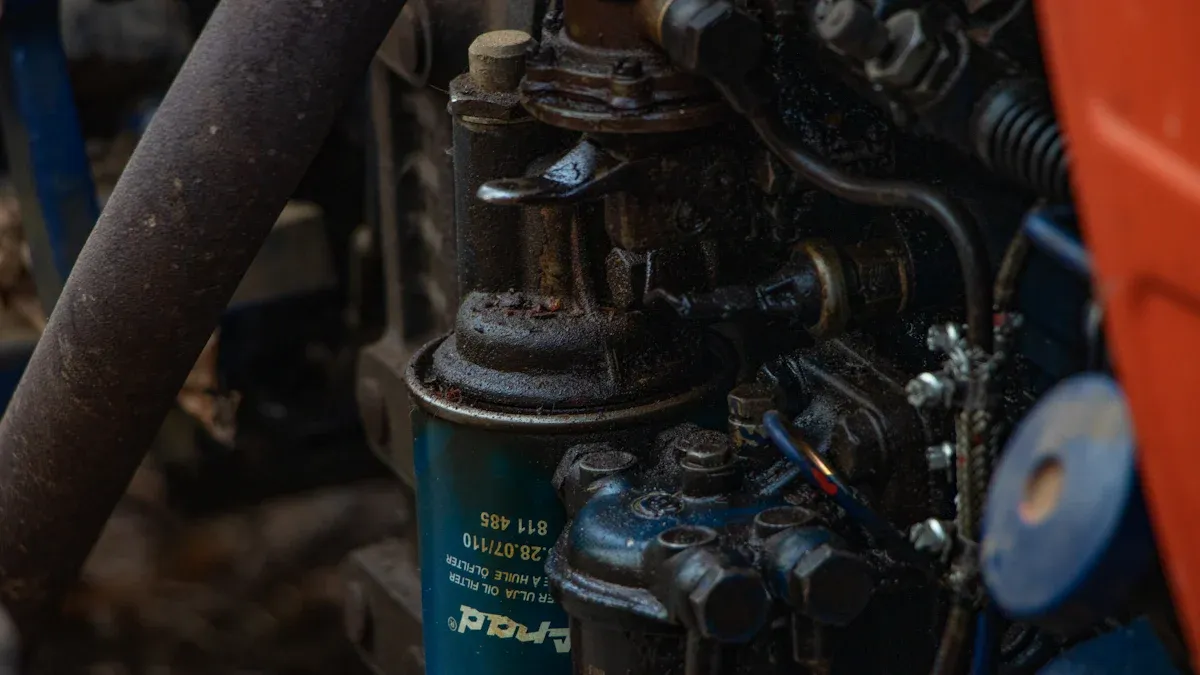
A thorough inspection routine helps you catch hydraulic problems before they become expensive repairs. Use this checklist to guide your inspection of the most important hydraulic components. You can follow this sequence every time you check your tractor.
| Schritt | Komponente | What to Look For |
|---|---|---|
| 1 | Hoses and Fittings | Cracks, leaks, bulges, loose fittings |
| 2 | Filters and Screens | Dirt, clogging, damage |
| 3 | Fluid Condition | Color, clarity, odor, contamination |
| 4 | Valves and Cylinders | Leaks, sticking, uneven movement |
| 5 | System Connections | Secure mounting, corrosion, wear |
Tipp: Download a printable inspection checklist from Tractor Safety or see daily routines shared on Instagram #tractormaintenance.
Start your inspection with the hoses and fittings. You should look for cracks, bulges, or worn spots along every hose. Run your hand (wearing gloves) along the length to feel for soft spots or blisters. Check each fitting for leaks or signs of hydraulic fluid. Tighten any loose connections with the correct tool. Replace any hose that shows damage or excessive wear. Even a small leak can lead to a sudden failure under pressure.
Alarm: Never check for leaks with your bare hands when the system is pressurized. High-pressure fluid can cause serious injury.
Next, move to the filters and screens. Remove the hydraulic filter and inspect it for dirt or metal particles. A clogged filter restricts fluid flow and can cause overheating or slow response. Clean or replace the filter if you see any buildup. Check the pickup screen inside the reservoir for debris or sludge. Clean the screen thoroughly before reinstalling it. Keeping filters and screens clean ensures smooth operation and extends the life of your hydraulic system.
Check the hydraulic fluid by removing the dipstick or opening the sight glass. The fluid should look clear and match the color recommended by your tractor’s manual. If you see a milky appearance, this means water contamination. Dark or burnt-smelling fluid signals overheating or old oil. Wipe the dipstick with a clean cloth and check for metal shavings or grit. If you find any contamination, drain and replace the fluid immediately.
Notiz: Always use the correct type of hydraulic fluid. Mixing fluids can cause seal failure and poor performance.
Fallstudie:
A tractor owner followed this inspection checklist before spring planting. He found a small crack in a hose and a clogged filter. By replacing the hose and cleaning the filter, he avoided a major breakdown during the busy season. His tractor ran smoothly, and he finished his work on time.
You can find more inspection tips and routines from experienced operators on Twitter #tractorinspection and in industry checklists. Make these checks a regular habit to keep your tractor reliable and safe.
Valves and cylinders play a central role in your tractor’s hydraulic system. You control the direction and flow of hydraulic fluid with valves. Cylinders convert this fluid power into movement. If you want your tractor to perform smoothly, you must inspect these parts regularly.
Start by checking all visible surfaces of the hydraulic cylinders. Look for oil leaks around the cylinder seals and rod ends. Even a small drip can signal a worn seal or damaged rod. Wipe the cylinder clean with a rag before you inspect it. This helps you spot fresh leaks during operation.
Next, extend and retract each cylinder fully. Watch for jerky or uneven movement. Smooth operation means the cylinder is working well. If you see hesitation or hear unusual noises, you may have air in the system or internal wear.
Inspect the rods for scratches, dents, or rust. Damaged rods can tear seals and cause leaks. Use a flashlight to check for pitting or corrosion. If you find any damage, replace the rod or the entire cylinder.
Move on to the control valves. Check for leaks around the valve body and fittings. Operate each valve and listen for hissing or clicking sounds. These noises can indicate internal leaks or sticking spools. If a valve feels stiff or does not return to its neutral position, you may need to clean or rebuild it.
Tipp: Keep a log of any leaks or performance issues you find. This record helps you track recurring problems and plan repairs.
Fallstudie:
A tractor owner noticed the loader bucket would not stay raised. He inspected the lift cylinder and found oil seeping from the rod seal. After replacing the seal and cleaning the rod, the bucket held its position without drifting. This simple repair prevented further fluid loss and restored full function.
System connections include all the points where hoses, pipes, and components join together. These connections must stay tight and free from corrosion to prevent leaks and maintain pressure.
Begin your inspection at the hydraulic pump and follow each line to its connection point. Check for loose nuts, missing clamps, or signs of fluid seepage. Use a wrench to gently tighten any loose fittings. Do not overtighten, as this can damage threads or crush seals.
Look for rust or corrosion around metal connections. Corrosion weakens fittings and can cause leaks. Clean any affected areas with a wire brush and apply a light coat of hydraulic-safe lubricant to protect against future rust.
Check quick couplers for dirt or debris. Dirty couplers can introduce contaminants into the system. Wipe them clean before connecting or disconnecting implements. Make sure each coupler locks securely in place.
Notiz: Always depressurize the system before disconnecting any lines or fittings. Pressurized fluid can cause injury.
Fallstudie:
A farmer experienced sudden loss of hydraulic power while using a rear attachment. He traced the problem to a quick coupler that had not locked in place. After cleaning and reseating the coupler, hydraulic power returned. This quick fix saved time and prevented a larger breakdown.
By inspecting valves, cylinders, and system connections, you ensure your tractor’s hydraulic system stays reliable and safe. Make these checks part of your regular maintenance routine for trouble-free operation.
You protect your tractor’s hydraulic system by checking fluid levels often. Clean hydraulic fluid keeps your system running smoothly and prevents wear. You should check the hydraulic fluid every 50 hours of operation. Change the fluid based on usage hours or at seasonal intervals. Dirty or low fluid can cause slow response, overheating, and pump failure. Always use the fluid type recommended in your tractor’s manual. When you inspect the fluid, look for changes in color, clarity, or odor. Replace the fluid if it appears dark, milky, or smells burnt.
Regular maintenance and inspection of hydraulic fluid quality are crucial for optimal tractor performance. Clean hydraulic fluid is vital for maintaining a healthy system, as contaminated or degraded fluid can compromise performance and accelerate wear on components.
Fallstudie:
A tractor owner checked the hydraulic fluid before every major job. One spring, he found the fluid level low and the color dark. He replaced the fluid and avoided a breakdown during planting season. His tractor performed better and used less fuel.
You can find maintenance schedules at Iowa State Extension’s tractor maintenance guide and join discussions in Facebook’s Tractor Maintenance Group.
You maintain hydraulic performance by cleaning or replacing filters and screens. Filters trap dirt and debris, keeping fluid clean. Screens prevent larger particles from entering the system. You should change filters at recommended intervals or every five years, whichever comes first. Inspect screens for buildup and clean them before reinstalling. If you wait too long, clogged filters can restrict flow and cause overheating.
Ideally, filters should be changed when the dirt-holding capacity of the filter is around 80% full, before the filter has gone on bypass.
Tipp:
Write down the date and hours when you change filters. This record helps you plan future maintenance.
You prevent hydraulic failures by inspecting hoses, seals, and fittings for wear. Look for cracks, bulges, leaks, or loose connections. Replace any part that shows damage. Even small leaks can lead to major problems if ignored. Check cylinders and valves for smooth movement and signs of oil seepage. Worn seals or rods can cause loss of pressure and poor performance.
| Maintenance Practice | Beschreibung |
|---|---|
| Regelmäßige Inspektionen | Helps identify potential problems early. |
| Proper Fluid Management | Regularly check and replace filters to keep fluid clean. |
| Inspect for Leaks | Even minor leaks can lead to significant issues. |
| Systematic Maintenance Routine | Establish a routine to catch issues before they escalate. |
Fallstudie:
A farmer noticed a small leak at a hose fitting during a routine inspection. He replaced the hose before it failed. This quick action saved him from a costly repair and kept his tractor running through harvest.
You extend your tractor’s life and improve safety by following a systematic maintenance routine.
You can share inspection tips and learn from others in Instagram #tractormaintenance und Twitter #tractorinspection.
You need to adapt your hydraulic maintenance routine based on the environment and workload. Dusty fields, muddy terrain, and extreme temperatures can stress your tractor’s hydraulic system. If you work in dry, dusty conditions, inspect and clean filters more often. Dust can clog screens and reduce fluid flow. In wet or muddy areas, check hoses and fittings for dirt buildup. Mud can hide leaks and accelerate wear.
Cold weather affects hydraulic fluid. Low temperatures make fluid thicker, slowing system response. You should warm up your tractor before heavy use. Run the hydraulics at low speed for several minutes. This helps fluid circulate and reach operating temperature. In hot climates, monitor fluid temperature closely. Overheating can damage seals and reduce system life.
Tipp: Adjust your inspection schedule during harvest or planting seasons. Heavy workloads increase the risk of hydraulic problems.
Fallstudie:
A farmer worked long hours during a dry summer. Dust collected around the hydraulic reservoir and clogged the filter. He noticed slow loader movement and cleaned the filter twice as often. This simple adjustment kept his tractor running smoothly and prevented downtime.
You keep your hydraulic system healthy by using it often. Regular operation prevents seals from drying out and keeps fluid moving through all components. If your tractor sits idle for weeks, run the hydraulics at least once a week. Cycle each function—lift, lower, tilt, and steer. This distributes fluid, lubricates moving parts, and helps you spot problems early.
Idle systems can develop leaks or lose pressure. You avoid these issues by operating the system regularly. Listen for unusual noises and feel for changes in response. Early detection lets you fix small problems before they grow.
Checklist for Regular Operation:
Fallstudie:
A tractor owner parked his machine for the winter. He started the engine and ran the hydraulics every two weeks. During one check, he found a small leak at a cylinder seal. He repaired it before spring, avoiding a major repair and keeping his tractor ready for planting.
You protect your investment by following the maintenance schedule in your tractor’s manual. Manufacturers design these schedules to match system needs and operating conditions. The schedule tells you when to change fluid, replace filters, and inspect key components. You should record each maintenance task and keep a log of hours and dates.
Notiz: Skipping scheduled maintenance increases the risk of breakdowns and shortens system life.
Table: Sample Maintenance Schedule
| Aufgabe | Recommended Interval |
|---|---|
| Fluid Level Check | Alle 50 Stunden |
| Filterwechsel | Every 250 hours or yearly |
| Hose Inspection | Alle 100 Stunden |
| Full System Review | Alle 500 Stunden |
Fallstudie:
A farmer followed the manufacturer’s schedule for his tractor. He changed hydraulic fluid and filters at the recommended intervals. During a scheduled inspection, he found a worn hose and replaced it. His tractor ran without hydraulic problems all season, saving time and money.
You ensure reliable performance and avoid costly repairs by adjusting maintenance for conditions, operating the system regularly, and following the manufacturer’s schedule.
You keep your tractor running smoothly when you follow a regular inspection and maintenance routine. Check fluid levels, inspect hoses, and clean filters often. Address leaks and low pressure as soon as you notice them. Use the checklist to catch minor issues before they become major failures.
First, shut off the engine and check fluid levels. Inspect hoses and fittings for leaks or damage. If you find no obvious issue, consult your manual or contact a professional.
For more troubleshooting tips, visit TractorByNet’s Hydraulic FAQ.
You should change hydraulic fluid every 250 hours or at least once a year. Check your manual for specific intervals. Regular changes prevent contamination and keep your system running smoothly.
🛠️ Tip: Record each fluid change in a maintenance log.
Whining noises often mean low fluid, clogged filters, or air in the system. Check fluid level and filter condition. Bleed air from the lines if needed.
See real-world solutions at Reddit’s Tractor Q&A.
Never use automotive oil in hydraulic systems. Always use the fluid type recommended in your tractor’s manual. Wrong fluids can damage seals and reduce performance.
🚫 Using the wrong fluid may void your warranty.
Use a fluorescent dye in the hydraulic fluid and inspect with a UV flashlight. Look for wet spots, hissing sounds, or pressure drops.
For step-by-step leak detection, check FarmChat’s Hydraulic Leak Thread.
Cold temperatures thicken hydraulic fluid, slowing system response. Warm up your tractor before heavy use. Cycle all hydraulic functions to circulate fluid.
❄️ Case Study: One farmer improved loader speed by letting the tractor idle for ten minutes on cold mornings.
Inspect hoses, fluid, and filters before peak work periods. Clean debris from around the reservoir. Operate all hydraulic functions weekly, even if the tractor sits idle.
For seasonal maintenance checklists, visit AgTalk’s Tractor Maintenance Forum.
You can join discussions and ask questions on Reddit’s r/tractors, TractorByNet, Und Facebook Tractor Maintenance Group.
🗨️ Sharing your experience helps others solve similar problems.







-1.png)