Email: [email protected] Whatsapp: +8618266768780
Email: [email protected] Whatsapp: +8618266768780

Sie können damit rechnen, im Jahr 2026 für einen neuen Bagger zwischen $20.000 und über $1.000.000 zu zahlen Der Preis hängt von Größe, Typ und Ausstattung ab Größere Maschinen kosten mehr, da sie größere Fähigkeiten bieten. Fortschrittliche Technologie und spezialisierte Anbaugeräte erhöhen auch die Kosten. Schauen Sie sich die Tabelle unten an, um einen kurzen Blick darauf zu werfen Wie sich die Größe auf den Preis auswirkt:
| Kategorie der Baggergröße | Preisspanne (Neu) |
|---|---|
| Mittelgroß (13-20 Tonnen) | $200.000 $500.000 1 |
| Groß (21-30 Tonnen) | $500.000 $800.000 1000 |
| Extragroß (30+ Tonnen) | $800.000 $1.500.000+ |
Wenn Sie sich fragen, wie viel ein Bagger kostet, sollten Sie diese Faktoren berücksichtigen, um die beste Lösung für Ihre Bedürfnisse zu finden.
Sie werden feststellen, dass der nationale Durchschnittspreis für neue Bagger im Jahr 2026 von $20.000 für kompakte Modelle bis weit über $1.000.000 für die größten Maschinen reicht Die meisten Käufer entscheiden sich für mittelgroße oder große Bagger, die typischerweise zwischen $200.000 und $800.000 kosten Diese Preise spiegeln die neuesten Branchendaten wider, die von Baumaschinenplattformen und Händlerlisten gesammelt wurden Beispielsweise hat ein Auftragnehmer in Texas kürzlich einen 22 Tonnen schweren Bagger für $520.0000 in Mini-Projekte investiert.
Hier eine Tabelle, die die Durchschnittspreise für neue Bagger nach Größenklassen im Jahr 2026 zusammenfasst:
| Größenkategorie | Typischer Gewichtsbereich | Durchschnittspreis (USD) |
|---|---|---|
| Mini | 1-6 Tonnen | $20.000 $100.000 1 |
| Midi | 7-12 Tonnen | $100.000 $190.000 1 |
| Mittel | 13-20 Tonnen | $200.000 $500.000 1 |
| Groß | 21-30 Tonnen | $500.000 $800.000 1000 |
| Extragroß | 30+ Tonnen | $800.000 $1.500.000+ |
Wenn Sie mehr Echtzeitpreise sehen möchten, können Sie Plattformen wie überprüfen Ausrüstungshändler oder verfolgen Sie Updates zur Baubranche auf LinkedIn.
Sie werden vielleicht feststellen, dass die Preise für neue Bagger im Jahr 2026 im Vergleich zu den Vorjahren gestiegen sind Im Jahr 2023 lag der Durchschnittspreis für einen mittelgroßen Bagger bei etwa $180.000. Bis 2026 kostet dieselbe Kategorie oft $200.000 oder mehr Dieser Aufwärtstrend resultiert aus mehreren FaktorenDie Hersteller haben fortschrittliche Funktionen hinzugefügt, wie verbesserte Kraftstoffeffizienz und intelligente Steuerungen Störungen in der Lieferkette haben die Kosten für Rohstoffe und Komponenten erhöht Die Nachfrage nach Baggern ist aufgrund von mehr Infrastrukturprojekten und Stadtentwicklung gestiegen.
Tipp: Wenn Sie wissen möchten, wie viel ein Bagger im Vergleich zum letzten Jahr ist, überprüfen Sie immer historische Preisdiagramme auf vertrauenswürdigen Branchenwebsites. Dies hilft Ihnen, Trends zu erkennen und Ihr Budget zu planen.
Mehrere Marktfahrer prägen die Preisklasse für neue Bagger im Jahr 2026, diese Faktoren sollten Sie vor einem Kauf beachten:
Sie können Updates zu diesen Trends über Branchennachrichtenseiten wie verfolgen Bautauchen oder Social Media Gruppen mit Fokus auf Bautechnik.
Wenn Sie eine fundierte Entscheidung treffen möchten, vergleichen Sie die neuesten Funktionen und Marktbedingungen. Dieser Ansatz hilft Ihnen zu verstehen, wie viel ein Bagger kostet und warum sich die Preise jedes Jahr ändern.
Minibagger geben Ihnen Flexibilität für enge Räume und kleine Projekte, Sie können damit rechnen, im Jahr 2026 zwischen $20.000 und $100.000 für einen neuen Minibagger zu zahlen Diese Maschinen wiegen in der Regel zwischen 1 und 6 Tonnen, Landscaper, Hilfskräfte, Hausbesitzer wählen oft Minibagger für das Graben von Gräben, die Planierung, oder die Vorbereitung des Standorts, zum Beispiel hat ein kleines Bauunternehmen in Florida kürzlich einen 3-Tonnen-Mini-Bagger für $38.000 gekauft, um die Arbeiten von Wohngrundlagen zu bewältigen Wenn Sie aktuelle Auflistungen sehen möchten, besuchen Sie MachineryTrader Oder schauen Sie sich Diskussionen an Reddit-Subreddit r/Construction.
Tipp: Minibagger bieten geringere Betriebskosten und einen einfacheren Transport, Sie können sie mit einem Standardanhänger bewegen, was Ihnen Geld für die Logistik spart.
Midibagger füllen die Lücke zwischen Mini - und Medium-Modellen Sie finden Preise zwischen $100.000 und $190.000 für neue Midibagger im Jahr 2026 Diese Maschinen wiegen in der Regel 7 bis 12 Tonnen Auftragnehmer verwenden Midibagger für den Stadtbau, Straßenreparaturen und Nutzanlagen Beispielsweise investierte ein städtisches Team in Illinois $120.000 in einen 10-Tonnen-Midi-Bagger für Kanal-Upgrades. Midi-Bagger liefern mehr Leistung als Mini-Modelle, bleiben aber kompakt genug für Stadtarbeiten. Sie können die Preise von Midi-Baggern auf vergleichen Ausrüstungshändler Und gespräche mitmachen auf LinkedIn Baumaschinen.
Hinweis: Midibagger balancieren Kraft und Manövrierfähigkeit, Sie können sie sowohl für Wohn - als auch für Gewerbeprojekte einsetzen.
Mittelbagger stellen die beliebteste Wahl für den Großbau dar, man sollte damit rechnen, für einen neuen Mittelbagger im Jahr 2026 zwischen $200.000 und $500.000 zu zahlen Diese Maschinen wiegen 13 bis 20 Tonnen, Auftragnehmer setzen beim Bau von Straßen, Brücken, und Gewerbeentwicklungen auf mittlere Bagger, so benötigte beispielsweise ein Autobahnprojekt in Georgien einen 16 Tonnen schweren Bagger, der $260.000. Mittlere Bagger liefern starke Grabkraft und fortschrittliche Technik, wie GPS-Führung und Kraftstoffsparsysteme, wenn man mehr darüber erfahren will, wie viel ein Bagger in dieser Kategorie preislich auswertet Bautauchen Oder folgen Sie Branchennachrichten auf Twitters #ConstructionEquipment.
| Baggergröße | Typisches Gewicht | Preisspanne 2026 (USD) |
|---|---|---|
| Mini | 1-6 Tonnen | $20.000 $100.000 1 |
| Midi | 7-12 Tonnen | $100.000 $190.000 1 |
| Mittel | 13-20 Tonnen | $200.000 $500.000 1 |
Umsetzbare Ratschläge: Vergleichen Sie immer Spezifikationen und Preise, bevor Sie kaufen Sie können Online-Plattformen und Social-Media-Gruppen nutzen, um Feedback von anderen Käufern zu erhalten.
Große Bagger geben Ihnen die Kraft, die größten Bauprojekte zu bewältigen.2026 können Sie für einen neuen großen Bagger mit einer Zahlung zwischen $500.000 und $800.000 rechnen. Einige extragroße Modelle können sogar $1.500.000 überschreiten, insbesondere wenn Sie sich für fortschrittliche Funktionen oder spezielle Anbaugeräte entscheiden Diese Maschinen wiegen normalerweise zwischen 21 und 30 Tonnen und liefern die nötige Festigkeit für anspruchsvolle Aufgaben wie Bergbau, Straßenbau und große Erdbewegungen.
Man sieht vielleicht große Bagger bei der Arbeit an Autobahnausbauten oder großflächigen kommerziellen Entwicklungen, so hat ein Auftragnehmer in Kalifornien kürzlich $750.000 in einen 25 Tonnen schweren Bagger investiert, um den Brückenbau zu beschleunigen In einem anderen Fall hat ein Bergbaubetrieb in Nevada eine 32 Tonnen schwere Maschine für $1.200.000 gekauft, um schweres Gestein und Erde zu bewegen Diese Beispiele zeigen, wie große Bagger Projekte unterstützen, die sowohl Leistung als auch Effizienz erfordern.
| Baggergröße | Typisches Gewicht | Preisspanne 2026 (USD) |
|---|---|---|
| Groß | 21-30 Tonnen | $500.000 $800.000 1000 |
| Extragroß | 30+ Tonnen | $800.000 $1.500.000+ |
Tipp: Große Bagger werden oft mit fortschrittlicher Technologie geliefert, wie GPS-Systeme, Telematik und automatisierte Steuerungen Diese Funktionen helfen Ihnen, die Produktivität zu verbessern und die Treibstoffkosten zu senken Vergleichen Sie vor dem Kauf die verfügbaren Optionen und überlegen Sie, welche Funktionen Ihren Projekten am meisten zugute kommen.
Wenn Sie planen, einen großen Bagger zu kaufen, sollten Sie auch über Transport und Einrichtung nachdenken Der Umzug einer 25-Tonnen-Maschine erfordert Sondergenehmigungen und Schwerlastanhänger. Möglicherweise müssen Sie sich mit den örtlichen Behörden abstimmen, um eine sichere Lieferung an Ihre Baustelle zu gewährleisten. Dies erhöht Ihre Gesamtkosten. Nehmen Sie also immer die Logistik in Ihr Budget auf.
Aktuelle Angebote und Preistrends für Großbagger finden Sie auf Plattformen wie Ausrüstungshändler und MachineryTrader. Für Branchennachrichten und Benutzererfahrungen schauen Sie sich Diskussionen an LinkedIn Baumaschinen Oder Hashtags folgen wie #EXcavatoren auf Twitter.
Wenn Sie den besten Wert erzielen, Spezifikationen vergleichen, Angebote von mehreren Händlern anfordern und nach Finanzierungsmöglichkeiten fragen möchten, können Sie auch Online-Foren oder Social-Media-Gruppen beitreten, um von den Erfahrungen anderer Käufer zu lernen Diese Recherche hilft Ihnen, eine fundierte Entscheidung zu treffen und stellt sicher, dass Sie den richtigen Bagger für Ihre Bedürfnisse auswählen.
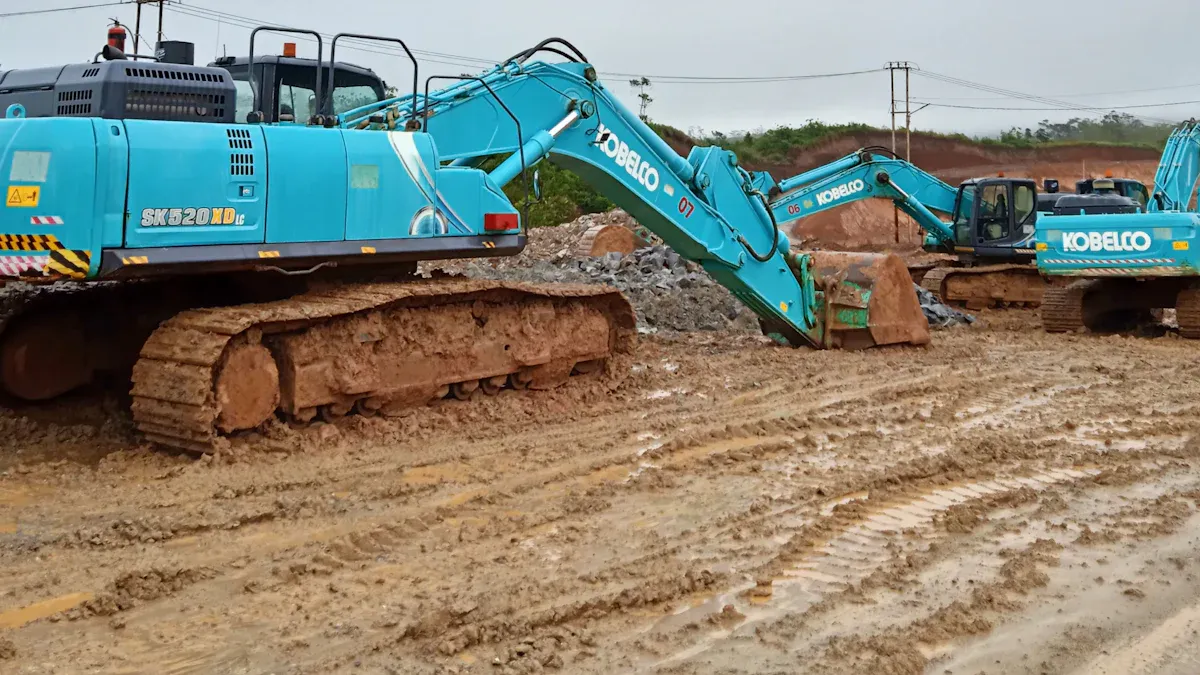
Raupenbagger verwenden Gleise anstelle von Rädern, Sie können sie auf unwegsamem Gelände und instabilem Boden betreiben.2026 finden Sie Preise für neue Raupenbagger von $100.000 für Kompaktmodelle bis über $1.500.000 für extragroße Maschinen Die meisten Bauprojekte verwenden Raupenbagger, da sie Stabilität und starke Grabkraft bieten.
| Raupenbaggergröße | Typisches Gewicht | Preisspanne 2026 (USD) |
|---|---|---|
| Kompakt | 7-12 Tonnen | $100.000 $190.000 1 |
| Mittel | 13-20 Tonnen | $200.000 $500.000 1 |
| Groß | 21-30 Tonnen | $500.000 $800.000 1000 |
| Extragroß | 30+ Tonnen | $800.000 $1.500.000+ |
Vielleicht sehen Sie, dass ein Bauunternehmer in Colorado einen 15 Tonnen schweren Raupenbagger, der 1 TP4T230.000 kostet, verwendet, um Fundamente für eine neue Schule zu graben Raupenbagger funktionieren gut für Bergbau, Straßenbau und Abriss. Sie können die Preise für Raupenbagger und Benutzererfahrungen vergleichen Ausrüstungshändler oder beteiligen Sie sich an Diskussionen auf Reddit-Subreddit r/Construction.
Tipp: Raupenbagger bieten eine bessere Traktion als Radmodelle, für Arbeiten, die Stabilität auf unebenem Untergrund erfordern, sollten Sie sie wählen.
Radbagger verwenden Gummireifen, man kann sie auf befestigten Straßen fahren und sich schnell zwischen den Arbeitsstellen bewegen, 2026 liegen die Preise für neue Radbagger zwischen $120.000 für kleinere Modelle und $350.000 für größere Diese Maschinen wiegen in der Regel zwischen 14 und 22 Tonnen.
| Größe des Radbaggers | Typisches Gewicht | Preisspanne 2026 (USD) |
|---|---|---|
| Klein | 14-16 Tonnen | $120.000 $180.000 $ |
| Mittel | 17-22 Tonnen | $180.000 $350.000 $ |
Ein Stadtwartungsteam in Michigan hat einen 16 Tonnen schweren Radbagger für $150.000 gekauft, um Gehwege und Versorgungseinrichtungen zu reparieren Radbagger passen zu städtischen Projekten und Straßenarbeiten, weil man sie ohne spezielle Anhänger verlegen kann Mehr Preisvergleiche und Bewertungen finden Sie auf MachineryTrader oder folgen Sie den Aktualisierungen auf LinkedIn Baumaschinen.
Hinweis: Radbagger sparen Ihnen Zeit und Geld beim Transport Sie sollten sie für städtische Projekte oder Jobs mit häufigen Standortwechseln in Betracht ziehen.
Spezialbagger sind Langstrecken, Amphibien - und Abbruchmodelle, Sie können sie für einzigartige Aufgaben wie das Ausbaggern von Flüssen, das Abreißen von Gebäuden oder Arbeiten in Feuchtgebieten verwenden Die Preise für neue Spezialbagger im Jahr 2026 variieren stark. Langstreckenmodelle beginnen bei $250.000 und können $900.000 überschreiten Amphibienbagger kosten oft $300.000 bis $600.000 Abbruchbagger mit verstärkten Rahmen und Aufsätzen können $1.000.00 oder mehr erreichen.
| Spezialmodelltyp | Preisspanne 2026 (USD) |
|---|---|
| Langfristig | $250.000 $900.000 – $900 |
| Amphibisch | $300.000 $600.000 1000 |
| Abriss | $400.000 $1.000.000+ |
Ein Hochwasserschutzteam in Louisiana investierte beispielsweise $350.000 in einen Amphibienbagger, um Trümmer aus Sümpfen zu entfernen. Sie können die Preise für Spezialbagger und Fallstudien recherchieren Bautauchen Oder nehmen Sie an Gesprächen teil Twitters #EXcavators.
Wenn Sie wissen möchten, wie viel ein Bagger für einen bestimmten Job ist, vergleichen Sie Spezialmodelle und ihre Eigenschaften Sie sollten die Maschine auf Ihre Projektanforderungen abstimmen, um die besten Ergebnisse zu erzielen.
Hybrid - und Elektrobagger sind im Jahr 2026 beliebter geworden, Sie sehen diese Maschinen auf vielen Baustellen, weil sie helfen, Emissionen zu reduzieren und die Treibstoffkosten zu senken Viele Bauunternehmen wählen Hybrid - oder Elektromodelle, um Umweltvorschriften zu erfüllen und die Effizienz zu verbessern.
Für Hybrid - und Elektrobagger kann man im Vergleich zu herkömmlichen Dieselmodellen mit mehr bezahlen, 2026 beginnen die Preise für neue Hybridbagger bei kompakten Größen bei etwa $120.000. Große Hybridmodelle können $900.000 oder mehr erreichen Vollelektrobagger kosten oft zwischen $130.000 und $400.000 für Mini - und Midi-Größen Mittlere und große Elektromodelle reichen von $400.000 bis $1.200.00, je nach Akkakkapazität und fortschrittlicher Ausstattung.
Hier eine Tabelle, die die Preisklassen 2026 für Hybrid - und Elektrobagger zusammenfasst:
| Art | Größenkategorie | Preisspanne 2026 (USD) |
|---|---|---|
| Hybridbagger | Mini/Midi | $120.000 $250.000 1 |
| Hybridbagger | Mittel | $250.000 $600.000 1 |
| Hybridbagger | Groß | $600.000 $900.000+ |
| Elektrischer Bagger | Mini/Midi | $130.000 $400.000 1 |
| Elektrischer Bagger | Mittel/Groß | $400.000 $1.200.000+ |
Vielleicht sehen Sie, dass ein städtischer Auftragnehmer in Oregon einen 10-Tonnen-Elektrobagger, der etwa 1 TP4T320.000 kostet, für städtische Versorgungsarbeiten einsetzt. Ein weiteres Beispiel ist eine Recyclinganlage in New York, die $700.000 in einen großen Hybridbagger investierte, um die Betriebskosten zu senken und die örtlichen Emissionsvorschriften einzuhalten.
Tipp: Sie können sich oft für staatliche Anreize oder Steuergutschriften qualifizieren, wenn Sie Elektro - oder Hybridgeräte kaufen Erkundigen Sie sich bei Ihren örtlichen Behörden oder besuchen Sie EPA Clean Construction USA für Updates zu verfügbaren Programmen.
Hybrid - und Elektrobagger bieten mehrere Vorteile, Sie erhalten einen leiseren Betrieb, was in Wohngebieten hilft Sie reduzieren auch Kraftstoffkosten und Wartungsbedarf Sie sollten jedoch vor einer Entscheidung die Ladeinfrastruktur und die Akkulaufzeit in Betracht ziehen Manche Job-Sites haben möglicherweise keinen einfachen Zugang zu Ladestationen, was die Produktivität beeinträchtigen kann.
Sie können die neuesten Trends und Benutzererfahrungen auf Plattformen wie verfolgen Ausrüstungswelt oder beteiligen Sie sich an Diskussionen auf Reddit-Subreddit r/Construction. Diese Ressourcen helfen Ihnen, die Leistung und Kosten in der Praxis zu vergleichen.
Wenn Sie Ihre Flotte zukunftssicher machen möchten, beginnen Sie mit der Bewertung Ihrer typischen Baustellen und Ihres Energiebedarfs Fordern Sie Angebote von mehreren Händlern an und fragen Sie nach Kundendienstunterstützung für Hybrid- und Elektromodelle. Diese Forschung hilft Ihnen, eine intelligente Investition zu tätigen und den Branchenveränderungen einen Schritt voraus zu sein.
Wenn man sich anschaut, wie viel ein Bagger im Jahr 2026 hat, spielen Technik und Ausstattung eine große Rolle beim Endpreis Moderne Bagger kommen jetzt mit Fortschrittliche hydraulische Systeme Das steigert Leistung und Effizienz Viele Modelle bieten Bedienerkomfort-Upgrades, wie klimatisierte Kabinen und ergonomische Steuerungen, Sie finden auch GPS - und Telematiksysteme, die Ihnen helfen, den Maschinennutzungs - und Wartungsbedarf zu verfolgen Diese intelligenten Funktionen können Ihre Arbeit einfacher und produktiver machen, aber sie erhöhen auch die Kosten Wenn Sie sich für zusätzliche Aufsätze wie Eimer, Greifer oder Hämmer entscheiden, erhöhen Sie die Vielseitigkeit der Maschine Allerdings erhöht jeder Aufsatz den Gesamtpreis Wenn Sie Modelle vergleichen, überprüfen Sie immer, welche Funktionen Standard sind und welche ein Upgrade erfordern.
Tipp: Durch die Investition in erweiterte Funktionen können Sie auf lange Sicht Geld sparen, indem Sie die Kraftstoffeffizienz verbessern und Ausfallzeiten reduzieren.
Die globale Lieferkette und die Materialkosten wirken sich direkt auf die Baggerpreise im Jahr 2026 aus, Sie können feststellen, dass die Preise steigen, wenn es zu Störungen bei der Versorgung mit Stahl, Elektronik oder anderen Schlüsselkomponenten kommt Auch wirtschaftliche Faktoren wie Zölle und Inflation treiben die Materialkosten in die HöheViele Hersteller nutzen mittlerweile Preisgleitklauseln In Verträgen zur Anpassung an diese Änderungen Sie können Maßnahmen ergreifen, um diese Risiken zu bewältigen:
Das sollte man auch wissen Starke Nachfrage Für Bagger, insbesondere aus großen Bau - und Energieprojekten, übt Aufwärtsdruck auf die Preise aus, wenn Sie planen, bald zu kaufen, behalten Sie die Markttrends im Auge und sind Sie bereit zu handeln, wenn sich die Preise stabilisieren.
Markenreputation und Ihre Region beeinflussen beide, wie viel Sie für einen neuen Bagger bezahlen Bekannte Marken verlangen oft mehr, weil sie bewährte Zuverlässigkeit und besseren Wiederverkaufswert bieten Regionale Standards und Vorschriften können sich auch auf den Preis auswirken Zum Beispiel kosten in Nordamerika und Europa verkaufte Maschinen aufgrund strengerer Emissions - und Sicherheitsanforderungen meist mehr Hier ist ein kurzer Blick darauf, wie sich Marke und Region auf die Preisgestaltung auswirken können:
| Marktfaktor | Typische Preisauswirkungen (USD) |
|---|---|
| Durchschnittlicher Exportpreis | $125.000 pro Einheit |
| Durchschnittlicher Importpreis | $165.000 pro Einheit |
| Premium-funktionen | Höherer Preis in regulierten Regionen |
Möglicherweise stellen Sie fest, dass die Preise in Ihrer Nähe höher sind, wenn die lokalen Regeln fortschrittliche Technologie oder spezielle Zertifizierungen erfordern Vergleichen Sie immer die Preise aus verschiedenen Regionen und fragen Sie vor dem Kauf nach der Einhaltung lokaler Standards.
Notiz: Die Wahl einer seriösen Marke und das Verständnis der Anforderungen Ihrer Region können Ihnen helfen, unerwartete Kosten zu vermeiden und sicherzustellen, dass Ihr Bagger alle Vorschriften erfüllt.
Die Marktnachfrage spielt eine große Rolle, um zu bestimmen, wie viel man für einen neuen Bagger im Jahr 2026 bezahlt, wenn mehr Bauprojekte starten, steigt der Bedarf an Baggern, das sieht man in Städten, in denen neue Gebäude, Straßen, Brücken in der Entwicklung sind, die hohe Nachfrage führt oft zu höheren Preisen, weil die Händler weniger Maschinen auf Lager haben.
Sie sollten auf Trends in der Baubranche achten Wenn Regierungen beispielsweise neue Infrastrukturpläne ankündigen, beeilen sich viele Unternehmen, Ausrüstung zu kaufen Dieser erhöhte Wettbewerb kann die Preise in die Höhe treiben Wenn Sie wissen möchten, wie viel ein Bagger in einer arbeitsreichen Saison kostet, stellen Sie möglicherweise fest, dass die Preise über dem Durchschnitt liegen.
Anhand von Daten können Sie die Marktnachfrage verfolgen Die folgende Tabelle zeigt, wie sich die Nachfrage auf die durchschnittlichen Baggerpreise der letzten Jahre auswirkt:
| Jahr | Marktnachfrageniveau | Durchschnittspreis (USD) |
|---|---|---|
| 2023 | Mäßig | $180,000 |
| 2024 | Hoch | $195,000 |
| 2025 | Sehr hoch | $210,000 |
| 2026 | Hoch | $220,000 |
Sie sehen, dass bei steigender Nachfrage auch die Preise steigen, wer vorhat zu kaufen, sollte seinen Kauf zeitlich festlegen, wenn die Nachfrage geringer ist Diese Strategie kann helfen, Geld zu sparen.
Sie sollten auch die Auswirkungen globaler Ereignisse berücksichtigen Naturkatastrophen, Wirtschaftswachstum oder Änderungen in der Regierungspolitik können sich alle auf die Nachfrage auswirken Nach einem großen Sturm benötigen beispielsweise viele Unternehmen neue Maschinen für die Sanierung und den Wiederaufbau Diese plötzliche Nachfrage kann dazu führen, dass die Preise in die Höhe schnellen.
Wenn Sie informiert bleiben möchten, verfolgen Sie Baunachrichten auf Plattformen wie Bautauchen oder Ausrüstungswelt. Diese Seiten bieten Updates zu Markttrends und Projektankündigungen Sie können auch Online-Foren beitreten, um Preisänderungen mit anderen Käufern zu besprechen.
Tipp: Planen Sie voraus und überwachen Sie die Marktnachfrage, bevor Sie kaufen Wenn Sie einen Anstieg neuer Projekte sehen, sollten Sie erwägen, Ihren Bagger frühzeitig zu sichern, um Preiserhöhungen zu vermeiden.
Die Marktnachfrage wirkt sich nicht nur auf den Preis aus, den Sie im Voraus zahlen, sie kann auch die Lieferzeiten und Verfügbarkeit beeinflussen, bei hoher Nachfrage warten Sie möglicherweise länger auf das Eintreffen Ihrer Maschine, dies sollten Sie in Ihren Projektplan einrechnen.
Sie müssen für Betrieb und Wartung budgetieren, wenn Sie einen neuen Bagger kaufen Diese Kosten können sich über das Jahr schnell summieren Besitzerumfragen zeigen, dass der Betrieb eines mittelgroßen Baggers im Jahr 2026 zwischen $65 und $104 pro Stunde kostet Dazu gehören mehrere wesentliche Ausgaben:
Wenn Sie Ihren Bagger jedes Jahr 1.000 Stunden lang nutzen, können Ihre jährlichen Gesamtbetriebskosten $65.000 bis $104.000 erreichen. Auch die routinemäßige Wartung ist wichtig. Sie sollten damit rechnen, jedes Jahr $12.000 bis $18.000 auszugeben, um Ihre Maschine in gutem Zustand zu halten.
Zu den routinemäßigen Wartungsaufgaben gehören:
Wenn Sie verlängerte Service-Intervalle befolgen, können Sie Ihre Kosten um $3.000 bis $5.000 pro Jahr reduzieren Regelmäßige Wartung hilft Pannen vorzubeugen und sorgt für einen reibungslosen Betrieb Ihres Baggers Weitere Tipps zu Wartungsplänen finden Sie in Branchenforen wie Foren für schwere Baumaschinen Oder überprüfen Sie Updates auf LinkedIn Baumaschinen.
Tipp: Verfolgen Sie Ihren Wartungsplan und Ihre Betriebszeiten Dies hilft Ihnen, Ihr Budget zu planen und unerwartete Ausgaben zu vermeiden.
Hier eine Tabelle, die typische jährliche Betriebs - und Wartungskosten für einen mittelgroßen Bagger zusammenfasst:
| Kostenkategorie | Jährliche Kosten (USD) |
|---|---|
| Kraftstoff | $18.000 – $28.000 |
| Wartung | $12.000 $18.000 1 |
| Reparaturen | $8.000 $15.000 1 |
| Versicherung | $4.500 $7.500 – einsehbar |
| Abschreibung | $22.000 – $35.000 |
| Insgesamt | $65.000 $104.000 1 |
Sie sollten Ihre Investition mit Versicherung und Garantieschutz schützen Versicherung hilft Ihnen, Schäden, Diebstahl oder Unfälle zu decken Die meisten Besitzer zahlen $4.500 bis $7.500 pro Jahr für Versicherung auf einem mittelgroßen Bagger Die Kosten hängen von Ihrem Standort, Deckungsgrad und Maschinenwert ab.
Garantiedeckung gibt Ihnen Sicherheit Neue Bagger kommen oft mit einer Standardgarantie, die ein bis drei Jahre dauert Einige Händler bieten erweiterte Garantien gegen eine Extragebühr Erweiterte Deckung kann Ihnen helfen, hohe Reparaturrechnungen zu vermeiden, wenn Ihre Maschine nach Ende der Standardgarantie ausfällt.
Notiz: Überprüfen Sie Ihre Versicherungspolice und Garantiebedingungen, bevor Sie kaufen Stellen Sie sicher, dass Sie verstehen, was abgedeckt ist und was nicht. Sie können Versicherungsoptionen und Garantiepläne auf Plattformen wie vergleichen Leitfaden für Baumaschinen oder beteiligen Sie sich an Diskussionen auf Reddit-Subreddit r/Construction.
Sie müssen die Liefer - und Einrichtungskosten einplanen, wenn Sie einen neuen Bagger kaufen Der Transport einer großen Maschine erfordert spezielle Ausrüstung und Genehmigungen Die Liefergebühren reichen von $1.500 für Minibagger bis zu $8.000 oder mehr für große Modelle Die Entfernung vom Händler zu Ihrer Baustelle wirkt sich auf die Endkosten aus.
Die Einrichtung umfasst Entladen, Montage und Kalibrierung. Einige Händler beziehen die Einrichtung in den Kaufpreis ein, während andere zusätzliche Kosten berechnen. Sie sollten ein detailliertes Angebot anfordern, bevor Sie Ihren Kauf abschließen.
Tipp: Planen Sie die Lieferung in den Randzeiten, um Geld zu sparen Bestätigen Sie alle Einrichtungsdetails mit Ihrem Händler, um Verzögerungen zu vermeiden.
Sie können mehr über Lieferlogistik und Setup-Best Practices aus Branchenressourcen erfahren wie Ausrüstungswelt oder folgen Sie den Aktualisierungen auf LinkedIn Baumaschinen.
Wenn Sie einen neuen Bagger kaufen, können Finanzierungsmöglichkeiten den Kauf überschaubarer machen Viele Finanzinstitute bieten Ausrüstungskredite oder Leasingverträge an, mit denen Sie Zahlungen über mehrere Jahre verteilen können Sie vermeiden hohe Vorabkosten und halten Ihren Cashflow stabil Dieser Ansatz hilft Ihnen, in neue Technologie zu investieren oder alternde Maschinen zu ersetzen, ohne Ihre Reserven zu belasten Die meisten Kreditgeber bieten flexible Konditionen an, wobei die typischen Zinssätze für Baumaschinenkredite im Jahr 2026 je nach Kreditwürdigkeit und Kreditdauer zwischen 5,51TP3 T und 8,21TP3 T liegen.
Sie sollten Kredit - und Leasingoptionen vergleichen, bevor Sie eine Entscheidung treffen Ausrüstungskredite erfordern in der Regel eine Anzahlung von 101TP3 T bis 201TP3 T. Leasing bietet möglicherweise niedrigere monatliche Zahlungen und ermöglicht es Ihnen, Maschinen häufiger zu aktualisieren Einige Kreditgeber beinhalten saisonale Zahlungspläne, die Ihnen helfen können, Zahlungen mit Ihren geschäftigsten Monaten in Einklang zu bringen Überprüfen Sie immer die Gesamtkosten, einschließlich Zinsen und Gebühren, um Ihr langfristiges finanzielles Engagement zu verstehen.
Hier eine Tabelle, die gängige Finanzierungsmöglichkeiten und deren Ausstattung für neue Bagger im Jahr 2026 zusammenfasst:
| Finanzierungsoption | Typischer Zinssatz | Anzahlung | Hauptvorteil |
|---|---|---|---|
| Ausrüstungskredit | 5.5% – 8.2% | 10% – 20% | Eigentum, Steuerersparnis |
| Ausrüstungsleasing | 6.0% – 9.0% | Variiert | Geringere Zahlungen, Upgrade-Flexibilität |
| Saisonplan | 6.5% – 8.5% | 10% – 20% | Zahlungen passen zur Hochsaison |
Tipp: Sie können Online-Rechner von Plattformen wie verwenden Ausrüstungshändler Monatszahlungen zu schätzen und Finanzierungsmöglichkeiten zu vergleichen.
Steuerliche Anreize spielen eine große Rolle bei der Kostensenkung für neue Bagger. Abschnitt 179 der IRS-Steuerordnung Ermöglicht es Ihnen Ziehen Sie den vollen Kaufpreis der qualifizierten Ausrüstung ab Von Ihrem Bruttoeinkommen im Jahr des Kaufs Dieser Abzug gilt, ob Sie bar bezahlen oder den Kauf finanzieren Die Bonusabschreibung sorgt für zusätzliche Einsparungen, indem Sie im ersten Jahr einen größeren Teil des Gerätewertes abziehen lassen Diese Rückstellungen können Ihre Steuerschuld senken und die Investition in neue Maschinen attraktiver machen.
Sofortige Abschreibung von Vermögenswerten (IAWO) Lassen Sie sich sofort volle Abzüge geltend machen, auch wenn Sie den Bagger finanzieren Sie halten den Cashflow aufrecht und profitieren gleichzeitig von erheblichen Steuerersparnissen Viele Unternehmen nutzen diese Steuerstrategien, um die Kosten für neue Ausrüstung auszugleichen und ihr Endergebnis zu verbessern.
Sie sollten einen Steuerfachmann konsultieren, um Ihre Abzüge zu maximieren und die Einhaltung der aktuellen Vorschriften sicherzustellen Die IRS-Website (irs.gov) bietet ausführliche Hinweise zu § 179 und Bonusabschreibungsregeln. Sie können auch an Diskussionen teilnehmen LinkedIn Baumaschinen Um zu erfahren, wie andere Käufer steuerliche Anreize nutzen.
Notiz: Steuergesetze ändern sich häufig Überprüfen Sie immer die neuesten Regeln, bevor Sie eine Kaufentscheidung treffen.
Finanzierung und Steuerplanung arbeiten zusammen, um Ihnen zu helfen, Kosten zu verwalten und Ihr Unternehmen auszubauen. Sie können in fortschrittliche Bagger investieren, den Cashflow aufrechterhalten und wertvolle Abzüge nutzen. Eine sorgfältige Planung stellt sicher, dass Sie den größtmöglichen Nutzen aus Ihrem Gerätekauf ziehen.
Wenn man neue und gebrauchte Bagger im Jahr 2026 vergleicht, sieht man eine große Preislücke Neue Maschinen bieten die neueste Technik und volle Gewährleistungen, aber sie erfordern eine viel höhere Investition Gebrauchte Bagger kosten im Vorfeld weniger und können bei sorgfältiger Auswahl trotzdem eine starke Leistung abliefern Hier eine Tabelle, die zeigt Typische gebrauchte Preise nach Größenklassen:
| Größenkategorie | Gewichtsbereich | Preisspanne (benutzt) |
|---|---|---|
| Mittelgroß | 13-30 Tonnen | $50.000 $150.000 1 |
| Groß | 30-50 Tonnen | $150.000 $300.000 1 |
| Extragroß | 50+ Tonnen | $300.000 $550.000+ |
Sie können Hunderttausende von Dollar sparen, indem Sie einen gebrauchten Bagger wählen, insbesondere für größere Modelle Sie sollten jedoch immer den Zustand und die Wartungsaufzeichnungen der Maschine überprüfen, bevor Sie kaufen Gebrauchte Ausrüstung kann mehr Verschleiß haben, und Sie müssen möglicherweise Reparaturen oder Upgrades budgetieren Wenn Sie aktuelle Einträge überprüfen möchten, besuchen Sie Plattformen wie Ausrüstungshändler oder beteiligen Sie sich an Diskussionen auf Reddit-Subreddit r/Construction.
Tipp: Fordern Sie immer eine vollständige Service-Historie an und erwägen Sie eine Inspektion durch Dritte, bevor Sie einen gebrauchten Bagger kaufen.
Die Anmietung eines Baggers gibt Ihnen Flexibilität und hilft Ihnen, den Cashflow zu verwalten.2026 variieren die Mietpreise je nach Größe und Dauer. Hier sind einige typische Tagessätze:
Für kompakte Maschinen zahlt man weniger, während größere Bagger aufgrund ihrer Möglichkeiten mehr kosten, oft übernehmen Verleihfirmen die Wartung, was Ihnen Zeit und Geld spart, wenn Sie einen Bagger für kurzfristige Projekte oder Saisonarbeiten einsetzen, kann die Vermietung eine kluge Wahl sein Branchendaten zeigen, dass Standardbagger ihren Wert innerhalb von 200-250 Miettage Bei 401TP3 T Auslastung, was bedeutet, dass die Mietnachfrage stark bleibt Für aktuelle Mietpreise und Verfügbarkeit, überprüfen Sie Ressourcen wie MachineryTrader Oder Branchengruppen folgen LinkedIn Baumaschinen.
Notiz: Die Mietpreise können sich je nach Standort, Saison und Maschinenverfügbarkeit ändern Vergleichen Sie immer die Angebote mehrerer Vermieter.

Sie müssen die Vor - und Nachteile des Neukaufs, des Gebrauchtkaufs oder der Miete abwägen Die richtige Wahl hängt von Ihren Projektbedürfnissen, Ihrem Budget und Ihren langfristigen Plänen ab Die folgende Tabelle fasst die wichtigsten Punkte zusammen:
| Art | Vorteile | Nachteile |
|---|---|---|
| Baggervermietung | 1. Keine Vorabkosten, vorteilhaft für kleine Unternehmen. | 1. Die Langzeitmiete kann teurer sein. |
| 2. Flexibilität zur Miete entsprechend den Projektbedürfnissen. | 2. Kann den Bagger nicht modifizieren oder anpassen. | |
| 3. Die Wartung wird häufig vom Vermieter übernommen. | 3. Es können Verfügbarkeitsprobleme auftreten. | |
| Baggerkauf | 1. Keine Nachzahlungen nach den Anfangskosten. | 1. Erfordert eine große Anfangsinvestition. |
| 2. Kostengünstig für den Langzeitgebrauch. | 2. Wartung und Instandsetzung liegen in der Verantwortung des Eigentümers. | |
| 3. Anpassungsmöglichkeiten verfügbar. | 3. Abschreibungen wirken sich auf den Wiederverkaufswert aus. |
Wenn Sie planen, einen Bagger für viele Jahre zu verwenden, kann der Kauf von Neu - oder Gebrauchtwagen Ihnen mit der Zeit Geld sparen Mieten funktioniert am besten für kurzfristige Jobs oder wenn Sie eine bestimmte Maschine für einen begrenzten Zeitraum benötigen Berücksichtigen Sie immer Ihre Arbeitsbelastung, Ihren Cashflow und Ihre Fähigkeit, die Wartung zu bewältigen, bevor Sie eine Entscheidung treffen.
Umsetzbare Ratschläge: Überprüfen Sie Ihren Projektplan und Ihr Budget. Wenn Sie mit einer häufigen Nutzung rechnen, bietet das Eigentum möglicherweise ein besseres Preis-Leistungs-Verhältnis. Für gelegentliche Bedürfnisse hält die Miete Ihre Kosten niedrig und vorhersehbar.
Sie möchten Ihre Investition beim Kauf eines neuen Baggers maximieren Beginnen Sie mit Anpassung der Spezifikationen der Maschine an Ihre betrieblichen Anforderungen und Standortbedingungen Dieser Schritt hilft Ihnen, zu hohe Ausgaben für Funktionen zu vermeiden, die Sie nicht benötigen Ein vielseitiges Modell, das Ihren Projektanforderungen entspricht, hält Ihr Budget im Zaum.
Die Budgetierung geht über den Erstkaufpreis hinaus Des Baggers Ein umfassendes Budget umfasst Wartungs, Reparatur, und andere Eigentumskosten.
Betrachten Sie diese praktischen Schritte, um das beste Angebot zu sichern:
Ein detailliertes Budget sollte neben dem Kaufpreis auch laufende Ausgaben enthalten, Sie können Online-Rechner von Branchenplattformen verwenden, um die Gesamtkosten zu schätzen Vergleichen Sie immer die Lebenszeitkosten neuer, gebrauchter und Mietoptionen, bevor Sie eine Entscheidung treffen.
Sie können Ihre Verhandlungsmacht verbessern, indem Sie bewährte Verhandlungsstrategien verfolgen Händler erwarten, dass Sie verhandeln, also bereiten Sie sich im Voraus vor Nutzen Sie diese Tipps, um einen besseren Preis zu sichern:
Sie können Online-Foren oder Social-Media-Gruppen beitreten, um von den Erfahrungen anderer Käufer zu lernen Das Teilen von Erkenntnissen hilft Ihnen, Ihren Verhandlungsansatz zu verfeinern.
Sie müssen die Gesamtbetriebskosten bewerten, bevor Sie sich auf einen Kauf festlegen Diese Analyse geht über den Aufkleberpreis hinaus Die Formel lautet:
Gesamtbetriebskosten = Kaufpreis + Betriebskosten + Wartungskosten - Wiederverkaufswert
Diese Berechnung umfasst alle wichtigen finanziellen Aspekte Überprüfen Sie die folgenden Komponenten:
| Kostenkategorie | Beschreibung |
|---|---|
| Anschaffungskosten | Kaufpreis, Versand, Installation |
| Betriebskosten | Energie, Verbrauchsmaterialien, Arbeit |
| Instandhaltungskosten | Reparaturen, Ersatzteile, Serviceverträge |
| Indirekte Kosten | Schulung, Ausfallzeiten, Opportunitätskosten |
| Lebensendekosten | Entsorgung, Recycling, Stilllegung |
Total Cost of Ownership bietet einen vollständigen Überblick über Ihre Investition. Sie können diese Analyse verwenden, um neue, gebrauchte und Mietoptionen zu vergleichen. Immer Budget für Wartung und Reparaturen Neben dem Erstkaufpreis bereitet Sie dieser Ansatz auf eine langfristige Eigentümerschaft vor und hilft Ihnen Überraschungen zu vermeiden.
Tipp: Bewerten Sie die Gesamtbetriebskosten, um sicherzustellen, dass Sie für eine langfristige Investition bereit sind.
Weitere Ressourcen und Rechner finden Sie auf maßgeblichen Branchenplattformen und Social Media Gruppen Diese Tools helfen Ihnen, fundierte Entscheidungen zu treffen und Ihre Investition zu optimieren.
Sie haben nun einen freien Blick auf Baggerpreise 2026. Sehen Sie sich die folgende Tabelle an, um eine kurze Zusammenfassung zu erhalten:
| Baggertyp | Preisklasse |
|---|---|
| Mittel | $190.000 $300.000 1 |
| Groß (25-45 Tonnen) | $300.000 $600.000+ |
| Klein (6-10 Tonnen) | $120.000 $180.000 $ |
| Mini (1-6 Tonnen) | $30.000 $110.000 1 |
Wenn Sie Ihren Kauf planen, berücksichtigen Sie diese Wichtige Faktoren:
Um die beste Entscheidung zu treffen:
Intelligente Recherche und sorgfältiger Vergleich helfen Ihnen, den richtigen Bagger für Ihr Unternehmen zu bekommen.
Sie werden sehen, wie sich die Preise je nach Größe, Typ, Technologie und Marktnachfrage ändern. Erweiterte Funktionen, Hybrid- oder Strom sowie regionale Vorschriften wirken sich ebenfalls auf die Kosten aus. Vergleichen Sie immer Spezifikationen und überprüfen Sie aktuelle Einträge auf vertrauenswürdigen Plattformen wie Ausrüstungshändler.
Sie sollten den Kaufpreis, den jährlichen Betrieb, die Wartungs, Versicherungs - und Lieferkosten hinzufügen Subtrahieren Sie den erwarteten Wiederverkaufswert Verwenden Sie diese Formel:
Gesamtkosten = Kauf + Betrieb + Wartung + Versicherung + Lieferung - Wiederverkaufswert
Dieser Ansatz hilft Ihnen bei der Planung Ihres Budgets.
Gebraucht kaufen oder mieten kostet oft weniger im voraus mieten funktioniert am besten für kurzfristige projekte gebrauchte maschinen sparen geld, aber müssen möglicherweise reparaturen vergleichen sie gesamtkosten und nutzungsbedarf, bevor sie entscheiden sie Mietpreise und gebrauchte preise auf MachineryTrader.
Sie können Ausrüstungskredite, Leasing oder Saisonzahlungspläne wählen Die Zinssätze im Jahr 2026 reichen von 5,51TP3 T bis 91TP3 T. Anzahlungen beginnen normalerweise bei 101TP3 T. Nutzen Sie Online-Rechner, um monatliche Zahlungen und Gesamtkosten zu vergleichen.
| Finanzierungsoption | Zinssatz | Anzahlung |
|---|---|---|
| Darlehen | 5.5%–8.2% | 10%–20% |
| Pacht | 6.0%–9.0% | Variiert |
Hybrid - und Elektrobagger kosten im Vorfeld mehr Mini - und Midi-Elektromodelle beginnen bei $130.000. Große Elektro - oder Hybridmaschinen können $900.000 überschreiten Sie können sich für Steuergutschriften oder Anreize qualifizieren Überprüfen Sie lokale Programme auf EPA Clean Construction USA.
Sie zahlen für Treibstoff, Wartung, Reparaturen, Versicherung, und Abschreibung Für einen mittelgroßen Bagger liegen die jährlichen Betriebs - und Wartungskosten zwischen $65.000 und $104.000. Verfolgen Sie Ihre Ausgaben, um Überraschungen zu vermeiden und Ihre Maschine in einem Top-Zustand zu halten.
Bessere Angebote erhalten Sie bei geringer Marktnachfrage Achten Sie auf langsame Bauzeiten oder Konjunkturabschwünge Überwachen Sie Branchennachrichten auf Bautauchen Trends zu erkennen und Ihren Einkauf zu planen.
Ja, Sie können § 179 und Bonusabschreibung verwenden, um den vollen Kaufpreis im Kaufjahr abzuziehen, Dies senkt Ihr zu versteuerndes Einkommen Konsultieren Sie immer einen Steuerfachmann oder überprüfen Sie IRS-Richtlinien für die neuesten Regeln.



-1.png)