E-mail: [email protected] WhatsApp: +8618266768780

E-mail: [email protected] WhatsApp: +8618266768780

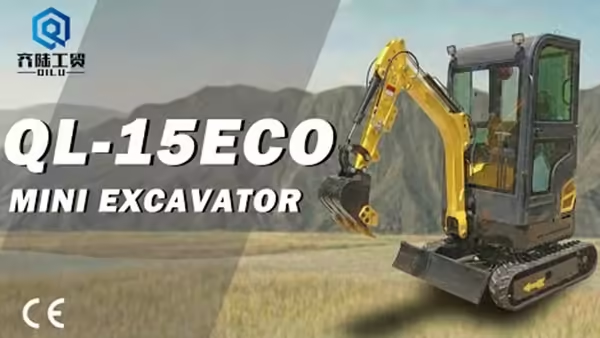
Puoi aspettarti di pagare ovunque da $20.000 a oltre $1.000.000 per un nuovo escavatore nel 2026 Il prezzo dipende dalle dimensioni, dal tipo e dalle caratteristiche Le macchine più grandi costano di più perché offrono maggiori capacità Anche la tecnologia avanzata e gli allegati specializzati aumentano i costi Controlla la tabella qui sotto per una rapida occhiata a in che modo la dimensione influisce sul prezzo:
| Categoria Dimensioni Escavatore | Fascia di prezzo (Nuovo) |
|---|---|
| Dimensioni medie (13-20 tonnellate) | $00.00020.$50.000 |
| Grande (21-30 tonnellate) | $00.00050.00000 |
| Extra-Grande (30+ tonnellate) | $00.00081.500.000+ |
Se ti chiedi quanto costa un escavatore, considera questi fattori per trovare la soluzione migliore per le tue esigenze.
Scoprirai che il prezzo medio nazionale per i nuovi escavatori nel 2026 varia da $20.000 per i modelli compatti a ben oltre $1.000.000 per le macchine più grandi La maggior parte degli acquirenti sceglie escavatori di medie o grandi dimensioni, che in genere costano tra $200.000 e $800.000 Questi prezzi riflettono gli ultimi dati del settore raccolti dalle piattaforme di attrezzature per l'edilizia e dagli elenchi dei rivenditori Ad esempio, un appaltatore in Texas ha recentemente acquistato un escavatore da 22 tonnellate per $520.000, mentre un'azienda paesaggistica in Ohio ha investito $35.000 in un miniescavatore per progetti su piccola scala.
Ecco una tabella che riassume i prezzi medi dei nuovi escavatori per categoria dimensionale nel 2026:
| Categoria Dimensioni | Tipico Intervallo di Peso | Prezzo medio (USD) |
|---|---|---|
| Mini | 1-6 tonnellate | $20.000T10.000 |
| Midi | 7-12 tonnellate | $00.0001190.000 |
| Medio | 13-20 tonnellate | $00.00020.$50.000 |
| Grande | 21-30 tonnellate | $00.00050.00000 |
| Extra-Grande | Oltre 30 tonnellate | $00.00081.500.000+ |
Se vuoi vedere più prezzi in tempo reale, puoi controllare piattaforme come Commerciante di attrezzature oppure segui gli aggiornamenti del settore edile su LinkedIn.
Si può notare che i prezzi per i nuovi escavatori nel 2026 sono aumentati rispetto agli anni precedenti Nel 2023, il prezzo medio per un escavatore di medie dimensioni era di circa $180.000 Entro il 2026, la stessa categoria spesso costa $200.000 o più Questa tendenza al rialzo deriva da diversi fattori I produttori hanno aggiunto funzionalità avanzate, come una migliore efficienza del carburante e controlli intelligenti Le interruzioni della catena di fornitura hanno aumentato il costo delle materie prime e dei componenti La domanda di escavatori è cresciuta grazie a più progetti infrastrutturali e allo sviluppo urbano.
Suggerimento: se vuoi sapere quanto costa un escavatore rispetto allo scorso anno, esamina sempre i grafici storici dei prezzi sui siti Web di settore affidabili. Questo ti aiuta a individuare le tendenze e pianificare il tuo budget.
Diversi fattori trainanti del mercato modellano la fascia di prezzo per i nuovi escavatori nel 2026. dovresti considerare questi fattori prima di effettuare un acquisto:
Puoi seguire gli aggiornamenti su queste tendenze attraverso siti di notizie di settore come Costruzione Dive o gruppi di social media focalizzati sulla tecnologia delle costruzioni.
Se vuoi prendere una decisione informata, confronta le ultime caratteristiche e le condizioni di mercato Questo approccio ti aiuta a capire quanto costa un escavatore e perché i prezzi cambiano ogni anno.
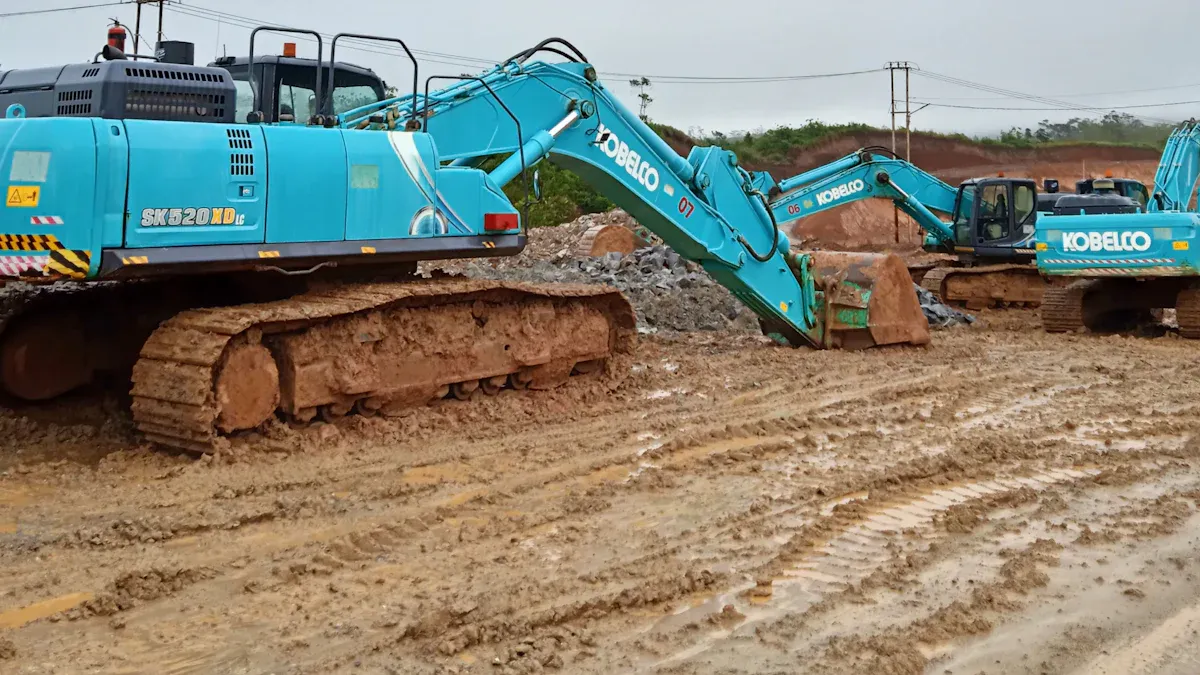
I mini escavatori ti offrono flessibilità per spazi ristretti e piccoli progetti Puoi aspettarti di pagare tra $20.000 e $100.000 per un nuovo miniescavatore nel 2026 Queste macchine di solito pesano tra 1 e 6 tonnellate I paesaggisti, gli addetti ai servizi pubblici e i proprietari di case spesso scelgono mini escavatori per scavare trincee, livellamento o preparazione del sito Ad esempio, una piccola impresa di costruzioni in Florida ha recentemente acquistato un mini escavatore da 3 tonnellate per $38.000 per gestire i lavori di fondazione residenziale Se vuoi vedere gli elenchi attuali, visita MacchinariTrader oppure dai un'occhiata alle discussioni su Reddit's r/Costruzione.
Suggerimento: i miniescavatori offrono costi operativi inferiori e un trasporto più semplice Puoi spostarli con un rimorchio standard, che ti consente di risparmiare denaro sulla logistica.
Gli escavatori Midi colmano il divario tra modelli mini e medi Troverete prezzi che vanno da $100.000 a $190.000 per i nuovi escavatori midi nel 2026 Queste macchine in genere pesano da 7 a 12 tonnellate Gli appaltatori utilizzano escavatori midi per l'edilizia urbana, le riparazioni stradali e le installazioni di servizi pubblici Ad esempio, un equipaggio municipale dell'Illinois ha investito $120.000 in un escavatore midi da 10 tonnellate per gli aggiornamenti delle fognature Gli escavatori Midi forniscono più potenza rispetto ai modelli mini ma rimangono sufficientemente compatti per il lavoro in città È possibile confrontare i prezzi degli escavatori midi su Commerciante di attrezzature e partecipa alle conversazioni su Attrezzature per l'edilizia LinkedIn.
Nota: gli escavatori Midi bilanciano potenza e manovrabilità Puoi utilizzarli sia per progetti residenziali che commerciali.
Gli escavatori medi rappresentano la scelta più popolare per la costruzione su larga scala È necessario aspettarsi di pagare tra $200.000 e $500.000 per un nuovo escavatore medio nel 2026 Queste macchine pesano da 13 a 20 tonnellate Gli appaltatori si affidano agli escavatori medi per la costruzione di strade, ponti e sviluppi commerciali Ad esempio, un progetto autostradale in Georgia ha richiesto un escavatore da 16 tonnellate, che costa $260.000 Gli escavatori medi offrono una forte forza di scavo e tecnologia avanzata, come la guida GPS e i sistemi di risparmio di carburante Se vuoi saperne di più su quanto è un escavatore in questa categoria, controlla gli aggiornamenti dei prezzi su Costruzione Dive oppure segui le notizie del settore su Le attrezzature per la costruzione # di Twitter.
| Dimensioni dell'escavatore | Peso Tipico | Fascia di prezzo 2026 (USD) |
|---|---|---|
| Mini | 1-6 tonnellate | $20.000T10.000 |
| Midi | 7-12 tonnellate | $00.0001190.000 |
| Medio | 13-20 tonnellate | $00.00020.$50.000 |
Consigli attuabili: confronta sempre le specifiche e i prezzi prima di acquistare Puoi utilizzare piattaforme online e gruppi di social media per ottenere feedback da altri acquirenti.
I grandi escavatori ti danno la potenza necessaria per gestire i più grandi progetti di costruzione Nel 2026, puoi aspettarti di pagare tra $500.000 e $800.000 per un nuovo escavatore di grandi dimensioni Alcuni modelli extra-large possono anche superare $1.500.000, soprattutto se scegli funzionalità avanzate o accessori specializzati Queste macchine di solito pesano tra 21 e 30 tonnellate e forniscono la forza necessaria per attività impegnative come l'estrazione mineraria, la costruzione di autostrade e il movimento terra principale.
Potresti vedere grandi escavatori al lavoro su espansioni autostradali o sviluppi commerciali su larga scala, ad esempio, un appaltatore in California ha recentemente investito $750.000 in un escavatore da 25 tonnellate per accelerare la costruzione di ponti In un altro caso, un'operazione mineraria in Nevada ha acquistato una macchina da 32 tonnellate per $1.200.000 per spostare roccia pesante e terreno Questi esempi mostrano come i grandi escavatori supportano progetti che richiedono sia potenza che efficienza.
| Dimensioni dell'escavatore | Peso Tipico | Fascia di prezzo 2026 (USD) |
|---|---|---|
| Grande | 21-30 tonnellate | $00.00050.00000 |
| Extra-Grande | Oltre 30 tonnellate | $00.00081.500.000+ |
Mancia: Gli escavatori di grandi dimensioni sono spesso dotati di tecnologia avanzata, come sistemi GPS, telematica e controlli automatizzati, queste funzionalità ti aiutano a migliorare la produttività e ridurre i costi del carburante Prima di acquistare, confronta le opzioni disponibili e considera quali funzionalità andranno a maggior beneficio dei tuoi progetti.
Quando si prevede di acquistare un escavatore di grandi dimensioni, si dovrebbe anche pensare al trasporto e alla configurazione Lo spostamento di una macchina da 25 tonnellate richiede permessi speciali e rimorchi per carichi pesanti Potrebbe essere necessario coordinarsi con le autorità locali per garantire la consegna sicura al tuo sito di lavoro Questo si aggiunge al costo totale, quindi includi sempre la logistica nel tuo budget.
Puoi trovare elenchi aggiornati e tendenze dei prezzi per escavatori di grandi dimensioni su piattaforme come Commerciante di attrezzature E MacchinariTrader. Per notizie di settore ed esperienze utente, dai un'occhiata alle discussioni su Attrezzature per l'edilizia LinkedIn oppure segui hashtag come #Excavatori su Twitter.
Se vuoi ottenere il miglior valore, confronta le specifiche, richiedi preventivi a più rivenditori e chiedi informazioni sulle opzioni di finanziamento Puoi anche unirti a forum online o gruppi di social media per imparare dalle esperienze di altri acquirenti Questa ricerca ti aiuta a prendere una decisione informata e ti assicura di scegliere l'escavatore giusto per le tue esigenze.
Gli escavatori cingolati utilizzano cingoli al posto delle ruote Puoi azionarli su terreni accidentati e terreni instabili Nel 2026, troverai prezzi per i nuovi escavatori cingolati che vanno da $100.000 per i modelli compatti a oltre $1.500.000 per le macchine extra-large La maggior parte dei progetti di costruzione utilizza escavatori cingolati perché offrono stabilità e forte potere di scavo.
| Dimensione dell'escavatore del cingolato | Peso Tipico | Fascia di prezzo 2026 (USD) |
|---|---|---|
| Compatto | 7-12 tonnellate | $00.0001190.000 |
| Medio | 13-20 tonnellate | $00.00020.$50.000 |
| Grande | 21-30 tonnellate | $00.00050.00000 |
| Extra-Grande | Oltre 30 tonnellate | $00.00081.500.000+ |
Potresti vedere un appaltatore in Colorado utilizzare un escavatore cingolato da 15 tonnellate, che costa $230.000, per scavare le fondamenta di una nuova scuola Gli escavatori cingolati funzionano bene per l'estrazione mineraria, la costruzione di strade e la demolizione Puoi confrontare i prezzi degli escavatori cingolati e le esperienze utente su Commerciante di attrezzature o unisciti alle discussioni su Reddit's r/Costruzione.
Suggerimento: gli escavatori cingolati offrono una trazione migliore rispetto ai modelli con ruote Dovresti sceglierli per lavori che richiedono stabilità su superfici irregolari.
Gli escavatori gommati utilizzano pneumatici in gomma Puoi guidarli su strade asfaltate e spostarti rapidamente tra i cantieri Nel 2026, i prezzi per i nuovi escavatori gommati vanno da $120.000 per i modelli più piccoli a $350.000 per quelli più grandi Queste macchine di solito pesano tra le 14 e le 22 tonnellate.
| Dimensione dell'escavatore a ruote | Peso Tipico | Fascia di prezzo 2026 (USD) |
|---|---|---|
| Piccolo | 14-16 tonnellate | $20.0001180.000 |
| Medio | 17-22 tonnellate | $ 80.000 110.000 $35 |
Una squadra di manutenzione della città nel Michigan ha acquistato un escavatore con ruote da 16 tonnellate per $150.000 per riparare marciapiedi e servizi pubblici Gli escavatori con ruote si adattano ai progetti urbani e ai lavori stradali perché puoi trasferirli senza rimorchi speciali. Puoi trovare ulteriori confronti di prezzi e recensioni su MacchinariTrader oppure segui gli aggiornamenti su Attrezzature per l'edilizia LinkedIn.
Nota: gli escavatori a ruote ti fanno risparmiare tempo e denaro sui trasporti Dovresti prenderli in considerazione per progetti cittadini o lavori con frequenti cambi di sito.
Gli escavatori speciali includono modelli a lunga portata, anfibi e demolitori Puoi usarli per attività uniche come dragare fiumi, abbattere edifici o lavorare in zone umide I prezzi per i nuovi escavatori speciali nel 2026 variano ampiamente I modelli a lunga portata partono da $250.000 e possono superare $900.000 Gli escavatori anfibi spesso costano da $300.000 a $600.000. Gli escavatori demolitori con telai e attacchi rinforzati possono raggiungere $1.000.000 o più.
| Tipo di modello speciale | Fascia di prezzo 2026 (USD) |
|---|---|
| Lunga portata | $50.0002100000000000000000 |
| Anfibio | $00.000 30.000 $60 |
| Demolizione | $00.00041.000,000+ |
Ad esempio, un team di controllo delle inondazioni in Louisiana ha investito $350.000 in un escavatore anfibio per eliminare i detriti dalle paludi. Puoi ricercare i prezzi degli escavatori specializzati e casi di studio su Costruzione Dive oppure partecipa alle conversazioni su I #Excavator di Twitter.
Se vuoi sapere quanto costa un escavatore per un lavoro specifico, confronta i modelli speciali e le loro caratteristiche Dovresti abbinare la macchina alle esigenze del tuo progetto per ottenere i migliori risultati.
Gli escavatori ibridi ed elettrici sono diventati più popolari nel 2026. vedi queste macchine in molti siti di lavoro perché aiutano a ridurre le emissioni e ridurre i costi del carburante Molte aziende di costruzione scelgono modelli ibridi o elettrici per soddisfare le normative ambientali e migliorare l'efficienza.
Puoi aspettarti di pagare di più per gli escavatori ibridi ed elettrici rispetto ai modelli diesel tradizionali Nel 2026, i prezzi per i nuovi escavatori ibridi partono da circa $120.000 per le dimensioni compatte I modelli ibridi di grandi dimensioni possono raggiungere $900.000 o più Gli escavatori completamente elettrici spesso costano tra $130.000 e $400.000 per le dimensioni mini e midi I modelli elettrici di medie e grandi dimensioni vanno da $400.000 a $1.200.000, a seconda della capacità della batteria e delle funzionalità avanzate.
Ecco una tabella che riassume le fasce di prezzo 2026 per escavatori ibridi ed elettrici:
| Tipo | Categoria Dimensioni | Fascia di prezzo 2026 (USD) |
|---|---|---|
| Escavatore ibrido | Mini/Midi | $20.000110.000 |
| Escavatore ibrido | Medio | $50.000210.00000 |
| Escavatore ibrido | Grande | $00.000+ $90.000+ |
| Escavatore Elettrico | Mini/Midi | $30.00010000000000000000000000000000000000000000000000000000000000000000000000000000000000000000000000000000000000000000000000000000000000000000000000000000000000000000000000000000000000000000000000000000000000000000000000000000000000000000 |
| Escavatore Elettrico | Medio/Grande | $00.00041.200.000+ |
Potresti vedere un appaltatore cittadino in Oregon utilizzare un escavatore elettrico da 10 tonnellate, che costa circa $320.000, per lavori di utilità urbana Un altro esempio è un impianto di riciclaggio a New York che ha investito $700.000 in un grande escavatore ibrido per ridurre i costi operativi e rispettare le norme locali sulle emissioni.
Mancia: Spesso puoi beneficiare di incentivi governativi o crediti d'imposta quando acquisti apparecchiature elettriche o ibride Verifica con le autorità locali o visita EPA Clean Construction USA per aggiornamenti sui programmi disponibili.
Gli escavatori ibridi ed elettrici offrono diversi vantaggi Si ottiene un funzionamento più silenzioso, che aiuta nelle aree residenziali Si riducono anche le spese di carburante e le esigenze di manutenzione Tuttavia, è necessario considerare la possibilità di ricaricare l'infrastruttura e la durata della batteria prima di prendere una decisione Alcuni siti di lavoro potrebbero non avere un facile accesso alle stazioni di ricarica, che possono influire sulla produttività.
Puoi tenere traccia delle ultime tendenze e delle esperienze utente su piattaforme come Mondo delle attrezzature o unisciti alle discussioni su Reddit's r/Costruzione. Queste risorse ti aiutano a confrontare prestazioni e costi del mondo reale.
Se vuoi rendere la tua flotta a prova di futuro, inizia valutando i tuoi siti di lavoro tipici e le tue esigenze energetiche Richiedi preventivi a più concessionari e chiedi informazioni sul supporto post-vendita per modelli ibridi ed elettrici Questa ricerca ti aiuta a fare un investimento intelligente e a stare al passo con i cambiamenti del settore.
Quando si guarda a quanto è un escavatore nel 2026, la tecnologia e le caratteristiche giocano un ruolo importante nel prezzo finale Gli escavatori moderni ora vengono con sistemi idraulici avanzati che aumentano le prestazioni e l'efficienza Molti modelli offrono aggiornamenti del comfort dell'operatore, come cabine climatizzate e controlli ergonomici, Troverai anche sistemi GPS e telematici che ti aiutano a tenere traccia delle esigenze di utilizzo e manutenzione della macchina Queste funzionalità intelligenti possono rendere il tuo lavoro più semplice e produttivo, ma aumentano anche il costo Se scegli accessori extra come secchi, pinze o martelli, aumenti la versatilità della macchina Tuttavia, ogni attacco aumenta il prezzo complessivo Quando confronti i modelli, controlla sempre quali funzionalità sono di serie e quali richiedono un aggiornamento.
Mancia: Investire in funzionalità avanzate può farti risparmiare denaro nel lungo periodo migliorando l'efficienza del carburante e riducendo i tempi di inattività.
La catena di approvvigionamento globale e i costi dei materiali hanno un impatto diretto sui prezzi degli escavatori nel 2026. potresti notare che i prezzi aumentano quando ci sono interruzioni nella fornitura di acciaio, elettronica o altri componenti chiave Anche fattori economici come tariffe e inflazione spingono i costi dei materiali più in alto. Molti produttori ora utilizzano clausole di aumento dei prezzi nei contratti per adeguarsi a questi cambiamenti È possibile adottare misure per gestire questi rischi:
Dovresti anche sapere che forte domanda per gli escavatori, soprattutto da grandi progetti di costruzione ed energia, esercita una pressione al rialzo sui prezzi Se si prevede di acquistare presto, tenere d'occhio le tendenze del mercato ed essere pronti ad agire quando i prezzi si stabilizzano.
La reputazione del marchio e la tua regione influenzano entrambi quanto paghi per un nuovo escavatore I marchi noti spesso fanno pagare di più perché offrono affidabilità comprovata e un migliore valore di rivendita Anche gli standard e le normative regionali possono influire sul prezzo Ad esempio, le macchine vendute in Nord America ed Europa di solito costano di più a causa delle emissioni più severe e dei requisiti di sicurezza Ecco una rapida occhiata a come il marchio e la regione possono influire sui prezzi:
| Fattore di mercato | Impatto tipico sui prezzi (USD) |
|---|---|
| Prezzo medio all'esportazione | $125.000 per unità |
| Prezzo medio di importazione | $165.000 per unità |
| Caratteristiche Premium | Prezzo più alto nelle regioni regolamentate |
Potresti scoprire che i prezzi nella tua zona sono più alti se le regole locali richiedono tecnologia avanzata o certificazioni speciali Confronta sempre i prezzi di diverse regioni e chiedi informazioni sulla conformità agli standard locali prima di acquistare.
Nota: Scegliere un marchio rispettabile e comprendere i requisiti della tua regione può aiutarti a evitare costi imprevisti e garantire che il tuo escavatore soddisfi tutte le normative.
La domanda del mercato gioca un ruolo importante nel determinare quanto si paga per un nuovo escavatore nel 2026 Quando iniziano più progetti di costruzione, la necessità di escavatori aumenta Lo si vede nelle città in cui sono in fase di sviluppo nuovi edifici, strade e ponti L'elevata domanda spesso porta a prezzi più alti perché i concessionari hanno meno macchine in magazzino.
Dovresti guardare alle tendenze nel settore delle costruzioni Ad esempio, quando i governi annunciano nuovi piani infrastrutturali, molte aziende si affrettano ad acquistare attrezzature Questa maggiore concorrenza può spingere i prezzi verso l'alto Se vuoi sapere quanto è un escavatore durante una stagione intensa, potresti notare che i prezzi sono più alti della media.
È possibile utilizzare i dati per tenere traccia della domanda del mercato La tabella seguente mostra come la domanda influisce sui prezzi medi degli escavatori negli ultimi anni:
| Anno | Livello di domanda del mercato | Prezzo medio (USD) |
|---|---|---|
| 2023 | Moderare | $180,000 |
| 2024 | Alto | $195,000 |
| 2025 | Molto alto | $210,000 |
| 2026 | Alto | $220,000 |
Puoi vedere che quando la domanda aumenta, anche i prezzi aumentano Se hai intenzione di acquistare, dovresti cronometrare il tuo acquisto quando la domanda è più bassa Questa strategia può aiutarti a risparmiare denaro.
Dovresti anche considerare l'impatto degli eventi globali I disastri naturali, la crescita economica o i cambiamenti nella politica del governo possono tutti influenzare la domanda Ad esempio, dopo una grande tempesta, molte aziende hanno bisogno di nuove macchine per la pulizia e la ricostruzione Questa domanda improvvisa può causare un picco dei prezzi.
Se vuoi rimanere informato, segui le novità di costruzione su piattaforme come Costruzione Dive O Mondo delle attrezzature. Questi siti forniscono aggiornamenti sulle tendenze del mercato e annunci di progetti Puoi anche partecipare ai forum online per discutere le variazioni di prezzo con altri acquirenti.
Mancia: Pianifica in anticipo e monitora la domanda del mercato prima di acquistare Se vedi un'impennata di nuovi progetti, considera di mettere in sicurezza il tuo escavatore in anticipo per evitare aumenti dei prezzi.
La domanda del mercato non influisce solo sul prezzo pagato in anticipo, può anche influenzare i tempi di consegna e la disponibilità Quando la domanda è elevata, potresti aspettare più a lungo prima che la tua macchina arrivi Dovresti tenerne conto nel programma del tuo progetto.
È necessario preventivare il funzionamento e la manutenzione quando si acquista un nuovo escavatore Questi costi possono sommarsi rapidamente nel corso dell'anno I sondaggi dei proprietari mostrano che il funzionamento di un escavatore di medie dimensioni nel 2026 costa tra $65 e $104 all'ora Questo include diverse spese chiave:
Se si utilizza l'escavatore per 1.000 ore ogni anno, i costi operativi annuali totali possono raggiungere da $65.000 a $104.000. è importante anche la manutenzione ordinaria. Dovresti aspettarti di spendere da $12.000 a $18.000 ogni anno per mantenere la macchina in buone condizioni.
Le attività di manutenzione ordinaria includono:
Se segui intervalli di assistenza prolungati, puoi ridurre i costi da $3.000 a $5.000 ogni anno Una manutenzione regolare aiuta a prevenire guasti e mantiene il tuo escavatore senza intoppi Puoi trovare altri suggerimenti sui programmi di manutenzione da forum di settore come Forum sulle attrezzature pesanti oppure controlla gli aggiornamenti su Attrezzature per l'edilizia LinkedIn.
Mancia: Tieni traccia del tuo programma di manutenzione e degli orari di funzionamento Questo ti aiuta a pianificare il tuo budget ed evitare spese impreviste.
Ecco una tabella che riassume i tipici costi annuali di funzionamento e manutenzione per un escavatore di medie dimensioni:
| Categoria di costo | Costo annuale (USD) |
|---|---|
| Carburante | $18.000T18.000T2000 |
| Manutenzione | $12.000T18.000 |
| Riparazioni | $8.000 $14T1 |
| Assicurazione | 1TP4.500, $700 |
| Ammortamento | $22.000T $3 |
| Totale | $65.000T104.000 |
Dovresti proteggere il tuo investimento con l'assicurazione e la copertura della garanzia L'assicurazione ti aiuta a coprire danni, furti o incidenti La maggior parte dei proprietari paga da $4.500 a $7.500 all'anno per l'assicurazione su un escavatore di medie dimensioni Il costo dipende dalla posizione, dal livello di copertura e dal valore della macchina.
La copertura della garanzia ti dà tranquillità I nuovi escavatori spesso sono dotati di una garanzia standard che dura da uno a tre anni Alcuni rivenditori offrono garanzie estese a un costo aggiuntivo La copertura estesa può aiutarti a evitare bollette di riparazione elevate se la tua macchina si rompe dopo la fine della garanzia standard.
Nota: Rivedi la tua polizza assicurativa e i termini di garanzia prima di acquistare Assicurati di capire cosa è coperto e cosa no. Puoi confrontare le opzioni assicurative e i piani di garanzia su piattaforme come Guida alle attrezzature da costruzione o unisciti alle discussioni su Reddit's r/Costruzione.
È necessario pianificare i costi di consegna e di installazione quando si acquista un nuovo escavatore Il trasporto di una macchina di grandi dimensioni richiede attrezzature e permessi speciali Le spese di consegna vanno da $1.500 per mini escavatori a $8.000 o più per i modelli di grandi dimensioni La distanza dal rivenditore al tuo sito di lavoro influisce sul costo finale.
La configurazione include lo scarico, il montaggio e la calibrazione Alcuni rivenditori includono la configurazione nel prezzo di acquisto, mentre altri fanno pagare un extra Dovresti chiedere un preventivo dettagliato prima di finalizzare l'acquisto.
Mancia: Pianifica la consegna durante gli orari non di punta per risparmiare Conferma tutti i dettagli di configurazione con il tuo rivenditore per evitare ritardi.
Puoi saperne di più sulla logistica di consegna e impostare le migliori pratiche da risorse del settore come Mondo delle attrezzature oppure segui gli aggiornamenti su Attrezzature per l'edilizia LinkedIn.
Quando acquisti un nuovo escavatore, le opzioni di finanziamento possono rendere l'acquisto più gestibile Molti istituti finanziari offrono prestiti o leasing per attrezzature che ti consentono di distribuire i pagamenti su diversi anni Evita grandi costi iniziali e mantieni stabile il flusso di cassa Questo approccio ti aiuta a investire in nuove tecnologie o sostituire le macchine obsolete senza prosciugare le tue riserve La maggior parte dei finanziatori fornisce termini flessibili, con tassi di interesse tipici per i prestiti per attrezzature edili nel 2026 che vanno da 5.5% a 8.2% a seconda del punteggio di credito e della durata del prestito.
È necessario confrontare le opzioni di prestito e leasing prima di prendere una decisione I prestiti per attrezzature di solito richiedono un acconto da 10% a 20% I contratti di locazione possono offrire pagamenti mensili inferiori e consentire di aggiornare le macchine più frequentemente Alcuni istituti di credito includono piani di pagamento stagionali, che possono aiutarti ad allineare i pagamenti con i mesi più impegnativi Rivedi sempre il costo totale, inclusi interessi e commissioni, per comprendere il tuo impegno finanziario a lungo termine.
Ecco una tabella che riassume le opzioni di finanziamento comuni e le loro caratteristiche per i nuovi escavatori nel 2026:
| Opzione Finanziamento | Tasso di Interesse Tipico | Acconto Pagamento | Vantaggio chiave |
|---|---|---|---|
| Prestito Attrezzatura | 5.5% – 8.2% | 10% – 20% | Proprietà, risparmio fiscale |
| Noleggio attrezzature | 6.0% – 9.0% | Varia | Pagamenti inferiori, flessibilità di aggiornamento |
| Piano Stagionale | 6.5% – 8.5% | 10% – 20% | I pagamenti corrispondono alla stagione intensa |
Mancia: Puoi utilizzare calcolatrici online da piattaforme come Commerciante di attrezzature per stimare i pagamenti mensili e confrontare le opzioni di finanziamento.
Gli incentivi fiscali svolgono un ruolo importante nel ridurre il costo dei nuovi escavatori. Sezione 179 del codice fiscale IRS permette di detrarre l'intero prezzo di acquisto delle attrezzature qualificanti dal tuo reddito lordo nell'anno in cui lo acquisti Questa detrazione si applica sia che paghi in contanti o finanzi l'acquisto L'ammortamento del bonus fornisce ulteriori risparmi consentendoti di detrarre una parte maggiore del valore dell'attrezzatura nel primo anno Queste disposizioni possono ridurre la tua responsabilità fiscale e rendere più attraente l'investimento in nuove macchine.
Cancellazione immediata delle risorse (IAWO) ti consente di richiedere subito detrazioni complete, anche se finanzi l'escavatore Mantenete il flusso di cassa beneficiando al contempo di notevoli risparmi fiscali Molte aziende utilizzano queste strategie fiscali per compensare il costo delle nuove attrezzature e migliorare i loro profitti.
Dovresti consultare un professionista fiscale per massimizzare le tue detrazioni e garantire il rispetto delle normative vigenti Il sito web dell'IRS (irs.gov) offre indicazioni dettagliate sulla Sezione 179 e sulle regole di ammortamento dei bonus Puoi anche partecipare alle discussioni su Attrezzature per l'edilizia LinkedIn per sapere come gli altri acquirenti utilizzano gli incentivi fiscali.
Nota: Le leggi fiscali cambiano frequentemente Verificare sempre le regole più recenti prima di prendere una decisione di acquisto.
Finanziamenti e pianificazione fiscale lavorano insieme per aiutarti a gestire i costi e far crescere la tua attività Puoi investire in escavatori avanzati, mantenere il flusso di cassa e sfruttare preziose detrazioni Una pianificazione attenta ti assicura di ottenere il massimo valore dall'acquisto delle tue attrezzature.
Quando si confrontano escavatori nuovi e usati nel 2026, si nota un ampio divario di prezzo Le nuove macchine offrono la tecnologia più recente e garanzie complete, ma richiedono un investimento molto più elevato Gli escavatori usati costano meno in anticipo e possono comunque offrire prestazioni elevate se si sceglie con attenzione Ecco una tabella che mostra prezzi tipici usati per categoria dimensionale:
| Categoria Dimensioni | Gamma Pesi | Fascia di prezzo (Usato) |
|---|---|---|
| Dimensioni medie | 13-30 tonnellate | $50.000T $150.000 |
| Grande | 30-50 tonnellate | $50.000100000000000000000000000000000000000000000000000000000000000000000000000000000000000000000000000000 |
| Extra-Grande | Oltre 50 tonnellate | $00.000+30.000+$55 |
Puoi risparmiare centinaia di migliaia di dollari scegliendo un escavatore usato, specialmente per i modelli più grandi Tuttavia, dovresti sempre ispezionare le condizioni della macchina e i registri di manutenzione prima di acquistare Le attrezzature usate potrebbero avere più usura e potresti dover preventivare riparazioni o aggiornamenti Se desideri controllare gli elenchi attuali, visita piattaforme come Commerciante di attrezzature o unisciti alle discussioni su Reddit's r/Costruzione.
Mancia: Richiedi sempre una cronologia completa del servizio e considera un'ispezione di terze parti prima di acquistare un escavatore usato.
Noleggiare un escavatore ti dà flessibilità e ti aiuta a gestire il flusso di cassa Nel 2026, le tariffe di noleggio variano in base alle dimensioni e alla durata Ecco alcune tariffe giornaliere tipiche:
Si paga meno per le macchine compatte, mentre gli escavatori più grandi costano di più a causa delle loro capacità Le società di noleggio spesso gestiscono la manutenzione, il che ti fa risparmiare tempo e denaro Se usi un escavatore per progetti a breve termine o lavori stagionali, noleggiare può essere una scelta intelligente I dati del settore mostrano che gli escavatori standard possono recuperare il loro valore all'interno 200-250 giorni di noleggio a 40% utilizzo, il che significa che la domanda di noleggio rimane forte Per tariffe di noleggio e disponibilità aggiornate, controllare risorse come MacchinariTrader oppure segui i gruppi industriali Attrezzature per l'edilizia LinkedIn.
Nota: Le tariffe di noleggio possono cambiare in base alla posizione, alla stagione e alla disponibilità della macchina. Confronta sempre le offerte di diverse società di noleggio.

È necessario valutare i vantaggi e gli svantaggi dell'acquisto di nuovi, dell'acquisto di usati o dell'affitto La scelta giusta dipende dalle esigenze del progetto, dal budget e dai piani a lungo termine La tabella seguente riassume i punti principali:
| Tipo | Vantaggi | Svantaggi |
|---|---|---|
| Noleggio Escavatori | 1. Nessun costo iniziale, vantaggioso per le piccole imprese. | 1. L'affitto a lungo termine può essere più costoso. |
| 2. Flessibilità dell'affitto in base alle esigenze del progetto. | 2. non può modificare o personalizzare l'escavatore. | |
| 3. La manutenzione è spesso gestita dalla società di noleggio. | 3. Potrebbero sorgere problemi di disponibilità. | |
| Acquisto Escavatore | 1. nessun pagamento ripetuto dopo il costo iniziale. | 1. richiede un grande investimento iniziale. |
| 2. conveniente per l'uso a lungo termine. | 2. La manutenzione e le riparazioni sono responsabilità del proprietario. | |
| Opzioni di personalizzazione 3. disponibili. | 3. L'ammortamento influisce sul valore di rivendita. |
Se prevedi di utilizzare un escavatore per molti anni, l'acquisto di nuovo o usato potrebbe farti risparmiare denaro nel tempo Noleggiare funziona meglio per lavori a breve termine o quando hai bisogno di una macchina specifica per un periodo limitato Considera sempre il carico di lavoro, il flusso di cassa e la capacità di gestire la manutenzione prima di prendere una decisione.
Consigli attuabili: Rivedi il programma e il budget del progetto Se prevedi un uso frequente, la proprietà potrebbe offrire un valore migliore Per esigenze occasionali, l'affitto mantiene i costi bassi e prevedibili.
Vuoi massimizzare il tuo investimento quando acquisti un nuovo escavatore Inizia da abbinamento delle specifiche della macchina alle vostre esigenze operative e le condizioni del sito Questo passaggio ti aiuta a evitare di spendere troppo per le funzionalità di cui non hai bisogno Un modello versatile che si adatta alle esigenze del tuo progetto tiene sotto controllo il tuo budget.
Il budget si estende oltre il prezzo di acquisto iniziale dell'escavatore Un budget completo include la manutenzione, le riparazioni e altri costi di proprietà.
Considera questi passaggi pratici per garantire l'affare migliore:
Un budget dettagliato dovrebbe includere non solo il prezzo di acquisto ma anche le spese correnti È possibile utilizzare calcolatori online da piattaforme di settore per stimare i costi totali Confrontare sempre i costi a vita delle opzioni nuove, usate e di noleggio prima di prendere una decisione.
Puoi migliorare il tuo potere contrattuale seguendo strategie di negoziazione comprovate I concessionari si aspettano che tu negozi, quindi preparati in anticipo Usa questi suggerimenti per assicurarti un prezzo migliore:
Puoi unirti a forum online o gruppi di social media per imparare dalle esperienze di altri acquirenti La condivisione di approfondimenti ti aiuta a perfezionare il tuo approccio di negoziazione.
Bisogna valutare il costo totale di proprietà prima di impegnarsi in un acquisto Questa analisi va oltre il prezzo dell'adesivo La formula è
Costo Totale di Proprietà = Prezzo di Acquisto + Costi Operativi + Costi di Manutenzione - Valore di Rivendita
Questo calcolo copre tutti i principali aspetti finanziari Esaminare le seguenti componenti:
| Categoria di costo | Descrizione |
|---|---|
| Costi di acquisizione | Prezzo di acquisto, spedizione, installazione |
| Costi operativi | Energia, materiali di consumo, manodopera |
| Costi di manutenzione | Riparazioni, ricambi, contratti di assistenza |
| Costi indiretti | Formazione, tempi di inattività, costi opportunità |
| Costi di fine vita | Smaltimento, riciclaggio, smantellamento |
Costo totale di proprietà fornisce una visione completa del tuo investimento. È possibile utilizzare questa analisi per confrontare le opzioni nuove, usate e di noleggio. Sempre budget per manutenzione e riparazioni oltre al prezzo di acquisto iniziale Questo approccio ti prepara per la proprietà a lungo termine e ti aiuta a evitare sorprese.
Suggerimento: Valuta il costo totale di proprietà per assicurarti di essere pronto per un investimento a lungo termine.
Puoi trovare più risorse e calcolatrici su piattaforme di settore autorevoli e gruppi di social media Questi strumenti ti aiutano a prendere decisioni informate e a ottimizzare il tuo investimento.
Ora hai una visione chiara di Prezzi escavatori 2026. Rivedere la tabella seguente per un breve riepilogo:
| Tipo di escavatore | Fascia di prezzo |
|---|---|
| Medio | $90.00010000000000000000000000000000000000000000000000000000000000000000000000000000000000000000000000000000 |
| Grande (25-45 tonnellate) | $00.000+30.000+$60 |
| Piccolo (6-10 tonnellate) | $20.0001180.000 |
| Mini (1-6 tonnellate) | 1TP40.000T $10.000 |
Quando pianifichi il tuo acquisto, considera questi fattori importanti:
Per prendere la decisione migliore:
La ricerca intelligente e un confronto attento ti aiutano a ottenere l'escavatore giusto per la tua attività.
Vedrai i prezzi cambiare in base alle dimensioni, al tipo, alla tecnologia e alla domanda del mercato Anche le funzionalità avanzate, l'energia ibrida o elettrica e le normative regionali influiscono sui costi Confronta sempre le specifiche e controlla gli elenchi attuali su piattaforme affidabili come Commerciante di attrezzature.
Dovresti aggiungere il prezzo di acquisto, il funzionamento annuale, la manutenzione, l'assicurazione e i costi di consegna Sottrarre il valore di rivendita previsto Utilizza questa formula:
Costo Totale = Acquisto + Operazione + Manutenzione + Assicurazione + Consegna - Valore di Rivendita
Questo approccio ti aiuta a pianificare il tuo budget.
Acquistare usato o noleggiare spesso costa meno in anticipo Noleggiare funziona meglio per progetti a breve termine Le macchine usate risparmiano ma potrebbero aver bisogno di riparazioni Confronta i costi totali e le esigenze di utilizzo prima di decidere Controlla le tariffe di noleggio e i prezzi usati su MacchinariTrader.
Puoi scegliere prestiti per attrezzature, leasing o piani di pagamento stagionali I tassi di interesse nel 2026 vanno da 5.5% a 9%. Gli acconti di solito iniziano da 10%. Usare calcolatori online per confrontare i pagamenti mensili e i costi totali.
| Opzione Finanziamento | Tasso di interesse | Acconto Pagamento |
|---|---|---|
| Prestito | 5.5%–8.2% | 10%–20% |
| Locazione | 6.0%–9.0% | Varia |
Gli escavatori ibridi ed elettrici costano di più in anticipo I modelli mini e midi elettrici partono da $130.000 Le grandi macchine elettriche o ibride possono superare $900.000 Potresti avere diritto a crediti d'imposta o incentivi Controlla i programmi locali su EPA Clean Construction USA.
Pagherai per carburante, manutenzione, riparazioni, assicurazione e ammortamento Per un escavatore di medie dimensioni, i costi annuali di funzionamento e manutenzione vanno da $65.000 a $104.000 Tieni traccia delle tue spese per evitare sorprese e mantenere la macchina in ottime condizioni.
Ottieni offerte migliori quando la domanda del mercato è bassa Guarda per stagioni di costruzione lente o recessioni economiche Monitora le notizie del settore su Costruzione Dive per individuare le tendenze e pianificare il tuo acquisto.
Sì, puoi utilizzare la Sezione 179 e l'ammortamento del bonus per detrarre l'intero prezzo di acquisto nell'anno in cui acquisti Questo riduce il tuo reddito imponibile Consulta sempre un professionista fiscale o una recensione Linee guida IRS per le ultime regole.







-1.png)