Correo electrónico: [email protected] WhatsApp: +8618266768780

Correo electrónico: [email protected] WhatsApp: +8618266768780


You increase your paddy field efficiency when you operate the QL-70HP Tractor. This machine delivers strong engine power and a reliable 4×4 drive, so you handle wet and uneven terrain with confidence. Advanced features such as shuttle shift and a dual-action clutch give you precise control during demanding tasks. The ergonomic cab and intelligent monitoring system keep you comfortable and informed throughout long hours in the field.
You need a tractor that can handle the unique challenges of paddy fields. The QL-70HP Tractor delivers 70 horsepower, giving you the muscle to work through heavy, wet soil and deep mud. Its 4×4 drive system ensures that you maintain traction even in slippery or uneven conditions. When you operate in flooded fields, the four-wheel drive keeps you moving forward without getting stuck. This feature proves essential during plowing, puddling, and transplanting, where consistent movement prevents delays and crop damage.
Consejo: Always engage the 4×4 drive before entering wet or muddy areas. This action helps you avoid unnecessary slippage and maximizes your productivity.
Farmers often report that the QL-70HP Tractor reduces the time needed for primary tillage by up to 20% compared to two-wheel drive models. You can cover more ground in less time, which is crucial during tight planting windows.
Efficient maneuvering in paddy fields requires frequent direction changes. The QL-70HP Tractor features an 8F + 8R shuttle shift transmission and a dual-action clutch. These systems allow you to switch between forward and reverse quickly, without fully depressing the clutch each time. This capability is especially valuable when you use a front-end loader or need to reposition in tight field corners.
Here’s a quick comparison of how the shuttle shift and dual-action clutch benefit your work:
| Característica | Benefit in Paddy Fields |
|---|---|
| Turno de lanzadera | Quick direction changes without full clutch engagement |
| Dual-Action Clutch | Smooth gear transitions and reduced operator fatigue |
| Loader Maneuverability | Enhanced control in tight spaces and during loader work |
You save time and reduce physical strain, which means you can work longer hours with less fatigue. Many operators find that the shuttle shift system increases their efficiency during repetitive tasks, such as loading and unloading or turning at the end of each row.
The QL-70HP Tractor supports multiple PTO (Power Take-Off) modes, including 540/720 and 540/1000 RPM. This flexibility lets you connect a wide range of attachments, such as rotavators, puddlers, and harrows. You can match the PTO speed to the specific implement, ensuring optimal performance and fuel efficiency.
You can switch between PTO modes easily from the operator’s seat. This feature allows you to adapt quickly to changing field conditions or different stages of rice cultivation. The robust PTO system ensures that even heavy-duty implements run smoothly, reducing downtime and maintenance needs.
Nota: Always check the attachment’s recommended PTO speed before operation. Matching the correct speed extends the life of both your tractor and your implements.
By using the QL-70HP Tractor’s advanced features, you streamline every stage of paddy field work, from initial tillage to final leveling.
You spend long hours in the field, so operator comfort and safety become essential for productivity. The QL-70HP Tractor offers a cab designed to minimize fatigue and maximize awareness. You benefit from fully adjustable seating with air suspension, lumbar support, and heating. Spacious interiors provide ample legroom and headroom, allowing you to move freely during operation. Intuitive controls sit within easy reach, reducing strain and helping you maintain focus throughout your workday.
Temperature control matters in paddy fields, where weather can shift quickly. Air conditioning and heating systems keep the cab comfortable, while advanced ventilation ensures a constant flow of fresh air. This setup prevents dust and pollutants from building up, protecting your health and keeping the environment pleasant.
Safety features in the QL-70HP Tractor cab include a rollover protection structure (ROPS) that shields you in case of an accident. Large windows and mirrors offer enhanced visibility, and optional rear-view cameras help you monitor blind spots. Collision detection systems use sensors and cameras to alert you to hazards, while automatic braking systems can prevent accidents by stopping the tractor if a collision is imminent.
Here is a summary of the ergonomic and monitoring features:
| Característica | Descripción |
|---|---|
| Asientos ajustables | Air suspension, lumbar support, heating for comfort. |
| Interiores espaciosos | Ample legroom and headroom for easy movement. |
| Controles intuitivos | Controls within reach to reduce strain. |
| Aire acondicionado y calefacción | Maintains comfortable temperature in all conditions. |
| Sistemas de ventilación | Fresh air flow prevents dust and pollutant buildup. |
| Estructura de protección contra vuelcos | Protects operator in case of rollover. |
| Visibilidad mejorada | Large windows, mirrors, and optional cameras for clear views. |
| Sistemas de detección de colisiones | Alerts operator to hazards using sensors and cameras. |
| Sistemas de frenado automático | Applies brakes automatically to prevent accidents. |
Consejo: Adjust your seat and mirrors before starting work. This simple step improves comfort and visibility, reducing the risk of strain or accidents.
You need reliable hydraulic performance for efficient paddy field work. The QL-70HP Tractor features an advanced hydraulic system that increases work efficiency by up to 30%. You operate implements like rotavators, puddlers, and harrows with smooth, responsive controls. The hydraulic system delivers consistent power, allowing you to lift, lower, and adjust attachments quickly.
Durability stands out in the QL-70HP Tractor. Structural components use high-strength materials, ensuring a long service life even in harsh conditions. You work in wet, muddy fields without worrying about premature wear. Sealed hydraulic lines and reinforced joints prevent leaks and breakdowns, so you spend less time on repairs and more time in the field.
Operators in rice-growing regions report fewer hydraulic failures and longer intervals between maintenance. One case study from a Southeast Asian farm showed a 25% reduction in downtime after switching to the QL-70HP Tractor. The farmer noted smoother implement operation and less frequent hydraulic servicing, which improved overall productivity.
Nota: Regularly inspect hydraulic hoses and connections for signs of wear. Early detection helps you avoid unexpected breakdowns and keeps your tractor running efficiently.
Before you operate the QL-70HP Tractor in your paddy field, you must follow a systematic preparation routine. This process ensures safety, maximizes efficiency, and extends the lifespan of your equipment.
Inspect the tires or tracks for wear, damage, and proper inflation. In paddy fields, under-inflated tires increase slippage, while over-inflated tires reduce traction. Use a tire pressure gauge to confirm recommended levels.
| Tire Pressure (psi) | Field Condition | Slippage Rate (%) |
|---|---|---|
| 18 | Wet | 8 |
| 22 | Moist | 5 |
| 26 | Dry | 3 |
Consejo: Check tire pressure before entering the field. Proper inflation improves traction and reduces fuel consumption.
You must check engine oil, hydraulic fluid, coolant, and fuel levels. Clean or replace filters as needed. Dirty filters restrict flow and reduce engine performance.
A case study from a rice farm in the Mekong Delta showed that daily fluid checks reduced engine breakdowns by 30%.
Examine the battery terminals for corrosion and ensure a secure connection. Test the battery voltage with a multimeter. Inspect all lights, sensors, and the monitoring system for proper function.
⚡ Nota: Reliable electrical systems prevent unexpected downtime and keep your monitoring system active.
Mount the rotavator securely to the tractor’s three-point hitch. Adjust the PTO speed to match the implement’s requirements. Confirm that all blades are sharp and undamaged.
| Rotavator Setting | Field Type | Average Prep Time (min/acre) |
|---|---|---|
| 540 RPM | Wet | 25 |
| 720 RPM | Dry | 18 |
Attach the puddler and set the working depth according to your field’s water level. Ensure the PTO shaft is locked and lubricated. Test the implement in a small area before full operation.
Consejo: Proper puddler setup creates a uniform seedbed for rice transplanting.
Connect the harrow and adjust the leveling arms. Inspect tines for bends or breaks. Set the working width to match your field layout.
A social media post from a rice grower in India highlighted that regular harrow maintenance improved field leveling consistency by 15%.
Evaluate soil texture and moisture. Use a soil probe to check compaction. Assess water levels to determine the best time for tillage or puddling.
| Assessment | Rango ideal | Impact on Efficiency |
|---|---|---|
| Soil Moisture (%) | 25-35 | Alto |
| Water Depth (cm) | 5-10 | Optimal |
Plan your fieldwork sequence to minimize overlap and maximize coverage. Start with the highest ground and move toward lower areas to manage water flow. Organize tasks by attachment type for smoother transitions.
Nota: Careful planning reduces fuel use and labor hours.
By following these preparation steps, you set the stage for efficient and reliable paddy field operations with the QL-70HP Tractor.
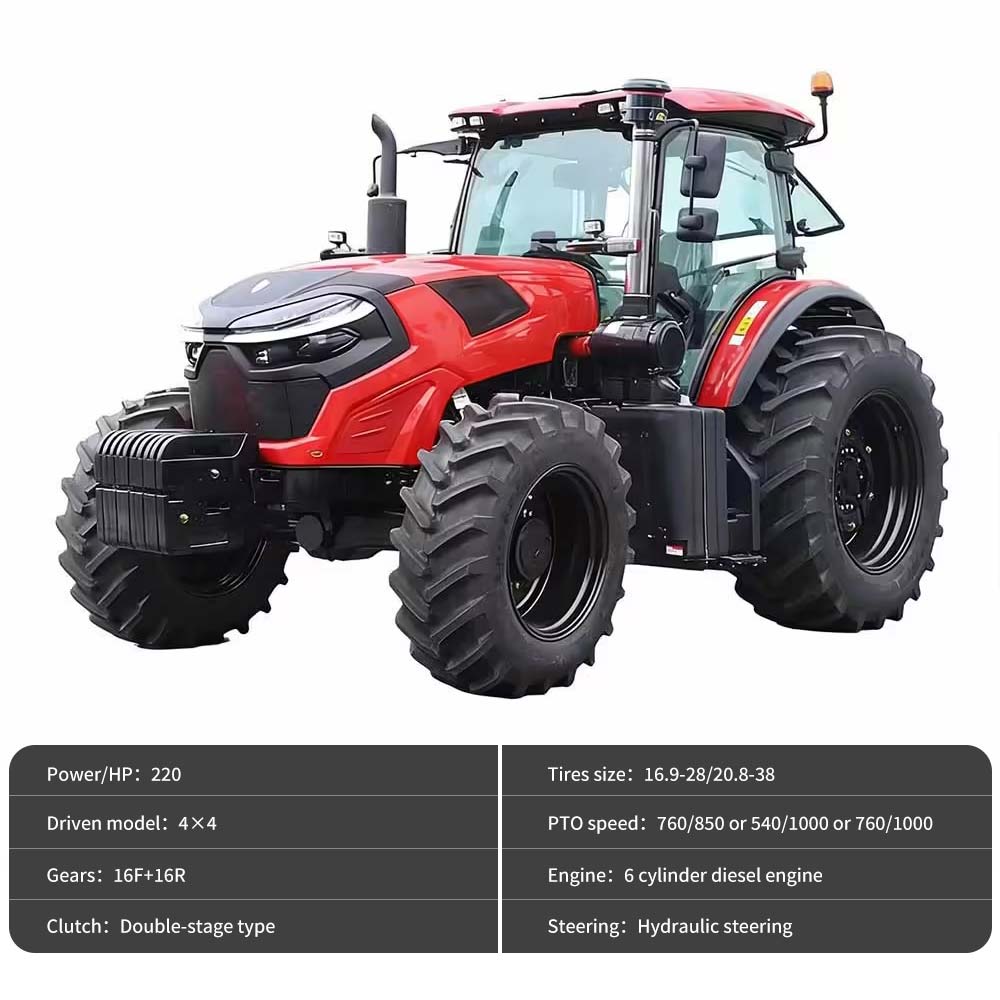
You control engine RPM and speed to match the demands of each paddy field task. For tillage, set the engine RPM between 1800 and 2200. This range delivers enough power for deep plowing without wasting fuel. During puddling, lower the RPM to 1600–1800 to maintain steady movement and prevent soil compaction. When you transport loads or move between fields, increase speed to 2200 RPM for efficient travel.
A case study from a rice farm in Arkansas showed that adjusting engine RPM based on field conditions reduced fuel consumption by 15%. Operators reported smoother implement operation and less wear on engine components. You can monitor RPM using the digital dashboard in the QL-70HP Tractor. The system alerts you if RPM exceeds safe limits, helping you avoid engine strain.
Consejo: Check local agricultural forums and social media groups for discussions on optimal RPM settings. Experienced farmers often share data and advice for specific crops and soil types.
| Tarea | Recommended RPM | Fuel Efficiency (%) |
|---|---|---|
| Tillage | 1800–2200 | 85 |
| Puddling | 1600–1800 | 90 |
| Transporte | 2200 | 80 |
You adjust hydraulic controls to operate implements smoothly and efficiently. Set the hydraulic flow rate according to the attachment’s requirements. For rotavators, use a medium flow rate to ensure consistent soil mixing. When you use a harrow, increase the flow for faster lifting and lowering. The QL-70HP Tractor’s advanced hydraulic system lets you fine-tune settings from the cab.
Operators in Southeast Asia reported a 30% increase in work efficiency after optimizing hydraulic controls. You can use the monitoring system to track hydraulic pressure and flow. If you notice slow response or uneven movement, inspect hoses and connections for leaks or blockages.
For more tips, visit leading agricultural equipment forums where farmers discuss hydraulic adjustments and troubleshooting.
| Implementar | Flow Rate Setting | Efficiency Gain (%) |
|---|---|---|
| Rotavator | Medio | 25 |
| Grada | Alto | 30 |
| Puddler | Bajo | 20 |
You set the PTO speed to match each attachment’s needs. For rotavators, select 540 RPM for wet fields and 720 RPM for dry conditions. When you operate a puddler, use 540 RPM to mix soil and water evenly. For heavy-duty implements, switch to 1000 RPM if available. The QL-70HP Tractor allows you to change PTO modes from the operator’s seat, saving time and effort.
A social media post from a rice grower in India highlighted that proper PTO adjustment extended implement life by 20%. You should always check the attachment’s manual for recommended PTO speed. Incorrect settings can cause excessive wear or poor performance.
Nota: Join agricultural groups on platforms like Facebook and Reddit to learn from other operators about PTO settings for different implements.
| Adjunto | PTO Speed (RPM) | Calificación de desempeño |
|---|---|---|
| Rotavator | 540/720 | Excelente |
| Puddler | 540 | Optimal |
| Grada | 540/1000 | Alto |
By mastering these settings and adjustments, you maximize the efficiency and reliability of your paddy field operations.
You must pay close attention to tire pressure when operating the QL-70HP Tractor in paddy fields. Tire pressure directly affects traction, stability, and fuel efficiency. In wet rice fields, the right tire pressure helps you avoid getting stuck and protects your soil structure.
When you lower tire pressure, you increase the tire’s footprint. This adjustment spreads the tractor’s weight over a larger area. As a result, you minimize soil compaction and improve traction. You move through muddy fields with less risk of sinking or creating deep ruts. On the other hand, properly inflated tires enhance stability and boost fuel efficiency. You achieve better control and reduce slippage, which saves time and fuel.
Here is a summary of how tire pressure adjustments impact your tractor’s performance:
| Evidence Description | Impact on Traction and Performance |
|---|---|
| Lowering tire pressure increases the tire’s footprint, spreading weight | Minimizes soil compaction and improves traction |
| Properly inflated tires enhance stability and fuel efficiency | Improves overall performance in wet conditions |
| Optimally inflated tires produce superior traction | Enhances performance in wet rice fields |
| Reduces soil compaction and extends tire life | Improves efficiency and reduces wear |
You should check tire pressure before entering the field. Use a reliable tire pressure gauge for accurate readings. For most paddy field operations, set the tire pressure between 18 and 22 psi. Lower settings work best in very wet or soft soil. Higher settings suit firmer ground or transport tasks.
Consejo: Adjust tire pressure based on field conditions. Lower pressure for wet, muddy fields. Raise pressure for dry or hard surfaces.
Follow these steps to ensure optimal tire pressure:
You extend tire life and reduce maintenance costs by maintaining the correct pressure. You also protect your field from excessive compaction, which supports healthy crop growth. Operators who monitor tire pressure regularly report fewer delays and smoother field operations.
If you notice increased slippage or uneven tire wear, check your pressure immediately. The QL-70HP Tractor’s monitoring system can alert you to abnormal tire conditions, helping you respond quickly. Consistent tire maintenance keeps your tractor performing at its best throughout the season.
🚜 Nota: Always consult your operator’s manual for specific tire pressure recommendations based on your attachments and field conditions.
Operating in wet paddy fields presents unique challenges. You must use specific driving techniques to maintain traction and avoid delays. The QL-70HP Tractor offers features that help you navigate muddy terrain with confidence.
You reduce slippage by following proven strategies:
Consejo: Always check the monitoring system for real-time feedback on wheel slippage and traction. This helps you respond quickly to changing field conditions.
| Technique | Beneficio |
|---|---|
| Water depth control | Prevents wheel sinking |
| Differential lock | Improves traction |
| Anti-skid chains/iron wheels | Reduces slippage |
| Marking water channels | Avoids deep mud |
Maintaining straight lines during field work improves efficiency and crop uniformity. You achieve better results by:
A rice farmer in the Mississippi Delta reported a 12% increase in planting accuracy after using visual markers and regular alignment checks. You save time and reduce fuel consumption by minimizing overlap and missed areas.
Nota: Consistent line maintenance supports even crop growth and simplifies later field operations.
Proper water management is essential for successful paddy field work. You must monitor field water levels and protect your tractor from water-related damage.
You maintain optimal water depth to support tractor performance and crop health. The recommended range is 3 to 5 centimeters during plowing and puddling. This depth prevents the tractor from sinking and ensures uniform soil mixing.
| Water Depth (cm) | Effect on Operation |
|---|---|
| 0–2 | Increased risk of sinking |
| 3–5 | Optimal traction and mixing |
| 6+ | Reduced efficiency |
Monitor water levels using field gauges or visual inspection. Adjust irrigation as needed to maintain the ideal range. You improve fuel efficiency and reduce wear on the tractor by keeping water levels consistent.
Consejo: Use the QL-70HP Tractor’s monitoring system to track water depth and receive alerts if conditions change.
You protect your tractor from water damage by:
A case study from a Southeast Asian rice farm showed that daily cleaning and inspection reduced hydraulic failures by 25%. You extend the service life of your equipment and minimize downtime.
Nota: Regular maintenance and cleaning keep your tractor in peak condition throughout the season.
Safety remains a top priority during paddy field operations. You must follow essential guidelines to protect yourself and others.
Personal protective equipment (PPE) shields you from hazards in wet and muddy fields. Recommended gear includes:
🛡️ Consejo: Always inspect your PPE before each use. Replace damaged items immediately to ensure maximum protection.
You prepare for emergencies by following these steps:
| Práctica de seguridad | Objetivo |
|---|---|
| Daily equipment inspection | Previene fallos inesperados |
| Engine off when exiting | Reduces accident risk |
| Safety kits on board | Enables quick response |
| No extra riders | Garantiza la seguridad del operador |
⚠️ Nota: Review emergency procedures with all field workers before starting each day. Quick action can prevent injuries and equipment damage.
You maintain a safe and productive environment by following these best practices with the QL-70HP Tractor.
You maximize fuel efficiency when you operate the QL-70HP Tractor with attention to detail and smart planning. Fuel costs can impact your bottom line, especially during long hours in paddy fields. You must adopt proven strategies to reduce consumption and extend working time.
1. Monitor Engine RPM and Load
You control fuel use by matching engine RPM to the task. For heavy tillage, set RPM between 1800 and 2200. For lighter work, lower RPM to 1600–1800. Avoid running the engine at maximum speed unless necessary. The digital dashboard helps you track RPM and alerts you if you exceed safe limits.
Consejo: Keep engine load steady. Sudden acceleration or abrupt stops increase fuel consumption.
2. Plan Field Routes Efficiently
You save fuel by planning your fieldwork sequence. Start at the highest point and move toward lower areas. Organize tasks to minimize unnecessary travel and overlap. Use visible markers to maintain straight lines and avoid repeated passes.
| Planning Method | Fuel Savings (%) | Time Savings (%) |
|---|---|---|
| Route Optimization | 10 | 8 |
| Marker Use | 6 | 5 |
| Task Sequencing | 7 | 6 |
3. Maintain Attachments and Tractor Components
You keep implements sharp and well-lubricated. Dull blades or poorly adjusted attachments force the engine to work harder, increasing fuel use. Inspect and clean air filters, fuel filters, and hydraulic lines regularly. Replace worn parts before they affect performance.
4. Adjust Tire Pressure for Field Conditions
You set tire pressure between 18 and 22 psi for wet paddy fields. Lower pressure increases traction and reduces slippage, which saves fuel. Check tire pressure before each session using a reliable gauge.
5. Use the Monitoring System for Real-Time Feedback
You rely on the QL-70HP Tractor’s intelligent monitoring system to track fuel consumption, engine status, and hydraulic performance. The system provides alerts for abnormal fuel use or maintenance needs. Respond quickly to warnings to prevent waste and downtime.
🚜 Nota: Review fuel usage data after each session. Identify patterns and adjust your operation for better efficiency.
6. Reduce Idle Time
You turn off the engine during breaks or when switching attachments. Idling wastes fuel and increases wear. Plan your workflow to minimize idle periods.
7. Refuel with Quality Diesel
You use clean, high-quality diesel to prevent engine deposits and maintain optimal combustion. Store fuel in sealed containers away from direct sunlight. Contaminated fuel reduces efficiency and can damage engine components.
8. Schedule Regular Maintenance
You follow the manufacturer’s maintenance schedule. Regular oil changes, filter replacements, and system checks keep the tractor running smoothly. Well-maintained equipment uses less fuel and delivers consistent performance.
| Tarea de mantenimiento | Impact on Fuel Efficiency |
|---|---|
| Cambio de aceite | Improves combustion |
| Reemplazo del filtro | Ensures clean airflow |
| Comprobación hidráulica | Reduces engine strain |
9. Train Operators on Efficient Techniques
You educate all operators on best practices for fuel efficiency. Encourage smooth driving, proper gear selection, and timely maintenance. Experienced operators report up to 15% lower fuel consumption when following these guidelines.
Consejo: Hold regular training sessions and share fuel-saving tips among your team.
By applying these strategies, you reduce fuel costs, extend working hours, and support sustainable farming. The QL-70HP Tractor gives you the tools and technology to achieve top efficiency in every paddy field operation.

Working in paddy fields means you often face muddy conditions. Getting stuck can cause delays and even damage your equipment. You can prevent most issues by recognizing early signs and taking quick action. If you notice the tractor slowing or wheels spinning, back out immediately. Walking the area with a pointed stick helps you check mud depth. If the mud is close to 10 inches deep, wait for drier conditions before proceeding.
You can reduce the risk of getting stuck by using duals or wider front tires. These options spread the tractor’s weight and improve traction. In extremely muddy areas, laying down logs to create a corduroy road gives you a stable path. If you do get stuck, first assess how deep the tractor is. For shallow mud, try gently rocking the tractor back and forth. Lowering tire pressure or placing boards under the tires can also help you regain traction.
Consejo: Always keep recovery tools like ropes and boards on hand. Quick action prevents bigger problems.
A rice farmer in Louisiana shared that after switching to wider tires and checking mud depth before each pass, he reduced stuck incidents by 40%. The table below summarizes common causes and solutions:
| Cause | Solución |
|---|---|
| Deep mud (over 10 inches) | Wait for drier conditions |
| Narrow tires | Use duals or wider tires |
| Sudden wheel spin | Back out, lower tire pressure |
| Soft field entry | Build corduroy road with logs |
Attachments play a key role in your fieldwork. When you notice poor performance, check for loose connections or worn parts. Inspect the PTO shaft and make sure it is properly engaged. Dull blades or bent tines can reduce efficiency, so sharpen or replace them as needed. If an attachment vibrates or makes unusual noises, stop and inspect it right away.
You should also check hydraulic connections for leaks or blockages. Clean and lubricate moving parts regularly. A farmer in the Mekong Delta reported that daily inspection of rotavator blades and harrow tines cut downtime by 25%. Keeping a maintenance log helps you track wear and schedule timely repairs.
Nota: Always follow the attachment manufacturer’s guidelines for setup and maintenance.
Overheating can halt your work and damage your engine. You can prevent this by checking coolant levels before each session. Clean the radiator and remove any debris that blocks airflow. Monitor the temperature gauge on your dashboard. If you see the temperature rising, stop and let the engine cool.
Common causes of overheating include low coolant, clogged filters, and heavy mud buildup around the radiator. Clean these areas daily, especially after working in wet fields. If overheating persists, inspect the water pump and thermostat. Replace worn parts promptly to avoid further issues.
Consejo: Join online farming communities for troubleshooting advice and real-world solutions from other operators.
You rely on the hydraulic system for smooth operation of implements and attachments. When you notice slow or jerky movement, check the hydraulic fluid level first. Low fluid often causes poor performance. Inspect hoses and connections for leaks or visible damage. Replace any worn or cracked hoses immediately to prevent further issues.
If you hear unusual noises from the hydraulic pump, stop the tractor and let the system cool. Air trapped in the lines can also cause erratic behavior. Bleed the system according to the manual’s instructions. Clean hydraulic filters regularly to maintain proper flow. Dirty filters restrict movement and increase wear on components.
Monitor the dashboard for warning lights or error codes related to hydraulic pressure. The QL-70HP Tractor’s intelligent monitoring system helps you detect problems early. Addressing hydraulic issues quickly prevents downtime and extends the life of your equipment.
Consejo: Schedule regular inspections of all hydraulic components. Early detection of leaks or blockages saves time and money during the busy season.
You keep your tractor in top condition by following a thorough cleaning routine after each day in the paddy field. Regular cleaning prevents the spread of diseases and pests, which can harm your crops and equipment. Use these steps to maintain cleanliness:
You protect your investment and support healthy crops by making daily cleaning a habit.
🧼 Nota: Consistent cleaning reduces maintenance needs and helps you spot potential problems before they become serious.
You extend the lifespan of your tractor and avoid costly repairs by sticking to a regular service schedule. Routine maintenance ensures optimal performance, especially in demanding rice farming conditions. Refer to the table below for recommended service intervals:
| Tarea de mantenimiento | Frecuencia |
|---|---|
| Controles diarios | Inspect fluid levels, tire pressure, and visible damage. |
| Every 100 hours or annually | Change the engine oil and filter. |
| Every 200-300 hours or annually | Service the transmission and hydraulic systems. |
| Every 400-600 hours | Perform more comprehensive maintenance tasks. |
Regular maintenance helps prevent breakdowns and keeps your tractor running efficiently. You should always consult the tractor’s manual for specific maintenance instructions.
To keep your QL-70HP Tractor in peak condition, follow these steps:
🔧 Consejo: Set reminders for each service interval. Keeping a maintenance log helps you track completed tasks and plan ahead for upcoming service.
You maintain the QL-70HP Tractor’s performance by following a strict lubrication schedule. Lubrication reduces friction, prevents wear, and extends the life of moving parts. You must pay attention to every lubrication point on your tractor, especially when working in wet and muddy paddy fields.
Start by consulting your operator’s manual for recommended lubricants and intervals. Use high-quality engine oil, transmission fluid, and grease. You check the engine oil level daily before starting work. Inspect the transmission and hydraulic fluid weekly. Grease all fittings, including the steering joints, wheel bearings, and PTO shafts, at least once a week or after every 50 hours of operation.
Here is a table summarizing key lubrication points and recommended intervals:
| Componente | Lubricant Type | Intervalo |
|---|---|---|
| Motor | Aceite de motor | Daily/100 hours |
| Transmisión | Gear Oil | Weekly/200 hours |
| Sistema hidráulico | Hydraulic Oil | Weekly/200 hours |
| Eje de toma de fuerza | Grease | Weekly/50 hours |
| Wheel Bearings | Grease | Weekly/50 hours |
| Steering Joints | Grease | Weekly/50 hours |
You clean each lubrication point before applying fresh lubricant. Dirt and debris can cause premature wear if mixed with oil or grease. Use a clean rag to wipe fittings and apply lubricant until you see fresh grease at the joint. You avoid over-lubricating, which can attract more dirt.
Consejo: Keep a lubrication log. Record each service date and the type of lubricant used. This habit helps you track maintenance and prevents missed intervals.
You inspect for leaks after each lubrication session. If you find oil or grease on the ground, locate the source and repair it immediately. Leaks can lead to costly repairs and downtime.
You train all operators to recognize signs of poor lubrication, such as squeaking, grinding, or excessive heat. Early detection allows you to address issues before they become serious.
You protect your QL-70HP Tractor during the off-season by following proper storage procedures. Clean the tractor thoroughly to remove mud, crop residue, and moisture. Dry all surfaces to prevent rust and corrosion.
Store the tractor in a covered, well-ventilated area. If you use an outdoor space, cover the tractor with a waterproof tarp. You disconnect the battery to prevent discharge and corrosion. Store the battery in a cool, dry place.
Drain fuel from the tank or add a stabilizer to prevent degradation. Top off all fluids, including engine oil and coolant, to protect internal components. Lubricate all moving parts before storage to prevent rust.
Follow this checklist for off-season storage:
🛡️ Nota: Place rodent deterrents near the tractor to prevent damage to wiring and hoses.
You inspect the tractor monthly during storage. Look for signs of moisture, rust, or pest activity. Address any issues immediately to ensure your tractor is ready for the next season.
By following these lubrication and storage practices, you maintain the reliability and longevity of your QL-70HP Tractor. You reduce downtime and protect your investment, ensuring efficient operation year after year.
You achieve efficient paddy field work when you follow a clear routine with the QL-70HP Tractor. Start each day with thorough checks, adjust settings for field conditions, and use proven driving techniques. Maintain your tractor and attachments regularly to prevent downtime. Apply these strategies to boost productivity and reliability. Consistent attention to detail helps you get the most from your equipment and supports long-term success.
You check mud depth before entering. Use lower tire pressure for better traction. Engage the 4×4 drive and differential lock. If you notice slippage, reverse immediately. Keep recovery tools like boards and ropes on hand for quick assistance.
Set tire pressure between 18 and 22 psi for wet paddy fields. Lower pressure increases traction and reduces soil compaction. Always use a reliable gauge and adjust based on field conditions.
| Implementar | PTO Speed (RPM) |
|---|---|
| Rotavator | 540/720 |
| Puddler | 540 |
| Grada | 540/1000 |
Always match the implement’s manual for best results.
You should clean the tractor daily after working in paddy fields. Remove mud and debris from all surfaces, especially the undercarriage. Regular cleaning prevents corrosion and supports reliable operation.
Wear sturdy, waterproof boots, long pants, gloves, and a helmet. Use safety glasses and hearing protection. Inspect your gear before each use to ensure maximum protection.
You plan efficient routes, maintain steady engine RPM, and keep attachments sharp. Monitor fuel usage with the tractor’s dashboard. Reduce idle time and follow a strict maintenance schedule for best fuel economy.





-1.png)