Correo electrónico: [email protected] WhatsApp: +8618266768780

Correo electrónico: [email protected] WhatsApp: +8618266768780

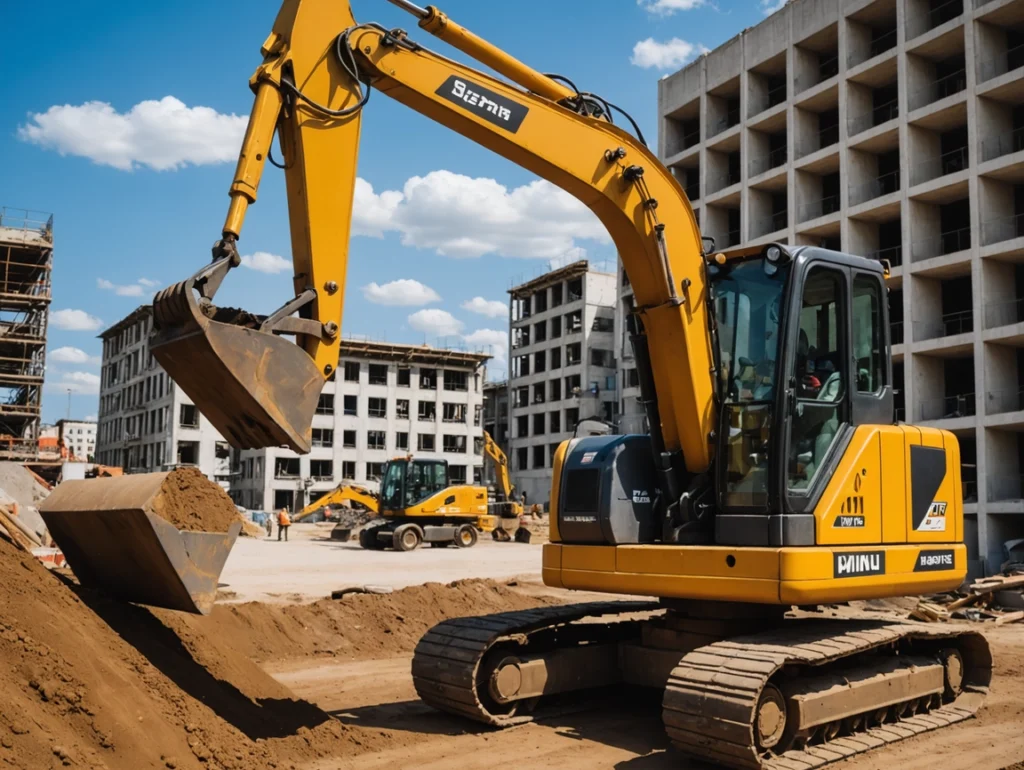
Si se pregunta cuánto cuesta una miniexcavadora en 2026, puede esperar que los precios varíen según el tamaño. Por ejemplo, las máquinas que pesan entre 1 y 2 toneladas suelen costar entre $30.000 y $60.000. Los modelos más grandes en el rango de 5 a 6 toneladas pueden alcanzar $110.000. Antes de elegir, piense en las necesidades de su proyecto y en el tamaño correcto de la máquina. Realiza una inversión más inteligente cuando adapta la excavadora a su carga de trabajo.
| Tamaño (toneladas) | Gama de precios |
|---|---|
| 1-2 | $30.000 --$60.000 |
| 3-4 | $60.000 --$85.000 |
| 5-6 | $85.000 --$110.000 |
Consejo: considere las condiciones de su lugar de trabajo y proyectos futuros antes de comprar.
Puede preguntar cuánto cuesta una miniexcavadora cuando compra en 2026. El precio depende de si compra nueva o usada. Las miniexcavadoras nuevas suelen oscilar entre $30.000 y $110.000, según el tamaño y las características. Los modelos usados ofrecen un punto de entrada más asequible. Puede esperar pagar entre $15.000 y $40.000 por una miniexcavadora usada, según listados recientes del mercado.
| Condición | Gama de precios |
|---|---|
| Nuevo | $30.000 --$110.000 |
| Usado | $15.000 --$40.000 |
Nota: Puede consultar los listados actuales en plataformas de la industria como Comerciante de equipos o Comerciante de maquinaria para precios actualizados.
Cuando quieras saber cuánto cuesta una miniexcavadora, debes considerar varios factores que influyen en el precio final.
Las marcas establecidas suelen comandar precios más altos. Pagas más por la confiabilidad y el servicio confiable. Los modelos más nuevos cuestan más porque incluyen tecnología avanzada y rendimiento mejorado. Si elige un modelo reciente, puede beneficiarse de una mejor eficiencia de combustible y un mantenimiento más sencillo.
La potencia del motor juega un papel importante en la fijación de precios. Las máquinas con mayor potencia ofrecen mejor rendimiento y productividad, pero cuestan más. Si duplica el peso operativo, es posible que vea un 60-80% încălzire en precio de compra. Los motores más potentes justifican costos más altos ayudándolo a completar trabajos de manera más rápida y eficiente.
Las funciones avanzadas, como sistemas hidráulicos, controles digitales y opciones de seguridad mejoradas, aumentan el precio. Estas actualizaciones mejoran la productividad y la comodidad. Es posible que descubra que una mayor potencia y características generan precios más altos, pero también hacen que su trabajo sea más fácil y seguro.
Consejo: antes de decidir, enumere las funciones que necesita para sus proyectos. Puedes comparar modelos en sitios confiables como RitchieSpecs para especificaciones detalladas.
Quizás se pregunte cuánto cuesta una miniexcavadora a medida que cambian las condiciones del mercado. Durante los últimos cinco años, los precios han subido debido a la inflación y las nuevas tecnologías. El mercado de excavadoras compactas está creciendo rápidamente. Los expertos proyectan un aumento de 10.800 millones de dólares en 2025 a 15.700 millones de dólares en 2035, con una tasa compuesta anual de 3,8%. La urbanización y el desarrollo de infraestructuras impulsan la demanda, lo que mantiene los precios fuertes.
Nota: Puede seguir las actualizaciones del mercado en plataformas como Estadístico o Guía de equipos de construcción para las tendencias de la industria.
Si planea comprar, realice un seguimiento de las tendencias de los precios y tenga en cuenta los cambios económicos. Toma una mejor decisión cuando comprende cuánto cuesta una miniexcavadora y qué impulsa esos números.
Cuando comparas miniexcavadoras nuevas y usadas, ves una clara diferencia de precio. Las máquinas nuevas cuestan más por adelantado, pero ofrecen características avanzadas y confiabilidad. Los modelos usados proporcionan un punto de entrada más bajo, lo que le ayuda a administrar su presupuesto si desea ahorrar en la inversión inicial.
| Categoría | Gama de precios |
|---|---|
| Nuevas miniexcavadoras | $20.000 până la $80.000 |
| Miniexcavadoras usadas | $10.000 până la $50.000 |
Si pregunta cuánto cuesta una miniexcavadora, debe considerar no sólo el precio de compra sino también los gastos a largo plazo. Las máquinas usadas pueden requerir reparaciones más frecuentes, lo que puede aumentar su costo total de propiedad.
Te beneficias de amplias garantías del fabricante cuando compras nuevo. Estas garantías protegen su inversión y, a menudo, incluyen servicios de soporte al distribuidor, como mantenimiento programado y capacitación del operador. Obtienes tranquilidad al saber que tu máquina está cubierta para reparaciones importantes. Las máquinas usadas generalmente vienen con garantía limitada o nula, por lo que debes verificar el estado del equipo antes de comprarlas. Para obtener más detalles sobre los términos de la garantía, puede visitar Mundo de equipos.
Nueva característica de miniexcavadoras tecnología inteligente, incluidos acopladores rápidos y de ralentí automático. Estas actualizaciones ahorran tiempo y combustible, y los sistemas de monitoreo avanzados mejoran el control. Experimenta menos reparaciones y menos tiempo de inactividad, lo que significa una mayor productividad con el tiempo.
“El mejor valor” no es la máquina más barata, es la que cumple: Fiabilidad a lo largo del tiempo: Menos reparaciones y menos tiempo de inactividad.
| Característica | Nueva miniexcavadora | Miniexcavadora usada |
|---|---|---|
| Costo | Costo inicial más alto | Menor costo inicial |
| Opciones de mantenimiento | Mejores opciones de mantenimiento disponibles | Posibles daños ocultos e historia dudosa |
| Tecnología | Última tecnología hidráulica | Carece de tecnología actualizada |
| Fiabilidad | Rendimiento más confiable | Puede requerir más reparaciones y mantenimiento |
| Archivos adjuntos | Mejor variedad de accesorios | Opciones limitadas |
Las miniexcavadoras usadas se deprecian a un ritmo de aproximadamente 5-10% pe an. Ahorra dinero en depreciación, lo que hace que los equipos usados sean atractivos si planea revenderlos o actualizarlos en el futuro. Los costos iniciales más bajos le ayudan a gestionar el flujo de caja, especialmente para proyectos a corto plazo.
Antes de comprar una miniexcavadora usada, debes inspeccionarla cuidadosamente. Sigue estos pasos para evitar costosas sorpresas:
También debe revisar los registros de mantenimiento y el historial de muestras de aceite. Para un lista de verificación de inspección detallada, visita Lista de verificación de inspección para equipos usados.
| Desventaja | Descripción |
|---|---|
| Historial de servicio incierto | La ausencia de registros de mantenimiento puede suponer un peligro. |
| Sin cobertura de garantía | La mayoría de las máquinas usadas se venden tal cual.‘ |
| Mayores costos de mantenimiento | Los equipos maduros necesitan un servicio más frecuente, lo que aumenta los costos totales de propiedad. |
Si desea obtener más información sobre la compra de equipos usados, puede explorar guías sobre Consejos de compra de MachineryTrader.
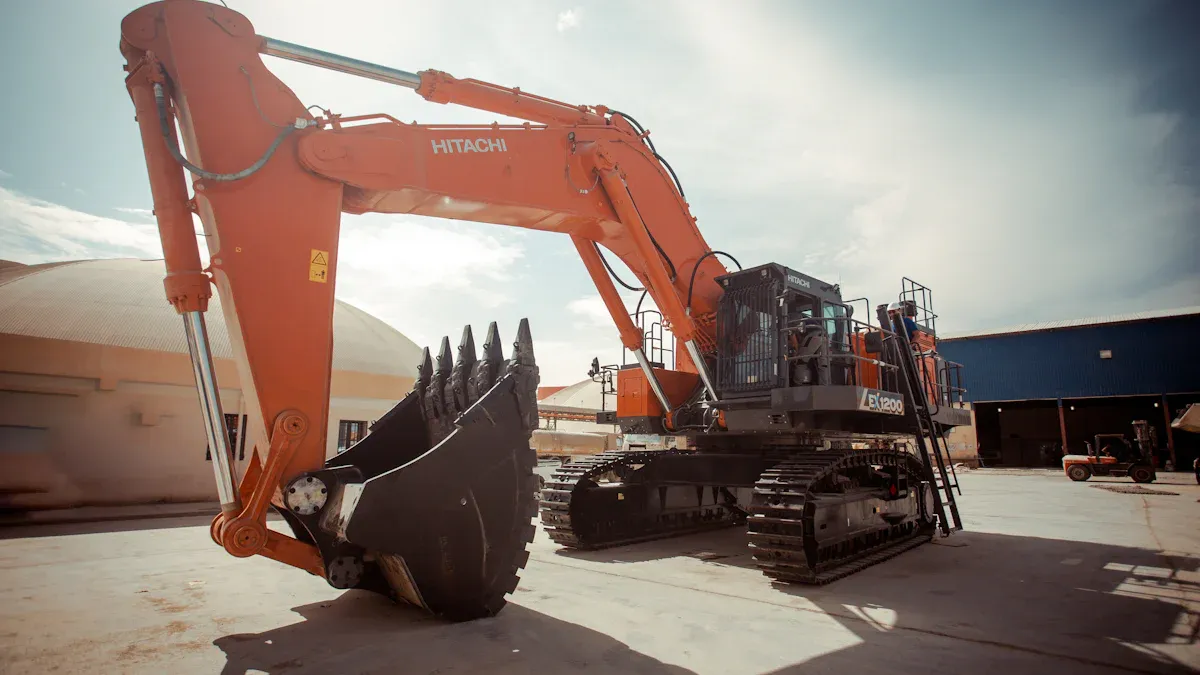
Las miniexcavadoras se vuelven mucho más versátiles cuando agregas los accesorios adecuados. Puedes afrontar una amplia gama de tareas cambiando herramientas. El cubo se destaca como el elección más popular. Lo utiliza para cavar, hacer zanjas y rellenar. Su diseño robusto le permite manejar diferentes tipos de suelo y requisitos laborales.
Los cubos vienen en varios estilos. Los cubos dentados funcionan mejor en suelos compactados o rocosos, aunque dejan un acabado rugoso. Los cubos sin dientes funcionan bien en suelos sueltos o arena y crean un fondo liso. Podrías utilizar un balde para cavar cimientos o plantar árboles. Este accesorio es esencial para la mayoría de los proyectos de excavación.
Las barrenas le ayudan a perforar agujeros de forma rápida y eficiente. Los utiliza para plantar, instalar postes para cercas o instalar señales. Las barrenas le ahorran tiempo en comparación con la excavación manual. Se ajustan a una variedad de condiciones del suelo y hacen que su miniexcavadora sea más productiva.
Los pulgares hidráulicos le permiten agarrar y mover materiales como troncos, rocas o escombros. Obtienes un mejor control al manipular objetos irregulares. Este accesorio mejora su capacidad para clasificar y cargar materiales, facilitando la limpieza y el paisajismo.
Consejo: Los acopladores rápidos le permiten cambiar entre accesorios rápidamente, por lo que dedica menos tiempo a cambiar herramientas y más tiempo a trabajar.
| Tipo de archivo adjunto | Funcionalidad | Beneficios |
|---|---|---|
| cubos | Excavación, excavación de zanjas, relleno | Versátil para varios tipos de suelo |
| Martillos hidráulicos | Rompiendo hormigón y roca | Eficiente para tareas de demolición |
| Sinfines | Perforación de agujeros | Ideal para plantación y post instalación |
| Acopladores rápidos | Cambios rápidos de archivos adjuntos | Aumenta la adaptabilidad para diferentes tareas |
Puede encontrar más ejemplos y videos del uso de archivos adjuntos en Instagram.
Los precios de los accesorios varían según el tipo y la complejidad. Los cubos básicos suelen costar entre $800 y $2500. Las barrenas oscilan entre $1.500 y $4.000, dependiendo del tamaño y la potencia. Los pulgares hidráulicos suelen costar entre $2.000 y $5.000. Los acopladores rápidos añaden otros $1.200 a $3.000. Los accesorios especializados, como los disyuntores hidráulicos, pueden superar los $7.000.
| Adjunto | Rango de costos típico |
|---|---|
| Balde | $800 --$2.500 |
| Barrena | $1.500 --$4.000 |
| Pulgar hidráulico | $2.000 --$5.000 |
| Acoplador rápido | $1.200 --$3.000 |
| Martillo hidráulico | $7,000+ |
Nota: Puede revisar los precios y tendencias actuales de los archivos adjuntos en Para ConstructionPros.
Debe adaptar los accesorios a los requisitos de su trabajo y a las especificaciones de la máquina. Comience evaluando el trabajo que planea realizar. La excavación, la demolición y el manejo de materiales requieren herramientas diferentes. Verifique el tamaño de su excavadora y clase de peso. Los accesorios deben adaptarse al sistema hidráulico y a las dimensiones físicas de su máquina.
Por ejemplo, si planea cavar zanjas en suelo rocoso, elija un balde dentado. Si necesita plantar postes, seleccione una barrena clasificada para el tamaño de su excavadora. Los pulgares hidráulicos funcionan mejor para paisajismo y eliminación de escombros. Puede encontrar más consejos y estudios de casos sobre la selección de accesorios en Guía de equipos de construcción.
Consejo: Los accesorios adecuados aumentan la versatilidad de su miniexcavadora y le ayudan a completar proyectos de forma más rápida y eficiente.
Debe considerar el clima cuando opera o mantiene una miniexcavadora. Las condiciones climáticas pueden afectar el rendimiento, los programas de mantenimiento e incluso la vida útil de su equipo.
Los climas fríos presentan desafíos únicos. Puede notar que los fluidos hidráulicos se espesan, lo que hace que los controles respondan menos. Las baterías pierden carga más rápido y los motores requieren tiempos de calentamiento más prolongados. La nieve y el hielo pueden hacer que las vías patinen, lo que reduce la tracción y la seguridad. Debe utilizar fluidos de invierno y guardar su excavadora en el interior cuando sea posible. Revise periódicamente los sellos y mangueras para detectar grietas causadas por temperaturas bajo cero.
Consejo: Programe controles de mantenimiento adicionales durante los meses de invierno para evitar averías.
Las altas temperaturas también afectan a las miniexcavadoras. Los motores y los sistemas hidráulicos pueden sobrecalentarse, especialmente durante las largas jornadas laborales. Es necesario inspeccionar los sistemas de refrigeración con frecuencia y limpiar los radiadores para evitar obstrucciones. El polvo y la arena en regiones cálidas y secas pueden obstruir los filtros de aire y desgastar las piezas móviles. En zonas húmedas, la prevención de la oxidación se vuelve esencial.
Nota: Puede encontrar más consejos para operar en climas extremos en Para ConstructionPros.
Las reglas ambientales dan forma a la forma en que se utilizan y mantienen las miniexcavadoras. Debes seguir los estándares locales e internacionales para evitar multas y apoyar la sostenibilidad.
| Tipo de excavadora | Impacto ambiental | Influencia regulatoria |
|---|---|---|
| Eléctrico | Cero emisiones de escape, reducción del ciclo de vida de los gases de efecto invernadero | Incentivos como subvenciones y créditos fiscales para la adopción |
| Diesel | Las altas emisiones de CO2 requieren sistemas de escape complejos | Pruebas de emisiones más estrictas y normas de restricción de ralentí, multas en zonas de bajas emisiones |
Se ven normas de emisiones más estrictas en regiones como la Unión Europea, que empujan a los fabricantes a desarrollar modelos más limpios. Las excavadoras eléctricas reciben incentivos, como subvenciones y créditos fiscales, lo que las hace más atractivas para los compradores conscientes del medio ambiente. Los modelos diésel enfrentan pruebas de emisiones más frecuentes y restricciones de ralentí, especialmente en áreas urbanas.
Consejo: revise los estándares de emisiones de su región antes de comprar. Puedes consultar las actualizaciones en Guía de equipos de construcción.
Los costos de propiedad varían ampliamente según su ubicación. Debe tener en cuenta los impuestos, el transporte y la demanda local al presupuestar una miniexcavadora.
Nota: Comprender la dinámica del mercado le ayuda a tomar decisiones informadas. Puede realizar un seguimiento de las tendencias de precios regionales en Estadístico y Comerciante de maquinaria.
Debe investigar las regulaciones locales y las condiciones del mercado antes de comprar. Este enfoque le garantiza elegir la máquina adecuada para su clima y presupuesto.
Comprender los costos de mantenimiento y operación lo ayuda a planificar su presupuesto y evitar gastos inesperados. Las miniexcavadoras requieren cuidados regulares para seguir siendo confiables y eficientes. Puede ahorrar dinero y prolongar la vida útil de su máquina siguiendo un programa de mantenimiento constante.
El mantenimiento de rutina mantiene su miniexcavadora funcionando sin problemas. Debes comprobar los niveles de líquido, inspeccionar las vías y cambiar el aceite periódicamente. Estas tareas previenen problemas mayores y reducen el tiempo de inactividad.
Puede esperar gastar aproximadamente $1,000 por año en estas tareas básicas de mantenimiento. Esta inversión le ayuda a evitar reparaciones costosas más adelante. Para obtener una lista de verificación de mantenimiento detallada, visite Guía mundial de mantenimiento de equipos.
Los costos del servicio dependen de la frecuencia con la que utilice su miniexcavadora y del tipo de trabajo que realice. El mantenimiento regular, como cambios de aceite y filtro, suele costar menos de $200 por servicio. Si programa de dos a cuatro servicios cada año, su costo anual total coincidirá con la estimación de $1000. Puede pagar más si opera en condiciones difíciles o utiliza su máquina diariamente.
Incluso con un buen mantenimiento, algunas piezas se desgastarán con el tiempo. Es posible que necesite reemplazar mangueras hidráulicas, reparar componentes de la vía o solucionar problemas eléctricos. Por ejemplo, reemplazar una manguera hidráulica puede costar entre $150 y $300. Las reparaciones de vías pueden oscilar entre $500 y $1500, dependiendo del daño. Puede encontrar más consejos de reparación y guías de costos en Para mantenimiento de ConstructionPros.
Combustible y seguro son dos de los mayores gastos continuos para los propietarios de miniexcavadoras. Sus costos de combustible dependen de cuánto use la máquina y del tipo de trabajo que realice. El seguro lo protege de pérdidas y responsabilidades inesperadas.
| Categoría de gastos | Estimación de Costo Anual |
|---|---|
| Seguro | $500 --$2.000 |
| Combustible (varía según el uso) | $2.000 --$5.000 |
Puede comparar opciones de seguros y obtener cotizaciones de proveedores de la industria Guía de equipos de construcción.
El almacenamiento adecuado protege su miniexcavadora de daños y robos por condiciones climáticas. Puede guardar su máquina en un garaje seguro, en una instalación alquilada o bajo una cubierta resistente. Los costos de almacenamiento en interiores oscilan entre $100 y $300 por mes, dependiendo de su ubicación y las instalaciones. El almacenamiento al aire libre con funciones de seguridad puede costar menos, pero corre el riesgo de exponerse a los elementos.
Consejo: Invertir en almacenamiento seguro reduce el riesgo de vandalismo y prolonga la vida útil de su máquina.
A continuación se muestra un resumen de los costos anuales típicos de propiedad de miniexcavadoras:
| Categoría de costo | Estimación Anual |
|---|---|
| Mantenimiento de rutina | $1,000 |
| Refacción | $500 --$2.000 |
| Combustible | $2.000 --$5.000 |
| Seguro | $500 --$2.000 |
| Almacenamiento | $1.200 --$3.600 |
Puede encontrar más información sobre los costos de servicio y reparación en Recursos de servicio de MachineryTrader.
Al realizar un seguimiento de estos gastos, toma decisiones informadas y mantiene su miniexcavadora en óptimas condiciones. El cuidado regular y el presupuesto inteligente le ayudarán a obtener el máximo valor de su inversión.
Entendiendo el costo total de propiedad le ayuda a realizar una inversión inteligente en una miniexcavadora. Debe mirar más allá del precio de etiqueta y considerar cada gasto durante la vida útil de la máquina. Este enfoque le brinda una imagen clara de lo que realmente gastará y lo que podría recuperar cuando venda.
Calcula el costo de propiedad de por vida sumando todos los gastos desde la compra hasta la reventa. Estos costos incluyen la compra inicial, financiamiento, seguro, mantenimiento, combustible, reparaciones e incluso tiempo de inactividad. Puede utilizar una tabla como la siguiente para estimar su inversión total:
| Componente | Descripción | Ejemplo (5 años) |
|---|---|---|
| Precio de compra | Costo inicial para comprar la máquina | $60,000 |
| Financiación | Intereses y comisiones si financias la compra | $3,000 |
| Seguro | Cobertura anual para proteger su inversión | $7,500 |
| Mantenimiento | Mantenimiento y reparaciones regulares | $7,500 |
| Gastos Operativos | Gastos de combustible, mano de obra y funcionamiento diario | $20,000 |
| Costos de desgaste y reemplazo | Piezas como casquillos, pasadores y herramientas de tierra | $4,000 |
| Costos de tiempo de inactividad | Ingresos perdidos por reparaciones no planificadas | $2,500 |
| Total (5 años) | $104,500 |
Consejo: divida su costo total por la cantidad de años y horas de trabajo estimadas para encontrar su tarifa de propiedad por hora. Esto le ayuda a establecer tarifas competitivas para sus servicios.
Puede encontrar más calculadoras y desgloses de costos en Vigilancia de equipos y Para ConstructionPros.
El valor de reventa juega un papel importante en su inversión a largo plazo. Las miniexcavadoras pierden valor más rápidamente en los primeros años. Las máquinas bien mantenidas mantienen mejor su valor. Los factores que influyen en el valor de reventa incluyen:
Por ejemplo, una miniexcavadora puede hacerlo depreciarse aproximadamente 30% en los primeros cinco años. Si se mantiene al día con el mantenimiento, podría recuperar hasta $11.000 después de cinco años en una máquina $60.000. Un mantenimiento deficiente o unas horas altas pueden reducir esta cantidad. El equipo pesado comienza a perder valor tan pronto como lo pone a trabajar, por lo que el seguimiento de las horas y el mantenimiento de registros le ayudan a obtener el mejor rendimiento.
Nota: Puede consultar los valores y tendencias de reventa actuales en Comerciante de maquinaria o Subastadores de Ritchie Bros.
La financiación le ayuda a gestionar el flujo de caja y distribuir los pagos. Muchos distribuidores y prestamistas de equipos ofrecen planes flexibles. En 2026, puede encontrar opciones como:
| Opción de financiación | Tasa de interés típica | Duración |
|---|---|---|
| Cuota estándar | 0% – 4% | 36-60 meses |
| Planes de Pago Diferido | 0% – 2% | 12-24 meses |
| Planes de pago estacionales | 2% – 5% | 36-48 meses |
Algunos prestamistas ofrecen un interés del cero por ciento por hasta cinco años en equipos nuevos. También puede ver incentivos de devolución de efectivo o planes de pago diferido. Compare siempre ofertas y lea la letra pequeña. Considere el flujo de caja de su empresa y las necesidades estacionales antes de elegir un plan.
Consejo: explore calculadoras de financiación y ofertas actuales Asesor de Finanzas de Equipos o Guía de equipos de construcción.
Al comprender el costo total de propiedad, toma decisiones informadas que protegen su inversión y respaldan el crecimiento de su negocio.
Haces la mejor inversión cuando empiezas identificando tus necesidades. Comience evaluando el capacidad de elevación, alcance y profundidad de excavación requerido para sus proyectos típicos. Documente trabajos recientes y calcule qué tamaño de máquina sería maneja al menos 80% de tu trabajo. Considere los puntos de acceso en su lugar de trabajo. Si trabaja en espacios reducidos, busque características como un tren de aterrizaje retráctil. Piensa en proyectos futuros para no acabar con una máquina demasiado grande o demasiado pequeña.
Consejo: La propiedad y el funcionamiento de la investigación cuestan entre tres y cinco años. Esto le ayuda a responder cuánto cuesta una miniexcavadora para su situación específica.
Necesita comparar diferentes marcas y modelos para encontrar el mejor ajuste a sus necesidades. Centrarse en la confiabilidad, la facilidad de uso y el soporte a largo plazo. Busque máquinas con un fuerte valor de reventa y un sistema hidráulico eficiente. Algunos modelos ofrecen características únicas como opciones eléctricas o de giro de cola cero. Compare especificaciones como profundidad de excavación, capacidad de elevación y comodidad del operador.
| Característica | Qué buscar | Por qué es importante |
|---|---|---|
| Potencia del motor | Cumple con los requisitos de su trabajo | Garantiza un funcionamiento eficiente |
| Sistema hidráulico | Controles suaves y receptivos | Mejora la precisión y la seguridad |
| Comodidad del operador | Asientos ajustables, controles transparentes | Reduce la fatiga y los errores |
| Soporte de servicio | Red de distribuidores locales | Reparaciones y mantenimiento más rápidos |
| Valor de reventa | Fuerte demanda del mercado | Protege tu inversión |
Nota: Puede comparar especificaciones y leer reseñas de propietarios en plataformas como Comerciante de equipos y RitchieSpecs.
Protege su inversión inspeccionando cada miniexcavadora antes de comprarla. Comience con un recorrido para verificar si hay abolladuras, grietas y signos de desgaste. Examine las vías en busca de daños o podredumbre seca. Inspeccione los cilindros hidráulicos en busca de fugas y pruebe todos los controles en la estación del operador. Abra el compartimiento del motor y verifique los niveles de líquido, el estado del aceite y busque fugas. Haga funcionar la máquina mediante ciclos de excavación para detectar holgura en pasadores y casquillos.
Consejo: utilice una lista de verificación de inspección detallada de fuentes confiables como Para ConstructionPros para evitar costosas sorpresas.
Realiza una compra más inteligente cuando inspecciona minuciosamente y confirma el estado de la máquina. Este paso le ayuda a evitar reparaciones inesperadas y garantiza que su excavadora ofrezca un rendimiento confiable.
Puede conseguir un mejor trato en una miniexcavadora cuando aborde las negociaciones con preparación y confianza. Empezar por investigar precios justos de mercado. Utilice sitios web de comparación y publicaciones comerciales para comprender las tarifas de alquiler y los costos de compra actuales. Este conocimiento le brinda influencia durante las discusiones.
Considere estas estrategias para mejorar su posición negociadora:
Consejo: Prepare una lista de preguntas antes de reunirse con el vendedor. Pregunte sobre el historial de mantenimiento, los accesorios incluidos y las tarifas ocultas.
También puedes negociar los términos de financiación. Algunos vendedores ofrecen planes de pago estacionales o pagos diferidos. Revise el contrato cuidadosamente y aclare cualquier punto poco claro. Si no está seguro, consulte con un experto de la industria o únase a foros en línea como Foros de equipos pesados para asesoramiento de compradores experimentados.
Una negociación exitosa a menudo depende de su voluntad de retirarse si los términos no satisfacen sus necesidades. Manténgase paciente y persistente. Los vendedores respetan a los compradores que conocen el mercado y se defienden a sí mismos.
Realiza una inversión más inteligente cuando planifica a largo plazo. Piense más allá de su proyecto inmediato. Considere cómo su miniexcavadora encajará en futuros empleos y crecimiento empresarial.
Comience evaluando sus proyecciones de carga de trabajo. Calcule los tipos de proyectos que espera durante los próximos tres a cinco años. Elija un tamaño de máquina y un conjunto de funciones que puedan manejar una variedad de tareas. Por ejemplo, si anticipa trabajos de paisajismo y servicios públicos, seleccione un modelo con accesorios versátiles y opciones de transporte sencillas.
Cree un programa de mantenimiento. El servicio regular mantiene confiable su excavadora y preserva el valor de reventa. Realice un seguimiento de las horas de funcionamiento y mantenga registros detallados. Este hábito le ayuda a planificar actualizaciones y reemplazos.
Explore las actualizaciones tecnológicas. Muchos modelos más nuevos admiten telemática y monitoreo remoto. Estas funciones le ayudan a realizar un seguimiento del uso y programar el mantenimiento preventivo. Puede encontrar más información sobre la gestión de equipos en Para ConstructionPros.
Nota: La planificación para uso futuro reduce el tiempo de inactividad y los costos inesperados. Usted se mantiene a la vanguardia de los cambios del mercado y mantiene su negocio competitivo.
Considere las necesidades de almacenamiento y transporte. El almacenamiento seguro protege su inversión del clima y el robo. Planifique un fácil acceso a los lugares de trabajo y tenga en cuenta los costos de transporte.
Finalmente, revise su estrategia de salida. Decida cuándo actualizará o venderá su máquina. Monitorear la demanda del mercado y los valores de reventa en plataformas como Subastadores de Ritchie Bros. Este enfoque le garantiza maximizar su rendimiento y minimizar las pérdidas.
Construye una base sólida para su negocio cuando piensa en el futuro. Una planificación cuidadosa le ayuda a adaptarse a las necesidades cambiantes y aprovechar nuevas oportunidades.
Realiza una inversión inteligente cuando comprende los principales factores de costo, como el tamaño de la máquina, las características y el mantenimiento. Siempre inspeccione el equipo de cerca y compare modelos antes de comprarlo. Investigue las tendencias de la industria y consulte fuentes confiables para obtener actualizaciones.
¿Listo para comprar? Visite plataformas confiables para obtener asesoramiento experto y listados actuales. Toma el control de tu compra y elige la mejor miniexcavadora para tus futuros proyectos.
Debe seleccionar una miniexcavadora de 1 a 2 toneladas para la mayoría de las tareas de paisajismo. Este tamaño se adapta a espacios reducidos y se encarga de cavar, hacer zanjas y nivelar. Para más ejemplos, visite Para construcciónPros paisajismo.
Inspeccione la máquina en busca de fugas, grietas y huellas desgastadas. Revise los registros de mantenimiento y pruebe todos los controles. Puede encontrar una lista de verificación detallada en Guía de equipos de construcción.
Los cubos, barrenas y pulgares hidráulicos amplían las capacidades de su excavadora. Puede cambiar los accesorios para cavar, perforar o mover escombros. Vea ejemplos del mundo real en Instagram.
El mantenimiento de rutina suele costar alrededor de $1.000 al año. Esto cubre cambios de aceite, controles de fluidos e inspecciones de seguimiento. Para más consejos, verifique Guía mundial de mantenimiento de equipos.
Puede utilizar miniexcavadoras en climas fríos o calurosos. Utilice fluidos de invierno en climas fríos y sistemas de refrigeración limpios en climas cálidos. Para obtener consejos específicos sobre el clima, visite Para mantenimiento de ConstructionPros.
Puede elegir planes a plazos, pagos diferidos u opciones de pago estacionales. Compare tasas de interés y términos antes de decidir. Para ofertas actuales, explore Asesor de Finanzas de Equipos.
Agregue precio de compra, mantenimiento, combustible, seguros y reparaciones. Dividir por años de uso por una tarifa por hora. Utilice calculadoras en Vigilancia de equipos para estimaciones detalladas.
Únase a foros como Foros de equipos pesados o siga las páginas de la industria en LinkedIn para experiencias de compradores y consejos de expertos.






-1.png)