E-mail: [email protected] WhatsApp: +8618266768780
E-mail: [email protected] WhatsApp: +8618266768780

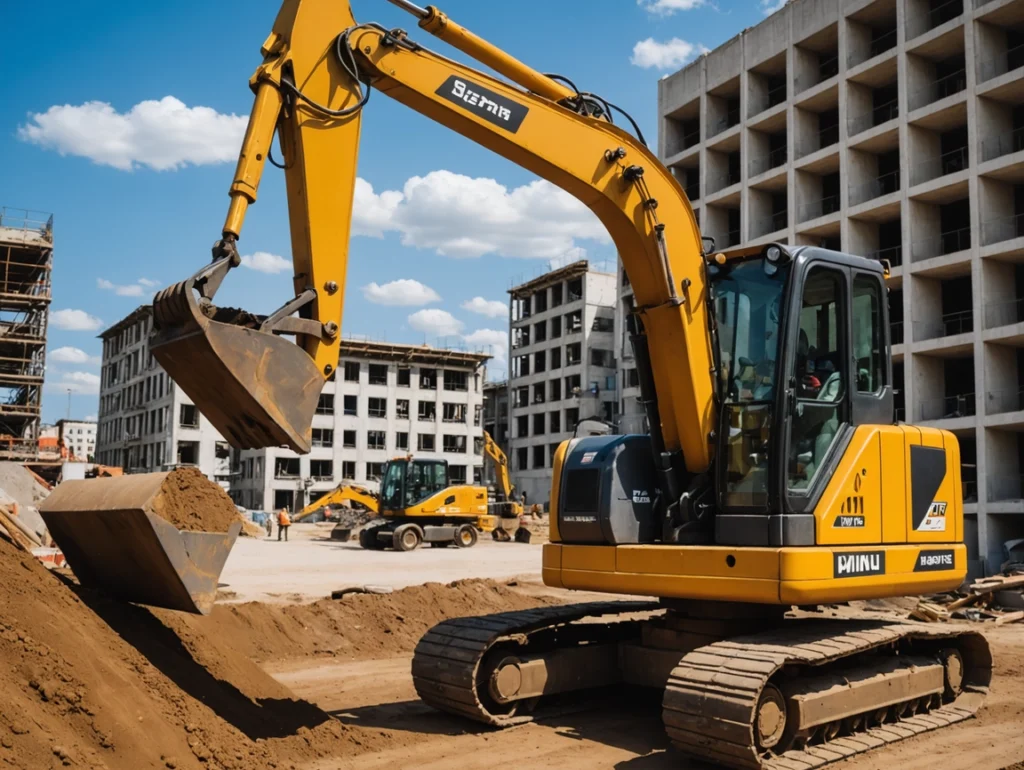
Si vous vous demandez combien coûte une mini-pelle en 2026, vous pouvez vous attendre à ce que les prix varient selon la taille Par exemple, les machines pesant 1-2 tonnes coûtent souvent entre $30 000 et $60 000. les modèles plus grands de la gamme 5-6 tonnes peuvent atteindre $110 000. avant de choisir, pensez aux besoins de votre projet et à la bonne taille de machine Vous faites un investissement plus intelligent lorsque vous faites correspondre la pelle à votre charge de travail.
| Taille (tonnes) | Gamme de prix |
|---|---|
| 1-2 | $30 000 – $60 000 |
| 3-4 | $60 000 – $85 000 |
| 5-6 | $85 000 – $110 000 |
Conseil : Tenez compte des conditions de votre chantier et de vos projets futurs avant d'acheter.
Vous pouvez demander, combien coûte une mini-pelle lorsque vous faites vos achats en 2026 Le prix dépend si vous achetez neuf ou d'occasion Les nouvelles mini-pelles vont généralement de $30 000 à $110 000, selon la taille et les caractéristiques Les modèles d'occasion offrent un point d'entrée plus abordable Vous pouvez vous attendre à payer entre $15 000 et $40 000 pour une mini-pelle d'occasion, sur la base des récentes listes de marché.
| Condition | Gamme de prix |
|---|---|
| Nouveau | $30 000 $110 000 |
| Utilisé | $15 000 $40 000 |
Remarque : Vous pouvez consulter les listes actuelles sur les plateformes industrielles telles que Négociant en matériel ou Commerçant de machines pour des prix à jour.
Lorsque vous voulez savoir combien coûte une mini-pelle, vous devez tenir compte de plusieurs facteurs qui influencent le prix final.
Les marques établies commandent souvent prix plus élevés. Vous payez plus pour la fiabilité et le service de confiance Les modèles plus récents coûtent plus cher parce qu'ils incluent une technologie de pointe et des performances améliorées Si vous choisissez un modèle récent, vous pouvez bénéficier d'un meilleur rendement énergétique et d'une maintenance plus facile.
La puissance du moteur joue un rôle majeur dans la tarification Les machines avec une puissance plus élevée offrent de meilleures performances et productivité, mais elles coûtent plus cher Si vous doublez le poids de fonctionnement, vous verrez peut-être un Augmentation de 60 à 80% en prix d'achat Des moteurs plus puissants justifient des coûts plus élevés en vous aidant à terminer les travaux plus rapidement et plus efficacement.
Des fonctionnalités avancées telles que des systèmes hydrauliques, des commandes numériques et des options de sécurité améliorées ajoutent au prix Ces mises à niveau améliorent la productivité et le confort Vous constaterez peut-être qu'une puissance et des fonctionnalités accrues entraînent des prix plus élevés, mais elles rendent également votre travail plus facile et plus sûr.
Astuce : Avant de vous décider, énumérez les fonctionnalités dont vous avez besoin pour vos projets Vous pouvez comparer des modèles sur des sites de confiance comme RitchieSpecs pour des spécifications détaillées.
Vous vous demandez peut-être combien coûte une mini-pelle à mesure que les conditions du marché changent Au cours des cinq dernières années, les, les prix ont augmenté en raison de l'inflation et des nouvelles technologies Le marché des pelles compactes connaît une croissance rapide Les experts prévoient une augmentation de 10,8 milliards USD en 2025 à 15,7 milliards USD d'ici 2035, avec un TCAC de 3,81TP3 T. L'urbanisation et le développement des infrastructures stimulent la demande, ce qui maintient les prix forts.
Remarque : Vous pouvez suivre les mises à jour du marché sur des plateformes telles que Statista ou Guide des équipements de construction pour les tendances de l'industrie.
Si vous envisagez d'acheter, suivez les tendances des prix et prenez en compte les changements économiques Vous prenez une meilleure décision lorsque vous comprenez combien coûte une mini-pelle et ce qui détermine ces chiffres.
Lorsque vous comparez des mini-pelles neuves et d'occasion, vous constatez une nette différence de prix Les nouvelles machines coûtent plus cher à l'avance, mais elles offrent des fonctionnalités avancées et une fiabilité Les modèles d'occasion offrent un point d'entrée plus bas, ce qui vous aide à gérer votre budget si vous souhaitez économiser sur l'investissement initial.
| Catégorie | Gamme de prix |
|---|---|
| Nouvelles Mini Excavatrices | $20 000 à $80 000 |
| Mini-pelles d'occasion | $10 000 à $50 000 |
Si vous demandez combien coûte une mini-pelle, vous devez tenir compte non seulement du prix d'achat mais aussi des dépenses à long terme Les machines d'occasion peuvent nécessiter des réparations plus fréquentes, ce qui peut augmenter votre coût total de possession.
Vous bénéficiez de garanties étendues du fabricant lorsque vous achetez neuf Ces garanties protègent votre investissement et incluent souvent des services d'assistance aux concessionnaires, tels que l'entretien programmé et la formation des opérateurs Vous gagnez en tranquillité d'esprit en sachant que votre machine est couverte pour des réparations majeures Les machines d'occasion sont généralement assorties d'une garantie limitée ou inexistante, vous devez donc vérifier l'état de l'équipement avant l'achat Pour plus de détails sur les conditions de garantie, vous pouvez visiter Le monde de l'équipement.
Nouvelle fonction mini-pelles technologie intelligente, [TRADUCTION], y compris les raccords à ralenti automatique et rapides Ces mises à niveau permettent de gagner du temps et du carburant, et les systèmes de surveillance avancés améliorent le contrôle Vous subissez moins de réparations et moins de temps d'arrêt, ce qui signifie une productivité plus élevée avec le temps.
“Le meilleur rapport qualité-prix” n'est pas la machine la moins chère, c'est celle qui livre : Fiabilité dans le temps: Moins de réparations et moins de temps d'arrêt.
| Fonctionnalité | Nouvelle Mini Excavatrice | Mini-pelle d'occasion |
|---|---|---|
| Coût | Coût initial plus élevé | Coût initial inférieur |
| Options d'entretien | De meilleures options de maintenance disponibles | Dommages cachés potentiels et histoire douteuse |
| Technologie | Dernière technologie hydraulique | Manque de technologie mise à jour |
| Fiabilité | Performances plus fiables | Peut nécessiter plus de réparations et d'entretien |
| Pièces jointes | Meilleure variété d'attaches | Options limitées |
Les mini-pelles d'occasion se déprécient à un rythme d'environ 5-10% par an. Vous économisez de l'argent sur l'amortissement, ce qui rend les équipements usagés attrayants si vous prévoyez de revendre ou de mettre à niveau à l'avenir. Des coûts initiaux inférieurs vous aident à gérer les flux de trésorerie, en particulier pour les projets à court terme.
Avant d'acheter une mini-pelle d'occasion, vous devez l'inspecter attentivement Suivez ces étapes pour éviter des surprises coûteuses :
Vous devriez également examiner les dossiers d'entretien et l'historique des échantillons d'huile Pour un liste de contrôle d'inspection détaillée, visite Liste de contrôle d'inspection pour les équipements usagés.
| Désavantage | La description |
|---|---|
| Historique de service incertain | L'absence de dossiers de maintenance peut constituer un danger. |
| Pas de couverture de garantie | La plupart des machines d'occasion sont vendues ‘telles quelles’ |
| Coûts de maintenance plus élevés | Les équipements matures nécessitent un service plus fréquent, augmentant ainsi les coûts totaux de possession. |
Si vous souhaitez en savoir plus sur l'achat d'équipements d'occasion, vous pouvez explorer des guides sur Conseils d'achat de MachineryTrader.
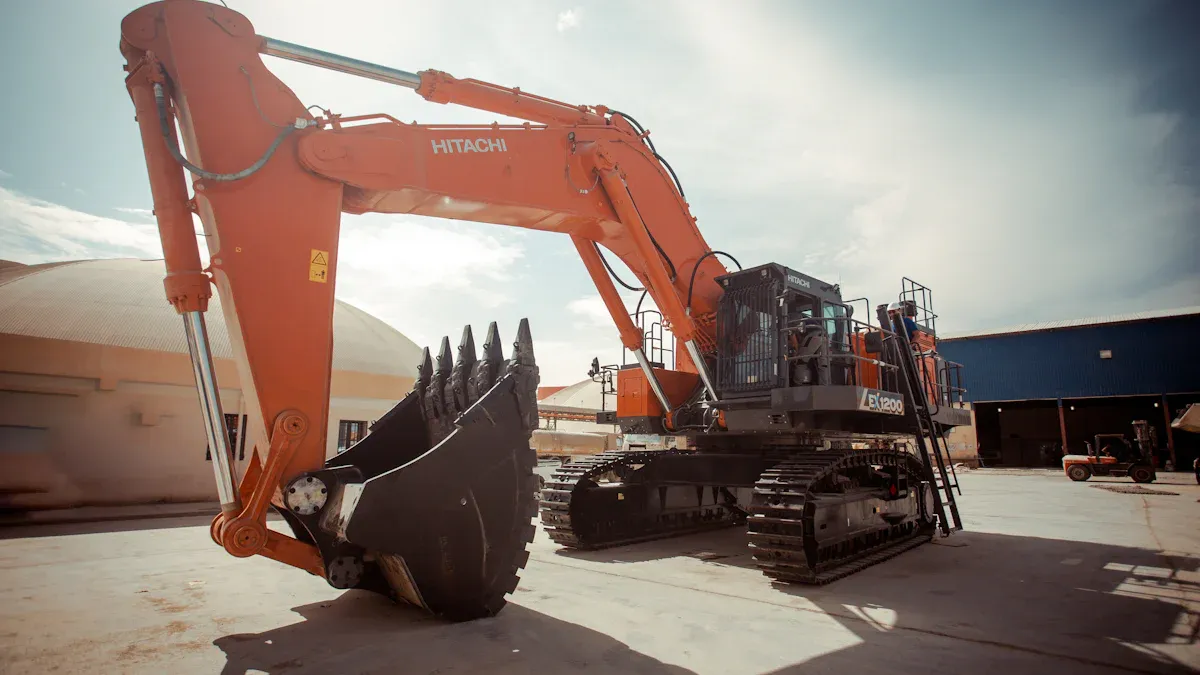
Les mini-pelles deviennent beaucoup plus polyvalentes lorsque vous ajoutez les bons accessoires Vous pouvez vous attaquer à un large éventail de tâches en échangeant des outils Le seau se démarque comme le choix le plus populaire. Vous l'utilisez pour creuser, creuser des tranchées et remblayer. Sa conception robuste vous permet de gérer différents types de sols et exigences du travail.
Les seaux sont disponibles en plusieurs styles. Les seaux dentés fonctionnent mieux dans un sol compacté ou rocheux, bien qu'ils laissent une finition rugueuse Les seaux sans dents fonctionnent bien dans le sol meuble ou le sable et créent un fond lisse Vous pourriez utiliser un seau pour creuser des semelles de fondation ou planter des arbres Cette fixation est essentielle pour la plupart des projets d'excavation.
Les tarières vous aident à percer des trous rapidement et efficacement Vous les utilisez pour planter, installer des poteaux de clôture ou installer des panneaux indicateurs Les tarières vous font gagner du temps par rapport au creusement manuel Elles s'adaptent à une variété de conditions de sol et rendent votre mini-pelle plus productive.
Les pouces hydrauliques vous permettent de saisir et de déplacer des matériaux comme des rondins, des roches ou des débris Vous obtenez un meilleur contrôle lors de la manipulation d'objets irréguliers Cette fixation améliore votre capacité à trier et à charger les matériaux, ce qui facilite le nettoyage et l'aménagement paysager.
Conseil : Les coupleurs rapides vous permettent de basculer rapidement entre les pièces jointes, afin que vous passiez moins de temps à changer d'outil et plus de temps à travailler.
| Type de pièce jointe | Fonctionnalité | Avantages |
|---|---|---|
| Seaux | Creuser, creuser des tranchées, remblayer | Polyvalent pour divers types de sols |
| Marteaux hydrauliques | Briser le béton et la roche | Efficace pour les tâches de démolition |
| Tarières | Percer des trous | Idéal pour la plantation et la post-installation |
| Coupleurs rapides | Changements rapides d'attachement | Augmente l'adaptabilité pour différentes tâches |
Vous pouvez trouver plus d'exemples et de vidéos d'utilisation des pièces jointes sur Instagram.
Les prix des pièces jointes varient en fonction du type et de la complexité Les godets de base coûtent habituellement entre $800 et $2 500. les tarières vont de $1 500 à $4 000, selon la taille et la puissance Les pouces hydrauliques coûtent souvent entre $2 000 et $5 000. Les coupleurs rapides ajoutent encore entre $1 200 et $3 000. Les pièces jointes spécialisées, telles que les disjoncteurs hydrauliques, peuvent dépasser $7 000.
| Pièce jointe | Gamme de coûts typique |
|---|---|
| Seau | $800 $2,500 |
| Tarière | $1 500 $4 000 |
| Pouce hydraulique | $2 000 $5 000 |
| Coupleur rapide | $1 200 $3 000 |
| Brise-roche hydraulique | $7,000+ |
Remarque : Vous pouvez consulter les prix et les tendances actuels des pièces jointes Pour les professionnels de la construction.
Vous devez faire correspondre les pièces jointes à vos exigences de travail et aux spécifications de la machine Commencez par évaluer le travail que vous prévoyez de faire Le creusement, la démolition et la manutention des matériaux nécessitent chacun des outils différents. Vérifiez la taille de votre excavatrice et la classe de poids. Les pièces jointes doivent s'adapter au système hydraulique et aux dimensions physiques de votre machine.
Par exemple, si vous prévoyez creuser des tranchées dans un sol rocheux, choisissez un godet denté Si vous devez planter des poteaux, sélectionnez une tarière évaluée pour la taille de votre pelle Les pouces hydrauliques fonctionnent mieux pour l'aménagement paysager et l'enlèvement des débris Vous pouvez trouver plus de conseils et d'études de cas sur la sélection des pièces jointes à Guide des équipements de construction.
Conseil : Les bonnes attaches augmentent la polyvalence de votre mini-pelle et vous aident à réaliser des projets plus rapidement et plus efficacement.
Vous devez tenir compte du climat lorsque vous exploitez ou entretenez une mini-pelle Les conditions météorologiques peuvent affecter les performances, les calendriers de maintenance et même la durée de vie de votre équipement.
Les climats froids présentent des défis uniques Vous remarquerez peut-être que les fluides hydrauliques s'épaississent, ce qui rend les commandes moins réactives Les batteries perdent leur charge plus rapidement, et les moteurs nécessitent des temps de réchauffement plus longs La neige et la glace peuvent faire glisser les chenilles, ce qui réduit la traction et la sécurité Vous devez utiliser des fluides de qualité hivernale et ranger votre excavatrice à l'intérieur lorsque cela est possible Vérifiez régulièrement les joints et les tuyaux pour déceler les fissures causées par les températures glaciales.
Conseil : Planifiez des contrôles d'entretien supplémentaires pendant les mois d'hiver pour éviter les pannes.
Les températures élevées ont également un impact sur les mini-pelles Les moteurs et les systèmes hydrauliques peuvent surchauffer, surtout pendant les longues journées de travail Vous devez inspecter souvent les systèmes de refroidissement et nettoyer les radiateurs pour éviter les blocages La poussière et le sable dans les régions chaudes et sèches peuvent obstruer les filtres à air et user les pièces mobiles Dans les zones humides, la prévention de la rouille devient essentielle.
Remarque : Vous pouvez trouver plus de conseils pour opérer dans des climats extrêmes sur Pour les professionnels de la construction.
Les règles environnementales façonnent la façon dont vous utilisez et entretenez les mini-pelles Vous devez suivre les normes locales et internationales pour éviter les amendes et soutenir la durabilité.
| Type d'excavatrice | Impact environnemental | Influence réglementaire |
|---|---|---|
| Électrique | Zéro émission d’échappement, réduction des gaz à effet de serre tout au long du cycle de vie | Incitations telles que subventions et crédits d’impôt pour l’adoption |
| Diesel | Émissions élevées de CO2, nécessite des systèmes d'échappement complexes | Tests d'émissions plus stricts et règles de restriction au ralenti, amendes dans les zones à faibles émissions |
Vous voyez des normes d'émission plus strictes dans des régions comme l'Union européenne, qui poussent les fabricants à développer des modèles plus propres Les pelles électriques reçoivent des incitations, telles que des subventions et des crédits d'impôt, ce qui les rend plus attrayantes pour les acheteurs soucieux de l'environnement Les modèles diesel sont confrontés à des tests d'émission plus fréquents et à des restrictions de ralenti, surtout dans les zones urbaines.
Conseil : Examinez les normes d'émission de votre région avant d'acheter Vous pouvez vérifier les mises à jour sur Guide des équipements de construction.
Les coûts de propriété varient considérablement en fonction de votre emplacement. Vous devez prendre en compte les taxes, le transport et la demande locale lors de la budgétisation d’une mini-pelle.
Remarque : Comprendre la dynamique du marché vous aide à prendre des décisions éclairées Vous pouvez suivre les tendances régionales des prix sur Statista et Commerçant de machines.
Vous devriez rechercher les réglementations locales et les conditions du marché avant d'acheter Cette approche vous assure de choisir la bonne machine pour votre climat et votre budget.
Comprendre les coûts de maintenance et d'exploitation vous aide à planifier votre budget et à éviter les dépenses imprévues Les mini-pelles nécessitent des soins réguliers pour rester fiables et efficaces Vous pouvez économiser de l'argent et prolonger la durée de vie de votre machine en suivant un calendrier de maintenance cohérent.
L'entretien de routine permet à votre mini-pelle de fonctionner correctement Vous devez vérifier les niveaux de liquide, inspecter les voies et changer l'huile sur une base régulière Ces tâches évitent les problèmes plus importants et réduisent les temps d'arrêt.
Vous pouvez vous attendre à dépenser environ $1,000 par an sur ces tâches de maintenance de base Cet investissement vous aide à éviter des réparations coûteuses plus tard Pour une liste de contrôle de maintenance détaillée, visitez Guide mondial de maintenance des équipements.
Les coûts de service dépendent de la fréquence à laquelle vous utilisez votre mini-pelle et du type de travail que vous effectuez. L'entretien régulier, tel que les changements d'huile et de filtre, coûte généralement moins de $200 par service. Si vous planifiez deux à quatre services chaque année, votre coût annuel total correspondra à l'estimation $1 000. Vous pouvez payer plus si vous opérez dans des conditions difficiles ou utilisez votre machine quotidiennement.
Même avec un bon entretien, certaines pièces s'useront avec le temps Vous devrez peut-être remplacer les tuyaux hydrauliques, réparer les composants de la voie ou résoudre des problèmes électriques Par exemple, le remplacement d'un tuyau hydraulique peut coûter de $150 à $300 Les réparations de la voie peuvent aller de $500 à $1 500, selon les dommages Vous pouvez trouver plus de conseils de réparation et de guides de coûts à Pour la constructionPros Maintenance.
Carburant et assurance sont deux des plus importantes dépenses en cours pour les propriétaires de mini-pelles Vos coûts de carburant dépendent de la quantité que vous utilisez la machine et du type de travail que vous effectuez L'assurance vous protège des pertes inattendues et de la responsabilité.
| Catégorie de dépenses | Estimation des coûts annuels |
|---|---|
| Assurance | $500 $2,000 |
| Carburant (varie avec l'utilisation) | $2 000 $5 000 |
Vous pouvez comparer les options d'assurance et obtenir des devis de fournisseurs de l'industrie sur Guide des équipements de construction.
Un rangement adéquat protège votre mini-pelle des dommages causés par les intempéries et du vol. Vous pouvez ranger votre machine dans un garage sécurisé, une installation louée ou sous une couverture robuste Les coûts de stockage intérieur varient de $100 à $300 par mois, selon votre emplacement et l'installation Le stockage extérieur avec des dispositifs de sécurité peut coûter moins cher, mais vous risquez d'être exposé aux éléments.
Conseil : Investir dans un stockage sécurisé réduit le risque de vandalisme et prolonge la durée de vie de votre machine.
Voici un résumé des coûts annuels typiques pour la possession d'une mini-pelle :
| Catégorie de coût | Estimation Annuelle |
|---|---|
| Entretien de routine | $1,000 |
| Réparations | $500 $2,000 |
| Carburant | $2 000 $5 000 |
| Assurance | $500 $2,000 |
| Stockage | $1 200 $3 600 |
Vous pouvez trouver plus d'informations sur les coûts de service et de réparation sur Ressources de service de MachineryTrader.
En suivant ces dépenses, vous prenez des décisions éclairées et gardez votre mini-pelle en parfait état Les soins réguliers et la budgétisation intelligente vous aident à tirer le meilleur parti de votre investissement.
Comprendre le coût total de possession vous aide à faire un investissement intelligent dans une mini-pelle Vous devez regarder au-delà du prix de la vignette et considérer chaque dépense au cours de la durée de vie de la machine Cette approche vous donne une image claire de ce que vous allez réellement dépenser et de ce que vous pourriez récupérer lorsque vous vendez.
Vous calculez le coût de possession à vie en additionnant toutes les dépenses de l'achat à la revente Ces coûts comprennent l'achat initial, le financement, l'assurance, l'entretien, le carburant, les réparations et même les temps d'arrêt Vous pouvez utiliser un tableau comme celui ci-dessous pour estimer votre investissement total :
| Composant | La description | Exemple (5 ans) |
|---|---|---|
| Prix d'achat | Coût initial pour acheter la machine | $60,000 |
| Financement | Intérêts et frais si vous financez l'achat | $3,000 |
| Assurance | Couverture annuelle pour protéger votre investissement | $7,500 |
| Entretien | Entretien régulier et réparations | $7,500 |
| Dépenses opérationnelles | Coûts de carburant, de main-d'œuvre et de fonctionnement quotidien | $20,000 |
| Coûts d’usure et de remplacement | Des pièces comme des bagues, des épingles et des outils au sol | $4,000 |
| Coûts d'arrêt | Perte de revenus provenant de réparations imprévues | $2,500 |
| Total (5 ans) | $104,500 |
Conseil : divisez votre coût total par le nombre d'années et les heures de travail estimées pour trouver votre taux de propriété horaire Cela vous aide à définir des tarifs compétitifs pour vos services.
Vous pouvez trouver plus de calculatrices et de ventilations de coûts sur ÉquipementWatch et Pour les professionnels de la construction.
La valeur de revente joue un grand rôle dans votre investissement à long terme Les mini-pelles perdent de la valeur le plus rapidement au cours des premières années Les machines bien entretenues conservent mieux leur valeur Les facteurs qui influencent la valeur de revente comprennent
Par exemple, une mini-pelle peut déprécier d'environ 30% dans les cinq premières années Si vous suivez la maintenance, vous pourriez récupérer jusqu'à $11 000 après cinq ans sur une machine $60 000 Un mauvais entretien ou des heures élevées peuvent réduire ce montant L'équipement lourd commence à perdre de la valeur dès que vous le mettez au travail, donc le suivi des heures et la tenue des dossiers vous aident à obtenir le meilleur retour.
Remarque : Vous pouvez vérifier les valeurs et tendances actuelles de revente sur Commerçant de machines ou Commissaires-priseurs Ritchie Bros.
Le financement vous aide à gérer les flux de trésorerie et à étaler les paiements De nombreux concessionnaires et prêteurs d'équipement proposent des plans flexibles En 2026, vous trouverez peut-être des options telles que
| Option de financement | Taux d'intérêt typique | Durée |
|---|---|---|
| Acompte provisionnel | 0% – 4% | 360 mois |
| Plans de paiement différés | 0% – 2% | 12 mois 4 mois |
| Plans de Paiement Saisonnier | 2% – 5% | 36 mois 8 mois |
Certains prêteurs offrent un intérêt de zéro pour cent jusqu'à cinq ans sur les nouveaux équipements Vous pouvez également voir des incitations de remise en argent ou des plans de paiement différé Comparez toujours les offres et lisez les petits caractères Tenez compte des flux de trésorerie et des besoins saisonniers de votre entreprise avant de choisir un plan.
Astuce : Explorez les calculatrices de financement et les offres actuelles sur Conseiller en Finance d'Equipements ou Guide des équipements de construction.
En comprenant le coût total de possession, vous prenez des décisions éclairées qui protègent votre investissement et soutiennent la croissance de votre entreprise.
Vous faites le meilleur investissement lorsque vous commencez par identifier vos besoins Commencez par évaluer le capacité de levage, portée et profondeur de creusement requis pour vos projets typiques Documentez les travaux récents et calculez la taille de la machine qui le ferait gérez au moins 80% de votre travail. Considérez les points d'accès sur votre site d'emploi Si vous travaillez dans des espaces restreints, recherchez des fonctionnalités comme un train d'atterrissage rétractable Pensez aux projets futurs pour ne pas vous retrouver avec une machine trop grande ou trop petite.
Conseil : Recherchez les coûts de possession et d'exploitation sur trois à cinq ans Cela vous aide à répondre combien coûte une mini-pelle pour votre situation spécifique.
Vous devez comparer différentes marques et modèles pour trouver le meilleur ajustement pour vos besoins Concentrez-vous sur la fiabilité, la facilité d'utilisation et le support à long terme Recherchez des machines avec une forte valeur de revente et un système hydraulique efficace Certains modèles offrent des caractéristiques uniques comme le zero-tail-swing ou des options électriques Comparez les spécifications telles que la profondeur de creusement, la capacité de levage et le confort de l'opérateur.
| Fonctionnalité | Que rechercher | Pourquoi c'est important |
|---|---|---|
| Puissance du moteur | Correspond à vos exigences professionnelles | Assure un fonctionnement efficace |
| Système hydraulique | Contrôles fluides et réactifs | Améliore la précision et la sécurité |
| Confort de l'opérateur | Sièges réglables, commandes claires | Réduit la fatigue et les erreurs |
| Service Support | Réseau de concessionnaires locaux | Réparations et entretien plus rapides |
| Valeur de revente | Forte demande du marché | Protège votre investissement |
Remarque : Vous pouvez comparer les spécifications et lire les avis des propriétaires sur des plateformes telles que Négociant en matériel et RitchieSpecs.
Vous protégez votre investissement en inspectant chaque mini-pelle avant l'achat Commencez par une remise des gaz pour vérifier les bosses, les fissures et les signes d'usure Examinez les voies pour déceler tout dommage ou pourriture sèche Inspectez les vérins hydrauliques pour déceler les fuites et testez toutes les commandes dans le poste de conduite Ouvrez le compartiment moteur et vérifiez les niveaux de liquide, l'état de l'huile et recherchez les fuites Faites passer la machine à travers les cycles de creusement pour repérer le relâchement des broches et des bagues.
Conseil : Utilisez une liste de contrôle d'inspection détaillée provenant de sources fiables telles que Pour les professionnels de la construction pour éviter des surprises coûteuses.
Vous effectuez un achat plus intelligent lorsque vous inspectez minutieusement et confirmez l'état de la machine Cette étape vous aide à éviter les réparations inattendues et garantit que votre excavatrice offre des performances fiables.
Vous pouvez obtenir une meilleure affaire sur une mini-pelle lorsque vous abordez les négociations avec préparation et confiance Commencez par recherche de prix équitables sur le marché. Utilisez des sites Web de comparaison et des publications commerciales pour comprendre les taux de location et les coûts d'achat actuels. Ces connaissances vous donnent un effet de levier lors des discussions.
Considérez ces stratégies pour améliorer votre position de négociation :
Conseil : Préparez une liste de questions avant de rencontrer le vendeur Renseignez-vous sur l'historique de maintenance, les accessoires inclus et les éventuels frais cachés.
Vous pouvez également négocier les conditions de financement Certains vendeurs proposent des plans de paiement saisonniers ou des paiements différés Examinez attentivement le contrat et clarifiez tout point flou Si vous vous sentez incertain, consultez un expert du secteur ou rejoignez des forums en ligne comme Forums Équipements Lourds pour les conseils d'acheteurs expérimentés.
Une négociation réussie dépend souvent de votre volonté de vous retirer si les conditions ne répondent pas à vos besoins Restez patient et persistant Les vendeurs respectent les acheteurs qui connaissent le marché et défendent eux-mêmes.
Vous faites un investissement plus intelligent lorsque vous planifiez à long terme Pensez au-delà de votre projet immédiat Pensez à la façon dont votre mini-pelle s'intégrera dans les emplois futurs et la croissance de votre entreprise.
Commencez par évaluer vos projections de charge de travail Estimez les types de projets que vous attendez au cours des trois à cinq prochaines années Choisissez une taille de machine et un ensemble de fonctionnalités qui peuvent gérer une gamme de tâches Par exemple, si vous prévoyez des travaux d'aménagement paysager et d'utilité, sélectionnez un modèle avec des accessoires polyvalents et des options de transport faciles.
Créer un calendrier d'entretien Le service régulier permet de garder votre excavatrice fiable et de préserver la valeur de revente Suivez les heures d'exploitation et tenez des registres détaillés Cette habitude vous aide à planifier les mises à niveau et les remplacements.
Explorez les mises à niveau technologiques De nombreux modèles plus récents prennent en charge la télématique et la surveillance à distance Ces fonctionnalités vous aident à suivre l'utilisation et à planifier la maintenance préventive Vous pouvez trouver plus d'informations sur la gestion des équipements sur Pour les professionnels de la construction.
Remarque : la planification d'une utilisation future réduit les temps d'arrêt et les coûts inattendus. Vous restez en avance sur les changements du marché et maintenez votre entreprise compétitive.
Tenez compte des besoins en matière de stockage et de transport Un stockage sécurisé protège votre investissement des intempéries et du vol. Prévoyez un accès facile aux sites d'emploi et prenez en compte les coûts de transport.
Enfin, passez en revue votre stratégie de sortie Décidez quand vous allez mettre à niveau ou vendre votre machine Surveillez la demande du marché et les valeurs de revente sur des plateformes comme Commissaires-priseurs Ritchie Bros. Cette approche vous assure de maximiser votre rendement et de minimiser les pertes.
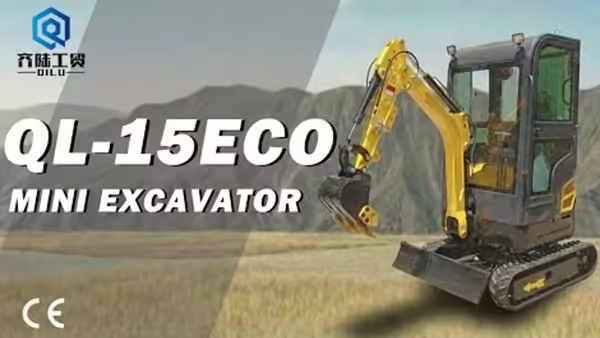
Vous construisez une base solide pour votre entreprise lorsque vous envisagez d'aller de l'avant Une planification minutieuse vous aide à vous adapter à l'évolution des besoins et à saisir de nouvelles opportunités.
Vous faites un investissement intelligent lorsque vous comprenez les principaux facteurs de coût, tels que la taille de la machine, les caractéristiques et la maintenance. Inspectez toujours l'équipement de près et comparez les modèles avant d'acheter. Recherchez les tendances de l'industrie et vérifiez les sources fiables pour les mises à jour.
Prêt à acheter ? visitez les plateformes de confiance pour obtenir des conseils d'experts et des annonces en cours Prenez le contrôle de votre achat et choisissez la meilleure mini-pelle pour vos projets futurs.
Vous devriez sélectionner une mini-pelle de 1 à 2 tonnes pour la plupart des tâches d'aménagement paysager. Cette taille s'adapte aux espaces restreints et gère le creusement, les tranchées et le nivellement. Pour plus d'exemples, visitez Pour la constructionPros Aménagement paysager.
Inspectez la machine pour déceler les fuites, les fissures et les traces usées Examinez les dossiers de maintenance et testez toutes les commandes Vous pouvez trouver une liste de contrôle détaillée à l'adresse Guide des équipements de construction.
Les seaux, les tarières et les pouces hydrauliques élargissent les capacités de votre excavatrice Vous pouvez changer d'attache pour creuser, percer ou déplacer des débris Voir des exemples réels sur Instagram.
L'entretien de routine coûte habituellement environ $1 000 par an Cela couvre les vidanges d'huile, les contrôles de fluides et les inspections de la voie Pour plus de conseils, vérifiez Guide mondial de maintenance des équipements.
Vous pouvez utiliser des mini-pelles dans les climats froids ou chauds Utilisez des fluides de qualité hivernale par temps froid et des systèmes de refroidissement propres par chaleur Pour des conseils spécifiques au climat, visitez Pour la constructionPros Maintenance.
Vous pouvez choisir des plans à tempérament, des paiements différés ou des options de paiement saisonnier Comparez les taux d'intérêt et les conditions avant de décider Pour les offres en cours, explorez Conseiller en Finance d'Equipements.
Ajouter le prix d'achat, l'entretien, le carburant, l'assurance et les réparations Divisez par années d'utilisation pour un taux horaire Utilisez des calculatrices à ÉquipementWatch pour des estimations détaillées.
Rejoignez des forums comme Forums Équipements Lourds ou suivez les pages de l'industrie sur LinkedIn pour des expériences d'acheteur et des conseils d'experts.





-1.png)