Correo electrónico: [email protected] WhatsApp: +8618266768780

Correo electrónico: [email protected] WhatsApp: +8618266768780


Si se enfrenta a la elección entre minicargadoras nuevas y usadas como comprador por primera vez, su decisión comienza con su presupuesto y la frecuencia con la que planea utilizar la máquina.
Piense en sus tareas diarias, en qué medida importa la confiabilidad y en sus planes a largo plazo. Puede sentirse seguro al tomar una decisión inteligente al adaptar sus necesidades a la máquina adecuada.
Cuando comparas minicargadoras nuevas y usadas, el costo se destaca como una de las diferencias más importantes. Las máquinas nuevas tienen un precio más alto, mientras que las opciones usadas ofrecen ahorros significativos. Puedes ver lo típico rangos de precios en la siguiente tabla:
| Categoría | Gama de precios |
|---|---|
| Nuevas minicargadoras | $25.000 până la $100.000+ |
| Minicargadoras usadas | $5.000 până la $40.000 |
Si desea mantener baja su inversión inicial, los minicargadores usados le brindan más flexibilidad. Las máquinas nuevas pierden valor rápidamente, especialmente durante el primer año. La siguiente tabla muestra cómo la depreciación afecta su inversión y valor de reventa:
| Tipo de cargador | Impacto de depreciación | Estabilidad del valor de reventa |
|---|---|---|
| Nuevo | Significativo (hasta 40% en el primer año) | Menos estable inmediatamente después de la compra |
| Usado | Limitado (ya depreciado) | Más estable después de la depreciación inicial |
Consejo: Si planea vender su cargador después de unos años, las máquinas usadas suelen mantener mejor su valor. Puede encontrar más debates sobre el valor de reventa y la depreciación en foros de equipos y grupos de redes sociales centrados en maquinaria de construcción.
Los nuevos minicargadores suelen venir con las últimas funciones. Estos pueden incluir controles avanzados, sistemas de seguridad mejorados y una mejor eficiencia de combustible. También obtienes más opciones de accesorios y actualizaciones tecnológicas. Si desea una máquina con la tecnología más nueva, un nuevo modelo es la mejor opción.
Es posible que las minicargadoras usadas no tengan las últimas funciones, pero muchas aún ofrecen un rendimiento sólido para la mayoría de las tareas. A menudo puede encontrar modelos con accesorios esenciales y características básicas de comodidad. Si no necesita tecnología avanzada, una máquina usada puede satisfacer sus necesidades a un costo menor.
Nota: Piensa en qué funciones son más importantes para tu trabajo. Por ejemplo, si necesitas una cámara retrovisora o controles tipo joystick, comprueba si los modelos usados que consideras incluyen estas opciones.
Cobertura de garantía es otra diferencia clave. Los cargadores de minicargadoras nuevos suelen venir con una garantía completa del fabricante, que puede durar hasta dos años o 2000 horas. Las máquinas usadas pueden tener opciones de garantía limitada y algunas pueden no tener ninguna cobertura. La siguiente tabla compara lo típico cobertura de garantía:
| Tipo de cargador | Cobertura de la garantía |
|---|---|
| Nuevo | Hasta 2 años o 2.000 horas |
| Usado | Opciones limitadas, normalmente de 1 a 3 años |
Duración de la garantía y la cobertura puede afectar su costo total de propiedad. La garantía de una máquina nueva puede ahorrarle miles de dólares en costos de reparación, mientras que un cargador usado puede generar mayores riesgos de reparaciones inesperadas. Aquí hay una comparación rápida:
| Tipo de cargador | Duración de la garantía | Impacto de la cobertura en los costos |
|---|---|---|
| Nuevo | 1-2 ani | Reduce significativamente los costos de reparación, ahorrando miles |
| Usado | Limitado o ninguno | Mayor riesgo de reparaciones inesperadas, lo que podría aumentar los costos totales |
Consejo: Pregunte siempre sobre los detalles de la garantía antes de comprar. Algunos distribuidores ofrecen garantías extendidas en minicargadoras usadas, lo que puede ayudar a reducir su riesgo.
Cuando comparas el estado de los minicargadores nuevos y usados, notas claras diferencias. Las máquinas nuevas llegan en perfecto estado de funcionamiento. No necesita preocuparse por problemas ocultos o piezas desgastadas. Cada componente, desde el motor hasta los neumáticos, está recién salido de fábrica.
Las minicargadoras usadas, por otro lado, requieren una mirada más cercana. Debes comprobar si hay desgaste, ya que los propietarios anteriores pueden haber utilizado la máquina para tareas pesadas. Cuestiones comunes podrías encontrarte que incluye:
Siempre debes inspeccionar una máquina usada antes de comprarla. Busque signos de fugas, óxido o daños. Solicite registros de mantenimiento para ver si el propietario anterior se mantuvo al día con el servicio regular. Si es posible, pruebe el cargador para comprobar cómo arranca, conduce y levanta. Estos pasos le ayudan a evitar costosas reparaciones después de su compra.
Consejo: Si no tiene experiencia en la inspección de equipos pesados, considere contratar a un mecánico para que revise la máquina por usted. Esta pequeña inversión puede ahorrarle costosas sorpresas más adelante.
La tecnología en minicargadoras ha avanzado rápidamente en los últimos años. Los nuevos modelos suelen venir con características que aumentan tanto la productividad como la seguridad. Cuando eliges una nueva máquina, puedes encontrar:
Estos avances pueden hacer que su trabajo sea más eficiente. Por ejemplo, los controles diseñados ergonómicamente pueden aumentar su productividad hasta en 20%. Nuevas características de seguridad, como estructuras protectoras antivuelco (ROPS) y estructuras de protección contra caídas de objetos (FOPS) pueden reducir los accidentes en el lugar de trabajo en más de 30%. También se beneficiará de sistemas de bloqueo de control que evitan movimientos involuntarios y una visibilidad mejorada con ventanas y cámaras retrovisoras más grandes.
Sistemas de seguridad estándar ahora incluya frenos de estacionamiento automáticos y protección contra vuelcos. Estas características le ayudan a mantenerse seguro en el trabajo y proteger su inversión.
Es posible que los minicargadores usados no tengan estas tecnologías modernas. Es posible que se pierda los sistemas de seguridad avanzados o los últimos diseños ergonómicos. Sin embargo, muchas máquinas usadas todavía ofrecen un rendimiento confiable para tareas básicas. Si no necesita las funciones más recientes, un cargador usado en buen estado aún puede brindarle un buen servicio.
Nota: Antes de decidir, enumere las características que más necesita. Si la productividad y la seguridad son las principales prioridades, un nuevo modelo con tecnología avanzada puede valer la pena el costo adicional.
Los minicargadores usados ofrecen varios beneficios financieros y prácticos para compradores por primera vez. Puede ahorrar una cantidad significativa de dinero por adelantado. Por ejemplo, una máquina usada suele costar menos de la mitad del precio de una nueva. Esta menor inversión inicial le permite asignar su presupuesto a otras necesidades comerciales importantes, como accesorios o transporte.
También evita la fuerte depreciación que experimentan las nuevas máquinas. Los nuevos minicargadores pierden valor rápidamente, especialmente en los primeros años. Cuando compra usados, se salta esta rápida caída de valor. Si decide vender su cargador más tarde, probablemente recuperará un mayor parte de su inversión. La brecha entre lo que paga y por lo que puede revenderlo es mucho menor con equipos usados. Esto significa que obtienes un mejor retorno de la inversión.
Consejo: Muchos compradores descubren que las minicargadoras usadas mantienen bien su valor, especialmente si elige un modelo que tiene entre tres y cinco años y un horario moderado. Las máquinas de este rango de edad suelen tener una fiabilidad comprobada y todavía ofrecen muchos años de servicio.
A continuación se ofrece un breve resumen de las principales ventajas financieras:
| Beneficio | Descripción |
|---|---|
| Menor costo inicial | Las máquinas usadas cuestan significativamente menos que las nuevas. |
| Depreciación más lenta | El valor cae menos después de la compra, protegiendo su inversión. |
| Mejor valor de reventa | Menor brecha entre el precio de compra y el de reventa. |
| Flexibilidad presupuestaria | Más fondos disponibles para otros gastos comerciales. |
Puede encontrar más discusiones y ejemplos del mundo real sobre los valores de los equipos usados en Foros de equipos pesados o en grupos de construcción en Reddit.
A pesar de los claros ahorros, vienen con minicargadoras usadas algunos riesgos y desafíos. Es necesario prestar mucha atención al estado de la máquina. El tipo de trabajo que realizó el cargador en el pasado puede afectar su confiabilidad. Por ejemplo, un cargador utilizado para demoliciones pesadas puede mostrar más desgaste que uno utilizado para paisajismo ligero.
Siempre debes verificar la cantidad de propietarios anteriores y revisar los registros de mantenimiento. Una máquina bien mantenida con menos propietarios y menos horas de trabajo suele ofrecer una mayor confiabilidad. Si faltan registros de mantenimiento o están incompletos, es posible que se enfrente a reparaciones inesperadas.
Los riesgos comunes incluyen:
Nota: Tenga siempre en cuenta el coste de transportar el cargador a su ubicación. A veces, un precio de compra más bajo se compensa con altas tarifas de envío.
También debes considerar la falta de garantía. La mayoría de los minicargadores usados no vienen con garantías completas del fabricante. Esto significa que usted mismo debe cubrir los costos de reparación. Algunos distribuidores ofrecen garantías limitadas, pero la cobertura suele ser más corta y menos completa que con las máquinas nuevas.
Un ejemplo práctico: si compra un cargador usado con 2000 horas y sin registros de mantenimiento, es posible que enfrente una factura de reparación de $2000 por una falla de la bomba hidráulica durante el primer año. Por otro lado, una máquina bien documentada con servicio regular puede funcionar durante miles de horas más con problemas mínimos.
Para obtener más consejos sobre cómo inspeccionar equipos usados y comprender los errores comunes, visite Guías de compra de Equipment World o únete a las discusiones en Charla del contratista.
Recordator: Inspeccione siempre la máquina en persona o contrate a un mecánico calificado antes de realizar una compra. Este paso le ayuda a evitar costosas sorpresas y le garantiza obtener la mejor relación calidad-precio.
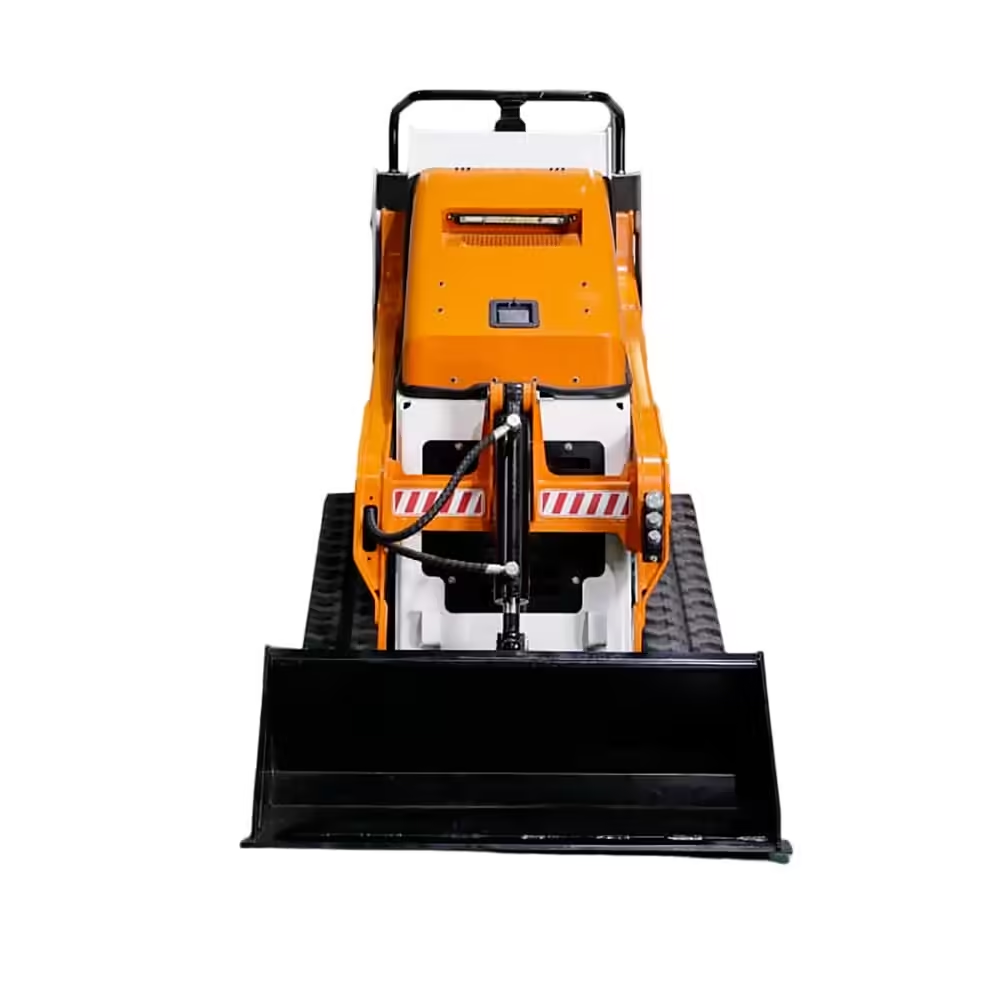
Cuando eliges un nuevo minicargador, obtienes varios beneficios importantes eso puede hacer que su trabajo sea más fácil y confiable.
Consejo: Si desea minimizar el tiempo de inactividad y evitar costos de reparación inesperados, un nuevo minicargador ofrece la mejor protección.
A pesar de los claros beneficios, los nuevos minicargadores tienen algunos inconvenientes que debes considerar antes de realizar una compra.
Nota: Antes de decidir, piense en la frecuencia con la que utilizará el cargador y cuánto tiempo planea conservarlo. Si necesita la última tecnología y la máxima confiabilidad, una nueva máquina tiene sentido. Si desea ahorrar dinero y evitar una depreciación rápida, un cargador usado puede ser una opción más inteligente.
Para obtener más información sobre los costos de los equipos y las experiencias de propiedad, puede explorar discusiones sobre Foros de equipos pesados o busque consejos de profesionales en La comunidad constructora de Reddit.
Cuando empiezas a comprar una minicargadora, el precio inicial suele influir en tu decisión. Los cargadores de minicargadoras nuevos suelen costar mucho más que los usados. Puedes ver los rangos de precios típicos en la siguiente tabla:
| Escribe | Gama de precios |
|---|---|
| Nueva minicargadora | $15.000 --$120.000 |
| Minicargador usado | $5.000 --$85.000+ |
Si desea mantener baja su inversión inicial, los cargadores usados ofrecen una clara ventaja. Por ejemplo, es posible que encuentre una máquina usada confiable para $20,000, mientras que un nuevo modelo similar podría costar $60,000 o más. Esta diferencia le permite asignar fondos a archivos adjuntos, transporte u otras necesidades comerciales. Puede explorar discusiones sobre precios en el mundo real Foros de equipos pesados o consulte publicaciones recientes en La comunidad constructora de Reddit.
Consejo: Compare siempre precios para modelos y horarios similares. Un precio más bajo a veces significa mayores costos de reparación futuros.
El costo inicial es sólo una parte de la historia. Debes considerar cuánto gastarás durante la vida útil de tu máquina. Los nuevos minicargadores suelen venir con garantías que cubren reparaciones importantes durante los primeros años. Esta protección mantiene tu costos de mantenimiento bajo. Los cargadores usados pueden necesitar reparaciones más frecuentes, especialmente si tienen horarios altos o registros de servicio incompletos.
| Aspecto | Nueva minicargadora | Minicargador usado |
|---|---|---|
| Costos de mantenimiento | Inferior (garantía incluida) | Mayor (probablemente se necesite mantenimiento) |
Si planea utilizar su cargador todos los días, una máquina nueva puede ahorrarle dinero en reparaciones y tiempo de inactividad. Si solo lo necesita ocasionalmente, un cargador usado en buen estado puede ofrecer un mejor valor. Por ejemplo, un cargador nuevo con garantía podría costar $1000 por año en mantenimiento, mientras que un cargador usado podría costar $3000 o más. Puede encontrar consejos de mantenimiento y experiencias del propietario en Guías de compra de Equipment World.
Nota: Solicite registros de mantenimiento antes de comprar usados. Una máquina con un historial de servicio regular a menudo cuesta menos a largo plazo.
Tienes varias opciones para financiar tu minicargadora. A menudo vienen máquinas nuevas ofertas promocionales, como financiación 0% por hasta 60 meses o incentivos de devolución de efectivo. Es posible que los cargadores usados no califiquen para estas ofertas, pero algunos distribuidores ofrecen tarifas competitivas para equipos usados.
| Opción de financiación | Nuevos minicargadores | Cargadoras compactas usadas |
|---|---|---|
| Financiamiento 0% | Disponible por hasta 60 meses | No especificado |
| Reembolso | Hasta $9.000 disponibles | No especificado |
| Tarifas competitivas | No especificado | Disponible a través de distribuidores seleccionados |
Puede optar por pagar en efectivo, financiar a través de un distribuidor o utilizar prestamistas externos. Si compra nuevo, es posible que se beneficie de pagos mensuales más bajos e incentivos adicionales. Si compra usados, es posible que deba comparar precios para obtener las mejores tarifas. Lea siempre atentamente los términos y calcule el costo total durante el período del préstamo.
Consejo: Compare ofertas de financiación de múltiples fuentes. Pregunte sobre pagos iniciales, tasas de interés y términos de préstamos antes de comprometerse.
Puede unirse a debates sobre estrategias de financiación y experiencias de distribuidores Charla del contratista o busque asesoramiento en grupos de construcción en las redes sociales.
Cuando compra un minicargador, debe mirar más allá del precio de etiqueta. Los costos ocultos pueden sorprenderlo después de su compra. Puede evitar errores costosos aprendiendo a detectar estos costos antes de comprar.
Muchos compradores se centran en el precio inicial y la financiación. También debes comprobar si hay gastos adicionales que pueden no ser evidentes. Los minicargadores usados suelen tener costes ocultos. Estos pueden afectar su presupuesto y la fiabilidad de su máquina.
Los costos ocultos comunes incluyen:
Puede utilizar una lista de verificación para detectar costos ocultos:
| Artículo a inspeccionar | Qué buscar | Posible costo adicional |
|---|---|---|
| Horas Meter | Más de 2.000 horas | Se necesita mayor mantenimiento |
| Motor | Arranque difícil, carrera dura | Reparaciones importantes ($1.000+) |
| Llantas | Grietas, calvas, desgaste desigual | $120-$600 por neumático |
| Pintura/Carrocería | Pintura fresca, óxido, abolladuras | Preocupaciones de confiabilidad |
Siempre debes solicitar registros de mantenimiento. Una máquina con un historial de servicio regular suele costar menos. Si faltan registros, es posible que se enfrente a reparaciones sorpresa.
Consejo: Traiga a un mecánico u operador experimentado cuando inspeccione un cargador usado. Pueden ayudarle a detectar problemas ocultos que pueden costarle dinero más adelante.
También debe considerar las tarifas de transporte, el seguro y el registro. Si compra a un vendedor lejano, el envío puede agregar cientos o incluso miles a su costo total. Las tarifas de seguro y registro varían según el estado, así que consulte los requisitos locales antes de comprometerse.
Puede evitar la mayoría de los costos ocultos inspeccionando la máquina en persona. Pruebe los controles del cargador, escuche si hay ruidos inusuales y verifique si hay fugas debajo del marco. Si encuentra problemas, pídale al vendedor que los solucione o reduzca el precio.
Puede proteger su presupuesto planificando estos gastos adicionales. Reserve fondos para reparaciones y reemplazos. Si compra un cargador usado, espere gastar más en mantenimiento durante el primer año. Una inspección cuidadosa y un presupuesto inteligente le ayudarán a evitar costosas sorpresas y mantener su proyecto en marcha.
La elección del minicargador adecuado comienza con una comprensión clara de sus propios requisitos. Al observar con qué frecuencia planea utilizar la máquina, qué características son más importantes, y sus planes de reventa, puede tomar una decisión que se ajuste a sus objetivos y presupuesto.
Comience preguntándose con qué frecuencia utilizará el minicargador. Si espera utilizar la máquina a diario o para proyectos a largo plazo, un nuevo modelo tiene sentido. Los nuevos cargadores ofrecen mayor confiabilidad y características modernas, que lo ayudan a evitar tiempos de inactividad y reparaciones inesperadas. Obtendrá tranquilidad al saber que su equipo funcionará cuando más lo necesite.
Si solo necesita un cargador para trabajos ocasionales, como paisajismo estacional o pequeños proyectos de construcción, un modelo usado suele ser la opción más inteligente. Ahorra dinero por adelantado y evita pagar por funciones o confiabilidad que quizás no utilice por completo. En algunos casos, alquilar un cargador para necesidades a muy corto plazo puede resultar aún más rentable.
Consejo: Realice un seguimiento de sus horas de uso previstas cada mes. Si su carga de trabajo es liviana, un cargador usado o un alquiler pueden ayudarlo a controlar los costos.
Piensa en las tareas que necesitas completar. El uso intensivo exige características específicas que aumentan el rendimiento y la comodidad. Usar la siguiente tabla para adaptar sus necesidades a la máquina adecuada:
| Característica | Por qué es importante |
|---|---|
| Potencia y rendimiento | Maneja cargas pesadas y condiciones difíciles, asegurando un funcionamiento sin problemas. |
| Capacidad de levantamiento | Determina el peso máximo que puedes mover de forma segura y eficiente. |
| Adjuntos y versatilidad | Amplía lo que puede hacer, desde excavar hasta calificar, aumentando el valor de su inversión. |
| Comodidad y controles | Reduce la fatiga y aumenta la productividad, especialmente durante las largas jornadas laborales. |
Si planea utilizar el cargador para trabajos exigentes, priorice modelos con motores potentes, alta capacidad de elevación y una amplia gama de accesorios. Para tareas más ligeras, los modelos básicos con controles estándar pueden ser suficientes.
Ejemplo: Si dirige un negocio de paisajismo y cambia entre materiales de excavación, nivelación y movimiento, busque un cargador que admita sistemas de conexión rápida y ofrezca múltiples accesorios compatibles.
Considere cuánto tiempo planea conservar el cargador. Las minicargadoras usadas suelen brindarle un mejor retorno de la inversión cuando las revende. Las máquinas nuevas pierden valor rápidamente en los primeros años, lo que significa que es posible que no recupere la mayor parte de su costo inicial si vende poco después de comprarlas. Los modelos usados, por otro lado, mantienen su valor de manera más efectiva, especialmente si los mantiene bien.
Consejo: Mantenga registros de mantenimiento detallados y dé servicio al cargador con regularidad. Las máquinas bien documentadas atraen precios de reventa más altos y se venden más rápido.
Al hacer coincidir su frecuencia de uso, funciones requeridas y planes de reventa, puede elegir un minicargador que se ajuste a sus necesidades y proteja su inversión.
Comience su inspección caminando alrededor de la máquina. Mire de cerca el cucharón, los brazos del cargador y los cilindros. Verifique si hay grietas, abolladuras o signos de soldadura, que puedan mostrar reparaciones pasadas. Examine la cubierta o la cabina en busca de daños estructurales. Inspeccione los neumáticos o las orugas en busca de cortes, desgaste desigual o banda de rodadura baja. Mire debajo de la máquina en busca de fugas o charcos. La oxidación, las desgastes y las piezas dobladas pueden indicar un uso intensivo o negligencia.
Consejo: Traiga una linterna para comprobar si hay fugas y daños ocultos debajo del cargador.
Pregúntale al vendedor registros de servicio o mantenimiento. Estos documentos muestran qué tan bien se preocupaba la máquina el propietario anterior. Revise el historial para ver si hay cambios regulares de aceite, revisiones de fluidos hidráulicos y reemplazos de filtros. Los registros consistentes sugieren que el cargador recibió el cuidado adecuado. Los registros faltantes o incompletos pueden significar un mayor riesgo de futuras reparaciones.
Opere el cargador antes de comprarlo. Arranque el motor y escuche si hay ruidos inusuales. Pruebe todos los controles, incluidas las características de pluma, cucharón y seguridad. Asegúrese de que los brazos del cargador se eleven suavemente y que la máquina responda rápidamente. Conduzca hacia adelante y hacia atrás, luego gire en ambas direcciones. Esté atento al humo del escape y verifique que todas las luces y medidores funcionen. Pruebe los accesorios incluidos para ver si funcionan como se esperaba.
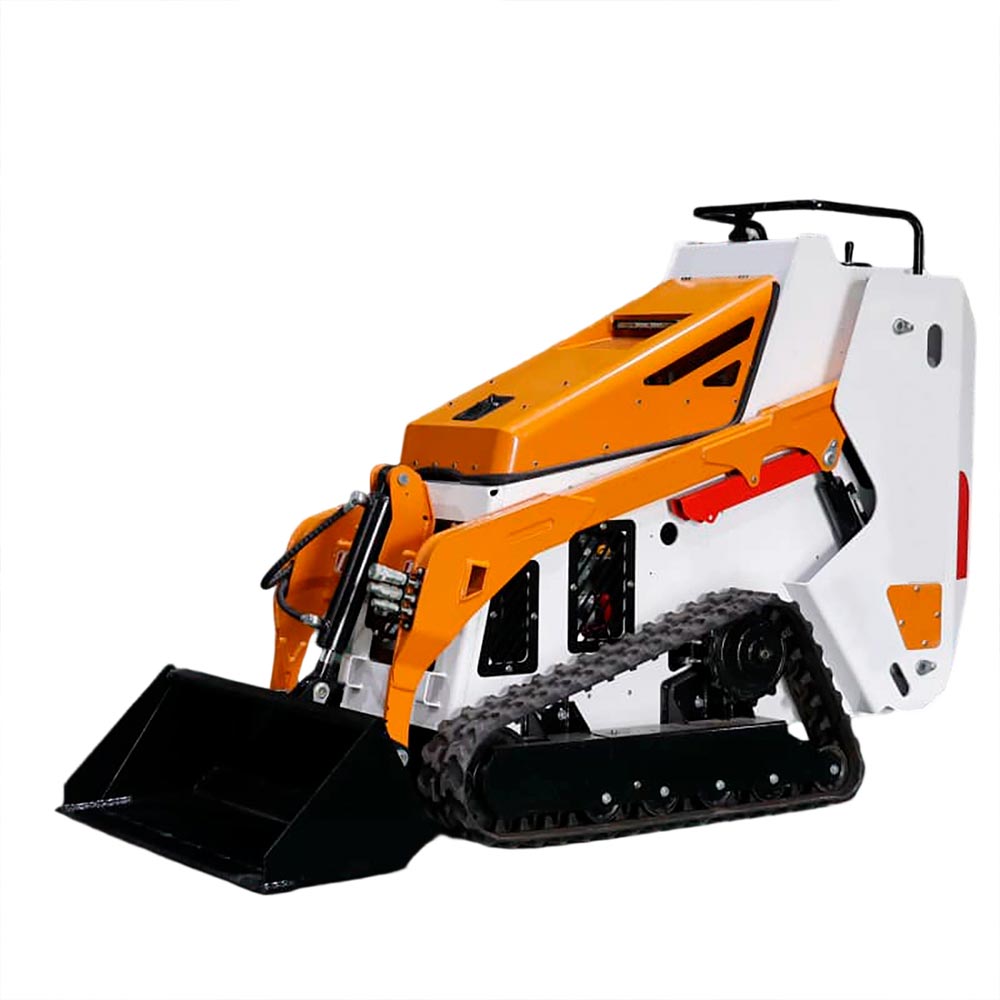
Haga preguntas importantes al distribuidor o vendedor para obtener más información sobre el estado del cargador. Utilice la siguiente tabla para guiar su conversación:
| Pregunta | Por qué es importante |
|---|---|
| ¿Puedo ver registros de servicio? | Confirma el mantenimiento y ayuda a predecir futuras reparaciones. |
| ¿Alguna fuga o reparación? | Revela problemas ocultos que pueden costarle dinero. |
| ¿Condición de los componentes? | Garantiza que la pluma, los neumáticos y los accesorios estén en buen estado. |
También deberías preguntar si el cargador lo tenía múltiples propietarios o si funcionó en entornos de servicio pesado. Menos propietarios y un uso más ligero a menudo significan mejores condiciones.
Esté atento a las señales de advertencia que le sugieren que debería alejarse:
Si detecta varias de estas señales de alerta, considere mirar otras minicargadoras usadas. Una inspección cuidadosa y las preguntas correctas le ayudarán a evitar errores costosos y encontrar una máquina confiable.
Muchos compradores primerizos cometen errores similares al elegir entre minicargadoras nuevas y usadas. Puede evitar costosos contratiempos aprendiendo de estos errores comunes:
Consejo: Anota tus tres prioridades principales antes de empezar a comprar. Esto le ayuda a mantenerse concentrado y evitar decisiones impulsivas.
Puede utilizar una lista de verificación sencilla para adaptar su situación a la elección correcta. Revise la siguiente tabla para guiar su decisión:
| Situación | Mejor elección | Por qué |
|---|---|---|
| Presupuesto ajustado | Usado | Menor costo inicial, depreciación más lenta |
| Uso diario o intenso | Nuevo | Mayor confiabilidad, garantía total |
| Uso ocasional o estacional | Usado | Ahorra dinero, evita pagar por funciones no utilizadas |
| Necesita la última tecnología | Nuevo | Acceso a funciones avanzadas y seguridad |
| Planee revender pronto | Usado | Mantiene el valor mejor después de la caída inicial |
| Sin experiencia en reparaciones | Nuevo | Menos sorpresas, se necesita menos mantenimiento |
Cómo decidir:
Recordator: Tómate tu tiempo. Una decisión cuidadosa ahora le ahorra dinero y estrés más adelante.
Siguiendo esta lista de verificación, puede elegir un minicargador que se ajuste a sus necesidades, presupuesto y planes a largo plazo. Se sentirá más seguro y preparado como comprador por primera vez.
Ahora conoces los principales factores que configuran lo nuevo y lo usado cargadoras compactas aparte. Para tomar la mejor decisión, haga coincidir sus necesidades de presupuesto, uso y confiabilidad:
Utilice la lista de verificación anterior para guiar su compra. ¡Puedes comprar con confianza y comenzar tus proyectos con fuerza!
Comience con una inspección visual. Busque fugas, óxido o grietas en el cuadro y los brazos. Revise el desgaste de los neumáticos o orugas. Revise los registros de mantenimiento si están disponibles. Pruebe siempre los controles y el motor antes de tomar una decisión.
La mayoría de los minicargadores duran entre 4.000 y 5.000 horas con buen cuidado. Si ve una máquina con más de 3000 horas, verifique si hay reparaciones y mantenimiento recientes. Las horas más bajas suelen significar menos desgaste, pero la condición importa más que solo el número.
Los distribuidores suelen ofrecer garantías, registros de servicio e informes de inspección limitados. Los vendedores privados pueden ofrecer precios más bajos pero menos protección. Si desea tranquilidad, elija un distribuidor acreditado. Si desea ahorrar dinero, considere a los vendedores privados pero inspeccione cuidadosamente.
Sí, muchos distribuidores y algunos prestamistas ofrecen financiación para equipos usados. Es posible que necesite un pago inicial más alto o pague una tasa de interés más alta que para las máquinas nuevas. Compare siempre ofertas y lea los términos antes de firmar.
Los accesorios comunes incluyen cubos, horquillas para paletas y sinfines. Elija accesorios según sus tareas principales. Para paisajismo, un cucharón nivelador o una zanjadora funcionan bien. Para la construcción, las horquillas para paletas y los rompedores hidráulicos añaden versatilidad.
Inspeccione la máquina en persona. Traiga un mecánico si es posible. Solicite registros de mantenimiento y pruebe todas las funciones. Esté atento a señales de advertencia como fugas, humo o ruidos extraños. Si algo se siente mal, aléjese y siga buscando.
Los cargadores nuevos vienen con garantías y piezas nuevas, por lo que se enfrenta a menos reparaciones desde el principio. Sin embargo, aún debe seguir el programa de mantenimiento. Saltarse el servicio puede causar problemas, incluso con una máquina nueva.






-1.png)