Բարի գալուստ Shandong Qilu Industrial Co., Ltd

 Armenian
 English
 Arabic
 Bulgarian
 Bengali
 Czech
Czech
 Danish
 German
 Greek
Greek
 Spanish
 Finnish
 French
 Hindi
Hindi
 Croatian
 Hungarian
 Indonesian
 Italian
 Japanese
 Korean
 Lithuanian
 Dutch
Dutch
 Norwegian
 Polish
 Portuguese
 Romanian
 Russian
 Slovak
 Slovenian
 Swedish
 Thai
Thai
 Turkish
 Ukrainian
 Vietnamese
 Tagalog
 Malay
Malay
 Estonian
 Catalan
 Latvian
 Urdu
Urdu
 Serbian
 Persian
 Swahili
 Albanian
 Icelandic
 Bosnian
 Luxembourgish
 Afrikaans
Armenian English
Arabic
Bulgarian
Bengali
Czech
Danish
German
Greek
Spanish
Finnish
French
Hindi
Croatian
Hungarian
Indonesian
Italian
Japanese
Korean
Lithuanian
Dutch
Norwegian
Polish
Portuguese
Romanian
Russian
Slovak
Slovenian
Swedish
Thai
Turkish
Ukrainian
Vietnamese
Tagalog
Malay
Estonian
Catalan
Latvian
Urdu
Serbian
Persian
Swahili
Albanian
Icelandic
Bosnian
Luxembourgish
Afrikaans
Afrikaans
Armenian English
Arabic
Bulgarian
Bengali
Czech
Danish
German
Greek
Spanish
Finnish
French
Hindi
Croatian
Hungarian
Indonesian
Italian
Japanese
Korean
Lithuanian
Dutch
Norwegian
Polish
Portuguese
Romanian
Russian
Slovak
Slovenian
Swedish
Thai
Turkish
Ukrainian
Vietnamese
Tagalog
Malay
Estonian
Catalan
Latvian
Urdu
Serbian
Persian
Swahili
Albanian
Icelandic
Bosnian
Luxembourgish
Afrikaans
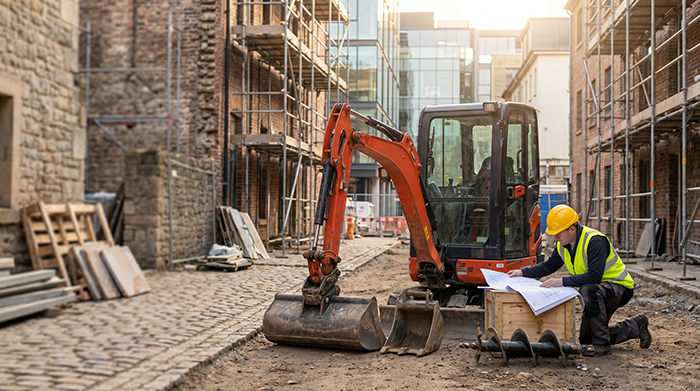
Ինչպես ընտրել լավագույն փոքր էքսկավատորը ձեր կարիքների համար
Ձեր ծրագրի համար ճիշտ փոքր էքսկավատորի ընտրությունը շատ կարեւոր է արդյունավետությունը, ծախսարդյունավետությունը եւ ձեր առաջադրանքների հաջող ավարտը ապահովելու համար:.
Ներկայացում
Selecting the right small excavator for your project is crucial to ensure efficiency, cost-effectiveness, and the successful completion of your tasks. Whether you’re a contractor, landscaper, or a DIY enthusiast, understanding the various aspects of small excavators can help you make an informed decision. This guide will cover the types, features, uses, and maintenance of small excavators, providing you with all the information you need to choose the best machine for your needs.
Understanding Small Excavators
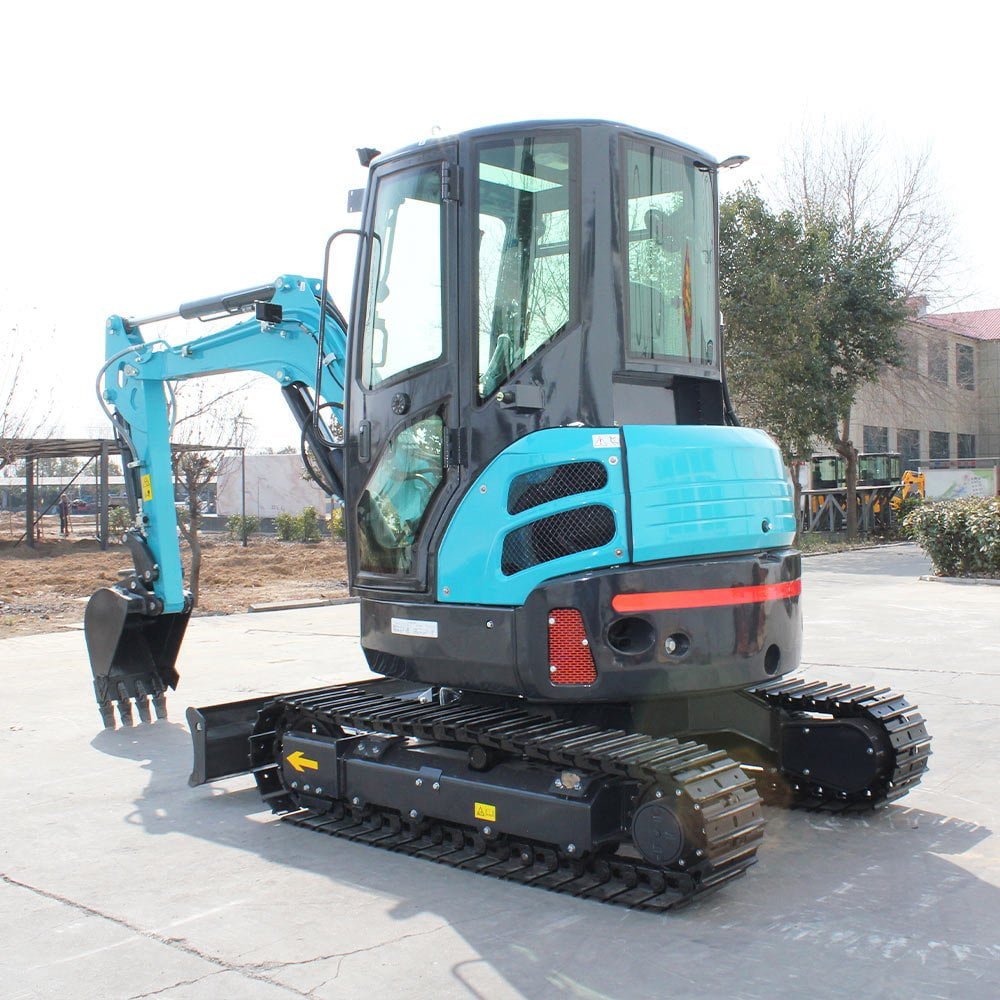
Small excavators, also known as compact excavators, are versatile machines used for a variety of tasks, including digging, trenching, and material handling. They are designed to work in confined spaces where larger machines cannot operate efficiently. Here’s an overview of their key components and functionalities:
- Բում եւ թեւ: These components enable the machine to reach and dig at various depths.
- Դույլ: Attached to the end of the arm, the bucket is used for digging and scooping materials.
- Տաքսի: The operator’s station, equipped with controls for maneuvering the excavator.
- Սայլակ: Includes tracks or wheels, providing mobility and stability to the machine.
Types of Small Excavators
There are different types of small excavators, each suited for specific applications. Understanding these types can help you choose the right one for your project:
- Մինի Էքսկավատորներ: Weighing between 1 to 6 tons, mini excavators are ideal for light-duty tasks and operate efficiently in tight spaces.
- Midi Excavators: Weighing between 6 to 10 tons, midi excavators offer more power and reach compared to mini excavators, making them suitable for medium-duty tasks.
- Միկրո էքսկավատորներ: These extremely compact machines weigh less than 1 ton and are perfect for very confined spaces, such as indoor projects.
Հիմնական առանձնահատկությունները պետք է հաշվի առնել
When selecting a small excavator, several features should be considered to ensure it meets your specific needs. Here are the most important ones:
- Գործառնական քաշ: The weight of the excavator affects its stability and the types of tasks it can handle.
- Փորման խորություն: The maximum depth the excavator can dig is crucial for determining its suitability for your project.
- Շարժիչի հզորություն: A powerful engine ensures efficient performance and the ability to handle tough tasks.
- Հիդրավլիկ հոսք: High hydraulic flow allows for the use of various attachments, enhancing the machine’s versatility.
- Cab Comfort: An ergonomically designed cab with good visibility and easy-to-use controls can improve operator efficiency and safety.
Comparing Small Excavator Models
To help you make an informed decision, here’s a comparison of some popular small excavator models, highlighting their key specifications:
| Մոդել | Գործառնական քաշ (տոննա) | Փորման խորություն (ոտքեր) | Շարժիչի հզորություն (HP) | Hydraulic Flow (GPM) |
|---|---|---|---|---|
| Caterpillar 301.7 | 1.7 | 8.2 | 21.6 | 17.1 |
| Bobcat E35 | 3.5 | 10.2 | 33.5 | 21.1 |
| Կուբոտա U17 | 1.7 | 7.7 | 16.1 | 15.9 |
| Ջոն Դիր 35Գ | 3.5 | 10.0 | 23.3 | 20.1 |
| Komatsu PC30 | 3.2 | 9.8 | 29.1 | 19.5 |
Factors to Consider Before Purchase
Before purchasing a small excavator, evaluate these critical factors to ensure it aligns with your project requirements:
- Աշխատանքի կայքի պայմանները: Consider the terrain, space constraints, and the nature of the work to determine the appropriate size and type of excavator.
- Բյուջե: Assess your budget for both the initial purchase and ongoing maintenance costs.
- Կցորդները: Determine the types of attachments you’ll need, such as buckets, augers, or breakers, to ensure the excavator you choose is compatible.
- Վերավաճառքի արժեքը: Consider the resale value of the excavator, which can be influenced by the brand, model, and condition of the machine.
- Դիլերների աջակցություն: Evaluate the availability of dealer support and service in your area to ensure prompt assistance when needed.
Maintenance Tips for Small Excavators
-1-1.avif "How to Choose the Best Small Excavator for Your Needs 2")
Regular maintenance is essential to keep your small excavator in optimal condition. Follow these tips to extend the lifespan of your machine:
- Ամենօրյա ստուգումներ: Conduct daily checks for any signs of wear and tear, fluid leaks, and other issues.
- Քսում: Keep all moving parts well-lubricated to reduce friction and prevent damage.
- Ֆիլտրի փոփոխություններ: Replace oil, fuel, and air filters as recommended by the manufacturer.
- Հետեւել լարվածությանը: Maintain proper track tension to ensure stability and prevent premature wear.
- Հիդրավլիկ համակարգի սպասարկում: Regularly check hydraulic fluid levels and inspect hoses and fittings for leaks or damage.
Եզրակացություն
Ընտրելով լավագույնը փոքր էքսկավատոր for your needs requires careful consideration of various factors, including the type of excavator, key features, job site conditions, and maintenance requirements. By understanding the different models available and their specifications, you can make an informed decision that will enhance the efficiency and success of your projects. Regular maintenance and proper usage will ensure your small excavator remains in top condition, providing reliable performance for years to come.
ՀՏՀ
Q1: What is the difference between a mini excavator and a midi excavator?
A: Mini excavators typically weigh between 1 to 6 tons and are suitable for light-duty tasks and confined spaces. Midi excavators, on the other hand, weigh between 6 to 10 tons and offer more power and reach, making them suitable for medium-duty tasks.
Q2: How do I determine the right operating weight for my small excavator?
A: The operating weight should be based on the type of tasks you need to perform and the job site conditions. Heavier excavators provide more stability and power but may be less maneuverable in tight spaces.
Q3: Can I use multiple attachments with my small excavator?
A: Yes, most small excavators are compatible with various attachments, such as buckets, augers, breakers, and grapples. Ensure that the hydraulic flow of your excavator matches the requirements of the attachments.
Q4: How often should I service my small excavator?
A: Follow the manufacturer’s recommendations for servicing intervals, typically every 250 to 500 hours of operation. Regular maintenance, including daily inspections and lubrication, is crucial for optimal performance.
Q5: Is it better to buy or rent a small excavator?
A: The decision to buy or rent depends on the duration and frequency of your projects. Renting can be more cost-effective for short-term or infrequent projects, while purchasing is more economical for long-term use.