E-mail: [email protected] WhatsApp: +8618266768780

E-mail: [email protected] WhatsApp: +8618266768780


Pembongkaran excavator yang efisien dimulai dengan perencanaan yang matang, pengaturan mesin yang tepat, dan protokol keselamatan yang ketat. Anda perlu memilih ukuran excavator dan lampiran yang tepat untuk proyek Anda, kemudian mengatur lokasi kerja untuk mendukung alur kerja yang lancar dan pergerakan peralatan. Sistem hidrolik yang andal memainkan peran penting dalam menjaga produktivitas, karena kinerja yang buruk atau seringnya kegagalan dapat mengganggu jadwal dan meningkatkan biaya.
Periksa sambungan dan lampiran hidrolik secara teratur untuk mencegah downtime dan melindungi investasi Anda.
Cara Menggunakan Excavator untuk Pekerjaan Pembongkaran yang Efisien mengharuskan Anda untuk memelihara peralatan, mengikuti pedoman keselamatan, dan mendekati setiap langkah dengan memperhatikan detail.
Anda harus memulai setiap proyek pembongkaran dengan penilaian lokasi yang menyeluruh. Langkah ini membantu Anda mengidentifikasi bahaya dan merencanakan operasi yang aman. Risiko umum termasuk struktur yang tidak stabil, bahan berbahaya seperti asbes, dan masalah lingkungan.
Tips: Gunakan daftar periksa untuk mendokumentasikan setiap risiko yang Anda identifikasi. Praktik ini meningkatkan akuntabilitas dan mendukung kepatuhan terhadap peraturan keselamatan.
Pembongkaran yang efisien tergantung pada rute akses yang jelas untuk kendaraan excavator dan pendukung Anda. Anda harus memetakan titik masuk dan keluar, mengingat baik ukuran peralatan Anda dan lokasi tumpukan sampah.
Untuk panduan lebih lanjut, tinjau Standar keamanan penggalian OSHA dan terhubung dengan profesional industri pada LinkedIn.
Pementasan yang tepat membuat situs pembongkaran Anda efisien dan aman. Tempatkan ekskavator, lampiran, dan tumpukan basi setidaknya dua kaki dari tepi penggalian, seperti yang dipersyaratkan oleh OSHA.
Menetapkan zona aman untuk melindungi pekerja dan peralatan.
Catatan: Pengarahan keselamatan rutin membantu memperkuat protokol dan mengurangi tingkat kecelakaan.
Memilih model excavator yang tepat sangat penting untuk efisiensi pembongkaran. Pertimbangkan ruang lingkup proyek Anda dan jenis bahan yang akan Anda temui.
Cocokkan excavator Anda dengan lampiran yang sesuai dengan tugas pembongkaran Anda. Tinjau tabel di bawah ini untuk kriteria utama:
| Kriteria | Keterangan |
|---|---|
| Persyaratan Lampiran | Pastikan ekskavator mendukung alat dan ukuran yang dibutuhkan untuk proyek Anda. |
| Keandalan dan Dukungan | Pilih mesin yang dibuat untuk pekerjaan yang menuntut, dengan stabilitas dan garansi. |
| Teknologi Terbaru | Cari fitur seperti penimbangan beban dan telematika untuk operasi yang lebih baik. |
Anda dapat meningkatkan efisiensi dengan menggunakan aksesori multi-fungsi dan teknologi modern.
Studi Kasus: Pada proyek pembongkaran sekolah baru-baru ini, tim mengidentifikasi asbes dan dinding yang tidak stabil selama penilaian lokasi. Mereka mementaskan peralatan jauh dari bahaya dan memilih ekskavator dengan lengan jangkauan tinggi dan geser hidrolik. Pendekatan ini meminimalkan risiko dan mengurangi waktu proyek pada 20%.
Anda harus memeriksa sistem hidrolik sebelum memulai pekerjaan pembongkaran apa pun. Mulailah dengan memeriksa kebocoran, selang yang rusak, dan alat kelengkapan yang longgar. Periksa tingkat dan kualitas cairan hidrolik. Bersihkan filter dan ganti jika perlu. Uji sistem dengan bersepeda boom, lengan, dan ember untuk memastikan kelancaran operasi. Hidraulik yang andal memastikan daya yang konsisten dan kontrol yang tepat, yang penting untuk pembongkaran yang aman dan efisien.
Tip: Jadwalkan inspeksi hidrolik harian selama fase pembongkaran aktif untuk mencegah kerusakan yang tidak terduga.
Pilih the lampiran yang benar untuk tugas pembongkaran Anda. Pilihan umum termasuk pemutus hidrolik, gunting, dan grapple. Amankan lampiran ke coupler excavator, lalu verifikasi semua pin dan kunci diaktifkan. Hubungkan saluran hidrolik dan periksa kebocoran. Uji gerakan dan respons lampiran sebelum memasuki zona kerja. Pemasangan yang tepat mengurangi waktu henti dan meningkatkan produktivitas.
| Metrik Efisiensi | Keterangan | Nilai Target |
|---|---|---|
| Waktu Perubahan Lampiran | Waktu untuk menukar lampiran | Di bawah 10 menit |
| Insiden Kebocoran Hidraulik | Jumlah per proyek | Zero |
| Tingkat Kegagalan Lampiran | Kegagalan per 100 jam penggunaan | <1 |
Posisikan excavator Anda di tanah yang kokoh dan rata. Turunkan bilah atau cadik jika tersedia untuk meningkatkan stabilitas. Selalu gali pemalas depan untuk kapasitas angkat dan keseimbangan maksimum. Hindari bekerja di lereng atau permukaan lunak yang mungkin bergeser di bawah berat mesin. Stabilisasi yang tepat mencegah tipping dan memastikan gerakan yang tepat.
Jaga jarak aman dari struktur dan peralatan lainnya. Tandai zona pengecualian dengan kerucut atau penghalang. Komunikasikan batas ke semua anggota tim. Jauhkan tumpukan dan bahan basi yang dipentaskan jauh dari radius ayunan ekskavator. Tabel di bawah menguraikan praktik terbaik untuk penentuan posisi untuk memaksimalkan keamanan dan efisiensi:
| Praktik Terbaik | Keterangan |
|---|---|
| Pentaskan area kerja Anda dengan benar | Siapkan area kerja untuk mencegah ekskavator masuk ke dalam kotak. |
| Pilih excavator ukuran yang tepat | Pilih ukuran yang sesuai untuk pekerjaan untuk menghemat waktu dan bahan bakar. |
| Pertimbangkan posisi truk dan ekskavator | Tempatkan truk di sisi kiri untuk pemuatan yang efisien dan ayunan 25 derajat. |
| Gali dari atas ke bawah | Bekerja secara bertahap ke bawah untuk menghindari keruntuhan dan usaha yang sia-sia. |
| Gali pemalas depan | Gali di bagian depan untuk stabilitas dan kapasitas angkat yang lebih baik. |
| Gunakan excavator dengan grade control | Menerapkan sistem kontrol untuk mencegah penggalian berlebihan/bawah dan menghemat sumber daya. |
Catatan: Ulasan Pedoman OSHA untuk persyaratan keselamatan tambahan. Untuk tips praktis, ikuti ahli pembongkaran pada LinkedIn.
Cara Menggunakan Excavator untuk Pekerjaan Pembongkaran yang Efisien melibatkan mengikuti urutan sistematis. Anda harus:
Pendekatan ini meminimalkan risiko dan menjaga lokasi kerja tetap terorganisir.
Anda harus menjaga stabilitas struktural selama pembongkaran. Gunakan excavator dengan lengan pembongkaran tiga bagian untuk meningkatkan fleksibilitas dan jangkauan. Setiap bagian lengan beroperasi dengan silinder hidrolik khusus, memungkinkan kontrol yang tepat bahkan ketika sepenuhnya diperpanjang. Mengelola pusat gravitasi dengan menggerakkan setiap bagian secara independen, yang membantu menyeimbangkan mesin selama operasi.
Peringatan: Jangan pernah melepas dinding atau penyangga yang menahan beban sampai lantai atas dibersihkan. Latihan ini mencegah keruntuhan mendadak dan melindungi tim Anda.
Seorang kru pembongkaran menghadapi tantangan dengan gudang bertingkat di daerah perkotaan yang ramai. Tim mengikuti prinsip-prinsip Cara Menggunakan Excavator untuk Pekerjaan Pembongkaran yang Efisien. Mereka mulai dengan pemeriksaan sistem hidrolik menyeluruh dan memasang lampiran geser jangkauan tinggi. Ekskavator diposisikan pada bantalan beton bertulang, dengan tumpukan sampah dipentaskan jauh dari radius ayunan. Para kru menandai zona aman dan berkoordinasi dengan bisnis terdekat untuk mempertahankan rute akses yang jelas.
Pembongkaran dimulai dari lantai atas, dengan puing-puing dijatuhkan melalui poros yang ditunjuk. Lengan tiga bagian memungkinkan pelepasan balok dan panel secara tepat, menjaga stabilitas di seluruh. Inspeksi hidrolik harian dan pemeriksaan lampiran mencegah downtime. Proyek selesai lebih cepat dari jadwal, dengan insiden keselamatan nol dan manajemen puing yang efisien.
Untuk contoh yang lebih nyata, terhubung dengan profesional pembongkaran di LinkedIn.
Anda menghadapi beberapa bahaya selama pembongkaran excavator. Puing-puing yang jatuh tetap menjadi salah satu bahaya yang paling sering terjadi. Anda harus tetap waspada terhadap material yang longgar, dinding yang runtuh, dan benda di atas kepala. Risiko berikut sering muncul di lokasi pembongkaran:
Tetap waspada dan pantau struktur untuk memindahkan material. Tandai zona berbahaya dan jauhkan personel yang tidak berwenang dari area pembongkaran aktif.
Ketidakstabilan mesin dapat menyebabkan tipping atau kehilangan kontrol. Anda harus selalu memeriksa tanah untuk mencari rintangan tersembunyi dan masalah stabilitas tanah sebelum beroperasi. Medan yang tidak rata, tanah lunak, dan lalu lintas di dekatnya meningkatkan risiko kecelakaan. Posisikan ekskavator Anda di tanah yang kokoh dan rata dan hindari bekerja di dekat lereng atau parit.
Catatan: Periksa secara teratur utilitas bawah tanah dan jalur tak bertanda untuk mencegah runtuhnya tanah secara tiba-tiba.
Alat pelindung diri (APD) melindungi Anda dari cedera. Anda harus mengenakan topi keras, rompi visibilitas tinggi, sepatu bot berujung baja, sarung tangan, dan pelindung mata. Mandat APD untuk semua anggota kru di lokasi. Gigi yang tepat mengurangi risiko cedera dari puing-puing, kebisingan, dan debu.
Komunikasi yang jelas membuat tim Anda aman. Gunakan radio, sinyal tangan, dan pengarahan harian untuk mengoordinasikan gerakan dan berbagi pembaruan. Tandai area kerja dengan kerucut dan papan tanda untuk mencegah masuknya yang tidak diinginkan. Anda harus selalu memberi tahu tim Anda tentang perubahan dalam rencana pembongkaran atau kondisi situs.
| Praktik Keselamatan | Keterangan |
|---|---|
| Periksa Peralatan Anda Sebelum Mulai Bekerja | Periksa kerusakan atau operasi abnormal sebelum memulai shift Anda. |
| Periksa Tanah Sebelum Bekerja | Menilai medan untuk rintangan tersembunyi untuk menghindari terbalik. |
Tips: Lakukan pengarahan keselamatan di awal setiap shift. Perkuat protokol dan dorong pertanyaan untuk meningkatkan kesadaran tim.
Anda harus bersiap untuk keadaan darurat sebelum memulai pembongkaran. Tetapkan proses penutupan yang jelas untuk ekskavator. Jika terjadi kebakaran, kegagalan hidrolik, atau keruntuhan struktural, ikuti langkah-langkah berikut:
| Prosedur Keselamatan | Keterangan |
|---|---|
| Inspeksi Lokasi | Identifikasi bahaya seperti ketidakstabilan dan bahan berbahaya. |
| Identifikasi Bahaya | Tandai lokasi asbes dan cat berbahan dasar timbal. |
| Rencana Keselamatan | Buat rencana terperinci berdasarkan inspeksi dan identifikasi bahaya. |
| Komunikasi | Memastikan komunikasi yang jelas tentang bahaya dan protokol. |
| Persyaratan APD | Mandat perlengkapan yang sesuai untuk semua pekerja. |
| Pelatihan | Memberikan pelatihan keselamatan untuk penggunaan peralatan. |
| Inspeksi Peralatan | Periksa secara teratur semua peralatan pembongkaran. |
| Pengelolaan sampah | Buang limbah pembongkaran dengan benar. |
| Hambatan Keselamatan | Pasang penghalang dan papan tanda untuk mencegah akses tidak sah. |
| Shut-down Utilitas | Matikan semua utilitas sebelum pembongkaran. |
| Pertimbangan Lingkungan | Minimalkan debu, kebisingan, dan polusi. |
| Rencana Tanggap Darurat | Menetapkan rencana untuk insiden yang tidak terduga. |
Siapkan kotak P3K dan latih tim Anda dalam perawatan darurat dasar. Tugaskan orang yang bertanggung jawab untuk keadaan darurat dan tampilkan informasi kontak mereka di lokasi. Buat peta rute pelarian dan bagan alur penyelamatan untuk risiko umum. Anda harus menguasai proses tanggap darurat excavator untuk situasi kritis.
Peringatan: Respons segera menyelamatkan nyawa. Latihan latihan darurat setiap bulan dan perbarui rencana Anda sesuai kebutuhan.
Seorang kru pembongkaran bekerja di sayap rumah sakit dengan dinding yang tidak stabil dan jalur utilitas tersembunyi. Tim melakukan inspeksi situs menyeluruh dan menandai zona berbahaya. Setiap anggota mengenakan APD penuh dan menghadiri briefing keselamatan harian. Pengawas menggunakan radio untuk mengoordinasikan gerakan dan memperbarui tim tentang perubahan kondisi. Ketika selang hidrolik pecah, operator mengikuti langkah-langkah shutdown dan mengevakuasi area tersebut. Rencana tanggap darurat diaktifkan dengan cepat, dan pertolongan pertama diberikan dalam beberapa menit. Tidak ada cedera yang terjadi, dan proyek selesai dengan aman.
Untuk sumber daya keselamatan lebih lanjut, kunjungi Situs resmi OSHA dan terhubung dengan profesional keselamatan di LinkedIn.
| Statistik Keselamatan | Nilai |
|---|---|
| Insiden dicegah | 100% |
| Tingkat kepatuhan APD | 100% |
| Waktu tanggap darurat | Di bawah 5 menit |
Anda bisa tingkatkan kecepatan pembongkaran dan presisi dengan menggunakan pemutus hidrolik. Lampiran ini memberikan energi berdampak tinggi, memungkinkan Anda untuk memecahkan lempengan beton dan batu keras dengan cepat. Pemutus hidrolik mengungguli alat manual dalam daya dan keserbagunaan. Anda menyelesaikan tugas dalam waktu yang lebih singkat dan mengurangi ketegangan fisik pada kru Anda.
Grapples dan demolition shears membantu Anda menangani puing-puing besar atau tidak teratur secara efisien. Grapples mengambil dan memindahkan barang-barang besar, menghemat waktu dan mengurangi penanganan manual. Demolition shears menggunakan rahang hidrolik untuk memecahkan dan membawa material, meminimalkan kerusakan pada peralatan lain.
Gunakan tabel di bawah ini untuk membandingkan lampiran excavator umum untuk pembongkaran:
| Tipe Lampiran | Keterangan | Keuntungan |
|---|---|---|
| Demolition Shears | Rahang hidrolik untuk memecahkan dan membawa bahan. | Meningkatkan efisiensi, meminimalkan kerusakan peralatan. |
| Bergulat | Memegang barang-barang besar atau berbentuk aneh. | Menghemat waktu, mengurangi tenaga kerja manual. |
| Pulverizer | Menghancurkan beton bertulang menjadi potongan-potongan kecil. | Berguna untuk pembongkaran awal dan sekunder. |
| Rotating Pulverizer | Lebih ringan, dirancang untuk pembongkaran primer. | Mengurangi kebutuhan mesin, mendukung praktik ramah lingkungan. |
| Pencabik | Pra-penggalian pada permukaan kaku. | Memungkinkan pemisahan material yang ditargetkan untuk didaur ulang. |
| Hydraulic Clamps | Pegangan aman menggunakan tekanan hidrolik. | Meningkatkan keamanan, mengurangi benda jatuh. |
Tip: Pilih lampiran berdasarkan jenis material proyek Anda dan tujuan pembongkaran.
Anda mencapai pembongkaran yang tepat dengan berfokus pada gerakan excavator yang halus dan terkontrol. Gunakan kontrol hidrolik untuk tindakan bertahap dan akurat. Pertahankan keseimbangan dengan beroperasi pada platform yang stabil dan membatasi penggalian di bagian depan atau belakang mesin.
Mengurangi waktu menganggur untuk menghemat bahan bakar dan memperpanjang umur peralatan. Mendidik operator tentang biaya mesin idle dan mendorong mematikan mesin yang tidak digunakan selama lebih dari sepuluh detik. Gunakan sistem pemantauan untuk melacak waktu menganggur dan menyesuaikan alur kerja. Rencanakan proyek untuk menyebarkan jumlah mesin yang tepat dan pilih model dengan teknologi start-stop otomatis.
Penyortiran puing yang efisien membuat situs Anda aman dan terorganisir. Gunakan peralatan mekanis seperti skid steer dan pemuat kompak untuk menyortir puing-puing dengan cepat. Hindari penyortiran manual dengan gerobak dorong, karena memperlambat kemajuan. Jauhkan personel dari area penyortiran untuk mengurangi risiko cedera.
Ikuti a proses langkah demi langkah untuk pembersihan situs secara menyeluruh:
Catatan: Kerja tim dan komunikasi yang jelas meningkatkan alur kerja dan keselamatan. Adakan pengarahan harian dan gunakan radio atau sinyal tangan untuk mengoordinasikan tugas.
Sebuah tim pembongkaran menghadapi tenggat waktu yang ketat pada bangunan komersial. Mereka memilih pemutus hidrolik dan bergulat untuk penghapusan puing-puing cepat. Operator menggunakan gerakan halus dan terkendali dan meminimalkan waktu menganggur dengan mematikan mesin selama istirahat. Penyortiran mekanis membuat situs tetap jelas, dan pengarahan harian memastikan semua orang memahami peran mereka. Proyek selesai lebih cepat dari jadwal dengan pengurangan biaya dan nol insiden keselamatan.
Untuk praktik terbaik lainnya, kunjungi Sumber daya pembongkaran OSHA dan terhubung dengan para profesional di LinkedIn.
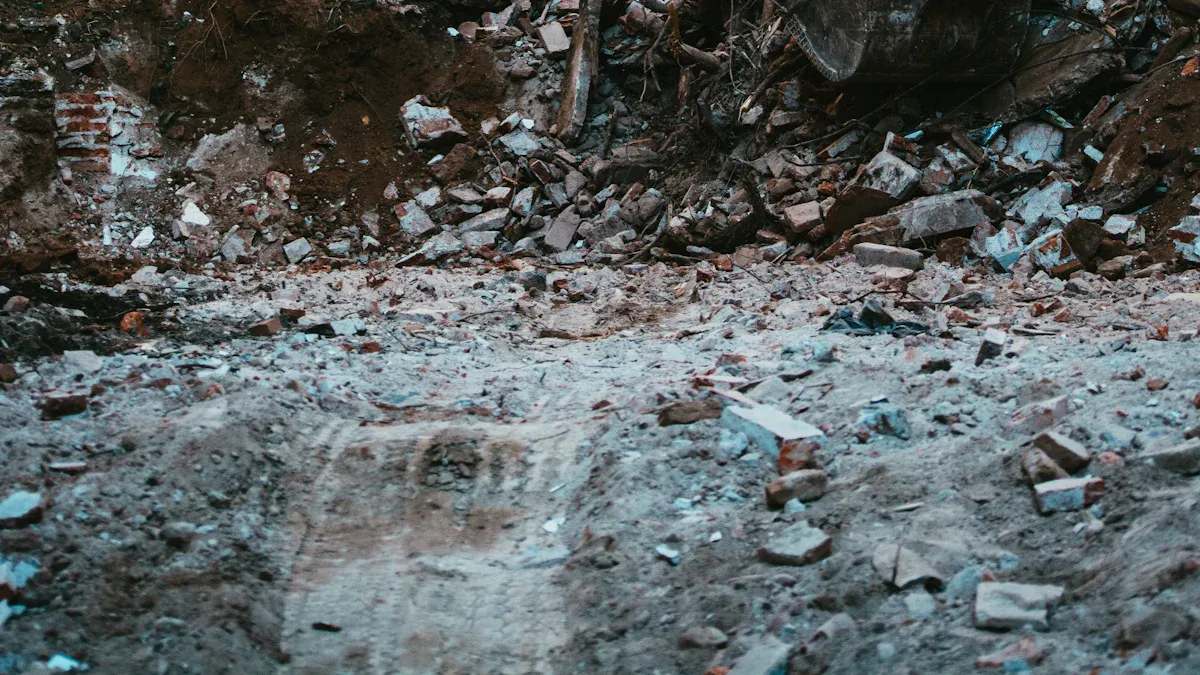
Anda harus mendekati pembersihan akhir dengan rencana sistematis. Mulailah dengan menilai lokasi untuk jenis puing-puing dan jumlah. Langkah ini membantu Anda memilih alat dan peralatan yang tepat untuk penghapusan yang efisien. Gunakan excavator untuk membersihkan puing-puing besar, kemudian mengangkut limbah ke tempat pembuangan yang ditunjuk. Hapus sisa bahan dan limbah berbahaya untuk melindungi kesehatan dan keselamatan masyarakat. Nilai dan tingkatkan tanah untuk mempersiapkan konstruksi atau lansekap baru.
Daftar Periksa Restorasi Situs:
Tip: Selalu konfirmasikan bahwa limbah berbahaya telah ditangani oleh profesional bersertifikat untuk menghindari masalah peraturan.
Setelah pembuangan puing, periksa tanah untuk kerusakan yang disebabkan oleh alat berat. Anda mungkin perlu mengisi lubang, tanah kompak, dan mengembalikan pola drainase. Gunakan lampiran grading untuk mencapai permukaan yang halus dan rata. Atasi setiap erosi atau pemadatan untuk memastikan situs memenuhi persyaratan untuk konstruksi baru.
| Tugas Perbaikan Tanah | Keterangan | Alat yang Disarankan |
|---|---|---|
| Isi Trek Excavator | Mengembalikan tanah di bekas luka dan trek | Loader, Grader |
| Tanah Longgar Kompak | Meningkatkan stabilitas | Pemadatan Pelat |
| Mengembalikan Drainase | Mencegah genangan air | Penggali parit, Sekop |
Anda harus periksa excavator Anda setelah pekerjaan pembongkaran. Periksa keausan pada selang hidrolik, pin, dan lampiran. Cari kebocoran, retakan, atau komponen yang longgar. Dokumentasikan masalah apa pun dan atasi sebelum proyek berikutnya. Inspeksi harian membantu Anda menangkap masalah lebih awal dan menjaga keandalan.
Perawatan rutin membuat excavator Anda berjalan efisien. Anda harus memeriksa tingkat diesel, mengganti filter, dan memantau cairan pendingin setiap hari. Ganti bagian aus sesuai kebutuhan dan ikuti jadwal servis yang ketat. Tabel di bawah ini menguraikan rutinitas perawatan yang disarankan:
| Tugas Pemeliharaan | Frekuensi | Catatan |
|---|---|---|
| Pengisian Bahan Bakar Diesel | Sehari-hari | Periksa sebelum setiap shift |
| Penggantian Filter | Mingguan | Periksa apakah ada penyumbatan |
| Pemeriksaan Coolant | Sehari-hari | Isi ulang sesuai kebutuhan |
| Penggantian Suku Cadang Aus | Bulanan | Periksa kerusakannya |
Catatan: Pemeliharaan yang konsisten mengurangi waktu henti dan memperpanjang umur peralatan.
Studi Kasus: Keberhasilan Pemeliharaan Peralatan
Kru pembongkaran menerapkan inspeksi harian dan layanan bulanan terjadwal untuk ekskavator mereka. Mereka memeriksa diesel, pendingin, dan filter setiap pagi. Bagian aus diganti sebelum gagal. Akibatnya, tim mengurangi kerusakan sebesar 30% dan menyelesaikan proyek lebih cepat dari jadwal.
Untuk tips perawatan lebih lanjut, terhubung dengan profesional di LinkedIn atau meninjau praktik terbaik dari asosiasi industri.
Anda perlu menyimpan catatan terperinci dari setiap tugas pembongkaran. Dokumentasikan proses, bahan yang dibuang, dan metode pembuangan. Pastikan semua izin ditutup dan mematuhi peraturan setempat. Catatan yang akurat mendukung perencanaan proyek di masa depan dan kepatuhan terhadap peraturan.
Siapkan laporan keselamatan akhir setelah setiap proyek. Tinjau proses pembongkaran, catat insiden apa pun, dan evaluasi protokol keselamatan. Gunakan laporan ini untuk meningkatkan operasi di masa mendatang dan menjaga lingkungan kerja yang aman.
Tip: Bagikan ulasan proyek Anda dengan tim dan rekan industri Anda untuk mempromosikan perbaikan berkelanjutan.
Untuk panduan lebih lanjut tentang dokumentasi, kunjungi Sumber daya pembongkaran OSHA atau bergabung dalam diskusi di LinkedIn.
Anda harus mengikuti manual operasi pabrikan untuk setiap proyek pembongkaran excavator. Manual menyediakan petunjuk langkah demi langkah untuk pengoperasian dan pemeliharaan yang aman. Sebelum mulai bekerja, periksa trek, periksa sistem hidrolik, dan konfirmasikan bahwa fitur keselamatan kabin berfungsi dengan baik. Hapus rintangan dari tempat kerja dan periksa stabilitas tanah. Selalu kenakan alat pelindung diri dan biasakan diri dengan mode kontrol. Duduk dengan benar, kencangkan sabuk pengaman Anda, dan sejajarkan mesin selama penggalian. Kontrol kecepatan Anda di medan yang tidak rata dan periksa lingkungan Anda sebelum memutar kabin. Jika Anda mendengar suara abnormal, hentikan operasi dan istirahat untuk mencegah kelelahan.
| Kategori | Poin Utama |
|---|---|
| Pemeriksaan Peralatan | Periksa trek, periksa sistem hidrolik, memastikan fitur keselamatan kabin fungsional. |
| Worksite Assesment | Hapus rintangan, periksa stabilitas tanah, konfirmasikan tidak adanya personel yang tidak berwenang. |
| Persiapan Pribadi | Kenakan alat pelindung diri, biasakan dengan mode kontrol. |
| Keselamatan Operasional Dasar | Menjaga stabilitas, duduk dengan benar, kencangkan sabuk pengaman, pastikan keselarasan mesin selama penggalian. |
| Keselamatan Berkendara | Kontrol kecepatan di medan yang tidak rata, periksa lingkungan sekitar sebelum memutar kabin. |
| Kepatuhan Darurat | Hentikan operasi untuk suara abnormal, istirahat untuk mencegah kelelahan. |
Tip: Tinjau manual sebelum setiap proyek baru untuk terus memperbarui protokol keselamatan dan perubahan operasional.
Anda melindungi investasi Anda dengan menghormati batas garansi. Sebagian besar produsen mengharuskan Anda mengikuti jadwal perawatan yang disarankan dan menggunakan lampiran yang disetujui. Jika Anda mengabaikan pedoman ini, Anda berisiko membatalkan garansi Anda. Selalu dokumentasikan inspeksi dan perbaikan. Simpan catatan perubahan lampiran dan pemeriksaan sistem hidrolik. Praktik ini membantu Anda menyelesaikan klaim garansi dengan cepat dan memastikan keandalan peralatan jangka panjang.
Anda harus mematuhi peraturan OSHA selama pembongkaran ekskavator. Aturan-aturan ini menetapkan standar yang jelas untuk keselamatan pekerja dan prosedur operasional. Misalnya, tidak ada pekerja yang boleh memasuki area yang terkena pembongkaran selama balling atau clamming. Berat bola pembongkaran tidak boleh melebihi setengah beban yang dinilai derek. Jaga boom derek dan garis beban sesingkat mungkin. Pasang bola dengan koneksi tipe putar untuk mencegah puntiran. Potong semua anggota baja bebas sebelum menarik dinding, dan lepaskan batu hias terlebih dahulu. Orang yang kompeten harus memeriksa situs secara teratur untuk mendeteksi bahaya.
| Standar | Keterangan |
|---|---|
| 1926.859(a) | Tidak ada pekerja yang diizinkan di area yang terkena dampak pembongkaran operasi selama balling atau clamming. |
| 1926.859(l) | Berat bola pembongkaran tidak boleh melebihi 50% dari beban terukur derek. |
| 1926.859(skt) | Boom derek dan garis beban harus dibuat sesingkat mungkin. |
| 1926.859(d) | Bola harus dipasang dengan sambungan tipe putar untuk mencegah puntiran. |
| 1926.859(e) | Semua anggota baja harus dipotong bebas sebelum menarik dinding. |
| 1926.859(p) | Batu hias harus dilepas sebelum menarik dinding. |
| 1926.859(g) | Inspeksi oleh orang yang kompeten harus dilakukan secara berkelanjutan untuk mendeteksi bahaya. |
Catatan: Inspeksi rutin dan kepatuhan ketat terhadap peraturan OSHA mengurangi tingkat kecelakaan dan meningkatkan hasil proyek.
Anda memerlukan izin yang benar sebelum memulai pembongkaran. Ini termasuk otorisasi resmi untuk memindahkan struktur, pembongkaran lengkap atau sebagian, dan proyek pembangunan kembali. Jika Anda bekerja pada properti bersejarah, Anda mungkin memerlukan izin dan proses khusus. Selalu berikan bukti pemutusan utilitas dan ulasan lingkungan dan keselamatan lengkap untuk bahan berbahaya seperti asbes.
| Jenis Izin | Keterangan |
|---|---|
| Izin Pembongkaran | Otorisasi resmi untuk pemindahan bangunan, memastikan keamanan dan kepatuhan hukum. |
| Penghapusan Struktur Lengkap | Diperlukan saat menghancurkan seluruh bangunan, termasuk fondasi. |
| Pembongkaran Struktur Parsial | Dibutuhkan untuk menghilangkan bagian-bagian struktur, memicu inspeksi keselamatan. |
| Proyek Pembangunan Kembali | Diperlukan untuk membersihkan lokasi untuk konstruksi atau perluasan baru. |
| Properti Bersejarah | Proses khusus mungkin diperlukan untuk bangunan di atas usia tertentu atau ditetapkan sebagai bangunan bersejarah. |
| Bukti Pemutusan Utilitas | Diperlukan untuk memastikan semua utilitas terputus dengan aman sebelum pembongkaran. |
| Tinjauan Lingkungan dan Keselamatan | Inspeksi terhadap bahan berbahaya seperti asbes mungkin diwajibkan sebelum persetujuan izin. |
Peringatan: Amankan semua izin sebelum memobilisasi peralatan untuk menghindari penundaan yang mahal dan masalah hukum.
Anda harus tetapkan protokol penyortiran untuk pemisahan material di lokasi. Urutkan puing-puing pembongkaran sebelum dibuang dan pastikan bahan masuk ke perusahaan pengelolaan limbah berlisensi. Bermitra dengan fasilitas daur ulang lokal untuk memproses bahan dengan benar. Lakukan penilaian pra-pembongkaran untuk mengidentifikasi bahan dan bahaya yang dapat diselamatkan. Kembangkan rencana pengelolaan limbah yang mengkategorikan bahan dan menguraikan jalur pemulihan, daur ulang, dan pembuangan. Ikuti persyaratan peraturan selama pemuatan, pengangkutan, dan pengantaran bahan.
Tips: Pembuangan yang bertanggung jawab melindungi lingkungan dan mendukung kesehatan masyarakat.
Anda dapat meminimalkan dampak lingkungan dengan mempraktikkan pengurangan sumber dan menggunakan kembali bahan. Gunakan tanah dan batu yang digali sebagai timbunan, dan gunakan kembali batu bata dan beton tua. Daur ulang beton, aspal, dan logam untuk mengurangi limbah TPA. Gunakan teknik penekanan debu dan peralatan modern dengan kontrol emisi untuk meminimalkan polusi udara. Terapkan tindakan pengendalian erosi dan tangani bahan berbahaya dengan benar untuk melindungi kualitas tanah dan air. Gunakan peralatan pengurang kebisingan dan tetapkan batasan jam kerja untuk mengendalikan kebisingan dan getaran. Kaji situs untuk spesies yang dilindungi dan berkolaborasi dengan spesialis lingkungan untuk mengembangkan strategi pelestarian.
Catatan: Praktik pembongkaran berkelanjutan mengurangi jejak lingkungan proyek Anda dan mendukung kepatuhan terhadap peraturan.
Anda mencapai pembongkaran excavator yang efisien dan aman dengan mengikuti langkah-langkah kunci. Mengidentifikasi bahaya seperti utilitas bawah tanah sebelum pekerjaan dimulai. Biasakan diri Anda dengan prosedur shutdown darurat untuk respon cepat. Sewa profesional terlatih untuk memastikan kepatuhan dan keselamatan. Pertahankan peralatan, ikuti pedoman produsen, dan patuhi standar hukum. Berikan pelatihan reguler dan lokakarya untuk menjaga tim Anda terampil. Membangun saluran komunikasi yang kuat dan mendorong inovasi untuk perbaikan terus-menerus.
Anda harus mengenakan topi keras, sepatu bot berujung baja, rompi visibilitas tinggi, sarung tangan, dan pelindung mata. Barang-barang ini melindungi Anda dari puing-puing yang berjatuhan dan bahaya mesin.
Anda harus menilai jenis material dan ruang lingkup pembongkaran. Pemutus hidrolik bekerja paling baik untuk beton. Grapples dan gunting menangani puing-puing besar. Konsultasikan manual peralatan Anda untuk kompatibilitas.
Anda perlu memposisikan excavator di tanah yang keras dan rata. Turunkan bilah atau cadik untuk stabilitas. Hindari bekerja di dekat lereng atau parit. Selalu periksa tanah sebelum memulai.
Anda harus menggunakan semprotan air untuk menekan debu. Jadwalkan pekerjaan selama jam yang diizinkan. Pilih peralatan dengan fitur pengurang kebisingan. Berkomunikasi dengan tetangga untuk mengurangi keluhan.
Anda harus menyortir bahan di tempat menggunakan loader mekanis. Pisahkan barang daur ulang dari limbah. Angkut puing-puing ke fasilitas berlisensi. Pengarahan harian membantu mengoordinasikan tugas pembersihan.
Anda harus memeriksa excavator setiap hari. Periksa selang hidrolik, tingkat cairan, dan lampiran sebelum setiap shift. Dokumentasikan masalah dan atasi segera untuk mencegah kerusakan.
Anda harus menghentikan semua pergerakan mesin. Turunkan boom dan attachment. Matikan mesin. Evakuasi area tersebut. Beritahu supervisor Anda dan ikuti rencana tanggap darurat situs.
Sebuah tim menghancurkan gudang bertingkat dengan memulai dari lantai atas. Mereka menggunakan geser jangkauan tinggi dan pengarahan keselamatan harian. Penyortiran puing dan inspeksi mesin yang efisien membantu menyelesaikan lebih cepat dari jadwal dengan nol insiden.






-1.png)