E-mail: [email protected] WhatsApp: +8618266768780

E-mail: [email protected] WhatsApp: +8618266768780


Anda memerlukan mini excavator yang sesuai dengan proyek Anda. Untuk ruang sempit atau lansekap yang halus, model 0,8 ton memberi Anda kemampuan manuver yang Anda inginkan. Pekerjaan berukuran sedang atau lokasi konstruksi kecil mendapat manfaat dari keseimbangan daya dan ukuran dalam mesin 1,5 ton. Jika Anda menghadapi penggalian tugas berat atau beban yang lebih besar, ekskavator 3 ton memberikan kinerja yang kuat. Pertimbangkan faktor-faktor seperti kinerja hidrolik, kompatibilitas lampiran, kebutuhan transportasi, ruang penyimpanan, efisiensi bahan bakar, dan biaya. Gunakan Panduan Pembelian Mini Excavator ini: Model 0,8 Ton hingga 3 Ton Dibandingkan untuk menemukan yang paling sesuai dengan kebutuhan Anda.
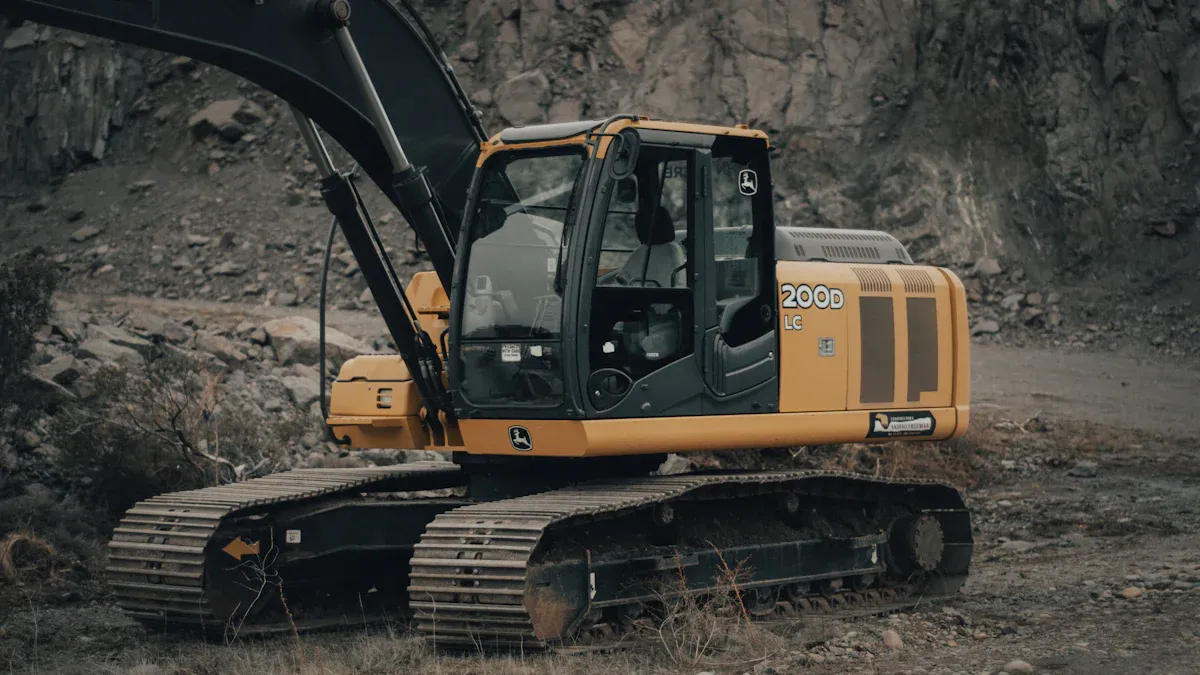
Anda perlu memahami perbedaan utama antara 0,8 ton, 1,5 ton, dan 3 ton mini excavator sebelum Anda memilih. Model 0,8 ton beratnya kurang dari 2.000 pon. Ini cocok melalui gerbang sempit dan bekerja dengan baik di halaman belakang yang ketat. Mesin 1,5 ton menawarkan lebih banyak daya dan stabilitas, dengan berat sekitar 3.300 pon. Ini menangani penggalian yang lebih dalam dan beban yang lebih berat. Excavator 3 ton menonjol dengan berat mendekati 6.600 pon. Ini mengangkat benda yang lebih besar dan menggali parit yang lebih dalam. Anda mendapatkan lebih banyak tenaga hidrolik dan mencapai saat Anda bergerak ke atas dalam ukuran.
| Ukuran Model | Berat Operasional | Menggali Kedalaman | Kapasitas Angkat | Lebar |
|---|---|---|---|---|
| 0,8Ton | ~1.800 pon | 5-6 kaki | 400-500 pon | 2,5-3 kaki |
| 1,5ton | ~3.300 pon | 7-8 kaki | 1.000 pon | 3-4 kaki |
| 3ton | ~6.600 pon | 9-10 kaki | 2.000 pon | 4,5-5 kaki |
Anda dapat mencocokkan setiap ukuran mini excavator dengan tugas tertentu:
Tip: Jika Anda perlu parit untuk saluran air, saluran pembuangan, atau pipa gas, ekskavator 3 ton memberi Anda kekuatan dan jangkauan yang Anda butuhkan. Untuk pekerjaan taman yang halus, tetaplah dengan model 0,8 ton.
Ekskavator Mini 0,8 Ton
Ekskavator Mini 1,5 Ton
Ekskavator Mini 3 Ton
Anda dapat menggunakan Panduan Pembelian Mini Excavator ini: Model 0,8 Ton hingga 3 Ton Dibandingkan dengan mencocokkan kebutuhan proyek Anda dengan mesin yang tepat. Pikirkan ukuran situs, jenis pekerjaan, dan opsi transportasi Anda sebelum Anda memutuskan.
Memilih mini excavator yang tepat dapat membuat proyek Anda lebih mudah dan efisien. Panduan Pembelian Mini Excavator ini: Model 0,8 Ton hingga 3 Ton Dibandingkan membantu Anda memahami kekuatan dan keterbatasan setiap ukuran. Anda dapat mencocokkan kebutuhan Anda dengan mesin yang tepat dengan melihat fitur, penggunaan khas, dan contoh praktis.
Anda mendapatkan kemampuan manuver yang sangat baik dengan mini excavator 0,8 ton. Ukurannya yang ringkas memungkinkan Anda bekerja di ruang yang sempit, seperti halaman belakang kecil atau gang sempit. Mengangkut model ini sederhana karena sebagian besar trailer dan truk dapat menangani berat. Anda juga mendapat manfaat dari dampak tanah yang rendah, yang melindungi halaman rumput dan permukaan yang halus.
Berikut adalah tabel yang menunjukkan proyek-proyek umum untuk ukuran ini:
| Jenis Proyek | Keterangan |
|---|---|
| Lansekap | Digunakan untuk tugas-tugas seperti menanam dan menilai tanah. |
| Pekerjaan Utilitas | Ideal untuk menggali parit untuk utilitas. |
| Earthmoving Skala Kecil | Cocok untuk tugas pemindahan tanah ringan di ruang sempit. |
| Pemasangan Kolam Renang | Efektif untuk menggali dan meratakan untuk kolam. |
| Penghapusan Pohon | Dapat membantu mencabut dan menebang pohon. |
| Pembongkaran Bangunan Kecil | Berguna untuk menghancurkan struktur kecil. |
Tip: Jika Anda perlu memasang kolam taman atau menggali parit untuk irigasi, Anda dapat mengandalkan ekskavator 0,8 ton untuk masuk melalui gerbang sempit dan menghindari merusak lansekap yang ada.
Anda menghadapi batas dengan kedalaman penggalian dan kapasitas angkat. Model 0,8 ton tidak dapat menangani pembongkaran tugas berat atau penggali parit yang dalam. Anda mungkin berjuang dengan tanah keras atau batu besar. Opsi lampiran lebih sedikit, dan Anda tidak dapat menggunakan ember atau alat hidrolik yang lebih besar. Jika proyek Anda melibatkan pemindahan tanah dalam jumlah besar atau mengangkat benda berat, Anda memerlukan mesin yang lebih besar.
Anda harus mempertimbangkan ekskavator 0,8 ton untuk proyek perumahan kecil, tetapi hindari untuk pekerjaan komersial atau penggalian mendalam.
Anda mendapatkan keseimbangan kekuatan dan ukuran dengan mini excavator 1,5 ton. Model ini bekerja dengan baik untuk sebagian besar proyek konstruksi perumahan dan lansekap. Anda dapat menggali lebih dalam dan mengangkat beban yang lebih berat daripada model yang lebih kecil. Mesin tetap mudah diangkut, meskipun Anda mungkin memerlukan trailer yang lebih besar.
Fitur utama meliputi:
Jika Anda berencana untuk menggali pijakan untuk penambahan rumah atau parit untuk jalur utilitas, ekskavator 1,5 ton memberi Anda jangkauan dan daya yang Anda butuhkan.
Anda mungkin menemukan model 1,5 ton berjuang dengan tanah yang sangat keras atau tugas pembongkaran besar. Transportasi membutuhkan trailer dan kendaraan yang kokoh. Mesin membutuhkan lebih banyak ruang untuk beroperasi daripada model terkecil. Anda tidak dapat menggunakan lampiran terbesar, dan kapasitas angkat tetap terbatas dibandingkan dengan mesin komersial.
Anda harus menggunakan ekskavator 1,5 ton untuk pekerjaan perumahan berukuran sedang, tetapi cari model yang lebih besar jika Anda perlu memindahkan batu besar atau menggali parit yang dalam.
Anda mendapatkan kinerja yang kuat dengan mini excavator 3 ton. Model ini menangani tugas-tugas berat dan mendukung banyak lampiran. Anda dapat menggali parit yang dalam dan mengangkat benda-benda besar. Desain yang ringkas masih memungkinkan Anda untuk bekerja di daerah perumahan, tetapi Anda mendapatkan sistem hidrolik canggih untuk kontrol yang tepat.
Berikut adalah tabel fitur yang menonjol:
| Fitur | Keterangan |
|---|---|
| Desain Kompak | Memungkinkan navigasi melalui ruang sempit dan area perumahan di mana peralatan yang lebih besar tidak dapat mengakses. |
| Sistem Hidrolik Canggih | Memberikan kontrol yang tepat dan kelancaran pengoperasian, penting untuk tugas-tugas berat. |
| Menggali Kedalaman | Berkisar dari 7-9 kaki, memungkinkan kemampuan penggalian yang substansial. |
| Jarak Jangkauan | Memperpanjang hingga 12 kaki, meningkatkan keserbagunaan dalam berbagai aplikasi. |
| Berat Operasional | Antara 6.000-7.500 pon, memastikan stabilitas dan distribusi tekanan tanah yang optimal. |
| Fitur Keamanan | Termasuk kabin bersertifikat ROPS dan sistem pematian darurat untuk perlindungan operator. |
| Tenaga Mesin | Mesin diesel menghasilkan 20-30 tenaga kuda untuk kinerja yang efisien dalam tugas-tugas yang menuntut. |
Jika Anda perlu menghapus tunggul besar, menggali untuk utilitas komersial, atau menangani pembongkaran, excavator 3 ton memberi Anda kekuatan dan jangkauan yang dibutuhkan.
Anda membutuhkan lebih banyak ruang untuk mengoperasikan dan menyimpan model 3 ton. Mengangkut excavator ini membutuhkan trailer dan truk tugas berat. Biayanya lebih tinggi, baik untuk pembelian maupun sewa. Anda mungkin menemukan mesin terlalu besar untuk situs perumahan kecil atau lansekap yang halus.
Anda harus memilih excavator 3 ton untuk proyek komersial atau pemindahan tanah skala besar, tetapi hindari untuk taman kecil atau situs dengan akses terbatas.
Panduan Pembelian Mini Excavator ini: Model 0,8 Ton hingga 3 Ton Dibandingkan memberi Anda informasi yang Anda butuhkan untuk mencocokkan proyek Anda dengan mesin yang tepat. Anda dapat membuat keputusan berdasarkan informasi dengan mempertimbangkan ukuran situs, jenis pekerjaan, dan kebutuhan transportasi.
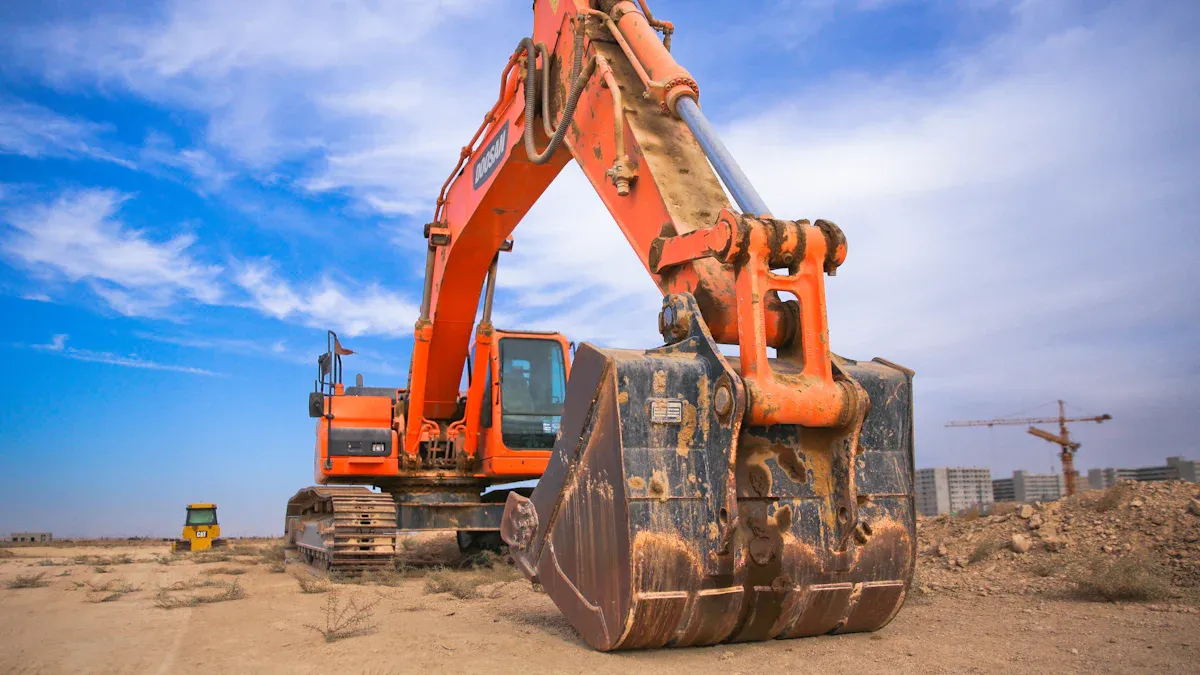
Anda sering menghadapi tantangan unik dalam proyek perumahan. Anda mungkin perlu bekerja di halaman belakang kecil, bermanuver di sekitar taman, atau menghindari halaman rumput yang merusak. Ekskavator mini dalam kisaran 0,8 hingga 1,5 ton sesuai dengan kebutuhan ini dengan baik. Ukurannya yang ringkas memungkinkan Anda melewati gerbang sempit dan beroperasi di sudut yang sempit. Anda dapat menggali parit untuk irigasi, menyiapkan tanah untuk teras, atau menghilangkan tunggul kecil.
Berikut adalah tabel yang cocok dengan ukuran excavator untuk aplikasi perumahan umum:
| Ukuran Mini Excavator | Kisaran Berat (lbs) | Aplikasi yang Cocok |
|---|---|---|
| 0,8 φ 1 ton | 1.800 φ 2.000 | Taman lansekap, parit untuk irigasi, lubang tiang pagar |
| 1,5 ton | 3,300 | Pijakan untuk penambahan, parit utilitas, pembongkaran kecil |
| 2.5 φ 3 ton | 5.400 φ 6.600 | Penggalian pondasi, lansekap skala besar, pemasangan kolam |
Anda dapat menggunakan excavator 0,8 ton untuk memasang kolam halaman belakang tanpa merobek halaman. Model 1,5 ton bekerja dengan baik untuk menggali pijakan untuk dek atau tambahan kecil. Jika Anda perlu menyiapkan situs untuk kolam renang, excavator 3 ton memberi Anda kekuatan dan jangkauan yang dibutuhkan.
Proyek komersial menuntut lebih banyak daya dan efisiensi. Anda mungkin perlu menggali parit yang dalam, memindahkan material berat, atau membersihkan area yang luas. Ekskavator mini 3 ton menonjol dalam situasi ini. Ini menangani penggalian pondasi, instalasi utilitas, dan pembongkaran dengan mudah. Anda dapat memasang pemutus hidrolik atau auger untuk tugas-tugas khusus.
Misalnya, Anda dapat menggunakan ekskavator 3 ton untuk memasang sistem drainase di properti komersial atau menghilangkan tunggul pohon besar selama persiapan lokasi.
Kondisi situs memainkan peran besar dalam pilihan Anda. Di ruang sempit, kemampuan manuver paling penting. Ekskavator mini 0,8 ton menawarkan penanganan yang unggul di area terbatas. Anda dapat masuk melalui gerbang sempit, berbelok dengan mudah, dan meminimalkan kerusakan tanah. Model yang lebih besar berjuang dalam kondisi ini.
| Fitur | Ekskavator Mini 0,8 Ton | Model Lebih Besar |
|---|---|---|
| Kemampuan Manuver di Ruang Terbatas | Unggul | Terbatas |
| Kemampuan untuk Fit Melalui Gerbang Sempit | Ya | TIDAK |
| Kemudahan Berbalik di Area Ketat | Lebih mudah | Lebih keras |
| Kerusakan Tanah | Kurang | More |
Di situs terbuka, Anda mendapat manfaat dari kekuatan dan jangkauan ekskavator yang lebih besar. Model 1,5 atau 3 ton mencakup lebih banyak tanah dengan cepat dan menangani pekerjaan yang lebih besar. Anda dapat menggali lebih dalam dan mengangkat beban yang lebih berat tanpa sering menggerakkan mesin.
Tip: Pilih excavator 0,8 ton untuk renovasi taman atau halaman belakang kota. Pilih model 3 ton untuk lapangan terbuka, lahan komersial, atau proyek yang membutuhkan pengangkatan berat.
Anda harus selalu mencocokkan ukuran excavator dengan jenis pekerjaan dan kondisi lokasi Anda. Pendekatan ini memastikan Anda bekerja secara efisien dan menghindari kerusakan atau penundaan yang tidak perlu.
Anda perlu mencocokkan ukuran mini excavator dengan jenis pekerjaan spesifik Anda. Setiap model unggul dalam tugas dan lingkungan yang berbeda. Misalnya, excavator 0,8 ton yang ringkas bekerja paling baik untuk lansekap ringan, parit taman, atau proyek perumahan skala kecil. Anda dapat bermanuver dengan mudah di ruang sempit dan menghindari merusak halaman rumput atau jalur. Mesin 1,5 ton cocok untuk pekerjaan berukuran sedang, seperti menggali pijakan, parit utilitas, atau pekerjaan pembongkaran kecil. Ini menyeimbangkan daya dan ukuran, menjadikannya pilihan serbaguna untuk sebagian besar situs komersial perumahan dan ringan. Jika Anda menghadapi tugas berat seperti penggalian pondasi, lansekap skala besar, atau instalasi utilitas komersial, ekskavator 3 ton menyediakan daya dan jangkauan yang Anda butuhkan.
Berikut adalah tabel yang cocok dengan ukuran excavator ke jenis pekerjaan dan lingkungan situs:
| Ukuran Ekskavator | Terbaik Cocok Untuk | Lingkungan Jobsite |
|---|---|---|
| 0,8Ton | Lansekap, parit taman, pembongkaran ringan | Ruang hunian yang ketat, taman |
| 1,5ton | Pijakan, parit utilitas, pembongkaran kecil | Situs perumahan, banyak kecil |
| 3ton | Pekerjaan pondasi, lansekap besar, utilitas | Situs terbuka, properti komersial |
Tip: Selalu nilai ruang lingkup proyek Anda sebelum memilih mesin. Jika Anda berencana untuk bekerja di halaman belakang yang terbatas, ekskavator yang lebih kecil menghemat waktu dan mencegah kerusakan properti. Untuk situs yang lebih besar dan terbuka, mesin yang lebih besar meningkatkan efisiensi.
Studi Kasus:
Seorang pemilik rumah perlu memasang sistem irigasi baru di halaman belakang yang sempit. Ekskavator 0,8 ton masuk melalui gerbang samping dan menyelesaikan pembuatan parit tanpa mengganggu tempat tidur taman. Sebaliknya, seorang kontraktor yang bekerja di properti komersial menggunakan ekskavator 3 ton untuk menggali parit yang dalam untuk pipa drainase, menyelesaikan pekerjaan di separuh waktu dibandingkan dengan model yang lebih kecil.
Mengangkut mini excavator Anda adalah faktor kunci dalam keputusan Anda. Model yang lebih kecil, seperti 0,8 ton, dapat ditarik dengan trailer standar dan truk pickup berukuran sedang. Anda menghemat biaya transportasi dan menghindari kebutuhan akan izin khusus. Excavator 1,5 ton membutuhkan trailer yang lebih kokoh dan kendaraan yang lebih bertenaga, tetapi sebagian besar kontraktor masih dapat menangani perpindahan tanpa layanan transportasi profesional. Model 3 ton, bagaimanapun, membutuhkan trailer tugas berat dan truk besar. Anda mungkin perlu menyewa perusahaan transportasi atau mendapatkan izin khusus, terutama untuk jarak jauh atau pengiriman perkotaan.
Checklist untuk Kebutuhan Transportasi:
Catatan: Biaya transportasi dapat bertambah dengan cepat, terutama untuk mesin yang lebih besar. Selalu sertakan pengeluaran ini dalam anggaran proyek Anda.
Studi Kasus:
Seorang pemilik bisnis lansekap secara teratur memindahkan ekskavator 1,5 ton antara lokasi kerja menggunakan trailer dual-axle dan pickup ukuran penuh. Pengaturan ini memungkinkan transisi cepat dan mengurangi waktu henti. Dalam contoh lain, kontraktor komersial perlu mengangkut ekskavator 3 ton melintasi batas kota. Perusahaan menyewa pengangkut profesional untuk mematuhi peraturan jalan setempat dan menghindari penundaan.
Anggaran Anda memainkan peran utama dalam memilih mini excavator yang tepat. Model yang lebih kecil harganya lebih murah untuk dibeli atau disewa. Anda juga menghabiskan lebih sedikit untuk bahan bakar, pemeliharaan, dan transportasi. Excavator 0,8 ton adalah pilihan paling terjangkau untuk proyek jangka pendek atau ringan. Model 1,5 ton menawarkan keseimbangan antara biaya dan kemampuan, menjadikannya pilihan populer untuk usaha kecil dan pemilik rumah dengan kebutuhan berkelanjutan. Excavator 3 ton membutuhkan investasi dimuka yang lebih tinggi, tetapi itu terbayar untuk proyek skala besar atau komersial di mana produktivitas paling penting.
| Ukuran Ekskavator | Biaya Sewa Khas (per hari) | Harga Pembelian Khas | Biaya Operasional |
|---|---|---|---|
| 0,8Ton | $100–$200 | $15,000͕$25,000 | Rendah (bahan bakar, pemeliharaan) |
| 1,5ton | $200φ$350 | $25,000͕$40,000 | Sedang |
| 3ton | $350͕$600 | $40,000͕$65,000 | Lebih tinggi (bahan bakar, suku cadang) |
Tip: Menyewa masuk akal untuk proyek jangka pendek atau satu kali. Jika Anda memiliki pekerjaan yang sering, membeli dapat menghemat uang dalam jangka panjang.
Studi Kasus:
Seorang pemilik rumah menyewa ekskavator 0,8 ton untuk proyek lansekap akhir pekan. Biaya sewa yang rendah sesuai dengan anggaran, dan mesin menyelesaikan pekerjaan secara efisien. Sebuah perusahaan konstruksi kecil berinvestasi dalam ekskavator 1,5 ton setelah menghitung bahwa penyewaan yang sering melebihi harga pembelian dalam setahun. Untuk proyek komersial skala besar, kontraktor membenarkan biaya yang lebih tinggi dari ekskavator 3 ton dengan menyelesaikan pekerjaan lebih cepat dan mengurangi biaya tenaga kerja.
Anda dapat menemukan pengalaman dunia nyata dan rincian biaya di forum konstruksi dan grup media sosial. Sumber daya ini membantu Anda membandingkan biaya kepemilikan dan sewa aktual untuk ukuran ekskavator yang berbeda.
Lampiran dapat mengubah excavator mini menjadi alat serbaguna. Anda harus mempertimbangkan yang mana lampiran yang Anda butuhkan sebelum Anda memilih ukuran mesin. Setiap ukuran excavator mendukung berbagai jenis dan jumlah lampiran.
Anda dapat menggunakan lampiran seperti ember, auger, pemutus hidrolik, ibu jari, dan ripper. Ekskavator 0,8 ton menangani ember dasar dan auger kecil. Model 1,5 ton mendukung jangkauan yang lebih luas, termasuk pemutus kompak dan bilah grading. Ekskavator 3 ton bekerja dengan attachment tugas berat, seperti auger besar, ibu jari hidrolik, dan pemadat.
| Ukuran Ekskavator | Lampiran Umum Didukung | Terbaik Untuk |
|---|---|---|
| 0,8Ton | Ember (sempit/lebar), auger kecil | Menggali ringan, menggali parit, menanam |
| 1,5ton | Ember, auger, pemutus kompak, bilah | Trenching utilitas, pijakan, demo kecil |
| 3ton | Ember, auger besar, pemutus, jempol, ripper, pemadat | Pembongkaran, pembuatan parit berat, persiapan lokasi |
Tip: Jika Anda berencana untuk beralih antara menggali, menilai, dan memecahkan beton, Anda memerlukan mesin yang mendukung coupler cepat dan saluran hidrolik untuk lampiran.
Anda harus memeriksa aliran hidrolik dan tekanan excavator. Spesifikasi ini menentukan lampiran mana yang dapat Anda gunakan. Excavator yang lebih besar memberi Anda lebih banyak pilihan dan daya untuk alat yang menuntut. Jika Anda hanya perlu penggalian dasar, mesin yang lebih kecil menghemat uang dan menyederhanakan operasi.
Anda dapat menyewa lampiran untuk kebutuhan jangka pendek. Pendekatan ini membantu Anda menghindari membeli alat mahal yang jarang Anda gunakan. Selalu konfirmasikan kompatibilitas dengan perusahaan atau dealer sewaan sebelum Anda berkomitmen.
Penyimpanan adalah faktor penting ketika Anda memilih excavator mini. Anda perlu melindungi investasi Anda dari cuaca, pencurian, dan kerusakan. Excavator yang lebih kecil, seperti model 0,8 ton, muat di garasi atau gudang standar. Anda dapat menyimpannya di properti perumahan dengan ruang minimal. Mesin 1,5 ton mungkin memerlukan gudang yang lebih besar atau area khusus di halaman atau fasilitas Anda.
Excavator 3 ton membutuhkan lebih banyak ruang dan lokasi yang aman. Anda mungkin memerlukan tempat penyimpanan komersial atau gudang peralatan besar. Penyimpanan di luar ruangan membuat mesin Anda terkena hujan, matahari, dan suhu beku. Anda harus menggunakan penutup atau terpal jika Anda tidak dapat menyimpan excavator di dalam ruangan.
Daftar Periksa untuk Kebutuhan Penyimpanan:
Catatan: Penyimpanan yang tepat memperpanjang umur excavator mini Anda dan mengurangi biaya perawatan. Anda melindungi investasi Anda dengan menjaga mesin tetap bersih, kering, dan aman.
Anda harus merencanakan penyimpanan sebelum Anda membeli atau menyewa excavator mini. Langkah ini mencegah masalah menit terakhir dan menjaga proyek Anda tetap pada jalurnya.
Anda dapat dengan cepat membandingkan fitur utama dari setiap ukuran mini excavator menggunakan tabel di bawah ini. Tampilan berdampingan ini membantu Anda melihat model mana yang paling sesuai dengan proyek Anda.
| Fitur | Ekskavator Mini 0,8 Ton | Ekskavator Mini 1,5 Ton | Ekskavator Mini 3 Ton |
|---|---|---|---|
| Berat Operasional | ~1.800 pon (800 kg) | ~3.300 pon (1.500 kg) | ~6.600 pon (3.000 kg) |
| Menggali Kedalaman | 5͕6 ft (1.5͕1.8 m) | 7φ8 ft (2.1͕2.4 m) | 9͕10 ft (2.7ج3 m) |
| Kapasitas Angkat | 400Σ500 lbs (180Σ225 kg) | 1.000 pon (450 kg) | 2.000 pon (900 kg) |
| Lebar | 2.5Σ3 ft (0.76͕0.91 m) | 3͕4 ft (0.91͕1.22 m) | 4.5Σ5 ft (1.37͕1.52 m) |
| Kebutuhan Transportasi | Trailer kecil, SUV/truk | Trailer sedang, pickup | Trailer tugas berat, truk besar |
| Efisiensi Bahan Bakar | Tinggi | Sedang | Lebih rendah |
| Dukungan Lampiran | Ember dasar, auger kecil | Ember, auger, pemutus kompak | Ember, auger besar, pemutus, jempol |
| Biaya Khas (USD) | $15,000͕$25,000 | $25,000͕$40,000 | $40,000͕$65,000 |
Catatan: Data berdasarkan spesifikasi pabrikan pada umumnya. Untuk lebih jelasnya, lihat panduan peralatan industri.
Anda harus mencocokkan ukuran mini excavator dengan pekerjaan Anda untuk hasil terbaik. Tabel di bawah ini merangkum penggunaan ideal, keuntungan utama, dan batasan untuk setiap ukuran. Ikhtisar ini diambil dari data pabrikan dan praktik terbaik industri.
| Ukuran Mini Excavator | Penggunaan Ideal | Keunggulan Utama | Batasan Utama |
|---|---|---|---|
| 0,8Ton | Taman lansekap, irigasi parit, demo dalam ruangan | Cocok untuk ruang sempit, transportasi mudah, dampak tanah rendah | Kekuatan penggalian terbatas, bukan untuk tanah berbatu atau parit yang dalam |
| 1,5ton | Pijakan, jalur utilitas, pembongkaran kecil, proyek halaman belakang | Rasio power-to-size yang baik, serbaguna, biaya sedang | Mungkin berjuang dengan tanah yang keras, membutuhkan trailer yang lebih besar |
| 3ton | Pekerjaan pondasi, utilitas komersial, lansekap besar, pemindahan tunggul | Kapasitas angkat tinggi, penggalian dalam, mendukung banyak lampiran | Membutuhkan lebih banyak ruang, biaya lebih tinggi, transportasi berat |
Tip: Jika Anda bekerja di halaman belakang atau perlu melewati gerbang sempit, pilih model 0,8 ton. Untuk sebagian besar konstruksi perumahan, ekskavator 1,5 ton memberi Anda keseimbangan kekuatan dan ukuran yang kuat. Untuk situs komersial atau penggalian tugas berat, mesin 3 ton memberikan kinerja yang Anda butuhkan.
Anda dapat melihat bahwa setiap ukuran mini excavator memiliki tujuan yang berbeda. Model yang lebih kecil unggul dalam kemampuan manuver dan kemudahan penggunaan. Model yang lebih besar memberikan lebih banyak kekuatan dan keserbagunaan untuk tugas yang menuntut. Selalu pertimbangkan kondisi situs Anda, opsi transportasi, dan sasaran proyek sebelum membuat pilihan akhir Anda.
Memilih mini excavator yang tepat untuk proyek Anda dapat menghemat waktu, uang, dan tenaga Anda. Anda dapat mengikuti langkah-langkah ini untuk membuat keputusan yang percaya diri:
Tip: Ambil foto situs dan pengukuran Anda sebelum Anda mengunjungi dealer atau halaman sewa. Ini membantu Anda menjelaskan kebutuhan Anda dan mendapatkan saran yang lebih baik.
Anda dapat menghindari perangkap umum dengan belajar dari pengalaman orang lain:
Catatan: Anda dapat menemukan lebih banyak tips dan cerita proyek nyata di grup media sosial dan forum konstruksi. Belajar dari orang lain membantu Anda menghindari kesalahan yang mahal.
Dengan mengikuti langkah-langkah ini dan mengawasi kesalahan umum, Anda dapat memilih excavator mini yang cocok dengan proyek Anda, sesuai dengan situs Anda, dan mendukung tujuan Anda.
Anda dapat memilih mini excavator terbaik dengan mencocokkan mesin dengan ukuran dan ruang lingkup proyek Anda. Model yang lebih kecil bekerja dengan baik untuk ruang sempit dan lansekap ringan. Excavator menengah sesuai dengan sebagian besar pekerjaan perumahan. Mesin yang lebih besar menangani tugas-tugas berat dan situs komersial. Gunakan checklist ini untuk memandu keputusan Anda:
Perencanaan yang cermat membantu Anda memilih excavator yang tepat dan menghindari kesalahan yang mahal.
Anda harus memilih mini excavator 0,8 ton untuk halaman belakang kecil. Ukurannya yang ringkas memungkinkan Anda masuk melalui gerbang sempit dan bekerja di ruang sempit tanpa merusak halaman rumput atau kebun.
Tidak, Anda memerlukan trailer tugas berat dan truk besar untuk mengangkut ekskavator mini 3 ton. Pickup standar tidak memiliki kapasitas penarik untuk berat ini.
Sebuah mini excavator 1,5 ton menawarkan keseimbangan terbaik untuk konstruksi perumahan. Anda dapat menggali pijakan, parit untuk utilitas, dan menyelesaikan pekerjaan pembongkaran kecil secara efisien.
Anda dapat menggunakan bucket dasar dan auger kecil dengan mini excavator 0,8 ton. Attachment yang lebih besar atau bertenaga hidrolik biasanya membutuhkan mesin yang lebih besar.
Ukur semua titik akses, termasuk gerbang dan jalur. Bandingkan pengukuran ini dengan lebar ekskavator. Selalu periksa sebelum menyewa atau membeli untuk menghindari masalah akses.
Menyewa biasanya lebih baik untuk proyek jangka pendek atau satu kali. Anda menghemat uang untuk biaya pembelian, pemeliharaan, dan penyimpanan.
Cari fitur seperti perlindungan rollover, pematian darurat, dan visibilitas operator yang jelas. Fitur-fitur ini membantu Anda tetap aman selama operasi.
Ya, Anda dapat menggunakan ekskavator mini 3 ton untuk lansekap skala besar. Namun, Anda mungkin menemukannya terlalu besar untuk pekerjaan taman yang halus atau terbatas.




-1.png)