Correo electrónico: [email protected] WhatsApp: +8618266768780

Correo electrónico: [email protected] WhatsApp: +8618266768780


Necesita una miniexcavadora que se adapte a su proyecto. Para espacios reducidos o paisajismo delicado, un modelo de 0,8 toneladas le brinda la maniobrabilidad que desea. Los trabajos de tamaño mediano o los sitios de construcción pequeños se benefician del equilibrio entre potencia y tamaño en una máquina de 1,5 toneladas. Si se enfrenta a excavaciones pesadas o cargas más grandes, una excavadora de 3 toneladas ofrece un rendimiento sólido. Considerar factores como el rendimiento hidráulico, compatibilidad de accesorios, necesidades de transporte, espacio de almacenamiento, eficiencia de combustible y costo. Utilice esta guía de compra de miniexcavadoras: modelos de 0,8 toneladas a 3 toneladas en comparación para encontrar la mejor opción para sus necesidades.
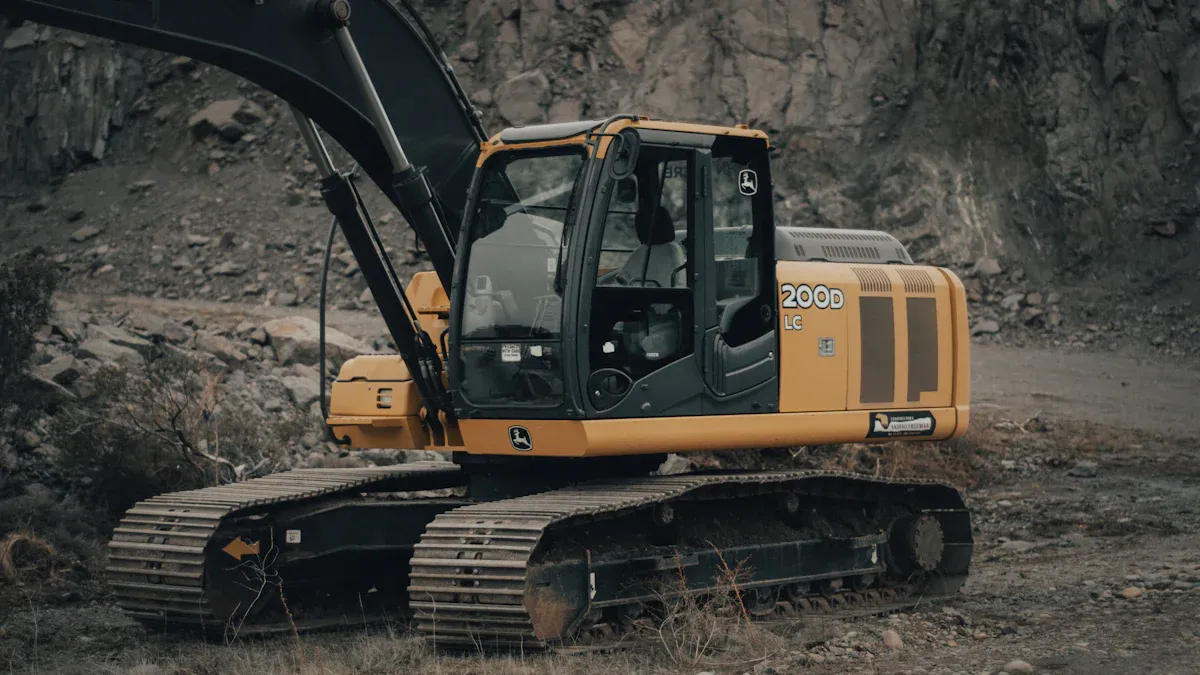
Debe comprender las principales diferencias entre miniexcavadoras de 0,8 toneladas, 1,5 toneladas y 3 toneladas antes de elegir. El modelo de 0,8 toneladas pesa menos de 2000 libras. Se adapta a puertas estrechas y funciona bien en patios traseros estrechos. La máquina de 1,5 toneladas ofrece más potencia y estabilidad, con un peso de alrededor de 3300 libras. Maneja excavaciones más profundas y cargas más pesadas. La excavadora de 3 toneladas se destaca con un peso cercano a las 6600 libras. Levanta objetos más grandes y cava zanjas más profundas. Obtienes más potencia hidráulica y alcance a medida que aumentas de tamaño.
| Tamaño del modelo | Peso operativo | Profundidad de excavación | Capacidad de levantamiento | Ancho |
|---|---|---|---|---|
| 0,8 toneladas | ~1.800 lbs | 5-6 pies | 400-500 lbs | 2,5-3 pies |
| 1,5 toneladas | ~3300 lbs | 7-8 pies | 1.000 de lbs | 3-4 pies |
| 3 toneladas | ~6.600 lbs | 9-10 pies | 2.000 libras | 4,5-5 pies |
Puedes hacer coincidir el tamaño de cada miniexcavadora con tareas específicas:
Consejo: Si necesita hacer zanjas para tuberías de agua, alcantarillado o tuberías de gas, una excavadora de 3 toneladas le brinda la energía y el alcance que necesita. Para trabajos delicados en el jardín, siga con el modelo de 0,8 toneladas.
Miniexcavadora de 0,8 toneladas
Miniexcavadora de 1,5 toneladas
Miniexcavadora de 3 toneladas
Puede utilizar esta Guía de compra de mini excavadoras: modelos de 0,8 toneladas a 3 toneladas en comparación con las necesidades de su proyecto con la máquina adecuada. Piense en el tamaño de su sitio, el tipo de trabajo y las opciones de transporte antes de decidirse.
Elegir la miniexcavadora adecuada puede hacer que su proyecto sea más fácil y eficiente. Esta guía de compra de miniexcavadoras: modelos de 0,8 toneladas a 3 toneladas comparados le ayuda a comprender las fortalezas y limitaciones de cada tamaño. Puede adaptar sus necesidades a la máquina adecuada observando características, usos típicos y ejemplos prácticos.
Obtienes excelente maniobrabilidad con miniexcavadora de 0,8 toneladas. El tamaño compacto le permite trabajar en espacios reducidos, como patios traseros pequeños o callejones estrechos. Transportar este modelo es sencillo porque la mayoría de remolques y camiones pueden soportar el peso. También te beneficias de un bajo impacto en el suelo, que protege el césped y las superficies delicadas.
Aquí hay una tabla que muestra proyectos comunes pentru acestea dimensiune:
| Tipo de proyecto | Descripción |
|---|---|
| Paisajismo | Se utiliza para tareas como plantar y nivelar tierras. |
| Trabajo de utilidad | Ideal para cavar zanjas para servicios públicos. |
| Movimiento de tierras a pequeña escala | Adecuado para tareas ligeras de movimiento de tierras en espacios reducidos. |
| Instalación de Piscinas | Eficaz para excavar y nivelar piscinas. |
| Remoción de árboles | Puede ayudar a arrancar y quitar árboles. |
| Demolición de edificios pequeños | Útil para demoler estructuras pequeñas. |
Consejo: Si necesita instalar un estanque de jardín o cavar zanjas para riego, puede confiar en que la excavadora de 0,8 toneladas pasará por puertas estrechas y evitar dañará el paisaje existente.
Te enfrentas a límites con profundidad de excavación y capacidad de elevación. El modelo de 0,8 toneladas no puede soportar demoliciones pesadas o zanjas profundas. Puede tener dificultades con suelos duros o rocas grandes. Las opciones de fijación son menores y no se pueden utilizar cubos o herramientas hidráulicas más grandes. Si su proyecto implica mover grandes cantidades de tierra o levantar objetos pesados, necesita una máquina más grande.
Deberías considerar la excavadora de 0,8 toneladas para pequeños proyectos residenciales, pero evítala para trabajos comerciales o excavación profunda.
Obtienes un equilibrio de potencia y tamaño con la miniexcavadora de 1,5 toneladas. Este modelo funciona bien para la mayoría de proyectos de construcción residencial y paisajismo. Puedes excavar más profundamente y levantar cargas más pesadas que el modelo más pequeño. La máquina sigue siendo fácil de transportar, aunque es posible que necesite un remolque más grande.
Las características clave incluyen:
Si planea cavar zapatas para una ampliación de su hogar o zanjas para líneas de servicios públicos, la excavadora de 1,5 toneladas le brinda el alcance y la potencia que necesita.
Es posible que el modelo de 1,5 toneladas tenga dificultades con terrenos muy duros o grandes tareas de demolición. El transporte requiere un remolque y un vehículo resistentes. La máquina necesita más espacio para funcionar que el modelo más pequeño. No se pueden utilizar los accesorios más grandes y la capacidad de elevación sigue siendo limitada en comparación con las máquinas comerciales.
Deberías utilizar la excavadora de 1,5 toneladas para trabajos residenciales de tamaño mediano, pero busca un modelo más grande si necesitas mover rocas grandes o cavar zanjas profundas.
Obtienes un rendimiento robusto con una miniexcavadora de 3 toneladas. Este modelo maneja tareas pesadas y admite muchos accesorios. Puedes cavar zanjas profundas y levantar objetos grandes. El diseño compacto aún le permite trabajar en áreas residenciales, pero obtiene sistemas hidráulicos avanzados para un control preciso.
Aquí hay una tabla de características destacadas:
| Característica | Descripción |
|---|---|
| Diseño compacto | Permite la navegación a través de espacios reducidos y áreas residenciales donde no se puede acceder a equipos más grandes. |
| Sistemas hidráulicos avanzados | Proporciona un control preciso y un funcionamiento fluido, esencial para tareas pesadas. |
| Profundidad de excavación | Rangos de 7 a 9 pies, lo que permite capacidades de excavación sustanciales. |
| Alcanzar distancia | Se extiende hasta 12 pies, mejorando la versatilidad en diversas aplicaciones. |
| Peso operativo | Entre 6,000 y 7,500 libras, lo que garantiza estabilidad y distribución óptima de la presión del suelo. |
| Caracteristicas de seguridad | Incluye cabinas certificadas ROPS y sistemas de parada de emergencia para protección del operador. |
| Potencia del motor | Motores diésel que producen entre 20 y 30 caballos de fuerza para un rendimiento eficiente en tareas exigentes. |
Si necesita quitar tocones grandes, excavar para servicios comerciales o realizar demoliciones, la excavadora de 3 toneladas le brinda la potencia y el alcance necesarios.
Necesita más espacio para operar y almacenar el modelo de 3 toneladas. El transporte de esta excavadora requiere un remolque y un camión pesados. El costo es mayor, tanto para compra como para alquiler. Es posible que la máquina le resulte demasiado grande para sitios residenciales pequeños o paisajismo delicado.
Debes elegir la excavadora de 3 toneladas para proyectos comerciales o movimientos de tierras a gran escala, pero evítala para jardines pequeños o sitios con acceso limitado.
Esta guía de compra de miniexcavadoras: modelos de 0,8 toneladas a 3 toneladas comparados le brinda la información que necesita para hacer coincidir su proyecto con la máquina adecuada. Puede tomar una decisión informada considerando el tamaño del sitio, el tipo de trabajo y las necesidades de transporte.
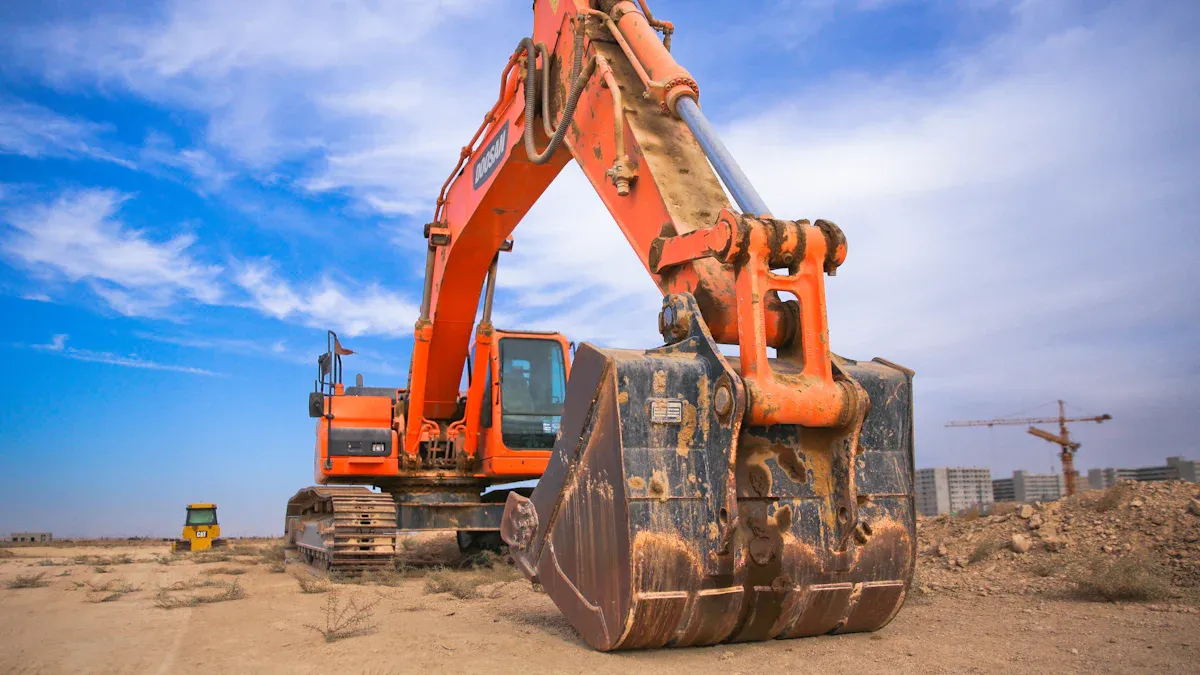
A menudo se enfrenta a desafíos únicos en proyectos residenciales. Es posible que necesite trabajar en pequeños patios traseros, maniobrar alrededor de jardines o evitar dañar el césped. Las miniexcavadoras en el rango de 0,8 a 1,5 toneladas se adaptan bien a estas necesidades. El tamaño compacto le permite atravesar puertas estrechas y operar en esquinas estrechas. Puedes cavar zanjas para riego, preparar el terreno para patios o quitar pequeños tocones.
Aquí hay una tabla que relaciona el tamaño de la excavadora con aplicaciones residenciales comunes:
| Tamaño de miniexcavadora | Rango de peso (libras) | Aplicaciones adecuadas |
|---|---|---|
| 0,8 «1 ton | 1.800 -2.000 | Jardinería, zanjas para riego, agujeros para postes de cercas |
| 1,5 ton | 3,300 | Zapatas para ampliaciones, zanjas de servicios públicos, pequeñas demoliciones |
| 2,5 -ñan 3 ton | 5.400 -6.600 | Excavación de cimientos, paisajismo a gran escala, instalación de piscinas |
Puede utilizar una excavadora de 0,8 toneladas para instalar un estanque en el patio trasero sin romper el césped. Un modelo de 1,5 toneladas funciona bien para cavar zapatas para una terraza o una pequeña ampliación. Si necesita preparar un sitio para una piscina, una excavadora de 3 toneladas le brinda la potencia y el alcance necesarios.
Los proyectos comerciales exigen más potencia y eficiencia. Es posible que necesite cavar zanjas profundas, mover materiales pesados o despejar áreas grandes. La miniexcavadora de 3 toneladas se destaca en estas situaciones. Maneja la excavación de cimientos, la instalación de servicios públicos y la demolición con facilidad. Puede colocar martillos hidráulicos o sinfines para tareas especializadas.
Por ejemplo, puede utilizar una excavadora de 3 toneladas para instalar sistemas de drenaje en una propiedad comercial o quitar grandes tocones de árboles durante la preparación del sitio.
Las condiciones del sitio juegan un papel importante en su elección. En espacios reducidos, la maniobrabilidad es lo más importante. La miniexcavadora de 0,8 toneladas ofrece un manejo superior en áreas confinadas. Puede pasar por puertas estrechas, girar fácilmente y minimizar el daño al suelo. Los modelos más grandes luchan en estas condiciones.
| Característica | Miniexcavadoras de 0,8 toneladas | Modelos más grandes |
|---|---|---|
| Maniobrabilidad en espacios confinados | Superior | Limitado |
| Capacidad para pasar por puertas estrechas | Sí | No |
| Facilidad de giro en áreas estrechas | Más fácil | Más duro |
| Daños al suelo | Menos | Más |
En sitios abiertos, se beneficiará de la potencia y el alcance de excavadoras más grandes. Un modelo de 1,5 o 3 toneladas cubre más terreno rápidamente y realiza trabajos más grandes. Puedes excavar más profundamente y levantar cargas más pesadas sin mover la máquina con tanta frecuencia.
Consejo: Elija una excavadora de 0,8 toneladas para renovaciones de jardines o patios traseros urbanos. Seleccione un modelo de 3 toneladas para campos abiertos, lotes comerciales o proyectos que requieran levantamiento de objetos pesados.
Siempre debe adaptar el tamaño de la excavadora a su tipo de trabajo y condiciones del sitio. Este enfoque garantiza que trabaje de manera eficiente y evite daños o retrasos innecesarios.
Debe adaptar el tamaño de la miniexcavadora a su tipo de trabajo específico. Cada modelo sobresale en diferentes tareas y entornos. Por ejemplo, una excavadora compacta de 0,8 toneladas funciona mejor para paisajismo ligero, zanjas de jardín o proyectos residenciales de pequeña escala. Puede maniobrarla fácilmente en espacios reducidos y evitar dañar el césped o los caminos. Una máquina de 1,5 toneladas se adapta a trabajos de tamaño mediano, como excavación de zapatas, zanjas de servicios públicos o pequeños trabajos de demolición. Equilibra potencia y tamaño, lo que la convierte en una opción versátil para la mayoría de los sitios residenciales y comerciales livianos. Si se enfrenta a tareas pesadas como excavación de cimientos, paisajismo a gran escala o instalación de servicios comerciales, una excavadora de 3 toneladas proporciona la potencia y el alcance que necesita.
Aquí hay una tabla que coincide con el tamaño de la excavadora al tipo de trabajo y entorno del sitio:
| Tamaño de la excavadora | Mejor ajuste para | Entorno del sitio de trabajo |
|---|---|---|
| 0,8 toneladas | Paisajismo, zanjas de jardín, demolición ligera | Espacios residenciales reducidos, jardines |
| 1,5 toneladas | Zapatas, zanjas de servicios públicos, pequeña demolición | Sitios residenciales, lotes pequeños |
| 3 toneladas | Trabajos de cimentación, gran paisajismo, servicios públicos | Sitios abiertos, propiedades comerciales |
Consejo: Evalúe siempre el alcance de su proyecto antes de elegir una máquina. Si planea trabajar en un patio trasero confinado, una excavadora más pequeña ahorra tiempo y evita daños a la propiedad. Para sitios abiertos más grandes, una máquina más grande aumenta la eficiencia.
Estudio de caso:
Un propietario necesitaba instalar un nuevo sistema de riego en un patio trasero estrecho. La excavadora de 0,8 toneladas pasó por una puerta lateral y completó la excavación de zanjas sin alterar los parterres del jardín. Por el contrario, un contratista que trabajaba en una propiedad comercial utilizó una excavadora de 3 toneladas para cavar zanjas profundas para tuberías de drenaje, terminando el trabajo en la mitad de tiempo en comparación con un modelo más pequeño.
Transportar su miniexcavadora es un factor clave en su decisión. Los modelos más pequeños, como el de 0,8 toneladas, se pueden remolcar con un remolque estándar y una camioneta de tamaño mediano. Ahorra en costes de transporte y evita la necesidad de permisos especiales. La excavadora de 1,5 toneladas requiere un remolque más resistente y un vehículo más potente, pero la mayoría de los contratistas aún pueden encargarse de la mudanza sin servicios de transporte profesionales. El modelo de 3 toneladas, sin embargo, necesita un remolque pesado y un camión grande. Es posible que necesite contratar una empresa de transporte o obtener permisos especiales, especialmente para largas distancias o entregas urbanas.
Lista de verificación para necesidades de transporte:
Nota: Los costos de transporte pueden acumularse rápidamente, especialmente para máquinas más grandes. Incluya siempre estos gastos en el presupuesto de su proyecto.
Estudio de caso:
El propietario de una empresa de paisajismo movía periódicamente una excavadora de 1,5 toneladas entre los lugares de trabajo utilizando un remolque de dos ejes y una camioneta de tamaño completo. Esta configuración permitió transiciones rápidas y redujo el tiempo de inactividad. En otro ejemplo, un contratista comercial necesitaba transportar una excavadora de 3 toneladas a través de los límites de la ciudad. La empresa contrató a un transportista profesional para cumplir con las normas viales locales y evitar retrasos.
Su presupuesto juega un papel importante a la hora de seleccionar la miniexcavadora adecuada. Los modelos más pequeños cuestan menos para comprar o alquilar. También gastas menos en combustible, mantenimiento y transporte. La excavadora de 0,8 toneladas es la opción más asequible para proyectos ligeros o de corto plazo. El modelo de 1,5 toneladas ofrece un equilibrio entre costo y capacidad, lo que la convierte en una opción popular para pequeñas empresas y propietarios de viviendas con necesidades continuas. La excavadora de 3 toneladas requiere una mayor inversión inicial, pero vale la pena para proyectos comerciales o de gran escala donde la productividad importa más.
| Tamaño de la excavadora | Costo típico de alquiler (por día) | Precio de compra típico | Costos operativos |
|---|---|---|---|
| 0,8 toneladas | $100-$200 | $15.000-$25.000 | Bajo (combustible, mantenimiento) |
| 1,5 toneladas | $200-$350 | $25.000-$40.000 | Moderado |
| 3 toneladas | $350-$600 | $40.000-$65.000 | Superior (combustible, repuestos) |
Consejo: El alquiler tiene sentido para proyectos puntuales o de corto plazo. Si tiene trabajos frecuentes, comprar puede ahorrar dinero a largo plazo.
Estudio de caso:
Un propietario alquiló una excavadora de 0,8 toneladas para un proyecto de paisajismo de fin de semana. El bajo coste de alquiler se ajustaba al presupuesto y la máquina completaba el trabajo de forma eficiente. Una pequeña empresa constructora invirtió en una excavadora de 1,5 toneladas después de calcular que los alquileres frecuentes excedían el precio de compra en un año. Para un proyecto comercial a gran escala, un contratista justificó el mayor costo de una excavadora de 3 toneladas completando el trabajo más rápido y reduciendo los gastos de mano de obra.
Puede encontrar experiencias del mundo real y desgloses de costos en foros de construcción y grupos de redes sociales. Estos recursos le ayudan a comparar los costos reales de propiedad y alquiler para diferentes tamaños de excavadoras.
Los accesorios pueden transformar una miniexcavadora en una herramienta multiusos. Deberías considerar cuál accesorios que necesitas antes de elegir el tamaño de una máquina. Cada tamaño de excavadora admite diferentes tipos y números de accesorios.
Puede utilizar accesorios como cubos, barrenas, martillos hidráulicos, pulgares y desgarradores. Una excavadora de 0,8 toneladas maneja cubos básicos y barrenas pequeñas. Un modelo de 1,5 toneladas admite una gama más amplia, incluidos martillos compactos y cuchillas niveladoras. Una excavadora de 3 toneladas funciona con accesorios de alta resistencia, como barrenas grandes, pulgares hidráulicos y compactadores.
| Tamaño de la excavadora | Adjuntos comunes compatibles | Mejor para |
|---|---|---|
| 0,8 toneladas | Cubos (estrechos/anchos), sinfines pequeños | Excavación ligera, excavación de zanjas, plantación |
| 1,5 toneladas | Cuboes, barrenas, rompedores compactos, cuchillas | Zanjas de servicios públicos, zapatas, pequeña demostración |
| 3 toneladas | Cubos, barrenas grandes, rompedores, pulgares, desgarradores, compactadores | Demolición, excavación de zanjas pesadas, preparación del sitio |
Consejo: Si planea cambiar entre excavación, nivelación y rotura de concreto, necesita una máquina que admita acopladores rápidos y líneas hidráulicas para accesorios.
Debes comprobar el flujo hidráulico y la presión de la excavadora. Estas especificaciones determinan qué accesorios puedes utilizar. Una excavadora más grande le brinda más opciones y potencia para herramientas exigentes. Si solo necesita excavaciones básicas, una máquina más pequeña ahorra dinero y simplifica la operación.
Puede alquilar accesorios para necesidades a corto plazo. Este enfoque le ayuda a evitar comprar herramientas costosas que rara vez utiliza. Confirme siempre la compatibilidad con la empresa de alquiler o el distribuidor antes de comprometerse.
El almacenamiento es un factor importante cuando selecciona una miniexcavadora. Necesita proteger su inversión contra el clima, el robo y los daños. Las excavadoras más pequeñas, como el modelo de 0,8 toneladas, caben en garajes o cobertizos estándar. Puede almacenarlas en propiedades residenciales con un espacio mínimo. Una máquina de 1,5 toneladas puede requerir un cobertizo más grande o un área exclusiva en su patio o instalación.
Una excavadora de 3 toneladas necesita más espacio y una ubicación segura. Es posible que necesite un lote de almacenamiento comercial o un gran granero para equipos. El almacenamiento al aire libre expone su máquina a la lluvia, el sol y las temperaturas bajo cero. Debes utilizar fundas o lonas si no puedes guardar la excavadora en interiores.
Lista de verificación para necesidades de almacenamiento:
Nota: El almacenamiento adecuado prolonga la vida útil de su miniexcavadora y reduce los costos de mantenimiento. Usted protege su inversión manteniendo la máquina limpia, seca y segura.
Debe planificar el almacenamiento antes de comprar o alquilar una miniexcavadora. Este paso evita problemas de última hora y mantiene su proyecto en marcha.
Puede comparar rápidamente las características principales de cada tamaño de miniexcavadora utilizando la siguiente tabla. Esta vista de lado a lado le ayuda a ver qué modelo se adapta mejor a su proyecto.
| Característica | Miniexcavadora de 0,8 toneladas | Miniexcavadora de 1,5 toneladas | Miniexcavadora de 3 toneladas |
|---|---|---|---|
| Peso operativo | ~1.800 lbs (800 kg) | ~3300 lbs (1500 kg) | ~6.600 lbs (3.000 kg) |
| Profundidad de excavación | 5-6 pies (1,5-1,8 m) | 7-8 pies (2,1-2,4 m) | 9-10 pies (2,7-3 m) |
| Capacidad de levantamiento | 400-500 lbs (180-225 kg) | 1.000 lbs (450 kg) | 2000 lbs (900 kg) |
| Ancho | 2,5-3 pies (0,76-0,91 m) | 3-4 pies (0,91-1,22 m) | 4,5-5 pies (1,37-1,52 m) |
| Necesidades de transporte | Remolque pequeño, SUV/camión | Remolque mediano, recogida | Remolque de servicio pesado, camión grande |
| Eficiencia de combustible | Alto | Moderado | Más bajo |
| Soporte adjunto | Cucharones básicos, barrenas pequeñas | Cuboes, barrenas, rompedores compactos | Cubos, barrenas grandes, rompedores, pulgares |
| Costo típico (USD) | $15.000-$25.000 | $25.000-$40.000 | $40.000-$65.000 |
Nota: Datos basados en especificaciones típicas del fabricante. Para más detalles, consulte guías de equipos industriales.
Debe hacer coincidir el tamaño de la miniexcavadora con su trabajo para obtener los mejores resultados. La siguiente tabla resume los usos ideales, las principales ventajas y las limitaciones para cada tamaño. Esta descripción general se basa en datos del fabricante y las mejores prácticas de la industria.
| Tamaño de miniexcavadora | Usos ideales | Principales ventajas | Limitaciones clave |
|---|---|---|---|
| 0,8 toneladas | Paisajismo de jardines, zanjas de riego, demostración interior | Se adapta a espacios reducidos, fácil transporte y bajo impacto en el suelo | Fuerza de excavación limitada, no para suelos rocosos o zanjas profundas |
| 1,5 toneladas | Zapatas, líneas de servicios públicos, pequeñas demoliciones, proyectos de patio trasero | Buena relación potencia-tamaño, versátil, coste moderado | Puede tener dificultades con terrenos duros, necesita un remolque más grande |
| 3 toneladas | Trabajos de cimentación, servicios comerciales, paisajismo grande, remoción de tocones | Alta capacidad de elevación, excavación profunda, admite muchos accesorios | Necesita más espacio, mayor costo, transporte pesado |
Consejo: Si trabaja en un patio trasero o necesita pasar por puertas estrechas, elija un modelo de 0,8 toneladas. Para la mayoría de las construcciones residenciales, una excavadora de 1,5 toneladas le brinda un fuerte equilibrio entre potencia y tamaño. Para sitios comerciales o excavaciones de alta resistencia, una máquina de 3 toneladas ofrece el rendimiento que necesita.
Puedes ver que cada tamaño de miniexcavadora tiene un propósito diferente. Los modelos más pequeños destacan en maniobrabilidad y facilidad de uso. Los modelos más grandes brindan más potencia y versatilidad para tareas exigentes. Considere siempre las condiciones de su sitio, las opciones de transporte y los objetivos del proyecto antes de tomar su decisión final.
Elegir la miniexcavadora adecuada para su proyecto puede ahorrarle tiempo, dinero y esfuerzo. Puedes seguir estos pasos para tomar una decisión segura:
Consejo: Tome fotografías de su sitio y de sus mediciones antes de visitar un distribuidor o un patio de alquiler. Esto le ayuda a explicar sus necesidades y obtener mejores consejos.
Puedes evitar errores comunes aprendiendo de las experiencias de los demás:
Nota: Puede encontrar más consejos e historias reales de proyectos en grupos de redes sociales y foros de construcción. Aprender de los demás le ayuda a evitar errores costosos.
Siguiendo estos pasos y atento a errores comunes, puede elegir una miniexcavadora que coincida con su proyecto, se ajuste a su sitio y respalde sus objetivos.
Puede seleccionar la mejor miniexcavadora adaptando la máquina al tamaño y alcance de su proyecto. Los modelos más pequeños funcionan bien para espacios reducidos y paisajismo ligero. Las excavadoras medianas se adaptan a la mayoría de los trabajos residenciales. Las máquinas más grandes se encargan de tareas pesadas y sitios comerciales. Utilice esta lista de verificación para guiar su decisión:
Una planificación cuidadosa le ayuda a elegir la excavadora adecuada y evitar errores costosos.
Deberías elegir una miniexcavadora de 0,8 toneladas para patios traseros pequeños. Su tamaño compacto le permite pasar por puertas estrechas y trabajar en espacios reducidos sin dañar el césped o los jardines.
No, necesitas un remolque pesado y un camión grande para transportar una miniexcavadora de 3 toneladas. Las camionetas estándar no tienen capacidad de remolque para este peso.
Una miniexcavadora de 1,5 toneladas ofrece el mejor equilibrio para la construcción residencial. Puede cavar zapatas, zanjas para servicios públicos y completar pequeños trabajos de demolición de manera eficiente.
Puede utilizar cubos básicos y sinfines pequeños con una miniexcavadora de 0,8 toneladas. Los accesorios más grandes o hidráulicos suelen requerir una máquina más grande.
Mida todos los puntos de acceso, incluidas puertas y caminos. Compare estas medidas con el ancho de la excavadora. Verifique siempre antes de alquilar o comprar para evitar problemas de acceso.
El alquiler suele ser mejor para proyectos únicos o de corto plazo. Ahorra dinero en costos de compra, mantenimiento y almacenamiento.
Busque funciones como protección contra vuelcos, apagado de emergencia y visibilidad clara del operador. Estas características le ayudan a mantenerse seguro durante la operación.
Sí, puedes utilizar una miniexcavadora de 3 toneladas para paisajismo a gran escala. Sin embargo, es posible que lo encuentre demasiado grande para trabajos de jardín delicados o confinados.



-1.png)